Toddler Night Terrors vs. Nightmares

Sarah Mitchell
Sarah Mitchell is a Registered Pediatric Nurse and a mother of three who has spent over a decade helping families navigate the beautiful, chaotic early years of childhood. She combines evidence-based medical knowledge with real-world parenting experience to offer practical, compassionate advice. At Awesome Parent, Sarah's mission is to help exhausted parents find solutions, trust their instincts, and finally get some sleep.
If you have ever bolted upright at 11:30 PM to the sound of your toddler screaming like something is terribly wrong, you are not alone. In clinic, parents would come in the next day pale and shaken, convinced their child had been traumatized or was having seizures. And as a pediatric clinician and a mom, I have had those nights too: heart racing, trying to decide whether to scoop them up or stand back.
Here is the reassuring truth: night terrors and nightmares are both common, and most kids outgrow them. They look similar from the hallway, but they come from different parts of sleep and need different responses. Once you know which one you are dealing with, the plan gets a lot clearer.
One more reassuring note: night terrors are fairly common in young kids (often quoted around a few percent, sometimes higher depending on the study) and they usually improve with age, often fading by school age.
Night terrors vs. nightmares: the simple difference
Think of it like this:
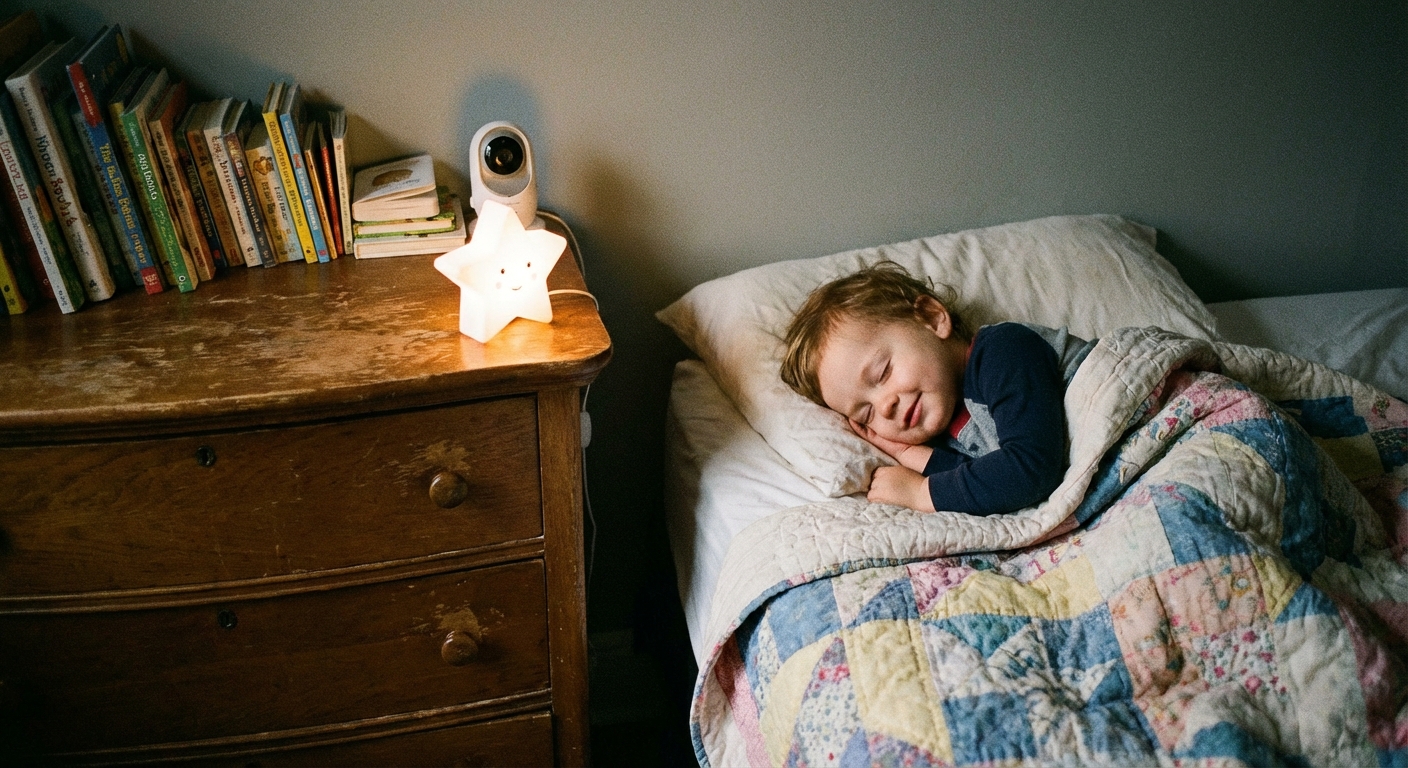
- Nightmares are scary dreams. Your child wakes up from them and wants comfort.
- Night terrors are a partial wake-up from deep sleep. Your child may look awake, but their brain is not fully awake. Trying to fully engage, hold tightly, or wake them can prolong the episode, so many kids do best with minimal interaction.
Where they happen in sleep
- Night terrors are a type of parasomnia that happens during deep non-REM sleep (often called slow-wave sleep). Kids partially arouse, but they are not truly awake.
- Nightmares happen during REM sleep (dream sleep), when the brain is active and dreams are vivid.
When they happen in the night
- Night terrors: usually in the first third of the night, often 1 to 3 hours after falling asleep.
- Nightmares: more likely in the second half of the night or early morning, when REM sleep is longer.
Typical ages: who gets what and when
Both can happen in toddlers, but there are patterns:
- Night terrors most commonly start in toddlers and preschoolers (around 2 to 6 years), though they can appear earlier or later.
- Nightmares can start as early as toddlerhood, but become especially common in the preschool and school-age years as imagination and fears grow.
One important note from the triage desk: a sudden wave of bad dreams after a major change (new sibling, daycare switch, travel, illness) is very normal. Sleep helps brains process the day.
How to tell which one it is
Here are the signs parents notice most.
Signs of a night terror
- Happens early in the night
- Child may sit up, scream, thrash, or look panicked
- Eyes may be open, glassy, or looking right through you
- They may sweat, breathe fast, or have a racing heart
- They may push you away or seem angry if touched
- Hard to wake and hard to soothe
- Episode may be a few minutes, often 5 to 15 minutes, and occasionally longer (sometimes 30 minutes or more)
- No memory of it in the morning, or very little
Signs of a nightmare
- More common later in the night
- Child wakes up and can usually talk, cry, or call for you
- They want closeness: cuddles, water, lights on
- They may tell you what they dreamed about (even if it is toddler logic like “the banana yelled at me”)
- They remember at least pieces of it the next day
What to do during a night terror
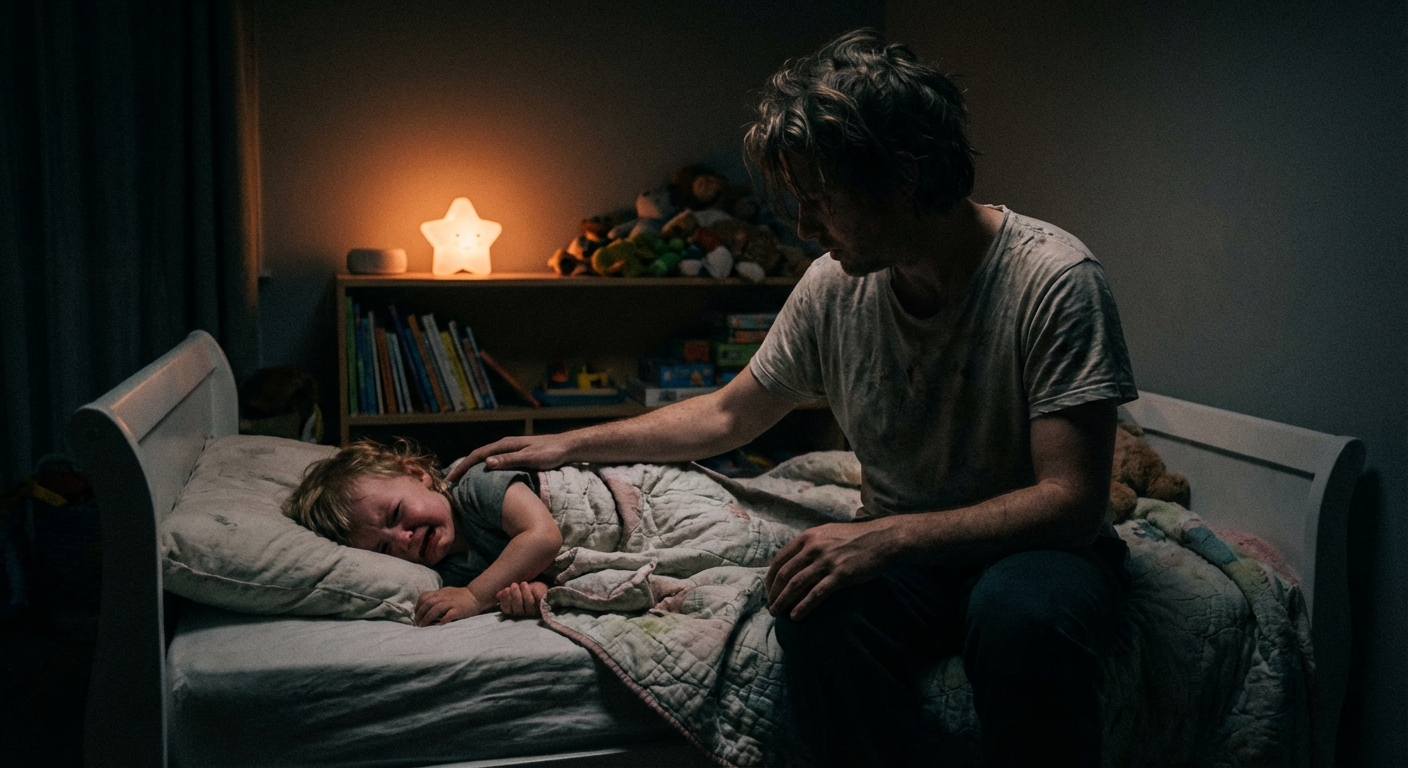
This is the part nobody likes, because it can feel wrong to do less. But with night terrors, less is often safer and faster.
Do this
- Keep them safe. Make sure they cannot fall out of bed, hit a nightstand, or get tangled in blankets. If they are in a toddler bed, consider a low bed or placing a soft rug next to it. Avoid bunk beds during phases of night terrors or sleepwalking.
- Stay nearby and calm. Your job is basically to be a quiet safety guardrail.
- Use a low, steady voice. Short phrases like “You are safe. I’m right here.”
- Keep contact light if they tolerate it. Some kids do fine with a gentle hand on the back. Others get more upset if touched, so follow your child’s cues.
- Wait it out. Most episodes pass on their own.
- After it ends, guide them back to sleep. Keep lights dim and stimulation low.
Try not to do this
- Do not try to fully wake them. It often prolongs the episode and can make them more upset.
- Do not shake them or yell their name repeatedly. It can escalate the panic response.
- Do not pepper them with questions. They are not able to explain what is happening mid-event.
- Do not assume they will remember. In the morning, many kids are completely fine and confused that you are upset.
If your toddler is trying to get out of bed and wander, calmly redirect them back. Some kids do best if you stand between them and the door. If sleepwalking is part of the picture, add extra safety: secure stairs, use a baby gate if needed, and consider a door chime so you wake if they roam.
What to do after a nightmare
Nightmares are the opposite: your child is awake enough to need comfort and reassurance.
- Go to them and offer comfort. A hug, a back rub, a sip of water, or sitting together for a minute can help.
- Reassure with simple truth. “That was a scary dream. You are safe. I’m here.”
- Keep it boring. Bright lights, screens, snacks, or long conversations can accidentally teach the brain: waking up at night is interesting.
- If they want to talk, keep it short. Validate feelings, then gently transition back to sleep.
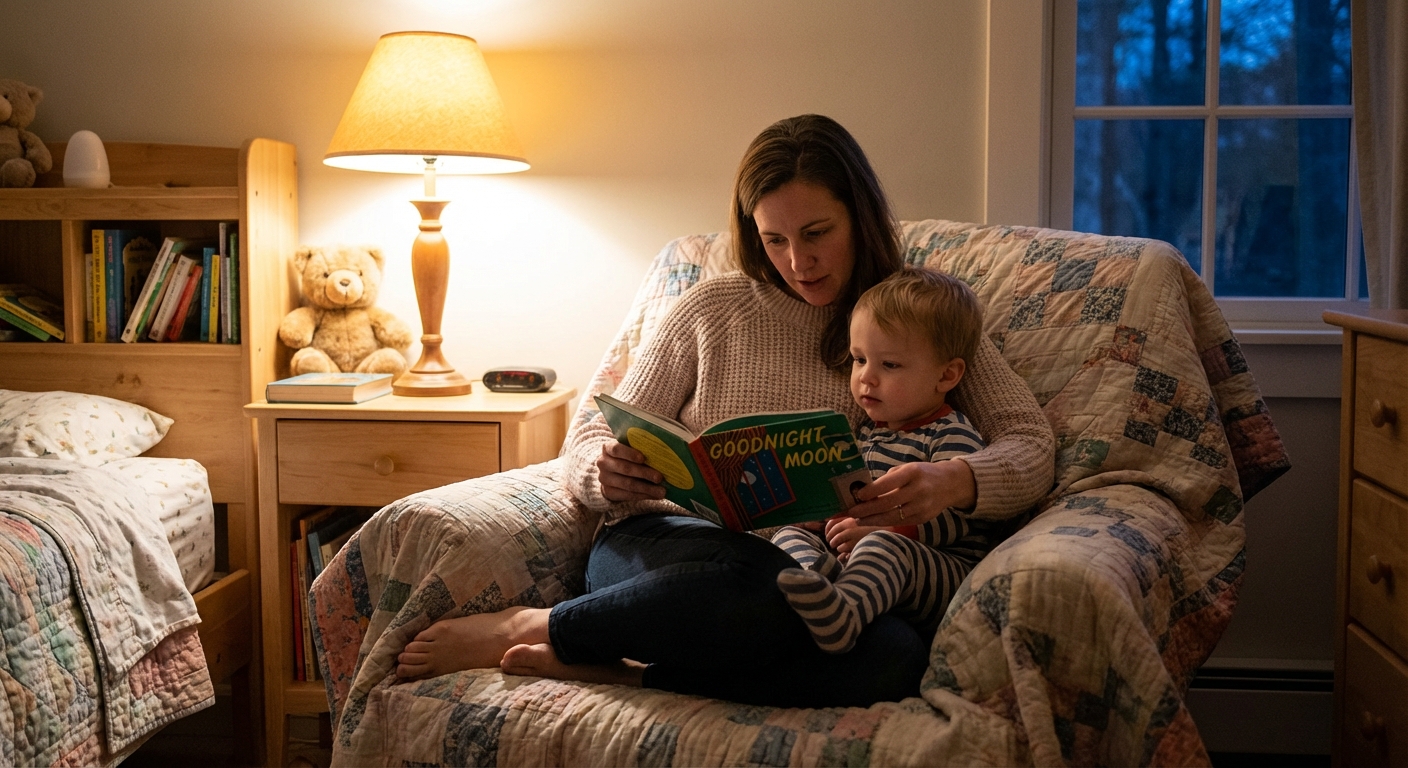
For recurring nightmares, daytime support helps: talk about fears when the sun is up, read a calming bedtime book, and avoid intense or scary media close to bedtime (yes, even some “kid” shows).
Why night terrors happen
Night terrors are usually caused by an immature sleep system getting stuck between deep sleep and wakefulness. They are not a sign that your child is emotionally damaged or that you did something wrong.
Common triggers include:
- Overtiredness and irregular sleep schedules
- Illness, especially fever or congestion that fragments sleep
- Stress or big changes (travel, moving, new baby)
- Sleeping in a new environment
- Sleep deprivation (yes, it can create a cycle)
- Some medications that affect sleep (ask your clinician if you are unsure)
- Family history of parasomnias like sleepwalking or night terrors
How to reduce night terrors
There is no magic switch, but you can often reduce frequency significantly.
1) Protect sleep like it is your job
- Aim for an age-appropriate bedtime and consistent wake time
- Move bedtime earlier if your toddler is overtired
- Keep the bedtime routine predictable and calming
2) Treat the sleep disruptors
- If they are sick, focus on comfort and breathing support (humidifier, saline, hydration as appropriate)
- If snoring or mouth breathing is frequent, flag it for your pediatrician
- Address itching, reflux, or other issues that repeatedly wake them
3) Use scheduled awakenings
If night terrors happen at a fairly predictable time, scheduled awakenings can help reset the sleep cycle and are often effective for frequent episodes.
- Track the timing for 5 to 7 nights. Note when the episode starts (for example, 10:40 PM).
- Wake your child 15 to 30 minutes before the usual time (for example, 10:10 to 10:25 PM).
- Wake them just enough to open eyes, mumble, or shift position. You do not need a full conversation.
- Let them fall back asleep right away.
- Do this nightly for 7 to 14 nights, then stop and see if episodes have decreased.
This feels counterintuitive, but it is one of the most practical approaches we suggest in pediatrics when episodes are frequent and predictable.
4) Make the room safer if movement happens
- Use a low bed or mattress on the floor temporarily if falls are a concern
- Remove sharp furniture near the bed
- Consider a baby gate in the doorway if wandering occurs
- Secure stairs and avoid bunk beds during phases of roaming
- Keep windows and exterior doors secured
5) Be cautious with sleep aids
If you are tempted to start melatonin or any over-the-counter sleep aid because everyone is exhausted, pause and check in with your pediatrician first. Sometimes it is appropriate, sometimes it backfires, and dosing varies by age and situation.
When it might be medical
Most night terrors are benign. Still, there are times I want you to call your pediatrician, and a few situations where you should seek urgent help.
Call your pediatrician if:
- Episodes are happening multiple times per week or worsening
- Your child is getting injured or you cannot keep them safe
- There is daytime sleepiness, behavioral changes, or falling asleep unexpectedly
- You notice loud snoring, gasping, pauses in breathing, or chronic mouth breathing (possible sleep-disordered breathing)
- Episodes start happening many times per night, cluster together, or occur at unusual times
- Events look very stereotyped (the same movements, the same pattern, over and over)
- Your child is on a new medication and episodes began soon after
- You suspect seizures, or you are simply not sure what you are seeing
Seek urgent care now if:
- Your child has trouble breathing, turns blue, or cannot be roused after an episode ends
- There is a significant injury
- There are new seizure-like features such as rhythmic jerking, sustained stiffening, or prolonged unresponsiveness
Important nuance: during a typical night terror, kids can look wildly distressed but remain physically okay. They usually settle back into sleep and wake up in the morning acting normal. If the pattern does not fit that picture, it is worth a medical conversation.
If it is safe to do so, a short video of an episode (even 20 to 30 seconds) can be incredibly helpful for your clinician in distinguishing a parasomnia from other causes.
Common questions
Can night terrors be caused by trauma or stress?
Stress and big changes can increase episodes, but night terrors are primarily a sleep-state issue. Most toddlers with night terrors are otherwise emotionally healthy. If you have concerns about anxiety, major fearfulness, or exposure to frightening events, talk with your pediatrician for support.
Should I wake my toddler after a night terror?
In general, no. During the episode, waking often makes it worse. The one exception is planned scheduled awakenings before the usual time of the terror, which can reduce frequency.
Will my toddler remember it?
Night terrors: usually no. Nightmares: often yes, at least vaguely.
Can sugar or screens cause night terrors?
Sugar is not a proven direct cause, but anything that disrupts sleep can contribute. Screens close to bedtime can delay sleep and increase overtiredness. If you are seeing frequent night terrors, tighten up the pre-bed routine: dim lights, no scary content, and aim to turn screens off about 1 hour before bed if possible.
A quick middle-of-the-night script
If you need a simple plan to remember when your brain is also in deep sleep:
- If they seem awake and want you: it is probably a nightmare. Comfort, reassure, keep it calm and boring, back to bed.
- If they seem awake but are not really there: it is probably a night terror. Keep them safe, keep it dim, do not force waking, wait it out.
You are not failing because your child is screaming at night. You are responding to a glitch in their sleep system, not a parenting emergency.
If you want, keep a short note on your phone for a week with the time episodes start. That one tiny habit can unlock scheduled awakenings and save everyone a lot of lost sleep.