Toddler Nosebleeds: Causes and How to Stop Them

Sarah Mitchell
Sarah Mitchell is a Registered Pediatric Nurse and a mother of three who has spent over a decade helping families navigate the beautiful, chaotic early years of childhood. She combines evidence-based medical knowledge with real-world parenting experience to offer practical, compassionate advice. At Awesome Parent, Sarah's mission is to help exhausted parents find solutions, trust their instincts, and finally get some sleep.
Nothing wakes you up faster than hearing your toddler cry and finding blood on their pajamas. Take a breath. In most toddlers, nosebleeds look dramatic but are very manageable at home and are usually caused by something simple like dry air or an irritated little nose.
I’m a pediatric nurse and a mom of three, and I can tell you this is one of those “feels like an emergency” moments that often isn’t. Sometimes it is, though, so I’m going to give you quick “go now” signs right away, then we will walk through what causes toddler nosebleeds, exactly how to stop one, and when it’s time to get your child checked out.
Go now (urgent care or ER) if:
- Bleeding does not stop after 20 to 30 minutes of correct, firm pressure
- Your child has trouble breathing, seems faint, very weak, unusually sleepy, or hard to wake
- The nosebleed follows a significant injury to the face or head
- You suspect a button battery, magnet, or other object may be in the nose
- Bleeding is heavy and your toddler is spitting out large clots repeatedly
Why toddlers get nosebleeds
Most toddler nosebleeds start in the front part of the nose, where tiny blood vessels sit close to the surface. That area can bleed easily when it gets dry, irritated, or bumped. Common causes include:
- Dry air: Winter heat, air conditioning, and low humidity dry out the inside of the nose, leading to cracking and bleeding.
- Nose picking or rubbing: Totally normal toddler behavior, unfortunately. Even gentle picking can break a tiny vessel.
- Colds and viral infections: Frequent wiping, blowing, and congestion can inflame the nasal lining.
- Allergies: Sneezing and itching can mean more rubbing and irritation. Some allergy sprays can also contribute to dryness if used incorrectly.
- Minor injury: A tumble, an accidental bump, or a toy to the face can trigger bleeding.
- Foreign object in the nose: If bleeding is mostly from one nostril and there is foul-smelling discharge, think “something stuck up there.”
Less commonly, nosebleeds can be related to a bleeding disorder or certain medications. Family history of bleeding problems, easy bruising, bleeding gums, or lots of tiny red or purple dots on the skin (petechiae) are clues to bring up with your child’s clinician.
How to stop a toddler nosebleed
Here’s the method we teach in pediatric clinics because it actually works. The biggest “fix” is firm pressure for long enough.
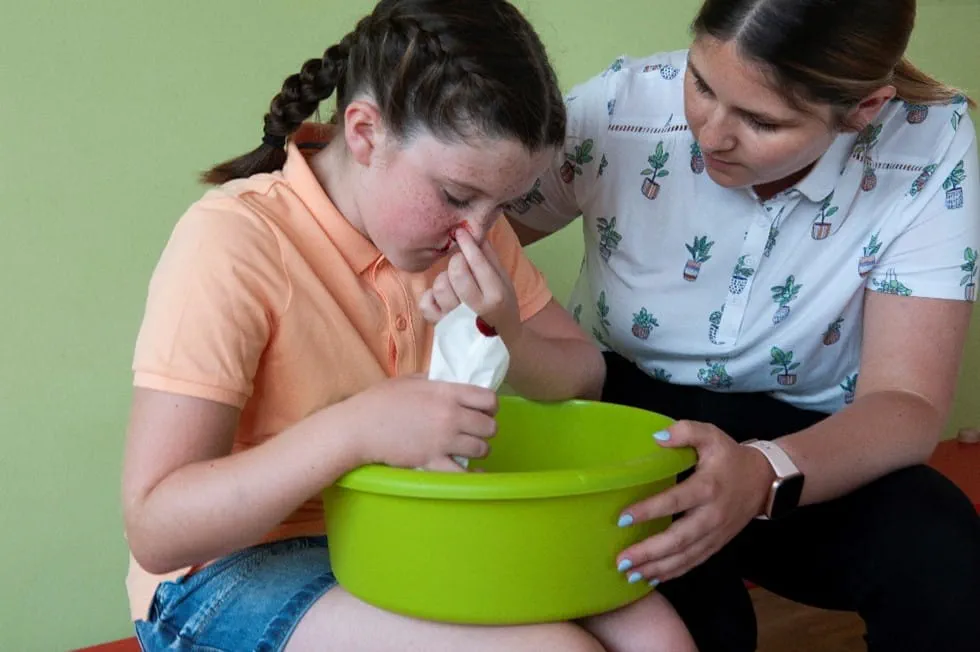
1) Sit your toddler up and lean slightly forward
Forward is key. Leaning back can make blood run down the throat, which can cause coughing, gagging, or vomiting and makes everything feel scarier.
2) Pinch the soft part of the nose
Use your thumb and index finger to pinch the soft, squishy part of the nose (not the bony bridge). Aim for firm pressure, like you are sealing the nostrils closed. Your child can breathe through their mouth.
3) Hold pressure for 10 to 15 minutes
Set a timer. Ten to fifteen minutes is longer than it feels at 2 AM. Try not to “peek” because releasing the pressure resets clotting.
4) If it is still bleeding, repeat once
Pinch again for another 10 to 15 minutes. Many nosebleeds stop in the first round, but some need a second. If you have done two full rounds correctly (20 to 30 minutes total) and it is still bleeding, get evaluated.
5) After it stops, keep things calm for a few hours
- Avoid nose picking, blowing, or rough play for the rest of the day if possible.
- If they sneeze, an open-mouth sneeze can reduce pressure on the nose, if your toddler will cooperate.
- Offer sips of water and a calm cuddle. You both earned it.
What not to do
These are common myths I hear from well-meaning relatives and late-night internet searches:
- Do not tilt your child’s head back. It does not stop bleeding and can cause swallowing blood.
- Avoid stuffing or packing the nose with tissue or cotton. It often does not help and removing it can restart bleeding. If you want to catch drips, you can gently hold a tissue at the nostril opening while you keep pinching.
- Do not put petroleum jelly or ointment inside the nose while it is actively bleeding. Save it for prevention and healing afterward.
- Do not panic-clean mid-bleed. Wipe gently after bleeding slows. Your main job is pressure.
Medication note: Do not give aspirin to a child unless a clinician specifically tells you to. If you are unsure what pain or fever medicine is safest for your child, call your pediatrician.
If your toddler swallowed blood
If blood trickled back and your toddler swallowed some, they might cough or even vomit later. Vomit can look bright red or like dark coffee grounds, which is unsettling but can happen after swallowing blood.
If your child seems otherwise well and the nosebleed has stopped, you can usually monitor at home. Call your pediatrician if vomiting continues, your child seems unusually sleepy, or you are worried.
If you see coffee-ground vomit and there was not a clear nosebleed or swallowed blood, that can be a sign of bleeding from the stomach or esophagus. Seek urgent medical care.
When to call the pediatrician
Most nosebleeds are not emergencies. But there are times you should get medical help.
Call within 24 to 48 hours if:
- Nosebleeds are happening often (for example, several times a week) even with humidity and prevention steps.
- Your toddler also has frequent bruising, bleeding gums, or lots of tiny red or purple dots on the skin (petechiae).
- Bleeding is usually from one nostril plus ongoing foul smell or discharge (possible foreign object).
- Your child has known allergies and is constantly congested or rubbing their nose, and you want a plan.
- You suspect an iron issue because your child seems very pale or fatigued along with recurrent bleeding.
- Recurrent bleeding is mostly on one side without an obvious cause, which can be a reason to consider an ENT evaluation.
Get urgent care now if:
- The bleeding does not stop after 20 to 30 minutes of firm pressure (two full rounds).
- The nosebleed follows a significant injury to the face or head.
- Your child is having trouble breathing.
- Bleeding is heavy and your toddler is spitting out large clots repeatedly.
- Your toddler seems faint, very weak, unusually sleepy, or hard to wake.
- You suspect a button battery, magnet, or other object may be in the nose.
If your child has a diagnosed bleeding disorder or is on blood-thinning medication, follow your specialist’s plan and err on the side of calling.
Prevention tips
If your toddler gets nosebleeds repeatedly, prevention usually comes down to “moisturize the nose and protect the tiny vessels.” Here are realistic, parent-tested steps.
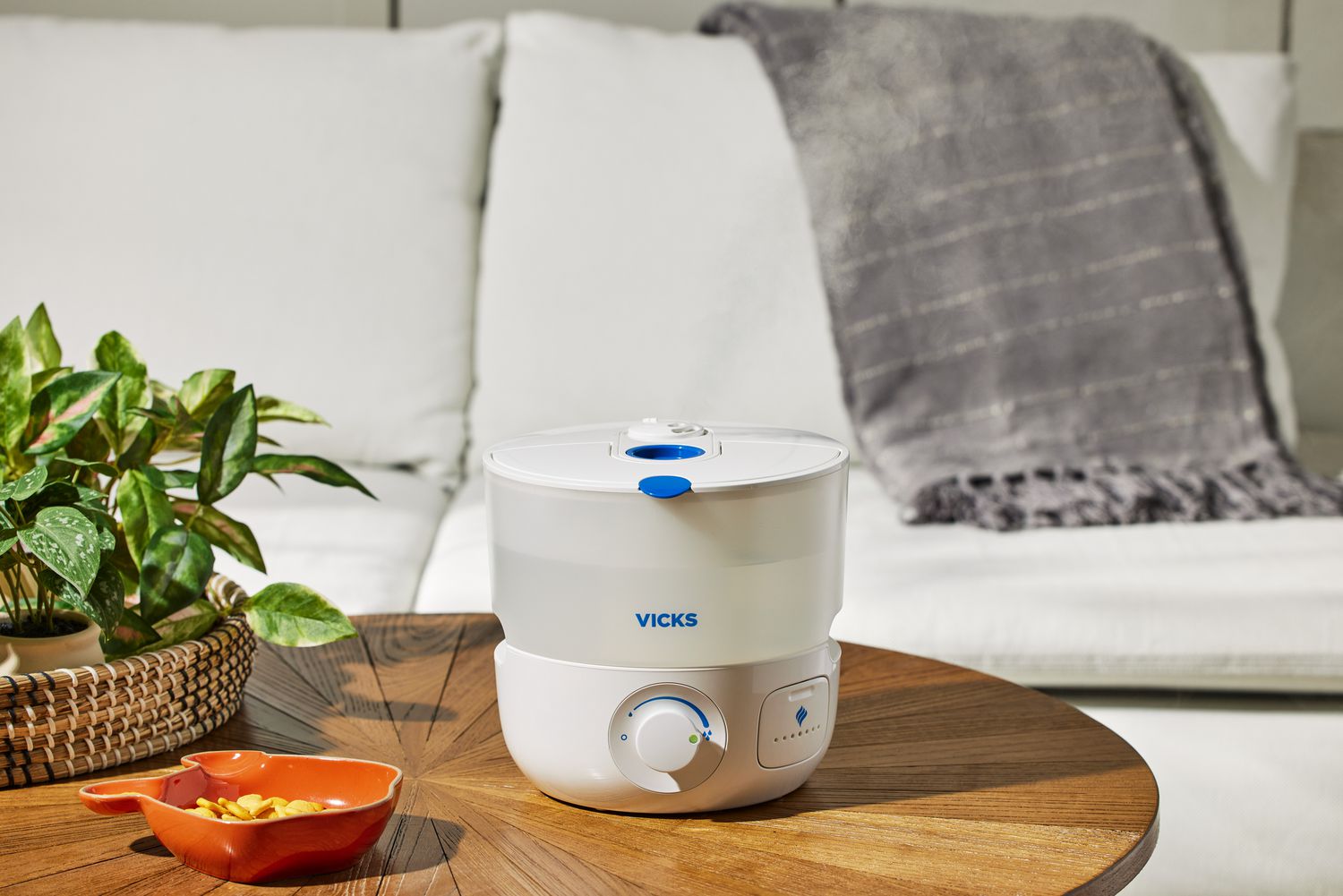
Use a cool-mist humidifier
Aim for comfortable humidity (often around 40 to 50 percent). Clean the humidifier as directed to prevent mold or bacteria buildup.
Use a tiny amount of petroleum jelly
Using a clean finger or cotton swab, apply a tiny amount just inside the front of each nostril (not deep) once or twice daily for a week during dry seasons, or as your pediatrician recommends. This helps cracks heal and prevents re-bleeding.
If you find you need it daily for long periods, check in with your pediatrician. Using too much, placing it deep in the nose, or long-term heavy use can very rarely cause problems if it is inhaled.
Try saline for dryness
Saline spray or drops can moisturize the nasal lining. This is especially helpful before bed and in winter.
Keep nails short
For persistent nose picking, trim nails and offer a substitute during common picking times (car seat, screens, falling asleep). A stuffed animal or fidget-style toy can help.
Address allergies
If allergies are driving nose rubbing and inflammation, talk with your pediatrician about an age-appropriate plan. Sometimes the right allergy routine dramatically reduces nosebleeds.
FAQ
Are toddler nosebleeds normal?
They are common, especially ages 2 to 6. Most are caused by irritation and dryness in the front of the nose.
How much blood is too much?
Even a small nosebleed can look like a lot because blood spreads. What matters more is whether it stops with pressure and whether your child seems well afterward. If it will not stop after 20 to 30 minutes of correct pressure, get evaluated.
Can I use an ice pack?
You can place a cool compress on the bridge of the nose or cheeks if your child tolerates it, but it is not a substitute for pinching the soft part of the nose. Pressure is the main tool.
Should I wake my toddler if they had a nosebleed while sleeping?
If you notice active bleeding, yes, wake them enough to sit forward and apply pressure safely. If the bleeding has already stopped and they are breathing comfortably, you can usually let them sleep and monitor.
Bottom line
Toddler nosebleeds are usually caused by dry air, minor irritation, or curious little fingers. The most effective treatment is simple: sit them up, lean forward, and pinch the soft part of the nose for 10 to 15 minutes without peeking.
If your gut tells you something is off, trust it. You never need a “perfect” reason to call your pediatrician, especially when you are tired and worried. You are doing a great job, even if you are reading this with one hand while holding a squirmy toddler with the other.