Toddler Seasonal Allergies: Symptoms, Treatment, and Cold vs Allergy Clues

Sarah Mitchell
Sarah Mitchell is a Registered Pediatric Nurse and a mother of three who has spent over a decade helping families navigate the beautiful, chaotic early years of childhood. She combines evidence-based medical knowledge with real-world parenting experience to offer practical, compassionate advice. At Awesome Parent, Sarah's mission is to help exhausted parents find solutions, trust their instincts, and finally get some sleep.
If your toddler has had a “cold” for two weeks straight, only to consistently feel worse every time you open the windows, you are not imagining things. Seasonal allergies (also called allergic rhinitis or hay fever) can look a lot like a never-ending virus, especially in little kids who cannot always explain what they are feeling.
Quick takeaway for tired parents: allergies are more likely when you see itching (eyes or nose), clear watery/dripping mucus, no fever, and a pattern that lasts for weeks or flares with outdoor triggers.
As a pediatric nurse and a mom of three, I have seen this pattern so many times: daycare sniffles are real, but so are spring pollen and fall ragweed. Let’s sort out the clues, what you can safely do at home, and when it’s time to bring in an allergist.
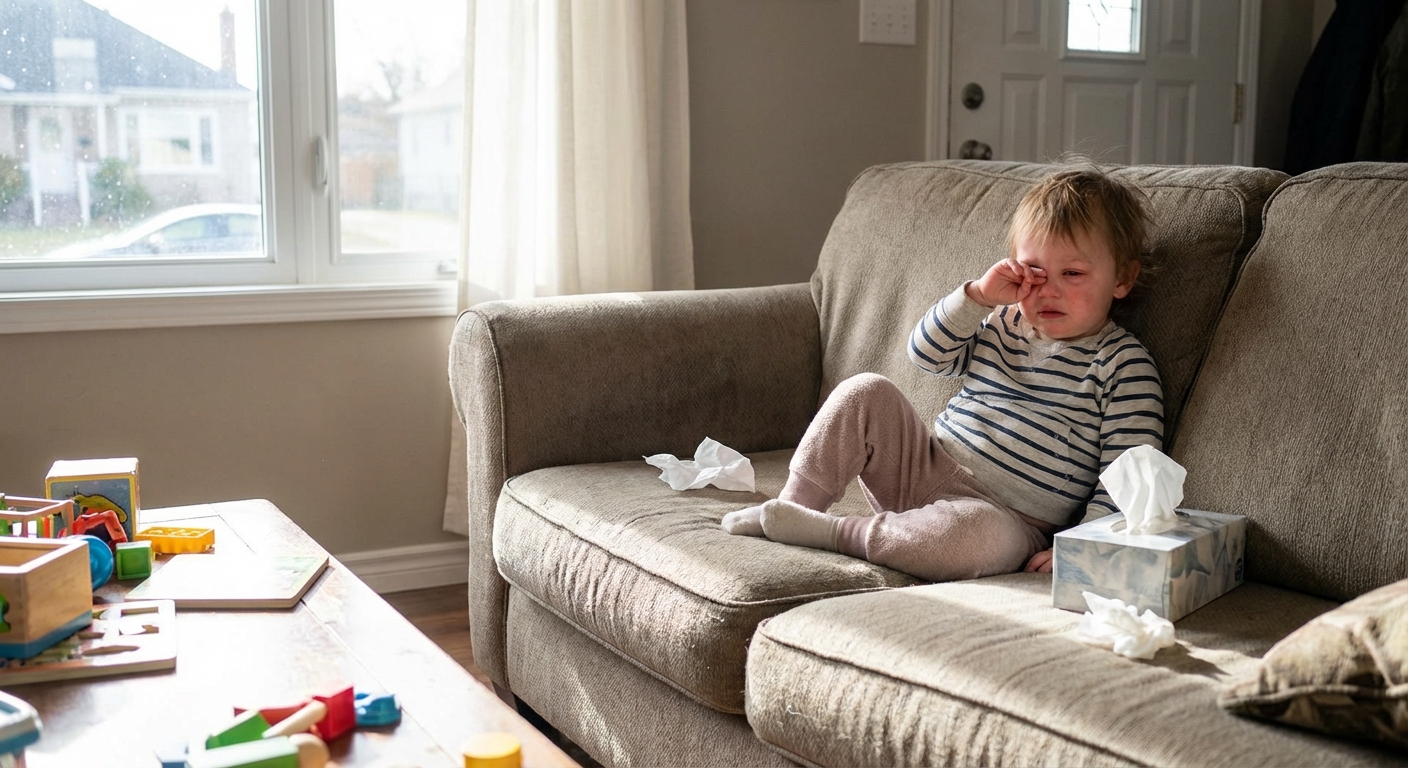
What seasonal allergies look like in toddlers
Adults often say, “My nose is itchy” or “My eyes feel gritty.” Toddlers tend to show you instead. Their symptoms can be more behavioral and more subtle.
Common toddler allergy symptoms
- Clear, watery runny nose that keeps coming back
- Sneezing, especially in bursts
- Nasal congestion and mouth breathing
- Itchy, watery, red eyes (they rub constantly)
- Itchy nose (you may see the “allergic salute,” when they wipe their nose upward with their palm)
- Postnasal drip that can cause a throat-clearing cough, especially at night
- Dark circles under the eyes (sometimes called “allergic shiners”)
- Irritability and poor sleep (because a stuffed-up toddler is a cranky toddler)
One important note: allergic rhinitis is uncommon under age 2 because sensitization typically takes time and repeated exposure. It can happen, but if your child is under 2 and has persistent symptoms, it is worth discussing with your pediatrician because other causes (viral infections, enlarged adenoids, irritants like smoke/fragrance, reflux) can mimic allergies.

Allergies vs. cold in toddlers
Colds and allergies overlap, but they are not twins. Think of colds as an infection your body is fighting, and allergies as an immune overreaction to something harmless like pollen.
Clues it is more likely allergies
- Itching: itchy eyes, itchy nose, rubbing the face a lot
- Clear, watery mucus (runny and dripping)
- No fever (fever points more toward a virus)
- Symptoms last for weeks or keep returning in the same season
- Symptoms are worse outdoors, on windy days, after mowing, or with windows open
- Family history of allergies, eczema, or asthma
Clues it is more likely a cold
- Fever (not always, but common with viral illness)
- Sore throat and body aches (toddlers may show this as poor appetite and crankiness)
- Thicker mucus that may turn yellow or green as a cold progresses
- Symptoms improve in 7 to 14 days (many colds peak around day 3 to 5)
- Known exposure at daycare or in the household
Important myth-buster: yellow or green mucus alone does not mean your child needs antibiotics. Color change can happen in normal viral illnesses.
A simple “timeline test”
Allergies often start when a trigger starts (first warm week of spring, a rainy moldy stretch, first ragweed bloom), and they hang around as long as the trigger is around.
Colds tend to have a beginning, a peak, and an end, even if the end feels slow.
If you are stuck, track symptoms for a week: note fever, eye itching, and what happens after outdoor play. Patterns are powerful.
Common triggers
“Seasonal” usually means outdoor triggers, but indoor allergens often tag-team with them and keep symptoms going.
Outdoor triggers
- Tree pollen (often spring)
- Grass pollen (late spring into summer)
- Weed pollen, especially ragweed (late summer and fall)
- Mold spores (can spike in damp weather, piles of leaves, and rainy seasons)
Indoor triggers that can mimic “seasonal” flares
- Pet dander (cats and dogs are common culprits)
- Dust mites (bedding, carpets, stuffed animals)
- Indoor mold (bathrooms, basements, leaky windows)
- Irritants (cigarette smoke, vaping, strong fragrances, incense, harsh cleaning sprays)
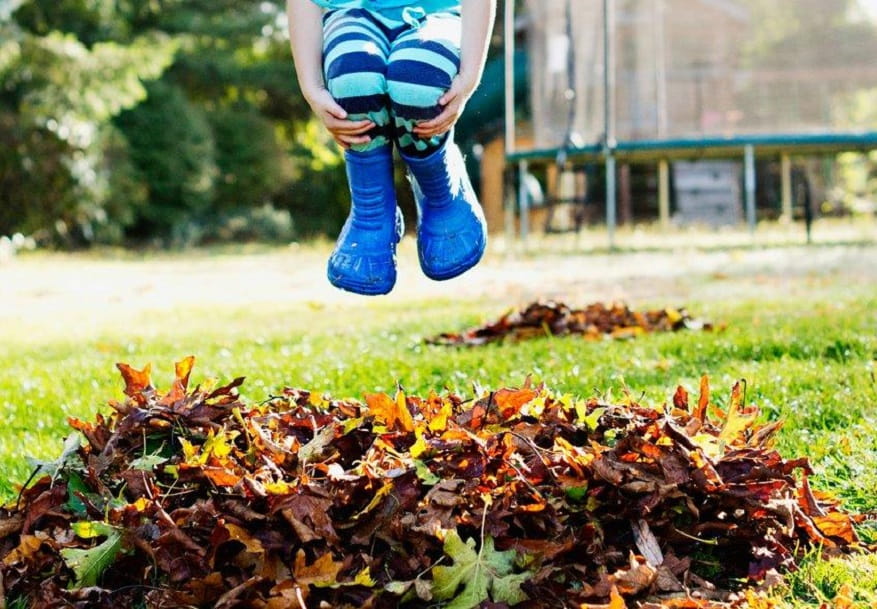
Check counts and plan outdoor time
If your child seems fine indoors but falls apart outside, it helps to look at what is in the air.
- Check local pollen and mold counts using a weather app or reputable allergy sources (many regions report daily levels).
- Windy, dry days often kick up more pollen.
- Right after rain can feel better for some kids (pollen gets knocked down), but damp stretches can raise mold levels.
- Timing varies by region, but many families notice worse symptoms during peak daytime outdoor activity. If your child is sensitive, try outdoor play when counts are lower for your area.
Home care that helps
Medication can be useful, but I love starting with practical steps that reduce how much allergen gets into your toddler’s nose and eyes in the first place. These are small changes that add up.
Reduce pollen and mold exposure
- Change clothes and wash hands after outdoor play, especially on high pollen days.
- Bath before bed when symptoms are bad. It rinses pollen out of hair and helps with nighttime congestion.
- Keep windows closed during peak pollen times. Use air conditioning if possible.
- Wipe down pets after they have been outside. Pollen rides in on fur.
- Dry laundry indoors during high pollen seasons. Outdoor drying can load clothes with pollen.
Make the bedroom a breathing zone
- HEPA air purifier in your child’s room can help, especially with pet dander and pollen.
- Wash bedding weekly in hot water if possible.
- Limit stuffed animals in bed. If they are a must, wash them regularly.
- Vacuum with a HEPA filter and dust with a damp cloth.
Saline is underrated
Saline nasal spray or drops can rinse allergens out of the nose. For many toddlers, a quick spray before bed and again in the morning makes a noticeable difference. If your child will tolerate it, gentle suction after saline can help with congestion.
Avoid medicated decongestant nose sprays unless your pediatrician specifically recommends them. Examples include oxymetazoline and phenylephrine. These are generally not for toddlers and can backfire by causing rebound congestion.
Safe allergy medicines for toddlers
When symptoms are affecting sleep, daycare, or your sanity, medication can be appropriate. The safest choice depends on age, symptoms, and your child’s health history. Always follow your pediatrician’s advice and the package directions.
First, a safety note
Many over-the-counter cough and cold products are not recommended for young children, and combination products can accidentally double-dose ingredients. For allergies, stick with single-ingredient products unless your clinician tells you otherwise.
Oral non-drowsy antihistamines
These can help with sneezing, runny nose, and itchy eyes. They often work best when taken consistently during the season rather than only once in a while.
- Cetirizine (Zyrtec): commonly labeled for children 6 months and older, with age-appropriate dosing.
- Loratadine (Claritin): commonly labeled for children 2 years and older.
- Fexofenadine (Allegra): age labeling varies by formulation. Check the exact product label and confirm with your pediatrician.
Even “non-drowsy” can cause sleepiness or, in some toddlers, the opposite effect (wired and cranky). If you see a big mood or sleep change, tell your pediatrician.
Nasal steroid sprays
If your toddler’s main issue is congestion and mouth breathing, a clinician may recommend a nasal corticosteroid spray. These reduce inflammation and can be more effective than antihistamines for stuffiness.
Two key tips:
- Daily use matters during the season.
- They are not instant. Many children improve over a few days, with fuller effect in 1 to 2 weeks.
Age cutoffs vary by product, so this is a “read the label and confirm with your pediatrician” category.
Tip from clinic life: proper technique matters. Aim slightly outward toward the ear, not straight up the middle of the nose.
Antihistamine eye drops
If eye itching is the star of the show, some allergy eye drops can help, but many have age restrictions. Talk with your pediatrician before using eye drops in young toddlers.
Older, sedating antihistamines
Diphenhydramine (Benadryl) works, but it is shorter-acting and more likely to cause drowsiness or paradoxical hyperactivity. Many pediatric practices prefer the newer, longer-acting options for routine seasonal allergies. Use only with pediatric guidance for your child’s age and situation.
What about natural remedies?
Honey is not safe under age 1. Herbal products and essential oils are not well regulated and can irritate airways or cause skin reactions. If something is marketed as “immune boosting,” I get skeptical fast, because allergies are already an immune overreaction.
Daycare and contagiousness
Allergies are not contagious. If your toddler has itching, clear runny nose, and no fever, they may feel crummy but they are not “spreading it” the way they would with a virus.
On the flip side, fever, new body aches, vomiting, or a sudden sick-looking child points more toward infection. When in doubt, follow your daycare’s illness policy and check in with your pediatrician.
When to see the pediatrician
If you are unsure whether this is allergies, a cold, or something else, a quick check-in can save you weeks of second-guessing. Call your pediatrician if:
- Symptoms are lasting more than 10 to 14 days without improvement
- Your child has significant sleep disruption or daytime fatigue
- There is wheezing, recurrent cough, or shortness of breath (allergies and asthma often travel together)
- Your toddler has recurrent ear infections or persistent ear fluid
- You suspect acute bacterial sinusitis
- You need help choosing the right medication and dose for your child
Sinus infection signs that fit pediatric guidance
Toddlers do not always describe “sinus pressure,” so we lean on patterns. Pediatric clinicians often consider sinusitis when there is:
- Persistent symptoms (nasal discharge or daytime cough) lasting more than 10 days with no improvement
- Severe onset (high fever with thick, purulent nasal discharge) for several days at the start of illness
- Worsening after initial improvement (the “double sickening” pattern)
A toddler-specific warning sign
If you notice one-sided nasal drainage that is foul-smelling or persistent, call your pediatrician. Toddlers sometimes put a small object in the nose, and it can look like a stubborn infection.
When an allergist makes sense
If seasonal allergies are significantly affecting your child’s quality of life, an allergist can help you get a clear diagnosis and a targeted plan.
Consider an allergist if:
- Symptoms are moderate to severe and last for months
- Your child needs allergy meds most days of the season, but is still miserable
- There is suspected asthma, frequent wheezing, or chronic cough
- Your child has eczema and ongoing environmental triggers are suspected
- You want to identify specific triggers (pollen vs mold vs pet dander) for more precise avoidance steps
- You are wondering about longer-term options like allergen immunotherapy (which may be considered in older children, depending on the situation)
Allergy testing can be done with skin testing or blood testing, and your allergist will help decide what makes sense based on age and symptoms.
Urgent red flags
Seasonal allergies are miserable, but they should not cause a child to look seriously ill. Seek urgent care or emergency care right away if your toddler has:
- Breathing trouble (fast breathing, pulling in under the ribs, flaring nostrils, grunting)
- Wheezing that is new or worsening
- Lips or face turning blue or gray
- Severe swelling of the face, lips, or tongue
- Hives with breathing or swallowing trouble, or any concern for anaphylaxis
- Signs of dehydration (very dry mouth, no tears, significantly fewer wet diapers or urination)
If you ever feel that gut-level “this is not normal for my kid” worry, trust it and get them seen.
A plan for the next flare
If you want a simple approach that works for many families, try this:
- Track patterns for one week (outdoor time, windy days, pets, sleep).
- Check counts and adjust outdoor time when possible.
- Start daily basics: hand and face wash after outside, bath before bed, bedroom air cleanup.
- Use saline morning and bedtime.
- Talk to your pediatrician about the best age-appropriate medication if symptoms persist.
- Escalate to an allergist if this is recurring every season or interfering with sleep and breathing.
You do not need to tough it out. Good sleep is not a luxury for toddlers or parents. It is a medical necessity in disguise.
References
- American Academy of Pediatrics (AAP): HealthyChildren.org resources on allergic rhinitis (hay fever) and allergy medicines in children
- American Academy of Pediatrics (AAP): Clinical guidance on diagnosing and managing acute bacterial sinusitis in children
- American Academy of Allergy, Asthma & Immunology (AAAAI): Allergic rhinitis and seasonal allergy education resources
- Centers for Disease Control and Prevention (CDC): guidance on common respiratory illnesses and when to seek medical care
This article is educational and is not a substitute for personalized medical advice. If you have questions about specific dosing or your child’s symptoms, call your pediatrician.