Toddler Snoring: Causes and When It Could Be Sleep Apnea

Sarah Mitchell
Sarah Mitchell is a Registered Pediatric Nurse and a mother of three who has spent over a decade helping families navigate the beautiful, chaotic early years of childhood. She combines evidence-based medical knowledge with real-world parenting experience to offer practical, compassionate advice. At Awesome Parent, Sarah's mission is to help exhausted parents find solutions, trust their instincts, and finally get some sleep.
If you have ever stood outside your toddler’s door at night wondering, “How can someone so small make that much noise?” you are not alone. Toddler snoring is common, especially during colds and allergy seasons. Most of the time it is temporary and not dangerous.
But sometimes snoring is your child’s way of telling you they are working too hard to breathe during sleep. As a pediatric nurse and a mom who has done plenty of 3 AM listening sessions, I want you to have a clear, calm roadmap for when to watch, when to try simple fixes, and when to call your pediatrician.
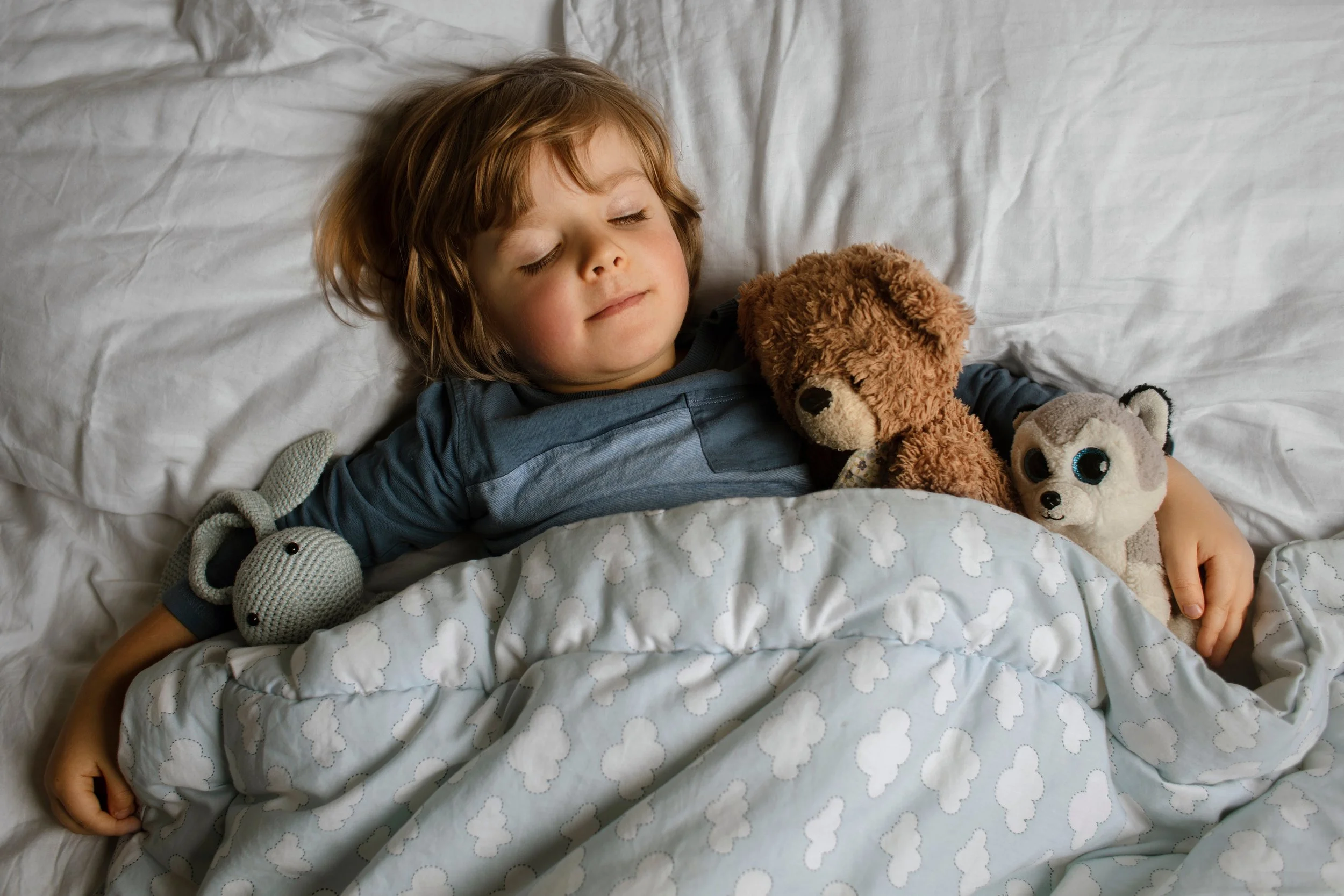
Is toddler snoring normal?
Occasional snoring can be normal in toddlers, especially when they:
- Have a cold or stuffy nose
- Have seasonal allergies
- Are sleeping on their back
- Are in a part of sleep when throat and airway muscles relax more
What is not something to ignore is loud, habitual snoring that shows up most nights and comes with other sleep or daytime symptoms. That is when we start thinking about obstructive sleep apnea or other airway issues.
Common causes of toddler snoring
Snoring happens when airflow is partially blocked and tissues in the upper airway vibrate. In toddlers, that “traffic jam” is usually happening in the nose and throat.
Enlarged adenoids and tonsils
This is one of the most common reasons toddlers snore. Tonsils sit in the back of the throat. Adenoids sit higher up behind the nose (you cannot see them just by looking in the mouth). Both can be naturally large in early childhood and can swell even more with infections and allergies.
Clues you might be dealing with adenoids or tonsils:
- Snoring most nights
- Mouth breathing (day and night)
- Chronic runny nose or congestion
- “Nasal” or muffled voice
- Frequent ear infections or persistent fluid in the ears
Colds, nasal congestion, and post-nasal drip
When a toddler’s nose is blocked, they switch to mouth breathing, which makes snoring more likely. This kind of snoring usually improves as the illness clears.
Allergies
Seasonal or indoor allergies can cause ongoing nasal swelling and congestion. If your toddler snores more during pollen season, around pets, or in dusty rooms, allergies may be a big piece of the puzzle.
Dry air and irritated nasal passages
Dry air can thicken mucus and make nighttime congestion worse. This is especially common in winter or in rooms with forced-air heat.
Sleep position
Back sleeping can make the tongue and soft tissues fall backward a bit, narrowing the airway. Some kids snore only in certain positions.
Weight and airway size
Many toddlers who snore are not overweight. That said, extra weight can increase the risk of obstructive sleep apnea by narrowing the airway and increasing tissue around the neck and throat.
Less common causes
- Structural differences in the nose (like a deviated septum). This is less common in toddlers and is more often seen in older kids or after nasal trauma.
- Chronic exposure to smoke or vaping aerosol
- Neuromuscular conditions (reduced airway tone)
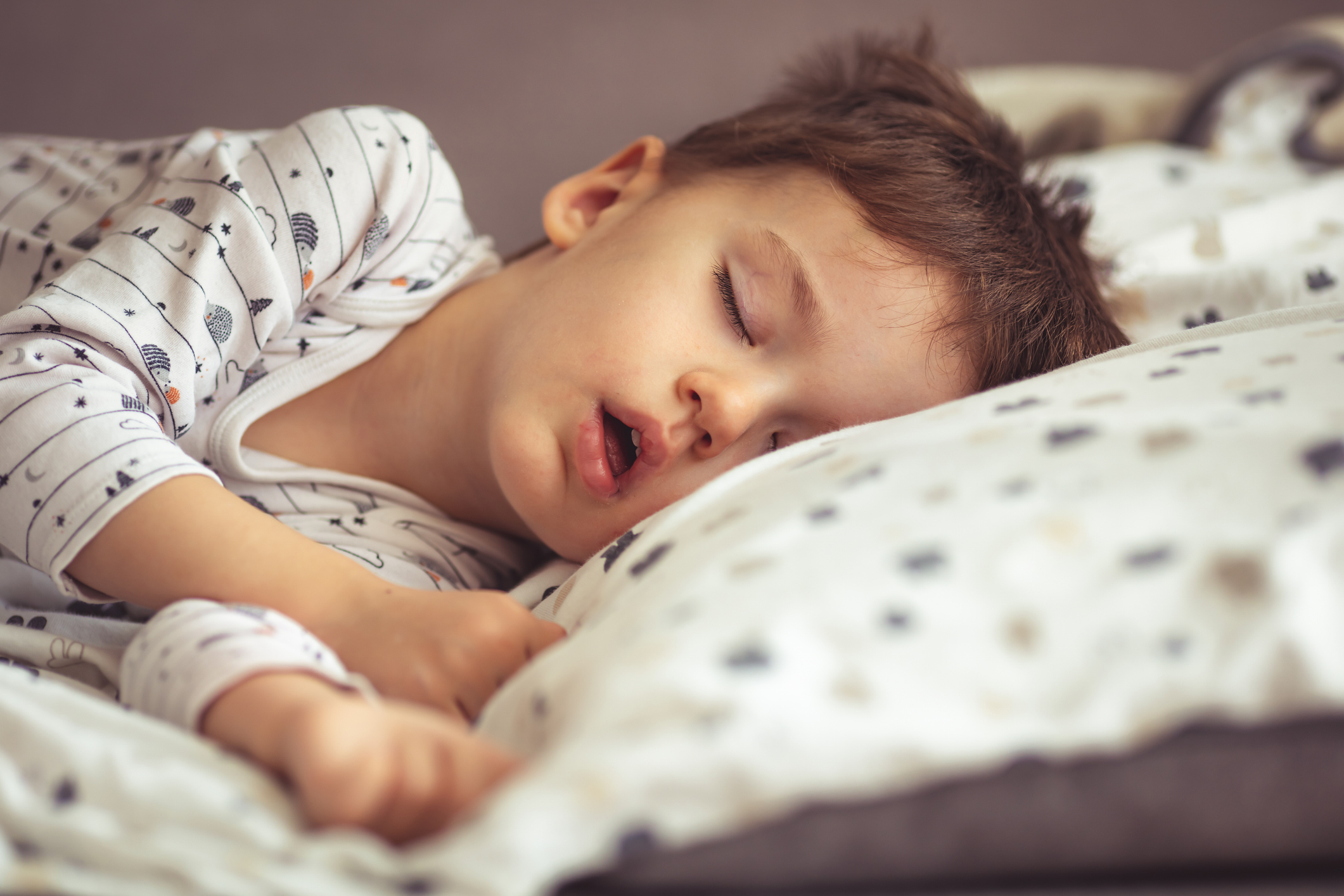
Snoring vs sleep apnea
Simple snoring is noisy breathing during sleep without clear, repeated airway collapse. Your child may snore loudly and still maintain normal oxygen levels.
One important nuance: even without true apnea, frequent loud snoring can still be linked with lighter, more disrupted sleep in some children. So if your toddler snores a lot and their sleep or daytime behavior is off, it is still worth mentioning.
Obstructive sleep apnea (OSA) happens when the airway partially or fully collapses repeatedly during sleep. This can cause brief arousals (your child may not fully wake up, but their brain “hits the reset button” over and over). That fragmented sleep can affect mood, behavior, growth, and learning.
What apnea can look like at home
Parents often describe it as:
- Snoring that is loud and steady, then gets quiet
- A pause in breathing
- A gasp, snort, or choking sound
- Restless sleep afterward
If you have seen pauses and gasping, trust your instincts and bring it up with your pediatrician.
Signs snoring could be sleep apnea
Not every snorer has sleep apnea. But the chances go up when snoring comes with any of these:
Nighttime signs
- Snoring most nights (especially if it is loud enough to hear from the hallway)
- Pauses in breathing, gasping, snorting, or choking sounds
- Restless sleep, frequent position changes
- Sleeping with the neck extended or in unusual positions to breathe better
- Mouth breathing consistently
- Night sweats
- Bedwetting after being dry (or persistent bedwetting beyond what is typical for age)
Daytime signs
- Hard mornings, crankiness, or acting “wired” despite enough hours in bed
- Behavior concerns that can mimic ADHD (impulsivity, hyperactivity, inattention)
- Sleepiness in the car or during quiet play
- Frequent headaches (especially morning headaches)
- Poor growth or poor appetite in some children
A quick nurse tip: Toddlers with sleep apnea are not always sleepy. Some get the opposite and become extra wiggly and emotionally explosive because their sleep is so disrupted.
When to call the pediatrician
Bring snoring up at your child’s next visit if it happens regularly. Call sooner (within days) if snoring is happening most nights or getting worse.
Call your pediatrician if:
- Snoring happens more than 3 nights per week for several weeks (a common rule of thumb for “habitual snoring”)
- You notice mouth breathing most of the time
- There are pauses, gasps, or choking sounds
- Your toddler has frequent ear infections or chronic nasal congestion
- Daytime behavior, mood, or sleep quality is suffering
Seek urgent care now if:
- Your child is struggling to breathe, breathing very fast, or pulling in at the ribs or neck with breaths
- Lips or face look bluish or gray
- Your child is unusually hard to wake or extremely lethargic
If your gut says something is off, you do not have to prove it. You just have to bring it up.
What to track at home
A little detective work can make your visit much more productive.
- How often the snoring happens (nights per week)
- How loud it is (quiet purr vs hallway-level)
- Any pauses or gasping you have noticed
- Mouth breathing and chronic congestion
- Sleep schedule and how your toddler behaves the next day
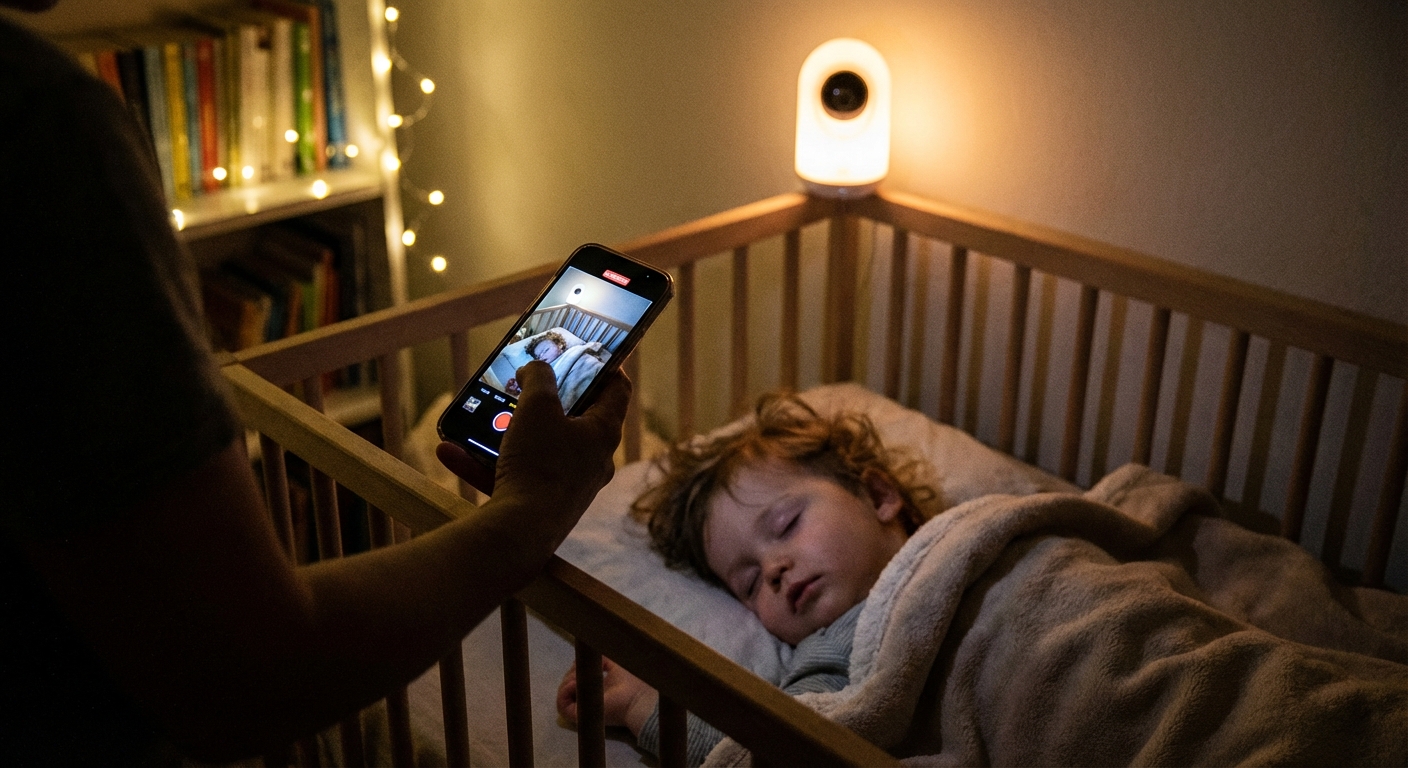
- Short video of the snoring and breathing pattern (30 to 60 seconds is enough)
That short video is incredibly helpful for pediatricians and ENT specialists. Try to capture the chest and neck area if possible so they can see breathing effort.
How doctors evaluate snoring
Your pediatrician will usually start with a history and exam, looking at:
- Tonsil size
- Nasal congestion and allergy signs
- Growth patterns
- Ear fluid or frequent infections
- Sleep and behavior symptoms
Depending on what they find, they may recommend:
- An allergy plan
- A referral to an ENT (ear, nose, and throat) specialist
- A sleep study (polysomnography)
Who may need earlier evaluation
Some children have a higher risk of obstructive sleep apnea and its complications, and they may be referred sooner and more often for a sleep study. This includes kids with conditions such as Down syndrome, craniofacial differences, neuromuscular conditions, or sickle cell disease.
What is a sleep study?
A sleep study is an overnight test (often done in a pediatric sleep lab) that measures breathing, oxygen levels, sleep stages, heart rate, and more. It is the gold standard test to diagnose obstructive sleep apnea.
Some families worry their toddler will not tolerate it. Most kids do better than you would expect, especially with a parent right there and a good pediatric sleep team.
When a sleep study is more likely
A doctor might push more strongly for a sleep study when:
- The story suggests clear apnea (pauses, gasping) but the exam is not obvious
- Your child has medical conditions that increase risk (for example certain craniofacial differences, neuromuscular conditions, genetic syndromes, or sickle cell disease)
- Your child is very young or has complex health needs
- Symptoms are significant and surgery is being considered, especially if the picture is not straightforward
In many otherwise healthy kids with very enlarged tonsils and classic symptoms, an ENT may diagnose clinically and discuss treatment options, sometimes with or without a sleep study depending on the situation and local practice.
Treatment options that help
The right treatment depends on the cause. The goal is simple: a clear airway and restorative sleep.
1) Treat congestion and allergies
If snoring is tied to colds or allergies, your pediatrician may recommend strategies such as:
- Saline spray or drops and gentle suction for toddlers who tolerate it
- Humidifier in the bedroom (clean it regularly to prevent mold)
- Allergy management (reducing triggers, and in some cases medication guidance from your clinician)
Do not use over-the-counter cold medicines or sedating cough products in young children unless your pediatrician specifically instructs you to. They do not reliably help and can cause side effects.
2) Environmental basics
- Keep the bedroom as smoke-free as possible (including vaping aerosol)
- Reduce dust exposure when you can (wash bedding regularly, consider dust-mite covers if allergies are suspected)
- Keep pets out of the bedroom if pet allergy is a concern
3) Sleep position tweaks
If your toddler only snores on their back, side sleeping can help. For toddlers, we keep this simple and safe: focus on a comfortable sleep space and let them move naturally.
A quick safety reminder: avoid wedges, positioners, or extra loose items in the sleep space that are marketed to “keep kids on their side.”
4) Address enlarged tonsils and adenoids
If obstructive sleep apnea is confirmed or strongly suspected due to tonsils and adenoids, the most common and effective treatment is surgery.
Adenoidectomy
An adenoidectomy removes the adenoids. It is often recommended when adenoids are causing chronic nasal obstruction, mouth breathing, recurrent ear issues, or contributing to sleep-disordered breathing. Some children need adenoidectomy alone, especially if tonsils are not significantly enlarged.
Tonsillectomy and adenoidectomy (T&A)
Many toddlers with OSA have both tonsils and adenoids removed. This is considered first-line treatment for many otherwise healthy children with OSA caused by enlarged tonsils and adenoids.
Parents often ask if surgery “fixes it.” For many kids it leads to a big improvement in breathing and sleep quality. Complete resolution is not guaranteed, and some children have residual OSA afterward, especially if there are other risk factors like obesity, asthma, or certain anatomical differences. Follow-up matters.
5) CPAP (less common in toddlers, but sometimes needed)
CPAP is a mask that delivers gentle air pressure to keep the airway open. It is more common when surgery is not appropriate, did not fully resolve OSA, or when OSA is severe.
6) Weight and lifestyle support when relevant
If a clinician is concerned about weight contributing to OSA, the plan is usually gradual and family-based. Think: sleep, movement, and nourishing food patterns. No shame, no crash diets.

If adenoids or tonsils are removed
Every hospital has its own protocols, but in general:
- Most kids go home the same day, though some toddlers or higher-risk kids may be observed overnight.
- Snoring often improves within days to weeks, but recovery swelling can temporarily make breathing sound worse for a short period.
- Hydration and pain control are key. Your surgical team will give specific medication instructions and red flags to watch for.
Important: After tonsil surgery, bleeding risk is a known complication. If your child is spitting up or vomiting blood, or you see ongoing bleeding from the mouth or nose after a tonsillectomy, follow your surgeon’s emergency instructions right away.
Will my toddler outgrow snoring?
Sometimes yes, especially if it is tied to:
- Short-term congestion from viruses
- Seasonal allergies that are treated well
- Dry air
But habitual snoring with symptoms of sleep disruption is less likely to just fade away on its own. The earlier you bring it up, the sooner you can get everyone sleeping better, including you.
Quick checklist
If your toddler snores, ask yourself:
- Is it most nights?
- Do I hear pauses, gasps, or choking?
- Do they mouth breathe a lot?
- Are they restless, sweaty, or sleeping in odd positions?
- Are daytime mood and behavior getting harder?
If you answered yes to any of these, it is worth a conversation with your pediatrician. You are not overreacting. You are paying attention.
If you want one simple next step tonight: record a short video of the snoring and breathing pattern, then call your pediatrician. It turns a scary, fuzzy worry into something your care team can evaluate.
Sources
- American Academy of Pediatrics (AAP). Clinical Practice Guideline: Diagnosis and Management of Childhood Obstructive Sleep Apnea Syndrome (2012).
- American Academy of Otolaryngology, Head and Neck Surgery (AAO-HNSF). Clinical Practice Guideline: Tonsillectomy in Children (Update) (2019).
- American Academy of Sleep Medicine (AASM). Pediatric obstructive sleep apnea and polysomnography overview and standards (accessed via AASM patient and clinician resources).
Content is for educational purposes and does not replace medical advice from your child’s clinician.