Tonsillitis in Kids: Symptoms, Treatment, and When Tonsils Need to Come Out

Sarah Mitchell
Sarah Mitchell is a Registered Pediatric Nurse and a mother of three who has spent over a decade helping families navigate the beautiful, chaotic early years of childhood. She combines evidence-based medical knowledge with real-world parenting experience to offer practical, compassionate advice. At Awesome Parent, Sarah's mission is to help exhausted parents find solutions, trust their instincts, and finally get some sleep.
If your child opens their mouth and you see very swollen, angry-looking tonsils, it is hard not to spiral. Is it strep? Is it an abscess? Do they need antibiotics today? As a pediatric nurse and a mom who has spent plenty of nights doing “flashlight throat inspections,” I promise there is a calm, step-by-step way through this.
Tonsillitis means inflammation of the tonsils, usually from an infection. It can be caused by viruses (most common) or bacteria (including group A strep). The right treatment depends on which one you are dealing with, plus how your child is breathing, drinking, and acting overall.
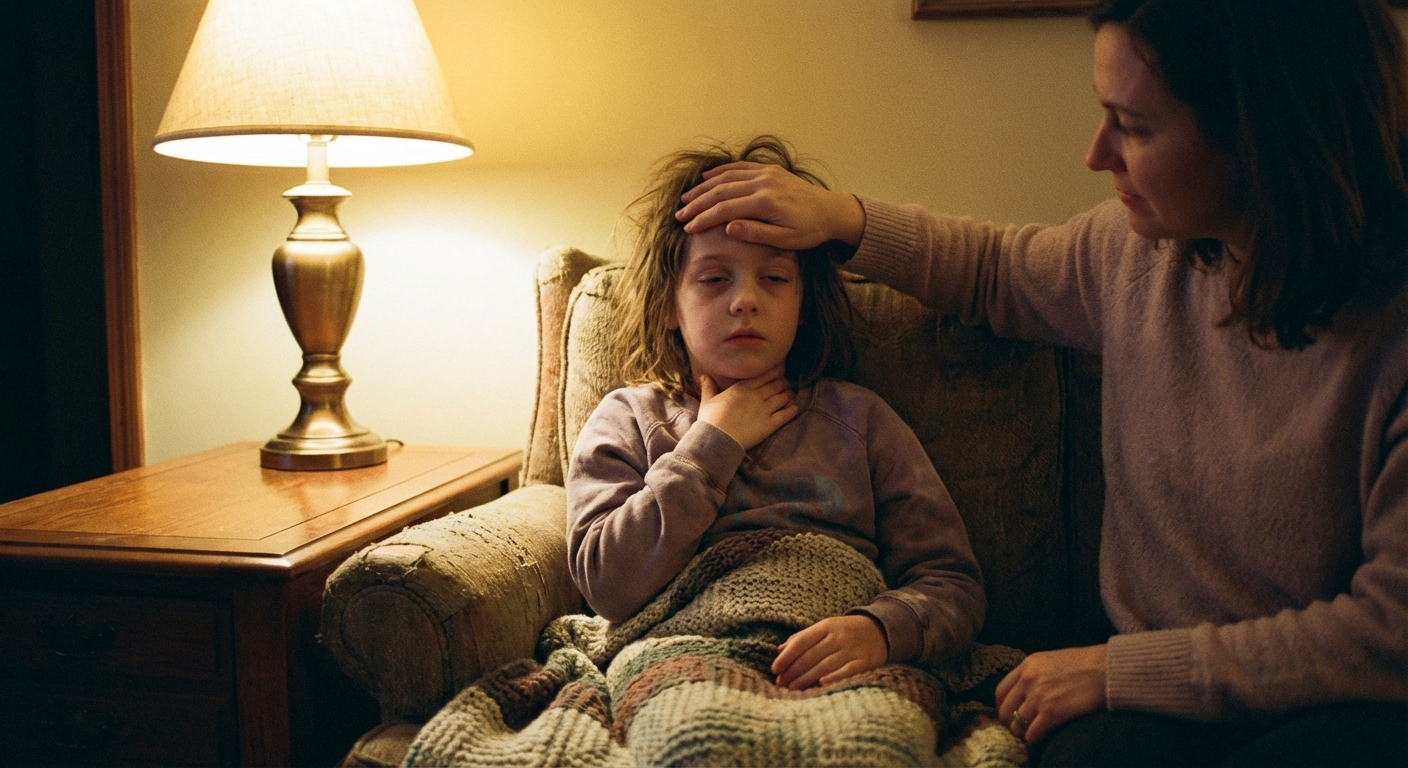
What tonsillitis looks like in kids
Tonsils sit at the back of the throat and are part of the immune system. When they get inflamed, kids often complain of throat pain, and parents often notice a kid who suddenly wants only popsicles and silence.
Common symptoms
- Sore throat, often worse when swallowing
- Fever
- Red, swollen tonsils
- White patches or spots on the tonsils (can happen with viral or bacterial infections)
- Swollen neck lymph nodes, especially under the jaw
- Bad breath
- Hoarse voice or a muffled “hot potato” voice
- Headache or belly pain (yes, throat infections can cause tummy symptoms)
- Decreased appetite and low energy
In toddlers and younger kids
Little ones often cannot say “my throat hurts.” Instead, you might see:
- Drooling or refusing to swallow
- Extra fussiness, clinginess, or poor sleep
- Refusing solids and sometimes even refusing bottles or cups
- New snoring or mouth breathing while sick
Tonsillitis vs. strep throat
This is one of the most confusing parts for parents, because the symptoms overlap.
Tonsillitis is a broad term. It describes inflamed tonsils from any cause, though in kids it is most commonly due to infection.
Strep throat is a specific bacterial infection caused by group A Streptococcus. Strep can cause tonsillitis, but not all tonsillitis is strep.
Clues that suggest a viral cause (more likely)
- Cough
- Runny or stuffy nose
- Hoarseness
- Red, watery eyes
- Mouth sores
- Diarrhea
Clues that suggest strep (needs a test)
- Sudden sore throat and fever
- No cough
- Swollen, tender lymph nodes in the front of the neck
- Tonsillar exudate (white patches)
- A sandpapery rash (scarlet fever)
Important: You cannot reliably diagnose strep by looking. White patches are not “automatic strep.” The only way to know is a rapid strep test and sometimes a throat culture.
Strep under age 3
Classic strep throat is uncommon in children under 3. When toddlers have sore throats, it is more often viral, and they can have different symptoms. Many pediatric practices do not routinely test very young children unless there is a strong reason (for example, a close household exposure plus compatible symptoms). Your pediatrician can guide you here.

Viral vs. bacterial tonsillitis
Here is the practical takeaway:
- Viral tonsillitis gets better with time and comfort care. Antibiotics do not help and can cause side effects like diarrhea or rash.
- Bacterial tonsillitis (most importantly strep) may need antibiotics. Antibiotics can shorten illness a bit for many kids and reduce the risk of complications.
How long does it last?
- Viral: often improves in about 5 to 7 days, but it can vary. Mild throat irritation can linger a bit longer.
- Strep: symptoms often start to ease over several days even without treatment, but can last a week or more for some kids. With antibiotics, kids often feel noticeably better within 24 to 48 hours, though some take longer.
A note about mono (EBV)
In older kids and teens, infectious mononucleosis can cause very swollen tonsils with heavy white coating, big fatigue, and enlarged lymph nodes. If your child has significant fatigue, prolonged fever, or a very swollen throat, your pediatrician may test for mono.
If mono is suspected, avoid contact sports until your clinician gives the all-clear. The concern is spleen enlargement, and timing is safest when it is clinician-guided.
When to call the doctor
Most tonsillitis can be managed at home at first, but certain symptoms deserve a call or urgent evaluation.
Call your child’s doctor today if
- Sore throat with fever and no obvious cold symptoms
- Known exposure to strep and your child has symptoms
- Symptoms lasting more than 3 days without improvement
- Your child has recurrent sore throats
- Your child has a new rash with fever
Go in urgently if you see
- Trouble breathing, noisy breathing, or retractions (skin pulling in around the ribs or neck with breaths)
- Drooling or inability to swallow saliva
- Trismus (cannot open mouth well) or severe one-sided throat pain
- Muffled “hot potato” voice or neck swelling that is rapidly worsening
- Dehydration: very dry mouth, no tears, fewer wet diapers or peeing much less, dizziness
- Blue or gray lips or extreme lethargy
These can be signs of a complication such as a peritonsillar abscess, deep neck infection, or significant airway swelling. Rare but serious causes of drooling and breathing distress (like epiglottitis) are another reason these red flags should be evaluated urgently.
How doctors diagnose it
In clinic, we look at the whole picture: symptoms, exam, age, exposures, and sometimes testing.
Common tests
- Rapid strep test: results in minutes. If negative in a child, many practices send a throat culture to confirm.
- Throat culture: more sensitive, takes longer (often 24 to 48 hours or more).
- Mono testing: sometimes used in older kids and teens when symptoms fit.
Antibiotics are usually prescribed when strep testing is positive, or when your clinician has a strong reason to treat while awaiting culture depending on your child’s situation and local practice patterns.
Home care that helps
Your goal at home is simple: keep them comfortable, hydrated, and safe while the throat heals.
Comfort and pain relief
- Acetaminophen or ibuprofen can help a lot with pain and fever. Use weight-based dosing from your child’s clinician or the bottle instructions. Avoid ibuprofen for babies under 6 months.
- Dosing safety reminder: be careful with combination cold and flu products. Many contain acetaminophen, and doubling up is a common accidental overdose.
- Cold foods: popsicles, smoothies, yogurt, ice chips (if age-appropriate), chilled applesauce.
- Warm options: broth, warm tea, or warm water can be soothing for some kids.
- Humidifier: cool-mist at night can reduce throat dryness.
Honey and salt water (age rules matter)
- Honey (for kids over 1 year): a teaspoon straight or in warm water can soothe and may reduce cough irritation.
- Salt-water gargles (usually age 6+): 1/4 to 1/2 teaspoon salt in a cup of warm water, gargle and spit.
Hydration tips when swallowing hurts
- Offer small sips frequently rather than big drinks.
- Try straws for some kids, but skip if it makes swallowing harder.
- Use oral rehydration solution or diluted juice if water is a no-go.
- A drop in pee output is often the first sign you need a hydration upgrade.
Things to avoid
- Aspirin in children and teens (risk of Reye syndrome).
- Over-the-counter throat sprays or lozenges in young kids due to choking risk and ingredient concerns. If your child is old enough for lozenges, choose simple options and supervise.
- Forcing food. Fluids matter more than solids for a day or two.

Antibiotics for tonsillitis
Antibiotics treat bacterial infections, not viral ones. The most common bacterial cause that we worry about is strep.
When antibiotics are used
- Positive rapid strep test or throat culture
- High suspicion for bacterial infection based on exam and local clinical protocols
Common options
- Penicillin or amoxicillin are typical first-line treatments for strep.
- If your child has a true penicillin allergy, alternatives may include certain cephalosporins, macrolides, or clindamycin, depending on the allergy history and local resistance patterns.
Key safety notes
- Finish the full course unless your prescriber tells you to stop.
- Your child is often considered less contagious after 24 hours on antibiotics for strep. They should also be fever-free and well enough to participate before returning to school or childcare. Follow your school and pediatrician’s guidance.
- Call your clinician if your child develops hives, facial swelling, wheezing, or trouble breathing after starting an antibiotic.
- Some kids get diarrhea. Offering fluids and discussing probiotics with your pediatrician can help in some cases.
Complications to know
Most kids recover without any issues. Still, these are the reasons we take certain symptoms seriously.
- Dehydration from poor drinking
- Peritonsillar abscess: severe sore throat (often worse on one side), muffled voice, drooling, trouble opening the mouth
- Retropharyngeal abscess (more common in younger children): fever, neck stiffness, drooling, difficulty swallowing, breathing changes
- Rheumatic fever after untreated strep (rare in many countries, but still a reason we treat confirmed strep)
If you are seeing escalating pain, one-sided swelling, or any breathing or swallowing red flags, it is time to be seen urgently.
When tonsils come out
Tonsillectomy can be life-changing for some kids, and unnecessary for others. Pediatricians and ENTs generally recommend removal for a few big categories:
- Recurrent throat infections that meet specific criteria
- Obstructive symptoms like sleep-disordered breathing or obstructive sleep apnea from large tonsils and adenoids
- Complications such as recurrent peritonsillar abscess, or other less common medical reasons
Newer guidelines also consider certain modifying factors that can tip the decision toward surgery even if a child does not perfectly meet the infection numbers, such as PFAPA, multiple antibiotic allergies or intolerance, or particularly severe, disruptive episodes. This is a good conversation to have with your ENT if recurrent tonsillitis is taking over your family calendar.
PARADISE criteria
One commonly used evidence-based guideline is the PARADISE criteria. In plain language, it helps confirm that infections are frequent, well-documented, and severe enough that surgery is likely to help.
Criteria generally include:
- Frequency of sore throat episodes:
- At least 7 episodes in the past year, or
- At least 5 episodes per year for the past 2 years, or
- At least 3 episodes per year for the past 3 years
- And each episode has documentation of sore throat plus at least one of the following:
- Fever (often defined as > 38.3°C or 101°F)
- Tender or enlarged neck lymph nodes
- Tonsillar exudate (pus or white patches)
- Positive test for group A strep
- And episodes are treated appropriately and recorded in the medical record (this matters more than parents realize).
If your child is close to these numbers but not quite there, many ENTs recommend watchful waiting for a bit longer, because kids often outgrow the worst of recurrent tonsillitis as their immune systems mature.
Sleep problems from big tonsils
Even without constant infections, very enlarged tonsils can contribute to:
- Loud nightly snoring
- Pauses in breathing during sleep
- Restless sleep, sweating at night
- Daytime behavior issues or sleepiness
- Bedwetting in some children
In those cases, tonsillectomy (often with adenoid removal) may be recommended after evaluation, sometimes with a sleep study depending on age and medical history.
Tonsillectomy recovery
If you are heading toward surgery, the recovery is usually more intense than many parents expect. The good news is that it is temporary, and planning helps.
Typical recovery timeline
- Most kids: about 7 to 10 days of significant throat pain
- Some kids: up to 14 days to feel fully back to normal
- Pain often worsens around days 4 to 7 as scabs form and begin to slough
Helpful tips
- Stay on top of pain meds exactly as directed by your surgeon.
- Prioritize fluids. Dehydration makes pain worse.
- Soft, cool foods are usually easiest at first.
Call the surgeon after surgery if
- Any bleeding from the mouth or nose (especially bright red blood) happens. This needs immediate medical attention.
- Signs of dehydration or uncontrolled pain
- Fever or worsening symptoms that concern you
Quick checklist for tonight
- Offer frequent fluids and a soothing cold option like a popsicle.
- Use acetaminophen or ibuprofen as appropriate for your child’s age and weight.
- Check for red flags: breathing trouble, drooling, dehydration, severe one-sided pain.
- If strep is possible, plan a test with your pediatrician in the morning.
- Start a simple note on your phone of sore throat episodes, fevers, tests, and missed school days. This is incredibly helpful if recurrent tonsillitis becomes a pattern.
If you are reading this at 3 AM with a child who cannot sleep because swallowing hurts, I am right there with you in spirit. Focus on comfort, hydration, and getting the right test when it makes sense. Most sore throats are viral and pass, and when it is strep or something more, there are clear next steps.
Sources
- American Academy of Pediatrics (AAP): guidance on group A strep testing and management
- American Academy of Otolaryngology, Head and Neck Surgery (AAO-HNS): pediatric tonsillectomy guideline updates and indications
- Paradise JL, et al. studies establishing criteria for tonsillectomy benefit in recurrent throat infections
- Centers for Disease Control and Prevention (CDC): group A strep clinical information