Calm, clear first aid steps for toddler tooth injuries, plus timelines for urgent dental care vs ER and what to do with an avulsed primary tooth.
Tooth and Gum Infections in Kids: When Dental Pain Is Urgent

Sarah Mitchell
Sarah Mitchell is a Registered Pediatric Nurse and a mother of three who has spent over a decade helping families navigate the beautiful, chaotic early years of childhood. She combines evidence-based medical knowledge with real-world parenting experience to offer practical, compassionate advice. At Awesome Parent, Sarah's mission is to help exhausted parents find solutions, trust their instincts, and finally get some sleep.
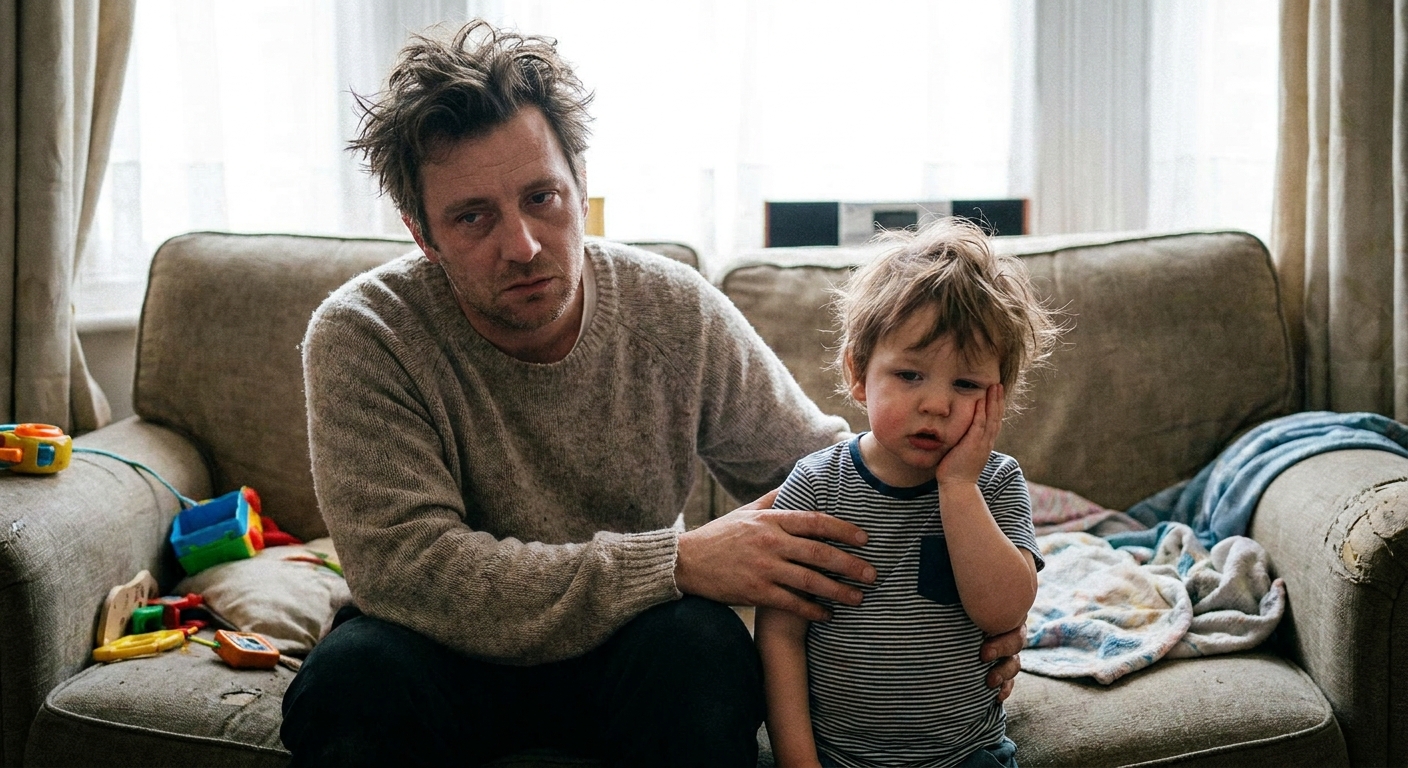
Kid dental pain can look deceptively small at first. A little gum bump. A complaint that “my tooth feels funny.” Then suddenly it is 2 AM, your child is crying, and their cheek looks puffy.
As a pediatric nurse and a mom of three, I want you to know two things: mouth pain in kids is often not an emergency, and a true tooth or gum infection can become urgent faster than parents expect. This guide will help you sort out what you are seeing, what you can safely do at home, and when it is time for same-day evaluation by a dentist or doctor, or the emergency room.
Quick note: this is general education, not a diagnosis for your child. When in doubt, call your dentist, pediatrician, or local nurse line.
What infection looks like
Tooth and gum infections happen when bacteria get into tissue, often through a cavity, a cracked tooth, an injury, or severe gum irritation. The body tries to wall it off, and that can create an abscess, which is essentially a pocket of infection.
Common signs
- Tooth pain that is worsening, throbbing, or wakes your child from sleep
- Pain with chewing or your child refusing to eat on one side
- Gum swelling near a specific tooth, sometimes with a pimple-like bump on the gum
- Bad breath that is new and persistent, or a bad taste in the mouth
- Fever (not always present)
- Facial swelling on the cheek, jawline, or under the eye
- Swollen lymph nodes in the neck or under the jaw
- Drainage of pus from the gum bump, or a sudden decrease in pain after a burst (still needs dental care)
If your child points to one tooth again and again, believe them. “Localized” pain is one of the biggest clues that this is not teething or a random mouth sore.

Abscess vs teething vs sore
Mouth pain gets confusing because kids describe everything as “my mouth hurts.” Here is how the common culprits usually differ.
Teething (common under age 3)
- Discomfort is diffuse, not one specific tooth
- Drooling, chewing on everything, crankiness
- Gums may look slightly puffy where a tooth is coming in
- Usually no facial swelling and no persistent one-sided pain
Canker sore
- A small, round or oval sore inside the lips, cheeks, or on the tongue
- Looks white or yellow in the center with a red halo
- Hurts with acidic or salty foods
- Not tied to a specific tooth, and no cheek swelling
Cold sore
- Often on or around the lip border
- May start as tingling, then small blisters that crust
- Can spread to nearby skin
Dental abscess or infected tooth
- One tooth is the star of the show, especially with chewing
- Gum may have a tender bump near that tooth
- Facial swelling can occur
- May have fever, worsening pain, or drainage
If you are torn between “teething” and “infection,” ask yourself: Is the pain clearly tied to one tooth and getting worse? That leans infection, and it deserves a call to the dentist.
Facial swelling matters
Any swelling on the face from a suspected dental source should be taken seriously. Even if your child seems okay, swelling can mean the infection is spreading beyond the tooth. If you cannot get a same-day dental visit (after-hours, weekends, rural areas), a same-day medical evaluation is still a smart move, especially if swelling is getting worse.
Same-day evaluation is needed for
- New facial swelling along the cheek or jaw
- Swelling of the gum with significant pain
- Fever plus tooth pain
- A gum “pimple” that is tender or draining
- A cracked tooth with pain
Go to the ER now for
- Trouble breathing, noisy breathing, or drooling because swallowing hurts
- Trouble swallowing, inability to handle saliva, or a muffled “hot potato” voice
- Swelling under the jaw, the floor of the mouth, or rapidly spreading swelling
- Swelling around the eye, eyelid swelling, or vision changes (this can happen with upper jaw tooth infections)
- Neck stiffness, severe headache, confusion, or your child looks very ill
- High fever with facial swelling
- Immunocompromised child with dental swelling or fever (for example, on chemotherapy or certain immune medications)
If you are seeing fast facial swelling, do not wait for “office hours.” This is one of those situations where it is better to be told “this can wait until morning” than to miss a problem that cannot.
What to do tonight
Home care cannot cure a dental infection. Antibiotics and dental treatment may be needed, and the tooth often needs definitive care such as drainage, a pulpotomy, root canal, or extraction depending on the tooth and age.
But you can absolutely make your child more comfortable while you arrange care.
Safe pain relief
- Ibuprofen (if your child is 6 months or older and can take it): often works very well for dental inflammation.
- Acetaminophen: a good option if ibuprofen is not allowed for your child.
- Follow the dosing on the bottle based on your child’s current weight when possible.
If your dentist or clinician advises alternating acetaminophen and ibuprofen, follow their schedule carefully and write it down. Sleep deprivation makes everyone bad at math.
If you think you gave too much medicine or the wrong medicine, call Poison Control (US: 1-800-222-1222) or your local equivalent right away.
Comfort measures
- Cold compress on the cheek for 10 to 15 minutes at a time
- Soft foods and avoiding chewing on the painful side
- Warm saltwater rinses if your child is old enough to swish and spit reliably
- Keep the head elevated during rest if it seems to reduce throbbing
If swelling is significant, stick with cold. Heat can feel soothing, but it may worsen swelling for some kids.
What not to do
- Do not place aspirin on the gums. It can burn the tissue.
- Avoid benzocaine teething or numbing gels in children under 2. In older kids, only use benzocaine if your dentist or clinician specifically recommends it (it can rarely cause a serious side effect called methemoglobinemia).
- Do not give leftover antibiotics or someone else’s prescription. The wrong drug and dose can delay proper care and create resistance.
- Do not try to pop or lance a gum bump. It can worsen spread and causes injury.

Where to go for help
Here is the decision tree I wish every parent had taped inside a kitchen cabinet.
Call the dentist today if
- Your child has worsening tooth pain, pain that wakes them from sleep, or pain that is not improving with appropriate home care
- There is a gum bump, swelling, or drainage near a tooth
- There is mild facial swelling without breathing or swallowing issues
- Your child has tooth pain plus fever
- A tooth is cracked, pushed out of place, or very sensitive after an injury
If pain is mild and improving, it may not need a same-day visit, but it still deserves a prompt dental appointment. Kids rarely make up tooth pain.
Urgent care can help if
- You cannot reach a dentist and your child needs pain control guidance
- Your child has fever and mouth pain and you are unsure of the source
- Your child seems moderately ill and you need a same-day evaluation
Important: many urgent cares cannot treat the tooth itself. They can sometimes help assess severity, rule out other causes, and prescribe antibiotics when appropriate, but your child still needs a dentist.
Go to the ER now if
- Any breathing or swallowing concerns
- Rapidly spreading facial swelling, significant swelling under the jaw, or swelling near the eye
- Dehydration because your child will not drink
- Your child is very sleepy, confused, or difficult to arouse
- Severe pain not improving with appropriate doses of over-the-counter meds
If you cannot get a dentist same-day and swelling or fever is present: seek same-day medical evaluation. If swelling is progressing quickly or involves the eye, jaw, or neck, go to the ER.
What treatment may be
Parents often worry the dentist will jump straight to “pull the tooth.” Sometimes that is the right answer, but often there are options. The goal is to eliminate the source of infection and protect the surrounding tissues.
Possible next steps
- Dental exam and X-rays to confirm which tooth is involved
- Drainage if there is a localized abscess
- Antibiotics when there is spreading infection, facial swelling, fever, or other signs that the body needs help containing it
- Definitive tooth treatment such as a filling, pulpotomy, root canal, or extraction depending on tooth type and damage
Antibiotics alone are sometimes a bridge, not a finish line. If the tooth source is still there, the infection can return.
Also worth knowing: if the abscess is localized and your child has no fever, no facial swelling, and is otherwise well, antibiotics are not always necessary when prompt, definitive dental treatment is available. Your dentist will guide that decision.
Dental trauma emergencies
Injuries happen on playgrounds, bikes, and sports fields. A general rule is: if a tooth is moved out of place, very loose, or painful after trauma, call a dentist the same day.
If a permanent tooth is knocked out
- This is time-sensitive. It is a true dental emergency.
- If your child is old enough to cooperate safely, try to gently place the tooth back in the socket by the crown (not the root) and have them bite on gauze.
- If you cannot reinsert it, store the tooth in milk (or saliva in the cheek if safe) and go to emergency dental care or the ER immediately.
Do not do this with a baby tooth. A knocked-out baby tooth is still urgent, but you typically do not reimplant it because of the risk to the adult tooth underneath. Call a dentist right away.
Help your child cope
Dental pain can make even the bravest kid melt down. A few small tweaks can make a huge difference.
- Name the plan: “We are going to the tooth doctor so they can find the sore spot and help it feel better.”
- Avoid scary details (no need to mention needles or drilling).
- Bring comfort like headphones, a stuffed animal, or a small blanket.
- Ask about numbing options and anxiety supports if your child has had a hard dental visit before.
If your child is in severe pain or has swelling, tell the front desk when you call. Many offices will triage suspected abscess cases quickly.
Prevention that fits life
No guilt trip here. Cavities and gum infections happen even in families who brush. Still, a few habits really do lower the odds of future infections.
- Brush twice daily with fluoride toothpaste. For young kids, think “rice-size smear” until age 3, then “pea-size” after that, unless your dentist advises otherwise.
- Help with brushing longer than you think. Many kids need supervision and assistance well into early elementary school.
- Floss once daily when teeth touch.
- Water between meals, especially after sweet or sticky snacks.
- Regular dental visits as recommended by your dentist, often every 6 months.
- Mouthguards for sports if your child plays contact sports.
Quick FAQ
Can a tooth infection go away on its own?
Sometimes pain may temporarily improve if an abscess drains, but the infection source is usually still there. It can flare again, and it can spread. It needs dental evaluation.
Is a gum boil always an abscess?
A pimple-like bump on the gum near a tooth is highly suspicious for an abscess, especially if it is tender, draining, or paired with tooth pain. Call the dentist for a same-day plan.
My child has mouth pain but no visible swelling. Is it still urgent?
It can be. Persistent, worsening, or nighttime tooth pain is a strong reason to call the dentist, even if you do not see swelling yet.
What if we cannot get in to a dentist?
If your child has facial swelling, fever, or looks unwell and you cannot get urgent dental care, seek same-day medical evaluation at urgent care or the ER. The priority is safety and preventing spread.
When in doubt
If your gut is saying, “This is more than teething,” you are probably picking up on real clues. Localized tooth pain, gum bumps, fever, and any facial swelling are your signs to get help quickly.
If you want a simple rule: mild tooth pain may be able to wait until the next day, but swelling should not. Call the dentist for the soonest plan you can get, and head to the ER if breathing, swallowing, eye-area swelling, or rapid progression enters the picture.
Sarah Mitchell
Sarah Mitchell is a Registered Pediatric Nurse and a mother of three who has spent over a decade helping families navigate the beautiful, chaotic early years of childhood. She combines evidence-based medical knowledge with real-world parenting experience to offer practical, compassionate advice. At Awesome Parent, Sarah's mission is to help exhausted parents find solutions, trust their instincts, and finally get some sleep.