Top 10 Safest First Foods for Baby-Led Weaning

Sarah Mitchell
Sarah Mitchell is a Registered Pediatric Nurse and a mother of three who has spent over a decade helping families navigate the beautiful, chaotic early years of childhood. She combines evidence-based medical knowledge with real-world parenting experience to offer practical, compassionate advice. At Awesome Parent, Sarah's mission is to help exhausted parents find solutions, trust their instincts, and finally get some sleep.
If you are starting baby-led weaning (BLW), you do not need fancy gadgets or a fridge full of specialty foods. You need soft textures, safe shapes, and a plan for how to offer foods that are actually realistic on a Tuesday night.
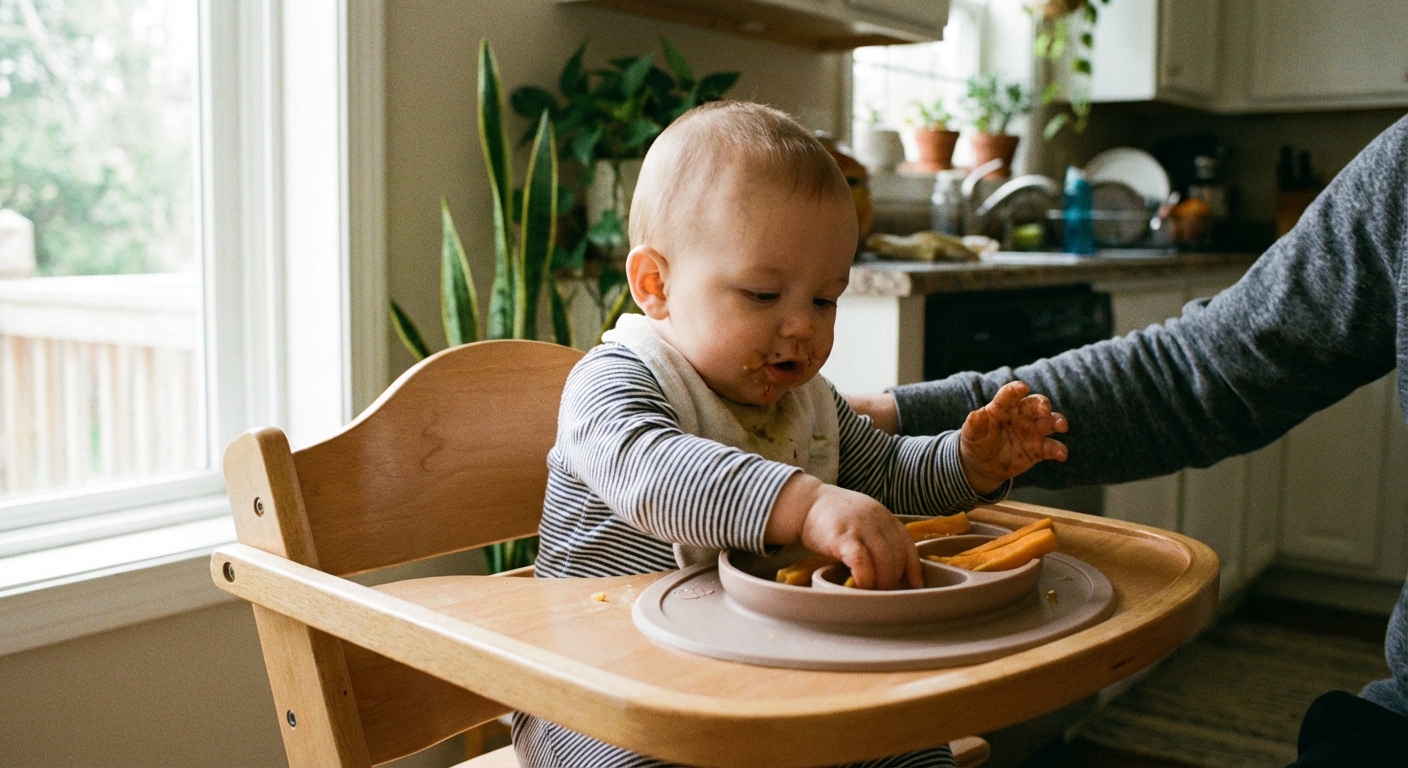
As a pediatric nurse and a mom of three, here is my guiding principle: BLW is about letting your baby explore food, not about getting a certain number of bites in. Expect mess. Expect gagging. Expect you to question every choice you have ever made the first time your baby stuffs an entire strip of avocado in their mouth.
Quick note: This article is educational and not a substitute for medical advice. When in doubt, check in with your pediatrician, especially if your baby was premature or has feeding or swallowing concerns.
Before you start: quick BLW safety checklist
- Age and readiness: Many babies start solids around 6 months, not before 4 months, and only when they show readiness signs. Look for: sitting with minimal support, good head and neck control, and bringing food to their mouth.
- Always supervised: An adult should be within arm’s reach and watching, not across the room.
- Seated upright: Use a high chair with good foot support if possible. No lounging, no car seats, no couches.
- Soft enough to squish: A good rule: the food should mash easily between your thumb and forefinger.
- Big, grippable shapes: Think “adult finger” sized pieces at first, about 2 to 3 inches (5 to 7 cm) long and roughly the thickness of an adult finger, so baby can hold the food while they gnaw.
- Know gagging vs choking: Gagging is common and can be loud. Choking may be quiet and requires immediate action. If you have not taken an infant CPR class, this is your nudge.
- Avoid high-risk foods early on: Whole grapes, cherry tomatoes, popcorn, nuts, spoonfuls of nut butter, marshmallows, hard chunks of apple or carrot, and round coins of hot dog are common choking hazards. Also watch out for stringy foods (like raw celery) and sticky globs (like thick nut butter).
- No honey under 12 months: Honey (including baked goods made with honey) is not safe for babies under 1 year.
- Go easy on salt and sugar: Babies do not need added salt, and added sugar is best kept minimal. Choose low-sodium broth and avoid salty seasoning blends.
Important note: This list is for typical babies starting solids. If your child was premature, has swallowing concerns, low tone, or a history of aspiration, check in with your pediatrician or a feeding therapist for individualized guidance.
Top 10 safest first foods for BLW (with exact prep)
These foods are popular for a reason: they are naturally soft or can be cooked soft, they are easy to hold, and they do not need teeth to manage.
1) Avocado
Why it works: Soft, calorie-dense, and easy to gum. Great early fat source for growing brains.
How to prepare:
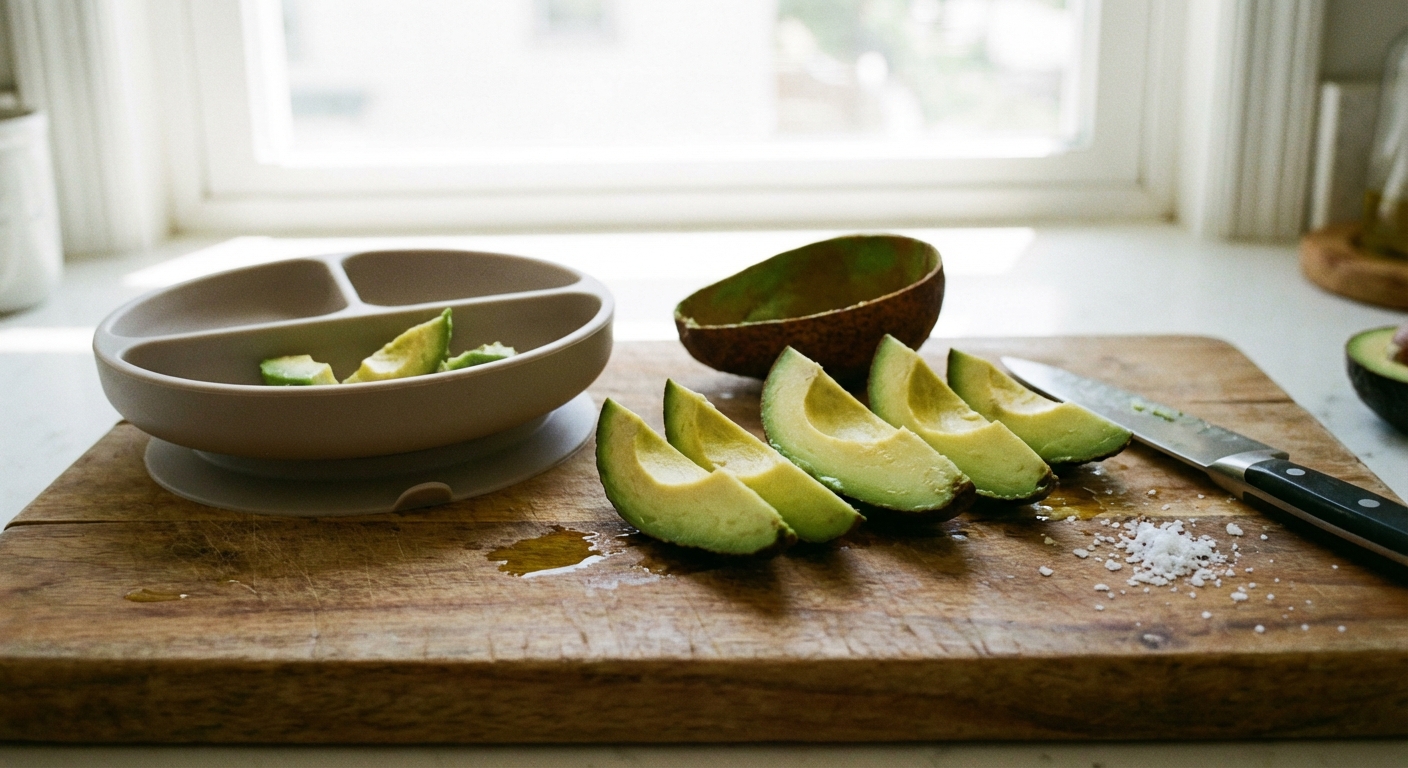
- Use a ripe avocado that gives slightly when pressed.
- Cut into thick wedges or spears about the length of an adult finger.
- If it is too slippery to grip, roll one side in ground flaxseed, hemp hearts, or fine breadcrumbs (thin coating, not clumpy). Choose low-sodium options if using packaged crumbs.
Skip for now: Big globs of guacamole with chunks. Keep it simple and smooth.
2) Steamed sweet potato sticks
Why it works: Soft when cooked, naturally sweet, and easy to cut into safe shapes.
How to prepare:
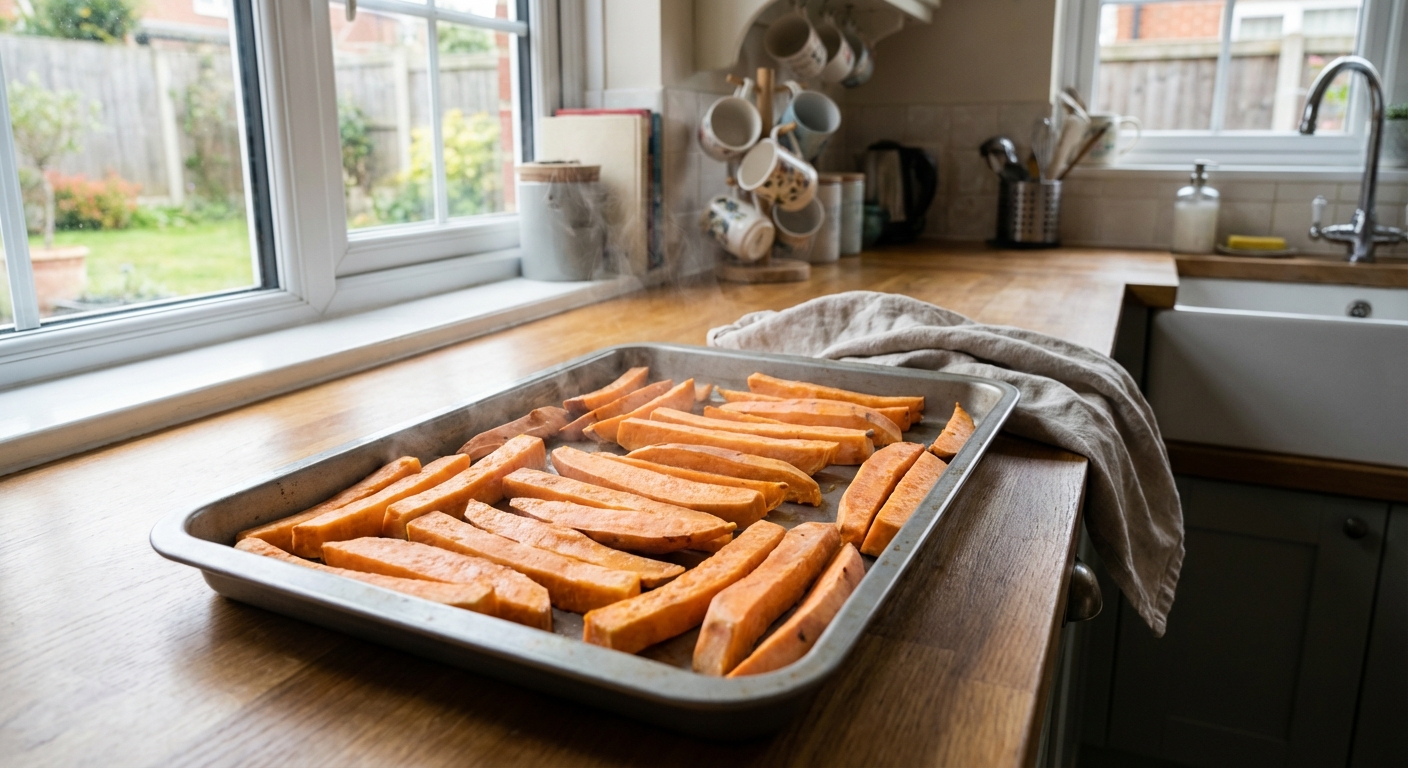
- Peel (optional) and cut into thick sticks about the size of adult fingers.
- Steam or roast until very soft (should mash easily when pinched).
- Let cool, then serve plain or with a light sprinkle of cinnamon.
Safety tip: Avoid hard, roasted edges. If roasting, consider adding a splash of water to the pan or covering loosely with foil for part of the bake so the pieces stay soft all the way through.
3) Banana (halved or spears)
Why it works: Soft, predictable texture, and basically a built-in baby spoon.
How to prepare:
- Choose a ripe banana with brown speckles.
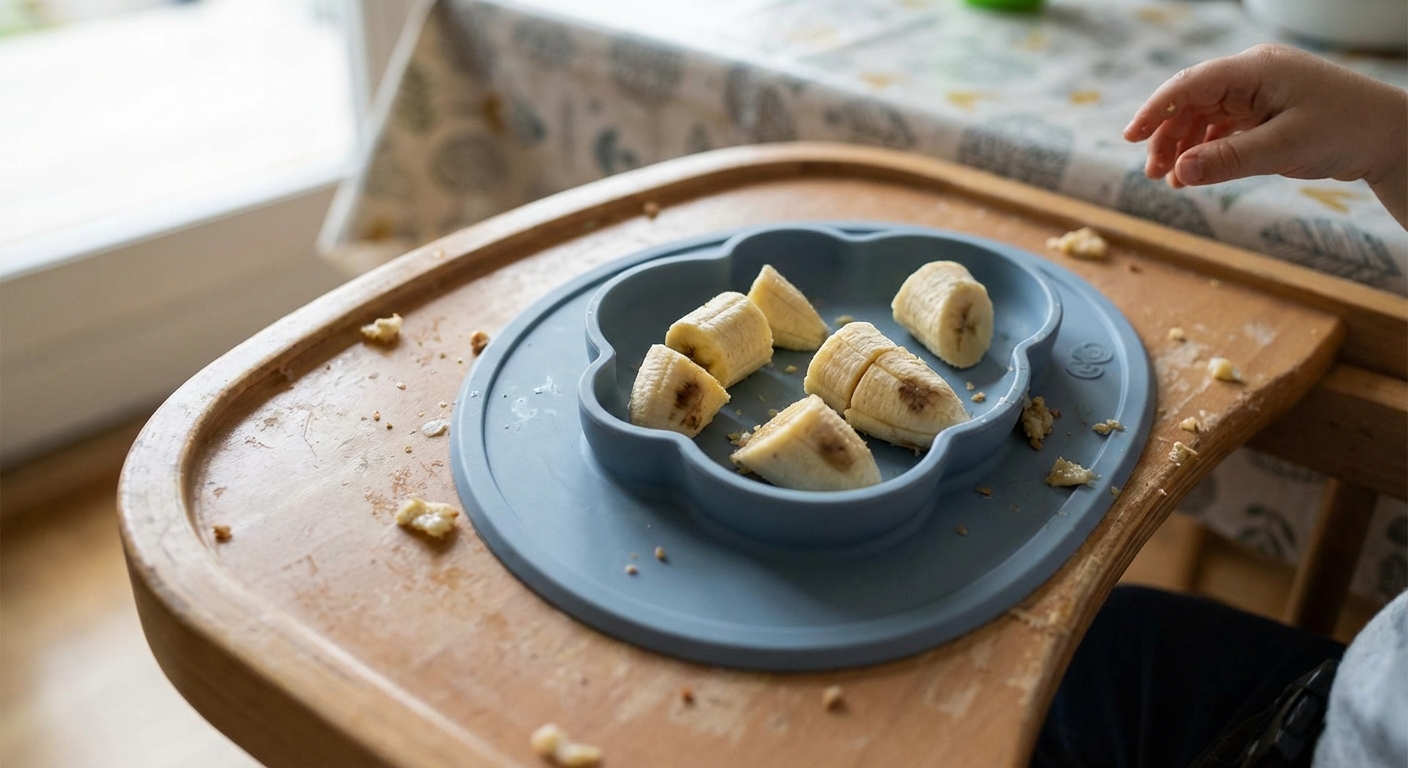
- Option A: Peel and cut in half crosswise, leaving some peel at the bottom as a “handle.”
- Option B: Cut into thick spears (not coins).
Less mess trick: Very lightly coat in finely crushed oat cereal so it is easier to grasp.
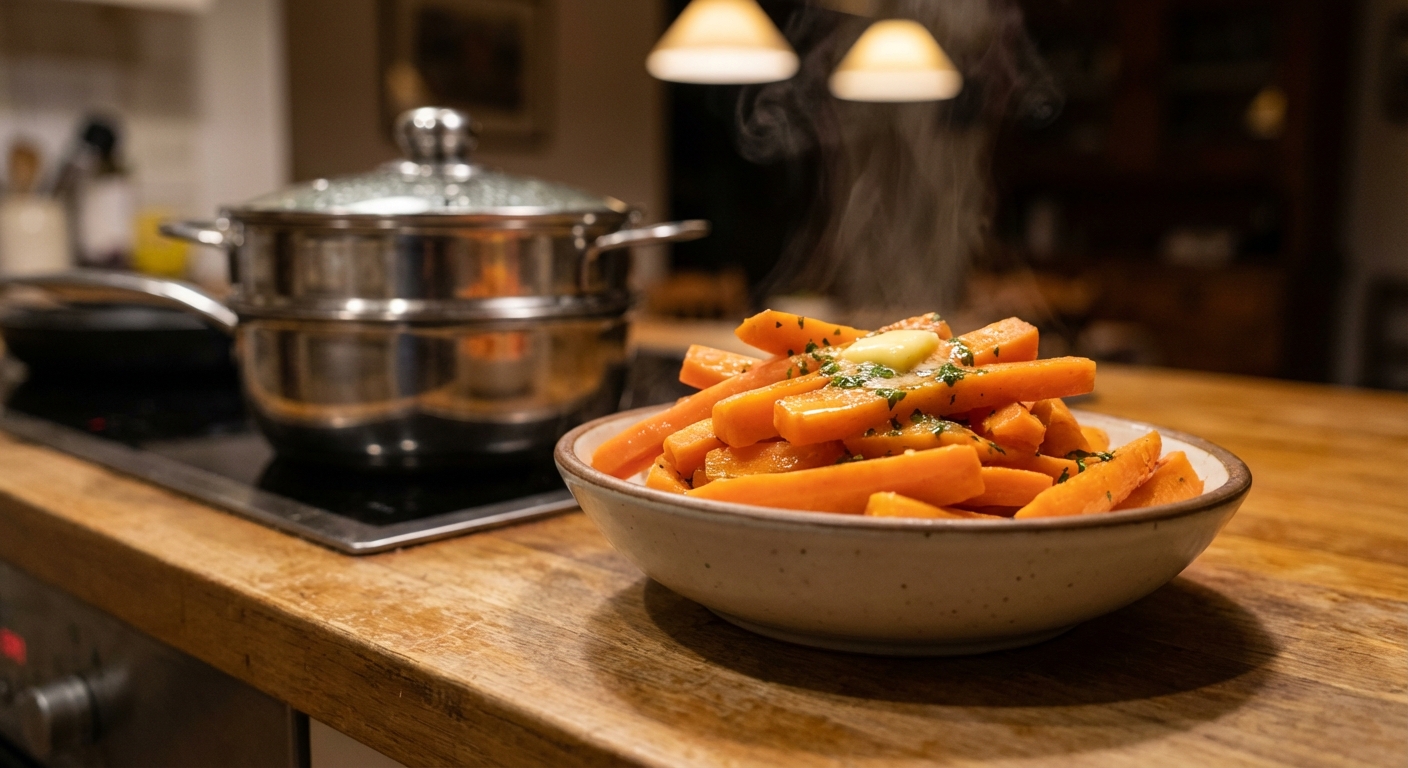
4) Steamed carrot sticks
Why it works: Carrots become BLW-friendly when cooked soft enough to mash.
How to prepare:
- Peel and cut carrots into thick sticks (think adult finger thickness).
- Steam until they mash easily between fingers. This often takes longer than people expect.
- Cool and serve as sticks.
Do not serve raw: Raw carrot rounds and sticks are high-risk choking hazards for babies.
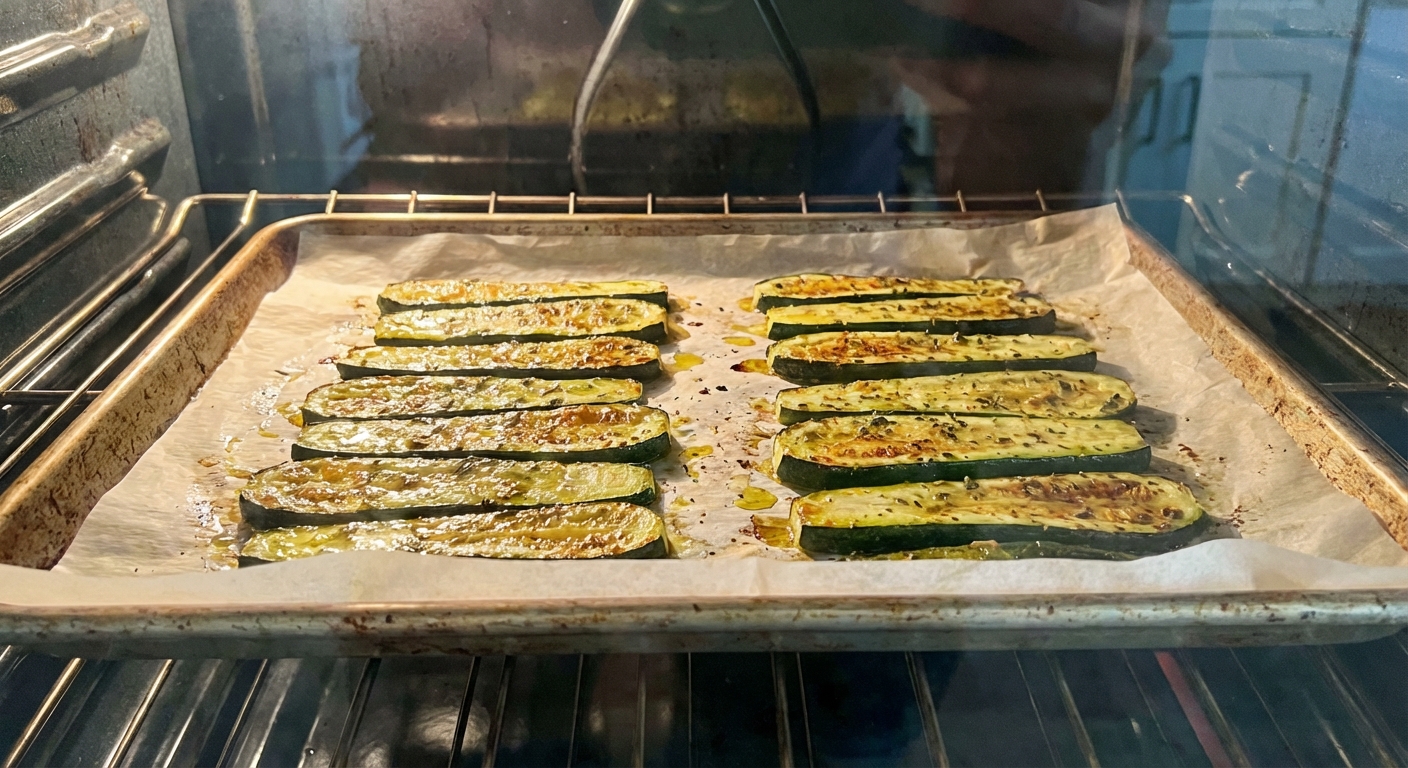
5) Roasted zucchini spears
Why it works: Zucchini gets very soft and is easy on new eaters.
How to prepare:
- Cut zucchini into spears (quarters lengthwise).
- Roast at 400°F (205°C) with a little olive oil until soft and bendy, not crisp.
- If your oven tends to brown fast, roast at 375°F (190°C) or cover loosely with foil for part of the cook time to prevent crisp edges.
- Let cool. Serve as spears baby can hold.
Flavor note: A tiny pinch of garlic powder is fine if your family uses it. Avoid spicy heat and high-salt seasonings.
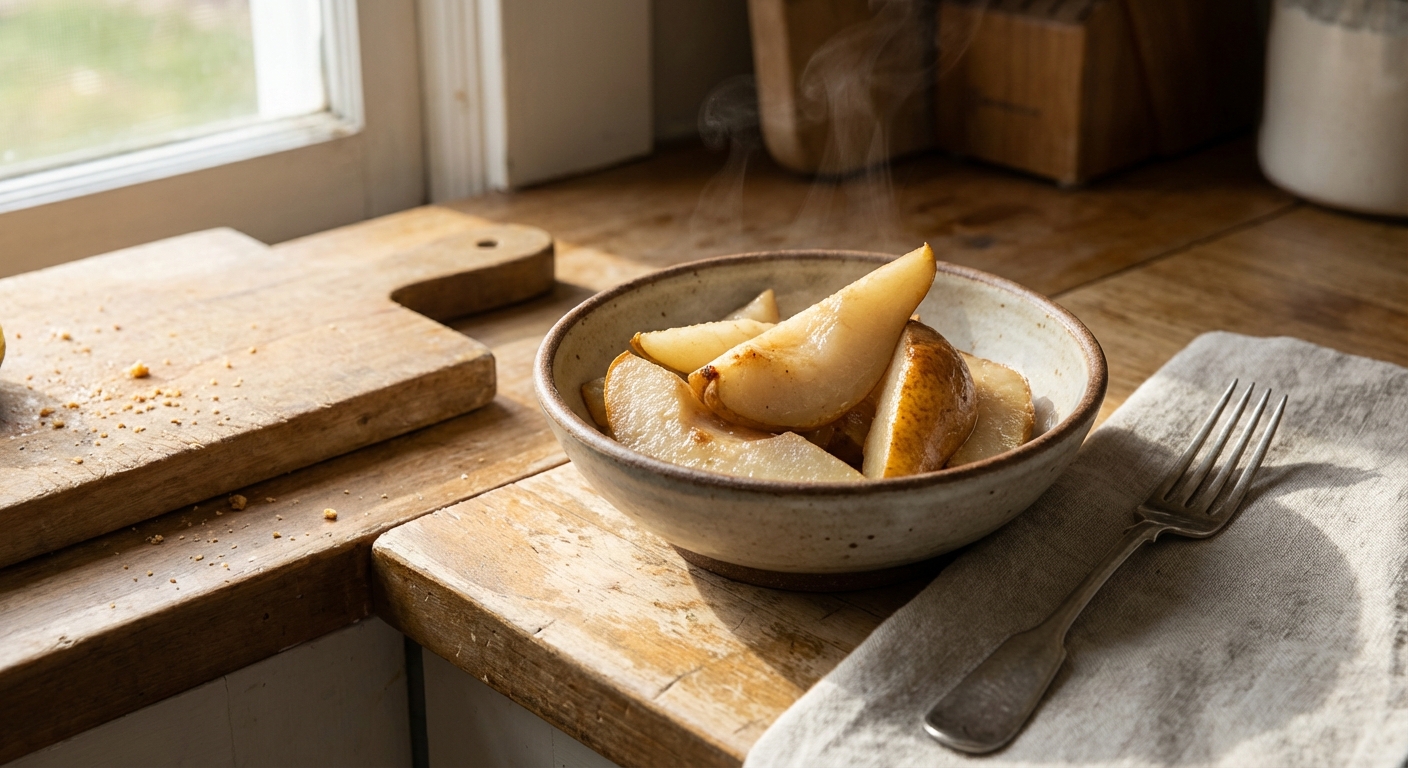
6) Ripe pear wedges (steam if needed)
Why it works: Pear can be very soft when ripe, and steaming makes it reliably squishable.
How to prepare:
- If the pear is very ripe: peel (optional) and cut into thick wedges.
- If it is even a little firm: steam a few minutes until you can mash it easily between your fingers.
- Serve as wedges, not chunks.
Avoid: Hard apple or pear slices. Babies do not have the teeth for that, and it is a common choking scenario.
7) Very soft scrambled egg
Why it works: Eggs are a great protein source, and they are a common allergen that many families choose to introduce early (when appropriate) in a safe form.
How to prepare:
- Cook scrambled eggs until just set, soft and moist, not browned or rubbery.
- Serve in large soft curds baby can grab.
- Alternatively, make a thin omelet and cut into strips.
Allergy tip: Offer a small amount the first time, then watch for hives, vomiting, facial swelling, or trouble breathing. Consider offering new allergens earlier in the day when medical care is easier to access. Seek urgent care for any breathing issues or swelling of lips or tongue.

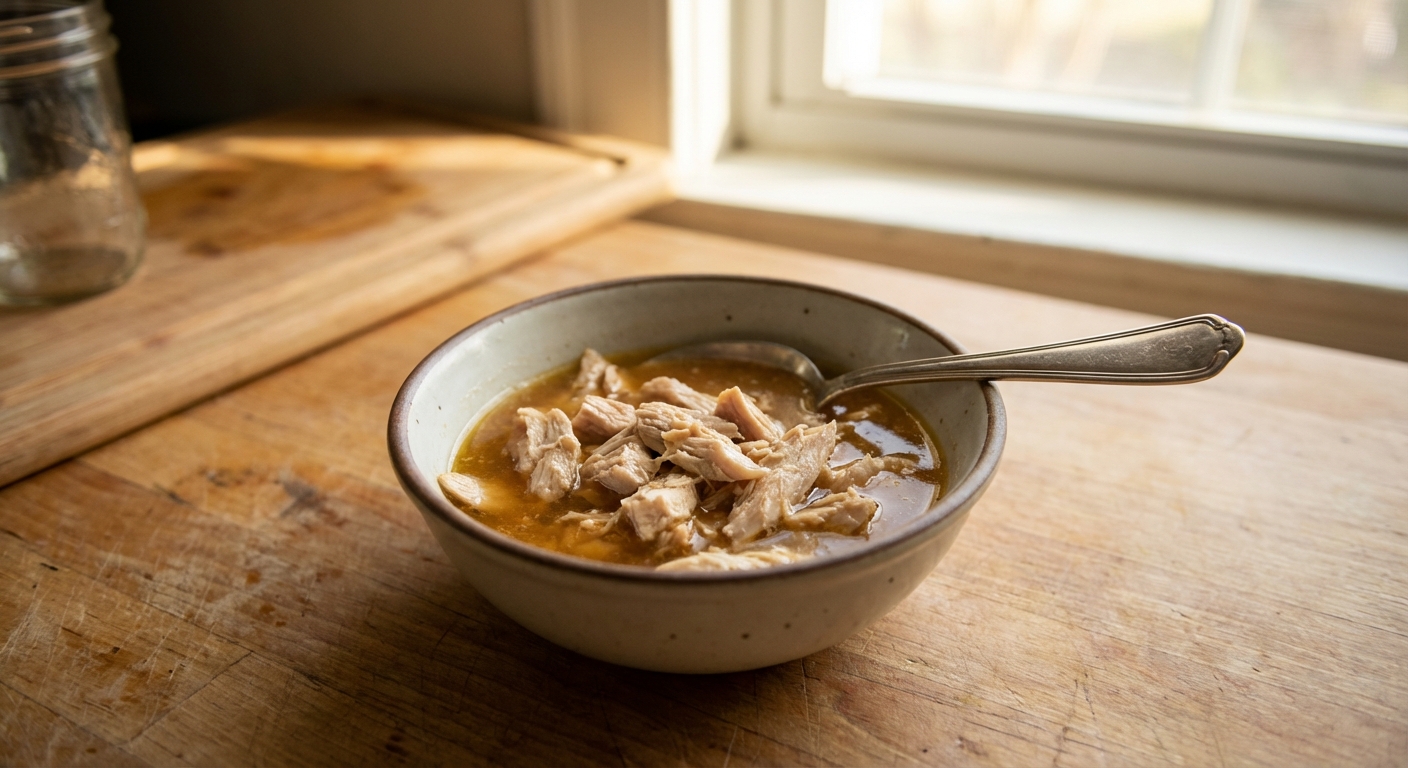
8) Shredded chicken (or turkey) mixed with broth
Why it works: Iron and protein matter, especially as babies grow and their iron needs increase. Many babies benefit from more dietary iron starting around 4 to 6 months, and by about 6 months iron-rich foods are a big deal for most families.
How to prepare:
- Cook chicken until tender (slow cooker, poaching, or pressure cooking work well).
- Shred very finely, then moisten with a little low-sodium broth, cooking juices, or plain yogurt so it clumps slightly.
- Serve in soft piles baby can rake up, or press into a thick patty baby can hold.
Avoid: Dry cubes of meat. Dry + chunky is a rough combo for beginners.
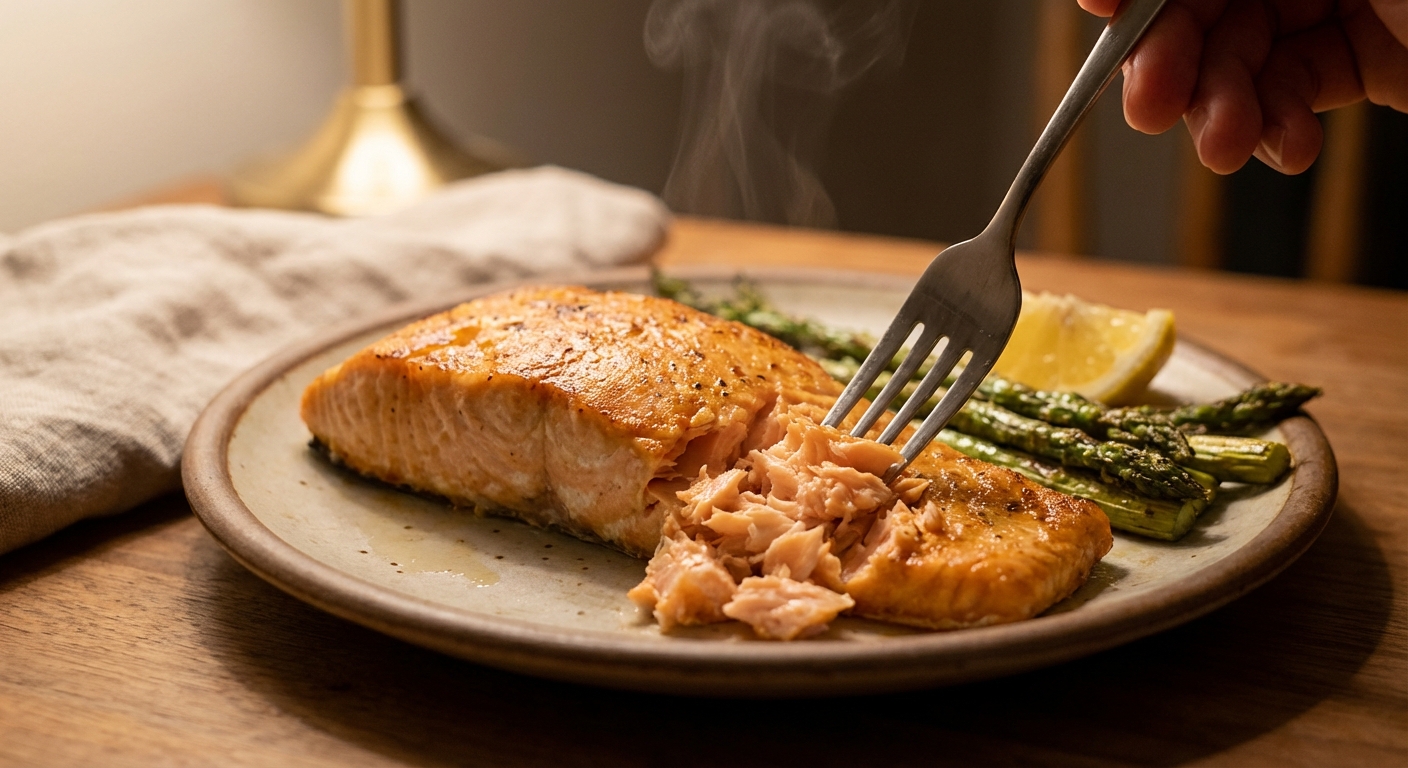
9) Flaked salmon (or other soft fish)
Why it works: Soft, flaky texture and healthy fats. Many babies handle it surprisingly well.
How to prepare:
- Bake or steam salmon until it flakes easily with a fork.
- Remove any bones carefully.
- Serve as large flakes or gently press into a soft patty.
Note: Choose low-mercury fish options appropriate for babies. Salmon is commonly recommended.
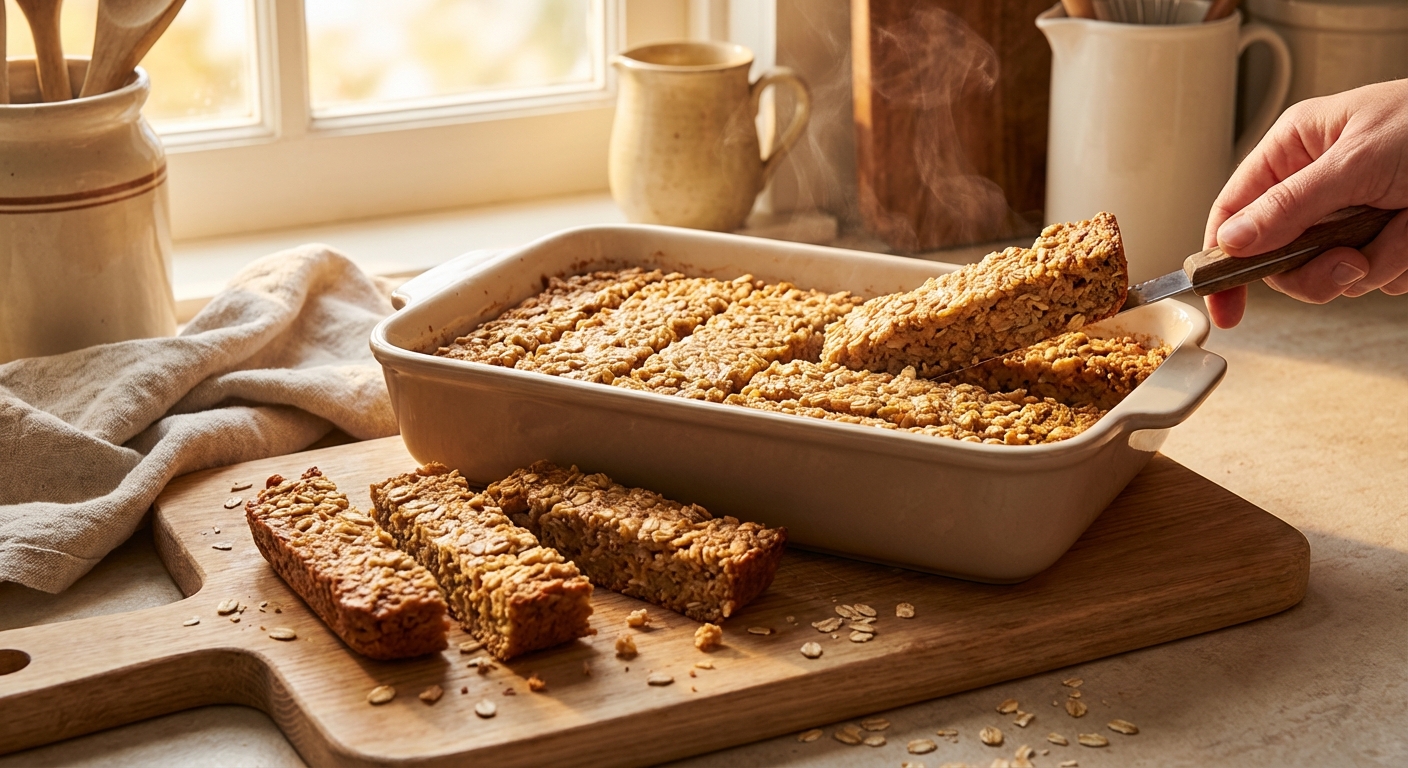
10) Oatmeal fingers (baked oats in strips)
Why it works: Regular oatmeal is slippery and tough to self-feed at first. Baked oatmeal cut into fingers gives baby something to hold.
How to prepare:
- Mix rolled oats with mashed banana or applesauce and enough liquid to soften.
- Liquid options: breastmilk or formula, or small amounts of cow’s milk in cooking if that works for your family. (Cow’s milk is not recommended as a main drink before 12 months, but small amounts in baking are typically fine.)
- Bake in a thin layer until set and soft.
- Cut into finger-shaped strips.
Texture check: It should break easily when squeezed. If it is firm or dry, add moisture next time or bake a shorter time.
How to cut food safely
If you remember nothing else, remember this: round foods become safer when you change the shape, and hard foods become safer when you change the texture.
- Start with big pieces: Finger-length sticks and spears help baby grip and control the food.
- Avoid coins and rounds: Round slices can sit like a plug in a small airway.
- Change round foods: Grapes, cherry tomatoes, and large berries should be cut lengthwise into quarters for babies and young toddlers.
- Cook until squishable: If you cannot mash it between fingers, baby cannot mash it with gums.
- As skills improve: You can gradually offer smaller pieces, typically when baby develops a better pincer grasp (often closer to 9 months, but every baby varies).
A quick word about gagging
Gagging is a normal safety reflex and is very common in BLW, especially in the first few weeks. It can look dramatic. Babies can cough, sputter, make retching sounds, and their eyes might water.
What to do: Stay calm, keep them upright, and let them work it out. If you rush in and sweep the mouth with your finger, you can accidentally push food farther back.
Choking is different: If baby is struggling to breathe, has weak or no sounds, or their color is changing, that is an emergency. Call emergency services and start infant choking first aid.
Common questions
Do I need teeth for BLW?
Nope. Babies can mash soft foods with gums very effectively. That said, hard foods still need to be cooked until soft.
Should I start with one food at a time?
You can, especially if it helps you feel calmer. From an allergy standpoint, many families introduce common allergens when baby is healthy, earlier in the solids journey, and then keep them in rotation. If your baby has severe eczema or a known food allergy, ask your pediatrician about the safest plan.
How do I offer peanut safely?
Do not offer whole peanuts or a spoonful of thick nut butter. Instead, try one of these:
- Mix a small amount of smooth peanut butter into yogurt or warm oatmeal until thin and drippy.
- Stir peanut powder into applesauce or yogurt.
Offer a small amount the first time, ideally earlier in the day, and watch for signs of an allergic reaction (hives, vomiting, swelling, trouble breathing).
How much should my baby eat?
Early on, some meals are mostly tasting and squishing. That is normal. Breastmilk or formula is still the main nutrition source in the first year.
Can my baby have water with meals?
Once solids begin, small sips of water from an open cup or straw cup with meals are commonly offered. Keep it to small amounts, since breastmilk or formula still does the heavy lifting.
How often should we do BLW meals?
Many families start with 1 meal a day, then gradually build up to 2 to 3 meals as baby’s interest and skills grow. A simple early plate idea: one soft fruit or veggie plus one iron-rich food (like egg, meat, fish, beans, or iron-fortified oats). Allergens can be rotated in when appropriate.
My “you’re doing fine” reminder
If BLW feels intimidating, start with one food from this list and one meal a day. Put a washable mat under the high chair. Take a deep breath. Your baby is learning a skill, and learning is rarely tidy.
And if you are reading this at an odd hour while everyone else sleeps, consider this your gentle permission slip to keep it simple tomorrow.