A sudden limp can be scary. Here’s how to check for simple causes, what symptoms suggest something serious, and exactly when to call your doctor or go to u...
Transient Synovitis in Kids

Sarah Mitchell
Sarah Mitchell is a Registered Pediatric Nurse and a mother of three who has spent over a decade helping families navigate the beautiful, chaotic early years of childhood. She combines evidence-based medical knowledge with real-world parenting experience to offer practical, compassionate advice. At Awesome Parent, Sarah's mission is to help exhausted parents find solutions, trust their instincts, and finally get some sleep.
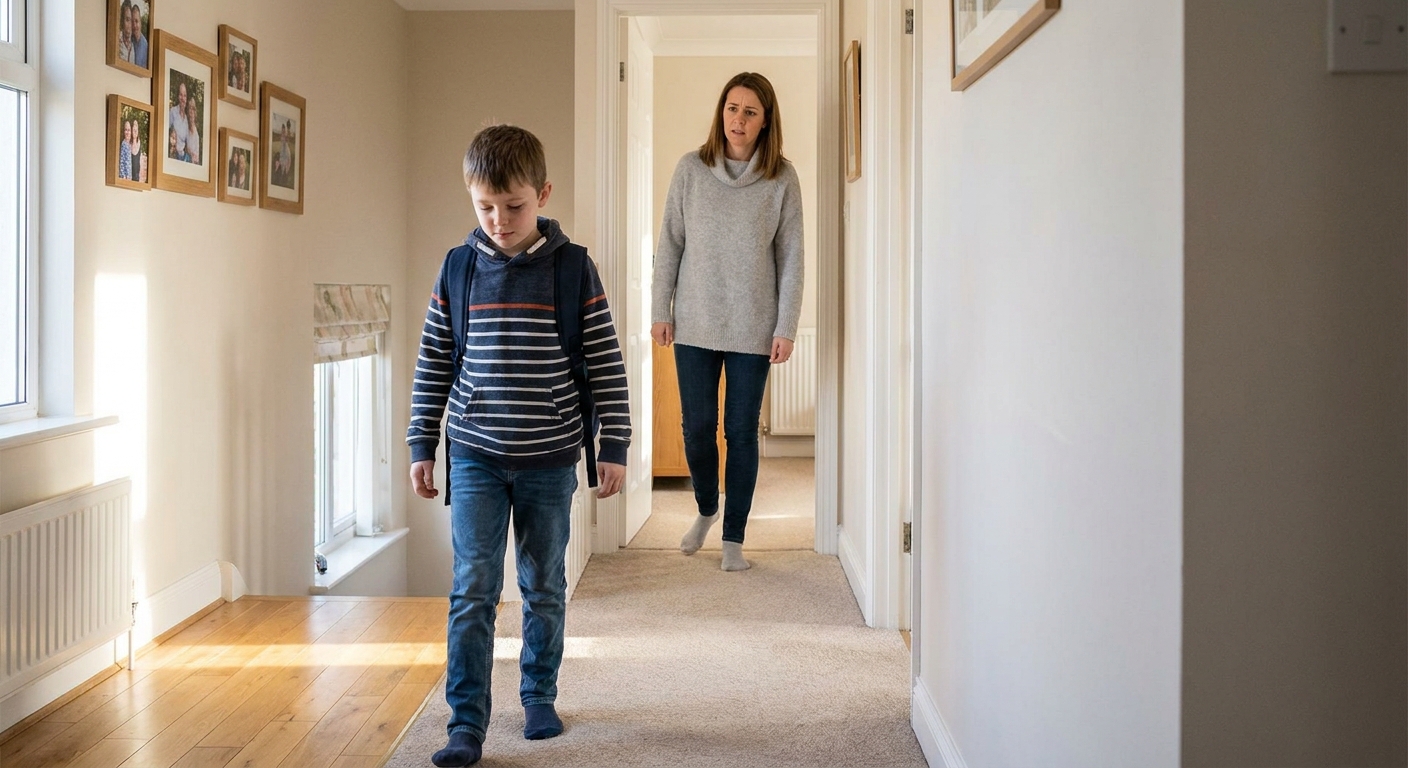
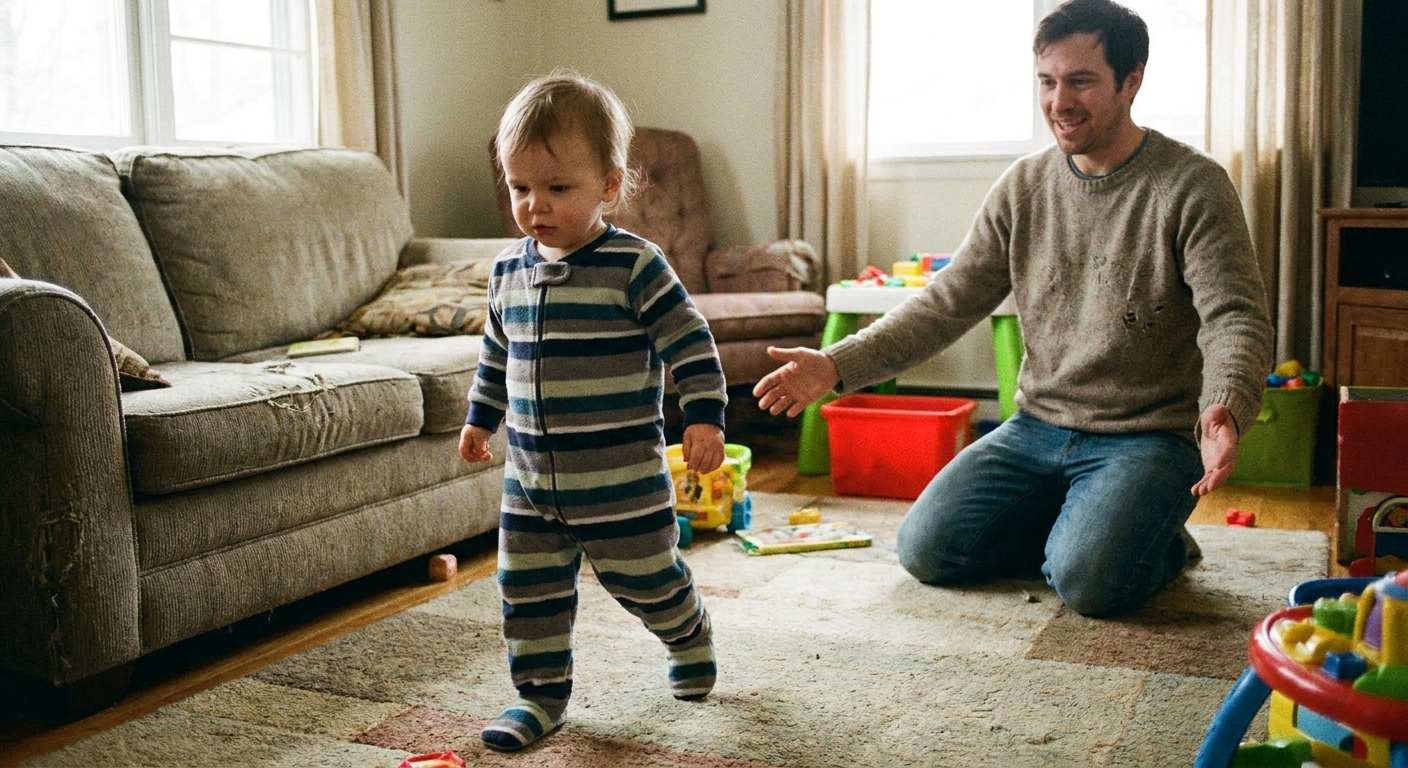
If your child had a cold last week and now they are suddenly limping or refusing to walk, it is scary in a very specific way. I have heard the same sentence hundreds of times in triage: “They didn’t fall, but they won’t put weight on that leg.” One common, usually short-lived cause is transient synovitis, also called toxic synovitis. The name sounds intense. Usually, it isn’t.
Let’s walk through what transient synovitis is, how it tends to look compared with an injury, what you can safely do at home, and the red flags that mean your kid needs same-day medical care.
What it is
Transient synovitis is temporary inflammation inside the hip joint. It most often happens in young kids. Many sources cite a peak around ages 3 to 6, but you will also see ranges like 3 to 8, and toddlers can get it too. Many children have had a recent viral illness like a cold, stomach bug, or sore throat. The immune system’s “after-party” can irritate the joint lining, leading to pain and stiffness.
The key word is transient: it usually improves over days and resolves within 1 to 2 weeks.
Why it’s also called “toxic” synovitis
This older term makes parents think “poison” or “danger.” In this context, it was used to mean “associated with a recent infection or systemic illness,” not literal toxins. Most clinicians now prefer transient synovitis.
What it looks like at home
Transient synovitis often shows up as:
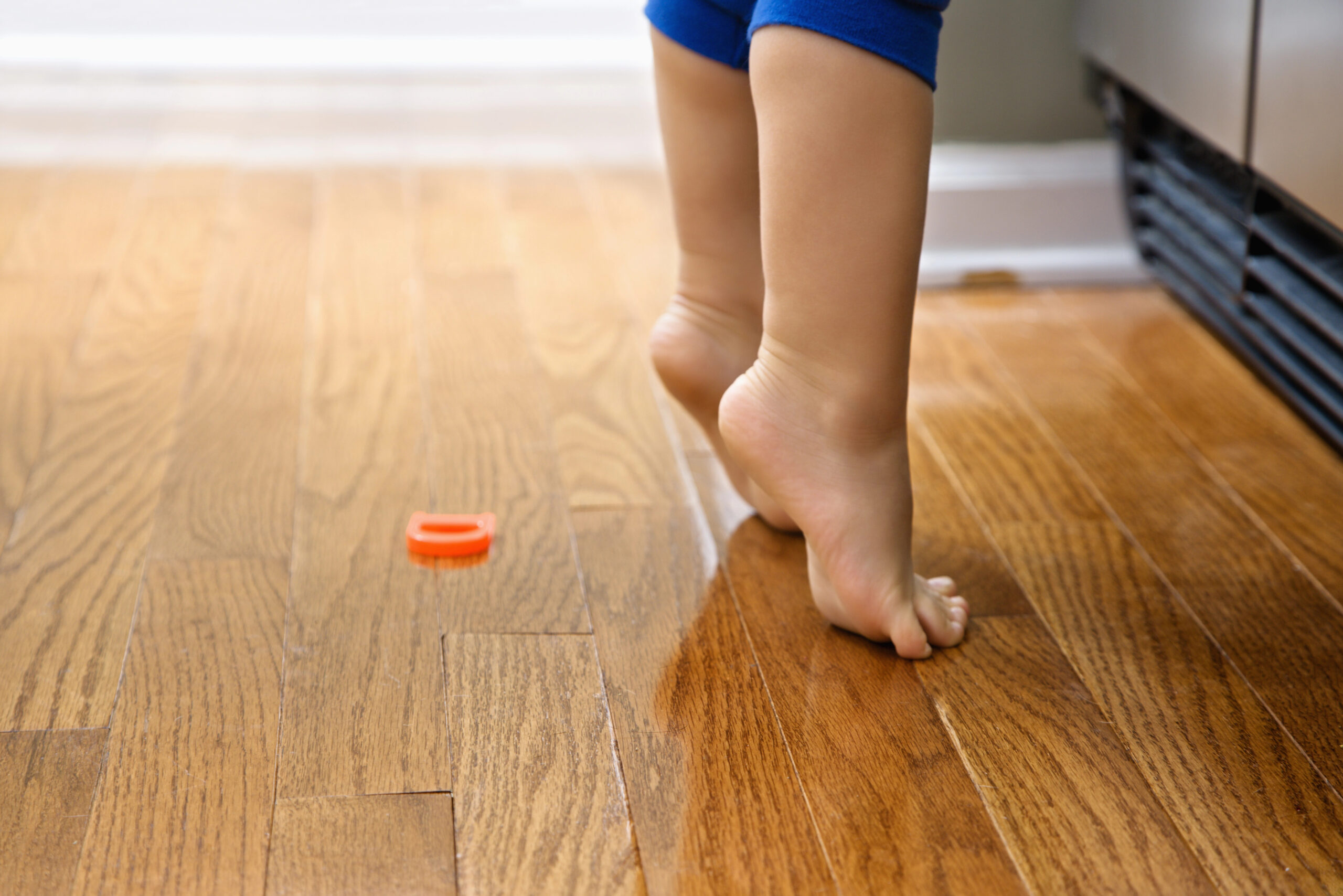
- Sudden limp or toe-walking on one side
- Hip, groin, or thigh pain (kids often point to the thigh or knee, not the hip)
- Refusing to bear weight or walking like they are “stiff” on one side
- Limited hip motion, especially with rotating the leg inward
- Recent virus in the last 1 to 3 weeks
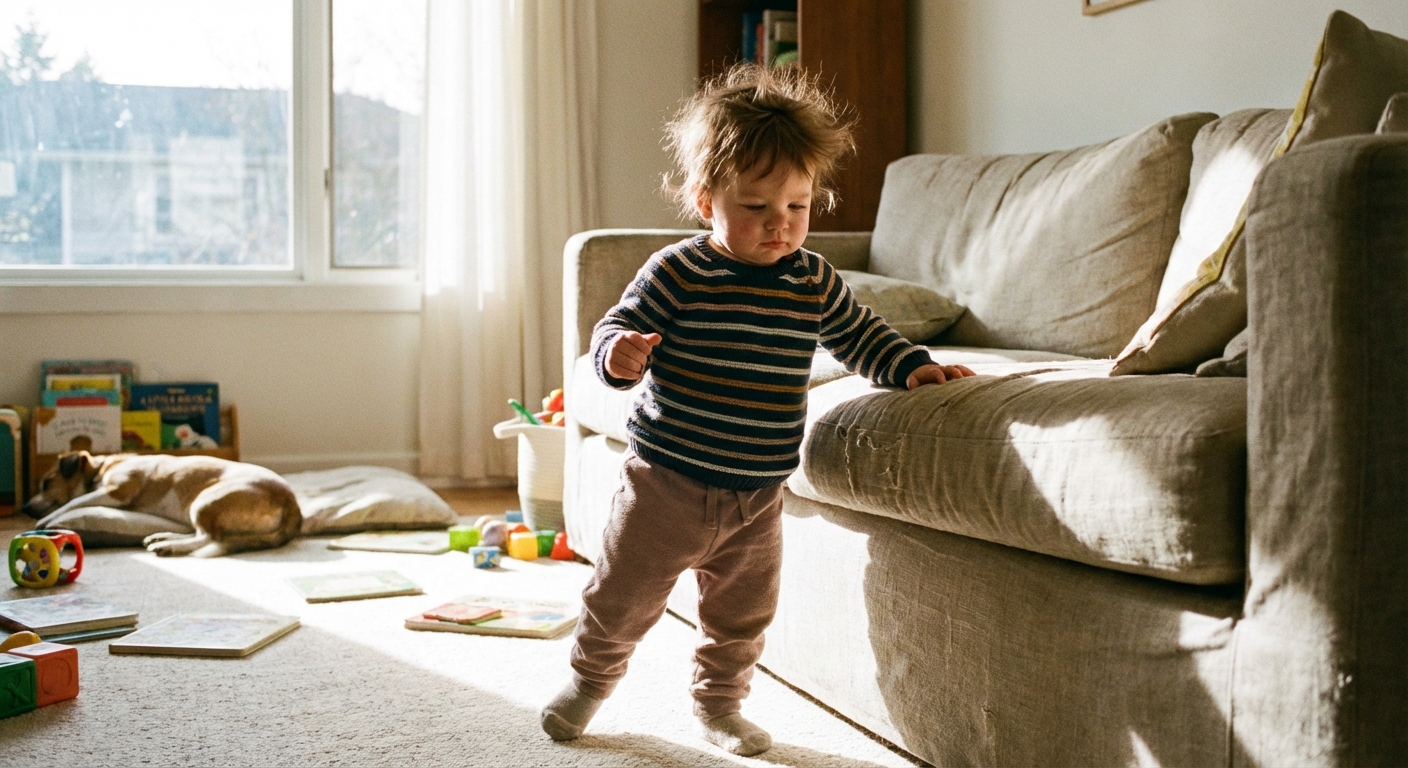
Some kids will still play, just with a limp. Others want to be carried everywhere. Both can still fit transient synovitis.
Transient synovitis vs injury
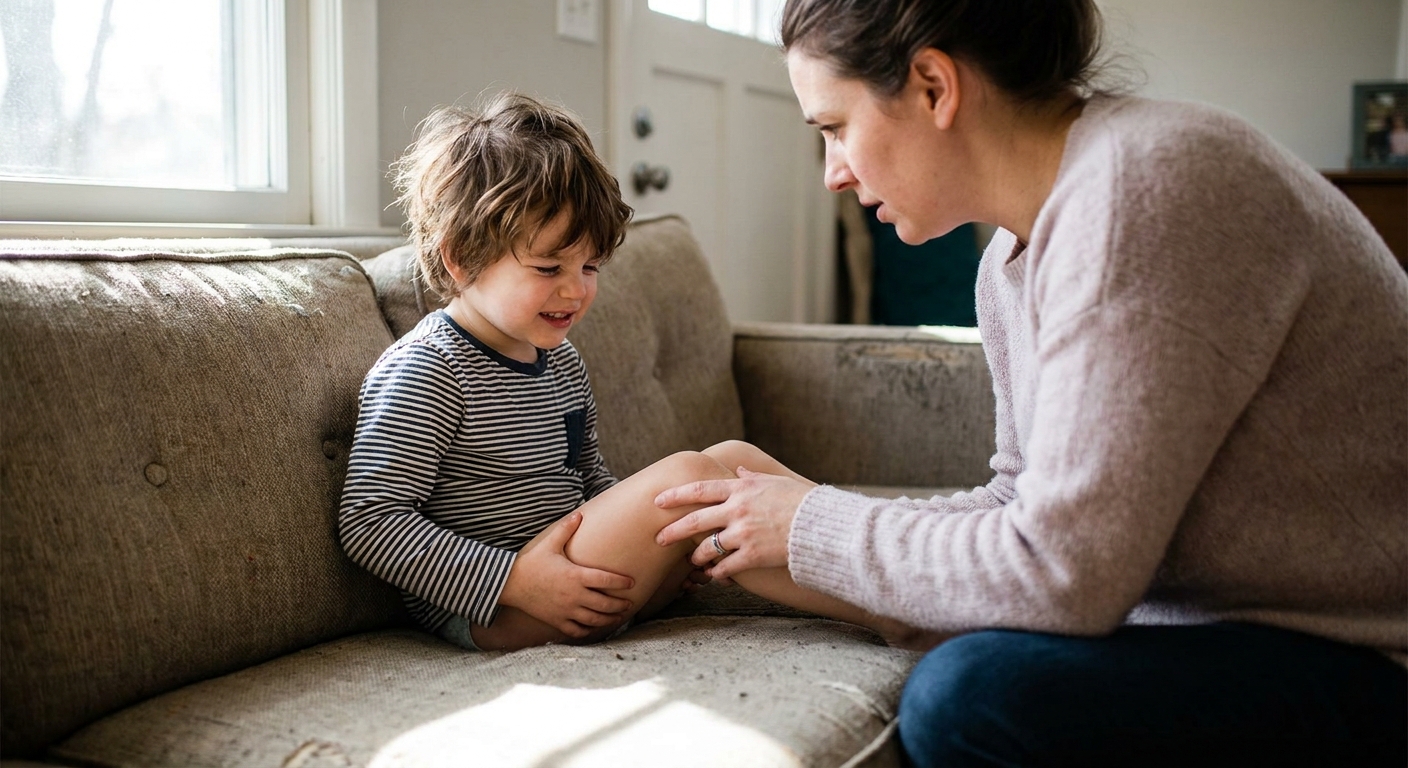
Kids fall. Kids also get transient synovitis. Sometimes both happen in the same week, because toddlers are basically tiny stunt doubles.
More suggestive of transient synovitis
- Recent cold or virus
- Limp begins without a clear fall or twist
- Pain seems to come and go, often worse after activity
- Child can often still move the ankle and knee fine
- Little or no fever (or a low-grade fever)
More suggestive of an injury
- A clear moment of trauma (fall off couch, trampoline mishap, sports collision)
- Immediate pain right after the event
- Swelling, bruising, or point tenderness over a bone
- Pain focused at the ankle, shin, knee, or foot rather than deep groin or hip area
- Your child cries or pulls away when you touch one specific spot
Important: an injury and transient synovitis can look similar, and kids often can’t clearly describe what happened. When in doubt, it is reasonable to get evaluated, especially if your child is refusing to bear weight.
Where the pain shows up
The hip joint can “refer” pain to other places. That means your child may complain about:
- Groin pain (classic for hip)
- Front of the thigh
- Knee pain even when the knee is perfectly normal
This is one reason clinicians take knee pain seriously when there is a limp. Sometimes the knee is fine and the real problem is higher up at the hip.
What about fever?
Fever is one of the biggest differences between transient synovitis and more urgent conditions, but it is not the only one.
Typical fever pattern with transient synovitis
- No fever, or low-grade fever
- Child often looks generally well, just limping and cranky
Fever patterns that raise concern
- 38.5°C (101.3°F) or higher with a limp is especially concerning
- Any meaningful fever plus your child looks ill, very sleepy, or unusually irritable
- Fever plus refusing to move the hip at all
Higher fever with hip pain is one reason we worry about septic arthritis (a joint infection), which is an emergency. Also important: septic arthritis can occasionally start with a lower fever, or even no fever early on, so how your child looks and whether they can move the joint matters a lot.
Comfort care at home
If your child has been evaluated and transient synovitis is the likely diagnosis, home care is usually straightforward.
1) Rest and “relative” activity limits
Your child does not need strict bed rest, but they do need a break from high-impact play.
- Avoid running, jumping, trampolines, scooters, and sports until they are walking normally.
- Let them choose quiet play. If they want to be carried, that is fine for a few days.
2) Anti-inflammatory medicine (if your child can take it)
Many children improve noticeably with an anti-inflammatory like ibuprofen. It helps with both pain and joint inflammation.
- Use only if your child can take it safely and you can dose by weight using the package directions or your clinician’s instructions.
- Avoid ibuprofen if your child is dehydrated, vomiting repeatedly, has kidney disease, or your pediatrician has told you not to use it.
- Acetaminophen can help pain, but it is not anti-inflammatory.
- Avoid aspirin in children unless a clinician has specifically told you to use it.
If you are unsure about dosing, call your pediatrician or pharmacist. This is one of those quick questions that is worth asking.
3) Heat or cold
Some kids like a warm bath or a heating pad on low (with supervision). Others prefer an ice pack wrapped in a towel for short periods. There is no single right answer here.
4) Hydration and sleep
This is not a “drink water and it will magically heal” situation, but dehydration can worsen muscle aches and make kids more miserable. Aim for normal fluid intake and prioritize sleep.
How long does it last?
Many children start improving within 24 to 72 hours with rest and anti-inflammatory medicine, but it is not instant for everyone. Full recovery often happens within 1 to 2 weeks.
If your child is not clearly improving over a few days, symptoms are worsening, or the limp keeps coming back, they should be rechecked. In triage, “not getting better as expected” is a very valid reason to come back.
What the doctor might do
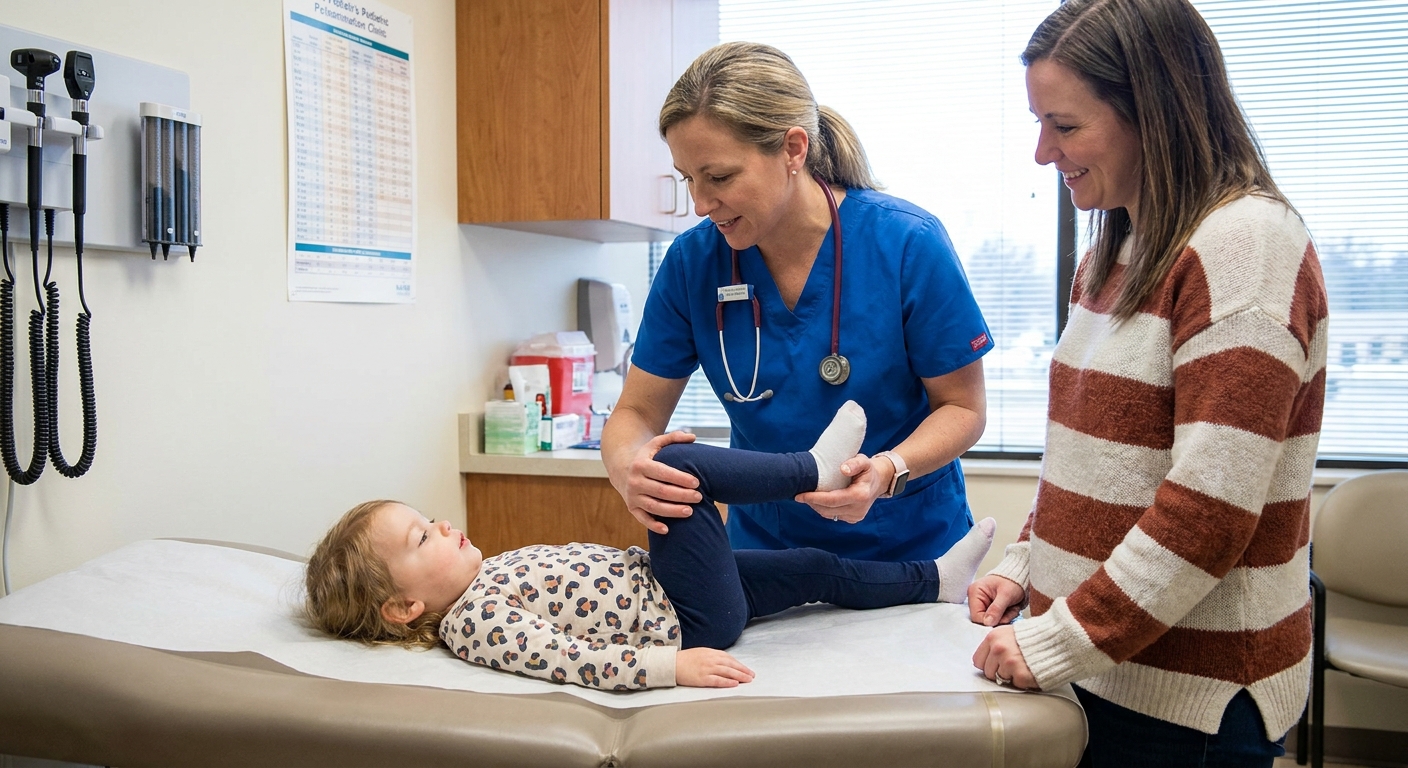
Evaluation depends on your child’s age, symptoms, and exam, but may include:
- Physical exam focusing on hip range of motion and walking
- X-ray to look for fracture or other bone concerns (an X-ray can be normal in transient synovitis)
- Ultrasound to check for fluid in the hip joint (effusion)
- Blood tests (like inflammatory markers) if infection is a concern
Transient synovitis is often a diagnosis of exclusion. In plain language: the clinician’s job is to make sure we are not missing the dangerous look-alikes. Some clinicians use decision tools and patterns (for example, criteria that consider fever, ability to bear weight, and lab markers) to help distinguish transient synovitis from septic arthritis.
Sometimes the diagnosis is “most likely transient synovitis, but we will watch closely.” That is common and appropriate.
What else it could be
When a child limps, parents often jump to worst-case scenarios. I get it. Limping is visible, sudden, and hard to ignore. Here are the urgent “look-alikes” clinicians take seriously.
Septic arthritis (joint infection)
This is the one we do not watch-and-wait at home.
- Often fever (sometimes high, but not always at the start)
- Severe pain, child often refuses to move the hip
- Looks ill
- Often cannot bear weight
Osteomyelitis (bone infection)
- Fever may be present
- Focal bone pain, may be worse at night
- Child may limp or refuse to walk
Fracture or “toddler’s fracture”
- Sometimes there is no dramatic fall
- Refusal to bear weight can be the main symptom
- Tenderness over the shin (tibia) or near the ankle is common
Slipped capital femoral epiphysis (SCFE)
More common in adolescents, but worth knowing about.
- Limp with hip, groin, or knee pain
- Often limited hip rotation
- Needs prompt evaluation
Legg-Calvé-Perthes disease
- Limp that can come and go over weeks
- May have minimal pain
- Needs outpatient evaluation and imaging
Rare but serious causes
Some cancers and inflammatory conditions can present with limping, usually with additional red flags like persistent night pain, weight loss, easy bruising, or prolonged fevers.
When to get same-day care
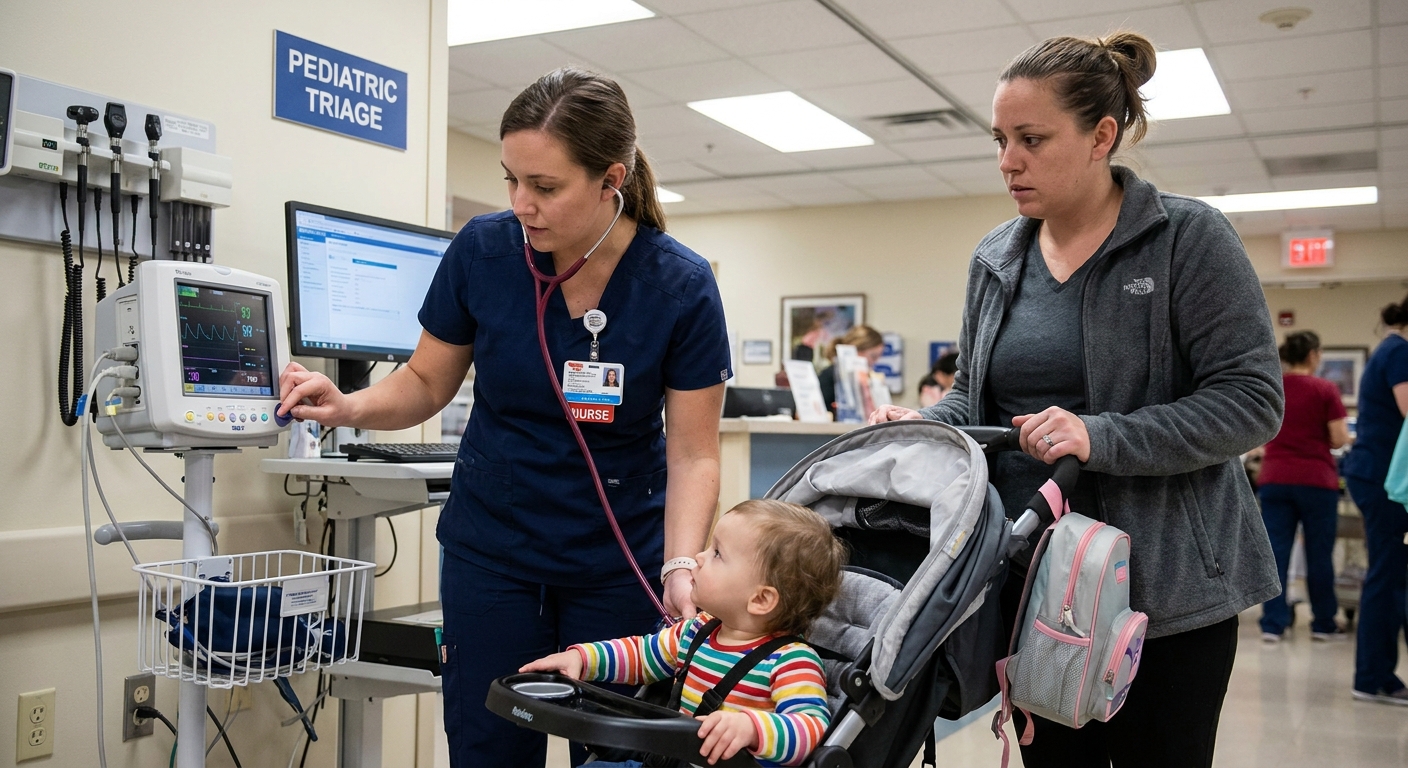
If you remember nothing else, remember this: a child who cannot bear weight deserves prompt medical evaluation.
Go to urgent care or call your pediatrician same day if:
- Your child refuses to walk or cannot bear weight
- There is fever, especially 38.5°C (101.3°F) or higher, or fever with a child who looks unwell
- Your child looks very ill, unusually sleepy, or inconsolable
- There is severe pain or the hip seems very stiff
- You suspect a fracture (significant fall, swelling, deformity, point tenderness)
- The limp is in a child under 3 years and you cannot identify a minor cause
- Symptoms are worsening or not improving after 48 to 72 hours of rest and appropriate pain control
- The limp or hip pain is recurring or lingering beyond the expected window, which may need follow-up for other causes
Go to the ER now if:
- Fever with inability to move the leg or extreme pain
- Leg looks deformed, cold, pale, or blue
- Your child is lethargic, confused, or difficult to wake
- New rash with fever and limb pain, or rapidly spreading redness or swelling
Back to play
A good rule of thumb is: back to normal walking first, then back to normal life.
- Once your child is walking normally without limping for 24 hours, you can gradually return to regular play.
- Hold off on big-impact activities (sports, trampolines) a little longer if your pediatrician recommended it, especially if symptoms lasted more than a few days.
If the limp returns after activity, that is a sign they need more rest.
Quick script for calling the pediatrician
If you are calling when you are tired and worried, it helps to have a simple summary ready:
- Age of child
- Which leg and where the pain seems to be (hip, groin, thigh, knee)
- Can they bear weight?
- Any fever and the highest temperature
- Recent virus and when it started
- Any fall, even a minor one
- What you tried (ibuprofen, rest) and whether it helped
The bottom line
Transient synovitis is a common cause of sudden limping and hip area pain in kids, often after a virus, and it usually gets better with rest and anti-inflammatory pain relief. The reason it creates so much anxiety is that a few more serious conditions can look similar at first, and clinicians take that overlap seriously.
If your child has fever, looks ill, has severe pain, or cannot bear weight, trust your gut and get same-day care. You are not overreacting. You are being the exact kind of parent your child needs.
Medical note: This article is general information, not a diagnosis. If you are worried about your child’s limp, especially if they cannot bear weight or seem unwell, contact your pediatrician or seek urgent care.
Sarah Mitchell
Sarah Mitchell is a Registered Pediatric Nurse and a mother of three who has spent over a decade helping families navigate the beautiful, chaotic early years of childhood. She combines evidence-based medical knowledge with real-world parenting experience to offer practical, compassionate advice. At Awesome Parent, Sarah's mission is to help exhausted parents find solutions, trust their instincts, and finally get some sleep.