A calm, clear guide to spotting a severe allergic reaction in little kids and taking the right first steps: epinephrine, emergency help, and what to watch for.
Vaccine Reactions in Babies and Toddlers

Sarah Mitchell
Sarah Mitchell is a Registered Pediatric Nurse and a mother of three who has spent over a decade helping families navigate the beautiful, chaotic early years of childhood. She combines evidence-based medical knowledge with real-world parenting experience to offer practical, compassionate advice. At Awesome Parent, Sarah's mission is to help exhausted parents find solutions, trust their instincts, and finally get some sleep.
Vaccines are one of those parenting moments that can feel quick in the clinic and very long afterward at home. If your baby is suddenly clingy, your toddler is cranky, or you notice a warm, small bump where the shot went in, it is completely normal to wonder: Is this okay, or is this an emergency?
I’m a pediatric nurse and a mom of three, and I’ve talked a lot of tired parents through this exact worry. Most post-vaccine symptoms are mild, temporary, and actually a sign the immune system is practicing. This page will walk you through what’s normal, what’s not, and what to write down so your pediatrician can help fast if you need them.

What’s normal after vaccines
Most vaccine reactions in babies and toddlers fall into a few common categories. Many start within the first day and improve over the next 24 to 72 hours. Some reactions, especially after certain live vaccines like MMR or varicella, can show up later. Both patterns can be normal.
1) Redness, swelling, or a small lump at the shot site
This is one of the most common reactions.
- What it looks like: mild redness, warmth, swelling, tenderness, or a firm “knot” under the skin.
- Timing: often begins within a few hours and improves over 1 to 3 days. A small lump can last longer, sometimes a couple of weeks, and still be normal if it is shrinking and not getting more painful.
- Worth a call: if the area is getting larger after 24 to 48 hours, becomes very hot, very tender, starts draining, or you see red streaking. (More red flags are listed below.)
- Where it happens: babies often get shots in the thigh; older toddlers may get them in the upper arm.
2) Fussiness, crying, and extra sleepiness
Some kids are fussy because their leg or arm is sore. Others feel “off” for a day because their immune system is responding.
- What’s typical: more clingy, shorter naps or longer naps, lower appetite for a day, and generally wanting comfort.
- Timing: usually within 24 hours, often better by day two.
3) Low-grade fever
A mild fever is a common immune response.
- What “low-grade” usually means: about 100.4 to 102.2 F (38 to 39 C).
- Timing: often in the first 24 to 48 hours after many routine vaccines.
- What matters most: how your child looks and acts. A child who is drinking some fluids, making wet diapers, and can be comforted is usually doing okay even if they feel warm.
- Important infant safety note: If your baby is under 3 months (12 weeks) and has a rectal temperature of 100.4 F (38 C) or higher, call your clinician right away or seek urgent care, even if the fever happens after vaccines.
Also, remember that timing can overlap with everyday viruses. A fever after shots can still be a separate illness, so trust your instincts if your child seems sicker than expected.
4) Mild rash (in certain vaccines)
Some vaccines can cause a mild rash.
- MMR and varicella (chickenpox) vaccines: a mild rash can happen days later, not right away.
- Timing (typical ranges, with variation): often around 1 to 2 weeks after MMR. For varicella, it can happen roughly 1 to 3 weeks after, sometimes a bit later depending on the child.
- What’s typical: a few spots, mild and short-lived, with a child who otherwise seems okay.

When do reactions start and end?
Many routine vaccine side effects follow a predictable timeline, but not all of them do. Here’s the general pattern parents tend to see:
- Right away to 12 hours: soreness at the injection site, crying, fussiness, sleepiness.
- 12 to 48 hours: peak of fussiness and low fever for many kids, then gradual improvement.
- 2 to 3 days: most common reactions from routine (non-live) vaccines should be clearly improving.
- About 1 to 3 weeks: delayed mild rash or low fever can happen after certain live vaccines like MMR or varicella.
If symptoms are getting worse after day two instead of improving, that is a good moment to check in with your pediatrician.
Comfort care that helps
You do not need to “tough it out” without support. Comfort care is safe, helpful, and often makes the next 24 hours much smoother.
For soreness and swelling
- Cool compress: a cool, clean cloth on the area for 10 to 15 minutes at a time can reduce discomfort.
- Gentle movement: normal crawling, walking, or leg kicks can help work out soreness. No need for forced exercises, just encourage normal play.
- Comfortable clothing: loose pants or a short-sleeve shirt can prevent extra rubbing.
For fussiness and sleep disruption
- Extra fluids: breast milk, formula, or water for older toddlers as directed by your pediatrician. Small, frequent sips count.
- Expect a “clingy day”: more snuggles and a simpler schedule can be the difference between manageable and miserable.
- Keep routine where you can: familiar bedtime cues help, even if sleep is a bit choppy.
For fever or significant discomfort
Some children benefit from fever or pain medicine, but dosing depends on your child’s age and weight. Follow your pediatrician’s guidance or the clinic’s post-vaccine handout.
- Do not give aspirin to children.
- Do not give ibuprofen (Motrin or Advil) to infants under 6 months unless your clinician specifically tells you to.
- If you are unsure about dosing, call your pediatrician or pharmacist before giving any medication.

Normal vs allergic reaction
This is the part that keeps parents up at night, so let’s make it clear.
Normal immune response
- Redness and tenderness where the shot went in
- Mild fever
- Sleepiness or fussiness
- Reduced appetite for a short time
Possible allergic reaction (urgent)
True severe allergic reactions are rare, and they typically happen soon after the vaccine.
- Timing: usually within minutes to a few hours after the shot.
- Red flags: hives, swelling of the lips or face, wheezing, trouble breathing, repetitive vomiting with weakness, sudden widespread rash, pale or gray color, fainting or collapse, or your child becoming very lethargic or hard to wake.
If your child has trouble breathing, swelling of the face or throat, or seems to be having a severe reaction, call 911 (or your local emergency number) or go to the nearest emergency department right away.
Call the doctor for these red flags
Trust your gut. You are not bothering anyone by asking. Call your pediatrician’s office or after-hours line if your baby or toddler has:
- Fever that concerns you, especially in young infants. Any fever of 100.4 F (38 C) or higher in a baby under 3 months needs urgent medical advice.
- Crying that is inconsolable for hours, especially a high-pitched cry that feels different than usual.
- Signs of dehydration: significantly fewer wet diapers, very dry mouth, no tears when crying, or your child is too sleepy to drink.
- Refusing fluids for an extended stretch, or you cannot get them to take enough to keep wet diapers going.
- Injection site that is worsening: increasing redness after the first 24 to 48 hours, significant swelling, pus or drainage, streaking redness, or the area is very painful to touch.
- Rash that is widespread, rapidly spreading, or paired with facial swelling or breathing issues.
- Behavior that worries you: extreme sleepiness, unusual limpness, confusion, fainting, or your child just seems “not right.”
If you are ever unsure whether something is urgent, it is appropriate to call. That is what triage nurses are for.
What to document before you call
When you’re tired and stressed, details blur. A few quick notes can help your pediatrician give you clearer advice.
Write down
- Which vaccine(s) your child received (you can reference the after-visit summary or vaccine card).
- Date and time of the shots.
- Where the injection was (right thigh, left arm, etc.).
- Temperature readings: the number, how you took it (forehead, rectal, oral), and what time.
- Symptoms and timing: when fussiness started, when swelling appeared, if it is improving or worsening.
- Photos of the injection site rash or swelling, taken in good light, can be very helpful for telehealth or nurse triage.
- Any medicine given: name, dose, and time.

Common questions
Is a lump at the injection site normal?
Often, yes. A small firm lump can be a normal local reaction and may take longer than a few days to fully resolve. What you want to see is gradual improvement, not growing redness, worsening pain, or drainage.
Can my child bathe after vaccines?
In most cases, yes. A normal bath is fine. Avoid aggressively rubbing the injection site if it is sore.
Should we skip daycare or activities?
If your child feels okay, regular activities are usually fine. If they are feverish, extra fussy, or clearly not themselves, a quiet day at home is reasonable.
What if my child had a reaction last time?
Tell your pediatrician what happened, how long it lasted, and what helped. Most common reactions do not prevent future vaccines, but your clinic can guide you on timing, comfort measures, and what to watch for next time.
The bottom line
After vaccines, some redness, soreness, fussiness, sleepiness, and even a mild fever can be normal and short-lived. For many vaccines, you should see improvement over the next day or two. Delayed mild fever or rash can happen later after certain live vaccines like MMR or varicella. Severe allergic symptoms, breathing trouble, facial swelling, fainting or collapse, or a child who is hard to wake are not normal and need urgent care.
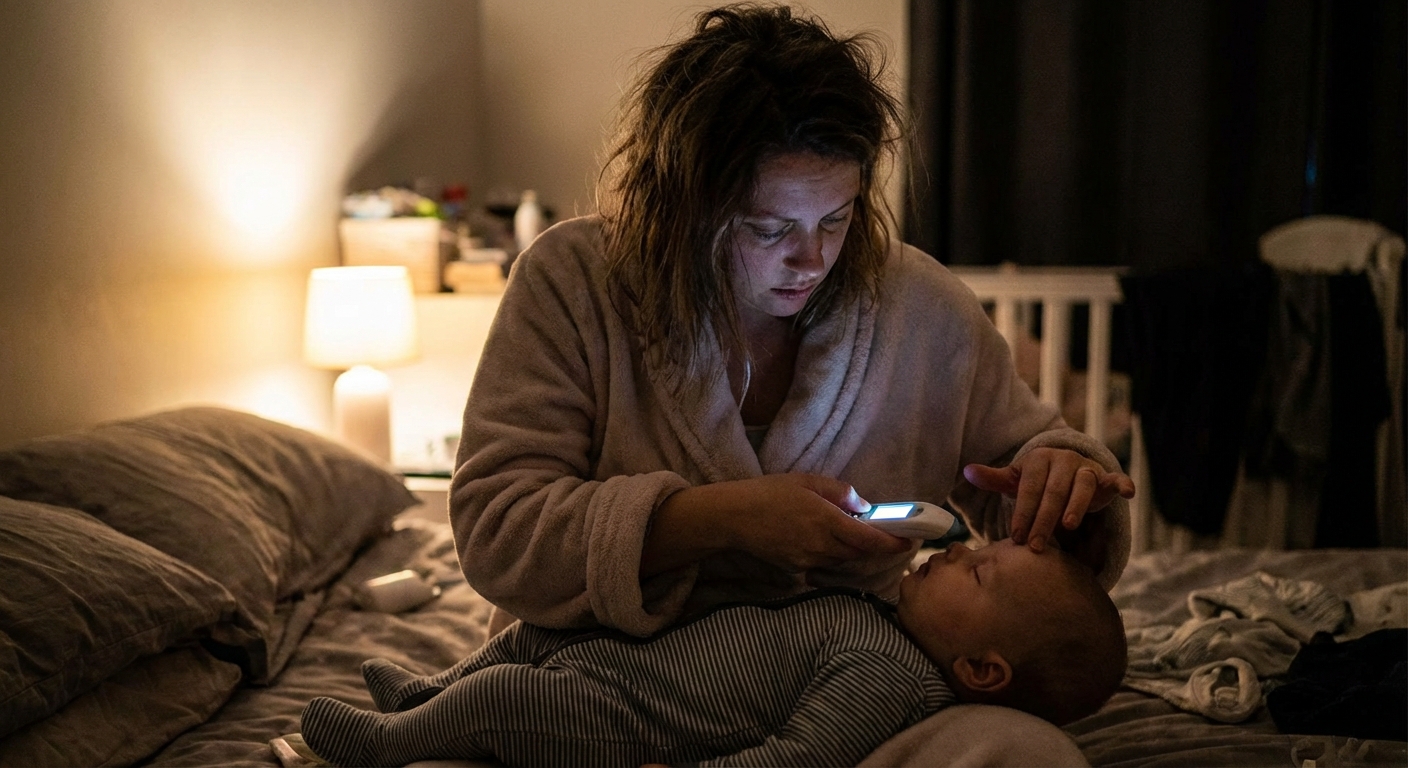
If you are reading this at 3 AM with a warm toddler and a racing brain, here’s my nurse-mom advice: check their breathing, check hydration, take a temperature, and then decide your next step. And if something feels off, call. You are not overreacting. You are parenting.
Sarah Mitchell
Sarah Mitchell is a Registered Pediatric Nurse and a mother of three who has spent over a decade helping families navigate the beautiful, chaotic early years of childhood. She combines evidence-based medical knowledge with real-world parenting experience to offer practical, compassionate advice. At Awesome Parent, Sarah's mission is to help exhausted parents find solutions, trust their instincts, and finally get some sleep.