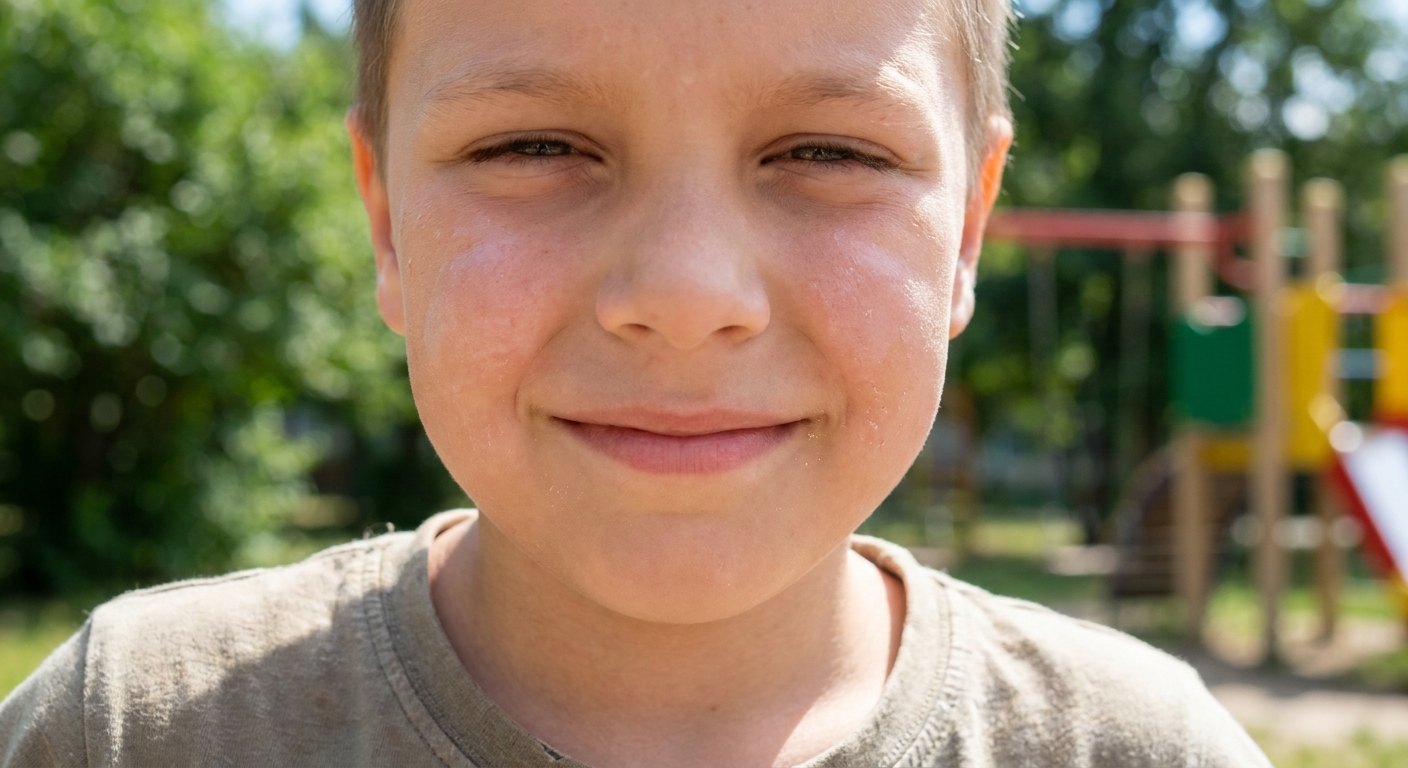
Those lighter patches after summer are often pityriasis alba, a common, harmless skin change in kids. Here is how to spot it, tell it from vitiligo or fungus...
Vitiligo in Kids: White Patches and What to Do

Sarah Mitchell
Sarah Mitchell is a Registered Pediatric Nurse and a mother of three who has spent over a decade helping families navigate the beautiful, chaotic early years of childhood. She combines evidence-based medical knowledge with real-world parenting experience to offer practical, compassionate advice. At Awesome Parent, Sarah's mission is to help exhausted parents find solutions, trust their instincts, and finally get some sleep.
If you’ve ever spotted a new white patch on your child’s skin and felt your stomach drop, you are not alone. In clinic, “Is this something serious?” was one of the most common questions I heard. At home, I’ve had the same moment of panic when something on one of my kids looked different overnight.
Vitiligo is a common cause of well-defined pale or white patches in kids. It is not contagious, it is not caused by poor hygiene, and it is not something you can “catch” from a pool, a towel, or a friend. But it can be emotionally heavy for kids and parents, and it does deserve thoughtful sun protection and the right medical support.
One helpful sentence up front: vitiligo is usually an autoimmune process, where the body targets pigment-making cells (melanocytes). That is why the skin loses color in certain areas.
What vitiligo looks like
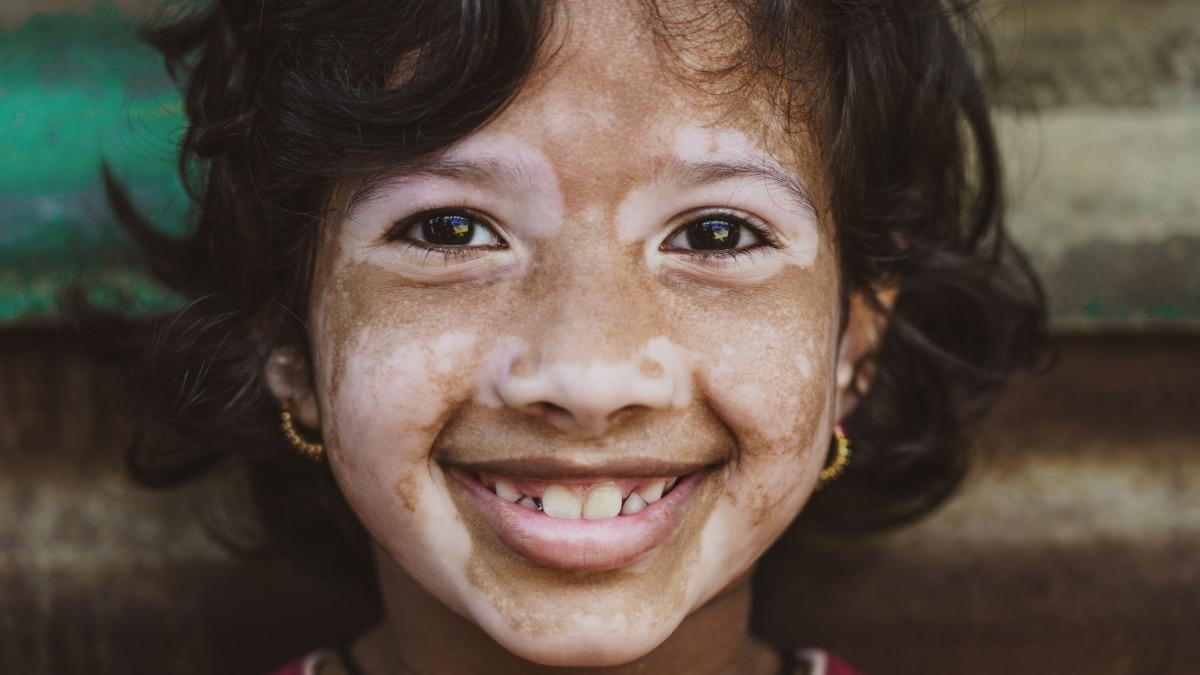
Vitiligo happens when skin loses pigment in certain areas because melanocytes are lost or stop working well. The result is patches that can look:
- Milky white or very pale compared with surrounding skin
- Sharply defined edges (often more noticeable than other “light spots”)
- Symmetrical on both sides of the body for some children (not always)
- More obvious after sun exposure because surrounding skin tans while the vitiligo areas do not
Common locations in children include:
- Face (around eyes and mouth)
- Hands and fingers
- Elbows and knees
- Armpits and groin
- Areas that rub or get bumped often (think knees of a busy toddler)
Hair can also lose pigment. You might notice a white streak in scalp hair, eyebrows, or eyelashes over a patch.
Does it itch or hurt?
Usually, no. Vitiligo is typically not itchy or painful. If the area is very itchy, scaly, oozing, or uncomfortable, that leans more toward eczema, a fungal rash, or another skin issue worth checking.
Segmental vs. non-segmental
You may hear dermatology use these terms:
- Non-segmental vitiligo is the most common type and often shows up in more than one area, sometimes on both sides of the body.
- Segmental vitiligo often stays more on one side of the body (or one area) and may stabilize sooner. Treatment expectations and timelines can look a little different.
When it tends to show up
Vitiligo can appear at many ages, including adulthood, but a significant number of people develop it in childhood. Parents often notice it:
- In early school years when kids are outdoors more and tan more easily
- After summer when contrast becomes obvious
- After a skin injury (scrape, cut, friction), because vitiligo can sometimes appear in areas of repeated irritation (this is called the Koebner phenomenon). Not every bump or scrape triggers it, and it is not something you can prevent perfectly.
Vitiligo can be stable for long periods, or it can spread gradually. The pattern is different for every child, and it is not your fault.
Vitiligo vs. other causes
This is where late-night Googling gets brutal, because lots of things can look similar in a bathroom mirror. Here are some common look-alikes parents ask about all the time.
Tinea versicolor
Tinea versicolor often shows up as lighter or darker patches and is caused by an overgrowth of yeast that normally lives on skin. Key clues:
- Fine scale on the patches (it may look dry or dusty)
- Often on the chest, back, shoulders, or neck
- May be mildly itchy
- More common in teens and in warm, humid weather (but it can happen in younger kids too)
Unlike vitiligo, tinea versicolor is not true pigment loss. It often improves with antifungal washes or treatments recommended by your clinician.
Post-inflammatory hypopigmentation
This one is sneaky and extremely common in kids, especially those with eczema. After the skin gets inflamed (eczema flare, bug bite, scrape, rash), it can heal with a lighter area for a while. Clues:
- A history of a rash, scratch, bite, or eczema in that exact spot
- Edges can be less sharply defined than vitiligo
- The area usually slowly fades back toward normal over weeks to months
Post-inflammatory hypopigmentation is basically the skin’s “healing footprint.” It is not dangerous, but it can take time.
Pityriasis alba
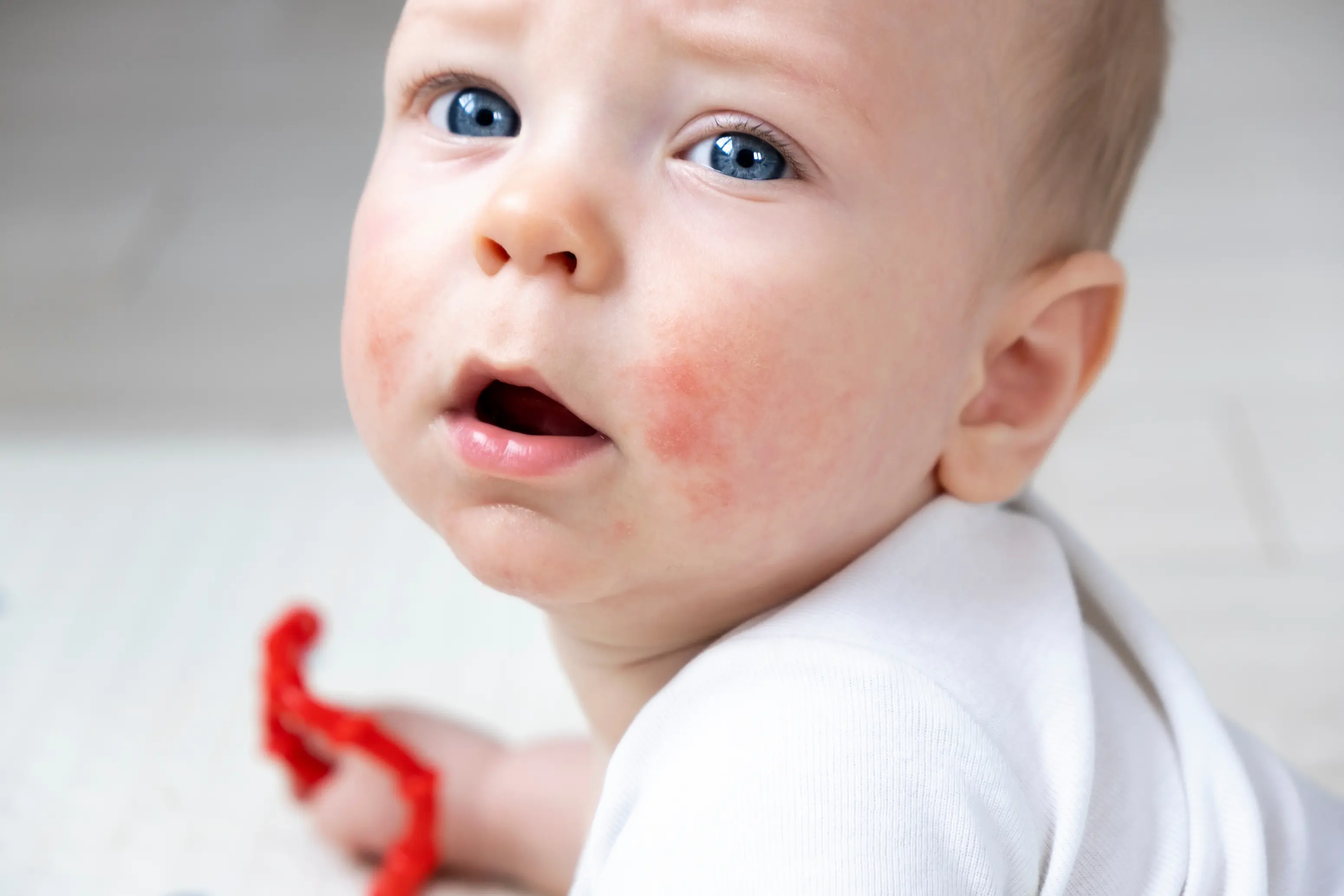
This is another extremely common one in kids. It often shows up as light, slightly dry patches, usually on the face (cheeks are classic). It is often linked with dry skin or eczema. The edges are usually not as crisp as vitiligo, and there can be subtle scale.
Nevus depigmentosus
This is typically a stable, non-progressive light patch that is often present from infancy or early childhood. Families sometimes notice it more as a child grows or tans. It tends not to spread the way vitiligo can.
Ash-leaf spots
These are light “leaf-shaped” patches that can be seen in a condition called tuberous sclerosis. Many children with a single pale spot do not have this, but if there are multiple light patches present early in life or other concerning signs, it is worth getting a clinician’s input rather than self-diagnosing from photos.

Sun protection matters
Vitiligo patches have less or no melanin, which means they have less natural protection from UV rays. That can lead to:
- Sunburn on the patches more quickly
- More contrast between patches and surrounding skin after tanning
- More self-consciousness for kids who notice the difference
Sun safety that works
- Use broad-spectrum sunscreen SPF 30 or higher every day on exposed skin. If your child is a frequent swimmer or heavy sweater, choose water-resistant.
- Apply enough: as a rough guide, about 1 ounce (a shot-glass amount) covers a full body application for a larger child or teen. Smaller children need less, but the goal is still a generous, even layer. Do not skimp.
- Reapply every 2 hours when outdoors, and after swimming or towel-drying.
- Prioritize hats and clothing: wide-brim hats, rash guards, and UPF clothing take pressure off you to be the “sunscreen police.”
- Seek shade between 10 a.m. and 4 p.m. when possible.
One practical trick: if you are treating vitiligo with topical medications, ask your clinician about the best routine for medication and sunscreen timing so you are not layering products in a way that irritates your child’s skin.
Treatment and camouflage
There is no one right approach. Some families want to treat actively. Others focus on sun safety and emotional support. Both can be reasonable, and you can change your mind later.
Medical treatments
Depending on your child’s age, patch location, and how active the vitiligo seems, dermatology may discuss options like:
- Topical anti-inflammatory creams or ointments (often topical steroids, used carefully and for the right duration)
- Topical calcineurin inhibitors (often used on sensitive areas like the face)
- Light-based therapy, including narrowband UVB and, for more focal areas, excimer laser or light
- Newer topical JAK inhibitors for certain patients, with pediatric age limits and eligibility that vary and require specialist guidance
The goal is often to slow spread and sometimes encourage repigmentation, especially on the face. These treatments are individualized, and a specialist visit can be very helpful because the safest plan depends on where the patches are and how old your child is.
Camouflage options
Camouflage is not “hiding” in a shameful way. Think of it like braces colors or a favorite haircut. It is a tool your child can choose.
- Makeup or skin-tone concealers designed for sensitive skin can help for special events or school if your child wants it.
- Self-tanners can reduce contrast for some kids, but patchy application is common and some products irritate sensitive skin. Patch test first.
- Hairstyles can help if patches are in eyebrows or hairline, but avoid tight styles that pull and irritate the scalp.
My parenting rule: let your child lead. Some kids want to cover. Others want to show it off and name the patches something funny. Both are healthy.
What not to do
- Do not use strong steroid creams without guidance, especially on the face, groin, or armpits. These areas are more prone to side effects.
- Avoid harsh “bleaching” products or DIY chemical treatments.
- Be cautious with essential oils and irritating “natural” remedies, especially on sensitive kid skin.

School and social worries
This is usually the hardest part, not the medical part. Kids can be wonderfully kind and also brutally curious. A calm script helps.
How to talk with your child
Keep it short, true, and age-appropriate:
- Preschool: “Your skin has some spots that don’t make color. They are not boo-boos and they don’t hurt.”
- School-age: “This is called vitiligo. It means my skin doesn’t make color in some places. It’s not contagious.”
- Teens: “Vitiligo is usually an autoimmune condition that affects pigment. It’s common, and we have a plan with my doctor.”
What to tell teachers or coaches
If your child is getting questions or teasing, loop in a trusted adult at school. A quick message can help:
- Explain vitiligo is not contagious
- Ask for support if kids are commenting
- Request sunscreen allowance, hat breaks, or shade during outdoor time if needed
Signs your child may need extra support
- Avoiding sports, swimming, or short sleeves
- Increased anxiety about photos or presentations
- Frequent “I’m ugly” talk or body-checking
- Sudden drop in mood or social withdrawal
In those cases, it is absolutely reasonable to ask your pediatrician for resources. Sometimes a few sessions with a pediatric counselor who understands body image can make a big difference.
When to see a clinician
If you suspect vitiligo, start with your pediatrician. A referral to dermatology is especially reasonable when:
- The patches are new and spreading
- The spots are on the face, hands, or genitals where treatment decisions can be more specific
- You are unsure if it is vitiligo vs. eczema changes vs. tinea versicolor
- Your child is distressed or being teased
- You want to discuss treatment options, camouflage, or school plans
What to expect at the visit
Most visits include a history, a full skin exam, and sometimes photos to help monitor change over time. Dermatologists may use a Wood’s lamp (a special UV light) in the office to make areas of pigment loss stand out more clearly, especially on lighter skin tones. This can help confirm the diagnosis and avoid unnecessary treatments.
Ask about related screening
Vitiligo can be associated with other autoimmune conditions, especially thyroid issues, though most kids with vitiligo are otherwise healthy. Your clinician may ask about symptoms or family history and decide if any screening labs are appropriate for your child.
Get urgent advice if
Vitiligo itself is not an emergency, but seek prompt medical advice if your child has:
- Rapidly worsening rash with blistering or skin peeling
- White patches with significant redness, pain, swelling, or drainage
- Fever or your child looks very ill
- Eye symptoms (pain, light sensitivity, vision changes) along with new facial skin changes
The bottom line
Vitiligo is a pigment condition that can be surprising and emotionally loaded, but it is manageable. The most helpful starting steps are: protect from sun, get a confident diagnosis, and support your child’s self-esteem in a way that fits who they are.
If you are lying awake staring at those patches and wondering what you missed, hear this clearly: you didn’t cause this. You are doing exactly what a good parent does, noticing, asking, and showing up.
Sarah Mitchell
Sarah Mitchell is a Registered Pediatric Nurse and a mother of three who has spent over a decade helping families navigate the beautiful, chaotic early years of childhood. She combines evidence-based medical knowledge with real-world parenting experience to offer practical, compassionate advice. At Awesome Parent, Sarah's mission is to help exhausted parents find solutions, trust their instincts, and finally get some sleep.