Vulvovaginitis in Toddler Girls: Itching and Irritation Without a UTI

Sarah Mitchell
Sarah Mitchell is a Registered Pediatric Nurse and a mother of three who has spent over a decade helping families navigate the beautiful, chaotic early years of childhood. She combines evidence-based medical knowledge with real-world parenting experience to offer practical, compassionate advice. At Awesome Parent, Sarah's mission is to help exhausted parents find solutions, trust their instincts, and finally get some sleep.
If your toddler is grabbing at her vulva, complaining that it “itches,” or suddenly melting down at bath time, your brain probably goes straight to one scary word: UTI. I get it. In triage, I heard it daily, usually from very tired parents who had already Googled themselves into a panic.
Here’s the calming truth: vulvovaginitis (irritation of the vulva and the entrance to the vagina) is very common in toddler girls, and it is often not a urinary tract infection. Most cases are caused by everyday irritants and improve with a few simple, gentle changes at home.
What it looks like
Toddlers are still learning how to describe sensations, so you may hear “it hurts” for everything from itching to stinging. Common signs include:
- Itching or frequent touching of the vulva
- Redness around the vulva or between the labia
- Burning or stinging, especially when urine touches irritated skin
- Discomfort with wiping or bath time
- Vaginal discharge that is mild and not foul-smelling (often from irritation)
- Rash that is more “raw and irritated” than bumpy
In clinic, we often call this nonspecific vulvitis, which is a fancy way of saying: the tissues are irritated, but there is not one single dramatic cause.
Why it happens
Little girls are more prone to vulvar irritation than older kids for a few very normal reasons:
- Thin, sensitive skin and low estrogen levels before puberty
- Short distance between the anus and vulva, which makes contamination easier
- Developing bathroom skills, including wiping that is enthusiastic but not always effective
- More time in wet environments like swimsuits, diapers, or sweaty leggings
So if you’re thinking, “We bathe her, we wipe her, we do our best… why is this happening?” The answer is often: because she’s two or three, and two or three-year-olds are basically tiny chaos generators.
Common causes (not a UTI)
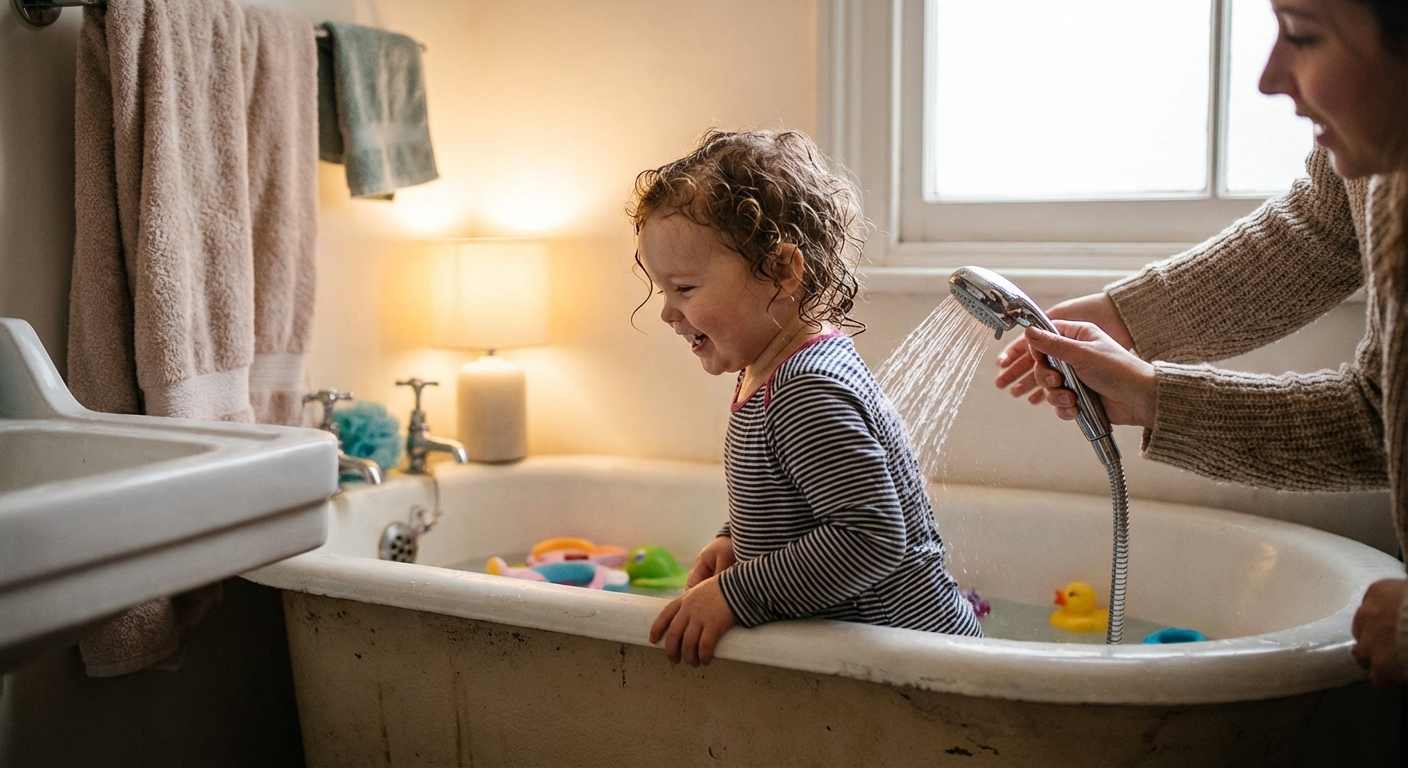
Bubble baths and soapy baths
Bubble bath is a frequent offender. Fragrance, dyes, and soaps can irritate the vulva, especially if your toddler sits and plays in sudsy water.
Clue: symptoms flare after bath nights, swimming lessons, or long soaks.
Wiping issues (and over-wiping)
Both can be true at once: toddler wiping may leave stool behind, and at the same time, the wiping itself can be rough and irritating.
Clue: redness is worse after potty use, and she may resist wiping or say it “hurts.”
Tight clothing and trapped moisture
Tight leggings, thick tights, leotards, and non-breathable underwear can trap heat and moisture, which irritates sensitive skin.
Clue: symptoms are worse after daycare, long car rides, or active days.
Detergent, fabric softener, and fragrance
Even if a product has never bothered her before, sensitive areas can react over time. Fabric softeners and scented detergents are common culprits.
Clue: irritation appeared after switching laundry products or using scented dryer sheets.
Pinworms
Pinworms can cause intense itching, typically around the anus but sometimes the vulva too. Kids often scratch at night, and irritation spreads.
Clues to consider pinworms:
- Itching is much worse at night
- Restless sleep
- Complaints of “tickling” or “crawly” feelings
- Other family members have itchy bottoms at night
If you suspect pinworms, call your child’s clinician. Treatment is straightforward, but dosing is age and weight dependent, and the whole household may need treatment. Your clinician may also suggest a simple “tape test” to look for eggs.
Yeast is less common than people think
In toddlers out of diapers, yeast is not the most common cause of vulvar symptoms. It can happen, especially after antibiotics or with persistent moisture. It is also more likely in kids with diabetes or immune system problems.
Clues that make yeast more likely: a beefy red rash with well-defined edges, satellite spots, or thick white discharge. If you suspect yeast, check in with your clinician before starting over-the-counter treatments. Many cases that look “yeasty” are just irritated skin that needs time and gentleness.
Vulvovaginitis vs UTI
A big reason vulvovaginitis is confusing is that it can sting when your child pees. That sting may come from urine passing over irritated skin, not from infection inside the bladder.
More typical of irritation
- Itching is the main complaint
- Red, irritated skin you can see on the outside
- Symptoms linked to baths, wiping, tight clothes, or new products
- Stinging mainly when urine touches the skin, especially if the area looks inflamed
- Child otherwise feels well
More concerning for UTI
- Fever without a clear cause
- New accidents or sudden urgency and frequency
- Significant pain with urination that persists even when the skin looks normal
- Belly pain, back pain, or vomiting
- Foul-smelling urine plus other urinary symptoms
- Child seems noticeably unwell or lethargic
Important: urine odor alone is not a reliable sign of a UTI. Dehydration, vitamins, and certain foods can change how urine smells.
A quick note on urine tests
If your child has UTI red flags, she may need a urine test. In toddlers, the method matters. “Bag” urine samples can get contaminated by skin bacteria and create confusing results. Depending on age and potty training, clinicians may aim for a clean-catch sample or recommend a catheterized sample for the clearest answer. You are not overreacting by checking. You’re being appropriately cautious.
What helps at home
Most uncomplicated vulvovaginitis improves within a few days when you remove irritants and protect the skin.
1) Change the bath routine
- Skip bubble bath, bath bombs, and scented soaps.
- Use warm water soaks for comfort, but keep them short.
- Wash hair at the end so shampoo does not sit on the vulva.
- If you use cleanser, choose a mild, fragrance-free option and use it sparingly on the outside only.
2) Rinse, do not scrub
For irritated skin, less is more. A gentle rinse with warm water is often enough.
3) Dry well and let it breathe
- Pat dry softly, do not rub.
- Offer a few minutes of “air time” after bath or before pajamas.
- Change out of wet swimsuits promptly.
Clothing and laundry
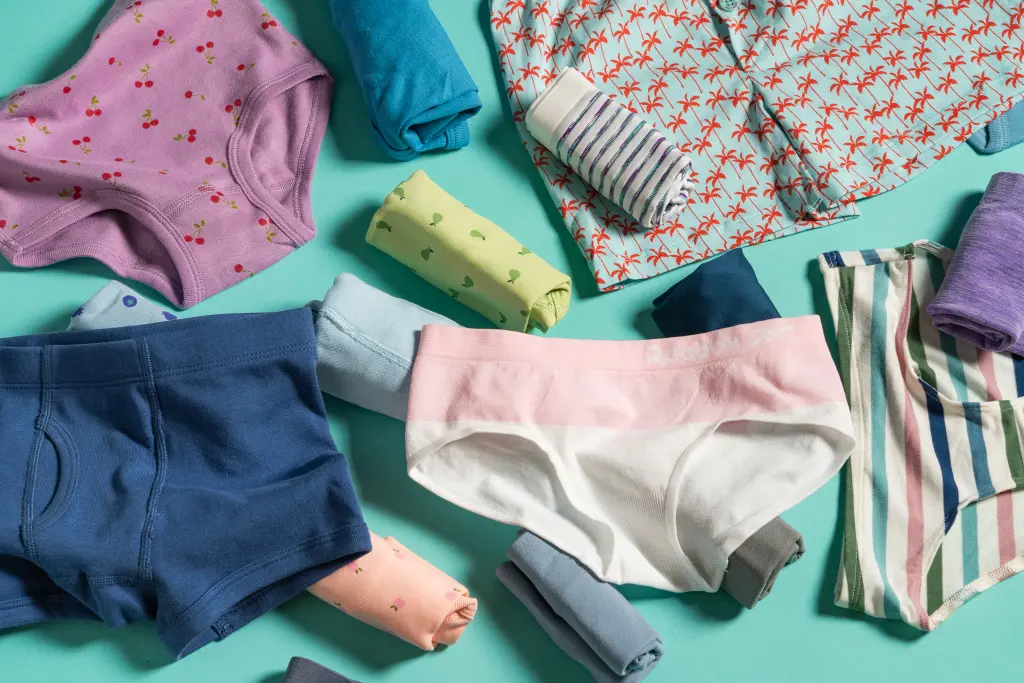
- Choose loose cotton underwear and avoid tight leggings for a few days if symptoms flare.
- Sleep in loose pajamas and consider skipping underwear at night if your child tolerates it.
- Use fragrance-free detergent and skip fabric softener and dryer sheets.
Wiping and toileting
Front to back
Toddlers need repetition and reminders. If your child is potty training, this is a great time to teach a simple phrase like “front to back.”
Try the “dab, dab” technique
If wiping hurts, switch from wiping to gentle dabbing temporarily. Some kids do better with damp, fragrance-free wipes for poop, followed by a quick pat dry with toilet paper.
Consider a rinse after poop
If your toddler is prone to irritation, a quick rinse in the tub or a handheld shower after a messy poop can prevent days of redness.
Barrier ointment
If the skin looks raw or your child says urine “burns,” a thin layer of barrier ointment can protect healing skin.
- Use a simple, fragrance-free barrier like petroleum jelly or a zinc oxide diaper cream.
- Apply a thin layer to the irritated outer skin after bathing and before bed.
- Avoid medicated creams unless your clinician recommends them.
Think of it like putting lip balm on chapped lips. You are not “treating an infection,” you are protecting irritated skin while it calms down.
Diapers vs potty trained
Diapered toddlers can get a little overlap between diaper rash and vulvar irritation. The basics are similar, but you may need to lean harder on moisture control:
- Change diapers promptly and consider a few minutes of diaper-free time daily.
- Use barrier ointment more consistently during flares (often at each change for a day or two).
- If stools are frequent or loose, irritation can escalate quickly. Call your clinician if symptoms are intense or not improving.
What not to do
- No internal cleaning, no douching, and no “flushing it out.” Only clean the outside.
- Avoid essential oils, fragrances, and harsh soaps in bath water.
- Avoid over-the-counter antifungals, combination steroid creams, or medicated wipes unless your clinician recommends them.
- Do not scrub, even if you see discharge. Gentle rinse only.
Gentle language
Many families feel awkward discussing genital symptoms, especially when a toddler is old enough to understand some of the conversation. You can keep it simple, neutral, and shame-free.
Phrases that work well
- “Your skin down there looks a little irritated. We’re going to help it feel better.”
- “We only clean the outside, and we’re going to be very gentle.”
- “If it itches, tell me. You’re not in trouble.”
- “Let’s give your body some air and comfy clothes so it can heal.”
A quick note about safety
If a child has genital pain, bleeding, or behavior changes that do not make sense, it is always appropriate to contact your clinician. You do not need to prove anything before asking for help.
When to call
Contact your child’s clinician if:
- Symptoms last more than 3 to 5 days despite the hygiene reset
- Your child has fever, vomiting, back pain, or looks ill
- There is blood in urine or unexplained vaginal bleeding
- Discharge is green, foul-smelling, bloody, or increasing
- Your child cannot pee, is holding urine due to pain, or has severe pain
- You suspect pinworms or symptoms are strongly nighttime focused
- You are worried for any reason, including “this just seems off”
Go in urgently
- Severe pain, rapidly spreading redness, or swelling
- Inability to pee
- Concern for injury
- Child is very sleepy, dehydrated, or hard to wake
Other causes to ask about
Most cases are simple irritation, but persistent or unusual symptoms deserve a closer look. Clinicians may consider things like:
- Foreign body (classic clue: ongoing foul-smelling discharge)
- Group A strep vulvovaginitis (can look very bright red and be quite painful, sometimes with fever)
- Lichen sclerosus (white patches, intense itching, skin changes)
- Eczema or other skin conditions affecting the area
Sometimes your pediatrician will recommend a urine test to rule out UTI, even if irritation seems likely. That is a normal, reasonable step and often reassuring.
48-hour plan
- Stop bubble baths and scented products
- Warm water rinse only, no scrubbing
- Loose cotton underwear and breathable clothing
- Fragrance-free detergent, skip softeners
- Front-to-back wiping with gentle dabbing
- Barrier ointment on irritated outer skin
- Contact your clinician if fever, worsening pain, or no improvement in a few days
Most parents I talk to feel a huge wave of relief once they realize irritation is common and fixable. You’re not missing something obvious. You’re learning your child’s skin triggers, and that is real parenting.