A parent-friendly guide to why toddlers point their toes in or out, what usually improves with time, red flags to watch for, and when to see a specialist.
W-Sitting in Toddlers

Sarah Mitchell
Sarah Mitchell is a Registered Pediatric Nurse and a mother of three who has spent over a decade helping families navigate the beautiful, chaotic early years of childhood. She combines evidence-based medical knowledge with real-world parenting experience to offer practical, compassionate advice. At Awesome Parent, Sarah's mission is to help exhausted parents find solutions, trust their instincts, and finally get some sleep.
If you have a toddler, you’ve probably seen it: legs out to the sides, knees bent, bottom on the floor, looking like a little frog. That position is called W-sitting, and it shows up constantly in playrooms, preschools, and pediatric clinics.
Most of the time, W-sitting isn’t an emergency and isn’t a sign you’ve done anything “wrong.” But it can be a clue about how your child is using their hips, trunk, and balance. This page will help you understand what W-sitting is, why toddlers choose it, what the real hip risks are, and when it’s time to consider a pediatric physical therapy referral.
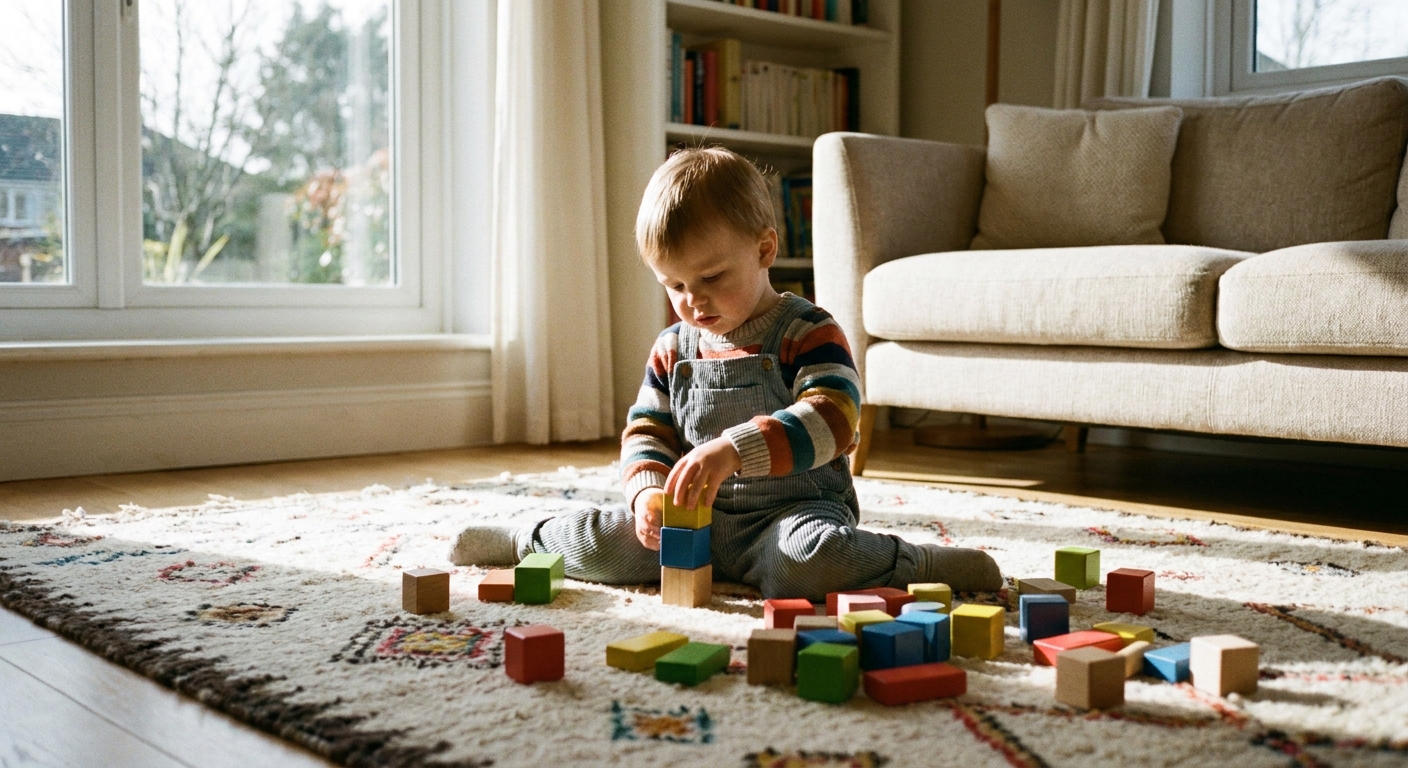
What is W-sitting?
W-sitting means a child sits on their bottom with:
- Both knees bent in front
- Feet tucked out to the sides behind the hips
- Hips turned inward (internal rotation)
From above, the legs make a “W” shape. Kids often pop into it quickly during play because it feels stable, especially when they’re focused on toys and not thinking about posture.
Why toddlers love it
In toddlerhood, the body is still figuring out balance, strength, and coordination. W-sitting is popular because it:
- Creates a wide base of support, so kids feel steady without needing as much core engagement.
- Makes hands-free play easier, because they’re less likely to tip over while reaching.
- Can feel comfortable for kids with flexible hips or a natural tendency toward inward hip rotation.
It’s also sometimes associated with things like femoral anteversion (a common developmental bone twist that can show up as in-toeing), generalized joint hypermobility, or lower muscle tone. That doesn’t mean something is “wrong,” but it can help explain why some kids choose W-sitting more often than others.
Many children move in and out of W-sitting along with other positions. Occasional W-sitting, especially when your child can also sit other ways, is usually part of typical development.
The bigger issue: the pattern
As a triage nurse, I try to steer families away from all-or-nothing thinking. W-sitting isn’t automatically “bad.” The bigger question is:
Is W-sitting your child’s default, and do they have trouble choosing or tolerating other positions?
Frequent W-sitting can sometimes go along with:
- Lower core and hip strength (they use the floor and leg position for stability instead of their trunk muscles).
- Reduced trunk rotation (twisting through the torso is harder in W-sitting, which matters for coordination and crossing midline).
- Asymmetry (always leaning to one side, always “hooking” one leg differently, or always transitioning the same way) .
- Motor planning challenges (they choose the easiest stable option rather than exploring varied movement).
And in a smaller group of kids, persistent W-sitting can be a sign it’s worth taking a closer look at hips, muscle tone, or overall neuromuscular development.
One quick age note: W-sitting is especially common in toddlers and preschoolers, and it often decreases as strength and balance improve. If it’s still a strong default in later childhood, or it comes with other concerns, it’s more worth a closer review.
Does W-sitting cause hip problems?
This is where the internet can get loud. Here’s the calm version.
What we know
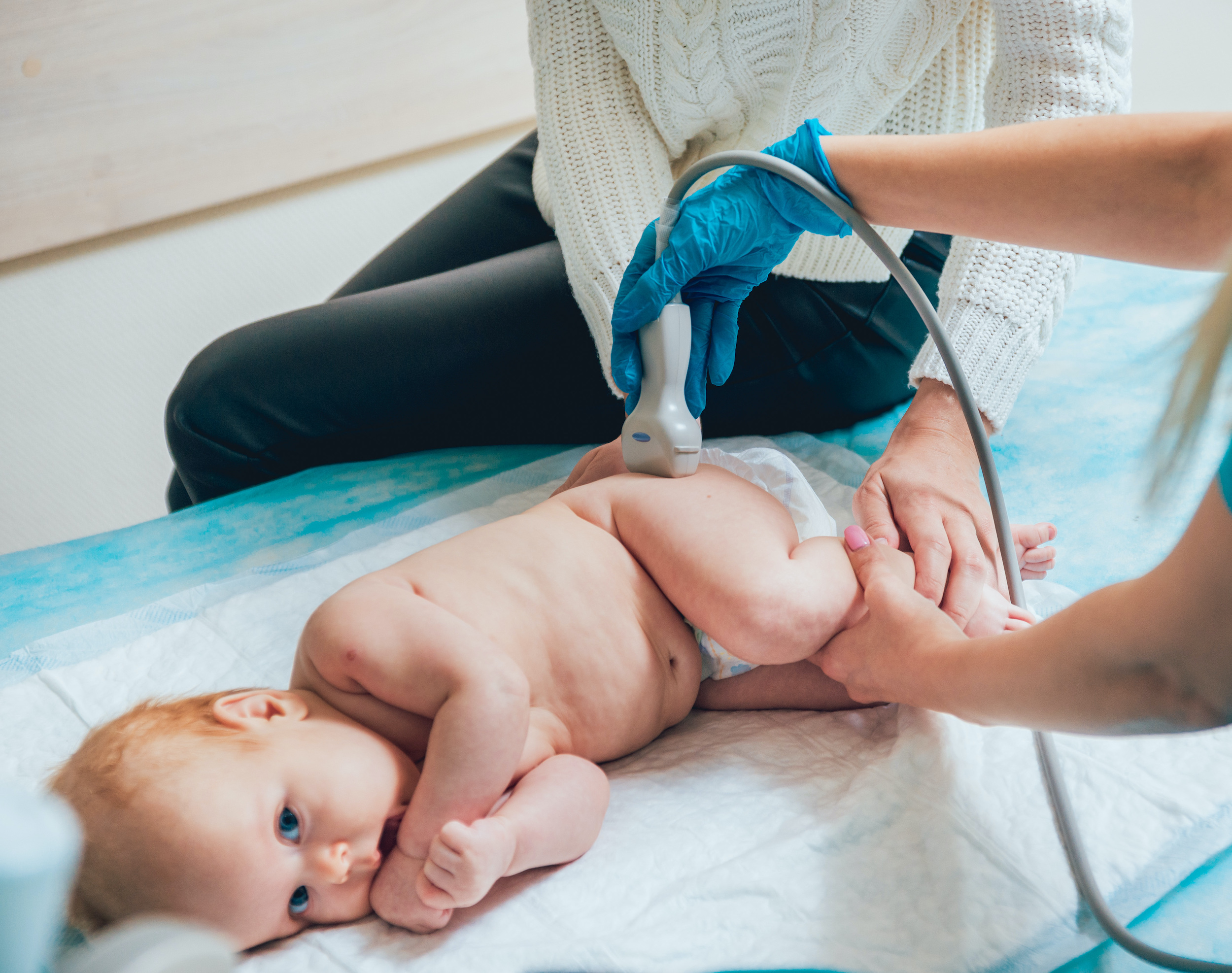
- There’s no strong evidence that W-sitting causes hip dysplasia in children with otherwise normal hip development. Hip dysplasia is a developmental condition, and the biggest risk factors are things like breech positioning, family history, and certain swaddling practices. If your child has known hip issues or symptoms, it’s still worth discussing with your clinician.
- W-sitting can reinforce existing movement tendencies, especially in kids who already prefer inward hip rotation or have generalized flexibility.
- Persistent, mostly exclusive W-sitting may contribute to tightness or imbalances over time in some children. This is less about the position being “dangerous” and more about what gets missed when a child doesn’t practice a variety of movements and postures.
How to think about hip risk
For most toddlers, the issue isn’t that W-sitting damages the hips overnight. It’s that if a child spends a big chunk of floor play in one very stable position, they get less practice building core strength, shifting weight, and rotating through the trunk. Those are building blocks for coordinated running, climbing, and later skills like jumping and ball play.
When it’s more concerning
Consider bringing it up with your pediatrician and asking whether a pediatric PT evaluation makes sense if you notice any of the following.
Red flags and worth-checking signs
- Your child W-sits most of the time and resists other positions, or quickly returns to W-sitting the moment you cue them.
- Asymmetry: they always lean to one side, always pivot in one direction, or one leg is consistently positioned differently.
- Delayed motor milestones or a general sense that movement is harder than it should be for them.
- Frequent tripping, falling, or clumsiness beyond what feels typical for their age and environment.
- Difficulty crossing midline (for example, consistently avoiding reaching across the body during play). Keep in mind that hand switching can be normal in younger toddlers, so it’s the pattern plus other signs that matters.
- Persistent pain in legs, hips, or knees, or they avoid active play.
- Unusual muscle tone: very floppy, very stiff, or fatigue that seems out of proportion.
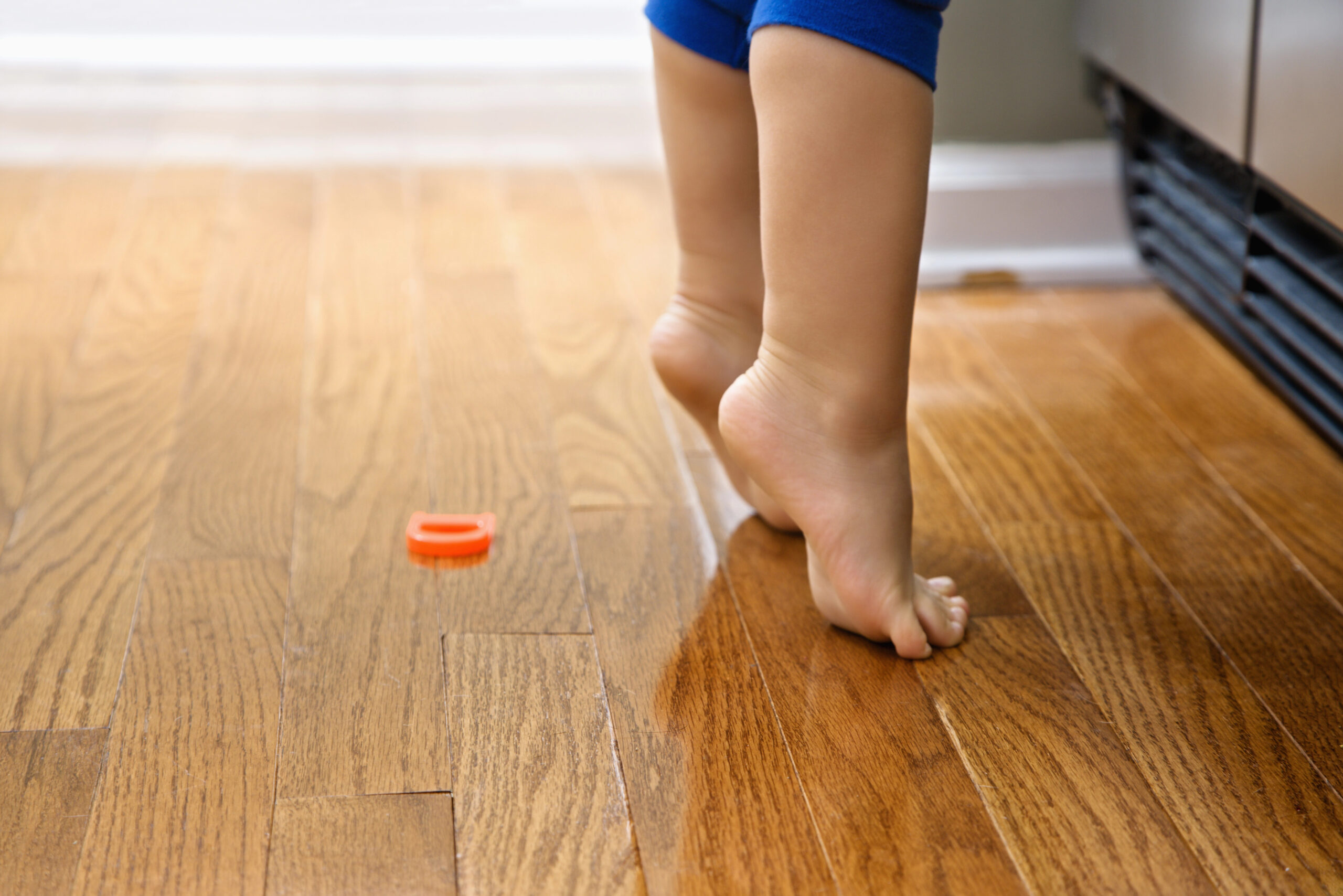
- Toe walking plus other concerns like tight calves, balance issues, or delays (you don’t need to panic, but a broader movement check can be helpful).
Trust your instincts here. If your gut says, “Something feels off, and I can’t quite name it,” that’s a reasonable reason to ask for an evaluation.
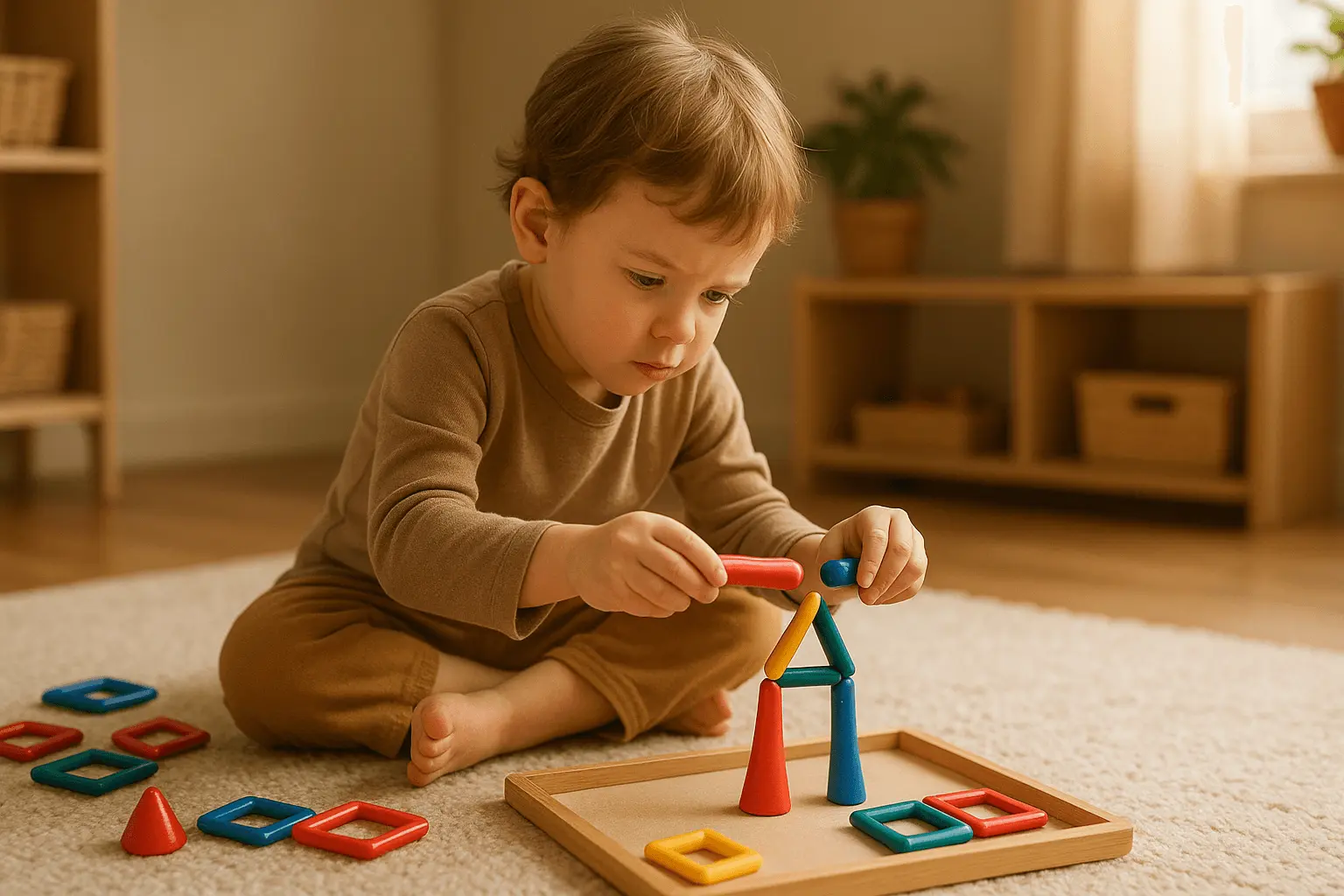
How to encourage other positions
Many toddlers don’t respond well to repeated corrections like “Fix your legs.” They do respond to simple, consistent cues and a play setup that makes other positions easier.
Use short, neutral phrases
- “Feet in front.”
- “Criss-cross.” (also called cross-legged or tailor sitting)
- “Side sit.”
- “Pick a new way to sit.”
Aim for matter-of-fact, not alarmed. Think: friendly flight attendant, not emergency broadcast.
Offer easy alternatives
- Criss-cross (cross-legged).
- Long sitting (legs straight out in front, a nice hamstring stretch, but can be tiring at first).
- Side sitting (both knees bent to one side). Encourage switching sides so both hips practice.
- Sitting on heels (kneel sitting).
- Half-kneeling (one knee down, one foot forward). This is great for balance and hip strength during play at a low table.
Change the environment
- Use a small stool or toddler chair for table play, coloring, and puzzles.
- Try a firmer surface if you notice your child W-sits more on soft mats or squishy rugs.
- Put toys slightly to the side to encourage trunk rotation and weight shifting.
- Offer play in different positions: crawling through a tunnel, building in tall kneeling, playing at a couch cushion “climbing station.”
These strategies work best during calm play, not when your child is tired, hungry, or deeply committed to one tiny task.
What not to do: don’t force their legs into position, don’t turn this into constant posture policing, and don’t use braces or special devices unless a clinician recommends them.
Simple strength ideas
You don’t need a special program to help a toddler build core and hip strength. You just need playful movement variety.
Low-key activities that help
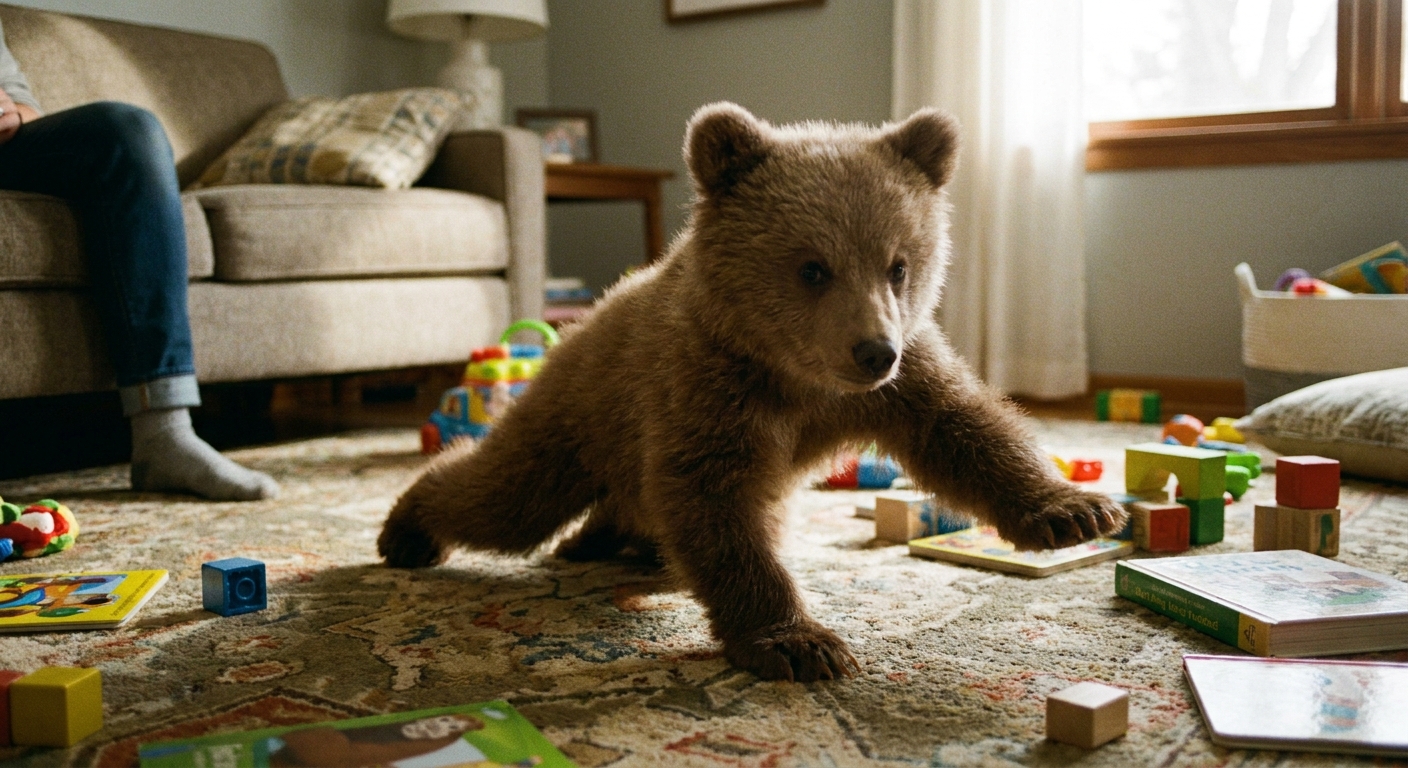
- Animal walks: bear walk, crab walk, frog jumps.
- Obstacle courses: couch cushions to step over, tape line to balance on, tunnel to crawl through.
- Wall or couch “pushes”: pushing a laundry basket with a few books or a sturdy box (supervised) builds trunk and hip strength.
- Play in tall kneeling at a coffee table with blocks.
- Side sitting games: “Let’s sit like a mermaid,” then switch sides.
Safety note: keep activities supervised, choose loads that don’t strain joints, and stop if your child seems uncomfortable or starts compensating.
If your child is a dedicated W-sitter, you’re not trying to eliminate it overnight. You’re trying to gently increase the menu of options their body feels confident using.
When a PT referral makes sense
A pediatric physical therapist isn’t just for kids with big, obvious delays. PT can be a great fit when you want a skilled set of eyes on how your child moves and a realistic plan you can actually do at home.
In pediatrics, we often collaborate with PT because they’re the experts in movement patterns, symmetry, strength, and functional play setup.
PT is especially helpful when:
- Your child mostly W-sits and can’t sustain other positions.
- You see clear asymmetry in sitting, crawling history, standing, walking, or climbing.
- There are balance, coordination, or frequent falling concerns.
- There are signs of tightness (hips, hamstrings, calves) or limited range of motion.
- You’ve been trying cues for a few weeks and nothing is changing, or it’s creating stress at home.
What a good PT visit usually looks like: a play-based movement assessment, strength and range checks, observation of transitions (how they get in and out of sitting), and a short home program focused on variety and symmetry.
What to ask your pediatrician
If you’re unsure whether this is a “watch and wait” situation or worth an evaluation, these questions can help:
- “My child W-sits most of the time. Should we screen hips and muscle tone?”
- “I notice asymmetry when they sit and climb. Does that change your recommendation?”
- “Would a pediatric PT evaluation be appropriate even if milestones are on time?”
- “Are there any signs today that suggest a neuromuscular concern?”
In many areas, you can also self-refer to pediatric PT. Your pediatrician can guide you on what’s typical in your location and what insurance usually requires.
Quick reassurance
In clinic, the most common W-sitting story sounds like this:
“My toddler sits in a W sometimes, but they also sit cross-legged, side sit, squat, climb everything in sight, and run hard at the playground.”
That’s generally reassuring. If your child shows variety, moves in and out of positions easily, and is otherwise progressing well, you can usually respond with gentle cues and focus on lots of active play.
When to seek care sooner
Reach out to your pediatrician promptly if your child has:
- New limping or refusal to bear weight
- Hip, knee, or leg pain that persists or wakes them at night
- Regression in skills (they stop doing things they could do before)
- Significant stiffness, unusual weakness, or concerns about muscle tone
Those symptoms deserve a timely evaluation, whether or not W-sitting is part of the picture.
The bottom line
W-sitting is common because it’s stable and easy, not because you’re failing at posture patrol. The goal isn’t to correct every moment. The goal is to encourage movement variety, watch for asymmetry, and get support when your child seems stuck in one pattern.
If you’re worried, a pediatric PT assessment can be a low-stress, high-clarity next step. And if you’re not worried but you keep noticing it, a few gentle cues and more play in different positions is a great place to start.