Warts in Kids: Types, Treatment, and When to See a Doctor

Sarah Mitchell
Sarah Mitchell is a Registered Pediatric Nurse and a mother of three who has spent over a decade helping families navigate the beautiful, chaotic early years of childhood. She combines evidence-based medical knowledge with real-world parenting experience to offer practical, compassionate advice. At Awesome Parent, Sarah's mission is to help exhausted parents find solutions, trust their instincts, and finally get some sleep.
If you just found a mysterious little bump on your child’s hand or foot, take a breath. In the clinic, I saw warts constantly, especially in elementary school kids. They are annoying, sometimes painful, and yes, contagious. But they are usually harmless, often treatable, and sometimes stubborn enough to test everyone’s patience.
This guide will help you figure out what kind of wart your child likely has, what you can safely try at home, how long this whole saga might last, and when it is time to bring in your pediatrician or a dermatologist.
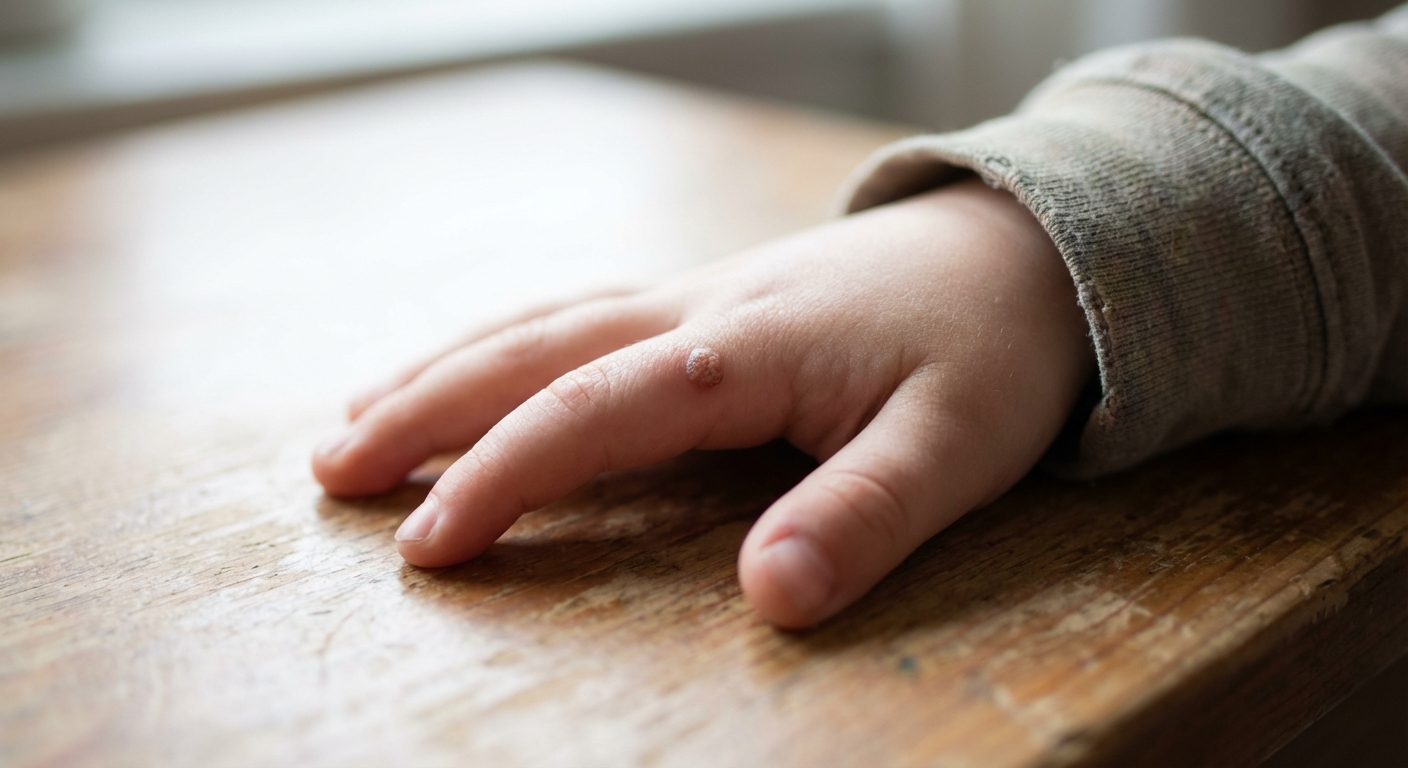
What are warts?
Warts are small growths on the skin caused by certain types of human papillomavirus (HPV). This is a very common family of viruses that can enter through tiny breaks in the skin.
Children are simply more likely to develop warts than adults, likely because they have had fewer prior exposures and because kid life involves a lot of close contact, shared spaces, and skinned knees.
The good news: most warts in otherwise healthy kids are not dangerous. The bad news: they can be slow to disappear.
Common wart types in kids
Kids can get several wart types. The location and look usually give the best clues.
Common warts
- Where: Fingers, hands, around nails, elbows, knees
- What they look like: Rough, grainy, dome-shaped bumps. Sometimes you see tiny black dots inside (clotted blood in small vessels).
- Common complaint: “It catches on everything” or “It looks gross.”
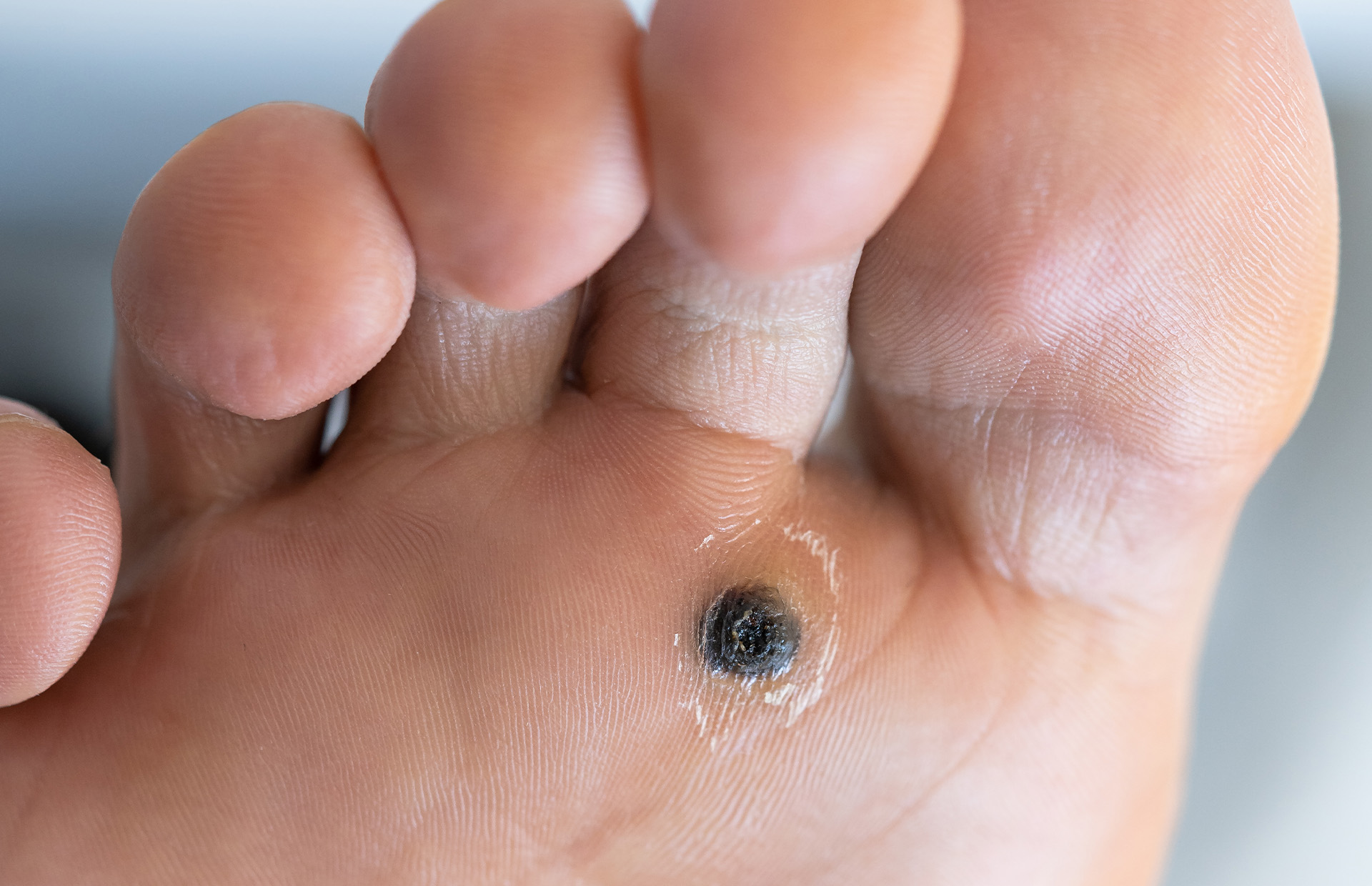
Plantar warts
- Where: Bottom of the foot, heel, ball of foot
- What they look like: Flat-ish and thick because they get pushed inward when your child walks. May have tiny black dots. Often surrounded by a callus.
- Common complaint: Pain with walking, like a pebble in the shoe.
Flat warts
- Where: Face, forehead, backs of hands, shins
- What they look like: Small, smooth, flat-topped bumps that can appear in clusters.
- Common complaint: Spreads in a line after scratching (autoinoculation).
Periungual warts
- Where: Around fingernails or toenails
- What they look like: Rough, thickened growths that can distort the skin next to the nail and sometimes affect nail growth.
- Why they are tricky: Nail biting and picking helps them spread, and the skin here can get irritated more easily during treatment.
Quick caution: Not every bump is a wart. Skin tags, molluscum contagiosum, calluses, corns, and even eczema can mimic parts of the “wart look.” If you are not sure, it is reasonable to ask your pediatrician to confirm before you start weeks of treatment.
Are warts contagious?
Yes. Warts spread through direct skin contact and may also spread through shared surfaces, especially in warm, damp places like pools, locker rooms, and shower floors. They can also spread from one spot to another on the same child, particularly when kids pick, bite, or scratch.
How contagious are they?
Contagious, but not in a panic-worthy way. Plenty of kids with warts never pass them to siblings. The virus needs an opportunity, like small skin breaks, plus enough exposure.
How to prevent spread
- Cover it if possible: A bandage for hand warts or a well-fitting sock and shoe for plantar warts. For sports, follow team rules about covering.
- No picking: Keep nails trimmed. Consider a bandage as a “hands off” reminder.
- Do not share towels, nail clippers, pumice stones, socks, or shoes.
- Flip-flops in public showers and pool locker rooms.
- Wash hands after touching the wart or applying treatment.
- Keep skin healthy: Treat cracked hands or eczema, since broken skin makes it easier for the virus to get in.
How long do warts last?
This is the part parents hate most: warts can be slow.
- Many warts go away on their own as the immune system recognizes the virus.
- Studies suggest that about half resolve within a year and most resolve within a couple of years, even without treatment. Some linger longer.
Treatment can speed things up for some kids, reduce spread, and help with pain (especially on feet), but it still often takes weeks to months of consistent effort.
When you can treat at home
Home treatment is reasonable when the wart is not very painful, not on the face or genitals, your child is otherwise healthy, and you are fairly sure it is a wart.
Best OTC option: salicylic acid
Over-the-counter salicylic acid is the most evidence-supported at-home treatment. It works mainly by gradually peeling away thickened skin. The mild irritation from treatment may also help the immune system notice the virus.
Common forms: liquid, gel, pads, or sticks (different strengths for hands vs feet).
How to use salicylic acid
- Soak the wart in warm water for 5 to 10 minutes.
- Gently file the dead top layer with an emery board or pumice stone used only for that wart. Do not share it with anyone. Stop if it hurts or bleeds.
- Apply the salicylic acid to the wart only. Protect surrounding skin with a thin layer of petroleum jelly if your child gets irritated easily.
- Cover with a bandage. You can also use duct tape if you can keep it in place, but check the skin regularly for irritation or sogginess.
- Repeat daily (or as directed on the product). Expect to do this for 6 to 12 weeks.
What “improvement” looks like: It slowly gets flatter, smaller, less rough, and for plantar warts, less painful to walk on. If the surrounding skin is getting very raw, take a few days off and restart more gently.
When to stop: When normal skin lines are returning and the rough core is gone, or if the area becomes persistently painful, very irritated, or signs of infection show up.
Tips from the real world: Put the supplies near the toothbrush, do it as part of bedtime routine, and take a weekly photo so you can actually see progress. Otherwise it feels like nothing is happening until one day it finally is.
Duct tape: can it work?
Duct tape is a popular home remedy. Studies have had mixed results. Some kids do improve, likely because occlusion and mild irritation can help. If your child tolerates it, it is a low-cost add-on, but I would not rely on duct tape alone if the wart is painful or spreading.
If you try it: keep the wart covered most of the time, change tape when it falls off, and gently file the softened skin every few days. If the skin becomes very irritated or white and soggy, pause.
Help for painful plantar warts
- Cushioning: A donut-shaped pad (moleskin) around the wart can take pressure off while walking.
- Shoes matter: Supportive shoes and thicker socks can reduce pain.
- Activity tweaks: If a sport is making the pain flare, reduce impact for a week or two while you treat consistently.
What not to do at home
- Do not cut or shave the wart. This increases spread and infection risk.
- Do not use “wart freezing” kits on the face, near eyes, or genital area. Follow package directions and consider avoiding use in very young children unless your clinician advises it.
- Avoid harsh chemicals not meant for skin. If it is not specifically made for warts, skip it.
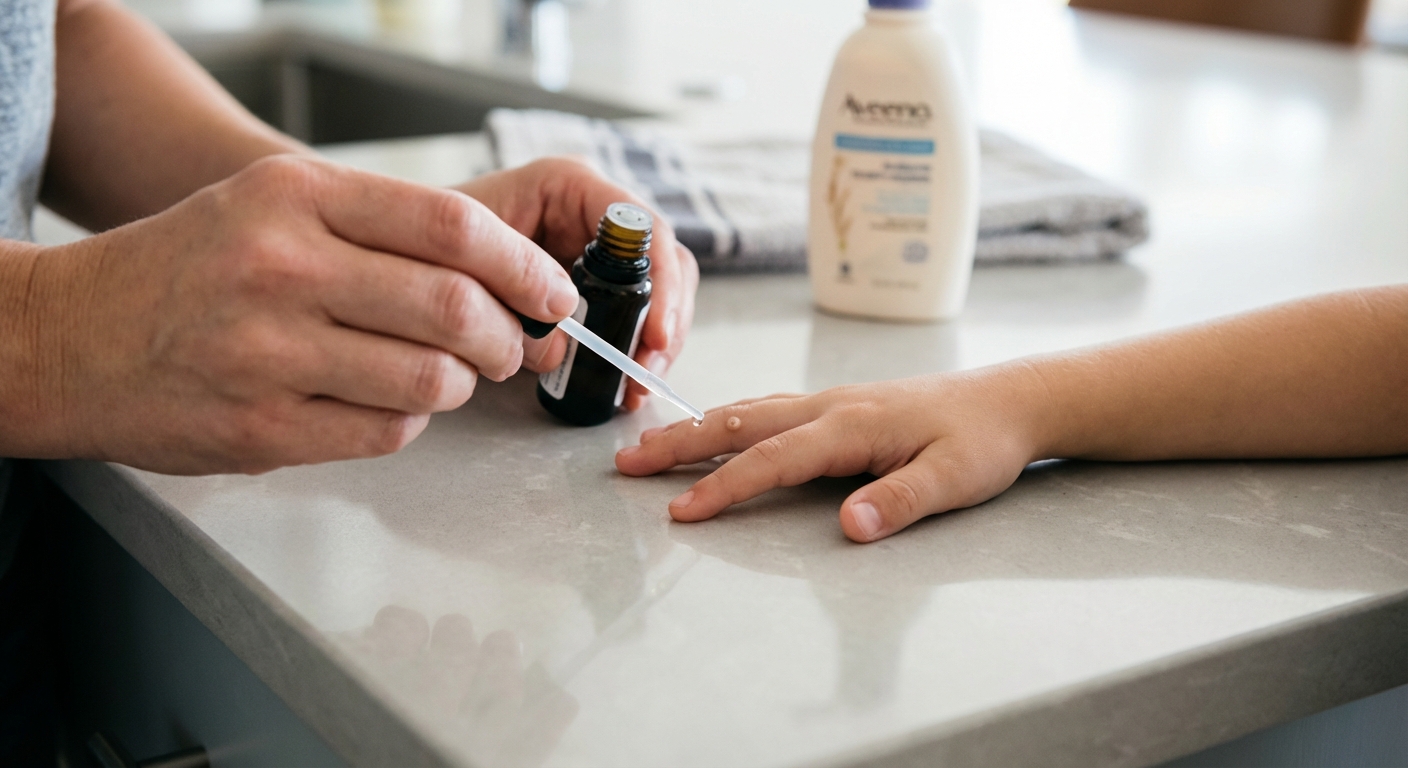
- Be cautious with essential oils. “Natural” can still burn skin, especially in kids.
When to see a doctor
If you are on the fence, you are allowed to get backup. In triage, I always told parents: if it is painful, fast-changing, or just feels off, it is worth a visit.
Call your child’s doctor if:
- The wart is painful, especially plantar warts affecting walking.
- It is on the face, lips, eyelids, or genitals.
- You are not sure it is a wart (or it looks unusual).
- It is spreading quickly or there are many warts.
- Home treatment with salicylic acid has not helped after 8 to 12 weeks of consistent use.
- Your child has eczema with open skin near the wart, which can complicate treatment.
- Your child has diabetes, poor circulation, or an immune system condition, or takes immune-suppressing medicines.
- The wart is around the nail and the nail is becoming distorted, painful, or infected.
Get urgent care the same day if:
- There are signs of skin infection: increasing redness, warmth, swelling, pus, red streaks, fever, or worsening pain.
- The area is bleeding repeatedly or looks like an open sore.
What a doctor can do
In the office, treatment choice depends on your child’s age, pain tolerance, wart location, and how long it has been there. It also depends on a key reality: no single option works every time, and some warts go away on their own regardless of what we do. The goal is to pick the safest approach that your family can actually stick with.
Cryotherapy
Liquid nitrogen can freeze the wart to destroy infected skin. It can be effective, but it often takes multiple visits and can sting during and after.
Cantharidin
Some clinics use cantharidin, which is painted on and then washed off later. It creates a controlled blister under the wart. For some kids, it is easier than freezing because the application is not as painful in the moment.
Important: cantharidin is clinician-applied. It is not for home use.
Prescription topicals
Depending on the case, your doctor might use or prescribe stronger peeling agents or combination therapies.
Other options
Dermatologists have additional tools for resistant warts, including immunotherapy approaches and procedures in select situations. These are usually not first-line for typical childhood warts, but they can help when warts are persistent and disruptive.
Common questions
Should my child stay home?
Usually, no. Warts are common and generally do not require exclusion. Cover the wart when possible, encourage handwashing, and avoid sharing personal items.
Can we go swimming?
Yes. For plantar warts, consider a waterproof bandage and flip-flops on the pool deck and in locker rooms. Swimming itself is fine.
Will picking it make it spread?
It can. Picking can spread virus particles to nearby skin and can also cause bleeding and infection. Covering the wart often helps break the habit.
Are the little black dots “seeds”?
No. Those dots are usually tiny clotted blood vessels. Warts do not have seeds, even though they sometimes get called “seed warts.”
A simple plan
- Confirm the basics: rough bump on hand or foot, typical location, not a rapidly changing or bleeding lesion.
- Pick one treatment: salicylic acid is the best place to start.
- Build a routine: soak, gently file, apply, cover. Repeat daily.
- Prevent spread: cover it, no sharing towels, flip-flops in communal showers, no picking.
- Set a checkpoint: if there is no improvement after 8 to 12 weeks, or it is painful or spreading, book a visit.
If you are tired and this feels like one more thing on your already overflowing plate, you are not alone. The “wart routine” is not glamorous parenting, but it is the kind that works. Slow and steady wins this one.
References
- American Academy of Dermatology (AAD). Warts: Diagnosis and treatment. https://www.aad.org/public/diseases/a-z/warts-treatment
- HealthyChildren.org (American Academy of Pediatrics). Warts. https://www.healthychildren.org/English/health-issues/conditions/skin/Pages/Warts.aspx
- Centers for Disease Control and Prevention (CDC). About HPV. https://www.cdc.gov/hpv/about/index.html
- Cochrane. Topical treatments for cutaneous warts (systematic review). https://www.cochrane.org/ (search: “cutaneous warts topical treatments”)