When Do Babies Start Crawling?

Sarah Mitchell
Sarah Mitchell is a Registered Pediatric Nurse and a mother of three who has spent over a decade helping families navigate the beautiful, chaotic early years of childhood. She combines evidence-based medical knowledge with real-world parenting experience to offer practical, compassionate advice. At Awesome Parent, Sarah's mission is to help exhausted parents find solutions, trust their instincts, and finally get some sleep.
If you are staring at your baby on the floor thinking, Are you ever going to move? you are in very good company. Crawling is one of those milestones that feels like it should happen on a schedule, and then your baby opens a fresh new calendar and ignores it completely.
Here is the grounded truth from a pediatric nurse and mom of three: babies often start crawling somewhere around 6 to 10 months, but plenty of healthy babies crawl earlier, later, or in a totally unexpected way. Some skip crawling entirely and go straight to pulling up and cruising. Your job is not to force a specific “right” crawl. Your job is to support strength, symmetry, and safe exploration.
Sources worth a quick look: the CDC developmental milestones and the American Academy of Pediatrics guidance on baby walkers and safe play.
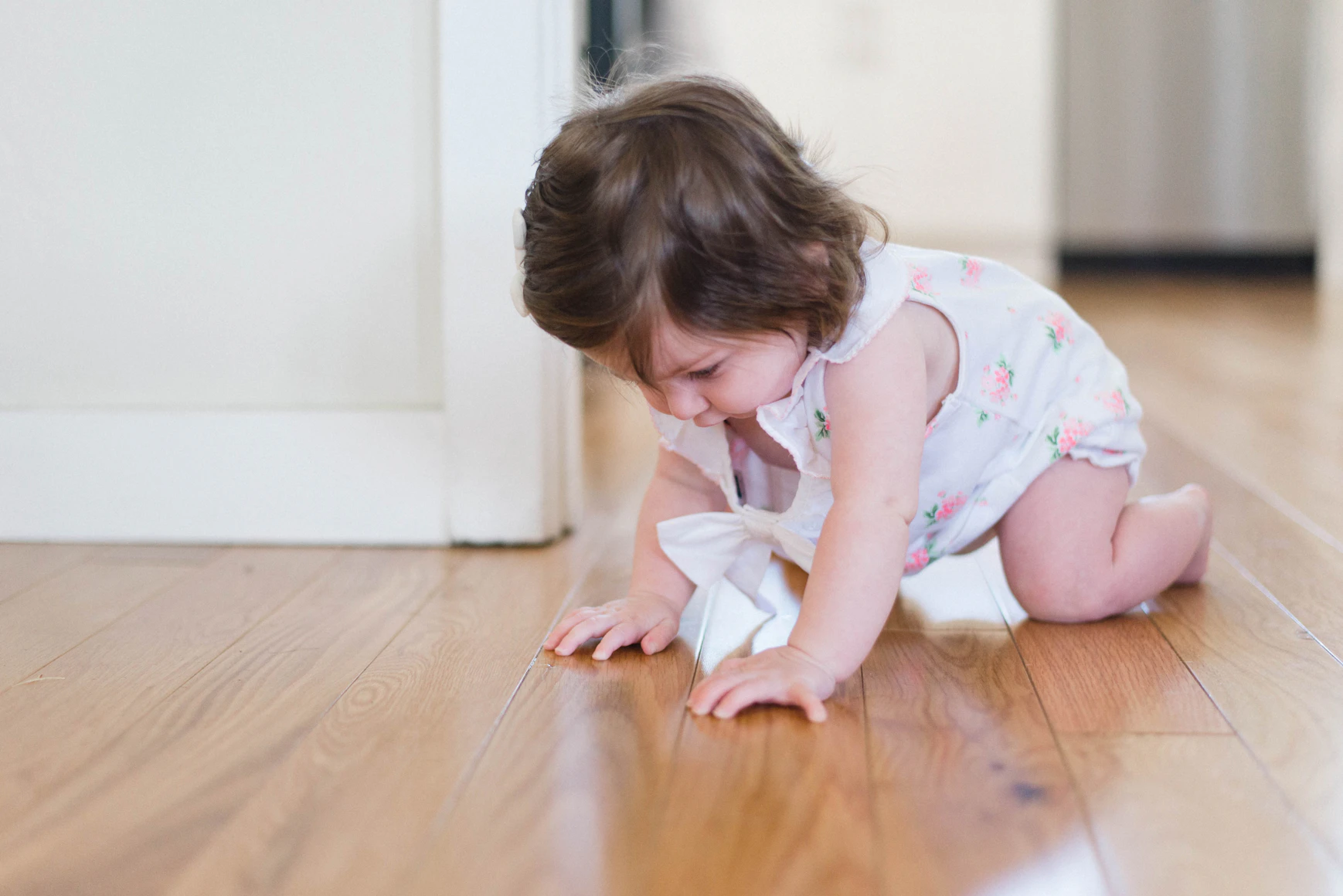
When do babies start crawling?
Many babies begin some form of crawling between 6 and 10 months. You might see:
- Pre-crawling mobility (around 5 to 7 months): Rolling to reach toys, pivoting on their tummy, scooting backward (surprisingly common), or doing a little “inchworm” push.
- Common crawling window (6 to 10 months): Belly crawling, hands-and-knees rocking, then forward movement.
- Later crawling (10 to 12 months): Some babies take their time and focus on sitting, standing, or cruising first.
Crawling is not just about arms and legs. It is a whole-body skill that uses shoulder stability, core strength, hip mobility, coordination, and even vision.
Note on ranges: milestone timelines vary a bit by source and by baby. If your child was born early, ask your pediatrician about using corrected age when you think about milestones.
Signs your baby is getting ready
Sometimes crawling “comes out of nowhere,” but most babies drop little hints first. Look for:
- Great tummy time tolerance: They can lift their chest, look around, and reach for toys.
- Pushing up on straight arms: Mini push-ups during play.
- Rolling both ways: Tummy to back and back to tummy.
- Sitting with control: They can sit and use their hands to play without toppling right away.
- Rocking on hands and knees: The classic pre-crawl warm-up.
- Pivoting: Turning in a circle while on their tummy to track a toy.
If you are seeing a few of these, you are likely in the “it is coming” phase, even if your baby is still very committed to staying put.
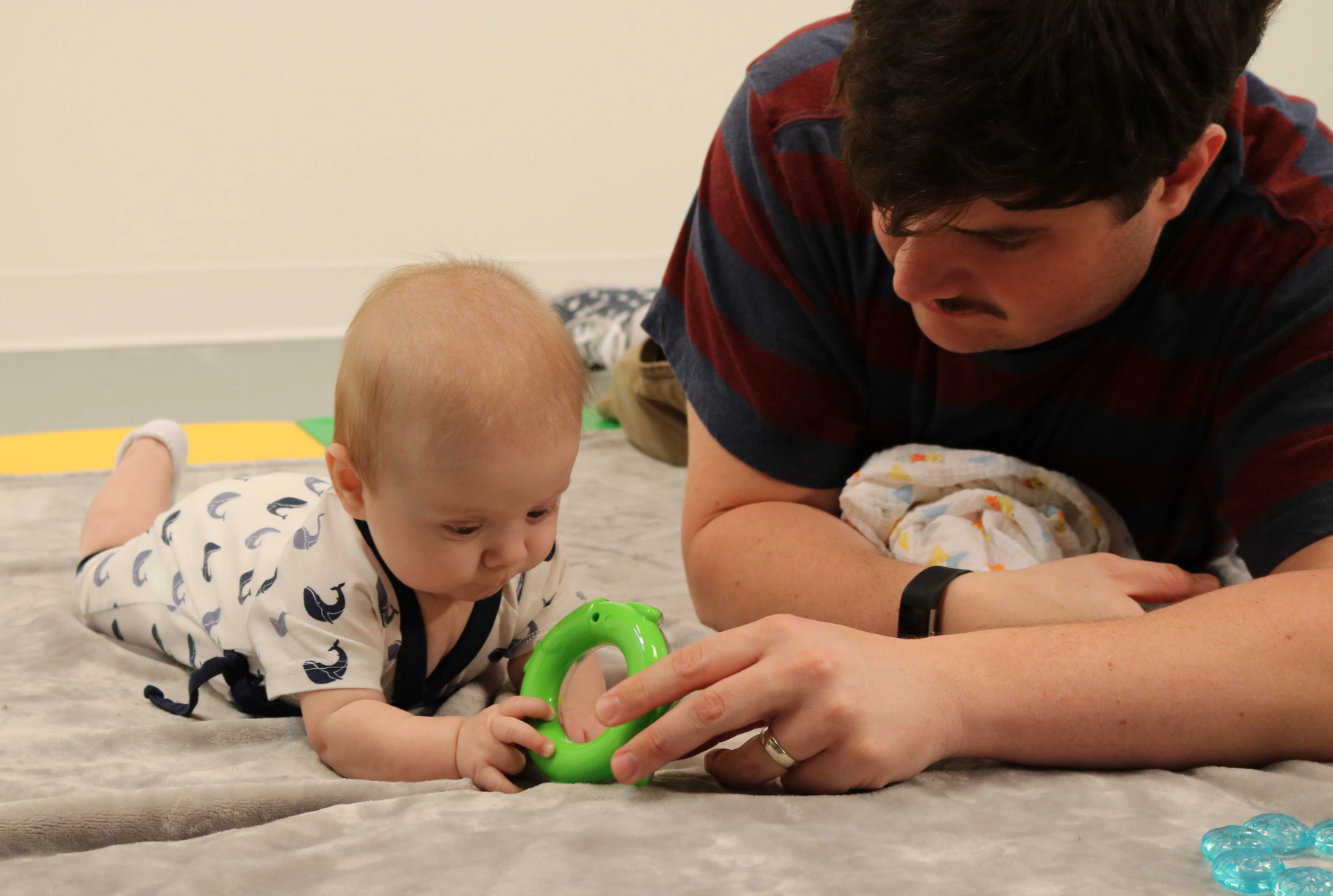
Common crawling styles
Parents often expect the classic hands-and-knees crawl, but babies are creative little engineers. These are common, typically normal ways babies get around:
Hands-and-knees crawl
The “classic” crawl: weight on hands and knees, moving opposite arm and leg. This is common, but it is not the only healthy option.
Army crawl (belly crawl)
Baby keeps their tummy on the floor and pulls forward with their arms. Some babies do this for weeks before popping up onto hands and knees. Others stick with it and still develop perfectly well.
Bear crawl
Hands and feet on the ground, knees lifted (like a tiny yoga bear). It can look intense, but it is a legit way to travel.
Bottom scoot
Baby sits upright and scoots using one leg and one arm, or pushes with both. Many bottom scooters skip traditional crawling and go on to walk just fine. You will often see strong sitting balance here, and some babies simply prefer a slower, more controlled way to move.
Sideways crawl
Some babies move sideways before they figure out forward motion. It is weirdly adorable and usually temporary.
Rolling as transportation
If your baby rolls across the room with purpose, that counts as mobility. It is not “crawling,” but it is a meaningful developmental step.
One note I care about clinically: whatever style your baby uses, it should look reasonably symmetrical over time. Consistently dragging one side, always using one arm, or a strong preference to turn the head one way can be worth mentioning to your pediatrician. That head preference is sometimes related to torticollis, which is very treatable, especially when caught early.
How to encourage crawling
You cannot “teach” crawling the way you teach a trick, but you can set up the environment so your baby has lots of chances to practice the building blocks.
1) Keep tummy time in the mix
Tummy time builds shoulder and core strength, which are major crawling ingredients. If your baby hates it, start small and frequent.
- Aim for multiple short sessions a day.
- Try tummy time on your chest, across your lap, or with a rolled towel under the chest (supervised).
- Get down at eye level. Your face is usually better than any toy.
Evidence note: tummy time is widely recommended by pediatric organizations because it supports early motor development and helps reduce positional head flattening.
2) Place toys with intention
Place a favorite toy just out of reach. Not across the room, just far enough to inspire effort. If they melt down, move it closer so they can succeed.
3) Use a grippy surface
Babies struggle to crawl on slippery floors. Try:
- A thin play mat on hardwood
- A low-pile rug
- Bare feet instead of slippery socks
4) Make room for floor time
Floor time is where movement skills grow. If your baby spends most of the day in containers (swings, bouncers, loungers, seats), they have fewer chances to build the strength and coordination needed for crawling.
Real-life disclaimer: I am not anti-container. I am pro-balance. Use them when you need them, then come back to awake, supervised floor play when you can. A helpful goal is some floor time every day, even if it is in short chunks.
5) Practice hands-and-knees play
If your baby is close, you can help them explore the position:
- Place baby on hands and knees for a few seconds at a time.
- Gently rock them forward and back.
- Put a toy under their chest so they shift weight onto hands.
Keep it light and playful. If your baby is upset, stop and try later.
6) Skip sit-in walkers
Push walkers (the kind baby holds and pushes) can be great once baby is pulling to stand and cruising safely. But “sit-in” baby walkers are not recommended for safety reasons and do not help babies learn to walk sooner. More floor time is usually the better investment for crawling too.
Source note: the American Academy of Pediatrics has long cautioned against mobile infant walkers due to injury risk.
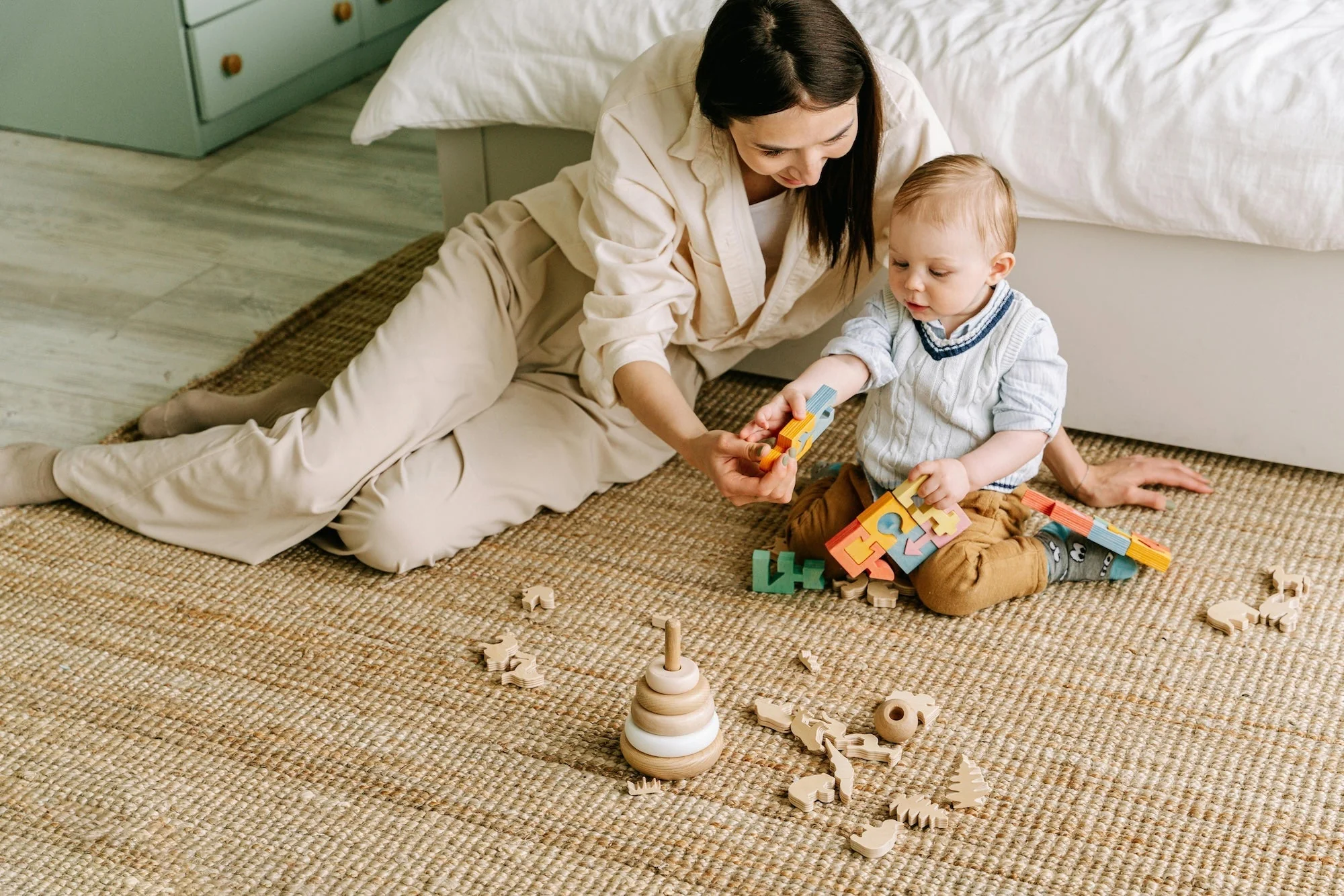
Some babies skip crawling
Yes. Some babies:
- Bottom scoot and then stand and walk
- Army crawl briefly and then cruise
- Pull to stand early and focus on furniture walking
Skipping hands-and-knees crawling can still be within the range of normal, especially if your baby is otherwise progressing in gross motor skills and moving symmetrically. If you are unsure, it is always okay to ask your pediatrician. That is not overreacting. That is parenting.
Safety once baby moves
A gentle heads-up: once mobility kicks in, your house feels smaller overnight. A quick babyproofing sweep helps a lot:
- Anchor furniture and TVs if you have not already.
- Block stairs and rooms you do not want explored (gates, closed doors).
- Keep cords, hot drinks, and small choking hazards up and out of reach.
- Recheck plants, pet bowls, and anything living at floor level.
When to talk to your pediatrician
I never want milestone articles to make you spiral, but I do want you to know what is worth a check-in. Bring it up with your pediatrician if:
- Your baby is not showing interest in mobility (rolling, pivoting, scooting) by around 9 to 10 months, or earlier if you are concerned.
- Your baby seems to avoid putting weight on arms or legs, or feels unusually stiff or unusually floppy.
- You notice asymmetry, like dragging one side, always using one arm, or a persistent head tilt or strong head-turn preference (possible torticollis).
- Your baby is not sitting independently by around 9 months, or sitting feels very unsteady compared with peers.
- Your baby loses skills they previously had (always call promptly for regression).
If your pediatrician is concerned, they may suggest a developmental screening or refer you to early intervention or pediatric physical therapy. That sounds scary, but in real life it is often very practical support, and earlier is usually easier.
Quick FAQ
Is crawling required for walking?
No. Crawling is helpful for strength and coordination, but it is not a strict prerequisite for walking. Many babies who skip crawling still walk on a typical timeline.
My baby crawls backward. Normal?
Very normal. Backward crawling happens when arm strength develops before baby figures out how to coordinate legs for forward movement. Keep offering toys in front and give it time.
Do I need crawling “training” toys?
You do not need anything fancy. A safe floor space, a few interesting toys, and consistent opportunities for tummy time and floor play get you most of the way there.
Does more tummy time really help?
Yes. Tummy time is one of the most consistently recommended ways to build the strength babies use for early motor skills. If it is a struggle, small and frequent usually wins.
Bottom line
Most babies start crawling between 6 and 10 months, but there is a wide range of normal, including adorable alternative styles and even skipping crawling altogether. Focus on floor time, tummy time, and playful encouragement. If something feels off or progress seems stalled, trust your gut and talk with your pediatrician. You are not behind. You are paying attention, and that is the whole job.
3 AM reassurance from me to you: Once crawling starts, your baby will eventually find every crumb under the couch. Enjoy the calm while you can.