Actionable, non-judgmental water-safety rules for toddlers and preschoolers: touch supervision, life jackets, pool barriers, drain entrapment, swim lessons, ...
When Toddlers Bolt in Public: Safety Plans for Runners

Sarah Mitchell
Sarah Mitchell is a Registered Pediatric Nurse and a mother of three who has spent over a decade helping families navigate the beautiful, chaotic early years of childhood. She combines evidence-based medical knowledge with real-world parenting experience to offer practical, compassionate advice. At Awesome Parent, Sarah's mission is to help exhausted parents find solutions, trust their instincts, and finally get some sleep.
If you have a toddler who bolts, you already know this is not the same as a typical tantrum. A tantrum is loud and (usually) stationary. Bolting is quiet, fast, and terrifying. One second you are paying for groceries, the next second you are sprinting toward the automatic doors like you are training for the Olympics.
As a pediatric nurse and a mom of three, I want you to hear this clearly: your child is not “bad,” and you are not failing. Some toddlers are wired for speed, curiosity, sensory seeking, impulsive problem-solving, or a nervous system that is constantly scanning for input. Neurodivergent kids can be especially prone to bolting, and that is not a moral issue. It is a safety and skills issue.
This guide is intentionally safety-forward. It includes practical supervision strategies, home practice for “stop” rules, and a neutral discussion of tools some families consider. Nothing replaces supervision, but you deserve a plan that works in real life.
Quick note: This is general education, not medical advice. If you have concerns about your child’s development, safety, or behavior, your pediatrician is the right partner for personalized guidance.
Bolting vs. tantrums
Most parenting advice assumes a child escalates in place: crying, yelling, dropping to the floor. Bolting is different because it is:
- Sudden: there may be no warning signs.
- Rewarding to the toddler brain: movement can feel fun, regulating, or exciting (and yes, sometimes it turns into a chase game).
- High-risk: parking lots, crowds, stairs, and water do not forgive “just a second.”
- Hard to train quickly: impulse control is still under construction in toddlerhood, and it develops over time.
So yes, we still work on feelings and communication. But we also treat bolting like a safety issue, the same way we treat car seats or pool fences.
Your safety plan
When I helped families in triage, the safest plans had layers. If one layer fails, another catches the moment.
Layer 1: Assume they will run
This mindset shift is protective. If you expect bolting, you position your body differently, you park differently, you plan transitions, and you avoid certain environments at certain times. You are not being pessimistic. You are being prepared.
Layer 2: Reduce opportunity
- Choose contained environments when possible (fenced playground, small library room, stroller-friendly farmers market).
- Time outings for your child’s best window (often after a snack and rest).
- Use online pickup when you are in a high-risk season.
Layer 3: One rule, every time
One rule beats ten suggestions. Pick a short phrase and use it consistently.
- “Parking lot = hand.”
- “Doors mean stop.”
- “Water means touch an adult.”
Layer 4: Practice at home
We build the “stop” muscle in low-stakes places first, then graduate to harder environments.
Layer 5: Get caregivers aligned
Bolting management falls apart when everyone uses different rules. Share your one phrase with anyone who takes your child out: partners, grandparents, babysitters, and daycare.
- Tell them the rule you use (“Parking lot = hand”).
- Tell them your non-negotiables (hand, stroller, or carrier in high-risk areas).
- Ask what they need to follow it (a stroller that fits in their car, a quick script, a reminder note by the door).
Hand-holding that works
Let’s be honest. “Just hold their hand” is not helpful when your toddler is shaped like a slippery noodle.
Safer holds
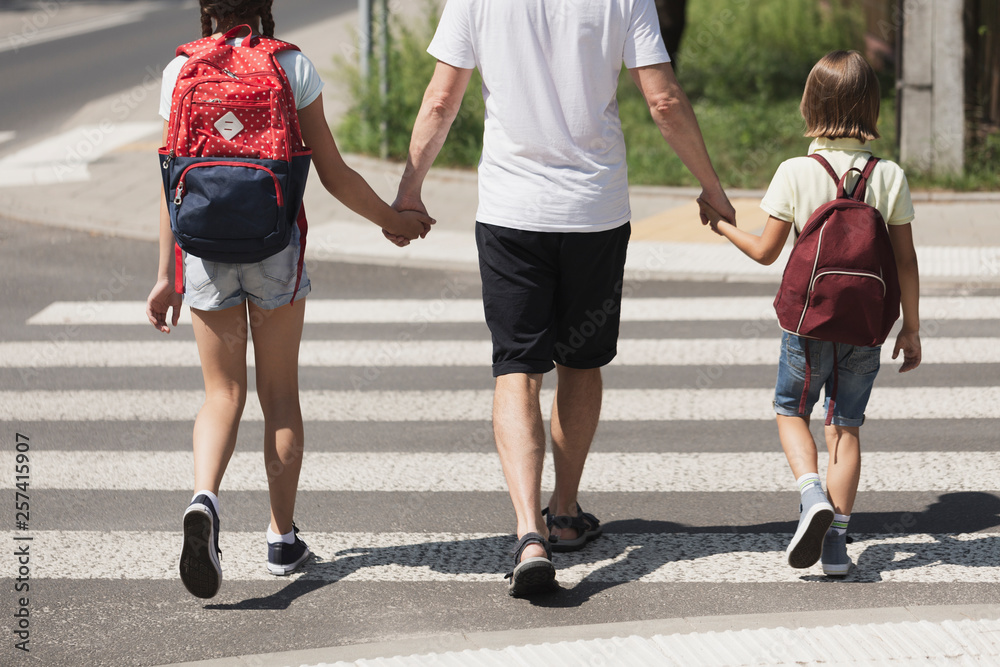
- Lower forearm or wrist hold (gentle, not yanking): In high-risk zones like parking lots, holding the lower forearm or wrist area can be more secure than fingers. Keep it calm and matter-of-fact. Avoid twisting their arm, and think steady support, not restraint.
- Two-hand bridge: If you can, offer both hands and have your child hold both. This works well across crosswalks.
- Hand-to-cart or hand-to-stroller: Teach “one hand on the cart” in stores. It is not perfect, but it reduces sudden launching.
Where you stand
- Between child and danger: In parking lots, you are the barrier between them and moving cars.
- Inside position on sidewalks: Child walks on the inside, away from the street.
- Before doors: Stop a few feet before automatic doors, then reset: “Doors mean stop.”
Stroller strategies
Some toddlers love a stroller. Some act like it is a tiny betrayal on wheels. Either way, strollers can be a safety tool when used intentionally.
Make the stroller a “yes” place
- Predictable use: “Parking lot and store = stroller. Playground = out.” Consistency lowers the fight.
- Special stroller-only items: One small toy, a snack, or a board book that lives in the stroller basket.
- Fast buckle routine: Practice at home so you can buckle quickly in public without wrestling.
Use transitions
Bolting often happens at transitions: leaving the car, leaving the store, moving between departments, heading to checkout. Narrate the plan before the moment hits.
Example script: “We are getting out. You hold my hand to the stroller. Then buckle. Then we go.”
Car-to-store micro plan
That out-of-the-car moment is a classic launch point. A simple routine helps.
- Adult exits first: You step out, scan for traffic, and get your bearings.
- Child unbuckled last: Unbuckle only when you are ready to immediately hold hands, place them in the stroller, or lift them to your hip.
- Immediate containment: Hand to stroller, into cart seat, or into carrier before you do anything else (bags, cart, trunk, phone).
Tools families consider
You might be wondering about things like child harnesses, wrist links, or tracking devices. These topics get weirdly judgmental online, which is not helpful at 3 AM.
Here is the calm truth: tools are not parenting character tests. They are options. The question is whether a tool reduces risk for your child in your context.
Child harness or backpack leash
- Potential benefits: Adds backup in crowds, airports, parking lots, and near water, especially if you also have other kids to manage.
- Potential downsides: Can become a power struggle if introduced abruptly. It can also create a false sense of security if adults stop scanning the environment.
- Use safely: Follow the manufacturer instructions. Adjust the tether so there is minimal slack and you can stay close enough to block hazards quickly. Avoid jerking. Think “backup,” not “steering wheel.”
Stroller strap and consistent buckling
- Benefit: Prevents sudden stand-up-and-launch moments.
- Watch for: Kids who try to climb out. If your toddler routinely escapes, reassess your setup and talk to your pediatrician for safety guidance.
Trackers (Bluetooth vs. GPS)
- Bluetooth trackers: Short-range and often unreliable through walls or in packed crowds. Helpful only if you are already close.
- GPS or cellular devices: Can help in a true separation, but location can be delayed and less accurate indoors or in dense areas.
- Bottom line: Useful as part of a bigger plan, especially for travel or crowded events. Not a replacement for supervision or home door safety.
If a tool helps you keep your child safe without shaming them or you, it is worth discussing. You can be both a loving parent and a very serious safety manager.
Teach “stop” at home
Toddlers usually learn best through repetition and play, not lectures. Your goal is to teach a reflex: hearing “STOP” means feet freeze.
Step 1: One word and one signal
Use “Stop” plus a palm-out hand. Same cue every time.
Step 2: Practice for 60 seconds
- Play “Red Light, Green Light” in the hallway.
- Do “Freeze dance” in the living room.
- Practice “Stop at the tape” with painter’s tape on the floor.
Step 3: Reward the stop
Catch the moment they stop and praise specifically: “You stopped your feet fast. That keeps you safe.” If they run first and stop later, praise the stop anyway. We are building the brake pedal.
Step 4: Level up slowly
Try a quiet grassy area before you try the mall. Skills generalize slowly in toddlers. That is normal.

High-risk scenarios
Parking lots
Parking lots are one of the highest-risk places for runners. Cars back up quietly. Drivers are distracted. Kids are small.
- Rule: “Parking lot = hand or stroller.” Not sometimes. Always.
- Load first, then return cart: Buckle your child into the car before you return the cart.
- Choose parking strategically: Park near a cart corral or away from the busiest lanes if possible.
- Use a close-contact option: Wrist/forearm hold, stroller, cart seat, carrier, or a harness as backup.
Water
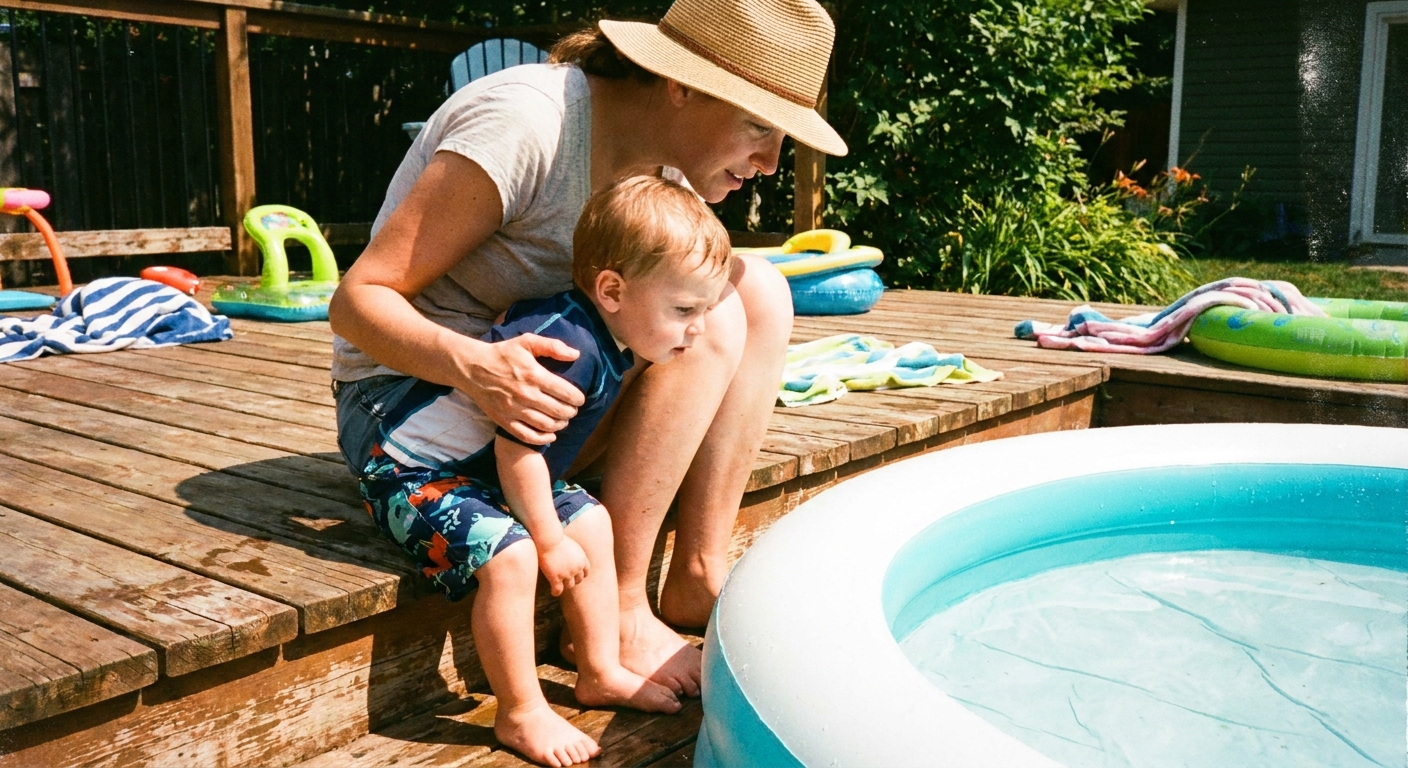
For runners, water needs a separate plan. Quick, direct, and consistent.
- “Water means touch an adult” rule: Your child must be within arm’s reach and physically connected (hand on you, you holding them, or held).
- Designate a “water watcher”: One adult whose only job is watching. Not chatting, not scrolling, not cooking.
- Dress for visibility: Bright, high-contrast swimwear makes scanning easier.
- Use barriers: Fences, locked gates, door alarms at home if relevant.
If your child is drawn to water and bolts toward it, bring this up with your pediatrician. It is important safety information.
Crowds and travel
- Arrive early: Less chaos, fewer triggers.
- Use containment: Stroller or carrier in airports, fairs, parades.
- Photo before you go in: A quick photo of what your child is wearing that day can help if you get separated.
- Teach your name and phone number gradually: For older toddlers and preschoolers, practice like a song.
If they bolt
This is the part nobody wants to need, but every runner parent should have a script in their head.
- Scan first: Especially in parking lots or near streets, take a half-second to look for moving cars and other hazards so you do not run into danger while chasing.
- Move fast and stay low: Chase, yes, but aim to get in front and block rather than grab from behind if possible.
- Use one word: “STOP.” Save the lecture for later.
- Once safe, regulate first: Your toddler may be scared or overstimulated. Take a breath. Hold them close if they will allow it.
- Reset the boundary: “Running is not safe. Parking lot means hand.”
- End the outing if needed: Not as punishment. As safety management. “We are not able to be safe right now, so we are going home and trying again another day.”
Afterward
When everyone is calm, do a quick replay like a coach reviewing film, not like a prosecutor building a case.
Look for patterns
- Is bolting happening when they are hungry, tired, overstimulated, or transitioning?
- Is it near something specific like doors, elevators, escalators, water, or animals?
- Are they seeking a chase game?
Tweak one thing
- Snack before entering the store.
- Stroller for the first 10 minutes, then “walking practice” in a quieter aisle.
- Shorter trips for a few weeks.
Keep consequences simple
For toddlers, consequences should be immediate and related to safety. Example: “You ran, so now you ride in the cart.” Avoid long speeches. Their brains are not built for that yet.
Home elopement safety
If your child wanders at night or tries to leave the house, you need layers at home too. This is not about paranoia. It is about buying yourself time.
- Chimes or door alarms: An instant sound cue if a door opens.
- Locks placed high: Out of reach, used consistently (follow fire-safety guidance and make sure adults can exit quickly).
- Gates: Extra barrier between bedrooms and exterior doors when appropriate.
- Visual reminders: A stop sign sticker at child height near doors can support your “Doors mean stop” rule.
- ID info when needed: For high-risk situations, some families use an ID bracelet or a card tucked into a pocket.
When to ask your pediatrician
Many toddlers run sometimes. But if bolting is frequent, intense, dangerous, or not improving with consistent safety rules, it is reasonable to ask for more support.
Bring it up if
- Your child bolts toward traffic, water, or out of buildings repeatedly.
- You cannot safely manage outings even with stroller and hand-holding strategies.
- There are additional concerns like limited language, inconsistent response to name, big sensory seeking, or extreme impulsivity.
- Your child wanders at night or tries to leave the house.
Helpful questions
- “Is this within typical development for my child’s age?”
- “Can you screen hearing, vision, and development?”
- “Would occupational therapy or a behavioral specialist help with safety and impulse control?”
- “If this is linked to sensory needs or neurodevelopmental differences, what supports should we consider?”
Seeking evaluation is not labeling your child. It is collecting information and building a safety net.
Quick checklist
- Food and fluids: Snack packed, water packed.
- Containment plan: Stroller, carrier, or cart strategy chosen.
- One rule: “Parking lot = hand” (or your chosen phrase).
- Backup tool: Harness or tracker if you use one.
- Exit plan: You know what you will do if bolting happens again.
You are allowed to parent the child you have. If that child is a runner, you are not overreacting by taking safety seriously. You are doing your job.
Sarah Mitchell
Sarah Mitchell is a Registered Pediatric Nurse and a mother of three who has spent over a decade helping families navigate the beautiful, chaotic early years of childhood. She combines evidence-based medical knowledge with real-world parenting experience to offer practical, compassionate advice. At Awesome Parent, Sarah's mission is to help exhausted parents find solutions, trust their instincts, and finally get some sleep.