When Your Baby Suddenly Refuses Solids

Sarah Mitchell
Sarah Mitchell is a Registered Pediatric Nurse and a mother of three who has spent over a decade helping families navigate the beautiful, chaotic early years of childhood. She combines evidence-based medical knowledge with real-world parenting experience to offer practical, compassionate advice. At Awesome Parent, Sarah's mission is to help exhausted parents find solutions, trust their instincts, and finally get some sleep.
If your baby used to happily eat purées or finger foods and now acts like you just offered them a plate of betrayal, take a breath. A sudden refusal of solids is common in the first two years. Most of the time it is a short phase tied to teething, illness, new skills, mouth soreness, or a mismatch in texture and timing (too tired, too full, or too hungry).
As a pediatric nurse and a mom of three, here is my calm take: our job is to keep meals safe and low-pressure, offer appropriate foods, and watch for red flags. Your baby’s job is to decide how much to eat.
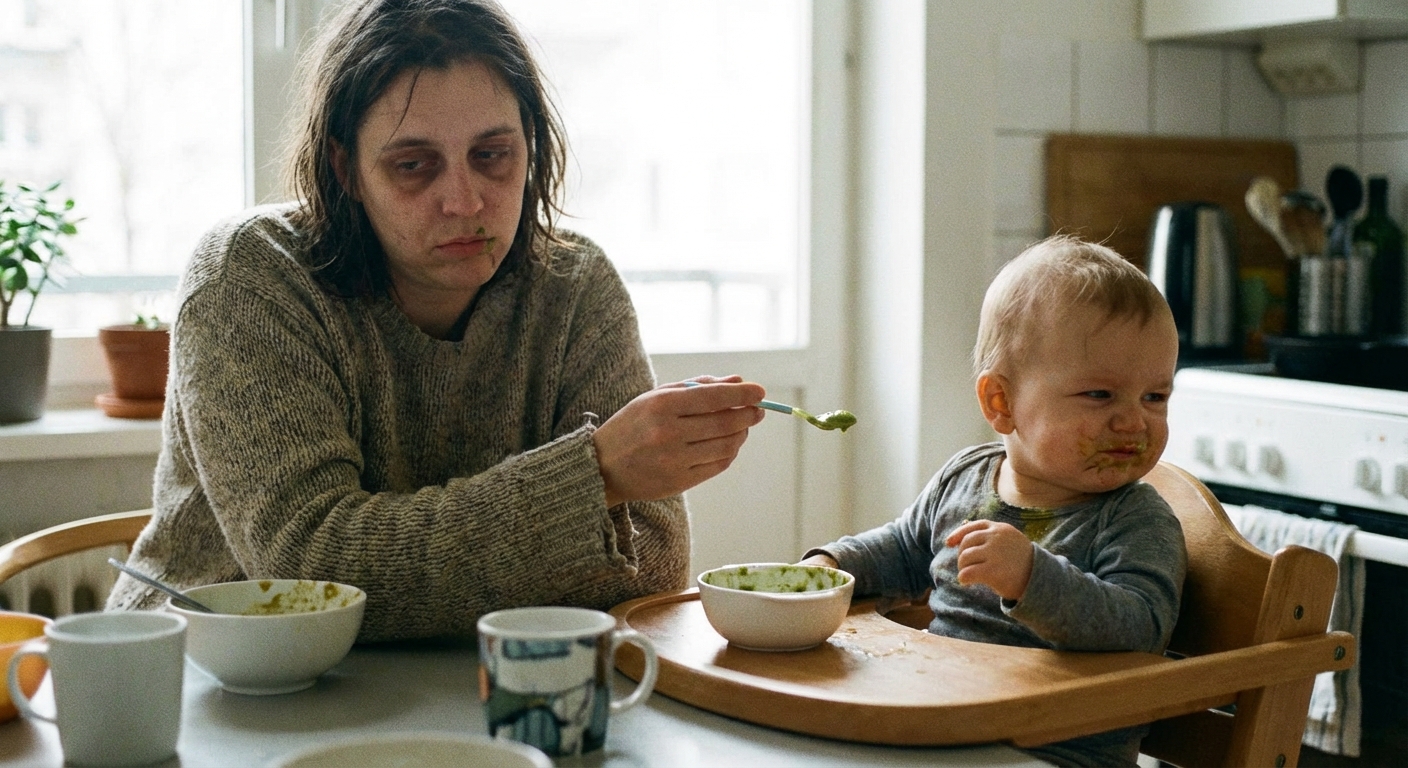
First: quick safety check
Before we troubleshoot, let’s make sure we are not missing something urgent.
Call your pediatrician today if:
- Your baby is under 6 months and refusing feeds (breastmilk or formula), or has a major drop in intake.
- There are signs of dehydration: significantly fewer wet diapers than usual (often fewer than 4 in 24 hours), very dark urine, dry mouth, no tears when crying, or unusual sleepiness. Call sooner for younger infants or if you are unsure.
- Your baby is vomiting repeatedly, has blood in vomit or stool, or severe diarrhea.
- Your baby seems to have pain with swallowing, is drooling more than usual with distress, or refuses both solids and liquids.
- You suspect a food allergy: hives, swelling of lips or face, repeated vomiting, wheezing, or trouble breathing after eating (call emergency services for breathing symptoms).
- Your baby is not gaining weight well, or you are seeing weight loss.
If none of these apply and your baby is still taking breastmilk or formula reasonably well, you can usually manage a solids strike at home with a few smart adjustments.
Why babies refuse solids
In clinic, the cause is usually one of these. Sometimes it is two things at once, because babies are impressive multitaskers.
1) Teething or sore gums
Teething can make chewing feel annoying, even if your baby used to love food. Some babies prefer cooler foods, softer textures, or a break from chunky options for a few days.
2) Illness, congestion, or an ear infection
If your baby has a cold, they may not be able to smell food, and smell is a big part of taste. Ear infections can also make chewing and swallowing uncomfortable. A baby who refuses solids and is suddenly cranky at meals, especially if they also tug at their ears or wake more at night, is worth a check.
3) Mouth pain (sores, thrush, hand-foot-and-mouth)
Sometimes it is not about the food at all. Mouth sores, oral thrush, or the tender throat that can come with viral illness can make eating feel stingy or scary. If you notice white patches in the mouth, bad breath, new rash on hands or feet, or a sudden refusal with fever, call your pediatrician.
4) Constipation or reflux discomfort
Hard stools, straining, or less frequent poops can make babies avoid eating because it feels uncomfortable afterward. Reflux can also flare during illness or growth spurts.
5) Developmental leaps and distraction
New skills like crawling, pulling to stand, cruising, or walking can temporarily reduce appetite for solids. Babies often get too busy to sit still, and meals become a nuisance interrupting their important work of climbing your furniture.
6) A texture jump happened too fast
Moving from smooth purées to lumpy purées, or from soft finger foods to more challenging textures, can trigger a refusal. Gagging is normal while learning, but if a baby gags repeatedly or seems startled, they may start avoiding that texture.
7) Timing is off
Solids tend to go best when baby is not exhausted and not starving. If they are too hungry, they may demand milk immediately and refuse to wait. If they are too full from milk, solids are a hard sell.
8) Too much pressure (even loving pressure)
This is the sneaky one. If every bite becomes a negotiation, babies often push back. It is not manipulation. It is a normal autonomy stage.
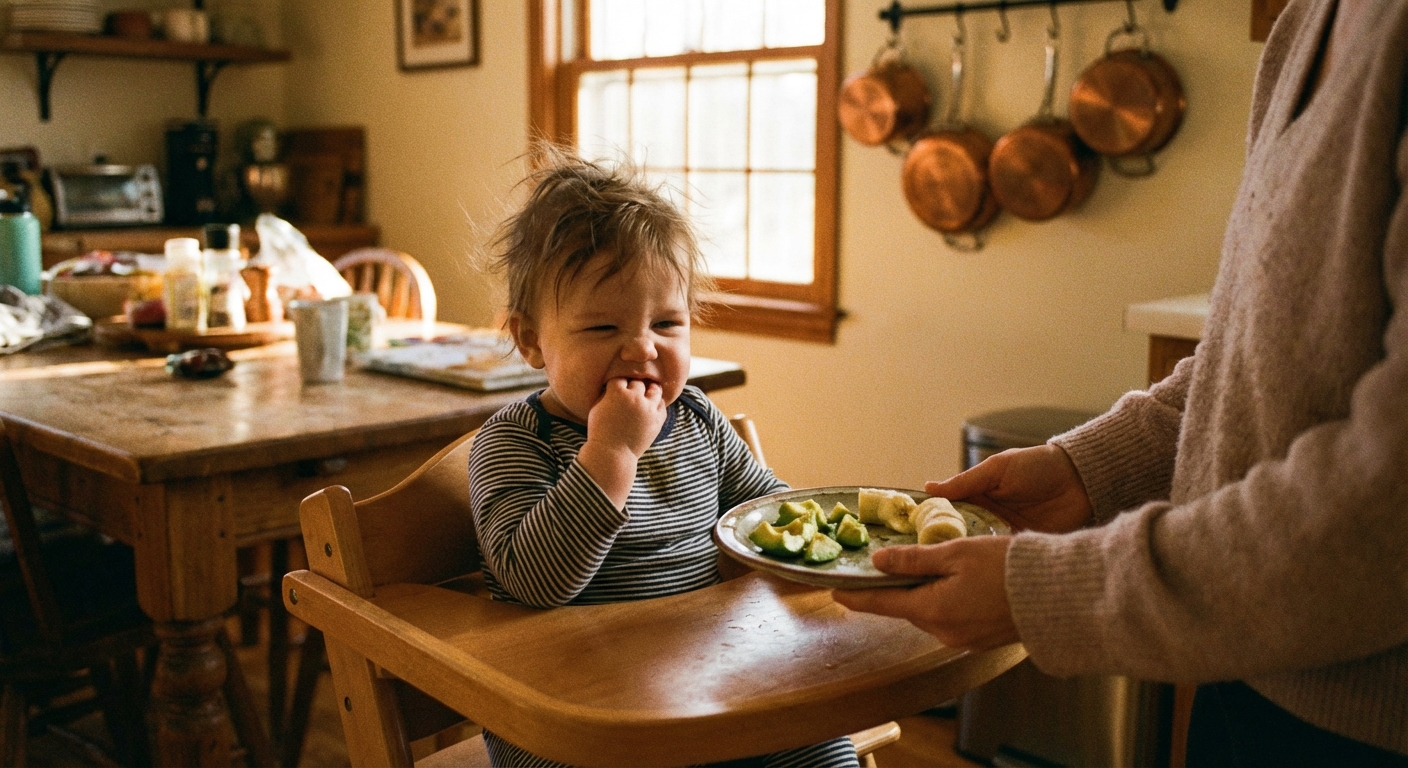
What to do now
If you are overwhelmed, start here. These steps help in most non-urgent solids strikes.
Step 1: Protect milk intake
For babies under 12 months, breastmilk or formula remains the main source of nutrition, even as solids gradually increase (especially from 9 to 12 months). If solids drop for a week but milk stays steady, that is usually okay. Your goal is hydration, comfort, and keeping meals positive.
- Under 9 months: prioritize milk feeds, offer solids once or twice daily with zero pressure.
- 9 to 12 months: keep regular milk feeds and offer solids 2 to 3 times daily, but do not turn it into a battle.
Step 2: Use a simple schedule
A predictable rhythm helps appetite. Aim for meals when baby is calm and alert.
- Many babies do well when you offer solids about 30 to 60 minutes after a milk feed.
- If your older baby (closer to 12 months) is filling up on milk and skipping solids, you can trial solids first at one meal and see what happens.
- Keep meals to 15 to 20 minutes. End it before it turns sour.
- Try to eat together. Babies learn by watching you.
Step 3: Set up the seat
Good positioning can reduce gagging and frustration.
- Upright high chair, hips and knees bent.
- If possible, use foot support so your baby is not dangling. Stability matters.
Step 4: Go back one texture level
If the strike started after a texture change, temporarily return to what was working and rebuild slowly.
- If finger foods are being refused, offer thick purées and very soft mashed foods.
- If lumpy purées are being refused, smooth purées for a few days is fine.
- Then step forward again in tiny increments, like adding a little more texture every few days.
Step 5: Use one safe food
At each meal, include one food your baby usually accepts. This reduces anxiety and increases the odds they will start eating once they get going.
Examples: yogurt, oatmeal, mashed avocado, banana, scrambled egg, sweet potato, or a favorite purée.
Step 6: Make teething-friendly swaps
- Offer cool foods like chilled yogurt or applesauce (not frozen hard chunks).
- Choose soft foods: scrambled eggs, well-cooked pasta, mashed beans, ripe pear.
- Skip scratchy, spicy, or very acidic foods if gums seem tender.
Step 7: Take pressure off
This is the part that feels hardest at 6:00 pm when you are counting bites. But it matters.
- Offer the food, then let your baby lead.
- Avoid “one more bite” bargaining.
- Do not distract-feed with screens. It can backfire and makes it harder for babies to read hunger cues.
- Neutral language helps: “Food is here.” “You can eat if you want.”
Step 8: Let them explore
Messy play is not wasted time. Touching, squishing, and licking are normal steps toward eating, especially after a refusal phase.
Step 9: Offer small portions
Big servings can feel overwhelming. Start with a tablespoon or two. You can always add more.
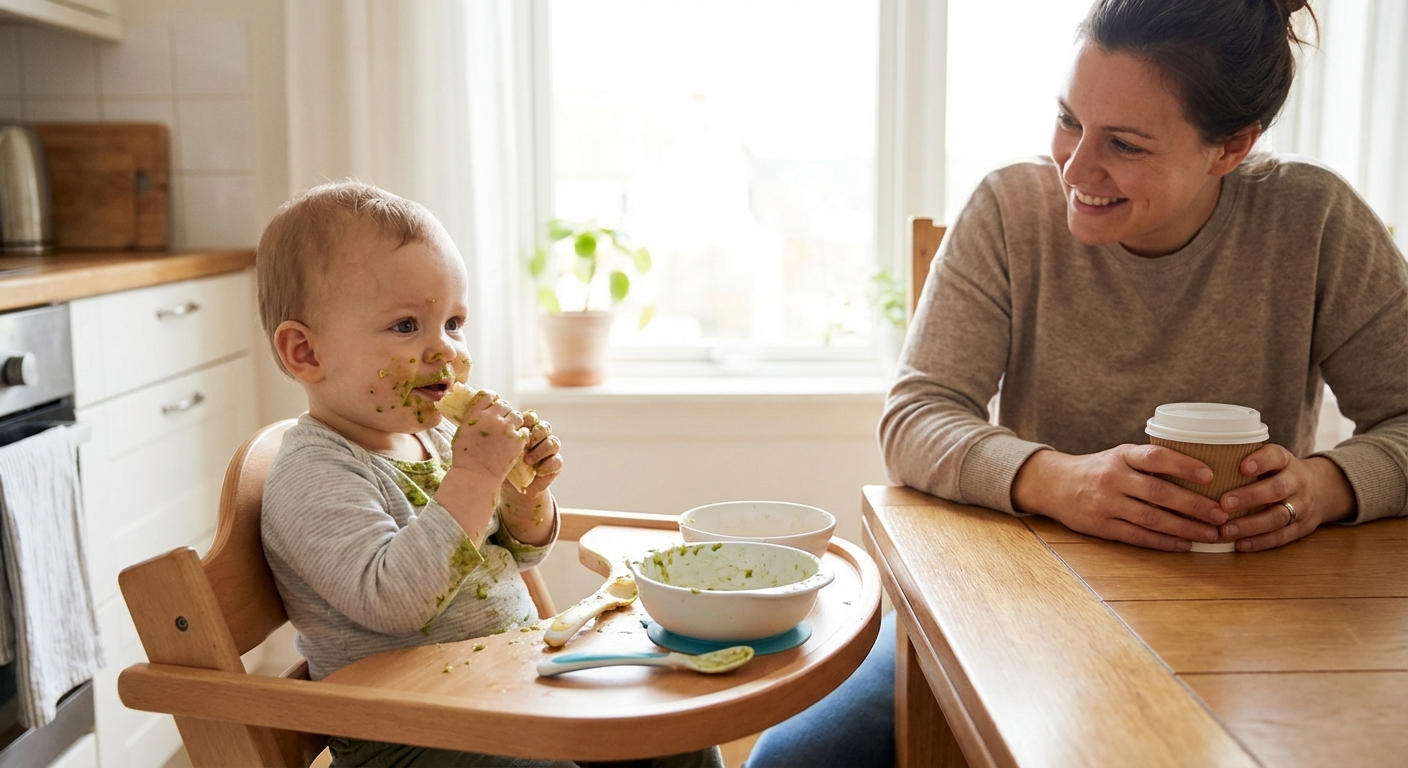
Gagging vs choking
Because gagging comes up a lot in this stage, here is the quick, calming distinction:
- Gagging is loud and protective. Babies may cough, sputter, or push food forward with their tongue. They are usually breathing.
- Choking is an emergency. It can be quiet. Baby may be unable to cough or cry, struggle to breathe, or turn blue.
If you think your baby is choking, call emergency services and start infant choking first aid. If you have not taken an infant CPR class yet, this phase is a great time to do it.
What not to do
- Do not force-feed. It increases refusal and can create long-term stress around eating.
- Do not abruptly cut milk feeds to “make them hungry.” Especially under 12 months, this can impact hydration and growth.
- Do not chase with the spoon around the room. It turns eating into a game of escape.
- Do not panic-switch to only pouches for every meal. Pouches are fine sometimes, but relying on them exclusively can make texture progression harder later.
Phase or bigger issue?
Most solids strikes are short. Here is a practical way to gauge what you are seeing.
Usually a phase if:
- Your baby is still drinking breastmilk or formula well.
- Wet diapers are normal.
- Energy and mood are mostly normal outside of meals.
- They will eat a few preferred foods, even if variety is limited.
Get extra support if:
- The refusal lasts more than 2 weeks with minimal solids and no sign of improvement.
- Your baby frequently coughs, chokes, or gags severely with textures.
- Meals routinely cause distress, arching, or crying.
- You see poor weight gain or feeding feels like an all-day struggle.
Your pediatrician can check for medical causes like oral thrush, ear infection, reflux, constipation, anemia, or growth concerns. If needed, they may refer you to a feeding therapist or speech-language pathologist who specializes in infant feeding.
Troubleshooting by age
6 to 8 months
- Keep expectations tiny. Even a few licks counts.
- Try once daily when baby is rested.
- Focus on iron-rich options: puréed meat, lentils, iron-fortified cereal, beans.
9 to 12 months
- If you recently increased textures, step back and rebuild slowly.
- Offer soft finger foods alongside purées to support skills without pressure.
- Make sure constipation is not creeping in as solids increase.
12 months and up
- Appetite can drop naturally as growth rate slows. This is normal and startling.
- Offer balanced meals and snacks, but avoid grazing all day.
- Hold boundaries gently: you decide what is served and when, they decide what to eat.
- If your toddler is drinking a lot of milk and skipping meals, ask your pediatrician what daily milk amount makes sense for your child.
Easy foods to restart
These tend to be well tolerated during a restart because they are soft, familiar, and easy to portion.
- Plain whole milk yogurt (or unsweetened dairy-free yogurt if needed)
- Oatmeal made with breastmilk or formula
- Mashed avocado
- Scrambled eggs
- Mashed sweet potato
- Very soft ripe banana or pear
- Well-cooked pasta with a little olive oil
- Mashed beans or lentils
Milk note: Yogurt and cheese are generally fine before 12 months, but avoid cow’s milk as a main drink until 12+ months unless your pediatrician advises otherwise.
Safety note: Always prepare foods in an age-appropriate way to reduce choking risk. Avoid whole grapes, nuts, popcorn, hot dog rounds, hard chunks, whole cherry tomatoes, and thick globs of nut butter (use thin layers or mix into oatmeal or yogurt). If you are unsure about a specific food, ask your pediatrician for guidance.
A simple 7-day reset
If you love a plan, here is one I have used with families and, honestly, with my own kids.
Days 1 to 2: rebuild trust
- Offer 1 to 2 meals per day.
- Include one safe food every time.
- Stop after 15 to 20 minutes, even if they ate nothing.
Days 3 to 5: add variety
- Add one new food alongside the safe food.
- Keep texture easy.
- Let them self-feed as much as possible.
Days 6 to 7: move texture up
- Increase texture one notch, like thicker mash or softer finger foods.
- Continue family meals and calm endings.
Many babies start nibbling again somewhere in this window. If you see small progress, stay the course.
Frequently asked questions
Will my baby forget how to eat solids?
Usually, no. Skills can feel rusty after illness or teething, but they come back quickly once baby is comfortable and the vibe is no-battle.
Is it okay if my baby only wants fruit?
It happens. Use fruit as the safe food, then pair it with iron and protein options nearby. For example, yogurt plus berries, oatmeal plus banana, or mashed beans with a side of pear.
Should I offer solids before or after milk?
For most babies under 12 months, milk first or a short time before solids is a good starting point because it keeps them calm. If your older baby is filling up on milk and then skipping solids, your pediatrician may recommend adjusting the timing.
My baby throws food. Is that refusal?
Sometimes it is refusal, sometimes it is science. If it is constant, keep portions tiny, offer an “all done” bowl, and end the meal when throwing starts. Try again later without a lecture.
The bottom line
A sudden solids strike is usually your baby communicating, “Something feels off,” not “I will never eat again.” Focus on comfort, routine, safe textures, and neutral exposure. Watch hydration and growth, and call your pediatrician if you see red flags or the refusal lingers.
If you are reading this at an odd hour with a cold cup of coffee, I see you. Feeding phases feel personal, but they rarely are. You are not failing. You are parenting a tiny human with strong opinions and sensitive gums.