Pertussis can be life-threatening for infants. Learn the stages, what the “whoop” can look like in babies, how DTaP protects, and when breathing trouble ...
Whooping Cough in Toddlers and Young Kids

Sarah Mitchell
Sarah Mitchell is a Registered Pediatric Nurse and a mother of three who has spent over a decade helping families navigate the beautiful, chaotic early years of childhood. She combines evidence-based medical knowledge with real-world parenting experience to offer practical, compassionate advice. At Awesome Parent, Sarah's mission is to help exhausted parents find solutions, trust their instincts, and finally get some sleep.
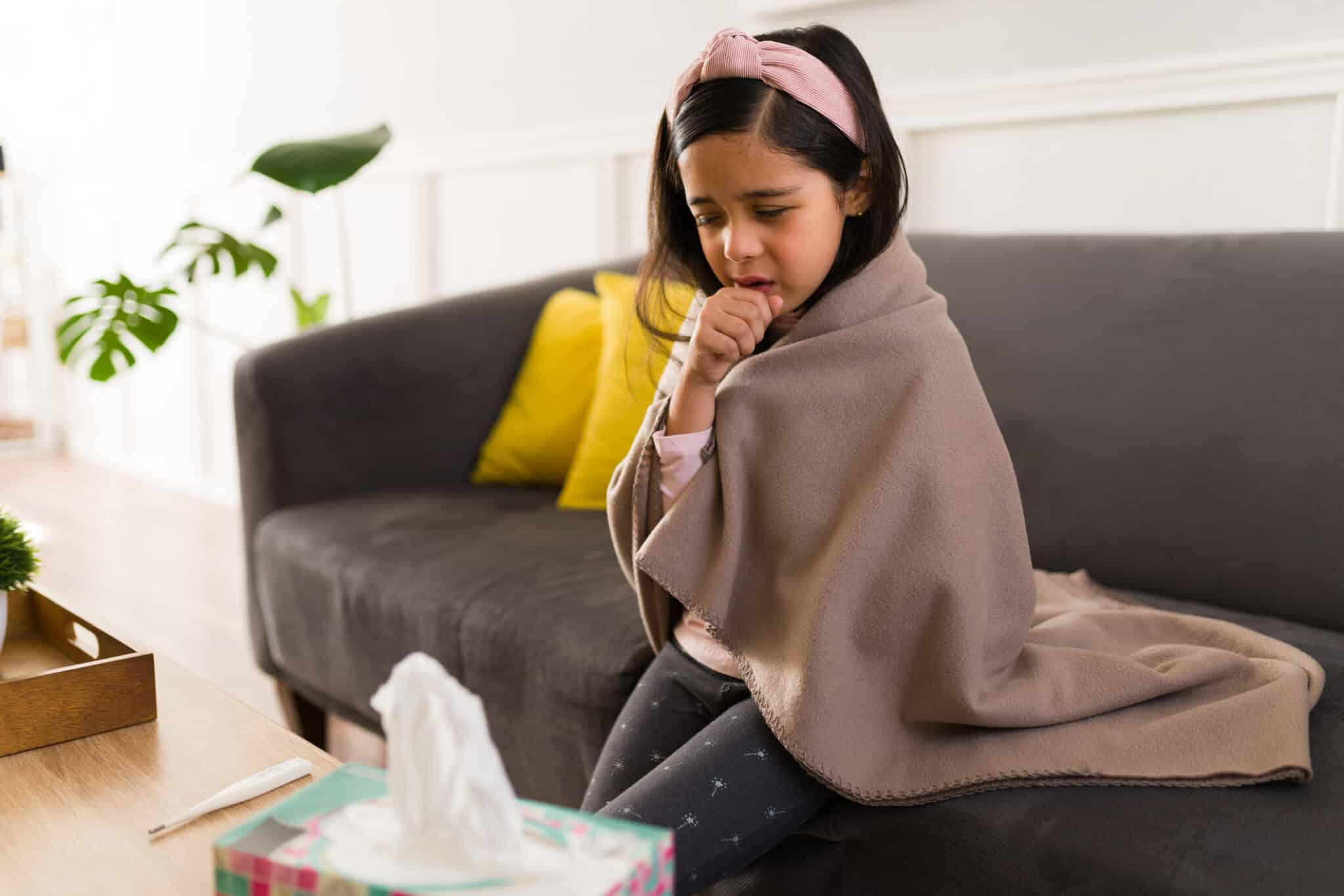
If your toddler has had that cough for weeks, you are not imagining it. Whooping cough (also called pertussis) still shows up in vaccinated kids, and in toddlers and preschoolers it can look a lot less like the classic “whoop” you picture from old movies and a lot more like an annoying cold that just will not quit.
As a pediatric nurse, I used to see families come in exhausted and worried because their child was coughing until they gagged or threw up, usually at night, and nothing seemed to touch it. The goal here is to help you recognize the pattern, understand what testing and treatment actually do, and know exactly when this is “call the doctor” versus “go now.”
What it looks like in vaccinated toddlers
Pertussis is a bacterial infection that irritates the airways and triggers powerful coughing fits. The DTaP vaccine protects really well against severe disease and hospitalization, but immunity can fade over time. That means vaccinated kids can still get pertussis. Their symptoms can be milder, less classic, and easier to mistake for other common respiratory viruses.
In toddlers and preschoolers, the “headline” symptoms are often:
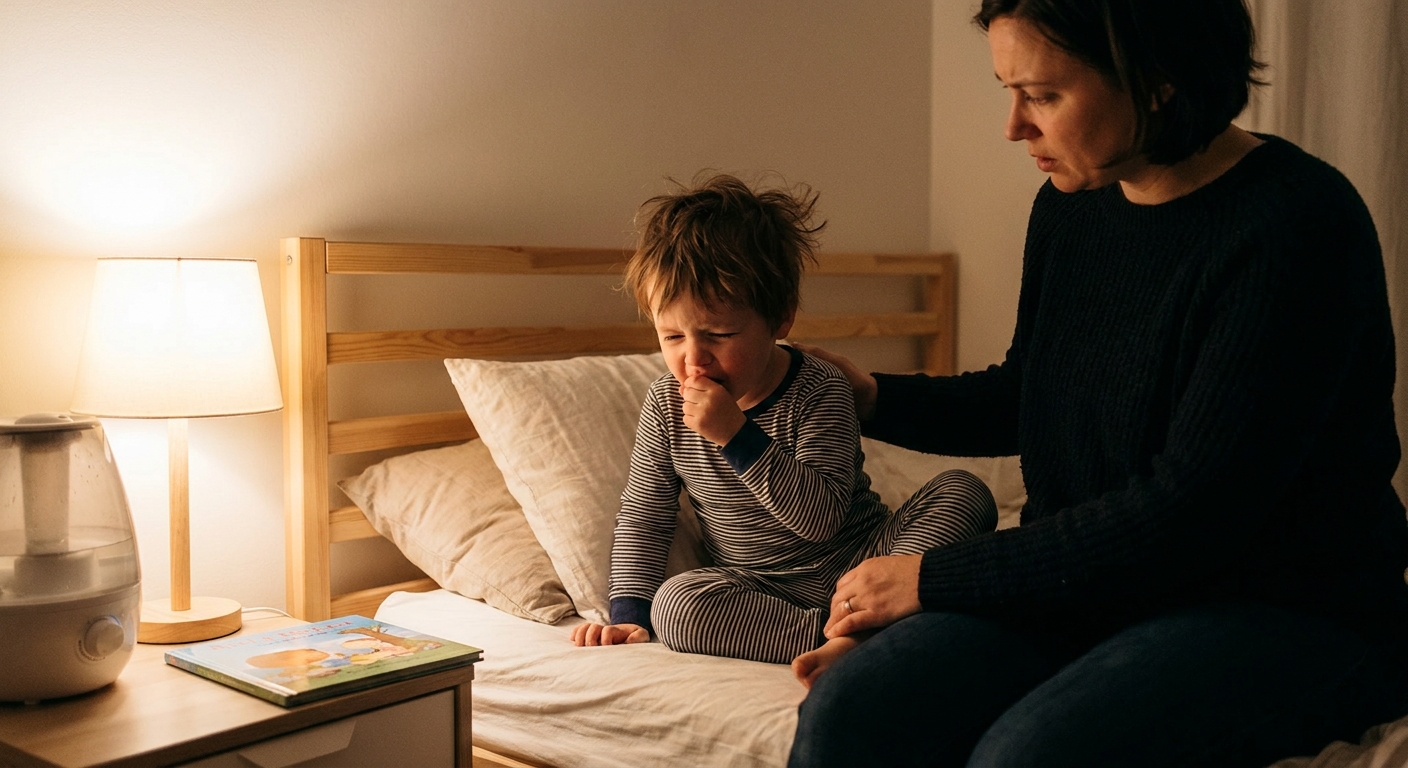
- Coughing fits (paroxysms) that come in waves and are hard to stop once they start
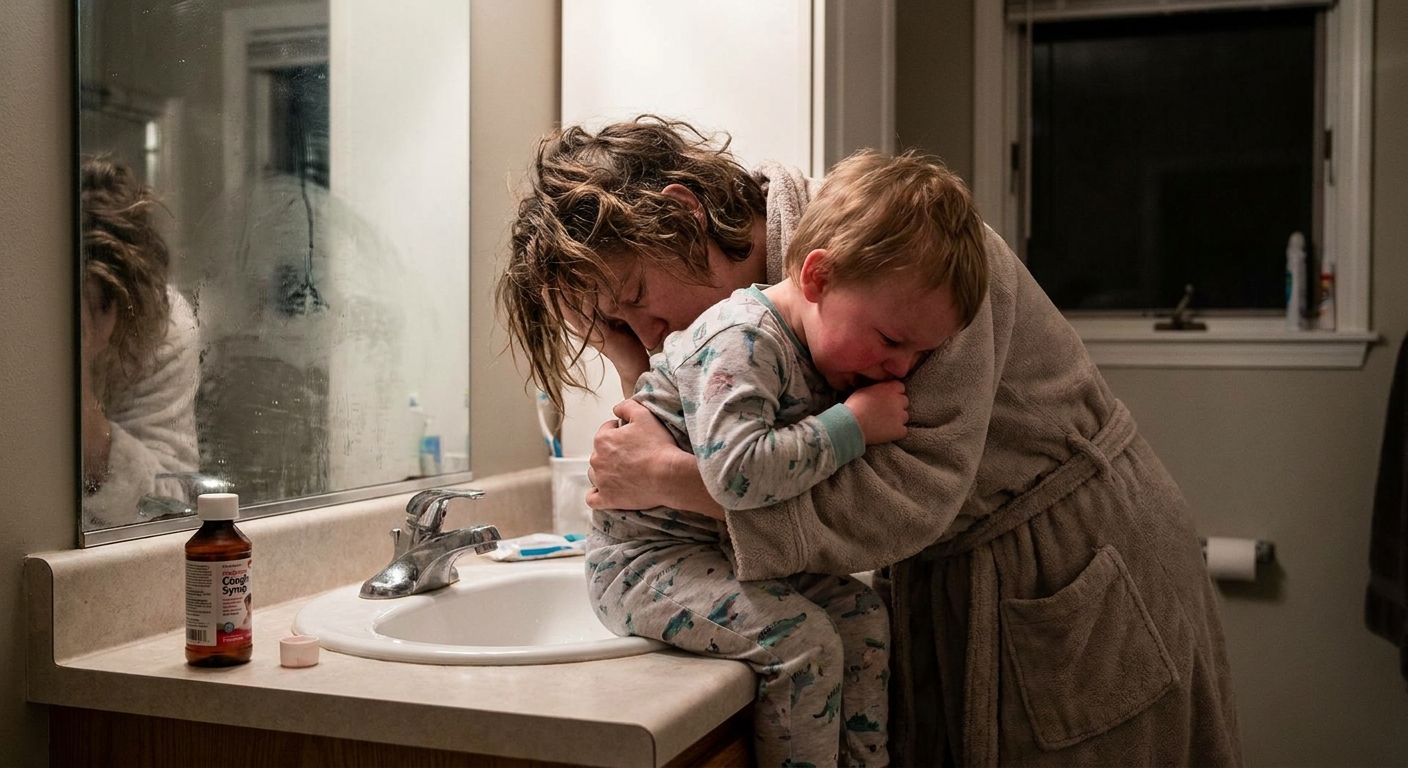
- Gagging or vomiting after coughing (post-tussive vomiting)
- A cough that lasts, often 2 weeks or longer
- Little or no fever (fever can happen, but it is not always there)
- Worse at night or with running, laughing, crying, or cold air
Some kids do make a “whoop” sound when they finally inhale after a coughing fit, but many vaccinated children never whoop at all. The absence of a whoop does not rule it out.
The 3 stages (simple version)
Pertussis tends to follow a predictable course, even though vaccinated children may have a softer version of it.
Stage 1: Early “cold” phase
Lasts about 1 to 2 weeks. This is the sneaky part. Symptoms can include runny nose, mild cough, watery eyes, and minimal fever. Many families assume it is a regular cold.
Stage 2: Coughing fits phase
Often lasts 2 to 6 weeks, sometimes longer. This is when coughing becomes intense and repetitive. Watch for:
- Coughing spells where your child cannot seem to catch their breath
- Facial redness or watery eyes during fits
- Vomiting or gagging at the end of a coughing spell
- Exhaustion after episodes, then acting fairly normal in between
This “fine in between” piece is a big clue. Kids can look surprisingly okay after they recover from a fit, which can make it even more confusing.
Stage 3: Slow recovery phase
The cough gradually improves over weeks. Many parents hear “100-day cough” and panic. It does not mean your child is in danger for 100 days, but it can mean the airways stay extra sensitive. Coughing may last 6 to 10 weeks or longer, and it can flare with new colds for a while.
Why it matters if you have a baby
Toddlers and preschoolers are often the ones who bring pertussis into the house, because they mingle at daycare or preschool and their symptoms can look “not that serious” early on.
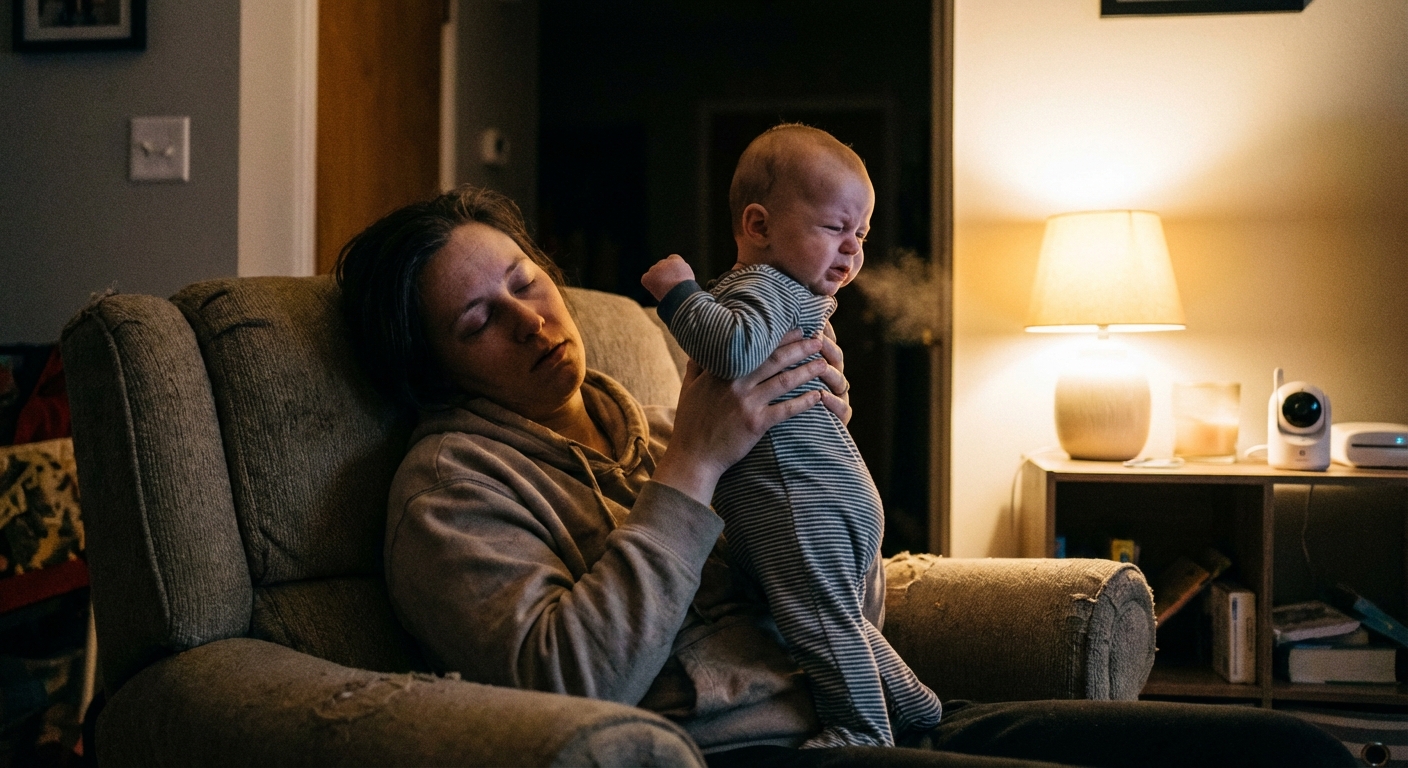
For young infants, pertussis can be dangerous. Babies may not have big coughing fits. Instead, they can have:
- Apnea (pauses in breathing)
- Color change (pale, gray, or bluish lips or face)
- Poor feeding, exhaustion, or choking episodes
If your older child has a prolonged cough and you have a baby sibling at home, call your pediatrician early. Infants under 12 months (especially under 6 months) deserve a lower threshold for urgent evaluation.
In many cases, doctors treat or prevent pertussis in close contacts to protect the baby.
Pertussis vs. other coughs
Parents get stuck here because coughs all sound dramatic at 2 AM. These patterns can help.
Pertussis vs. a common cold
- Pertussis: cough lasts 2+ weeks, fits are intense, often gagging or vomiting, often minimal fever
- Cold: cough typically improves within 7 to 10 days, congestion is usually the main event, fevers (if present) are early and short
Pertussis vs. croup
Croup is a viral swelling around the voice box and windpipe. It often comes on suddenly at night.
- Croup: barky “seal-like” cough plus noisy breathing in (stridor), hoarse voice, often in younger toddlers, usually improves over a few days
- Pertussis: repeated coughing bursts, sometimes a whoop after the fit, vomiting after coughing, and it drags on for weeks
Pertussis vs. pneumonia
- Pneumonia: fever is more common, child often looks sicker overall, breathing may be fast or labored, may have chest pain, poor energy
- Pertussis: can look surprisingly well between coughing episodes, fever may be absent or mild
If you are not sure, that is normal. When in doubt, call your pediatrician, especially if the cough is severe, prolonged, or accompanied by breathing changes.

When to call the doctor
Call your child’s doctor within 24 hours if:
- Your child has coughing fits that are increasing in intensity or frequency
- There is vomiting after coughing
- The cough has lasted more than 2 weeks
- Your child has been exposed to a known pertussis case
- You have a baby, pregnant person, or immunocompromised family member at home (call sooner rather than later)
Helpful things to tell the nurse or clinician:
- How long the cough has lasted
- Whether there are fits, whoop, gagging, or vomiting
- Whether your child turns red, purple, or blue during episodes
- Any breathing pauses
- DTaP vaccine status, if you know it
- School or daycare exposure information
Testing: what to know
Pertussis testing is usually done with a nasopharyngeal swab or nasal sample. Depending on your clinic and timing, you may hear about:
- PCR testing: commonly used, can detect bacterial genetic material, most useful in the first about 3 weeks of cough
- Culture: takes longer, most useful very early (often within the first about 2 weeks) and before antibiotics
Timing matters. If your child is already several weeks into the cough, false negatives become more likely. Your clinician may still test, but they may also make a treatment decision based on symptoms and exposure risk.
If pertussis is suspected, your child’s doctor may recommend testing or preventive treatment for close contacts, especially in households with infants.
Antibiotics: what they do
Pertussis is treated with antibiotics, most commonly from the macrolide family (your clinician will choose what is appropriate for your child’s age and situation).
Here is the important, slightly frustrating truth:
- Antibiotics help stop the spread by reducing contagiousness.
- Antibiotics may not dramatically stop the cough if started later, because the cough is driven by airway irritation that can linger.
- They are most likely to reduce symptoms when started in the early “cold” phase or early in the coughing-fits phase.
That does not mean treatment is pointless. In families and classrooms, preventing spread is a big deal, especially to babies.
Always give antibiotics exactly as prescribed. Do not use leftover antibiotics or someone else’s prescription. Call your clinician if your child develops significant diarrhea, rash, or trouble tolerating the medication.
Staying home and returning
Pertussis spreads through respiratory droplets. If your child is suspected or confirmed to have pertussis, follow your clinician’s guidance and your school’s policies. In many cases:
- Children are considered contagious until they have had 5 full days of effective antibiotics.
- If a child does not take antibiotics, they can remain contagious for up to about 21 days after the cough starts.
Practically speaking, plan on keeping your child home and minimizing close contact with others, especially infants, until your pediatrician gives the all-clear.
One more practical point: pertussis is typically a reportable illness. You may hear from your school, daycare, or local public health team about exposure notifications and guidance for close contacts.
Go now: breathing and dehydration
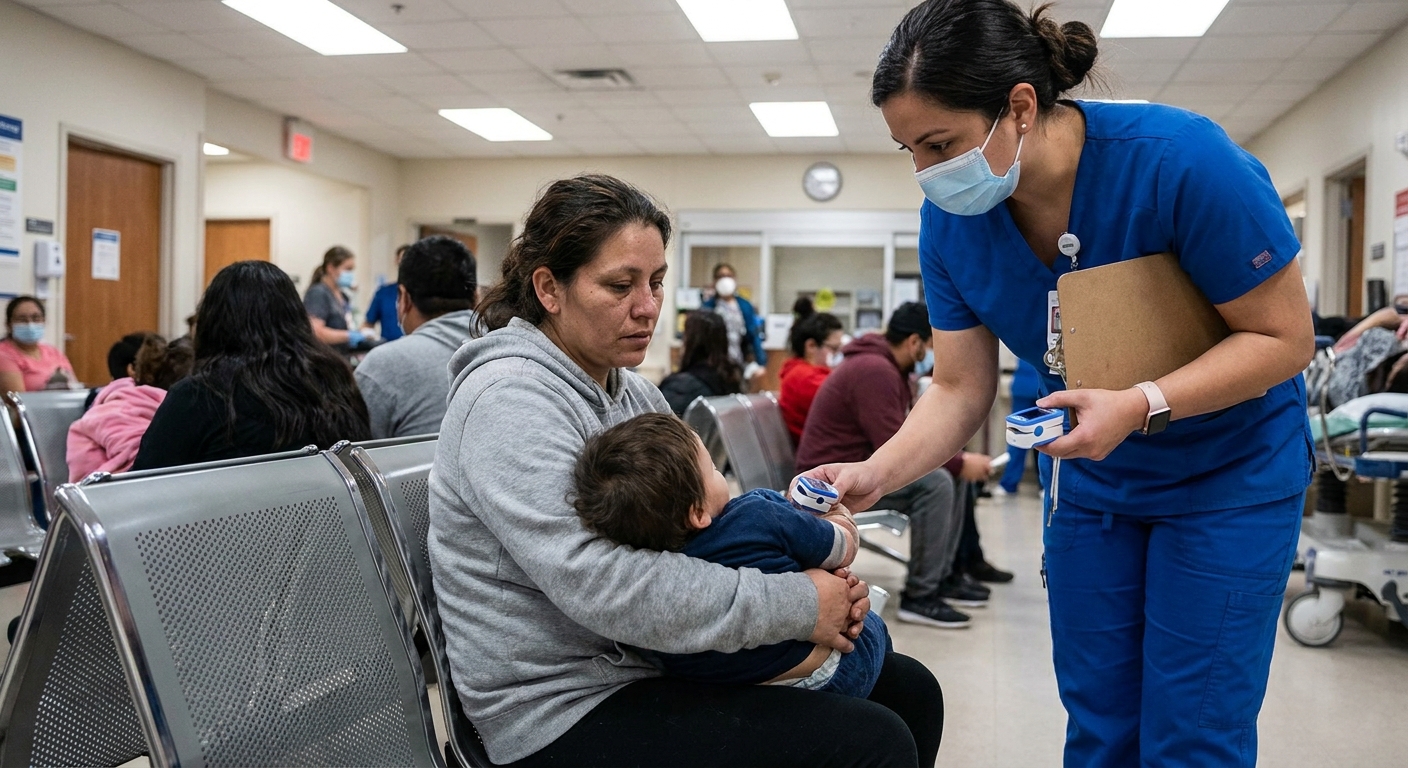
Most toddlers and preschoolers with pertussis can be managed with their pediatrician, but you should seek urgent care or emergency care if you see signs that breathing or hydration are slipping.
Call 911 or go to the ER immediately if your child:
- Has blue, gray, or very pale lips or face
- Has pauses in breathing or seems to stop breathing during a coughing spell
- Is struggling to breathe, breathing very fast, or using extra muscles to breathe (rib pulling in, belly heaving, nostrils flaring)
- Is unusually sleepy, hard to wake, or severely weak
- Cannot keep fluids down and shows signs of dehydration (very dry mouth, no tears, significantly fewer wet diapers or trips to the bathroom)
- Has a coughing spell followed by fainting or near-fainting
If you are seeing noisy breathing in (stridor) at rest, think croup or airway swelling and seek urgent guidance. If you are hearing wheezing, it can suggest asthma, bronchiolitis, or another lower-airway illness. Any time breathing looks wrong, it is worth being seen.
Comfort care at home
There is no perfect home fix for pertussis cough, but these can make nights less miserable:
- Offer frequent sips of fluid. After coughing and vomiting, small amounts more often work better.
- Use a cool-mist humidifier in the bedroom if the air is dry.
- Keep air irritants away (smoke, vaping aerosol, strong fragrances).
- Try calm, upright recovery after coughing fits. Many kids do better sitting up on a caregiver’s lap.
- Honey for kids over 1 year may soothe throat irritation. Do not give honey under 12 months.
A quick safety note: Over-the-counter cough and cold medicines are not recommended for young children in many cases and can cause side effects. If you are considering anything beyond honey, humidification, and fluids, check with your child’s clinician first.
Protecting your family
Even though vaccinated kids can still get pertussis, vaccination remains one of the best tools we have to reduce severe disease.
- Kids: follow the DTaP schedule your pediatrician recommends.
- Adults and caregivers: ask about the Tdap booster, especially if you are around infants.
- Pregnancy: Tdap during each pregnancy helps protect newborns early on.
If there is a confirmed case in your household, your pediatrician may recommend preventive antibiotics for close contacts depending on age and risk factors.
Common parent questions
Can my child have pertussis if they are vaccinated?
Yes. Vaccination makes severe disease less likely, but it does not guarantee your child will not get it, especially as time passes since the last dose.
Does throwing up after coughing mean it is whooping cough?
Not always, but it is a classic pertussis clue, especially when paired with coughing fits and a cough lasting more than 1 to 2 weeks.
If antibiotics will not stop the cough, why take them?
Because they help reduce contagiousness and protect others, especially babies. Starting antibiotics earlier can also reduce severity.
How long will my child be sick?
The worst coughing phase can last weeks. Many kids improve gradually, but the cough can linger for 6 to 10 weeks or longer, and it may flare with new colds for a while.
The bottom line
In toddlers and young kids, whooping cough often looks like a lingering cold that turns into intense coughing fits, sometimes with gagging or vomiting and little fever. Trust your pattern-recognition. If your child’s cough is lasting, escalating, or causing vomiting, or if there is a baby in the home, call your pediatrician and ask about pertussis testing and treatment.
And if breathing ever looks labored, your child changes color, or you see pauses in breathing, do not wait. Get urgent care right away.
Sarah Mitchell
Sarah Mitchell is a Registered Pediatric Nurse and a mother of three who has spent over a decade helping families navigate the beautiful, chaotic early years of childhood. She combines evidence-based medical knowledge with real-world parenting experience to offer practical, compassionate advice. At Awesome Parent, Sarah's mission is to help exhausted parents find solutions, trust their instincts, and finally get some sleep.