Your Baby’s First Fever

Sarah Mitchell
Sarah Mitchell is a Registered Pediatric Nurse and a mother of three who has spent over a decade helping families navigate the beautiful, chaotic early years of childhood. She combines evidence-based medical knowledge with real-world parenting experience to offer practical, compassionate advice. At Awesome Parent, Sarah's mission is to help exhausted parents find solutions, trust their instincts, and finally get some sleep.
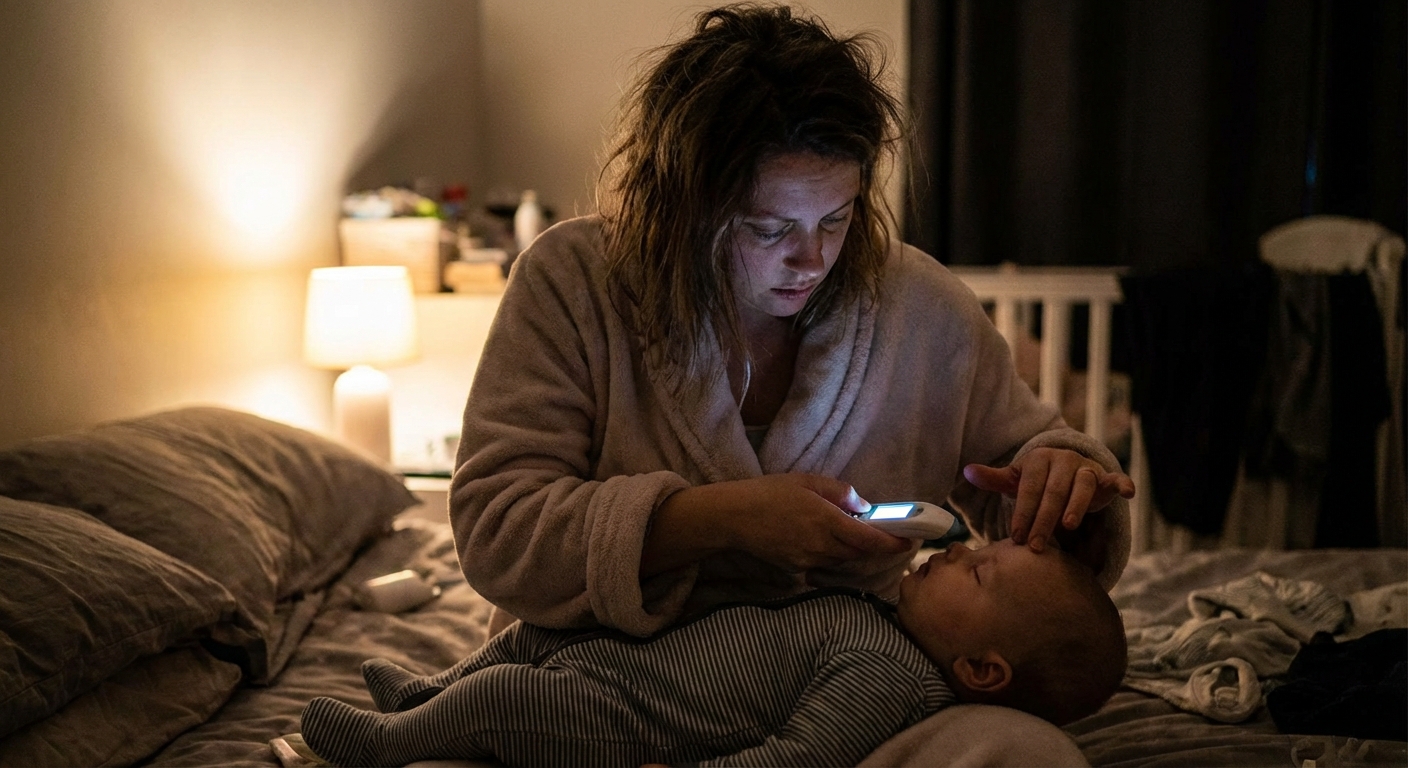
It is 2:47 AM. Your baby feels warm, your stomach drops, and suddenly every scary headline you have ever read shows up in your brain at once. Take a breath. Fever is one of the most common reasons parents call pediatric offices, and most of the time it is your child’s immune system doing exactly what it is designed to do.
Quick note: This guide is general education, not a substitute for medical care. If you are worried or your gut says something is off, call your clinician.
I am Sarah, a pediatric nurse and a mom of three. I have taken more middle-of-the-night temperatures than I can count, both in clinic triage and in my own kitchen under the glow of the stove light. Let’s walk through what to do tonight, step by step, so you can feel steady and confident.
What counts as a fever?
For most babies and kids, a fever is defined as:
- 100.4°F (38.0°C) or higher when taken rectally
Other methods can read higher or lower, and in young babies they can be less reliable. If you have an armpit, ear, or forehead reading that worries you (or your baby looks unwell), it is worth confirming with a rectal temperature, especially under 3 months.
One quick reality check
Fever is not automatically dangerous. The number is one piece of information. A child with a lower fever who is very lethargic worries me more than a child with a higher fever who is still making eye contact and drinking.
How to take your baby’s temperature
If you are going to make decisions at 3 AM, you deserve good data.
Best method by age
- Birth to 3 months: Rectal is the most accurate and the one most clinicians rely on to confirm fever.
- 3 months to 4 years: Rectal is still the most accurate. A good armpit (axillary) temp can be a screening tool, and temporal (forehead) can be helpful with a quality device, but confirm with rectal if the number is close, your child looks unwell, or you are unsure.
- 4 years and up: Oral can be accurate if your child can cooperate. Temporal can also work well when used correctly.
Ear (tympanic) thermometers: These are often unreliable in babies under 6 months (and can be hit-or-miss in younger toddlers) because getting a good seal and angle is tricky. If the reading does not match how your child looks, recheck with a more reliable method.
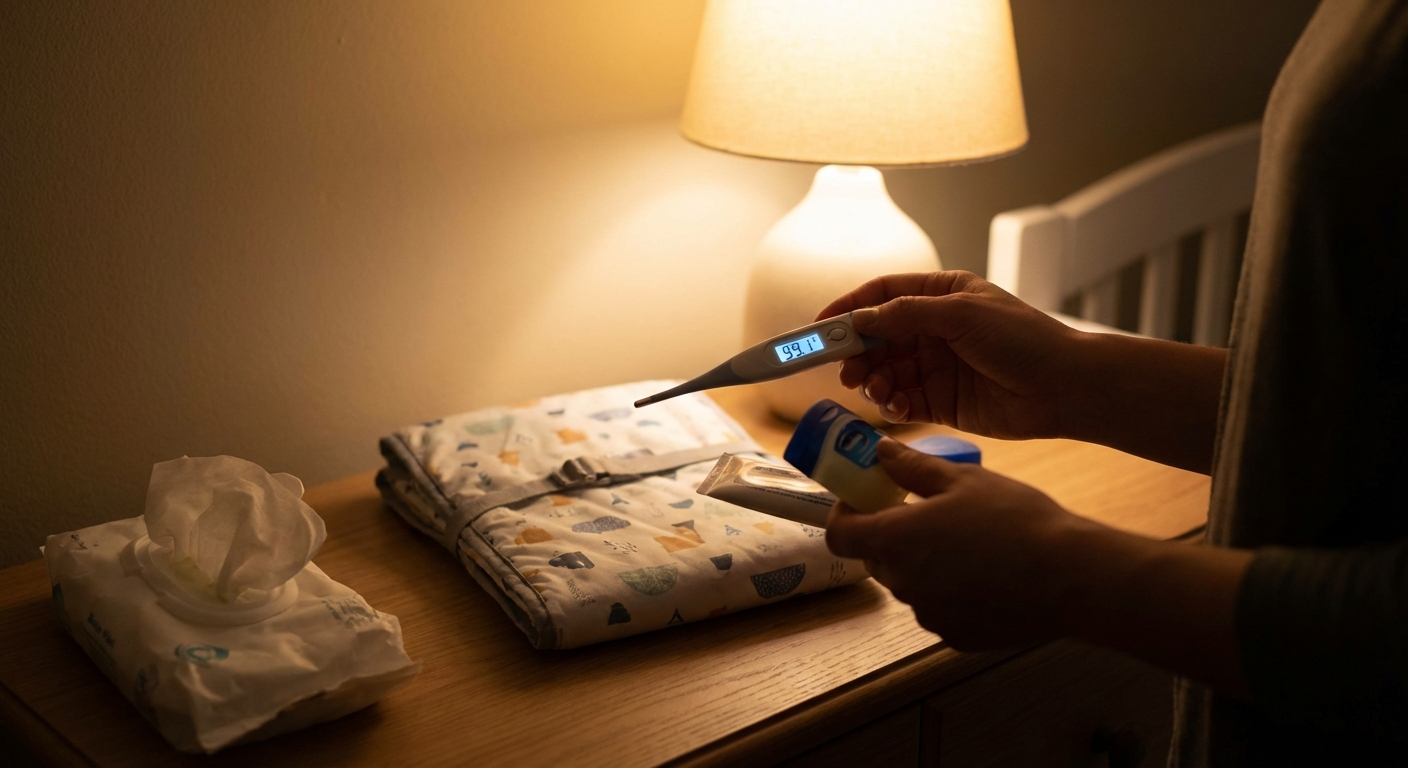
How to take a rectal temperature safely
I know. Nobody dreams of doing this. But it is quick, safe when done correctly, and gives the clearest answer.
- Use a digital thermometer that is used only for rectal temps. If possible, choose one with a wide base/guard and label it.
- Apply a tiny amount of petroleum jelly to the tip.
- Lay baby on their back with legs lifted (like a diaper change) or on their tummy across your lap.
- Insert only the tip/sensor end, gently. For infants, think about 1/2 inch. For older babies and toddlers, you may go a bit further, but do not force it. Stop if you meet resistance.
- Hold it steady and wait for the beep, then remove and read.
- Clean the thermometer with soap and water or alcohol per manufacturer instructions and store it separately.
What to do right now
Here is what I recommend in triage, and what I do at home.
Step 1: Look at your baby
Ask yourself:
- Are they breathing comfortably?
- Are they waking enough to feed?
- Are they making wet diapers?
- Is their skin color normal for them (not blue, gray, or very pale)?
Step 2: Offer fluids
- Under 6 months: breast milk or formula only (unless your clinician has told you otherwise).
- 6 months and up: breast milk, formula, and small sips of water if your pediatrician says it is appropriate for your child’s age and situation.
Fever increases fluid needs. Dehydration is often what makes kids feel truly lousy.
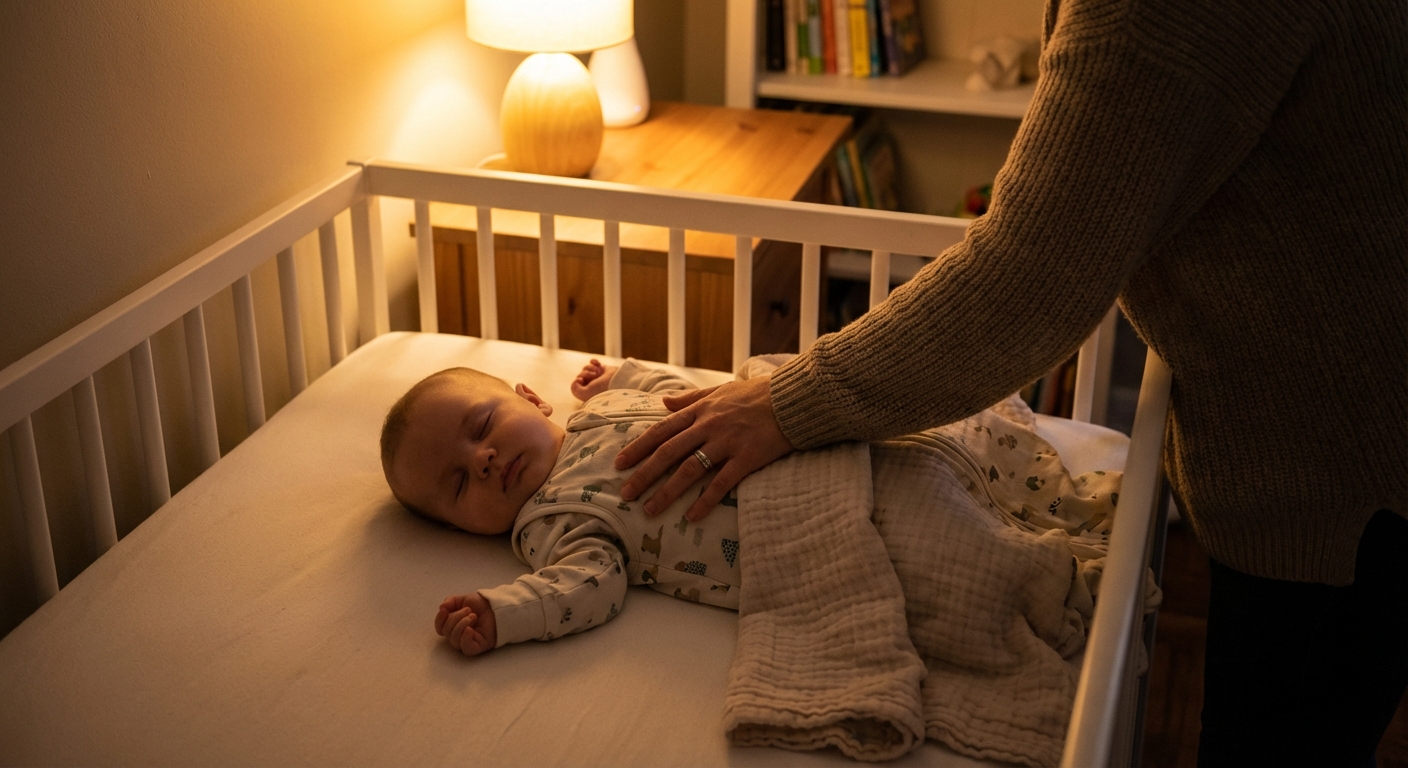
Step 3: Dress them comfortably
Think “light and breathable.” Over-bundling can trap heat and make your baby more uncomfortable.
- Use one light layer (like a cotton sleeper).
- Keep the room comfortably cool.
- Use blankets only if your baby is old enough for safe sleep practices in your home and country. When in doubt, follow your pediatrician’s safe sleep guidance.
Step 4: Decide if you should treat it
You do not have to treat every fever. Treat discomfort.
Consider fever medicine if your baby seems miserable, is not feeding well, or cannot settle. If they have a fever but are still smiling at you between naps, you can often skip medication and focus on hydration and rest.
Fever meds: safe options
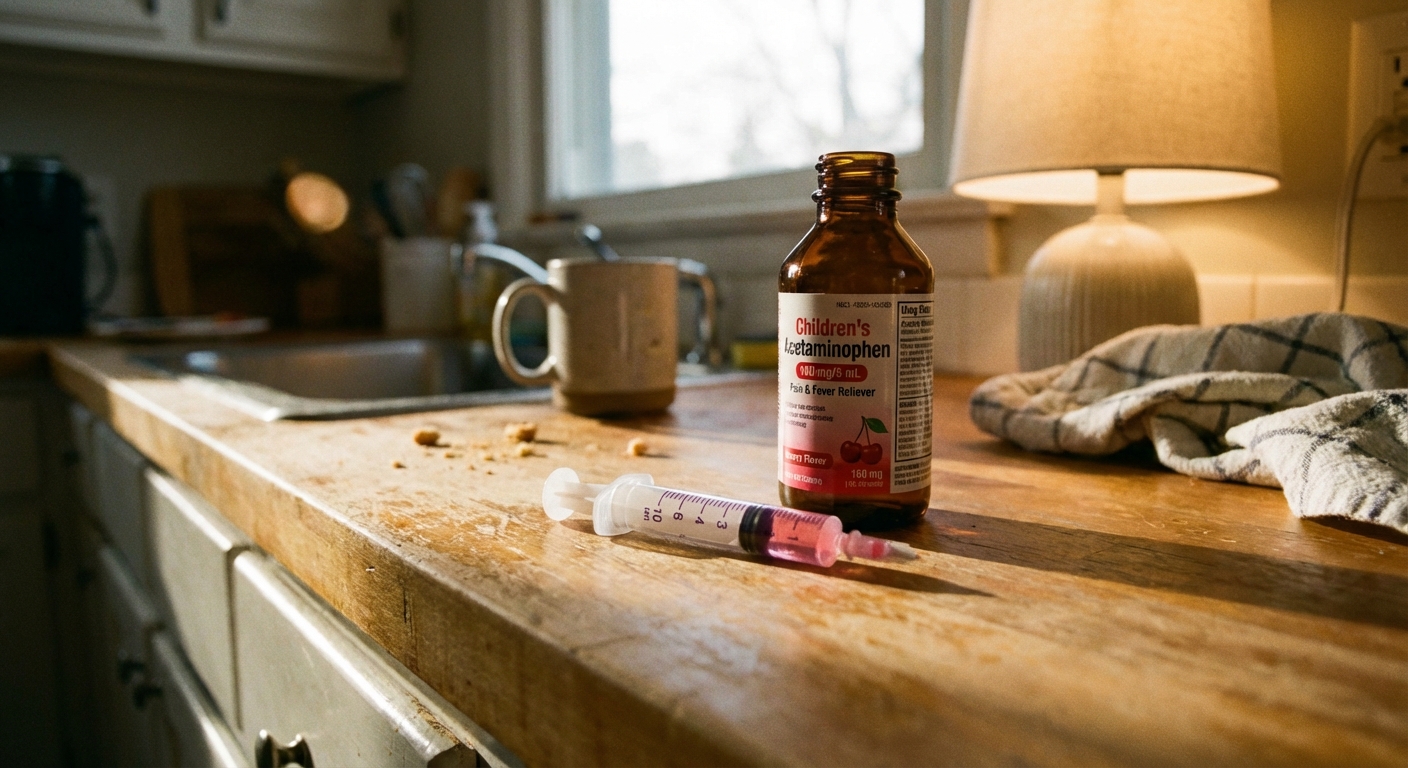
These are the two main options families use. Always follow your pediatrician’s advice, and use the dosing tool that comes with the medicine.
Acetaminophen (Tylenol)
- Often used for babies and children.
- Dosing is based on weight, not age.
- Use the infant or children’s formulation you have and measure carefully.
Ibuprofen (Motrin, Advil)
- Generally for babies 6 months and older (unless your clinician specifically instructs otherwise).
- Dosing is also based on weight.
- Avoid if your child is dehydrated, vomiting repeatedly, or has kidney issues unless you have been told it is okay.
About alternating meds
Many parents ask about alternating acetaminophen and ibuprofen. It can get confusing fast, especially overnight. Unless your pediatrician specifically tells you to alternate (and gives you a clear schedule), it is usually safest to use one medication, dosed correctly by weight, and focus on fluids and comfort.
What not to do
- No aspirin in children or teens because of the risk of Reye syndrome.
- No alcohol rubs. They can be absorbed through the skin and are unsafe.
- Skip ice baths or very cold baths. Shivering can raise internal temperature and makes kids miserable.
- Lukewarm bath? Sometimes it helps after medicine has kicked in, but do not force it. If your baby hates it, stop. Comfort matters.
Call the doctor or go now?
This is the part parents want in plain language. Here it is.
Call your doctor right away if:
- Your baby is under 3 months and has a rectal temp of 100.4°F (38.0°C) or higher.
- Your baby is 3 to 6 months and has a fever plus looks unwell, is difficult to wake, or is not feeding.
- Fever lasts more than 48 hours in a child under 2 years, or more than 72 hours in older kids, or it is improving and then returns.
- Your child has a known medical condition that affects immunity, or is on immune-suppressing medication.
- You suspect an ear infection, urinary infection, or your child has pain that is not settling.
- Your baby had recent immunizations and you are not sure whether the fever you are seeing is expected for your child’s age and situation. (Post-vaccine fevers are common, but young infants still need careful guidance.)
Get urgent or emergency care now if you notice:
- Breathing trouble: working hard to breathe, ribs pulling in, grunting, pauses in breathing, or lips/face turning bluish.
- Dehydration: far fewer wet diapers than usual (for many babies, no wet diaper for about 8 hours is concerning), dry mouth, no tears when crying, or a sunken soft spot in a young baby.
- Extreme sleepiness or inability to wake and keep awake.
- Seizure (including a febrile seizure). If it is a first seizure or lasts more than 5 minutes, call emergency services.
- Stiff neck, severe headache, or a child who cannot tolerate light (in an age-appropriate way).
- A purple or non-blanching rash (spots that do not fade when you press them).
- Fever with a new widespread rash plus a very ill-looking child.
- Any gut feeling that something is truly off. Parents are often right.
Note: Fever numbers alone are not the only trigger for urgent care. A high fever with a child who is alert and drinking can sometimes be watched at home. A lower fever with a child who is limp and not feeding needs help. Trust what you are seeing.
Comfort tips for tonight
Once you have checked the temperature and made the safety call, focus on comfort.
- Keep feeds frequent, even if they are smaller. For some babies, “snacking” works better when they feel crummy.
- Use skin-to-skin if your baby finds it soothing. While you are awake and holding them, a cuddle will not “overheat” them if they are lightly dressed. Skip hats indoors and heavy blankets, and follow safe sleep guidance when you put them down.
- Clear a stuffy nose if congestion is part of the illness. Saline drops and gentle suction can help feeding and sleep.
- Prioritize sleep. Rest supports recovery.
- Track key info: time, temp, method, meds given, and how baby is acting. This is gold if you need to call triage.
Common fever questions
Is a fever dangerous for the brain?
Fevers from common infections are generally not dangerous by themselves. The body is raising temperature as part of an immune response. What we watch for is the cause of the fever and how the child looks.
What about teething?
Teething can cause fussiness, drooling, and maybe a slightly elevated temperature, but a true fever (especially 100.4°F or higher rectally) is more likely from a virus or another illness. If your baby has a real fever, do not assume it is “just teeth.”
My baby feels hot, but the thermometer is normal. Now what?
Warm hands, a flushed face, or a hot head can happen after crying, being bundled, or sleeping close to you. If your baby seems off, recheck in 20 to 30 minutes when they are calm and lightly dressed.
Is it fever or overheating?
If your baby was in a hot car, near a heater, over-bundled, or in a very warm room, remove extra layers, move to a cooler space, and offer fluids. Recheck the temperature once they have cooled down and settled. If they still have a fever or seem unwell, treat it like an illness and call your clinician.
Should I wake my baby to give fever medicine?
Usually, no. If your baby is sleeping comfortably, sleep is healing. The exception is if your clinician has instructed scheduled dosing for a specific reason.
Your fever kit
- A reliable digital thermometer (and extra batteries if needed)
- Petroleum jelly (for rectal temps)
- Acetaminophen (and ibuprofen if age-appropriate)
- A dosing syringe that matches the bottle
- Saline drops and a nasal suction tool
- A simple note on your phone with your child’s current weight and your pediatrician’s after-hours number
- A way to label and store your rectal thermometer separately
A final word
If you are up reading this, you are already doing the most important thing: paying attention. Most first fevers are scary, not serious. Get an accurate temperature, treat discomfort, push fluids, and watch your baby’s overall behavior.
And if your parent radar is screaming that something is not right, you do not need to “earn” a call to the doctor. That is what we are here for.
Quick recap: Under 3 months with a rectal temp of 100.4°F or higher? Call right away. Any breathing trouble, dehydration signs, seizure, purple rash, or extreme sleepiness? Get urgent help. Otherwise, focus on comfort and hydration, and keep notes.