Night waking and nap refusal at 15 months often come from a language burst, teething, and boundary testing. Get realistic routines, scripts, and schedule twe...
14-Month Sleep Regression: Walking and Nap Refusal

Sarah Mitchell
Sarah Mitchell is a Registered Pediatric Nurse and a mother of three who has spent over a decade helping families navigate the beautiful, chaotic early years of childhood. She combines evidence-based medical knowledge with real-world parenting experience to offer practical, compassionate advice. At Awesome Parent, Sarah's mission is to help exhausted parents find solutions, trust their instincts, and finally get some sleep.
If your 14-month-old has started treating bedtime like a stage and naps like a personal insult, you are not alone. Around this age, sleep often gets wobbly for a few very normal reasons: brand-new walking skills, a surge in separation anxiety, and the first real pressure to move from two naps toward one.
As a pediatric nurse and a mom of three, I will say the quiet part out loud: this phase can make even solid sleepers look like they forgot how sleep works. The goal is not perfection. The goal is to protect sleep without accidentally teaching your toddler that they need a brand-new “thing” to fall asleep.

Why sleep regresses at 14 months
1) Walking takes over their brain
Many toddlers are learning to walk or getting much more confident around 13 to 15 months. Their brain is practicing the new skill all day, and sometimes at night too. You might notice:
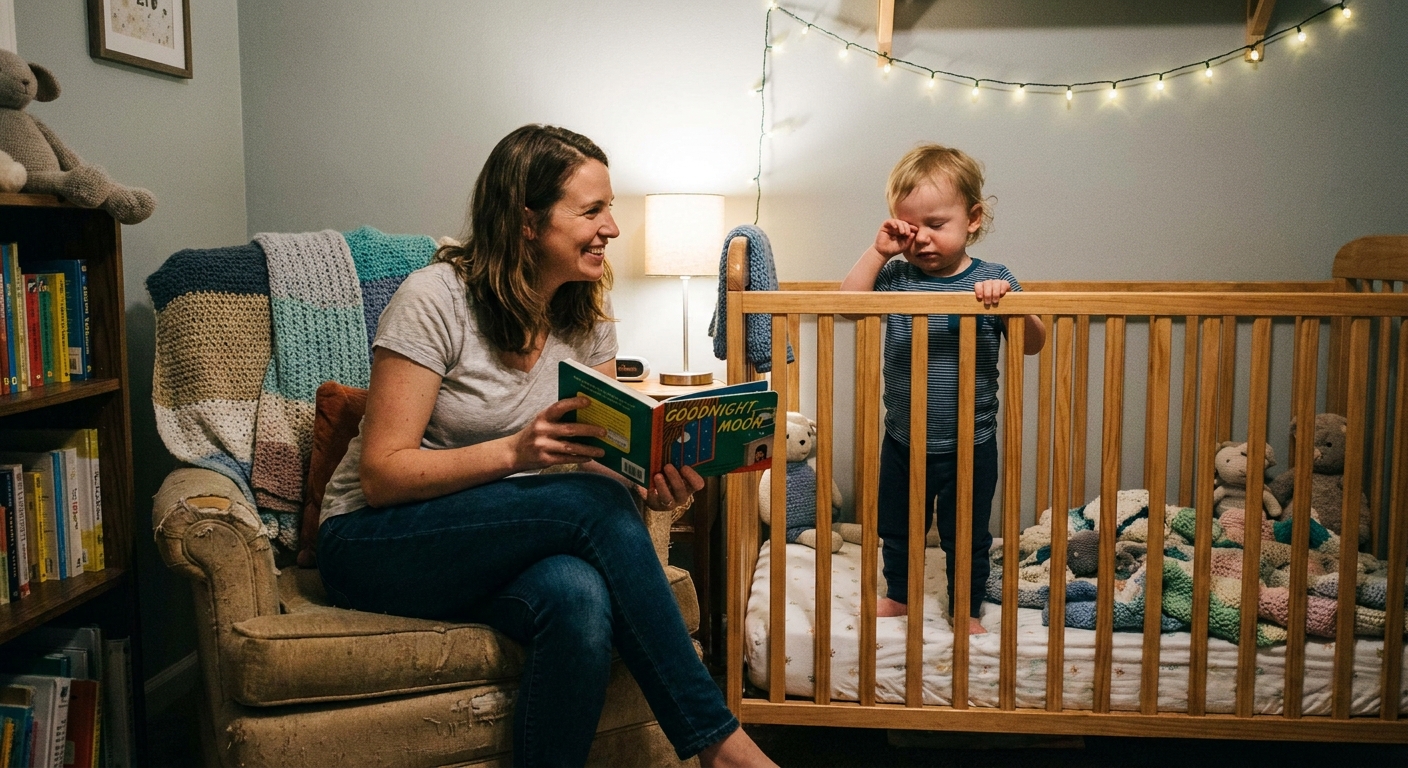
- Standing up in the crib repeatedly
- “Cruising” along the crib rails
- Waking and wanting to practice instead of resettling
This is a classic developmental sleep disruption. It often improves as the new skill becomes less novel.
2) Separation anxiety gets louder
Separation anxiety often spikes in the second year of life. At bedtime that can look like:
- Sudden screaming the moment you leave
- New night wakings where they call specifically for you
- Nap refusal that feels more like “I do not want to miss you” than “I am not tired”
This is emotionally real for them, even if it is a lot for you.
3) Two-nap pressure (early 2-to-1 transition)
Some 14-month-olds still do great on two naps. Others start fighting the second nap, taking forever to fall asleep, or having bedtime drama because daytime sleep is landing too late. This does not always mean you must drop to one nap immediately, but it does mean your schedule may need a tune-up.
Normal sleep at 14 months
Every child varies, but many toddlers this age fall into these ranges. These are consistent with common pediatric sleep guidance for 1 to 2 year olds (often shared by groups like the AAP and sleep foundations):
- Total sleep in 24 hours: about 11 to 14 hours
- Night sleep: about 10 to 12 hours
- Day sleep: about 1.5 to 3 hours (often trending down)
Wake windows (flexible)
Wake windows are simply the time your toddler is awake between sleep periods. They are not a medical metric, and there is a wide “normal.” Use these as a starting point and adjust by 15 to 30 minutes based on mood and how long naps actually happen.
- Two-nap day: many do well with about 3.25 to 4 hours in the morning, then 3.5 to 4.25 hours before nap two, then 4 to 4.75 hours before bed
- One-nap day: many do well with about 4.5 to 5.5 hours before the nap, then 5 to 5.5 hours before bed
Important: Most nap refusals at this age are not because your child “is not a nap kid.” They are often overtired, undertired, or dysregulated from big new skills.
Protect naps without new crutches
When naps fall apart, it is tempting to do anything that works. I get it. But if you add a new habit during a rough week, your toddler may request it loudly for months. Here is how to stabilize sleep while keeping your long-term goals intact.
Keep the routine short and boring
Aim for 5 to 10 minutes, same order every time. Use a similar flow for naps and bedtime so your toddler knows what comes next. For example:
- Diaper change
- Sleep sack
- Dark room and white noise
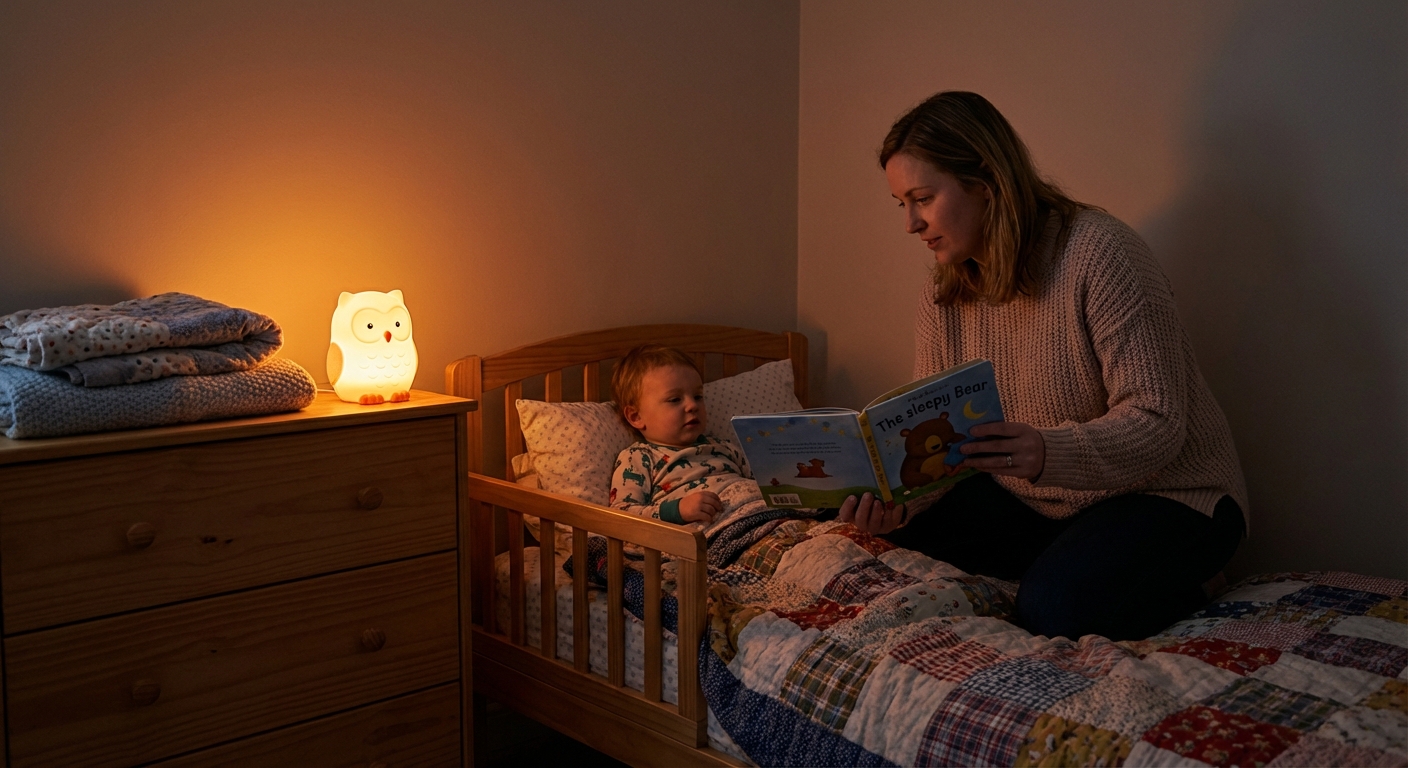
- One short book
- Key phrase: “I love you. It is time for sleep.”
Use comfort, not entertainment
If separation anxiety is driving the refusal, you can reassure without turning it into a party.
- Good options: brief check-ins, a lovey (if safe), consistent key phrase, a hand on the back for 10 to 20 seconds
- Try to avoid (if these are not your usual plan): rocking fully to sleep, defaulting to car naps, screen time to “calm down,” lying in bed until they are fully asleep
- Other common sleep associations to watch for: bottle or breastfeeding to sleep, needing to be held the entire time, needing a parent to stay in the room until fully asleep
Practice standing and sitting during the day
If your toddler keeps standing in the crib and gets stuck, practice the skill when everyone is well-rested:
- Let them pull to stand on stable furniture
- Coach them to bend knees and sit down
- Praise the “sit down” skill like it is an Olympic sport
Anchor the room, not your presence
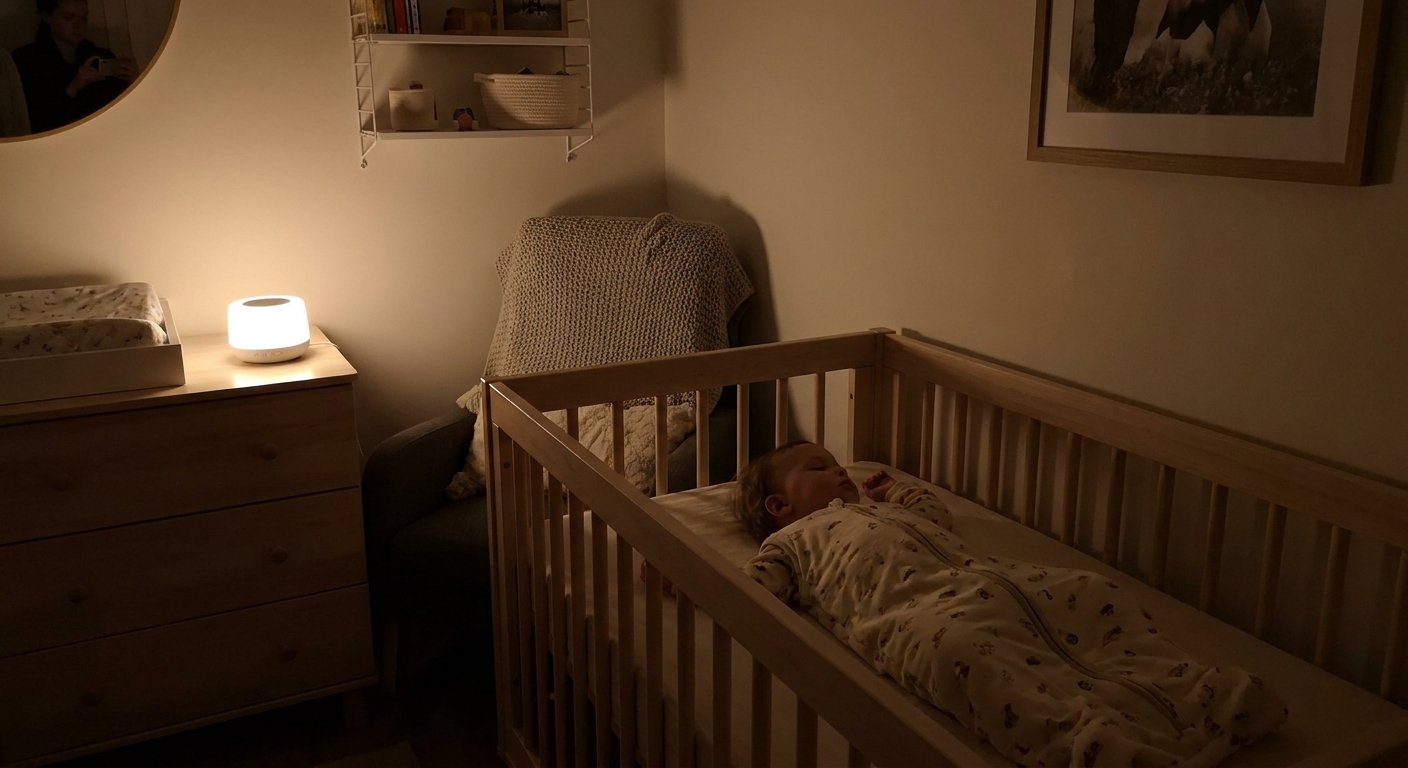
For many 14-month-olds, the biggest win is making the environment predictable. Darkness, white noise, and the same sleep space do more long-term work than extended negotiating.
Nap refusal: what it means
Refuses nap one
This can point to a wake window that is too short, or a toddler who is inching toward one nap. If they are cheerful and not melting down by lunch, they may be ready for a gradual transition.
Refuses nap two
This is the most common 14-month nap issue. Often the first nap ran long or started too late, pushing nap two too close to bedtime.
Short nap (30 to 45 minutes) and wakes angry
This often suggests overtiredness, pain or discomfort, or a sleep association issue. If this is new and sudden, rule out illness and teething discomfort first.
Early morning wakings
Early mornings are common during schedule shifts. If your toddler is up for the day before 6:00 AM, look at two big levers first:
- Too much daytime sleep: cap naps, especially nap two, and protect a solid wake window before bed
- Bedtime timing: an overtired toddler can also wake early. If naps were short or skipped, an earlier bedtime for a few nights can help
Try not to start the day with bright lights, big snacks, or a fun hangout in your bed at 5:15 AM. Keep it boring and treat it like a night waking when possible.
Illness vs regression
In triage, we saw this constantly: a “sleep regression” that was actually an ear infection, constipation, a brewing virus, or something else uncomfortable. Before you overhaul your routine, scan for clues.
Common culprits
- Ear infection or ear fluid: may wake crying, can be worse when lying down, may have recent cold symptoms. Ear tugging alone is common at this age and is not specific, so look for a pattern plus other symptoms.
- Teething: gum swelling, drooling, biting, more night waking (usually not weeks of total sleep chaos on its own)
- Congestion: mouth breathing, snoring, frequent wake-ups, difficulty settling
- Constipation: straining, hard stools, belly discomfort, waking at similar times each night
- Reflux discomfort (less common at this age, but possible): especially if your child has a history of reflux, look for arching, frequent waking after lying down, feeding aversion
When to call the pediatrician now
Trust your instincts. Call your child’s clinician urgently or seek same-day care for:
- Fever in a child who looks very unwell, is unusually sleepy, or hard to console
- Signs of breathing trouble: fast breathing, pulling in at ribs, wheezing, lips turning blue or gray
- Dehydration signs: very dry mouth, significantly fewer wet diapers, and no tears when crying (especially when paired with other signs)
- Severe ear pain, ear drainage, or persistent fever
- A rash with fever, stiff neck, or a child who seems “not themselves” in a way that worries you
If you are unsure, it is always appropriate to call. Sleep disruption can be the first thing parents notice when something is brewing.
Safe sleep and crib safety
At 14 months, safety can change quickly because your toddler is stronger, taller, and motivated. A few quick reminders:
- Crib setup: keep the crib empty (no pillows, loose blankets, or bumpers). If you use a comfort item, choose a small, breathable lovey and use it only if your pediatrician agrees it is safe for your child.
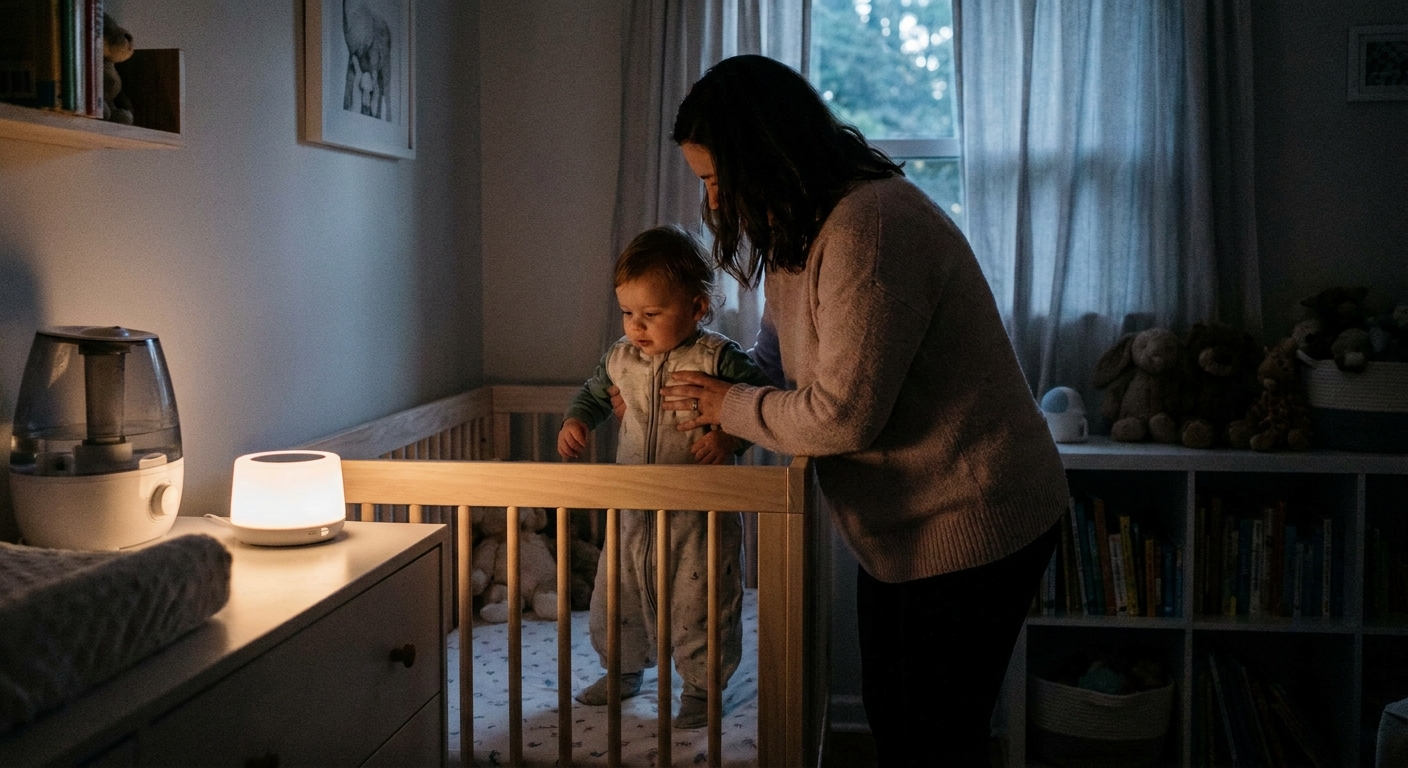
- Mattress height: lower the crib mattress if your toddler is standing and the rail is near chest level.
- Sleep sacks: a sleep sack is often a safer warmth option than a loose blanket at this age.
- No swaddling: swaddling is not safe once a baby can roll, and it is not appropriate for a standing toddler.
A one-week plan
This plan assumes your toddler is generally healthy and safe sleep basics are in place. If your child is sick, prioritize comfort and hydration first, then reset sleep once they are well.
Day 1: Pick your schedule lane
Choose one for the week so your toddler’s body clock can catch up.
- If nap two is the battle: keep two naps, cap nap one to protect nap two and bedtime.
- If nap one is the battle and they do fine until lunch: start moving toward one nap.
Day 2: Hold wake time and bedtime
Pick a wake time you can live with and stick close to it for 7 days, even after a rough night. Keep bedtime within a 30-minute range. Toddlers love predictability, even when they protest it.
Day 3: Cap naps strategically
Capping naps can feel cruel, but it is often the difference between “two naps work” and “bedtime is a daily emergency.” Typical caps that help at 14 months:
- Cap nap one at 60 to 75 minutes if nap two is falling apart
- Cap nap two to protect bedtime, often ending by mid-afternoon (many kids do best if the last nap ends by about 3:30 to 4:00 PM, but follow your child’s bedtime and temperament)
Day 4: Respond the same way each time
Pick a method you can repeat calmly.
- Option A: Brief check-ins every few minutes at first, then gradually space them out. Keep them under 30 seconds, minimal talking, no picking up unless truly needed.
- Option B: One-and-done reassurance where you do the routine, say your key phrase, leave, and only return if there is a safety issue.
The key is consistency. A different response every night often keeps crying going longer because your toddler is waiting to see which version of bedtime shows up.
Day 5: Add “big body” movement
Walking practice is great. Just try to front-load it.
- Extra outdoor play if possible
- Climbing at the playground (closely supervised)
- Push toys, cruising games, and lots of chances to practice sitting back down
Day 6: Tweak by 15 minutes
If naps are taking more than 20 to 30 minutes to start, you may be offering the nap too early. If naps are short and your toddler is melting down, you may be too late. Move wake windows by 15 minutes and hold for 2 to 3 days before changing again.
Day 7: Protect progress
By the end of the week, many families see fewer wake-ups and less nap drama. If things are improving, keep going for another week. If sleep is getting worse, consider:
- Illness or discomfort you have not identified yet
- Schedule mismatch (trying to force two naps when one is needed, or dropping to one nap too early)
- A sleep association that quietly grew during the rough patch
Daycare reality
If daycare has fixed nap times, you may not be able to perfectly match wake windows. Focus on what you can control:
- Keep bedtime and wake time consistent
- Use an earlier bedtime on daycare days if naps run short
- On weekends, resist the urge to swing wildly between one nap and two. Pick the schedule that helps your child sleep best and keep it steady
Sample schedules
Two-nap day
- 7:00 AM wake
- 10:30 AM nap 1 (cap at 60 to 75 minutes if needed)
- 2:30 PM nap 2 (cap to protect bedtime)
- 7:45 PM bedtime
One-nap day
- 7:00 AM wake
- 12:00 PM nap (aim 1.5 to 2.5 hours)
- 7:00 PM bedtime (an early bedtime is common during the transition)
These are examples, not rules. The best schedule is the one that produces a reasonably easy bedtime and a toddler who is not falling apart by late afternoon.
Quick FAQs
How long does this last?
When sleep disruption is tied to walking or separation anxiety, it often improves within a couple of weeks, but duration varies. If it is dragging on, look closely at schedule and sleep associations, and rule out discomfort or illness.
Should I switch to one nap at 14 months?
Some toddlers are ready, many are not. If your child fights nap one consistently for 1 to 2 weeks, can stay happily awake until lunch, and bedtime is still a struggle with two naps, a gradual transition can help. If they crash hard in the morning, get dysregulated, or have frequent late afternoon meltdowns, two naps may still be the better fit right now.
My toddler stands in the crib and cries. Do I lay them back down?
If they are upset and stuck, it is fine to help them down calmly and briefly. If it turns into a game, pause and let them problem-solve for a moment. Practice the “sit down” skill during the day so nights are not their first attempt.
A final reminder
This phase can be loud. It can also be temporary. Your toddler is not trying to ruin your life. They are practicing a brand-new body and a brand-new awareness that you can leave the room.
Pick a schedule, keep your routine steady, respond consistently, and give it a week before you change everything again. And if your gut says “this is not just a regression,” listen to that. You know your child best, even when you are running on fumes.
Sarah Mitchell
Sarah Mitchell is a Registered Pediatric Nurse and a mother of three who has spent over a decade helping families navigate the beautiful, chaotic early years of childhood. She combines evidence-based medical knowledge with real-world parenting experience to offer practical, compassionate advice. At Awesome Parent, Sarah's mission is to help exhausted parents find solutions, trust their instincts, and finally get some sleep.