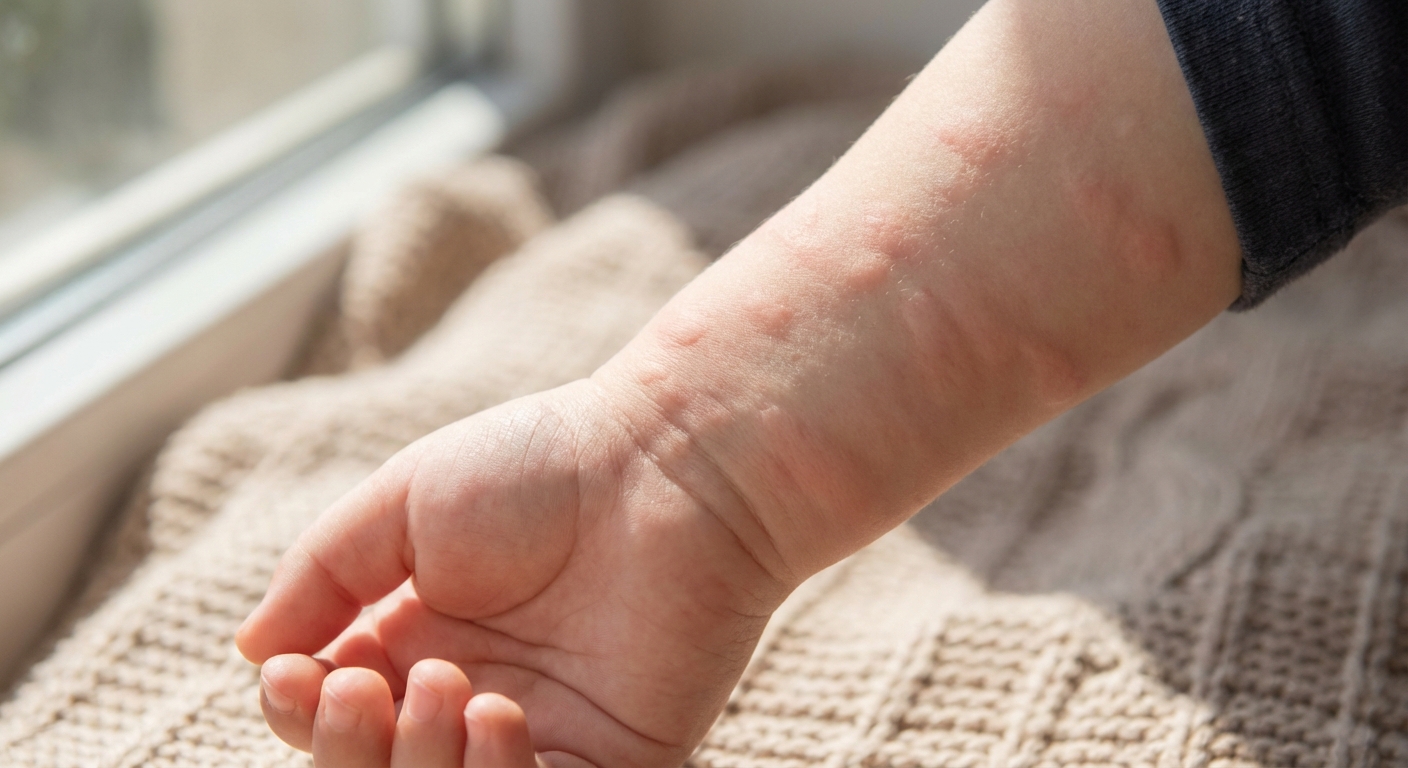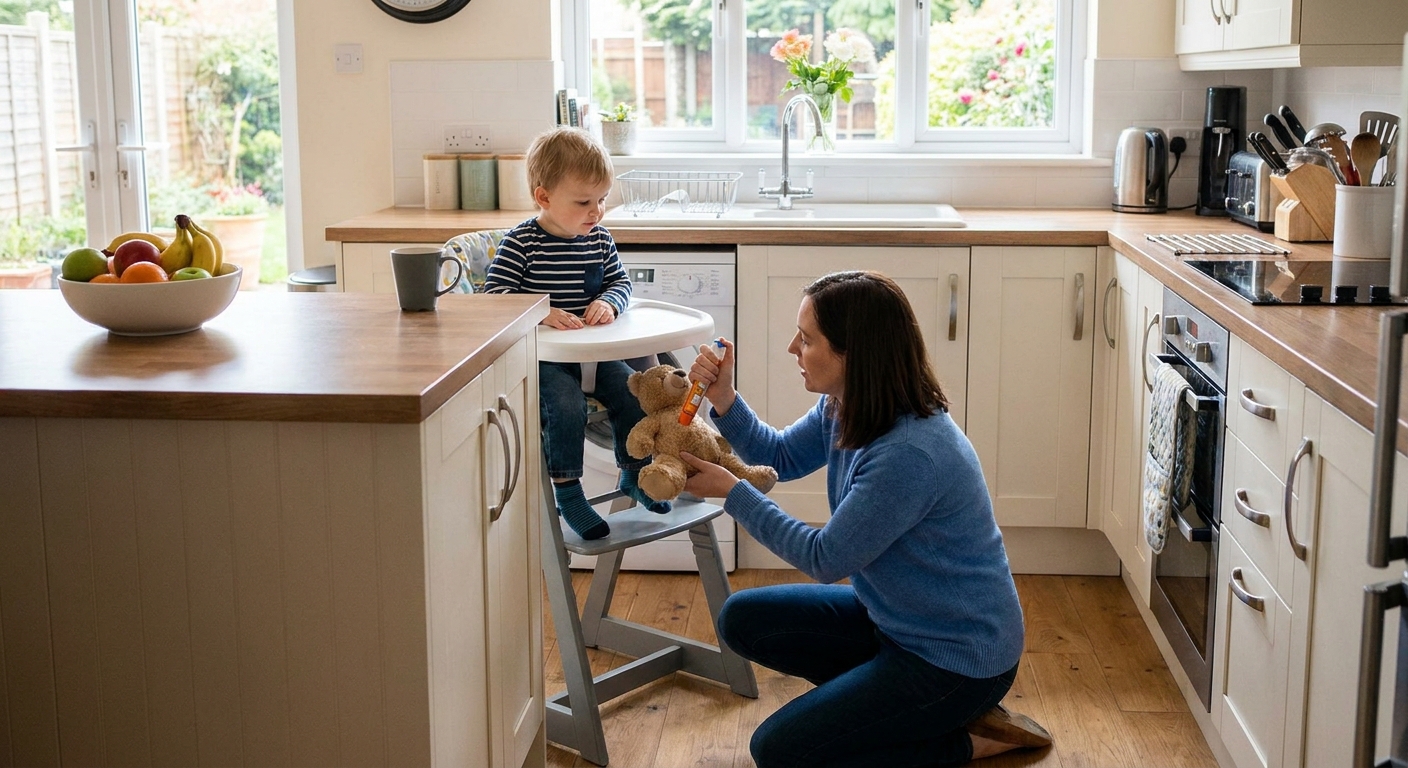
A calm, clear guide to spotting a severe allergic reaction in little kids and taking the right first steps: epinephrine, emergency help, and what to watch for.
A Second Wave of Anaphylaxis After Epinephrine

Sarah Mitchell
Sarah Mitchell is a Registered Pediatric Nurse and a mother of three who has spent over a decade helping families navigate the beautiful, chaotic early years of childhood. She combines evidence-based medical knowledge with real-world parenting experience to offer practical, compassionate advice. At Awesome Parent, Sarah's mission is to help exhausted parents find solutions, trust their instincts, and finally get some sleep.
The scariest anaphylaxis calls I ever took as a triage nurse were not always the “during the reaction” calls. They were the quiet ones hours later: “We used the EpiPen, the ambulance checked him out, he looked fine… but now I think it is happening again.”
If this is you, take a breath with me. You are not overreacting. In a small number of cases, anaphylaxis can come in two waves. The medical term is biphasic anaphylaxis. It means symptoms return after they improved, sometimes even after epinephrine helped.
What is a biphasic reaction?
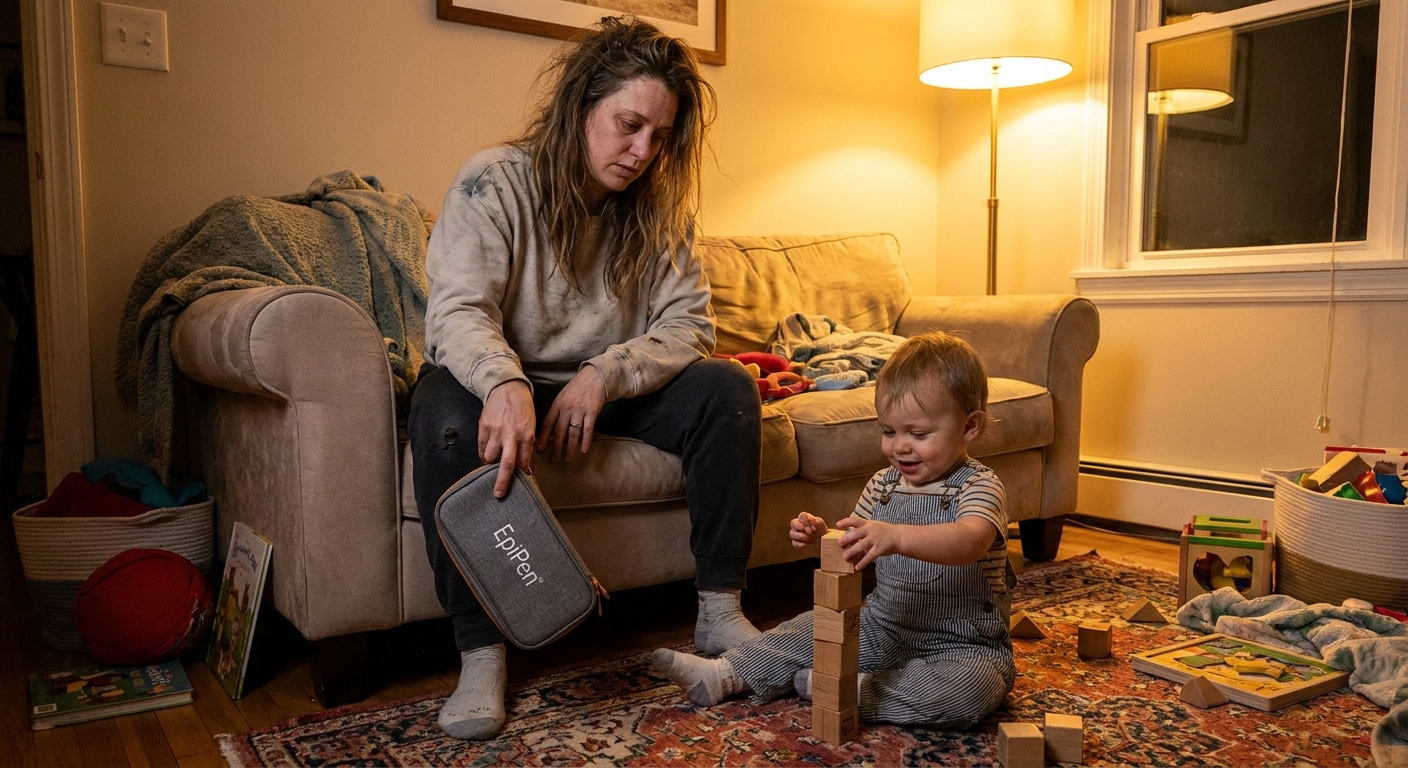
A biphasic reaction is when anaphylaxis improves after treatment (often after epinephrine), then returns later without a new exposure.
The second wave can look like the first reaction, or it can look different. Some kids come back with mostly breathing symptoms. Others come back with vomiting, hives, or sudden sleepiness and weakness.
How long after epinephrine can symptoms come back?
Most biphasic reactions happen within the first several hours, but they can occur later as well. This is exactly why emergency departments often monitor children for a period of observation even when they seem totally back to normal.
Why can anaphylaxis return after your child seems better?
Anaphylaxis is a whole-body immune reaction. Epinephrine is the best first-line medication because it quickly opens airways, supports blood pressure, and slows the allergic cascade. But epinephrine does not necessarily “turn off” the immune system instantly. Some inflammation can continue in the background and flare again later.
Also, symptoms sometimes fade as a child rests and the initial surge settles, then reappear as their body metabolizes medications and the immune response continues.
None of this means you did anything wrong. Giving epinephrine promptly is still the right choice and it saves lives.
Why clinicians observe kids
After anaphylaxis, many children are observed in an emergency setting even if they look great. Observation is not meant to scare you. It is there to catch problems early, especially:
- A second wave of symptoms (biphasic reaction)
- Symptoms that never fully resolve or start creeping back
- Breathing trouble that worsens again
- Low blood pressure or fainting
- Need for additional epinephrine or breathing treatments
The exact observation time varies depending on your child’s symptoms, how many epinephrine doses were needed, their asthma history, and clinician judgment. If you are being discharged, it is appropriate to ask: “What symptoms should make me call 911 again, and how long is the highest-risk period?”
When to call 911 again
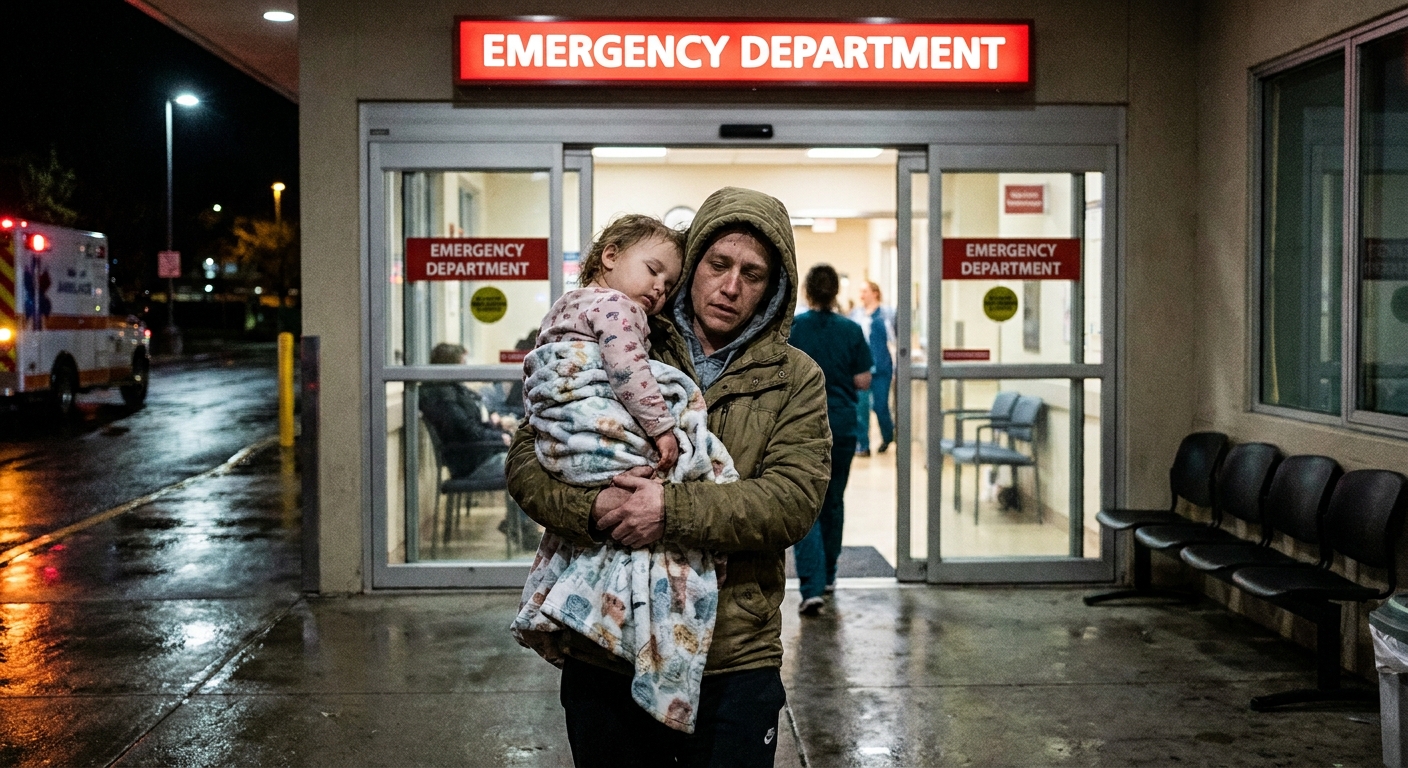
If your child was treated for anaphylaxis earlier today and now symptoms are returning, treat this seriously. Call emergency services (911 in the US) if any of the following come back or newly appear:
- Breathing problems: wheezing, noisy breathing, persistent cough, shortness of breath, chest tightness, trouble speaking or crying normally
- Throat or tongue symptoms: hoarse voice, trouble swallowing, drooling, swelling of lips or tongue, “something stuck in the throat” behavior
- Faintness or collapse: dizziness, gray or pale color, sudden weakness, floppy body, passing out, difficulty staying awake
- Repeated vomiting or severe abdominal pain, especially if paired with any skin or breathing symptoms
- Widespread hives or rapidly worsening rash along with any breathing symptoms, vomiting, or faintness
In anaphylaxis, we worry about systems stacking: skin plus gut, or gut plus breathing, or breathing plus faintness. If it is more than “just a few hives,” err on the side of urgent help.
Should you give epinephrine again?
If your child has returning symptoms that suggest anaphylaxis, epinephrine is the first-line treatment again. Many children need more than one dose.
Because every child’s plan can be a little different, follow your child’s emergency action plan if you have one. If you do not, and your child has signs of anaphylaxis (especially breathing trouble, throat symptoms, faintness, or severe vomiting with other symptoms), use the auto-injector and call 911.
One key point I told parents over and over in clinic: do not wait for symptoms to be “bad enough” if breathing or faintness is showing up. Delays are riskier than giving epinephrine when you were unsure.
While you wait for help
- Call 911 and say: “My child is having anaphylaxis. Epinephrine was given at 2:15 PM,” or give the exact time you administered it.
- Lay your child flat if they are dizzy or faint. If they are vomiting or very congested, place them on their side. If breathing is easier sitting up, allow a position of comfort. Do not force standing or walking.
- Track times: when symptoms returned, when you gave epinephrine, and any other meds given.
- Have the auto-injector ready in case EMS instructs a second dose or symptoms worsen.
- Do not drive yourself if your child is having breathing trouble or faintness. Symptoms can escalate quickly.
Antihistamines and steroids
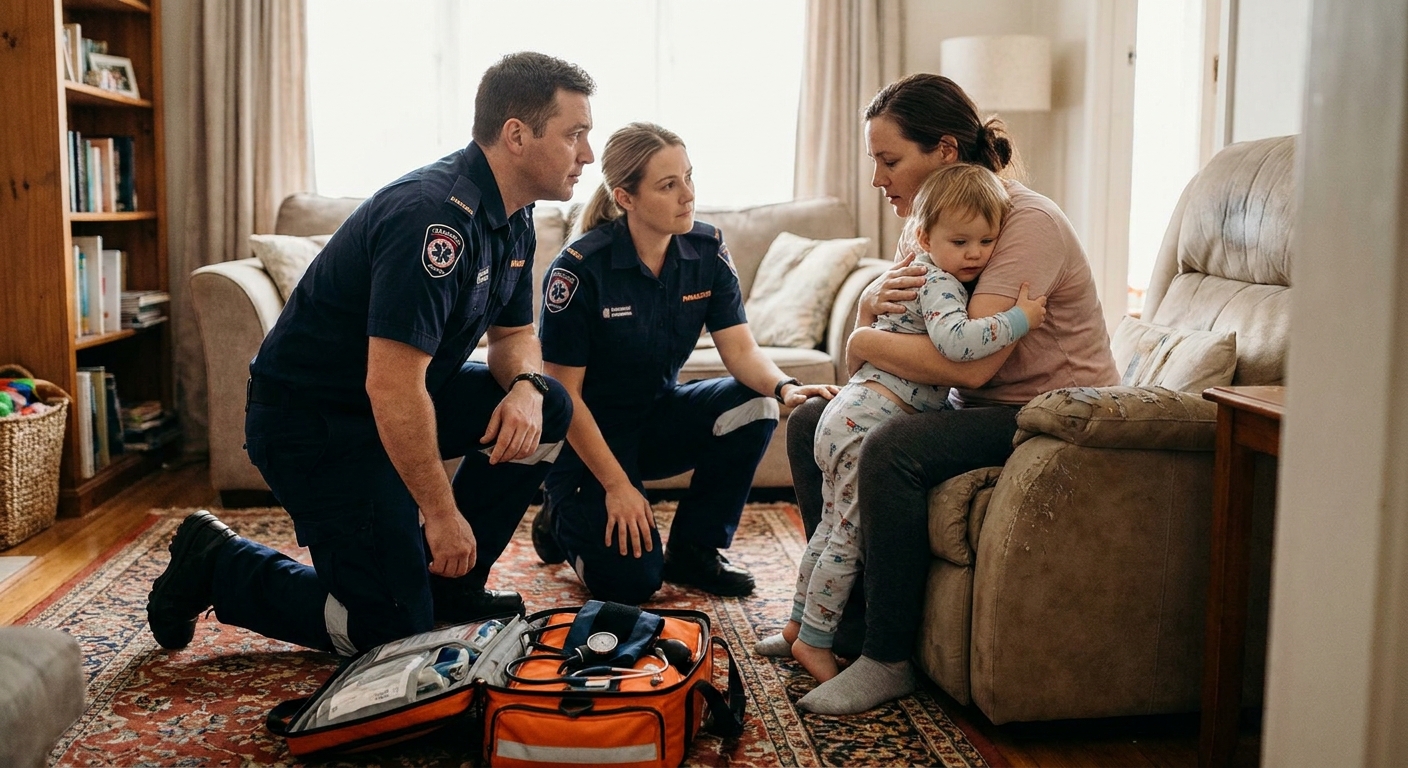
This part causes a lot of confusion because it is common to hear: “We gave Benadryl and they improved.”
- Antihistamines can help itching and hives, but they are not a substitute for epinephrine and they do not reliably prevent serious breathing or blood pressure problems.
- Asthma inhalers (like albuterol) can help wheezing, but they also are not a substitute for epinephrine when anaphylaxis is happening.
- Steroids are sometimes used in emergency care, but they are slower-acting. They are not the urgent “rescue” medication.
In parent terms: hives meds can make the outside look better while the inside is still a problem. Epinephrine is what treats the emergency.
Home monitoring
Once your child has been evaluated and discharged, it is normal to feel jumpy for a while. Here is a realistic, non-panicky way to monitor:
- Stay within arm’s reach of your phone and keep the auto-injector with your child.
- Do a quick check-in periodically: breathing sounds normal, color looks good, they can talk or cry normally, they are not suddenly lethargic, vomiting is not returning.
- Trust your gut. If you feel that “something is off,” I would rather you call for advice or emergency help than try to talk yourself out of it.
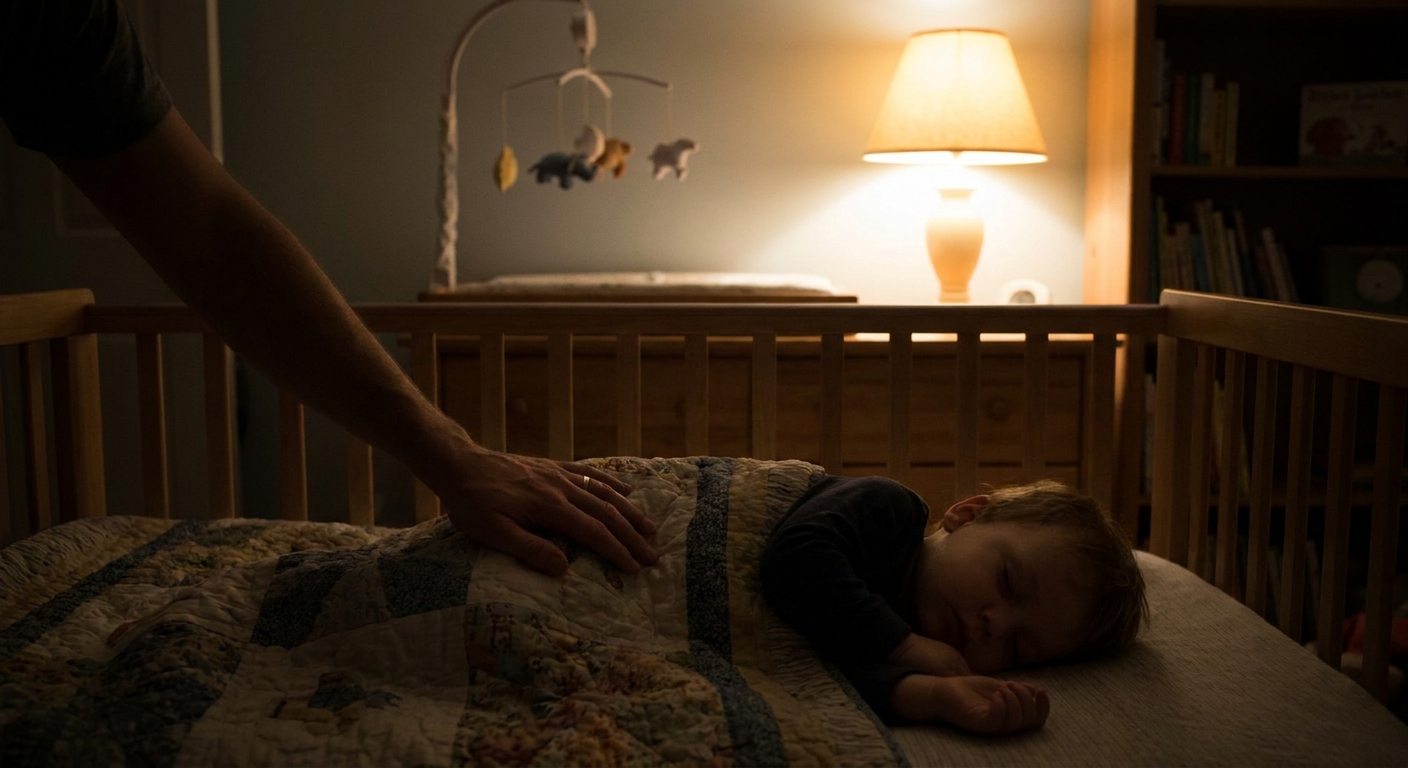
If your child is sleeping, you do not need to stare at them all night. But if you notice noisy breathing, persistent coughing, lip or tongue swelling, repeated vomiting, or unusual difficulty waking, that is not a “watch and wait” situation.
Follow-up
After an anaphylaxis event, schedule follow-up with your child’s clinician and, if recommended, an allergist. Topics to cover:
- Confirming the trigger (food, medication, insect sting, unknown)
- Whether your child should carry two epinephrine auto-injectors
- Reviewing your anaphylaxis action plan in plain language
- School, daycare, and caregiver instructions
- Asthma control, if your child has asthma (poorly controlled asthma can raise risk during reactions)
If you left the ER with a prescription and you have not filled it yet, this is your nudge to do it today. Not tomorrow. Today.
Quick FAQ
Is biphasic anaphylaxis common?
It is not the norm, but it is common enough that clinicians plan for it, especially in children who had more severe symptoms or needed more than one epinephrine dose.
If my child only had hives, is a second wave still possible?
Hives alone are usually a mild allergic reaction, not anaphylaxis. But if your child previously had true anaphylaxis, and any concerning symptoms return (breathing trouble, vomiting, faintness), treat it seriously even if the first reaction started with skin symptoms.
Can my child go to sleep after anaphylaxis?
Sleep itself is not dangerous. What matters is whether symptoms are returning. If you have been discharged and your child is acting normal, sleeping is fine. If you are seeing red flags like trouble breathing, repeated vomiting, or unusual sleepiness that is hard to interrupt, call 911.
What if I am not sure it is anaphylaxis again?
If breathing, throat symptoms, faintness, or severe vomiting are involved, assume it could be anaphylaxis. Use epinephrine if indicated by your plan and call emergency services. I have never met a parent who regretted treating early. I have met parents who regretted waiting.
A final word
Anaphylaxis is terrifying because it can change quickly, and biphasic reactions add another layer of uncertainty. The goal is not to make you afraid of going home. The goal is to give you clear guardrails so you know exactly what “watch” looks like and what “go” looks like.
If symptoms return and you are seeing breathing trouble, vomiting, or faintness, do not debate it at 2 a.m. Treat it like an emergency and get help. You are not being dramatic. You are being a safe parent.
Sarah Mitchell
Sarah Mitchell is a Registered Pediatric Nurse and a mother of three who has spent over a decade helping families navigate the beautiful, chaotic early years of childhood. She combines evidence-based medical knowledge with real-world parenting experience to offer practical, compassionate advice. At Awesome Parent, Sarah's mission is to help exhausted parents find solutions, trust their instincts, and finally get some sleep.