
A calm, clear guide to spotting a severe allergic reaction in little kids and taking the right first steps: epinephrine, emergency help, and what to watch for.
Peanut Allergy in Toddlers and Young Kids

Sarah Mitchell
Sarah Mitchell is a Registered Pediatric Nurse and a mother of three who has spent over a decade helping families navigate the beautiful, chaotic early years of childhood. She combines evidence-based medical knowledge with real-world parenting experience to offer practical, compassionate advice. At Awesome Parent, Sarah's mission is to help exhausted parents find solutions, trust their instincts, and finally get some sleep.
If you suspect your child has a peanut allergy, you are not overreacting. Peanut reactions can look mild at first and then escalate quickly, and the internet has a special talent for making everything sound terrifying. Let’s replace the panic with a plan you can actually use in real life, whether you are at home, at daycare, or trying to survive a birthday party where every kid has sticky hands.

What reactions can look like
Peanut allergy reactions are typically immediate, meaning they start within minutes to a couple of hours after eating peanut (sometimes up to around 2 hours). Less commonly, families notice symptoms later, which can be confusing and deserves a careful medical review because delayed symptoms are not always classic IgE-mediated peanut allergy.
Immediate reactions (minutes to a couple hours)
These are the reactions we worry about most for anaphylaxis risk.
- Skin: hives, itchy skin, flushing, swelling of lips/face/eyes
- Nose and mouth: sneezing, runny nose, itchy mouth or throat
- Stomach: repeated vomiting, stomach cramps, diarrhea
- Lungs: coughing, wheezing, shortness of breath, noisy breathing
- Circulation/behavior: pale or bluish color, faintness, sudden sleepiness, caregiver sense that the child is suddenly very unwell
Delayed reactions (hours later)
True peanut allergy most often causes symptoms quickly. If symptoms show up many hours later, consider these possibilities and discuss them with your pediatrician or allergist:
- Another trigger: a different food eaten later, a virus, or an environmental exposure
- Contact irritation: peanut on the skin can cause local redness or mild hives in some kids, especially with eczema, without a dangerous whole-body reaction
- Food protein-induced enterocolitis syndrome (FPIES): this is a different type of food reaction that causes repetitive vomiting and lethargy typically 1 to 4 hours after eating a trigger food. Peanut can be a trigger for some children. FPIES does not behave like typical anaphylaxis and needs its own plan.
If your child has repeated, intense vomiting a few hours after peanut with little or no hives or breathing symptoms, that is a reason to bring it up specifically, because the management and testing can differ.
Important safety note: severe FPIES can still be an emergency (dehydration, weakness, looking gray or limp). Many kids with severe symptoms need urgent medical evaluation and fluids. Epinephrine typically does not help FPIES unless there are also IgE-type symptoms like hives, wheeze, or throat swelling.
Anaphylaxis: when it is an emergency
Anaphylaxis is a severe allergic reaction that can involve multiple body systems. In toddlers and young kids, it can look like a combination of skin symptoms plus breathing issues or repeated vomiting, or it can show up as sudden fatigue, floppiness, or collapse.
Use epinephrine and call 911 right away if your child has:
- Any trouble breathing (wheezing, repetitive cough, shortness of breath, throat tightness, hoarse voice)
- Swelling of the tongue or throat, or drooling with trouble swallowing
- Repeated vomiting or severe diarrhea after a known or suspected peanut exposure, especially with hives or other symptoms
- Fainting, extreme sleepiness, limpness, or color change (pale, gray, bluish)
- Two or more body systems involved after exposure (example: hives plus vomiting, or hives plus coughing)
When in doubt, it is safer to treat. Epinephrine is the first-line medication for anaphylaxis. Antihistamines can help itching and hives, but they do not stop a severe reaction.
Why EMS and ER evaluation matter: even when a child improves after epinephrine, they still need medical assessment and monitoring. Some reactions return after a period of improvement (biphasic reactions), and the ER is where breathing, blood pressure, and ongoing symptoms can be watched closely.
Extra risk factor to know: kids with asthma (especially if it is not well controlled) can be at higher risk for severe breathing symptoms during an allergic reaction. If your child has asthma, keeping it well managed is part of allergy safety.
Epinephrine basics
If you take nothing else from this page, take this: epinephrine is not the “last resort”. It is the right tool when symptoms suggest anaphylaxis.
How to use an auto-injector (general steps)
Always follow the instructions for your specific device, but the basics are usually similar:
- Give it in the outer mid-thigh. It can go through clothing.
- Hold your child’s leg still to prevent injury.
- Give the injection and hold in place per your device instructions.
- Call 911 after giving epinephrine, even if your child seems better.
- Be ready to give a second dose if symptoms continue or return before help arrives, as directed by your child’s action plan.
Dose notes for toddlers
Epinephrine auto-injectors come in different doses by weight and product. Some regions have a 0.1 mg option for very small children, and many families are prescribed a 0.15 mg device for young kids. Follow your clinician’s prescription and your specific device labeling, and ask your pharmacist to show you exactly what you were dispensed.
What parents worry about (and what’s true)
- “What if I give it and it wasn’t needed?” In most cases, the risk of delaying epinephrine is higher than the risk of giving it unnecessarily.
- “Can I start with Benadryl?” For anaphylaxis symptoms, no. Antihistamines do not treat airway swelling or shock.
- “Will it hurt my child’s heart?” Epinephrine can cause temporary jitteriness or a fast heart rate. For anaphylaxis, it is the medication that saves lives.
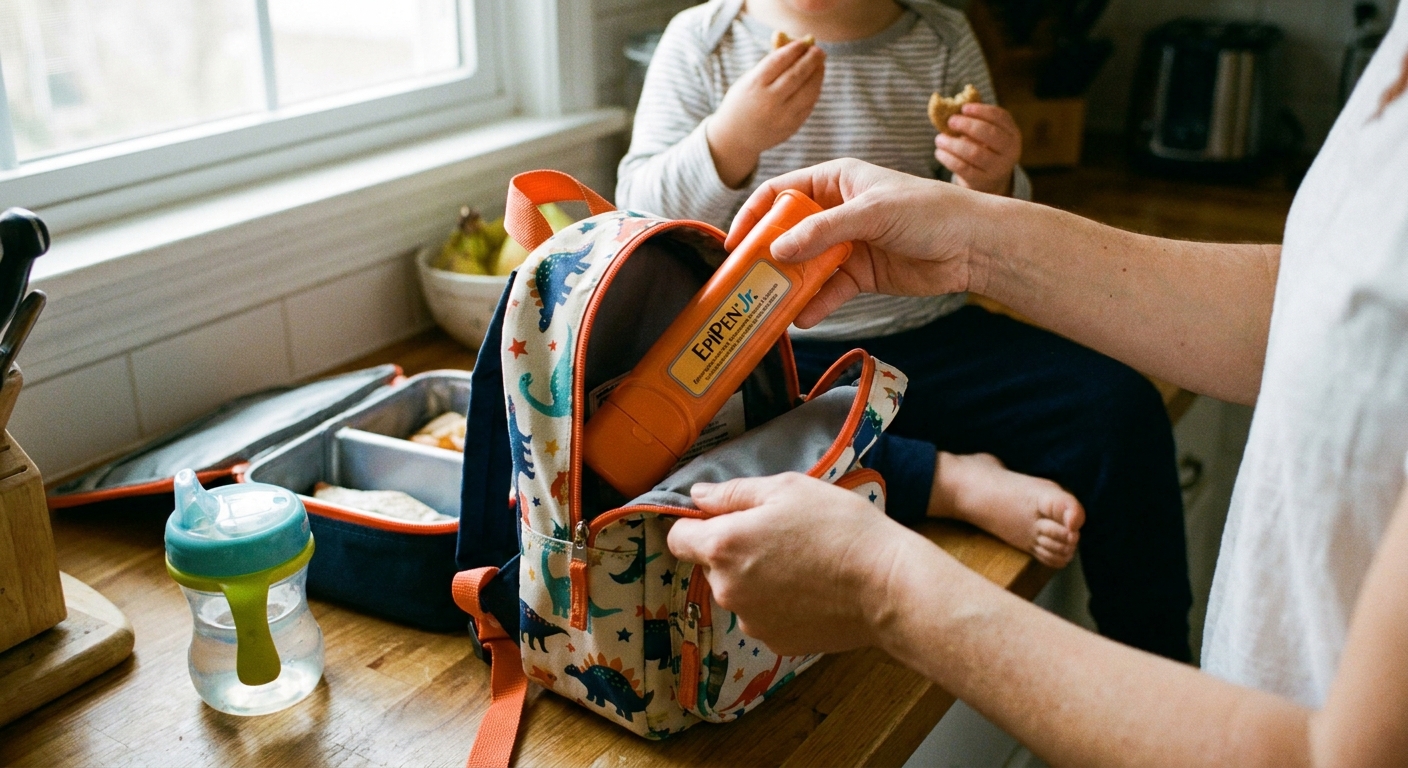
Quick action plan
This is the “brain offline” version. Print it, screenshot it, stick it to the fridge.
- Mild, skin-only symptoms (a few hives or mild itching, child otherwise well): follow your clinician’s plan. Some families are told to use an antihistamine and watch closely. When in doubt, call your pediatrician for guidance.
- Any breathing symptoms, throat/tongue swelling, repeated vomiting, faintness, limpness, or two body systems involved: give epinephrine, then call 911.
Hidden peanut ingredients
Label-reading is annoying at baseline and then you add a toddler tugging at your leg in the grocery aisle. Here is the streamlined approach I taught families in clinic: focus on the words that matter, every time, even for “safe” brands. Manufacturers can change recipes without warning.
Start with the allergen statement
In the U.S., most packaged foods regulated by the FDA that contain peanut list it clearly (for example, “Contains: Peanut”). Still, you should also scan the ingredient list because cross-contact statements vary, and there are real-world exceptions.
Common exceptions: some meats, poultry, and certain egg products are regulated by the USDA; restaurant foods and bakery items may not have full labeling; imported products may not follow the same rules. If you cannot confirm ingredients, treat the food as “unknown.”
Ingredients that mean peanut
- Peanut, peanuts
- Groundnuts
- Beer nuts
- Peanut flour
- Peanut protein / hydrolyzed peanut protein
- Peanut butter
Ingredients that confuse families
- “May contain peanuts” or “processed in a facility with peanuts”: this is a cross-contact warning. These advisory statements are voluntary and not standardized. Some families avoid these, some do not. Your allergist can help you decide based on your child’s history and test results.
- Tree nuts: peanut is a legume, not a tree nut, but cross-contact in manufacturing is common. Do not assume “tree nut free” means peanut-free.
- “Natural flavors”: usually not peanut, but when allergy risk is on the table, call the manufacturer if the product is important to you.
- Peanut oil: highly refined peanut oil is often tolerated by many peanut-allergic individuals because the protein is removed, but cold-pressed, expelled, or gourmet peanut oils may contain protein. If an ingredient list just says “peanut oil,” it may not specify which kind, so confirm with the manufacturer or avoid unless your allergist has advised it is safe for your child.
Common toddler foods where peanut sneaks in
- Granola bars and trail mix
- Cookies, brownies, ice cream toppings
- Breakfast cereals
- Asian-style sauces, some satay or “nut” sauces
- Chocolate candies and baked goods from bakeries
Pro tip from the trenches: bakery items without full labels are a frequent source of accidental exposure. If you cannot read the ingredients, treat it as “unknown.”
Daycare and preschool safety
You are not difficult. You are keeping a small person safe in a setting where snacks appear from thin air.
What to ask for (and put in writing)
- A copy of the facility’s allergy policy
- A completed allergy action plan signed by your child’s clinician
- Where epinephrine is stored and who is trained to use it
- Clear rules about snack sharing and handwashing
- A plan for special events (birthdays, holiday parties, cooking activities)
What to send
- Two epinephrine auto-injectors if prescribed (many clinicians recommend having two available)
- A labeled, sealed container of safe treats
- Wipes for hands and surfaces if your daycare allows them
- A simple, one-page “safe snacks” list for teachers

Birthday parties and gatherings
Parties are where even vigilant parents get blindsided. There is frosting, there are good intentions, and there are always mystery snacks in a plastic bowl.
Before the party
- Text the host: ask what food will be served and whether peanuts or peanut butter will be used.
- Bring a safe cupcake or treat so your child is not singled out when dessert appears.
- Eat a meal or snack beforehand so hunger does not turn into grabbing.
During the party
- Assign one adult to be the “food watcher” for younger kids.
- Do a quick scan of the table for obvious peanut items (peanut butter sandwiches, nut mixes, certain candies).
- Handwashing before and after eating. For toddlers, this reduces accidental smears to eyes and mouth.
After the party
- Watch for symptoms for at least a couple of hours if there was any possible exposure.
- If your child ate an unknown food, do not “wait and see” through concerning symptoms. Treat anaphylaxis early.
Early introduction vs management
This is the part that makes many parents’ brains short-circuit: you may have heard guidance about introducing peanut early to help prevent peanut allergy. That prevention strategy is aimed at babies before an allergy is established.
Early peanut introduction (prevention)
- Often discussed around infancy, particularly for babies with eczema or egg allergy.
- Should be done in an age-appropriate form (not whole peanuts, which are a choking hazard).
- Some higher-risk infants may be advised to introduce peanut under medical guidance.
Peanut allergy management (after a reaction or diagnosis)
- Focuses on strict avoidance, emergency preparedness, and ongoing follow-up.
- May include discussion of supervised oral food challenges or therapies, depending on your child and your allergist.
If your toddler already had a reaction to peanut, do not keep “testing it at home” to see if it happens again. That is one of those ideas that sounds logical at 2 AM and then can lead to an emergency visit.
When to see an allergist
After a first suspected peanut reaction, it is reasonable to ask, “Do we need an allergist?” In many cases, yes. Testing can help confirm the diagnosis, guide avoidance, and give you a clear emergency plan.
Make an urgent appointment (or call your pediatrician same day) if:
- Your child had symptoms consistent with anaphylaxis
- Your child needed epinephrine or emergency care
- There were repeated reactions with peanut exposure
- Your child has moderate to severe eczema or other food allergies and you are unsure what is safe
What the allergist might do
- A detailed history: exactly what was eaten, how much, and the timing of symptoms
- Skin prick testing and/or blood testing (peanut-specific IgE and sometimes component testing)
- Discuss whether a supervised oral food challenge is appropriate
Important nuance: tests are helpful, but they are not perfect. A positive test alone does not always equal a true clinical allergy. This is why the history and specialist interpretation matter.
If your child reacts
Save this as your mental checklist. When you are scared, you will not feel “logical,” and that is normal.
Step-by-step
- Stop the food and remove it from reach.
- Check symptoms: skin only, or are breathing and stomach involved?
- If symptoms suggest anaphylaxis, give epinephrine immediately.
- Call 911 and tell them it is a suspected anaphylactic reaction.
- Lay your child flat if possible (unless vomiting or having trouble breathing). Do not force them to stand or walk.
- If prescribed and directed in your plan, give a second epinephrine dose if symptoms persist or return.
If your child has only mild symptoms like a few hives and is otherwise acting well, contact your pediatrician for guidance. Your allergist may still recommend epinephrine depending on your child’s history and risk.
Preventing exposure at home
Home is where you have the most control, and that is good news.
Simple changes that help
- Create a peanut-free zone in your home if peanut is still eaten by others, or consider removing it completely while your child is young.
- Use separate utensils and sponges if peanut products are in the house.
- Wash hands with soap and water after handling peanut butter. Wipes help, but soap and water is best.
- Teach older siblings the “no sharing food” rule early and often.

Common questions
Can my child be around peanuts, or is airborne exposure dangerous?
Most reactions require ingestion. Being in the same room as peanut butter is less likely to cause a severe reaction, but contact with peanut residue and then touching the mouth or eyes can trigger symptoms in some kids.
One nuance that matters: aerosolized or powdered proteins can be irritating or trigger symptoms in some people in certain settings, like grinding nuts into flour, cooking with peanut ingredients, or roasting peanuts nearby. Severe reactions from “air” alone are uncommon, but if your child has reacted in these situations or you are unsure, ask your allergist for guidance specific to your child.
Is refined peanut oil safe?
Highly refined peanut oil is often tolerated by many peanut-allergic individuals because the protein is removed, but cold-pressed, expelled, or gourmet peanut oils may contain protein. If a label just says “peanut oil,” it may not be clear which kind it is, so confirm with the manufacturer or choose a different product unless your allergist has told you it is safe.
Will my child outgrow a peanut allergy?
Some children do, but many do not. Regular follow-up with an allergist helps you understand your child’s likelihood of outgrowing it and whether re-evaluation is appropriate over time.
When to get emergency help
Call 911 immediately for trouble breathing, throat or tongue swelling, fainting, or a severe reaction involving multiple symptoms. If you have been prescribed epinephrine and symptoms suggest anaphylaxis, use it and then call 911.
If you are unsure whether the reaction is severe, contact your pediatrician or seek urgent care advice. And if your gut is screaming that something is wrong, listen to it. You do not need to “wait for it to get worse” to get help.
Night-shift nurse mom note: It is easier to calm down after you treated early than it is to rewind time after you waited. You are allowed to act decisively.
Sarah Mitchell
Sarah Mitchell is a Registered Pediatric Nurse and a mother of three who has spent over a decade helping families navigate the beautiful, chaotic early years of childhood. She combines evidence-based medical knowledge with real-world parenting experience to offer practical, compassionate advice. At Awesome Parent, Sarah's mission is to help exhausted parents find solutions, trust their instincts, and finally get some sleep.