From diet changes to toddler’s diarrhea, here’s what can cause loose stools, what to feed, how to hydrate, how to prevent spread, and when it’s time to...
Campylobacter in Kids

Sarah Mitchell
Sarah Mitchell is a Registered Pediatric Nurse and a mother of three who has spent over a decade helping families navigate the beautiful, chaotic early years of childhood. She combines evidence-based medical knowledge with real-world parenting experience to offer practical, compassionate advice. At Awesome Parent, Sarah's mission is to help exhausted parents find solutions, trust their instincts, and finally get some sleep.
If your child has sudden diarrhea (sometimes with blood) after a meal that included undercooked chicken, a sip of raw milk, or close contact with a new puppy (especially one with diarrhea) and then hands end up in mouths, Campylobacter is one of the first bacteria I think about as a pediatric nurse.
It is common, it is miserable, and it is usually treatable with good supportive care. The tricky part is knowing when it is “just a rough stomach bug” versus when you need testing, antibiotics, or an ER visit. Let’s make this feel less scary and more doable.
What is Campylobacter?
Campylobacter (most commonly Campylobacter jejuni) is a bacterium that causes an intestinal infection (campylobacteriosis). In kids, it can look like a typical stomach virus at first, then shift into more intense cramps and diarrhea that may become bloody.
Most children recover fully, but young kids can get dehydrated fast. A small number can develop complications, which is why we take persistent, bloody, or severe symptoms seriously.
How kids catch it
Campylobacter spreads through contaminated food or water and through contact with infected animals or their poop. Common culprits include:
- Undercooked poultry (chicken and turkey are the big ones)
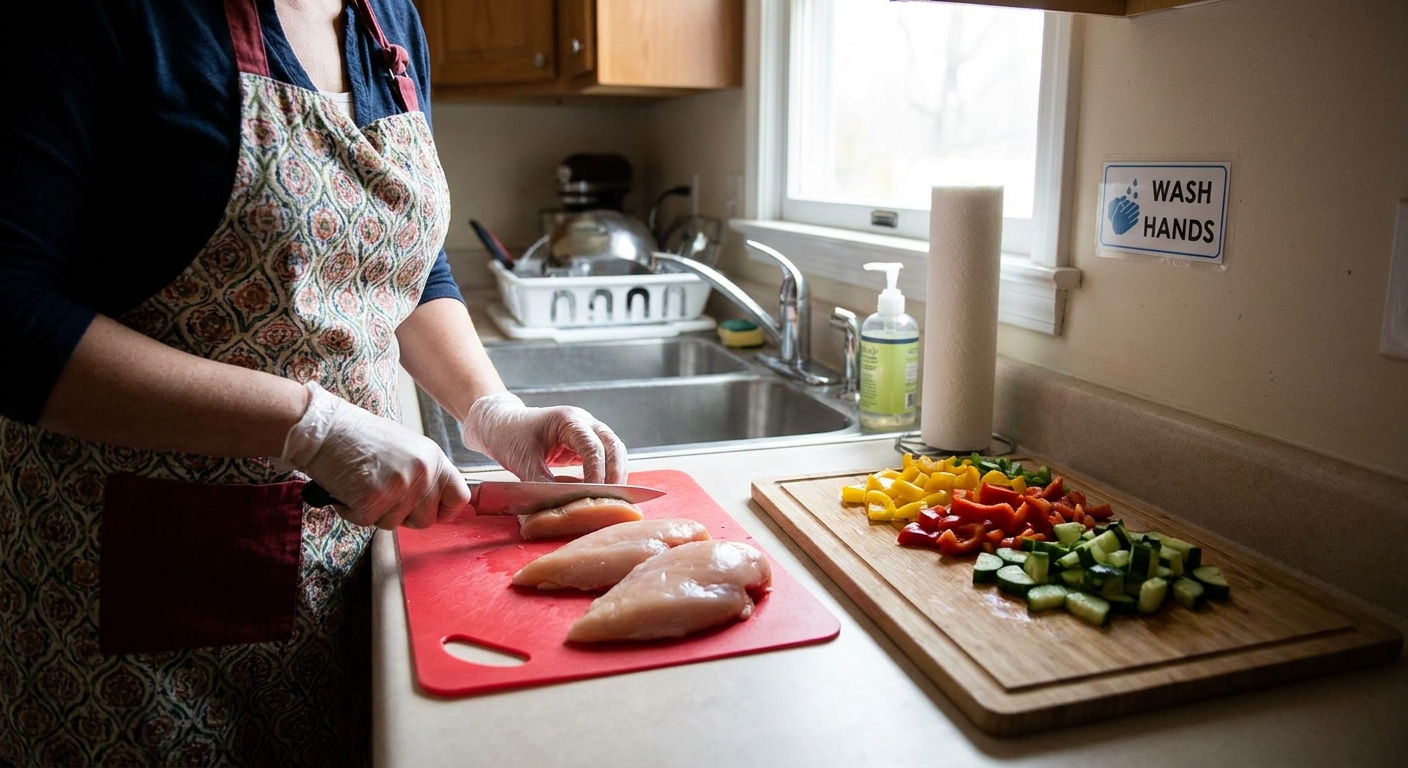
- Cross-contamination in the kitchen (raw chicken juices on cutting boards, counters, or salad)
- Unpasteurized milk (raw milk) and sometimes unpasteurized dairy products
- Untreated water (lakes, streams, some well water)
- Animal exposure, especially puppies, kittens, farm animals, and backyard poultry (think: handling, cleaning up poop, then touching food or mouths)
Quick reality check: you do not need to “ban” pets. You just need smart hygiene, especially for toddlers who explore the world with their hands and mouth.
Symptoms and timing
Incubation
After exposure, symptoms typically start about 2 to 5 days later. The range can be roughly 1 to 10 days.
Common symptoms
- Diarrhea (often frequent and watery at first)
- Stomach cramps that can be intense
- Fever
- Nausea and sometimes vomiting
- Blood or mucus in stool can occur as the infection irritates the gut lining
- Fatigue and poor appetite
How long it lasts
Many kids improve over about 5 to 7 days. Some have symptoms closer to 10 days, and some can take 1 to 2 weeks (occasionally longer) to fully settle. The key is that diarrhea should gradually trend in the right direction, not stay stuck at “awful” or worsen.
Call your pediatrician sooner if your child has bloody stools, significant belly pain, high fever, or signs of dehydration, even if it has only been a day.
Bloody diarrhea
Seeing blood in your child’s poop is alarming, and you are not overreacting by calling. With campylobacteriosis, blood can happen, but it is still a sign to get medical guidance.
Bloody diarrhea in kids can also be caused by other infections like Salmonella, Shigella, or certain types of E. coli (especially Shiga toxin producing E. coli, sometimes called STEC). This matters because for some causes of bloody diarrhea, antibiotics and anti-diarrhea medicines can increase the risk of complications. That is one reason clinicians take bloody stools seriously and often recommend testing before treating.
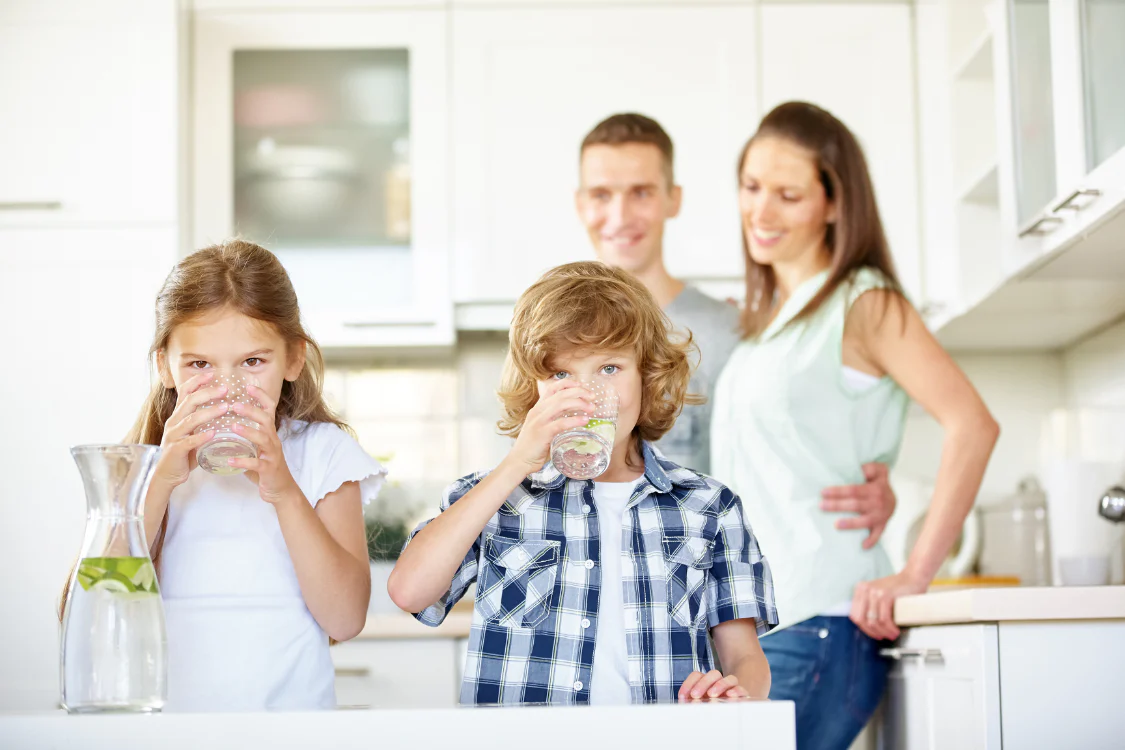
First priority: hydration
In triage, I care less about which bacteria is to blame in the first hour and more about one question: Is this child staying hydrated?
Best fluids
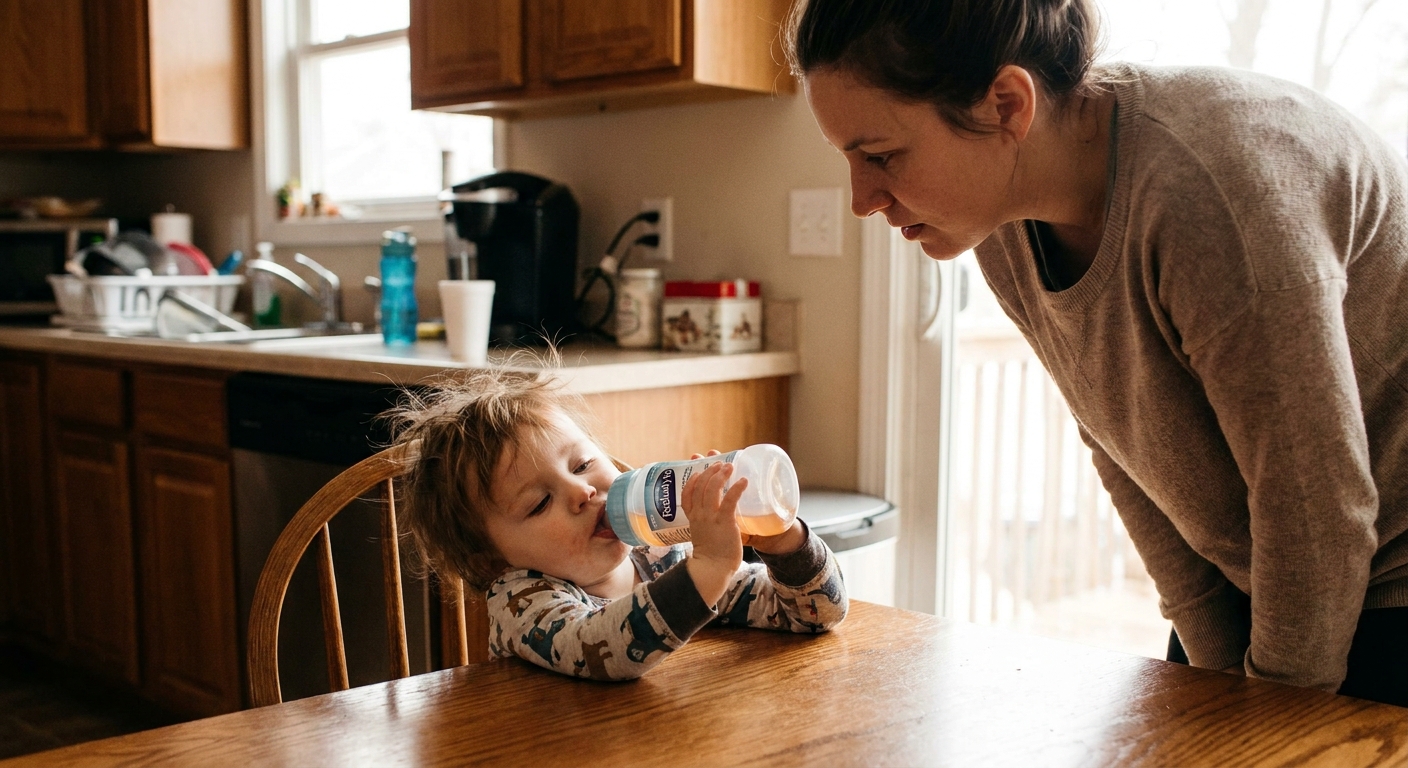
- Oral rehydration solution (ORS) (Pedialyte or store brand). This is the gold standard because it replaces water plus the right balance of salts and sugar.
- For older kids who refuse ORS: small amounts of diluted juice can be a temporary bridge, but ORS works best.
How to give fluids
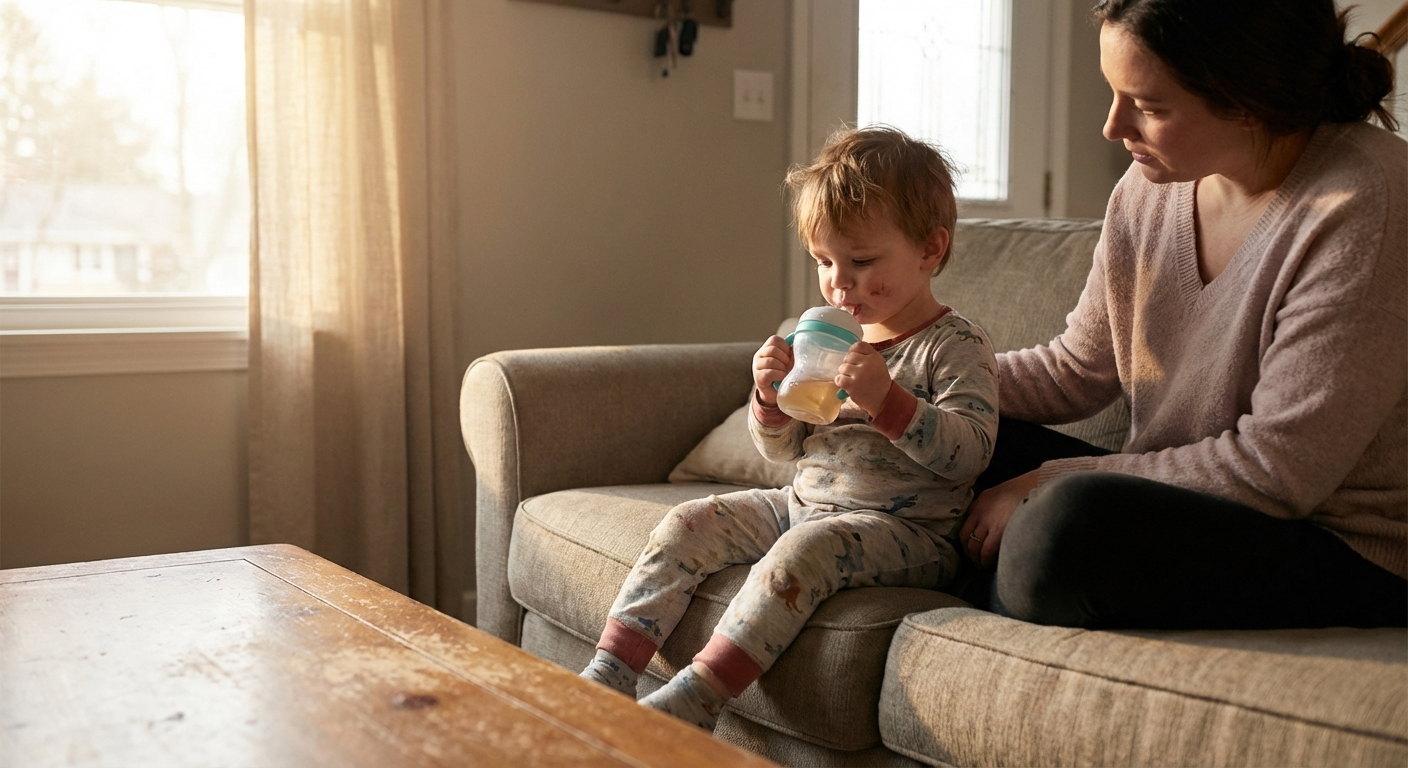
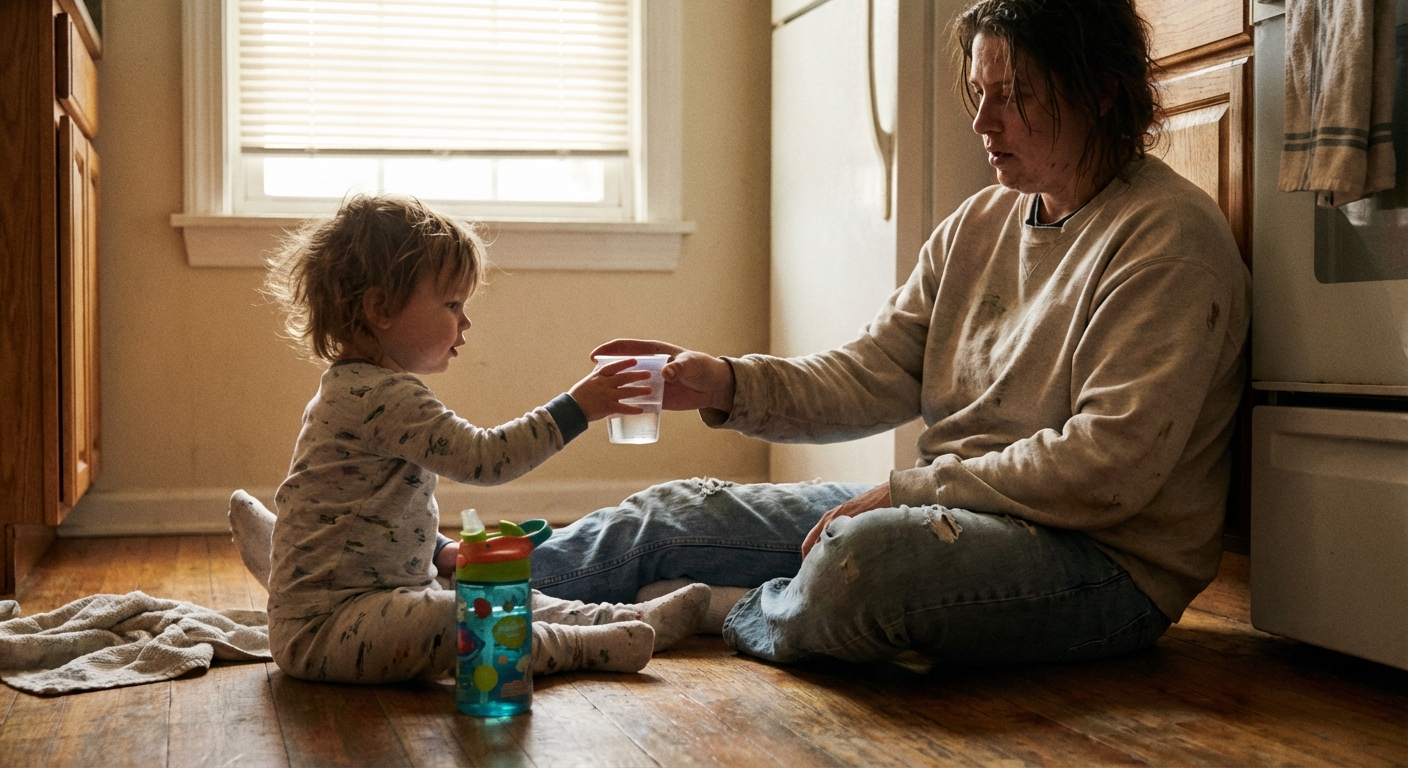
- Offer small sips every 1 to 5 minutes. Think teaspoons for toddlers, not big gulps.
- If vomiting is happening, pause for 10 minutes, then restart with tiny sips.
- Aim for pale yellow pee and regular wet diapers or bathroom trips (more is better).
Foods
If your child is hungry, let them eat. Bland, easy foods are fine: toast, rice, bananas, oatmeal, yogurt (pasteurized), soups. Avoid forcing heavy, greasy foods.
What to avoid
- Anti-diarrhea medicines like loperamide (Imodium) unless your clinician specifically recommends it. In kids, it can be unsafe, especially with bacterial diarrhea or bloody stools.
- High-sugar drinks (soda, undiluted juice) can worsen diarrhea in some children.
- Leftover antibiotics or someone else’s antibiotics. They may be the wrong drug for the wrong germ, and timing matters.
When stool testing helps
Not every child with diarrhea needs a stool test. Many infections are self-limited and improve with hydration and time. That said, clinicians often consider stool testing when:
- There is blood or mucus in the stool
- Diarrhea is severe (very frequent, significant pain, or dehydration risk)
- Symptoms last more than about a week or are not improving
- Your child is under 3 months (always call urgently)
- Your child has a weakened immune system or complex medical conditions
- There is a known exposure concern (raw milk, outbreak, high-risk travel, farm visit, or puppy with diarrhea exposure)
Many offices use a stool PCR panel (a rapid test that checks for multiple pathogens). Sometimes a stool culture is used, especially when antibiotic susceptibility information is helpful.
Do kids need antibiotics?
Often, no. Many healthy children get better without antibiotics.
Antibiotics may be considered when symptoms are more severe or higher risk, such as:
- High fever or significant illness
- Bloody diarrhea that is substantial or not improving
- Symptoms in young infants or medically fragile children
- Concern for complications or prolonged disease
Only your child’s clinician can decide this, and they will weigh things like age, severity, dehydration, and local resistance patterns. If antibiotics are prescribed, a common first-line option is often azithromycin. Antibiotics tend to help the most when used for the right child, for the right bug, and sometimes earlier in the course of severe disease. (Also worth knowing: in many regions, fluoroquinolone resistance in Campylobacter is common, which is one reason clinicians choose antibiotics carefully.)
ER and urgent care
Please seek urgent care or emergency evaluation if your child has any of the following:
- Signs of dehydration: very dry mouth, no tears when crying, sunken eyes, urinating much less than usual (or no wet diaper for about 6 to 8 hours in young infants, depending on age), dizziness, extreme sleepiness
- Blood in stool with weakness, ongoing large amounts of blood, or black tarry stool
- Severe belly pain (especially localized pain, persistent pain between stools, or a belly that looks swollen and hard)
- Unable to keep fluids down for several hours, especially in toddlers and infants
- Fever in a baby under 3 months (call urgently day or night)
- Fast breathing, confusion, lethargy, or your child is difficult to wake
- Diarrhea after high-risk exposures plus appearing ill (raw milk, untreated water, known outbreak)
And my nurse-mom rule: if your gut is screaming “this is not my kid,” trust that. You are allowed to get help even if you cannot perfectly explain why.
What your pediatrician may ask
If you call, expect some detective questions. These help decide whether testing or a visit is needed:
- How many loose or watery stools in the last 24 hours?
- Any blood or mucus? What color?
- Any vomiting? Can they keep liquids down?
- How many wet diapers or pees today?
- Fever? Highest temperature and how you measured it
- Recent foods (especially poultry), raw milk, travel, lake swimming
- Any sick contacts or pets with diarrhea (new puppy is a classic)
Spread at home
Yes, this can spread within a household, especially with diapering and little kids who need help in the bathroom. A few practical moves that actually work:
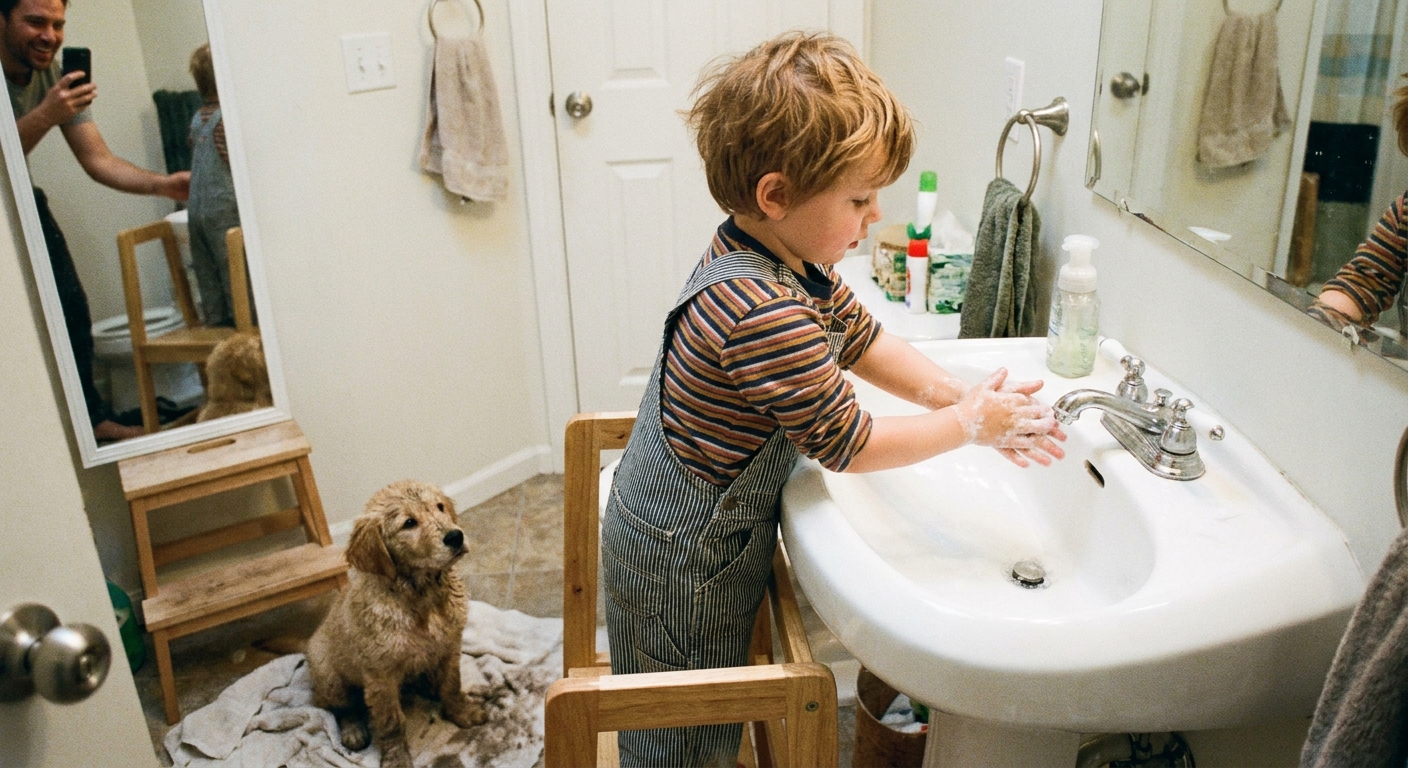
- Handwashing with soap and water after every diaper change, bathroom trip, and before eating or preparing food
- Separate towels if possible, or switch to paper towels for hand drying during the worst days
- Clean high-touch surfaces (toilet handles, faucets, light switches) regularly
- If your child is actively vomiting or has significant diarrhea, consider having that caregiver avoid preparing food for others until things are improving
Return to daycare or school rules vary, but a common standard is: fever-free, able to participate, and stools are improving (and contained, for kids in diapers). When in doubt, ask your pediatrician or your child’s center for their policy.
Prevention
- Cook poultry thoroughly. No pink. Juices run clear. Use a food thermometer when you can.
- Separate raw chicken from everything else. Different cutting board if possible.
- Wash hands after handling raw meat, after touching pet poop, and after petting animals before eating.
- Avoid unpasteurized milk and unpasteurized dairy for kids.
- Supervise handwashing after farm visits, petting zoos, and backyard poultry handling.
Possible complications
Most kids recover without lasting issues. Rarely, campylobacteriosis can be associated with:
- Reactive arthritis (joint pain or swelling after the infection)
- Guillain-Barré syndrome (a rare nerve condition that can cause weakness)
- Post-infectious IBS (ongoing belly pain or bowel changes that can linger after the infection clears)
These are uncommon, and I mention them not to scare you, but so you know to call your clinician if your child develops unusual weakness, trouble walking, or significant joint swelling in the weeks after a diarrheal illness, or if belly symptoms linger and disrupt normal life.
Bottom line
Campylobacter is a common cause of bacterial diarrhea in kids, especially after undercooked poultry, raw milk, untreated water, or animal poop exposure. The home mission is simple: hydrate early and often, watch for red flags, and loop in your pediatrician when there is blood in the stool, high fever, significant pain, or dehydration concerns.
If you are reading this at an unholy hour with a kid who keeps running to the bathroom, I am sending you the calmest nurse energy I have. Tiny sips, steady monitoring, and get help sooner rather than later if anything feels off.
Sarah Mitchell
Sarah Mitchell is a Registered Pediatric Nurse and a mother of three who has spent over a decade helping families navigate the beautiful, chaotic early years of childhood. She combines evidence-based medical knowledge with real-world parenting experience to offer practical, compassionate advice. At Awesome Parent, Sarah's mission is to help exhausted parents find solutions, trust their instincts, and finally get some sleep.