A parent-friendly HFMD contagiousness timeline, when it’s safe to return to daycare, and practical steps to prevent spread at home, including guidance for pr...
Can You Get Hand, Foot, and Mouth Disease Twice?

Sarah Mitchell
Sarah Mitchell is a Registered Pediatric Nurse and a mother of three who has spent over a decade helping families navigate the beautiful, chaotic early years of childhood. She combines evidence-based medical knowledge with real-world parenting experience to offer practical, compassionate advice. At Awesome Parent, Sarah's mission is to help exhausted parents find solutions, trust their instincts, and finally get some sleep.
I have had more than one bleary-eyed parent say to me, equal parts confused and offended, “But my kid already had hand, foot, and mouth. How is this happening again?” I get it. It feels unfair.
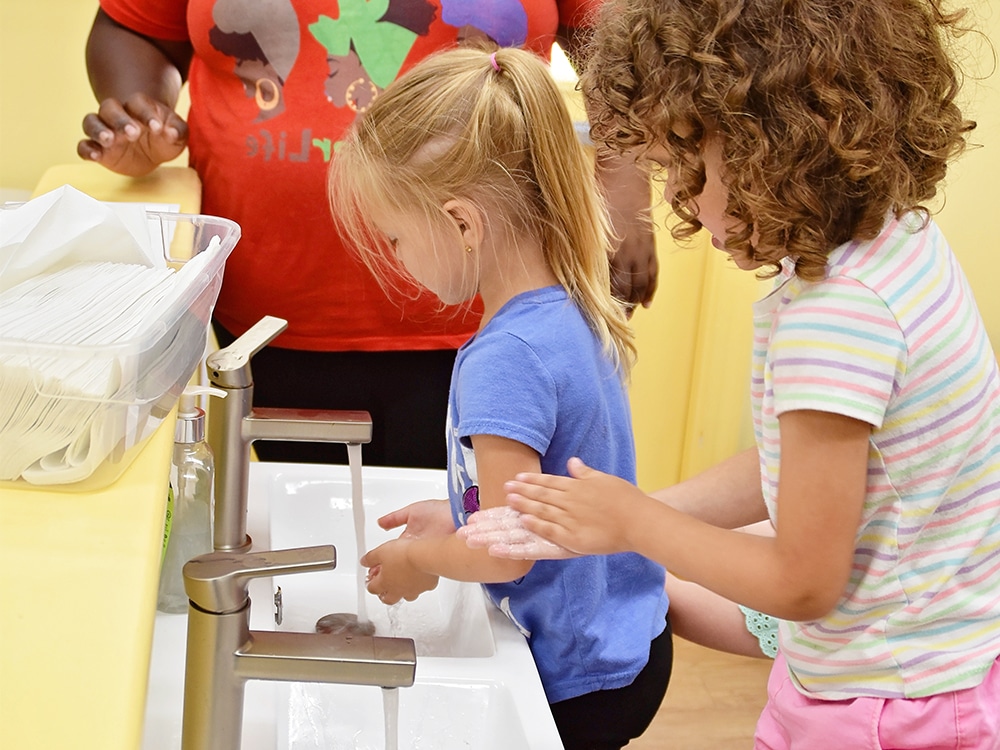
Yes, a child can get hand, foot, and mouth disease (HFMD) twice. Some kids get it multiple times. The reason is simple: HFMD is a syndrome caused by several different viruses, not one single germ. Immunity after an infection is usually strongest to that exact virus type or strain, not to every cousin in the enterovirus family.
Why HFMD can come back
HFMD is most commonly caused by enteroviruses, especially coxsackieviruses. In many places, the usual culprits are Coxsackie A16 and Coxsackie A6 (A6 is also known for causing a more widespread rash). Enterovirus 71 can also cause HFMD and is important in outbreaks in some regions. Think of “hand, foot, and mouth disease” as the label we put on a common pattern of symptoms, not a single virus with lifelong immunity.
1) Immunity is strain-specific
After your child recovers, their immune system “remembers” that particular virus well. But if the next daycare wave is driven by a different strain, your child can catch HFMD again.
2) Related viruses can still look different to the immune system
Even if two viruses are related, the parts your immune system recognizes can differ enough that the protection is incomplete. That can mean:
- A full repeat infection that looks a lot like the first time
- A milder case because some partial protection carries over
- An “odd-looking” case with more rash than mouth sores, or vice versa
3) Kids get lots of exposure
Young children put everything in their mouths, share toys, and touch faces constantly. This is not a parenting fail. It is biology plus sticky hands.
How soon can a child get HFMD again?
There is no perfect countdown. I have seen kids get a second bout within the same year, and some within a couple of months, especially during heavy daycare outbreaks. If a different virus strain is circulating, a second infection can happen sooner than you would expect.
If your child seems to get HFMD “back-to-back,” it could be:
- A true reinfection with a different virus
- A lingering rash phase from the original illness that is still evolving
- A different rash illness altogether (there are many)
If you are unsure which situation you are in, your pediatrician can often make the diagnosis based on the overall pattern of symptoms and what is circulating locally. HFMD is usually a clinical diagnosis (no test required). When the diagnosis is unclear or symptoms are severe, clinicians can sometimes confirm an enterovirus with PCR testing from a throat swab, a stool sample, or fluid from a lesion.
What a repeat HFMD infection can look like
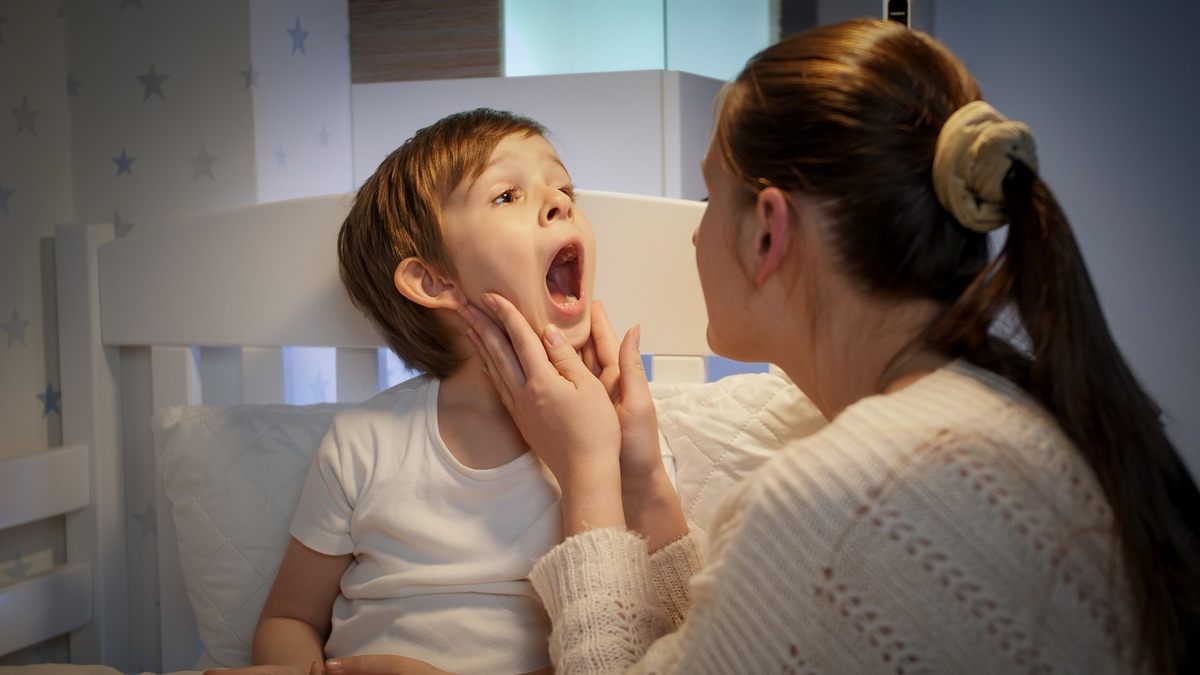
A second case can look similar to the first, but it is not always a carbon copy. In clinic and urgent care, these are the repeat-HFMD patterns I hear about most often:
- Milder symptoms overall, sometimes just a few spots and a sore throat
- More rash, fewer mouth sores, or the other way around
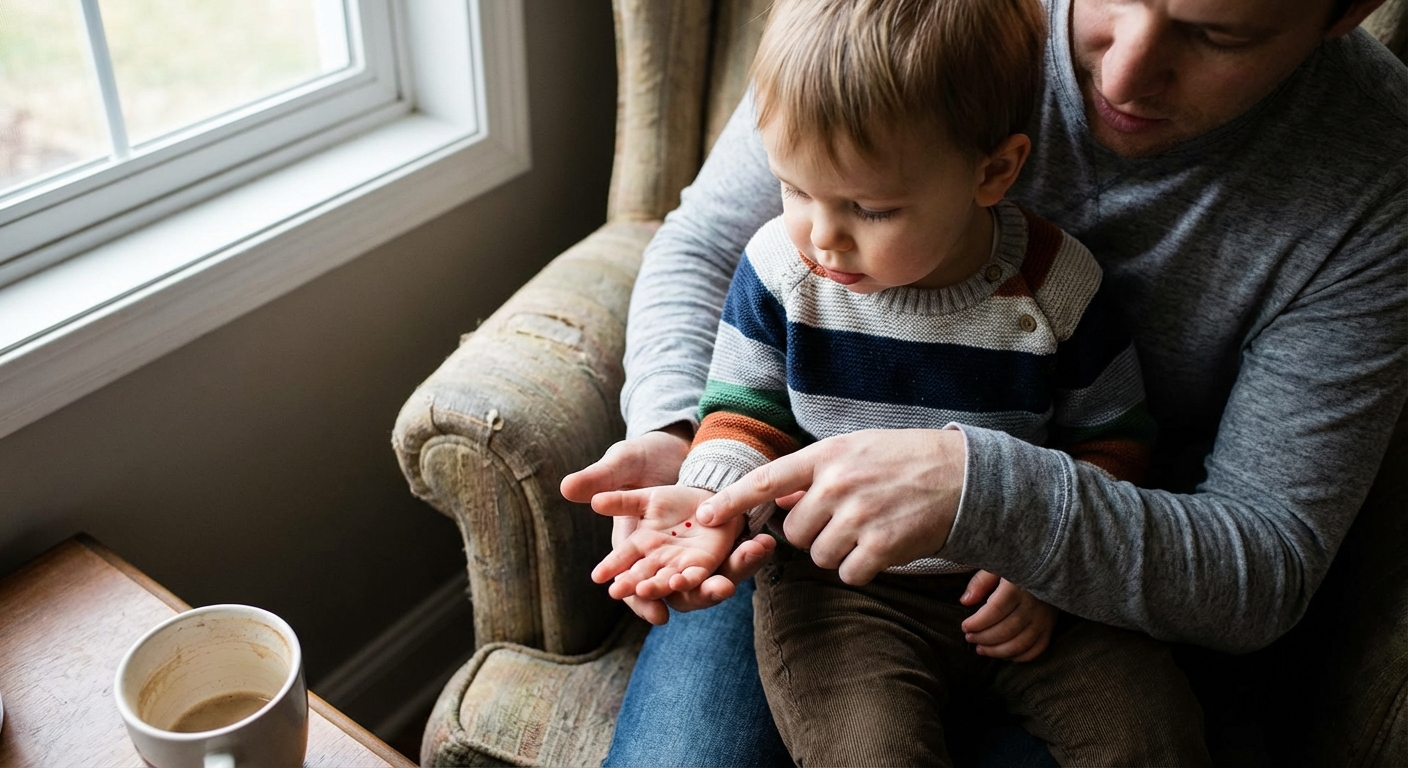
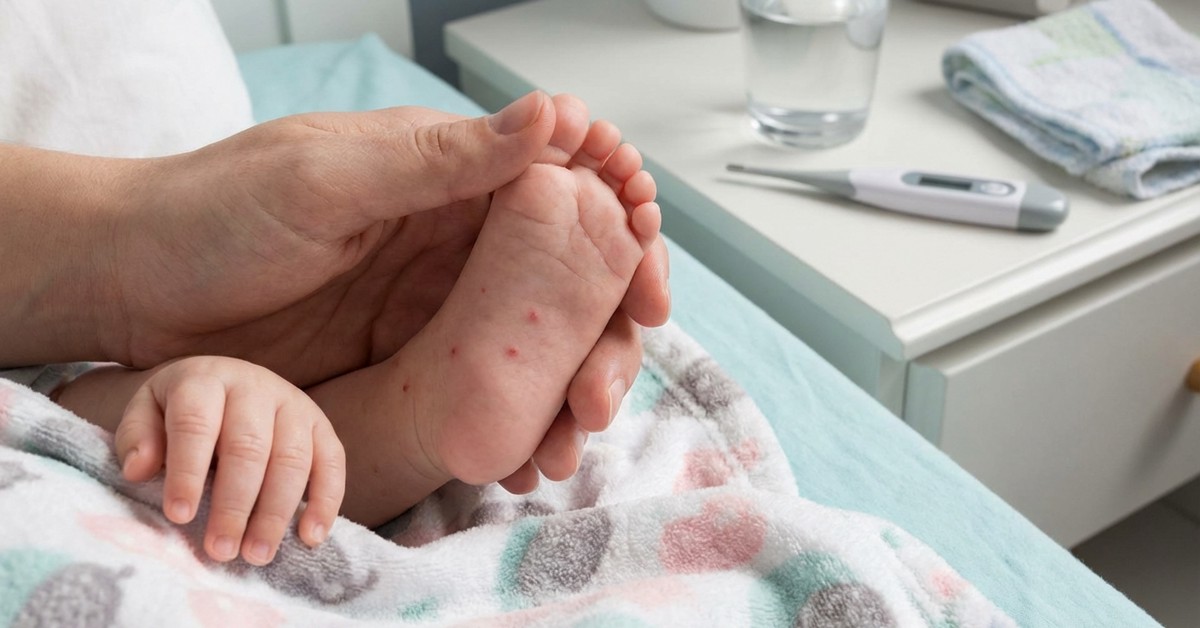
- Rash in additional places like arms, legs, around the diaper area, or trunk
- Different severity than last time, which can happen with different strains
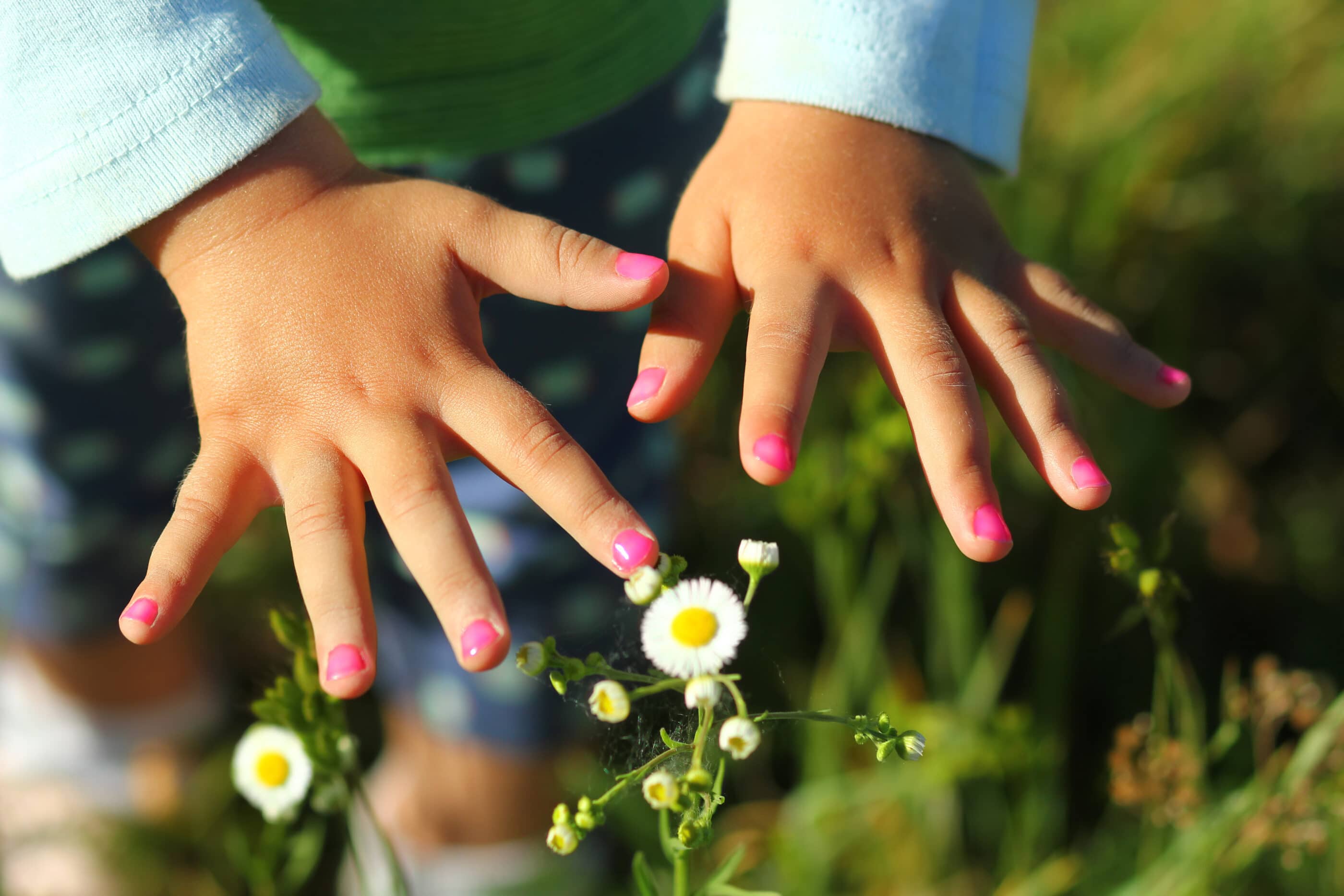
One very common “surprise” after HFMD is peeling skin on fingers or toes or fingernail or toenail shedding a few weeks later. That can happen after a first or repeat infection and does not mean your child caught it again. It is a known after-effect for some kids.
How contagious is it?
HFMD tends to be most contagious in the first week, especially when your child has fever, active mouth sores, and a fresh rash. Even after kids look better, they can still shed virus, particularly in stool, for weeks. Practically, that means hygiene matters even after the spots fade:
- Wash hands after diaper changes and bathroom trips
- Do not share cups, utensils, or toothbrushes
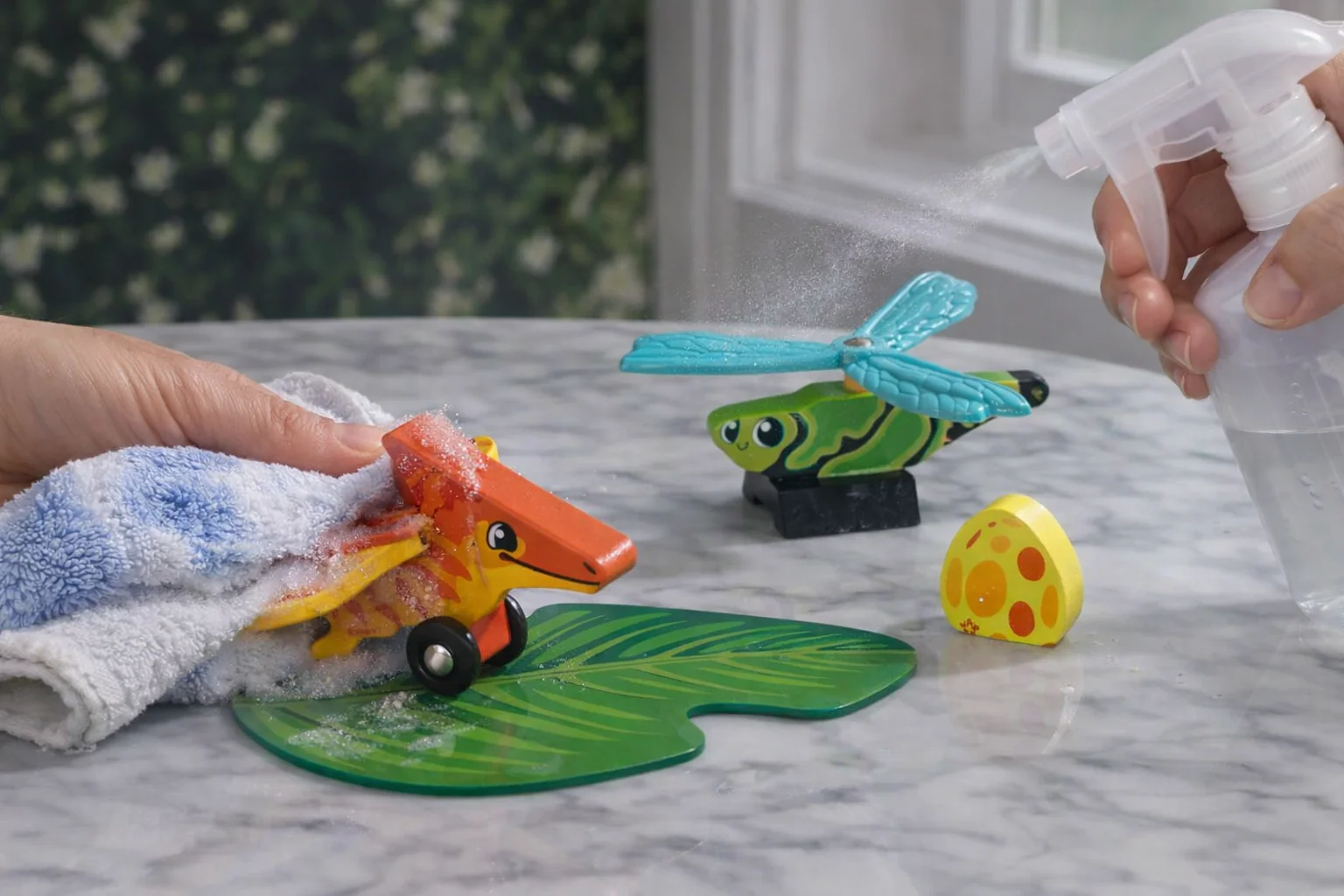
- Clean high-touch surfaces and mouthed toys regularly
What it means for siblings
If one child has HFMD, siblings are at higher risk, even if they have had it before. Here is how I counsel families with multiple kids:
Assume siblings can still catch it
Prior HFMD does not guarantee protection, especially if you do not know which virus caused the earlier case. So if your older child “already had it,” still watch for symptoms and keep up hygiene.
Do the realistic version of infection control
You do not need to bleach your entire life. Focus on high-yield steps you can actually maintain:
- Handwashing after diaper changes, bathroom trips, and before eating
- Separate cups and utensils, and do not share toothbrushes (ever)
- Wipe down high-touch items like doorknobs, light switches, and tablets
- Bath toys and teething toys should be washed regularly, especially if they go in mouths
Pay extra attention with babies
Most babies do fine, but they can dehydrate faster and cannot tell you their mouth hurts. If a baby is drooling more than usual, refusing feeds, or having fewer wet diapers, call your pediatrician for guidance.
What it means for daycare and school
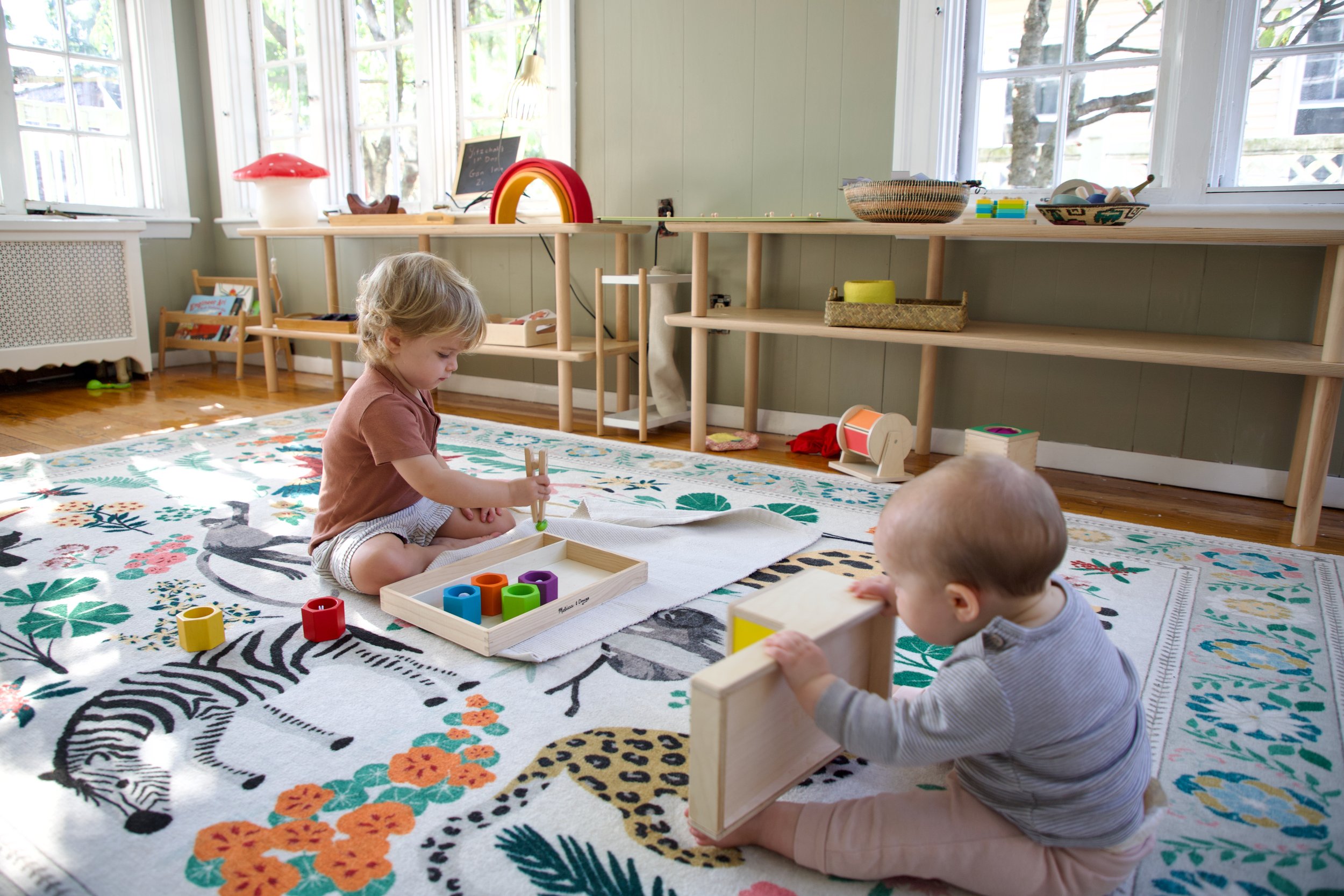
Daycare is where HFMD loves to throw a party. A prior infection does not mean your child is “safe” for the next outbreak, and it does not mean your child cannot bring home a different strain later.
Expect repeat cases in group settings
In childcare, multiple HFMD waves can happen because:
- different virus strains circulate at different times
- kids can shed virus beyond the obvious symptom days
- toddlers are efficient little germ distributors
Follow your center’s illness policy
Policies vary widely by location and center. Many programs focus on whether a child can participate comfortably in care, but some have strict rules like being fever-free for a set period or excluding kids with open or oozing sores. When in doubt, follow your daycare’s guidance and your pediatrician’s recommendations.
If your child has had HFMD before and develops a new rash and mouth sores again, treat it like a new illness. Notify daycare so other families can watch for symptoms and so cleaning routines can be reinforced.
Comfort care at home
There is no specific antiviral medicine for routine HFMD. Most kids do well with supportive care:
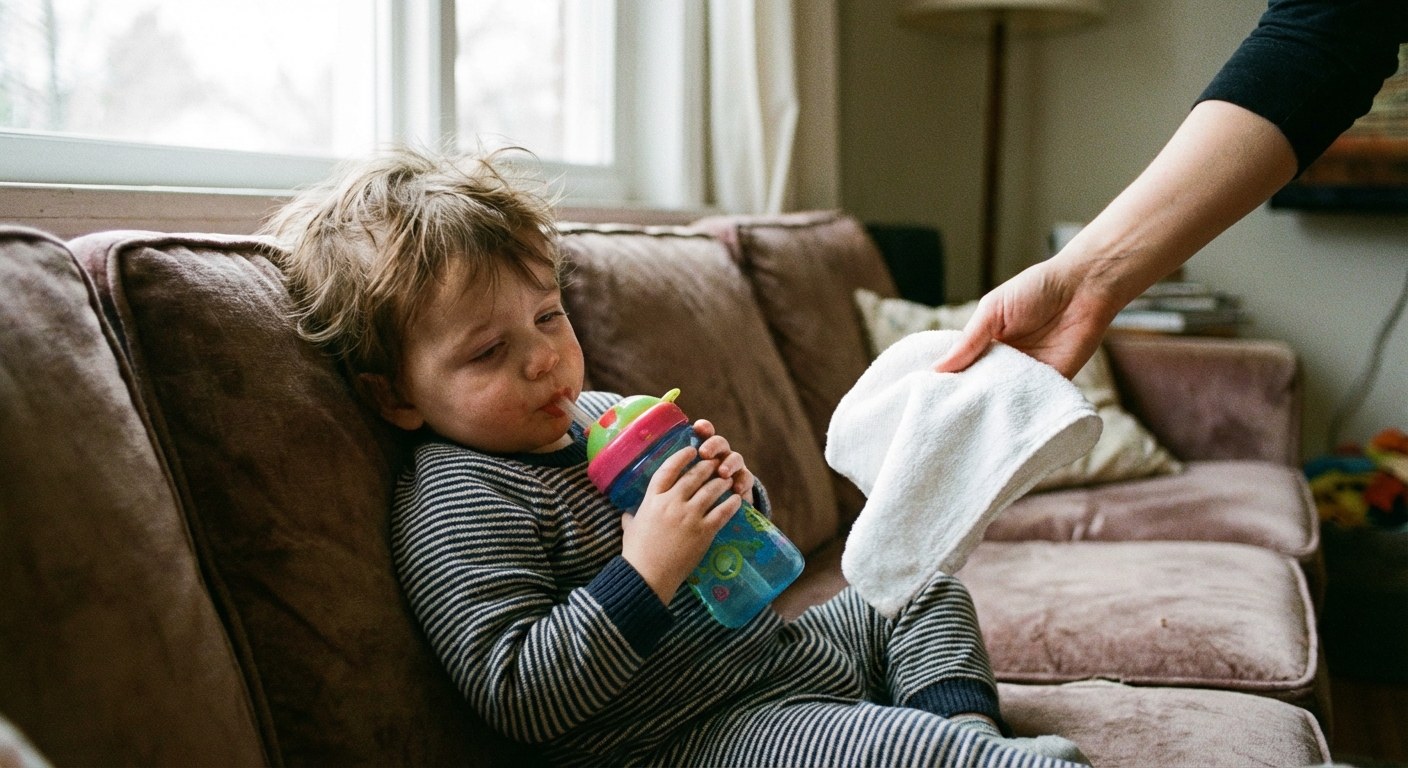
- Fluids first: cold water, milk, smoothies, popsicles, and oral rehydration solution if needed. Avoid acidic drinks (like citrus) if mouth sores hurt.
- Pain and fever control: for most children, acetaminophen or ibuprofen can help. Use the dose your pediatrician recommends for your child’s weight and age.
- Skip numbing mouth gels unless your pediatrician says otherwise: topical anesthetics can be risky in young kids and are easy to overuse.
When it might not be HFMD
If the rash pattern is unusual, crusty, or very localized, or if the mouth sores are severe without the classic hand and foot rash, ask your clinician to take a look. Conditions that can sometimes mimic HFMD include:
- impetigo
- chickenpox (varicella)
- cold sore related mouth infections (HSV gingivostomatitis)
- aphthous ulcers (canker sores) without a viral rash
- contact dermatitis or allergic rashes
When to call the pediatrician
Most HFMD cases, including repeat infections, can be managed at home with supportive care. But there are a few situations where I want parents to pick up the phone.
- Signs of dehydration: significantly fewer wet diapers, very dark urine, dry mouth, no tears when crying, unusual sleepiness
- Unable to drink because mouth pain is intense
- High fever or a fever that lingers: for example, fever at or above 104°F (40°C), fever lasting more than 3 days, or any fever in a baby under 3 months
- Severe headache, stiff neck, confusion, unusual sleepiness or any symptom that feels neurologic or alarming
- Rapidly worsening rash, widespread blistering, or signs of skin infection (increasing redness, warmth, swelling, pus)
- Immunocompromised child or a child with complex medical needs
Trust your instincts. If this bout looks very different than the last one or your child just seems off, it is worth checking in.
FAQ
Does having HFMD once give lifelong immunity?
No. It usually provides strong protection to the specific virus strain that caused that episode, but HFMD can be caused by multiple strains. A different strain can cause HFMD again.
Is a second case usually milder?
Often it can be milder, but not always. Different strains can behave differently, and kids can have different severity even with the same general diagnosis.
Can adults get HFMD more than once?
Yes. Adults can catch HFMD, and repeat infections are possible for the same reason as in kids: multiple viruses can cause it. Adults often have milder symptoms, but not always.
My child’s nails are peeling weeks later. Is that a new infection?
Not usually. Peeling skin and nail changes can happen after HFMD and can show up weeks after your child otherwise seems fine. If there is no new fever or new rash, it is more likely a post-viral after-effect than a reinfection. If you are unsure, send a photo to your pediatrician or ask at the next visit.
The bottom line
You can absolutely get hand, foot, and mouth disease twice. It is not that your child’s immune system did not work. It is that HFMD is caused by multiple viruses, and immunity is not one-size-fits-all.
If your child gets it again, focus on hydration, comfort, and practical hygiene at home, and loop in daycare so they can reinforce cleaning and alert other families. And if your parent gut says this case is hitting harder than it should, call your pediatrician. That is what we are here for.
Sarah Mitchell
Sarah Mitchell is a Registered Pediatric Nurse and a mother of three who has spent over a decade helping families navigate the beautiful, chaotic early years of childhood. She combines evidence-based medical knowledge with real-world parenting experience to offer practical, compassionate advice. At Awesome Parent, Sarah's mission is to help exhausted parents find solutions, trust their instincts, and finally get some sleep.