A calm, step-by-step guide for household chemical and medication ingestions: do and do not, when to call Poison Control, what info to have ready, plus button...
Cetirizine Tablets Recall: Check Your Bottle

Sarah Mitchell
Sarah Mitchell is a Registered Pediatric Nurse and a mother of three who has spent over a decade helping families navigate the beautiful, chaotic early years of childhood. She combines evidence-based medical knowledge with real-world parenting experience to offer practical, compassionate advice. At Awesome Parent, Sarah's mission is to help exhausted parents find solutions, trust their instincts, and finally get some sleep.
Editor’s Note: This article is a sample template. The recalled-product identifiers below (manufacturer/labeler, NDC, lot number, expiration) are fictional placeholders. Before publishing as service journalism, replace the entire recalled-product section with the exact details from the FDA recall entry (including date, event ID, classification, reason, and identified contaminant if listed) and link directly to that entry.
Template reminder: The guidance below is a general “what to do if the FDA posts a cetirizine recall” checklist. If you are publishing about a specific, active recall, update the language throughout to match the FDA’s exact wording and hazard.
If you have cetirizine HCl (cetirizine hydrochloride) tablets (the allergy medicine many of us know as Zyrtec) in your house, it is worth a quick label check when the FDA posts a recall that applies to your product. The FDA periodically posts recalls for over-the-counter medications, including antihistamine tablets like cetirizine. Some recalls involve potential cross-contamination during manufacturing.
In plain English: a bottle that looks like a normal allergy medicine may contain traces of a different medication made on the same production line.
With your bottle in hand, look for these identifiers. Recalls are tied to specific manufacturers or labelers, NDCs, and lot numbers. Below is an example format of the details families need to match. Do not use these example identifiers as live guidance.
Recalled products (template)
Template: In a real recall article, this section should list the exact cetirizine HCl tablets included in the FDA notice. Check the back label and match the company name, NDC, and lot number.
Example entry 1 (placeholder)
- Product name on label: Cetirizine HCl tablets (OTC)
- Strength: 10 mg
- Package description: 30-count bottle
- NDC: [INSERT FROM FDA ENTRY]
- Affected lot numbers: [INSERT FROM FDA ENTRY]
- Expiration dates: [INSERT FROM FDA ENTRY]
Example entry 2 (placeholder)
- Product name on label: Store-brand cetirizine HCl tablets
- Strength: 10 mg
- Package description: 90-count bottle
- NDC: [INSERT FROM FDA ENTRY]
- Affected lot numbers: [INSERT FROM FDA ENTRY]
- Expiration dates: [INSERT FROM FDA ENTRY]
If your company name, NDC, and lot number match the FDA notice, stop using the product. Cross-contamination is not something you can see, smell, or taste.
Where to confirm: The best source is the specific FDA recall entry for your product and lot. You can also start at the FDA’s Recalls, Market Withdrawals, and Safety Alerts page and click through to the exact listing: https://www.fda.gov/safety/recalls-market-withdrawals-safety-alerts.
What it means
In a cross-contamination recall, the concern is that a medication may contain traces of a different product due to an issue during manufacturing (for example, shared equipment that was not fully cleared between runs). Sometimes a notice confirms a contaminant was found. Other times it describes a potential risk. The exact wording matters, so it is worth reading the FDA entry itself.
Important nuance: The FDA notice will describe the specific hazard when known. That might mean the presence of another drug, a foreign substance, microbial contamination, or another quality problem. Your next steps should follow that hazard and the FDA’s instructions for your exact product and lot.
Here is the key safety issue: if someone takes a pill believing it is a standard allergy medicine, but it contains traces of a different drug, the effects can range from nothing noticeable to serious side effects or drug interactions. If the FDA or the company uses language like “serious” or “life-threatening,” that reflects a hazard assessment based on the suspected exposure and higher-risk groups. It is not always the same for every recall.
This is one of those moments where a calm, practical response is the right response. We are not spiraling. We are checking the bottle, stopping use if it is on the list, and getting guidance if anyone has symptoms.
Medical note: This article is for general information and is not a substitute for medical advice from your clinician.
What to check
Recalls are product and lot specific. This template focuses on cetirizine HCl (cetirizine hydrochloride) tablets (you may see it written either way on the Drug Facts panel). Cetirizine is commonly sold as:
- Zyrtec (brand name) in tablet form
- Store-brand cetirizine (generic) in tablet form, often labeled “Cetirizine HCl”
Important: Do not assume your bottle is included (or excluded) based on the front label alone. Look on the back label for the identifiers that matter: company name, NDC, and lot number.
Also note: cetirizine comes in other forms (liquid, chewables, orally disintegrating tablets). A recall may apply to tablets only, or it may apply to a different form. Always match your exact product type to the FDA entry.
While you are in the cabinet, do a quick scan of other allergy tablets that are easy to mix up at a glance:
- Loratadine (Claritin and generics)
- Fexofenadine (Allegra and generics)
- Diphenhydramine (Benadryl and generics)
Those are not automatically part of a cetirizine recall. The point is practical: if you have several similar bottles, it is easy to grab the wrong one when you are tired.
How to check
Two bottles that look identical on the front can be very different on the back label. Here is the fastest way to verify yours.
Step 1: Confirm the medicine
- Find the Drug Facts panel and the active ingredient line.
- For a cetirizine recall, you are looking for cetirizine HCl (also written as cetirizine hydrochloride).
- Confirm the dosage form is tablets, if that is what the recall specifies.
- Note the strength and compare it to the FDA entry.
Step 2: Find the lot number and NDC
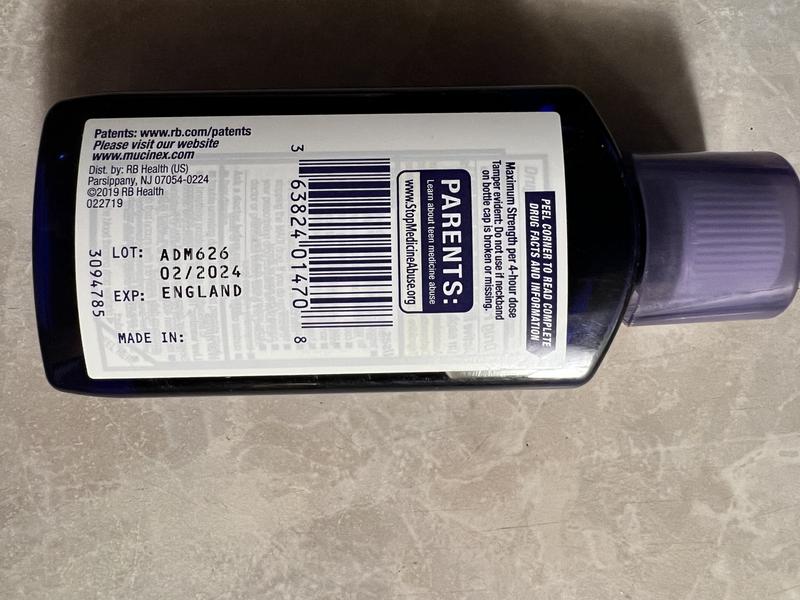
Most OTC bottles have the lot number and expiration printed on the bottle label, the label edge, or the outer box flap.
- Lot number may be labeled LOT, Lot, L, or Batch.
- NDC is often printed near the barcode or in small type on the label.
- Expiration date matters because recalled lots can sit in medicine cabinets long after purchase.
Step 3: Match the identifiers
Match what is on your bottle to the FDA list. You are looking for a full match on company name, NDC, and lot number.
If your bottle matches, stop using it and store it out of reach of children and away from other medicines so it does not get used by mistake.
Tip from the triage desk: If you cannot find a lot number (ink rubbed off, label damaged, pills moved to an organizer), it is safest to stop using it until you can confirm details from the original bottle or box.
Find the FDA listing fast
- Use the exact identifiers: Search the FDA recalls page for “cetirizine” plus your store, brand name, or company name on the label.
- Use your NDC: If you have an NDC, search it in the FDA’s NDC Directory to confirm the labeler and product details, then cross-check the recall entry for the affected lot list: https://www.accessdata.fda.gov/scripts/cder/ndc/index.cfm.
Template note: When publishing a real recall, link directly to the FDA recall entry and quote the hazard language exactly.
If you took it
First, take a breath. Many people who are exposed to small amounts of an unintended medication may have no symptoms at all. But because cross-contamination can involve wrong-drug exposure, it is smart to be more cautious than you would be with a typical minor-defect recall.
What to do
- Stop taking the product and store it safely so no one else uses it.
- Write down what happened: who took it (adult, teen, child), how many tablets, and when.
- Do not try to offset it by taking extra of your usual medication.
When to get help
- Call Poison Control (US): 1-800-222-1222 if you are unsure what to do or if anyone has new symptoms after taking a recalled product.
- Call local emergency services now for trouble breathing, swelling of lips or face, fainting, severe dizziness, chest pain, a seizure, or severe confusion. These are general emergency warning signs. Follow local guidance.
- Call your pediatrician or clinician the same day if a child took it and has vomiting, unusual sleepiness, agitation, a fast heartbeat, a severe headache, or anything that feels off for your kid.
Have the bottle information ready when you call: brand, strength, company name, NDC, lot number, and expiration.
What to do with it
Most OTC recalls include consumer instructions such as returning the product to the retailer or contacting the manufacturer or distributor for a refund or replacement. Follow the instructions listed in the FDA recall entry for your specific product and lot.
- Do not keep using it, even if you felt fine after past doses.
- Store it out of reach until you return it or dispose of it as instructed. A recalled bottle is still a bottle of medicine.
- Do not share recalled meds with anyone else.
Organizer workaround: If pills are already in a weekly organizer and you cannot identify the lot number, do not use them. Switch to a newly purchased bottle you can verify, and ask your pharmacist how to dispose of the unidentified pills safely.
Disposal note: Unless the recall entry specifically instructs otherwise, the usual safest option is a drug take-back program (many pharmacies and police stations have them). Flushing is generally not recommended except for medications on the FDA Flush List. For FDA disposal guidance, see https://www.fda.gov/drugs/safe-disposal-medicines and the Flush List here: https://www.fda.gov/drugs/disposal-unused-medicines-what-you-should-know/drug-disposal-fdas-flush-list-certain-medicines.
Why it matters
Many recalls involve packaging errors, minor stability issues, or tablets that do not dissolve correctly. Those can still be important, but they are usually not about the medicine being the wrong medicine.
Cross-contamination changes the conversation because even small amounts of an unintended drug can be risky for:
- Children, who are more sensitive to dosing errors by body weight.
- People with medication allergies or past severe reactions.
- Anyone on interacting medications (the risk depends on what the unintended medication is).
- Pregnant or breastfeeding parents, where medication exposure decisions need extra care.
That is why “we have taken this for years” is not enough reassurance if your lot number is on the recall list.
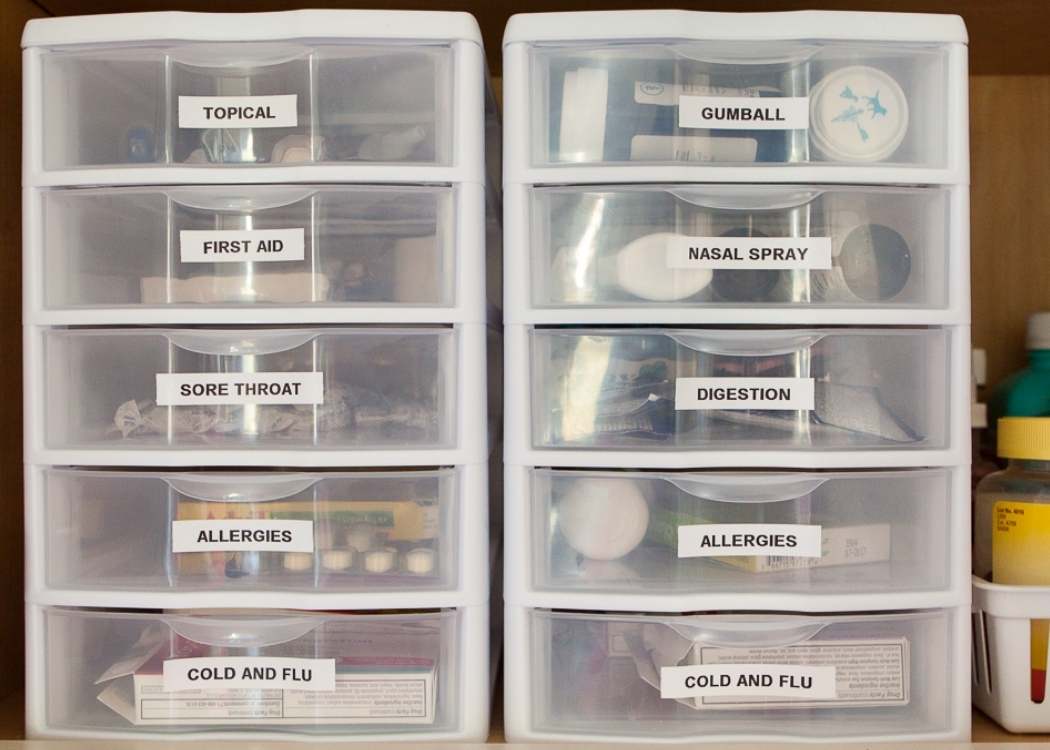
Quick cabinet check
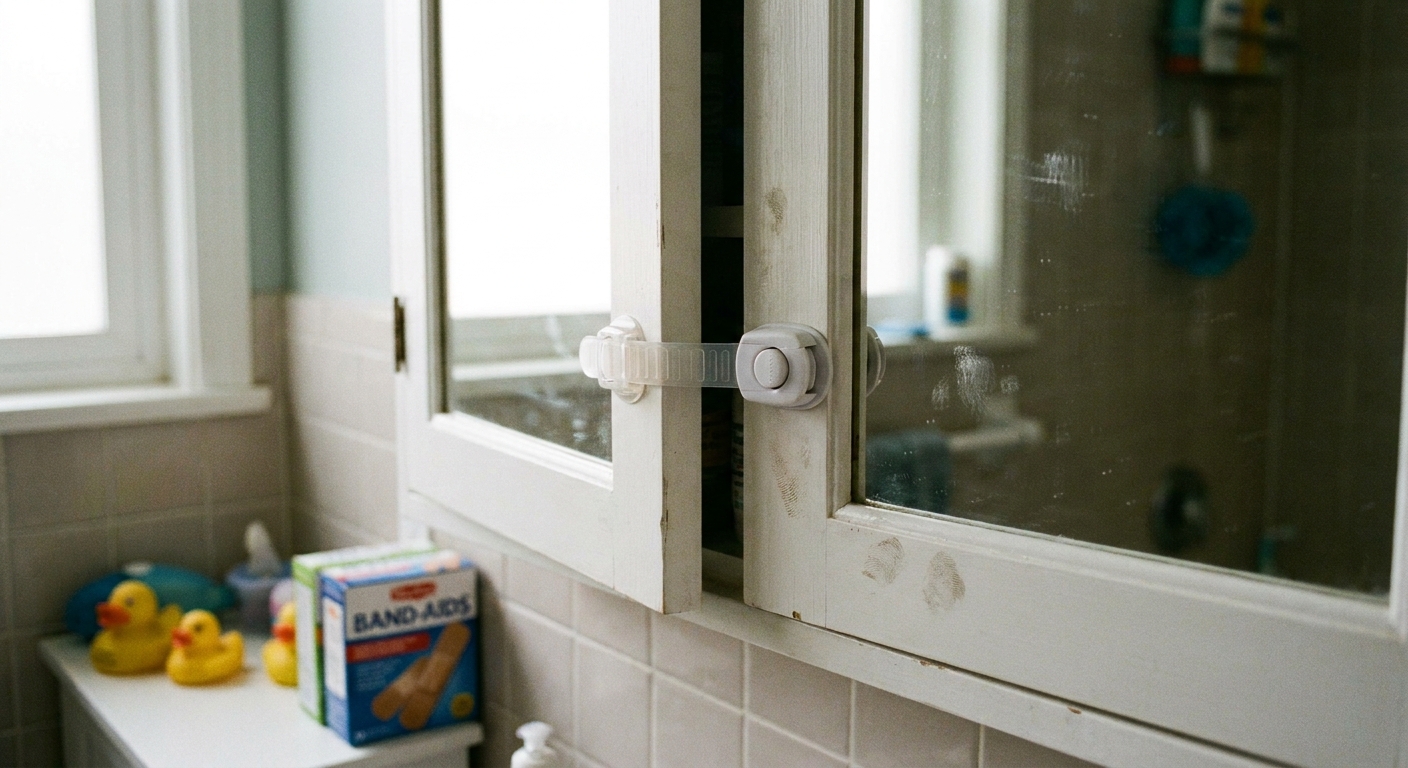
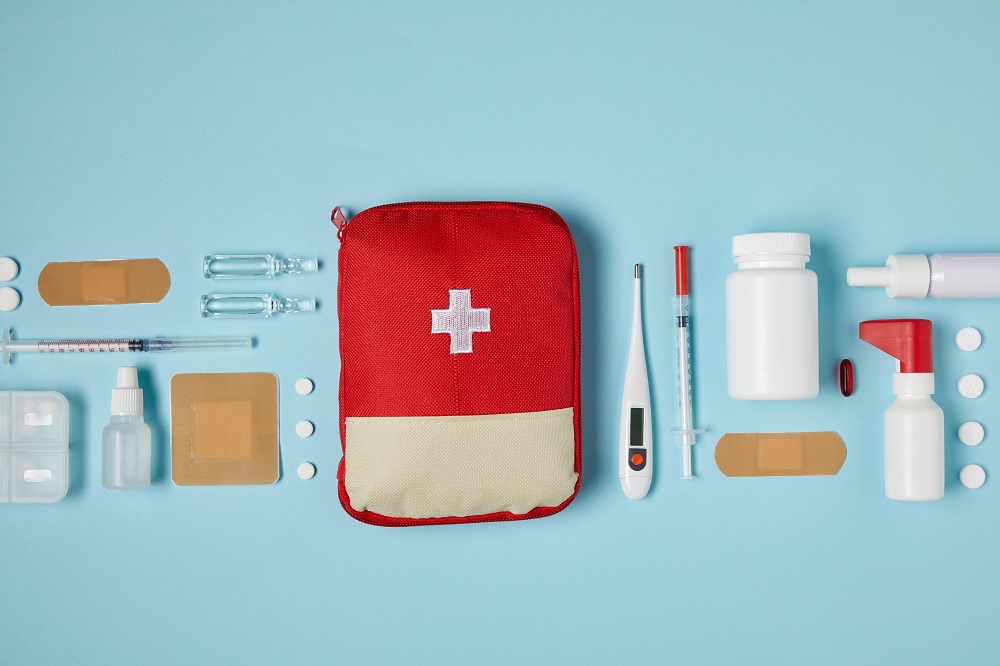
Since you are already in the medicine cabinet, here is the 2-minute safety sweep I recommend for busy families at home.
- Keep meds in original containers whenever possible. Organizers are convenient, but they remove the lot number and expiration date.
- Store adult and child medicines separately to reduce mix-ups.
- Use a measuring syringe for liquids (not a kitchen spoon).
- Do a seasonal reset: check expirations at the start of allergy season, cold and flu season, and summer travel season.
FAQ
Is every store brand included?
No. Recalls are limited to specific products and specific lots. Some store brands can be made by the same manufacturer or labeler, so check every bottle of cetirizine HCl tablets you have and match by company name, NDC, and lot number.
Should I throw it away?
Follow the instructions in the FDA recall notice for your specific product. If return is recommended for refund, store it safely until you can return it. If disposal is recommended, use a take-back program when possible.
My child took one dose and seems fine. Do I still need to do anything?
If your bottle matches the recalled lot list, stop using it and call Poison Control for tailored advice, especially for young children or kids with chronic medical conditions. If your child develops concerning symptoms, seek urgent care.
What can I use instead?
For many families, the safest next step is to ask a pharmacist or clinician what to use while you sort out the recall. For kids, stick to age-appropriate products and dosing. Do not switch a child to a different antihistamine without checking the dosing, since “same drug class” does not mean the same dose. Check with your pediatrician or clinician if your child is under 2, has asthma or heart conditions, or takes daily medications.
Bottom line
If the FDA posts a cetirizine recall that involves cross-contamination, it is worth a real look because it can mean wrong-medication exposure, not just a minor manufacturing flaw. Verify your bottle using the identifiers that matter (company name, NDC, and lot number). If it matches the FDA entry, stop use and get expert help quickly if anyone has symptoms or if a child took it.
My practical mom take: set a timer for 3 minutes, check every allergy bottle in the house, and then go back to your day. The goal is not anxiety. The goal is preventing the kind of avoidable mix-up that ruins a perfectly ordinary Tuesday night.
Sarah Mitchell
Sarah Mitchell is a Registered Pediatric Nurse and a mother of three who has spent over a decade helping families navigate the beautiful, chaotic early years of childhood. She combines evidence-based medical knowledge with real-world parenting experience to offer practical, compassionate advice. At Awesome Parent, Sarah's mission is to help exhausted parents find solutions, trust their instincts, and finally get some sleep.