Constant peeing with a negative urine test is common in kids. Here’s what often causes it, what clinicians check next, and practical steps that actually help.
Daytime Wetting in School-Age Kids

Sarah Mitchell
Sarah Mitchell is a Registered Pediatric Nurse and a mother of three who has spent over a decade helping families navigate the beautiful, chaotic early years of childhood. She combines evidence-based medical knowledge with real-world parenting experience to offer practical, compassionate advice. At Awesome Parent, Sarah's mission is to help exhausted parents find solutions, trust their instincts, and finally get some sleep.
One of the most surprising things I heard as a pediatric triage nurse was how many families whispered about daytime wetting like it was a secret. Not nighttime wetting. Not a toddler potty training hiccup. A big kid who is dry overnight but keeps coming home from school with damp underwear.
If that is your child, take a breath. Daytime leaks in school-age kids are common, usually fixable, and very often not about laziness or “not caring.” Most kids are dealing with a bladder that is getting ignored, rushed, squeezed by constipation, or worried after a painful pee they are trying to avoid.
And if your child is older than about 5 or 6 and this is happening regularly, it is worth a conversation with their clinician. You do not have to wait until everyone is miserable.
What it can look like
Daytime wetting is not always a full accident. Many parents notice it as:
- Damp underwear that smells like urine, especially after school
- Urgency, the sudden “I have to go right now!” sprint
- Holding maneuvers like leg crossing, squatting, rocking, or grabbing the crotch
- Frequent small pees or, on the flip side, going all day with barely any bathroom trips
- Leaking with laughter or during sports
Some kids are fully dry at night because they often make less urine during sleep. Nighttime dryness can also reflect deeper sleep, a higher arousal threshold, and bladder capacity. Daytime is a different world with distractions, tight schedules, and “I do not want to miss anything.”
Most common cause: holding
In my clinic years, this was the top culprit. School-age kids get busy, distracted, or embarrassed about asking to go. They hold until the bladder is overfull, then it starts to spasm and leak.
Signs your child is a holder
- They pee fewer than about 4 to 5 times a day (there is some normal variation)
- They always wait until the last second
- They do “pee dances” instead of stopping to use the bathroom
- They rush, barely sit down, or “hover” over public toilets
What helps
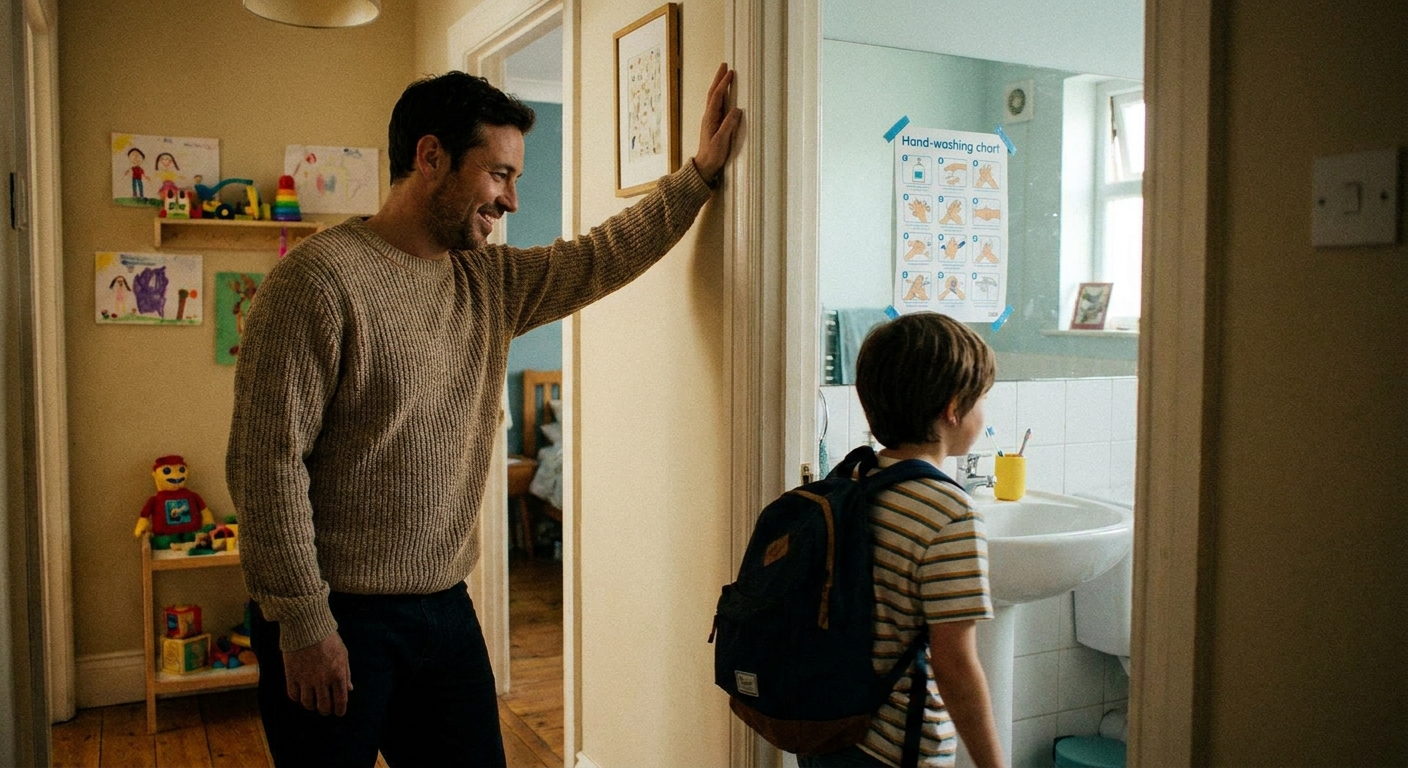
The goal is to get your child peeing before urgency hits. Many families do well with a simple routine:
- Morning pee after breakfast
- Before leaving for school
- At school: once mid-morning and once mid-afternoon (or at recess and after lunch)
- Right after school
- Before sports or activities
Keep it matter-of-fact. This is not a punishment. It is a body skill.
Constipation matters
If I could put one message on a billboard for parents dealing with daytime wetting, it would be this: constipation can cause urinary leaks.
The rectum sits right behind the bladder. When it is packed with stool, it can press on the bladder and reduce how much it can comfortably hold. That leads to urgency, frequency, and accidents. Kids do not have to be complaining of belly pain to be constipated.
Clues many parents miss
- Pooping fewer than 3 times per week
- Large, hard, or painful stools
- Skid marks in underwear
- “Rabbit pellet” poops
- Lots of wiping, clogged toilets, or avoiding the bathroom
- Belly bloating, decreased appetite, or vague tummy aches
If any of those ring a bell, talk with your child’s clinician. Treating constipation is often a huge turning point for bladder control.

Urgency and overactive patterns
Some kids have bladders that squeeze too early. Instead of calmly filling and sending a gentle “time to pee” signal, the bladder muscle contracts and creates urgency. Your child may leak on the way to the bathroom, even if they were trying to go.
In real life, urgency patterns often overlap with holding habits and constipation. Most plans focus on the basics:
- Scheduled bathroom trips
- Not rushing on the toilet and fully emptying
- Good hydration spread throughout the day
- Constipation treatment if needed
Giggle leaks
Yes, this is a real thing. Some kids leak urine when they laugh hard, and the rest of the day they are totally fine. It can range from a small leak to a complete emptying of the bladder.
Giggle leaks can be embarrassing for kids, especially in social situations. The most helpful approach is calm and practical:
- Have your child pee before situations where laughing is likely, like recess or a playdate
- Build in “just in case” bathroom breaks at school
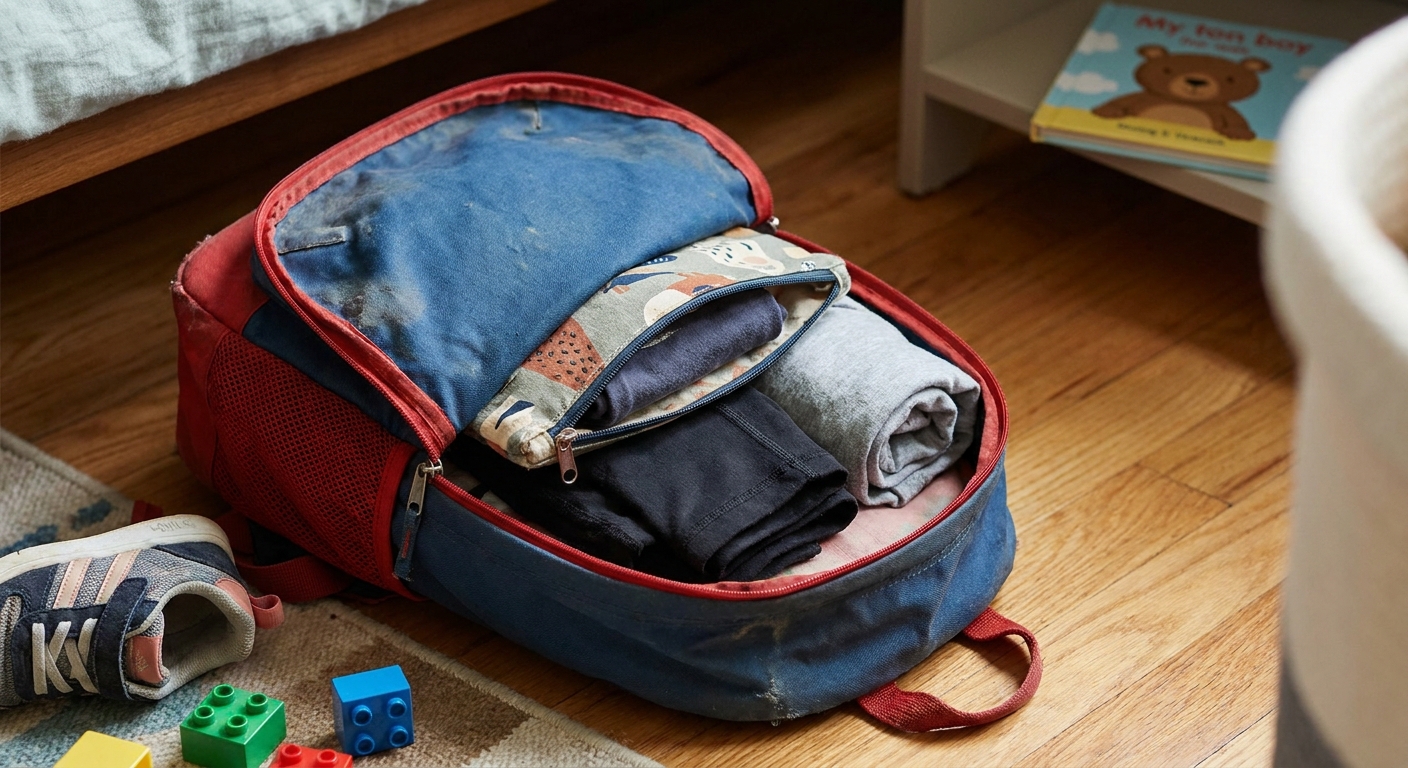
- Consider supportive underwear changes in the backpack, without shame
If giggle leaks are frequent or significant, bring it up with your pediatrician. There are strategies and, in some cases, referrals that can help.
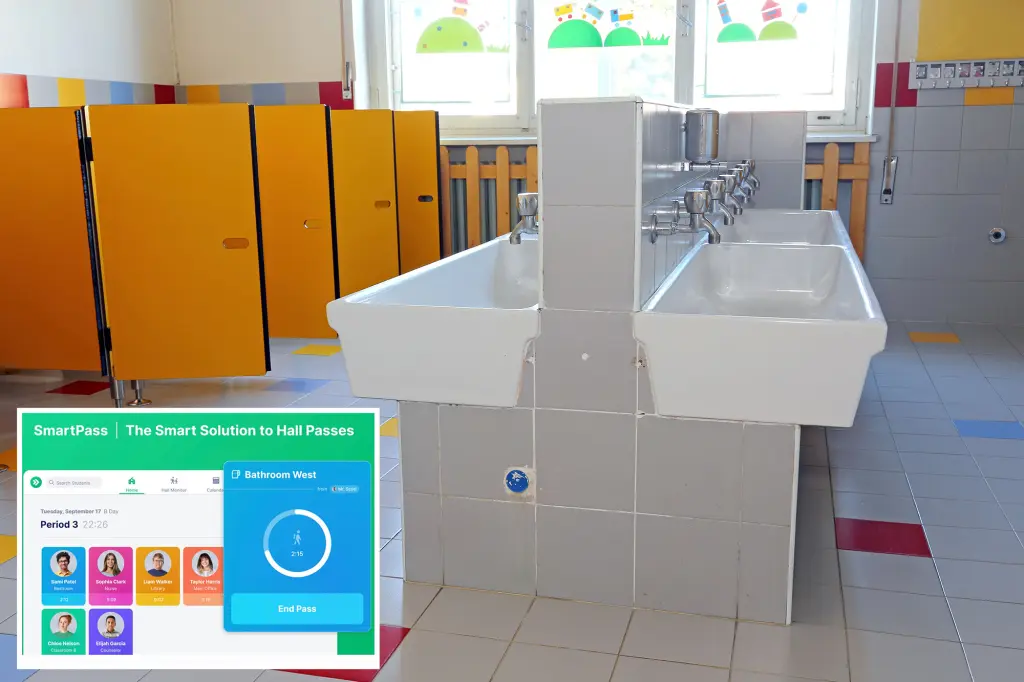
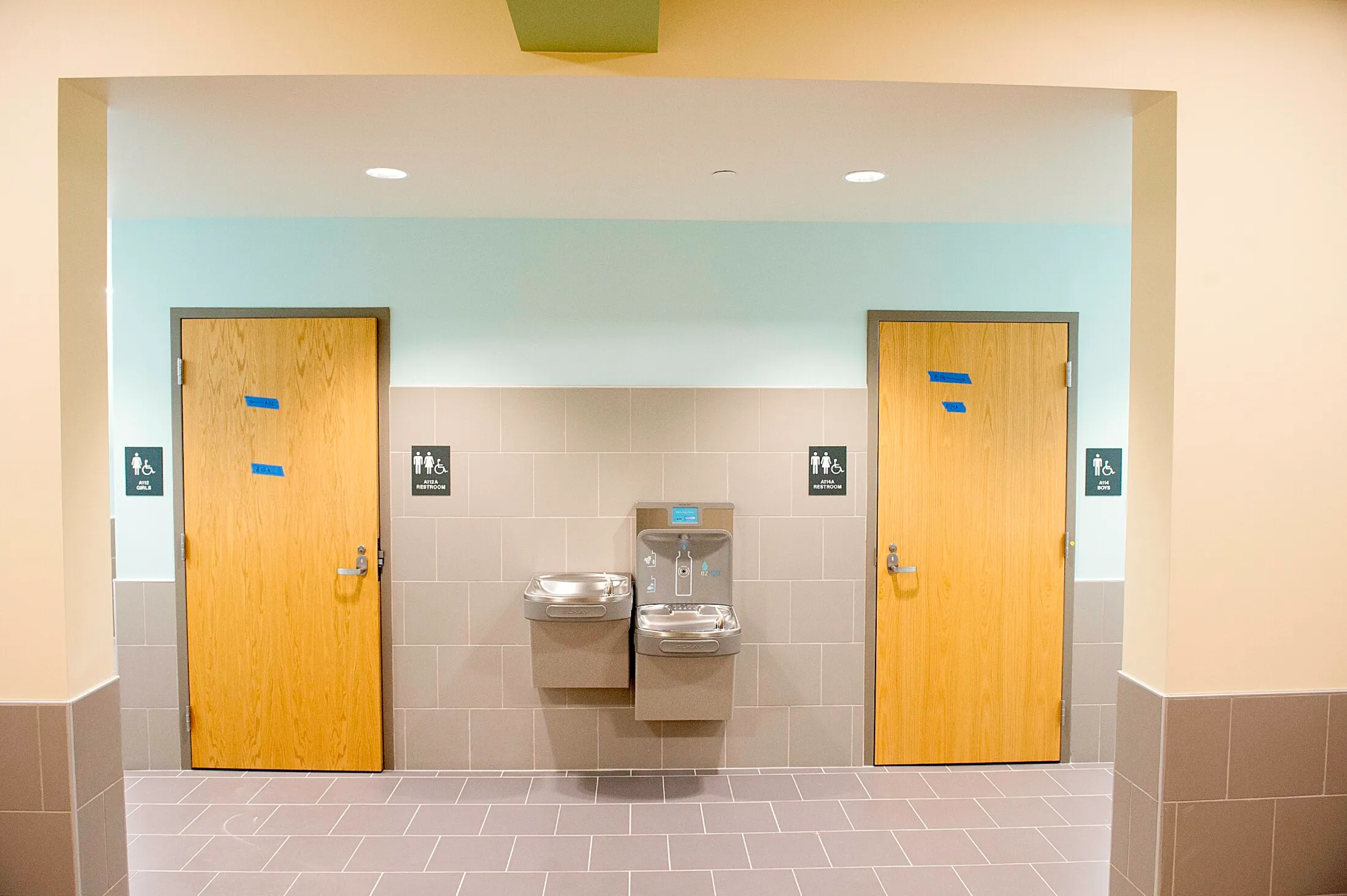
School bathroom avoidance
In elementary school, the bathroom itself can be the problem. Kids avoid going because:
- They are embarrassed to ask for a pass
- They do not want to miss class or recess
- The bathroom feels dirty, loud, or scary
- They were teased once and never forgot it
A quick, respectful conversation can uncover a lot. You can also ask the teacher (privately) about bathroom access. Many kids do better with a predictable plan, like using the bathroom at certain times without having to make a big request in front of peers.
If this is ongoing, some families benefit from a simple written plan through the school (extra bathroom access, water bottle permission, and a discreet change-of-clothes option). You do not have to call it a “big deal” to make it workable.
When it may be medical
Most daytime wetting is functional, meaning the bladder and kidneys are structurally fine but the routine, bowel habits, or bladder signals are off. Still, there are times we want a urine check or a same-day medical call.
Call promptly for a urine test if you notice
- Pain or burning with urination
- Fever, especially with urinary symptoms
- New accidents after being dry for months
- Blood in the urine
- Strong or foul urine odor along with other symptoms (odor alone can be from diet or dehydration)
- Back or side pain
Thirst and frequent peeing
If your child is suddenly very thirsty and peeing a lot, or waking at night to drink and pee when that is not normal for them, they need a medical evaluation. This can be a sign of several conditions, including diabetes. This is one of those “please call today” situations.
Go to urgent or emergency care now if
- Your child seems very ill, very sleepy, confused, or hard to wake
- They have fever plus flank pain (pain in the back below the ribs)
- They cannot keep fluids down, have signs of dehydration, or are vomiting repeatedly
- You are worried they may have diabetes symptoms plus weight loss, vomiting, belly pain, fast breathing, or altered behavior
Less common causes
Most families never need this section, but it helps to know what to ask about if things are not improving.
Post-pee dribbling in girls
Some girls leak a little shortly after peeing because urine gets trapped in the vaginal area and dribbles out when they stand up. This can happen with sitting posture on the toilet, especially with legs held close together.
Often, simple posture changes help, like sitting back with knees apart and feet supported, taking time to relax, and leaning slightly forward.
Continuous dribbling or never being dry
If your child has constant wetness, continuous dribbling, or was never reliably dry in the daytime, tell your clinician. It can still be functional, but it raises the importance of checking for less common structural or neurologic causes.
Neurologic red flags
Call your child’s clinician promptly if daytime wetting comes with new leg weakness, a new unsteady gait, numbness, or new bowel accidents. Also mention any concerning findings on the lower back, like a deep dimple, a patch of hair, or a lump, especially if wetting is persistent.
What to do this week
You do not need a perfect plan. You need a simple plan you can actually stick with.
1) Track patterns for 3 to 5 days
- What time do accidents happen?
- How often does your child pee?
- Is there urgency?
- How are stools: soft, regular, painful, infrequent?
- Any caffeine (tea, soda, energy drinks) or lots of citrus?
This helps your pediatrician a lot and helps you see the “why” behind the wet underwear.
2) Build in no big deal bathroom breaks
Try timed bathroom trips every 2 to 3 hours while awake. Pair them with natural transitions, like before school, before lunch, right after school, and before sports.
3) Work on full emptying
Rushing can leave urine behind, and leftover urine can contribute to leaks and irritation.
- Have your child sit fully on the toilet with feet supported if possible
- Encourage knees apart and a relaxed, slightly forward-leaning posture
- Encourage a slow count to 10 while peeing
- Try “double voiding”: pee, relax for 20 to 30 seconds, then try again
4) Hydrate earlier in the day
Many kids drink very little at school, then chug fluids after school. Spreading fluids earlier can reduce urgency spikes. Send a water bottle and gently encourage drinking at set times.
5) Address constipation with your clinician’s guidance
Please do not start laxatives or stool medicines without checking in, especially if your child has significant belly pain, vomiting, blood in stool, poor growth, or a history of bowel conditions. But do bring constipation up, even if it feels unrelated. It often is the missing puzzle piece.
Talk without shame
If there is one thing I want you to take from this page, it is this: your child is not choosing embarrassment.
Try language like:
- “Your bladder is giving you late messages. We are going to help it get better at early messages.”
- “This is a body problem, not a you problem.”
- “Let’s try some bathroom breaks so you do not have to rush.”
And for school, consider a quiet plan for spare clothes. A small pouch in the backpack can be empowering when it is framed as preparedness, not punishment.
What to expect at the pediatrician
Families often worry the visit will be invasive or scary. For most kids, it is straightforward. Your clinician may:
- Ask about timing of accidents, urgency, holding behaviors, and stool habits
- Do a physical exam focused on the abdomen and back
- Check a urine sample to look for infection, glucose, and other clues
- Recommend constipation treatment, timed voiding, and hydration changes
- Sometimes order imaging or refer to a pediatric urologist if symptoms are persistent or complicated
If your child has repeated UTIs, ongoing pain, significant accidents despite routines, or concerns about anatomy or nerve issues, that is when specialists may be helpful.
Quick FAQ
Is it normal for a 6 to 10 year old to have daytime accidents?
It is not what we hope for, but it is common enough that pediatric clinics see it every day. It is also very treatable once you find the main driver, which is often holding and constipation.
My child is dry at night. Does that rule out a UTI?
No. Some kids with UTIs still stay dry at night. Pain, urgency, frequent small pees, fever, and blood in the urine are bigger clues than whether nights are dry.
Should I restrict fluids to prevent leaks?
Usually no. Concentrated urine can irritate the bladder and worsen urgency. A better strategy is steady hydration earlier in the day and regular bathroom breaks.
Could this be stress or anxiety?
Stress can absolutely worsen holding and urgency, especially during school transitions. Still, do not assume it is “just anxiety.” Start with the basics: urine check if symptoms suggest it, address constipation, and set up a predictable bathroom routine.
The bottom line
Daytime wetting in school-age kids is frustrating, but it is also one of those issues where small, consistent changes can make a big difference. Look for holding patterns, take constipation seriously, watch for giggle leaks, and trust your instincts about red flags like pain, fever, blood in urine, or constant thirst.
If you are not sure whether your child’s symptoms need a urine check, call your pediatrician’s office. As a former triage nurse, I can tell you that this is exactly the kind of question we were happy to help sort out.
Sarah Mitchell
Sarah Mitchell is a Registered Pediatric Nurse and a mother of three who has spent over a decade helping families navigate the beautiful, chaotic early years of childhood. She combines evidence-based medical knowledge with real-world parenting experience to offer practical, compassionate advice. At Awesome Parent, Sarah's mission is to help exhausted parents find solutions, trust their instincts, and finally get some sleep.