Not all big behavior is ODD. Here’s how to spot persistent patterns of anger, arguing, and spite, what’s typical by age, and when to seek an evaluation, espe...
Defiant at School but Fine at Home: Is It ODD?

Sarah Mitchell
Sarah Mitchell is a Registered Pediatric Nurse and a mother of three who has spent over a decade helping families navigate the beautiful, chaotic early years of childhood. She combines evidence-based medical knowledge with real-world parenting experience to offer practical, compassionate advice. At Awesome Parent, Sarah's mission is to help exhausted parents find solutions, trust their instincts, and finally get some sleep.
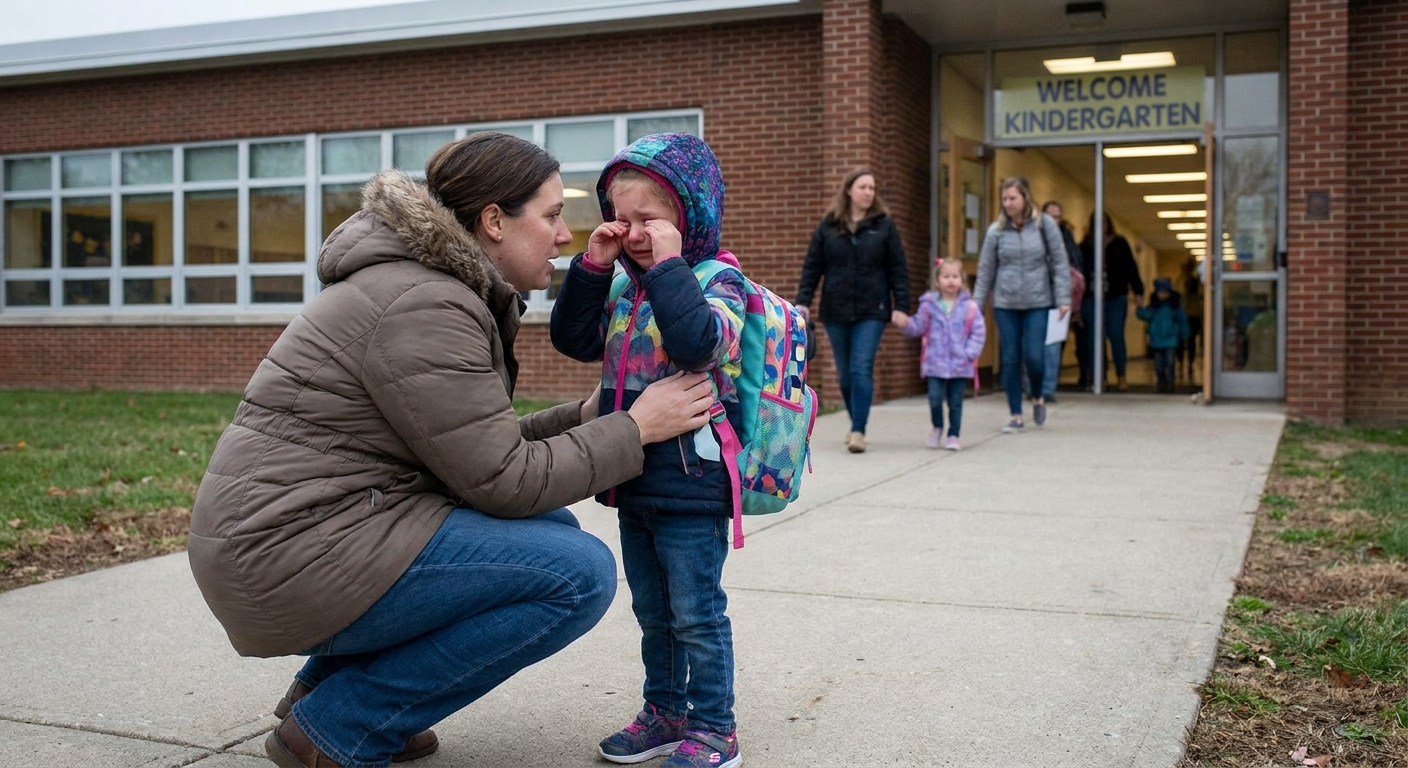
When a teacher says, “Your child is defiant,” and you’re sitting there thinking, That cannot be the same kid who just helped me unload the dishwasher, you are not alone. I took pediatric triage calls for years, and I can’t count how many times a parent said, “He’s only like this at school.”
Here’s the reassuring truth: behavior that shows up mostly in one setting is a big clue. Oppositional Defiant Disorder (ODD) can show up in one setting, but clinicians still pay close attention to context when school is the main battleground. When home is generally cooperative and school is where things fall apart, a common next question is, “What is school demanding that home isn’t?”
What “defiant at school” can look like
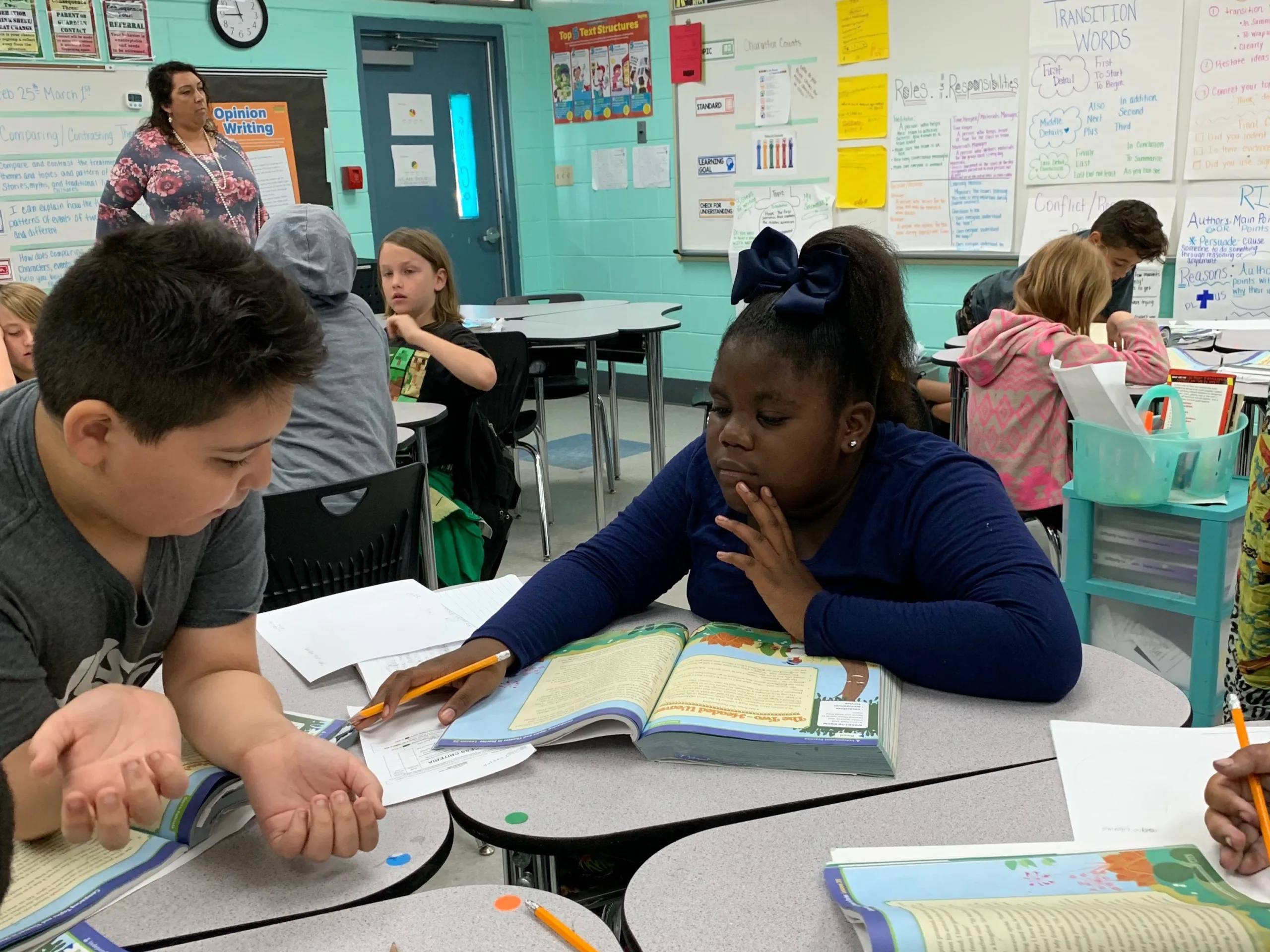
Schools often use the word defiant to describe a whole range of behaviors, including:
- Arguing with adults or “talking back”
- Refusing to start work or follow directions
- Getting stuck on “no” and escalating quickly
- Angry outbursts when corrected
- Walking away, shutting down, or ripping up work
- Seeming fine at recess or specials, but not during seatwork or transitions
Those details matter, because “defiance” is sometimes a child’s way of saying, “I can’t,” “I’m overwhelmed,” or “I don’t feel safe,” not “I’m trying to make your day harder.”
Is it ODD if it’s only at school?
ODD is a clinical diagnosis, not a label for strong-willed kids or rough weeks. In general, clinicians look for a pattern of angry/irritable mood, argumentative/defiant behavior, or vindictiveness that:
- Lasts at least 6 months
- Causes meaningful problems with learning, friendships, or family life
- Shows up with more than one person, and often in more than one setting (severity can be described by number of settings)
So yes, ODD can be present in one setting. But when it looks truly school-specific, most providers slow down and ask what is driving the behavior there: skill gaps, anxiety, attention load, sensory sensitivities, classroom fit, or something about the social environment.
Also important: a child can have ODD and other needs at the same time, but we don’t want to skip past the “why” and land on a diagnosis that doesn’t fit.
What clinicians check first
When I’m talking with families, these are the categories I mentally run through first. They aren’t excuses. They’re common, fixable reasons kids melt down in classrooms.
1) Learning struggles that look like refusal
If a task is too hard or a skill is shaky, “I won’t” can be a protective cover for “I can’t.” Look for patterns like:
- Blowups during reading, writing, timed math, or multi-step directions
- A child who is bright verbally but struggles on paper
- Messy handwriting, slow output, or avoiding worksheets
- More problems later in the day when fatigue hits
Possible contributors include learning disabilities, language processing difficulties, or challenges with writing (fine motor or written expression). A targeted academic evaluation can be life changing here.
2) Anxiety, perfectionism, or fear of being wrong
Some kids argue or refuse because their nervous system is in fight-or-flight. School can trigger anxiety in ways home does not: performance, social stress, noise, unpredictability, separation, or a strict adult-child power dynamic.
Clues:
- Big reactions to feedback, corrections, or “try again”
- Refusing work that isn’t immediately easy
- Somatic complaints on school days (stomachaches, headaches)
- Frequent trips to the nurse or bathroom
- Meltdowns after holding it together all day
Anxiety can masquerade as anger. The outside looks like defiance, but inside it’s panic.
3) ADHD and executive function overload
ADHD is not just “lots of energy.” Many kids with ADHD struggle most with:
- Starting tasks
- Shifting between activities
- Remembering multi-step directions
- Inhibiting impulses when frustrated
- Managing big feelings when demands stack up
In a structured classroom, those challenges are on display. At home, you might naturally provide scaffolding without realizing it: reminders, one-on-one help, movement breaks, flexible timing, and fewer transitions.
4) Sensory sensitivities and classroom overload
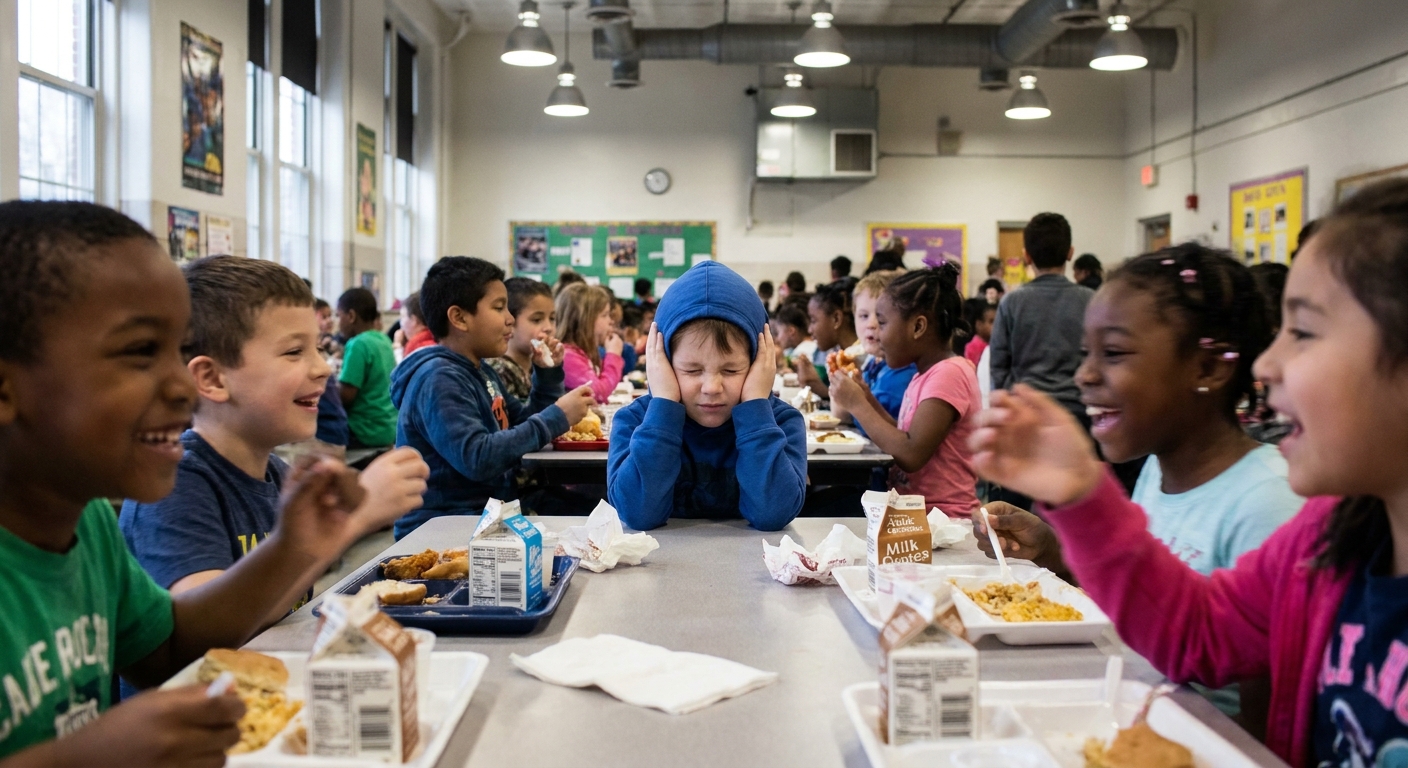
Some children have sensory processing differences that make classrooms feel like a rock concert when they’re trying to solve math. Noise, bright lights, crowded lines, strong smells, or constant seatwork can push them into overload.
Watch for:
- Difficulty in cafeterias, assemblies, or during transitions
- Covering ears, avoiding touch, or reacting strongly to “little” sensations
- Seeming fine on calm days but not on substitute days or after schedule changes
Sometimes it’s the fit
I say this gently, but clearly: classrooms vary a lot. The same child can thrive with one teacher and struggle with another, especially if they need:
- More movement and hands-on learning
- Clear, consistent expectations
- Warm connection before correction
- Predictable routines and warnings before transitions
- Shorter chunks of work with quick feedback
It’s also worth asking whether there has been a recent change: new teacher, new class dynamics, bullying, friendship fallout, or a stressful event at school.
Other common contributors
A few more pieces I always keep on my radar when behavior is school-heavy:
- Sleep problems: not just “bedtime is late,” but snoring, restless sleep, frequent waking, or being tired every morning.
- Stress or trauma: a move, divorce, grief, a scary event, or ongoing stress can show up as irritability, shutdowns, or explosive reactions at school.
- Autism or social communication differences: some kids do fine at home but struggle with the social and sensory load of school, group work, ambiguous rules, or constant transitions. That can look like arguing, refusal, or bolting when they are really overwhelmed.
None of these are diagnoses you can assign from a few tough weeks. They are reasons to get curious and gather better information.
What to ask the teacher
If you only take one thing from this article, let it be this: swap “Is my child defiant?” for “When and why does this happen?” Specifics beat labels every time.
Questions that help
- When does it happen most? (Morning work, math, transitions, lining up, group projects)
- What happens right before? (A correction, a hard task, a peer conflict, a sudden direction)
- What does the behavior look like? (Arguing, silence, leaving seat, tearing work, yelling)
- How long does it last? Does it resolve in seconds, minutes, or last most of the period?
- What helps de-escalate? Movement break, choice, quiet corner, adult check-in?
- How are things going socially? Any teasing, exclusion, or conflict?
- Is it with all adults or mainly one? One setting within school can be a clue too.
- What are the expectations in that moment? (Independent work, quiet body, sitting still, writing)
If the school can share data (behavior logs, times, antecedents), that’s even better. Patterns often pop out quickly once you’re looking.
Why home can feel easier
Parents sometimes worry they are being “fooled” by good behavior at home. More often, home is simply easier to navigate because:
- There’s more flexibility and fewer demands
- You naturally break tasks into smaller steps
- You can give movement breaks without anyone noticing
- The environment is quieter and more predictable
- Your child feels emotionally safer and more regulated
Also, some children use every ounce of self-control at school and then fall apart after. That doesn’t mean school behavior isn’t real. It means your child may be running on fumes by 3 pm.

When an evaluation helps
If the pattern is persistent, escalating, or interfering with learning, an evaluation can help you stop guessing and start supporting. You do not need to wait 6 months to ask for help. The 6-month timeline is about diagnosing ODD, not about when you are “allowed” to reach out.
Consider an evaluation when:
- The behavior has lasted more than a few weeks and isn’t improving with basic classroom supports
- Your child is falling behind academically or avoiding school
- There are frequent calls home, suspensions, or removals from class
- Your child seems anxious, down, or says they hate themselves or school
- You suspect ADHD, anxiety, sensory sensitivities, autism, or a learning difference
- Relationships with teachers or peers are breaking down
Where to start
- Pediatrician: rule out sleep issues, hearing/vision concerns, medication side effects, and screen for ADHD/anxiety
- School team: request a meeting to discuss supports and, if needed, formal evaluation for learning and attention needs
- Child psychologist or neuropsychologist: comprehensive testing when the picture is complicated or school data and home observations don’t match
- Occupational therapist: if sensory regulation, motor planning, or handwriting is a major factor
School supports you can ask about
- 504 plan: accommodations (movement breaks, seating, reduced writing load, check-ins)
- IEP: specialized instruction and related services when eligible
- FBA (Functional Behavioral Assessment): a structured look at what triggers the behavior and what the child is getting or avoiding
- BIP (Behavior Intervention Plan): a plan built from the FBA so everyone responds consistently
If your gut says, “This is bigger than a phase,” you’re allowed to ask for help before it turns into a crisis.
What can help now
This is not a one-size-fits-all script. These are realistic, low-drama supports that often reduce school-based power struggles while you are figuring out what is driving them.
At school
- Predictable routines: visual schedules and transition warnings
- Choice within limits: “Start with odds or evens?” not “Do you want to do math?”
- Task sizing: fewer problems to start, then build momentum
- Movement breaks: short, planned breaks prevent blowups
- Neutral, calm corrections: less public, less escalatory
- A safe reset space: a brief cool-down plan that is not a punishment
At home
- Decompression time: snack, quiet, movement before questions and homework
- Sleep check: overtired brains have shorter fuses
- Curious conversations: “What was the hardest part of today?” instead of “Why were you bad?”
- Share patterns, not accusations: collaborate with the teacher using specifics
Red flags
Most school behavior concerns are not emergencies. But you should loop in a pediatrician or mental health professional promptly if you notice:
- Talk of self-harm or wanting to die
- Threats to seriously hurt others, or violent behavior that is escalating
- Running away from school or unsafe impulsive behavior
- Severe anxiety symptoms that prevent attendance
- A sudden, major behavior change without a clear reason
If you believe your child is in immediate danger, seek emergency help in your area right away.
The bottom line
If your child is defiant at school but mostly cooperative at home, it does not automatically point to ODD. ODD can exist in one setting, but a school-heavy pattern is often a clue that something about the classroom environment is stretching your child’s skills past their coping capacity.
Before we label a child, we want to understand them. Ask for specifics, look for patterns, and do not hesitate to request an evaluation if learning, anxiety, attention, sensory sensitivities, autism, stress, or classroom fit might be part of the story.
And from one tired parent to another: you are not failing because you don’t have a neat answer yet. You’re gathering information. That’s exactly what good parenting looks like.
Quick FAQ
Can a child have ODD only at school?
Yes, it can happen. ODD severity can be described by how many settings it appears in. Still, when it seems confined to school, clinicians usually investigate learning, anxiety, ADHD, sensory sensitivities, social stress, and classroom fit so the support plan matches the real driver.
Why would my child act worse for the teacher than for me?
School has different demands: more transitions, less flexibility, more noise, more social pressure, and lots of performance tasks. Also, your child may feel safer with you, which can either help them stay regulated at home or, for some kids, lead to after-school meltdowns once they finally exhale.
Should I punish at home for school behavior?
Usually, piling on consequences at home does not fix the underlying trigger and can increase shame and resistance. A better approach is partnering with the school on supports, and using home to build regulation skills, routines, and recovery.
What if the school keeps saying “defiance” but can’t give details?
Ask for written examples, times of day, and what happened right before and after. If the concern is serious or ongoing, it’s reasonable to request a meeting and a plan for tracking behaviors. In many schools, that can be the first step toward an FBA and a consistent BIP.
Sarah Mitchell
Sarah Mitchell is a Registered Pediatric Nurse and a mother of three who has spent over a decade helping families navigate the beautiful, chaotic early years of childhood. She combines evidence-based medical knowledge with real-world parenting experience to offer practical, compassionate advice. At Awesome Parent, Sarah's mission is to help exhausted parents find solutions, trust their instincts, and finally get some sleep.