A calm, practical guide to croup in young infants: what the noises mean, why stridor at rest matters more, bronchiolitis overlap, and when to seek urgent or ...
Epiglottitis in Kids: Drooling, Stridor, and When to Call 911

Sarah Mitchell
Sarah Mitchell is a Registered Pediatric Nurse and a mother of three who has spent over a decade helping families navigate the beautiful, chaotic early years of childhood. She combines evidence-based medical knowledge with real-world parenting experience to offer practical, compassionate advice. At Awesome Parent, Sarah's mission is to help exhausted parents find solutions, trust their instincts, and finally get some sleep.
There are a lot of kid illnesses that feel dramatic but are ultimately manageable at home. Epiglottitis is not one of them.
Epiglottitis is rare now (thanks, vaccines), but it is still dangerous because swelling near the top of the airway can get severe quickly. The goal of this page is simple: help you recognize the key warning signs and respond in a way that keeps your child as safe and calm as possible.
Important: This page cannot diagnose your child. If you think this could be an airway emergency, trust your instincts and get emergency help.
What it is
The epiglottis is a small flap of tissue at the base of the tongue. Its job is to keep food and drink from going into the windpipe when we swallow.
With epiglottitis, the epiglottis and nearby tissues become inflamed and swollen. This is most often from an infection (usually bacterial), but it can also happen from noninfectious causes like thermal injury (hot liquids), trauma, or caustic ingestion. Because this area sits right above the airway, swelling can make it hard to breathe or even block airflow.
Epiglottitis used to be most commonly caused by Hib (Haemophilus influenzae type b). The Hib vaccine made this condition much less common, but epiglottitis can still happen from other bacteria (such as Streptococcus species or Staphylococcus aureus) and can occur in vaccinated children, older kids, and teens.
Symptoms to take seriously
Epiglottitis often looks different from a typical sore throat. What tends to stand out is that the child looks very sick and is working hard just to breathe and manage saliva.
Red flags
- Drooling or inability to swallow saliva
- Stridor (a harsh, high-pitched sound when breathing in, especially at rest)
- Muffled, thick, or “hot potato” voice (sounds like they are talking with a mouth full of food)
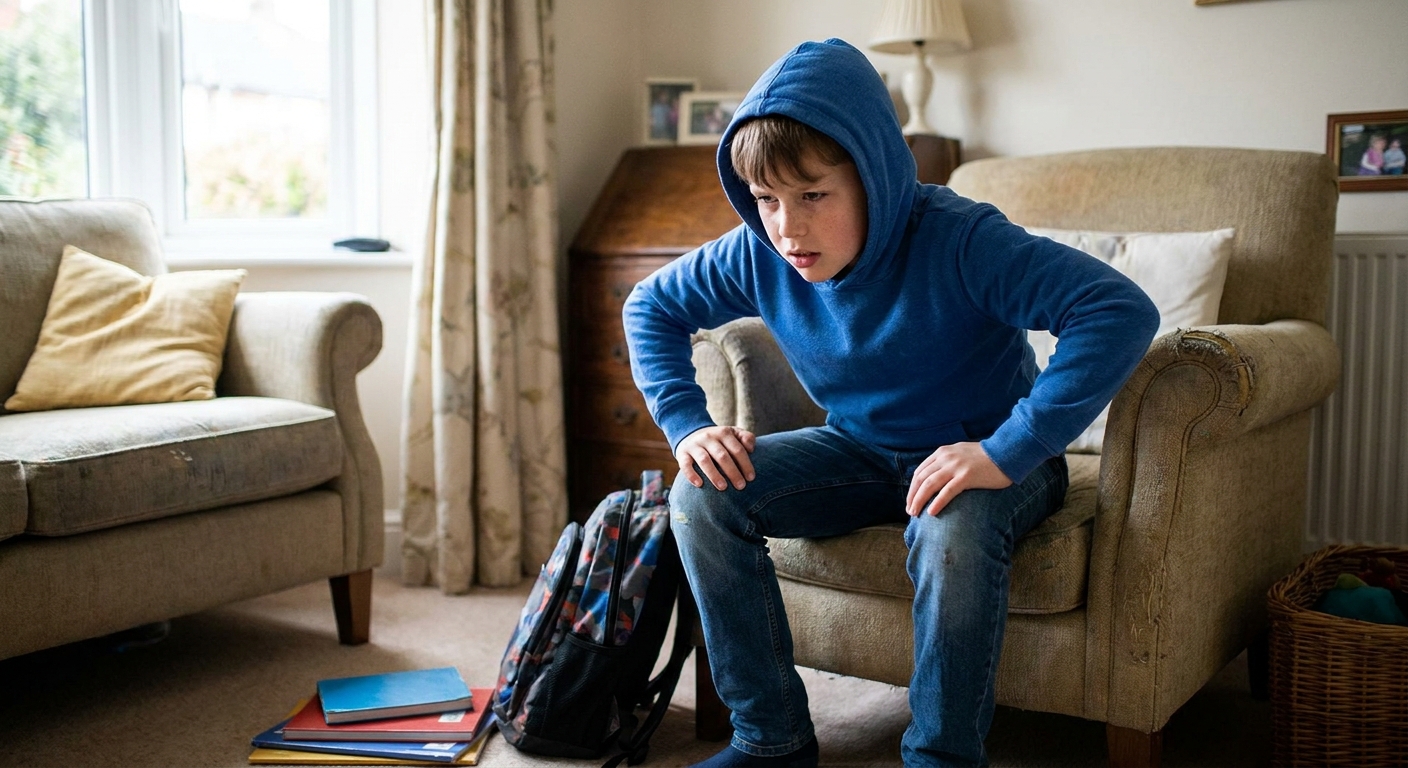
- Tripod posture: sitting up, leaning forward, neck extended, chin forward to breathe
- Rapid breathing or visibly struggling to breathe (retractions, nostril flaring)
- Fever, often higher than with a mild cold
- Sudden onset and fast worsening over hours
If you remember nothing else: drooling plus noisy breathing or breathing effort is an emergency. Call your local emergency number (911 in the US and Canada).
Note for older kids and teens: They may not always sit in a classic tripod position or drool dramatically, but severe throat pain with a muffled voice, trouble swallowing, and any breathing noise or distress still needs emergency evaluation.
Epiglottitis vs croup vs sore throat
Parents often land on this page because they are trying to sort out “is this croup?” from “is this an emergency?” That is a smart instinct. These can look similar at first, but there are key differences.
Epiglottitis
- Drooling is common
- Swallowing hurts and kids may refuse to swallow
- Voice is muffled, not usually hoarse
- Stridor may be present, often with a very sick appearance
- Tripod posture can be a big clue
- Often no cough
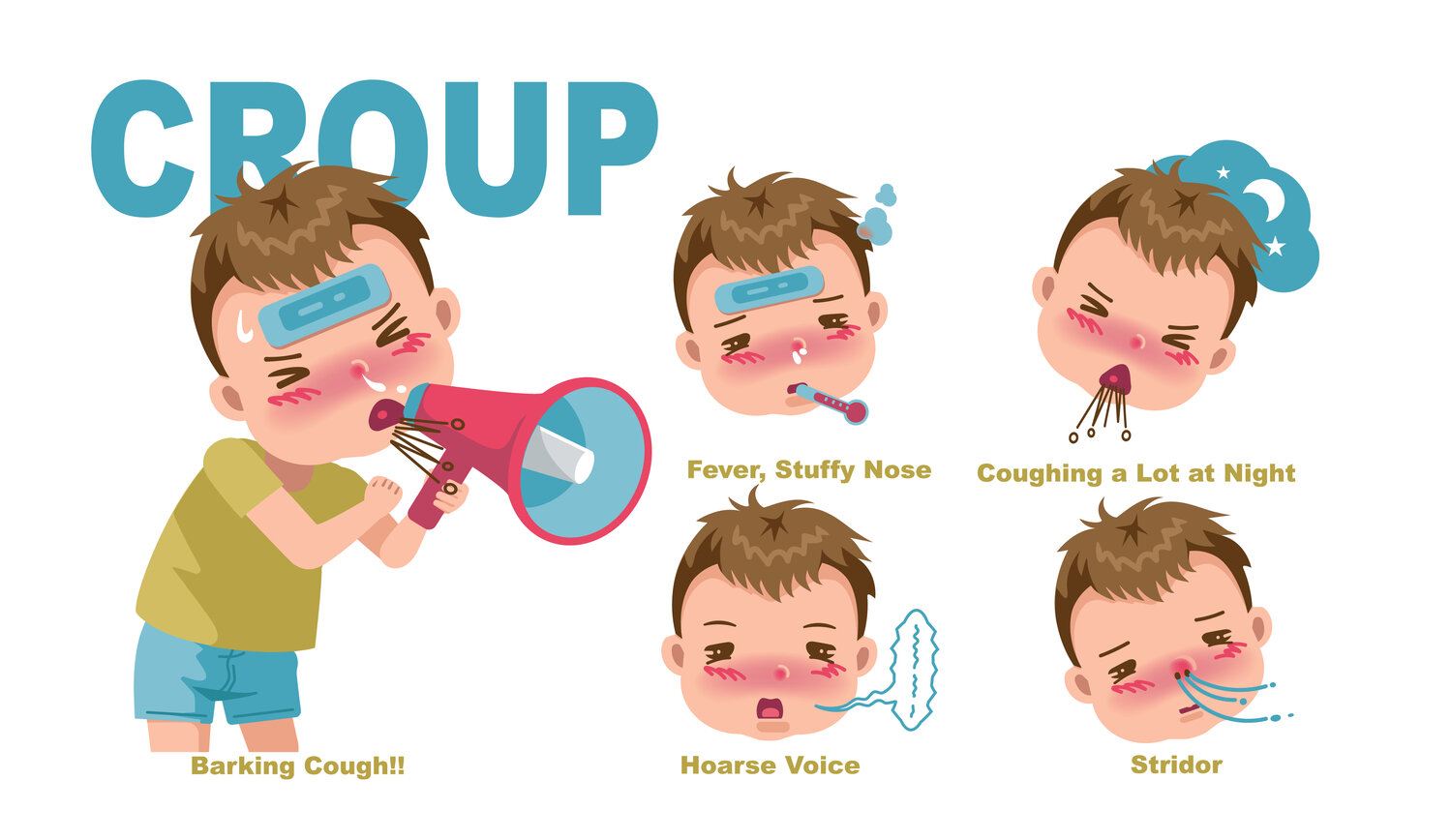
Croup
- Barking cough (seal-like) is the hallmark
- Hoarse voice
- Stridor can happen, often worse at night
- Drooling is not typical
- Kids often look uncomfortable, but many are otherwise alert and can swallow
Ordinary sore throat
- Kids can usually swallow saliva even if it hurts
- No stridor
- No tripod posture
- Breathing is not labored
- May have fever, swollen tonsils, or headache, but airway symptoms are absent
Important: Other conditions can also cause drooling and breathing trouble (like a foreign body stuck in the airway, a severe allergic reaction, or a deep neck infection). The safest move is the same: treat it as an emergency.
When to call emergency
Call now if your child has any of these
- Drooling and trouble swallowing
- Stridor at rest
- Tripod posture or refusing to lie down because breathing is harder
- Fast breathing, retractions, or obvious breathing distress
- Blue or gray lips or face, or pauses in breathing
- Extreme anxiety, panic, or exhaustion from breathing
- A sudden, severe sore throat with muffled voice and fever
Same-day medical care for
- Sore throat with fever but no drooling, no stridor, and no breathing distress
- Croup symptoms that are mild (barking cough, no stridor at rest, breathing comfortably)
If you are on the fence, lean toward safety. In triage, we would rather evaluate ten kids who end up being okay than miss the one who is not.
What to do while you wait
When you suspect epiglottitis, the main goal is to protect the airway and avoid anything that could make swelling or distress worse.
Step by step
- Call your local emergency number. Say: “My child is drooling and having trouble breathing. I am worried about an airway emergency.”
- Keep your child sitting up. Let them choose the position that helps them breathe. Many kids naturally sit forward.
- Keep them calm and quiet. Crying and agitation can make breathing harder. Your calm voice matters more than you think.
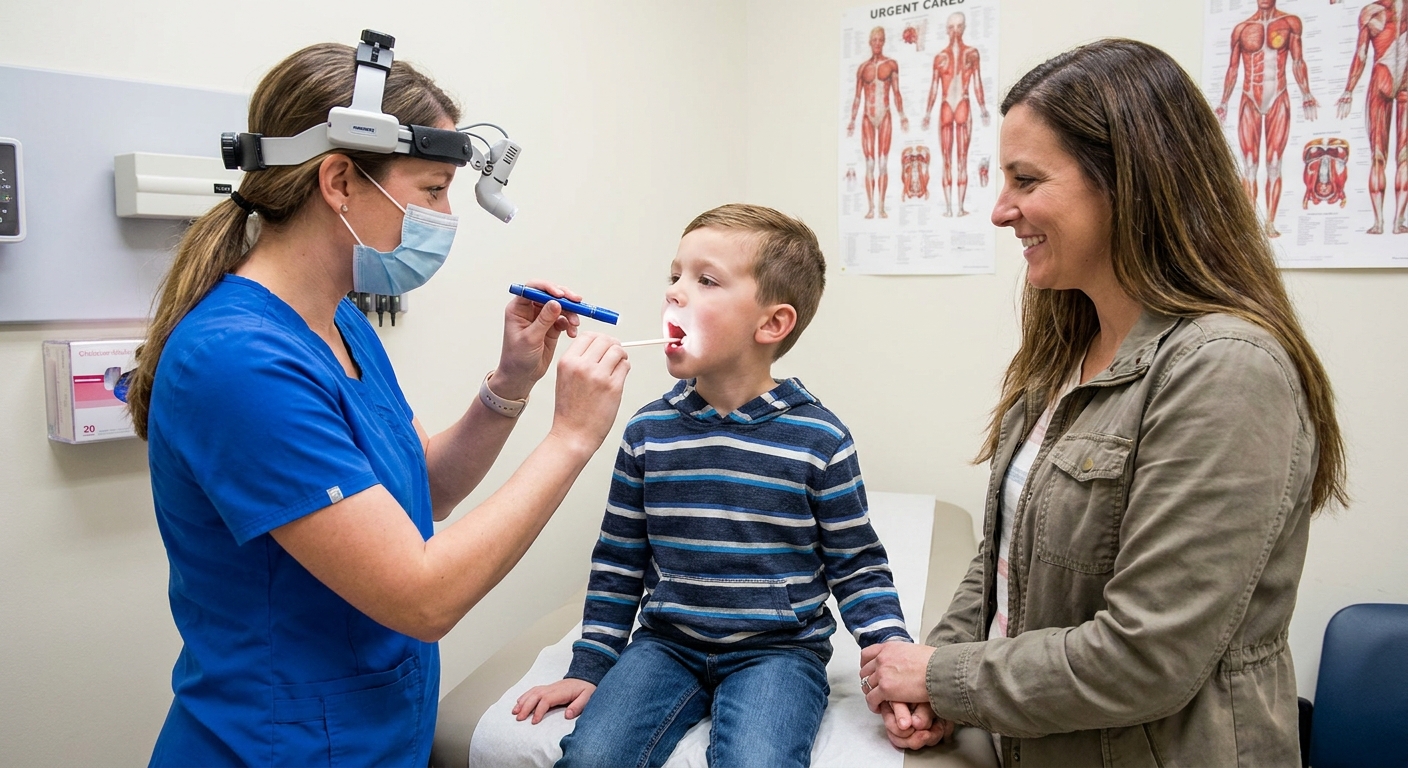
- Do not force a throat exam. Do not pry the mouth open, use a tongue depressor, or insist on “say ahh.” If your child calmly opens their mouth on their own, do not escalate it into an exam.
- Do not offer food or drink. Swallowing is difficult and increases choking risk.
- Do not lay them flat. If they insist on being upright, follow their lead.
- Do not drive if they are struggling to breathe. Paramedics can provide oxygen and rapid transport, and the ambulance ride is safer than a panicked car trip.
If this looks like choking: If your child suddenly cannot breathe, cough, cry, or make sound, treat it like a foreign body emergency. Call emergency services and start age-appropriate choking first aid while you wait.
If your child has a prescribed epinephrine auto-injector for known severe allergies and this episode looks like an allergic reaction (hives, facial swelling, sudden onset after food or stings), use it and call emergency services. But for suspected epiglottitis, the priority is minimal handling and rapid emergency care.
What happens at the hospital
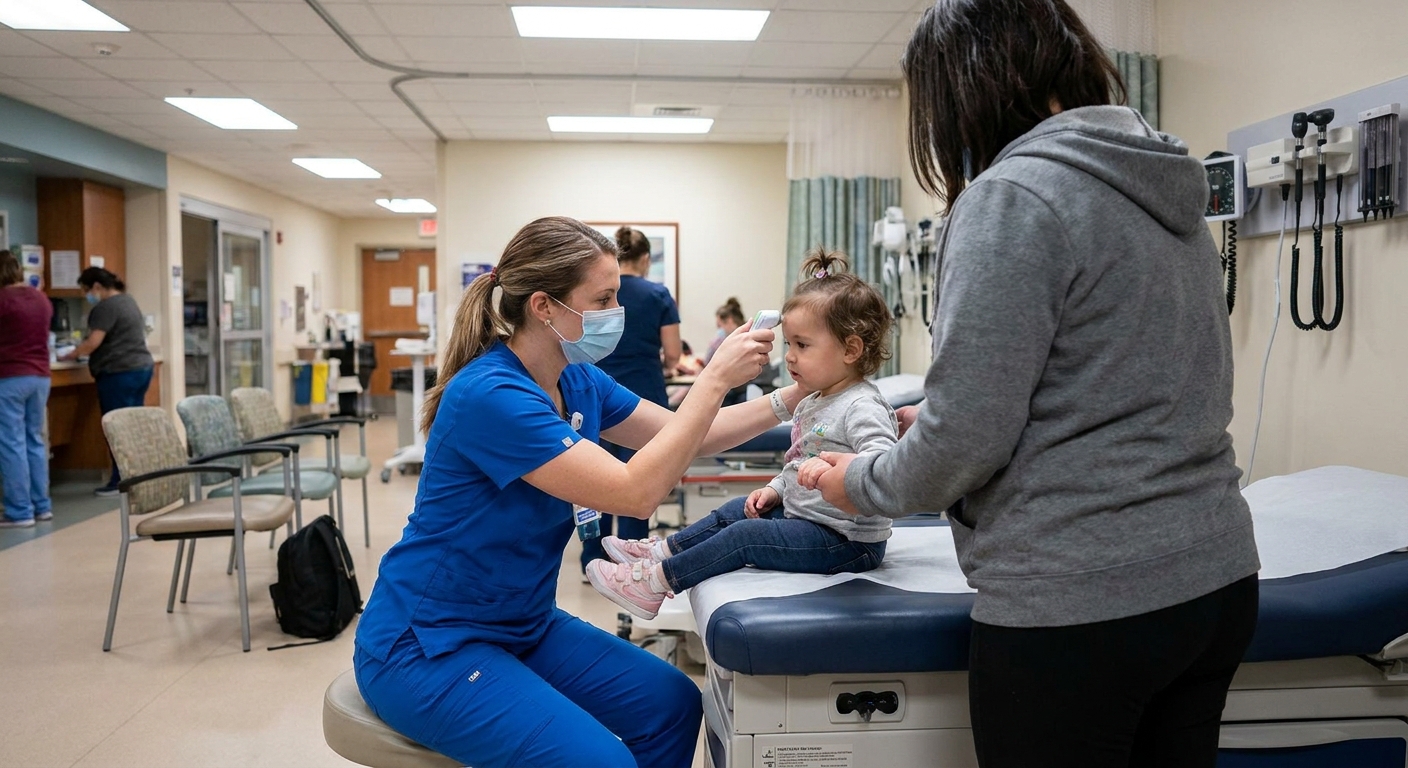
Knowing what to expect can reduce fear, at least a little.
- Your child will be kept in a position that helps them breathe, often sitting up.
- A medical team will focus on airway safety first. They may give oxygen.
- Doctors may use specialized tools to evaluate the airway, usually in a controlled setting with the right staff present.
- Treatment typically includes IV antibiotics when an infection is suspected, plus close monitoring. Some children need advanced airway support until swelling improves.
This is why calling emergency services matters. Epiglottitis is not something to “watch and wait” overnight.
Prevention
The best prevention for the classic form of epiglottitis is the Hib vaccine, which is part of routine childhood immunizations in many countries. Even vaccinated kids can rarely develop epiglottitis from other bacteria, but widespread Hib vaccination is a major reason this emergency is far less common than it once was.
Beyond vaccination, most cases are not something parents can reliably prevent. What you can do is reduce uncommon noninfectious causes by keeping hot liquids out of reach, storing chemicals safely, and seeking urgent help for suspected caustic ingestion or airway burns.
Quick checklist
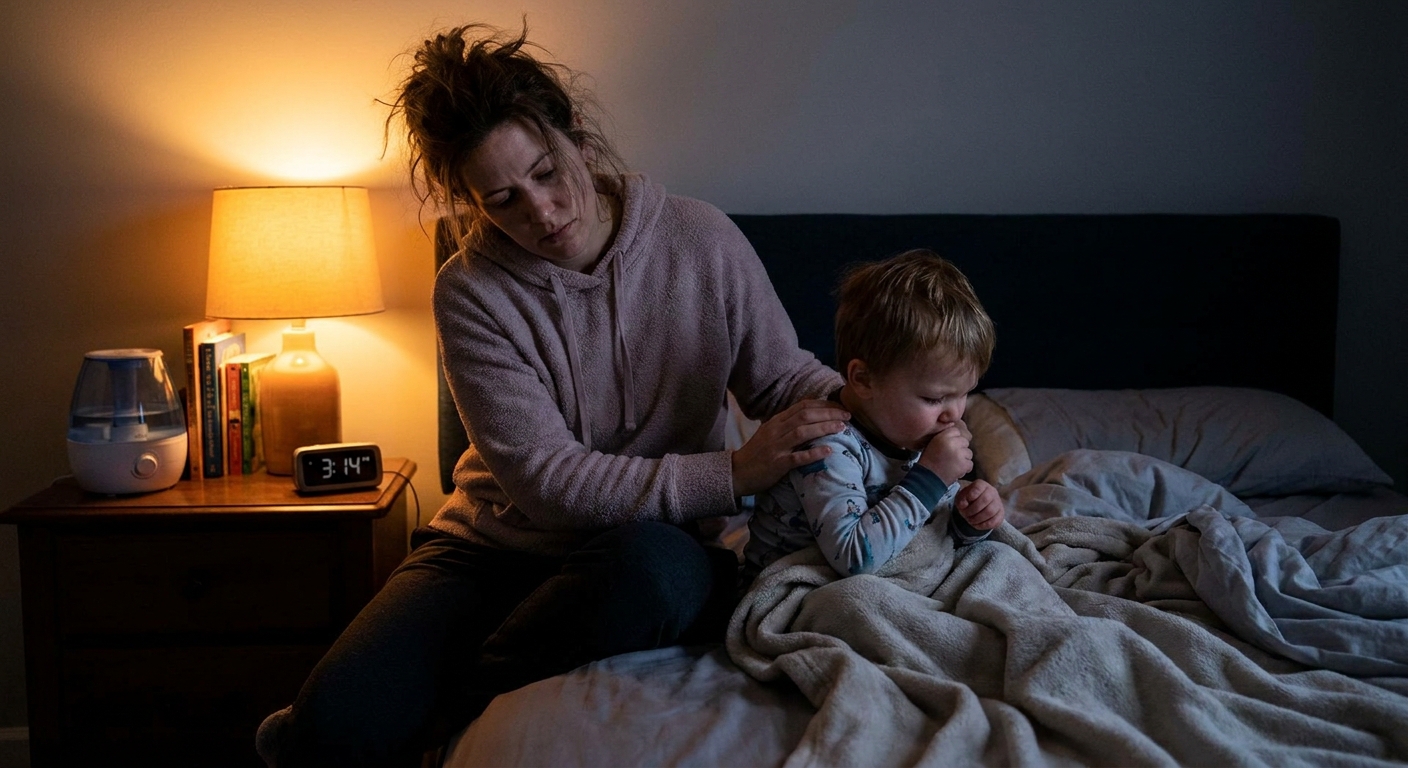
If you are reading this at 3 AM with one eye open, here is your quick gut-check.
- Drooling and cannot swallow saliva
- Muffled voice (not just hoarse)
- Tripod posture or refuses to lie down
- Stridor at rest or obvious breathing effort
- Looks very sick and symptoms are worsening quickly
If these fit your child: call your local emergency number (911 in the US and Canada). Stay with them, keep them upright, and keep things as calm and quiet as possible.
One last nurse-to-parent note: You are not overreacting by treating drooling plus breathing trouble as an emergency. You are reacting like a safe adult who understands that airways are non-negotiable.
Sarah Mitchell
Sarah Mitchell is a Registered Pediatric Nurse and a mother of three who has spent over a decade helping families navigate the beautiful, chaotic early years of childhood. She combines evidence-based medical knowledge with real-world parenting experience to offer practical, compassionate advice. At Awesome Parent, Sarah's mission is to help exhausted parents find solutions, trust their instincts, and finally get some sleep.