Croup can sound scary at night. Learn what the barky cough and stridor mean, what you can do at home, how long it lasts, and when it’s an emergency.
Parainfluenza in Kids: Barky Cough, Croup, and When to Worry

Sarah Mitchell
Sarah Mitchell is a Registered Pediatric Nurse and a mother of three who has spent over a decade helping families navigate the beautiful, chaotic early years of childhood. She combines evidence-based medical knowledge with real-world parenting experience to offer practical, compassionate advice. At Awesome Parent, Sarah's mission is to help exhausted parents find solutions, trust their instincts, and finally get some sleep.
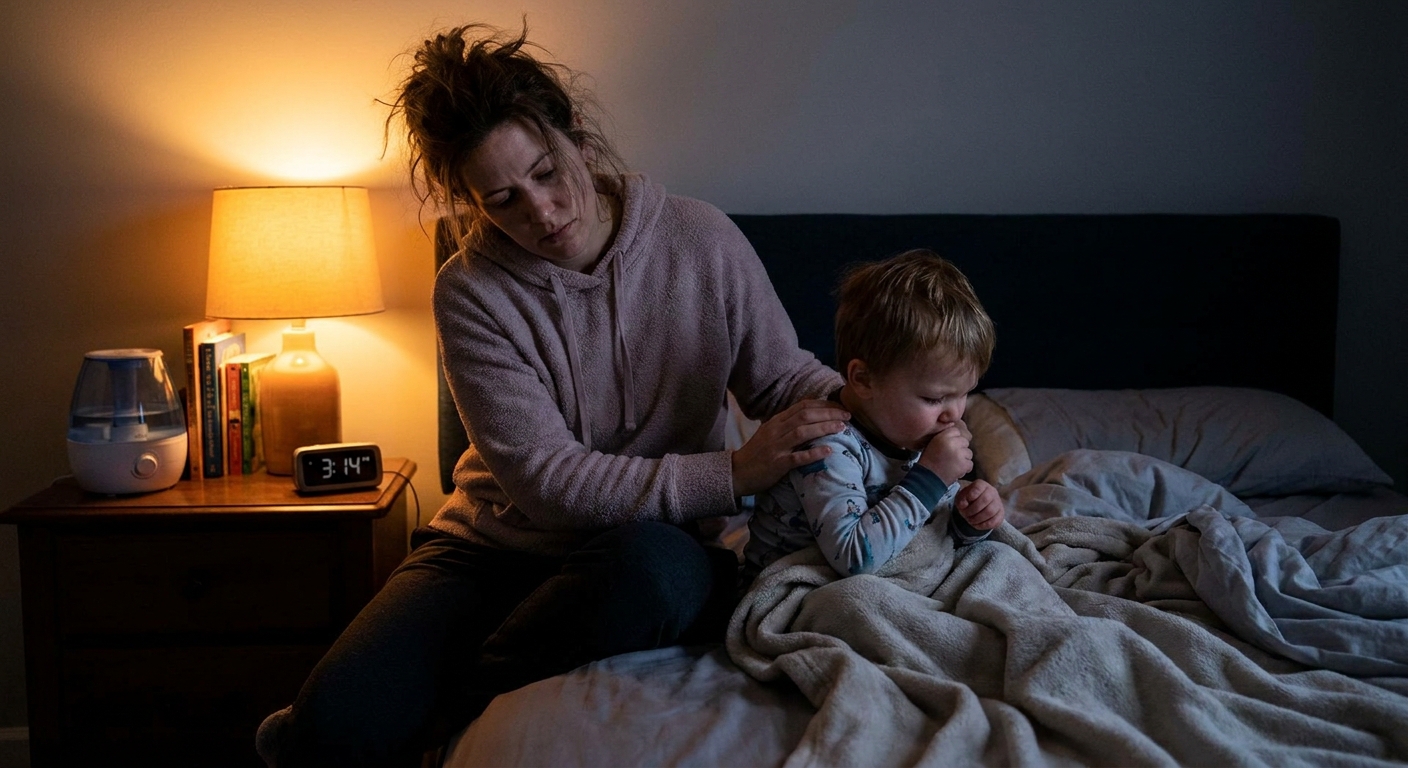
“Parainfluenza” sounds like a fancy way of saying “not-quite-the-flu,” but in pediatrics it usually means something very specific: a common respiratory virus that loves little airways. It is one of the leading causes of croup, the classic barky cough that tends to show up at night and scare the life out of otherwise calm, sensible parents (and yes, even nurses who should know better at 3 AM).
The good news: most kids do fine with simple home care. The important part is knowing when it is just a rough viral cold versus when your child’s breathing needs urgent help.
What is parainfluenza?
Human parainfluenza viruses (often shortened to HPIV) are a group of viruses that cause upper and lower respiratory infections. They are not the same as influenza (the flu), but they can still make kids pretty miserable.
There are four main types (HPIV 1 to 4). For parents, the big takeaway is this: different types can “prefer” different parts of the airway. HPIV-1 and HPIV-2 are classic croup culprits, while HPIV-3 more often causes lower-airway illness like bronchiolitis and pneumonia.
Parainfluenza is especially known for triggering:
- Croup (swelling around the voice box and windpipe, leading to a barky cough and sometimes stridor)
- Cold-like symptoms (runny nose, sore throat, mild cough)
- Bronchiolitis in some babies (inflammation in the small airways, similar to RSV)
- Pneumonia less commonly
Symptoms in children
Symptoms depend on where the virus is hitting hardest.
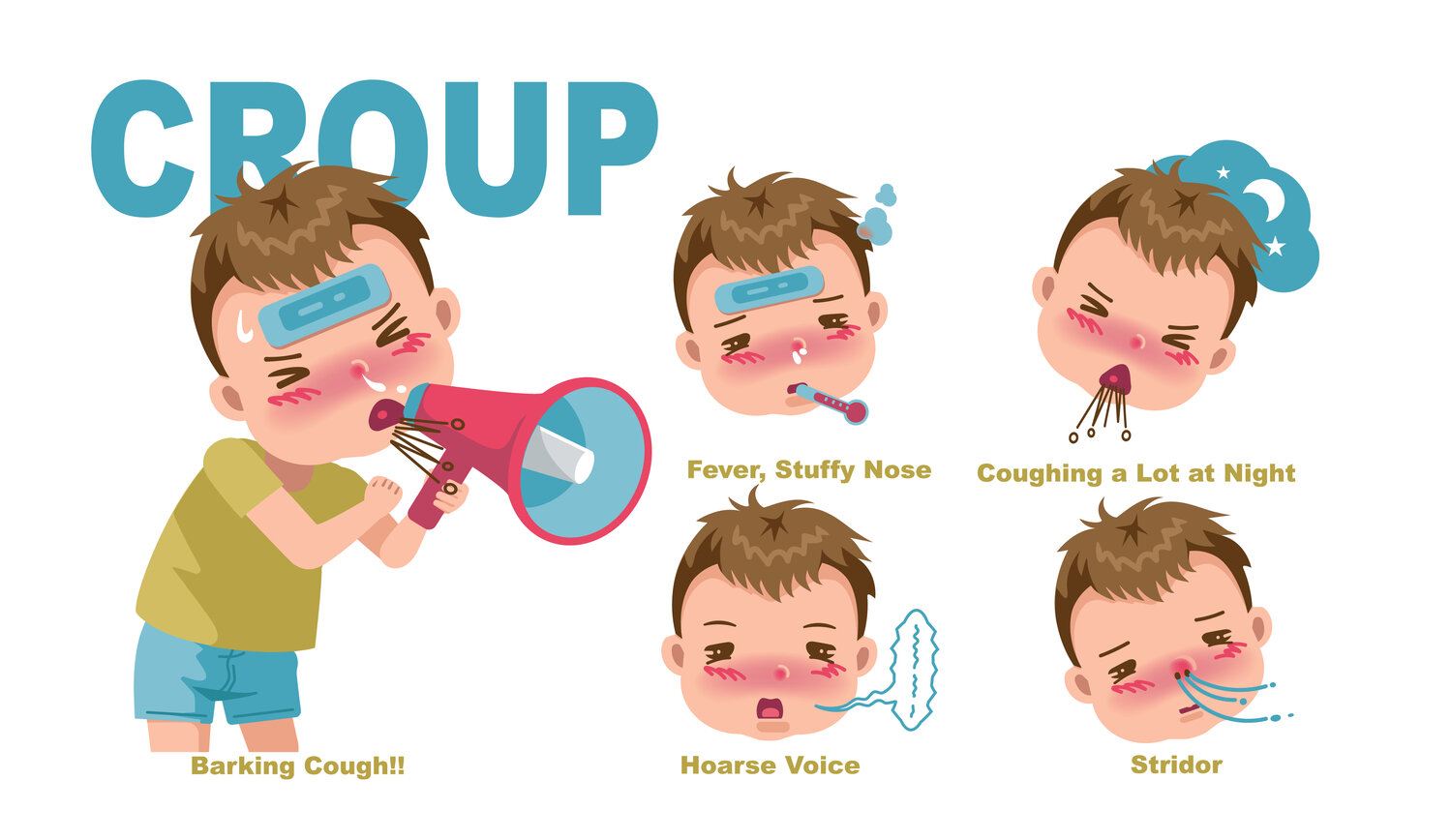
Most common symptoms
- Runny or stuffy nose
- Fever (often low to moderate, but it can be higher)
- Hoarse voice
- Cough that can start “normal” and then turn barky
- Decreased appetite and low energy
When it looks like croup
Croup is the big one parents notice. Typical signs include:
- Barky cough (like a seal)
- Stridor, a high-pitched noisy inhale from a narrowed upper airway
- Hoarse cry or voice
- Symptoms often worse at night and with crying
When it looks like bronchiolitis
In younger babies, parainfluenza can irritate the lower airways and look more like bronchiolitis:
- Wheezing (a whistling sound, more common with lower-airway illness)
- Fast breathing (faster than usual for your child)
- Persistent cough
- Trouble feeding due to congestion and rapid breathing
If wheezing is persistent, your child seems to be working hard to breathe, or you are not sure what you are hearing, it is worth getting checked out.

Parainfluenza vs croup
Think of it this way:
- Parainfluenza is a virus (one possible cause).
- Croup is a syndrome (a set of symptoms from upper-airway swelling) that can be caused by parainfluenza and other viruses.
So an urgent care clinician might say, “Your child has croup caused by parainfluenza,” or they may just say “croup” and treat based on how your child is breathing.
How long does it last?
Many kids follow a pretty predictable timeline, though every child enjoys being a unique little outlier.
- Incubation (from exposure to symptoms): often about 2 to 7 days
- Rough stretch: many kids feel the worst in the first few days, often around days 2 to 4
- Croupy nights: often a few nights, then the barky cough improves faster than the lingering cold
- Total illness length: about 7 to 10 days for most children, with a mild cough sometimes hanging around 2 weeks
If your child seemed to improve and then suddenly worsens again with new fever or increasing breathing trouble, that is a good time to call your pediatrician. Sometimes a second virus or a bacterial ear infection can join the party.
Home care for barky cough
Home care is mainly about keeping your child calm, comfortable, and breathing easily. When kids panic, the airway gets more irritated, and symptoms can spiral.
1) Calm first
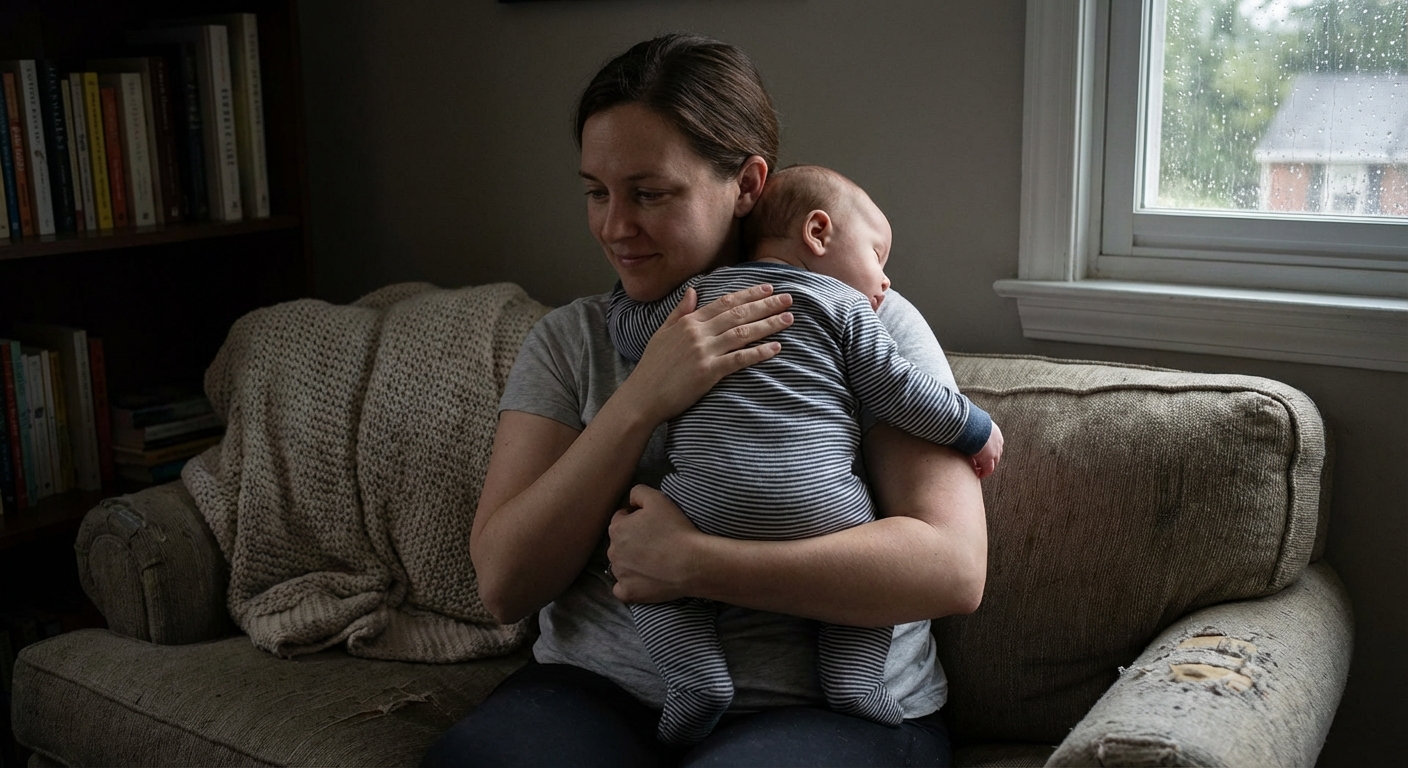
- Hold them upright on your chest.
- Use a quiet voice, dim lights, favorite blanket, slow breathing.
- Avoid forcing them to lie flat if that makes breathing harder.
2) Cool air or humid air
You will hear mixed advice because the evidence is mixed, but many families find it helps enough to try safely.
- Cool air option: step outside for 10 to 15 minutes if weather and safety allow.
- Humid air option: run a cool-mist humidifier in the bedroom.
Skip very hot steam in a small bathroom if there is any risk of burns. A burned toddler is a problem nobody needs.
3) Fluids
Small frequent sips are fine. Popsicles count. Breastmilk or formula counts. Dehydration can make kids feel dramatically worse.
4) Cough medicines
- Over-the-counter cough and cold medicines are not recommended for young children and do not treat the swelling that causes croup.
- Honey can help soothe cough for children over 1 year (never honey under 12 months due to botulism risk).
5) Fever comfort
Fever is a normal immune response. Treat it if your child is uncomfortable, not just because the number is high.
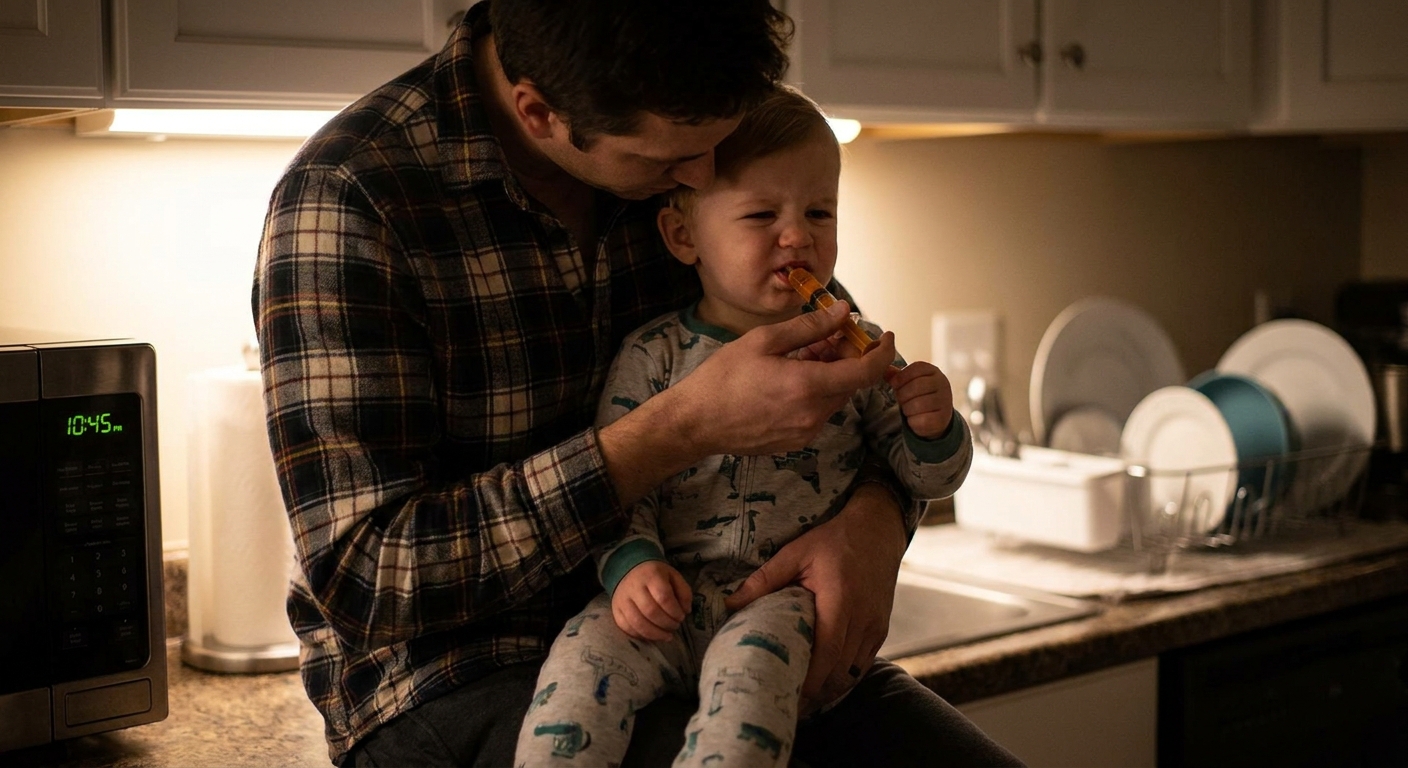
- Acetaminophen or ibuprofen can help with fever and throat discomfort. Use weight-based dosing from your child’s clinician or package directions.
- Avoid aspirin in children.
Daycare and school
Parainfluenza spreads through respiratory secretions during close contact, droplets, and contaminated hands and surfaces. Practically speaking, it spreads like other common cold viruses.
- Keep your child home when they have fever, worsening symptoms, significant fatigue, or they cannot participate normally.
- Most kids can return when they are fever-free for 24 hours without fever reducers and symptoms are improving.
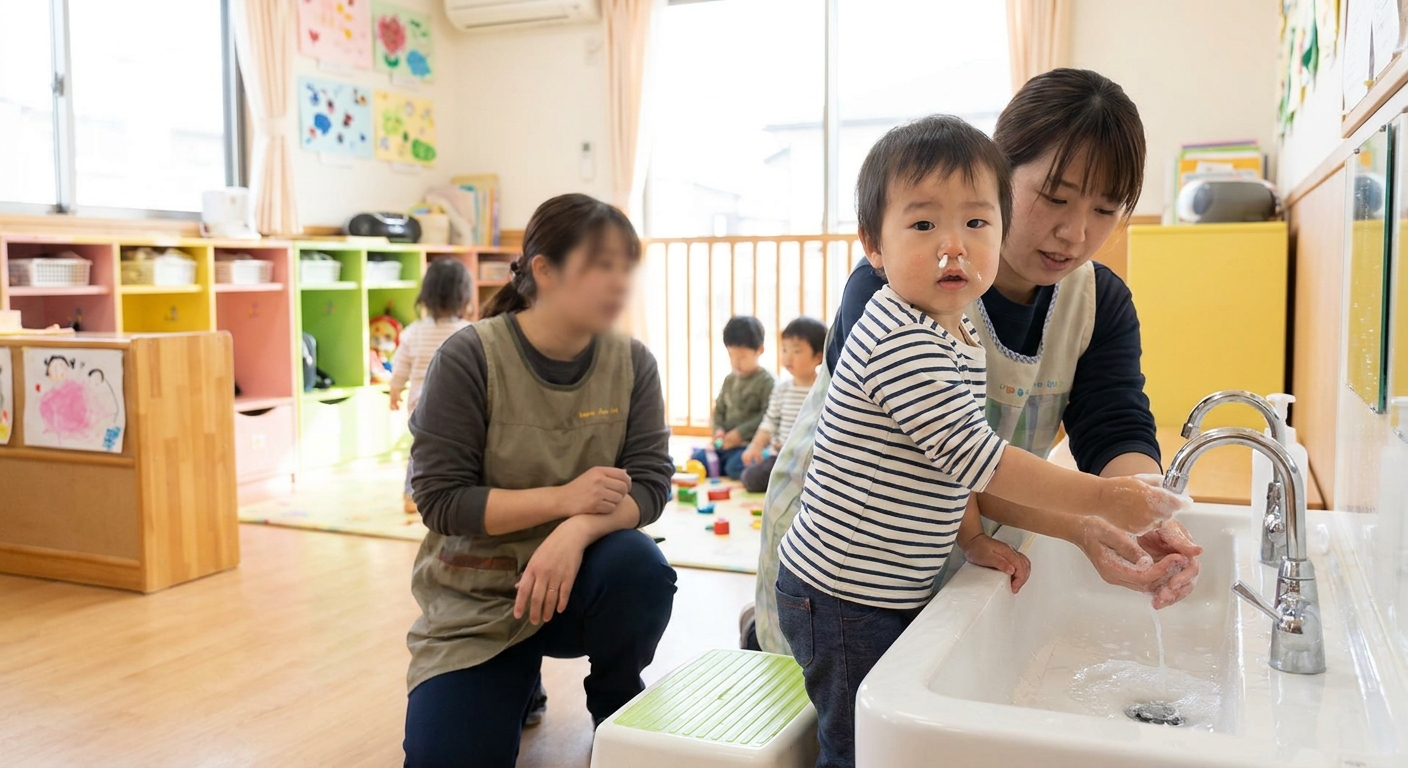
- Teach (and model) the basics: handwashing, covering coughs, and avoiding sharing cups and utensils.
Even after your child is better, a lingering cough can persist. A leftover cough alone does not always mean they are highly contagious, but use common sense and follow your school or daycare policies.
Stridor
Stridor is a high-pitched, squeaky, sometimes harsh sound when your child breathes in. It comes from swelling in the upper airway.
A key question clinicians ask is: Is the stridor only when the child is upset, or is it happening at rest? That distinction helps gauge severity.
When to get help
Here is the parent-friendly way to think about it.
Usually okay to monitor at home
- Barky cough with no stridor OR stridor only when crying or active
- Breathing looks comfortable between coughs
- Your child can drink enough to stay hydrated and has normal color
- Symptoms improve with calming, cool air, or humidity
Get urgent evaluation today
- Stridor at rest, even if mild, especially if it is persistent
- Increasing work of breathing (retractions, meaning skin pulling in between the ribs or under the ribcage, belly working hard)
- Your child is too uncomfortable to sleep or cannot settle
- Signs of dehydration (very dry mouth, no tears, significantly fewer wet diapers, dizziness, very dark urine)
- High fever or a child who looks much sicker than a typical cold
Go to the ER now
- Stridor at rest that is moderate to severe, loud, or worsening
- Blue, gray, or very pale lips or face
- Pauses in breathing, severe trouble breathing, or your child cannot speak or cry normally due to breathing difficulty
- Drooling with trouble swallowing, neck stiffness, or a muffled “hot potato” voice (these can signal a different, more serious airway issue)
- Extreme lethargy, inability to stay awake, or severe agitation with breathing difficulty
If you are watching your child breathe and your gut is screaming “this is not okay,” trust that. You do not need perfect vocabulary to get help.
How doctors treat croup
Because parainfluenza is a virus, antibiotics do not help unless there is a secondary bacterial infection.
For croup symptoms, clinicians often use:
- Dexamethasone (a steroid) to reduce airway swelling. One dose can make a big difference.
- Nebulized epinephrine in the ER for more significant stridor and distress (kids are observed afterward because the effect can wear off).
- Supportive care: fluids, suctioning for babies, oxygen if needed.
Testing for a specific virus is not always necessary, but some clinics do it to help with infection control or when symptoms overlap with other illnesses. Depending on what is circulating locally and your child’s symptoms, your clinician may also consider testing for flu, COVID, or RSV.
High-risk kids
Parainfluenza can hit harder in:
- Babies under 6 months
- Children born prematurely
- Kids with chronic lung disease, reactive airway disease, or airway differences
- Children with immune system suppression
If your child falls into one of these groups and develops croup symptoms or fast breathing, it is reasonable to call your pediatrician earlier rather than later.
Prevention basics
- Handwashing, especially after wiping noses
- Cleaning high-touch surfaces during cold season
- Avoiding close contact with sick friends and family when possible
There is no routine vaccine for HPIV at this time, so the boring basics really do matter.
Quick parent checklist
- Barky cough often points to croup, and parainfluenza is a common cause.
- Many kids improve over several days, but cough and congestion can linger 1 to 2 weeks.
- Home care is about calming, fluids, and comfort.
- Stridor at rest needs same-day medical evaluation and sometimes emergency care depending on severity.
- Blue color, severe breathing trouble, or drooling with swallowing trouble are emergencies.
If you are unsure which bucket your child falls into, call your pediatrician or after-hours nurse line. If breathing looks worse, do not wait to get urgent care.
Sarah Mitchell
Sarah Mitchell is a Registered Pediatric Nurse and a mother of three who has spent over a decade helping families navigate the beautiful, chaotic early years of childhood. She combines evidence-based medical knowledge with real-world parenting experience to offer practical, compassionate advice. At Awesome Parent, Sarah's mission is to help exhausted parents find solutions, trust their instincts, and finally get some sleep.