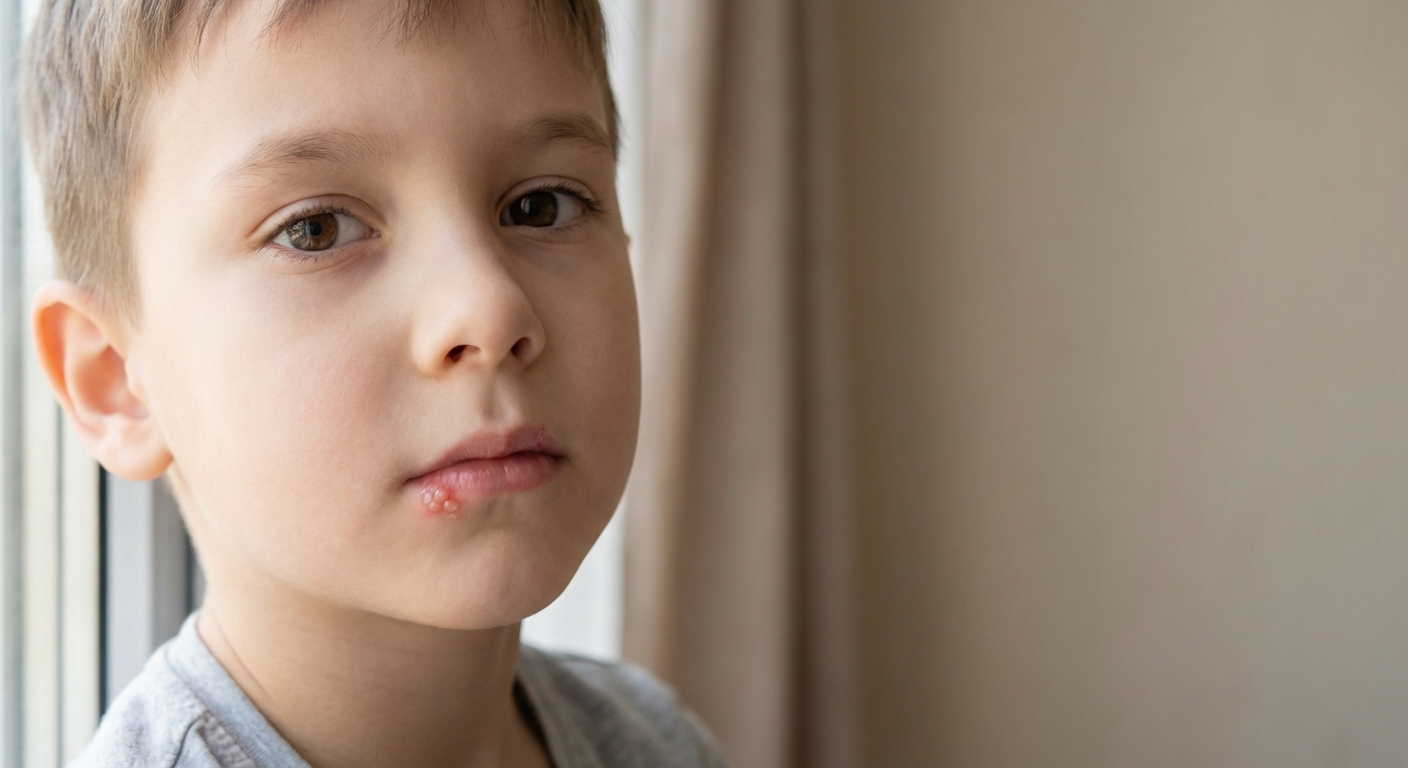
Worried your child’s cold sore will spread at daycare or school? Here’s the HSV-1 timeline, what’s safe to use at home, when to call the doctor for antiviral...
Herpetic Gingivostomatitis in Toddlers: Signs, Look-Alikes, and When to Get Help

Sarah Mitchell
Sarah Mitchell is a Registered Pediatric Nurse and a mother of three who has spent over a decade helping families navigate the beautiful, chaotic early years of childhood. She combines evidence-based medical knowledge with real-world parenting experience to offer practical, compassionate advice. At Awesome Parent, Sarah's mission is to help exhausted parents find solutions, trust their instincts, and finally get some sleep.
If your toddler has a fever, swollen gums that look angry and bleed easily, a whole constellation of mouth sores, and suddenly refuses everything from water to their favorite pouch, it can feel like you have entered a parenting nightmare level you did not know existed. In clinic, this was one of the most common reasons I saw exhausted parents come in: “They will not drink, and their mouth looks awful.”
One possible cause is herpetic gingivostomatitis, which is a toddler’s first widespread mouth infection from herpes simplex virus, usually HSV-1 (less commonly HSV-2). It is different from hand, foot, and mouth disease (HFMD) even though both can cause mouth sores and misery.

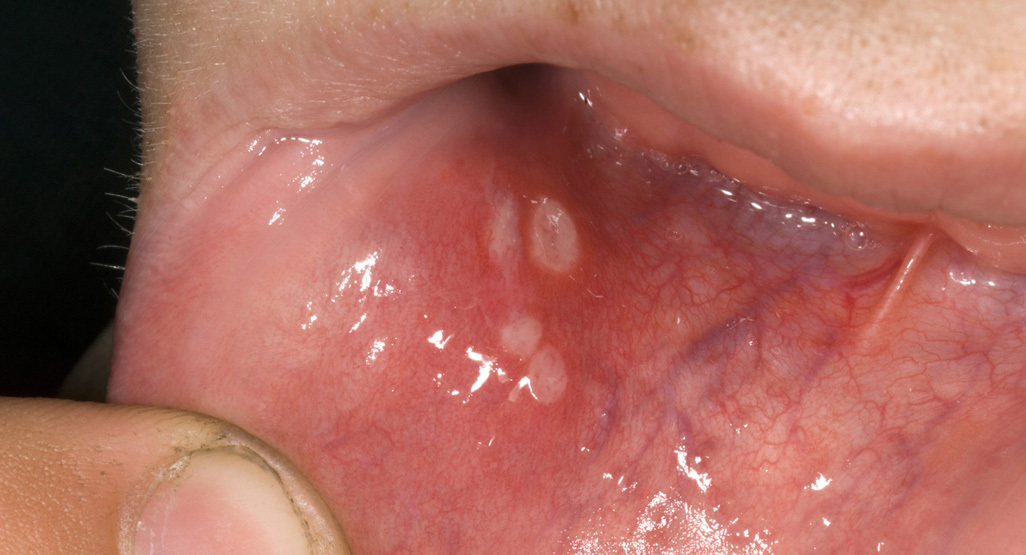
What it looks like
Herpetic gingivostomatitis is often the first time a child is exposed to HSV. Adults often think of HSV-1 as “cold sores,” but in young kids the first infection can be much more widespread inside the mouth.
Common symptoms
- Fever, often 101 to 104°F (38.3 to 40°C), and it can last several days
- Very sore mouth with a sudden drop in eating and drinking
- Swollen, red, tender gums (gingivitis) that can bleed with brushing or even light contact
- Many small blisters that break into ulcers (clusters of small sores) on the tongue, inner cheeks, gums, roof of mouth, and lips
- Drooling because swallowing hurts
- Irritability, poor sleep, clinginess
- Bad breath can happen
The big clinical clue is the combination of diffuse gum inflammation plus lots of oral ulcers and a child who looks and acts like their mouth is on fire.
How long it lasts
Most kids are at their worst for about 3 to 5 days, with gradual improvement over 7 to 14 days. The fever usually improves before the mouth fully does. The ulcers can take up to about 2 weeks to fully heal.
After the first infection, the virus can remain in the body and some kids will later get more typical cold sores on the lip, often with stress, sun exposure, or illness. Many children never have noticeable recurrences.
How it spreads
HSV spreads through saliva and direct contact with sores or oral secretions. Toddlers are extremely talented at sharing exactly the wrong things, so home outbreaks can move fast.
- Do not share cups, straws, utensils, toothbrushes, washcloths, towels, pacifiers, or teething toys.
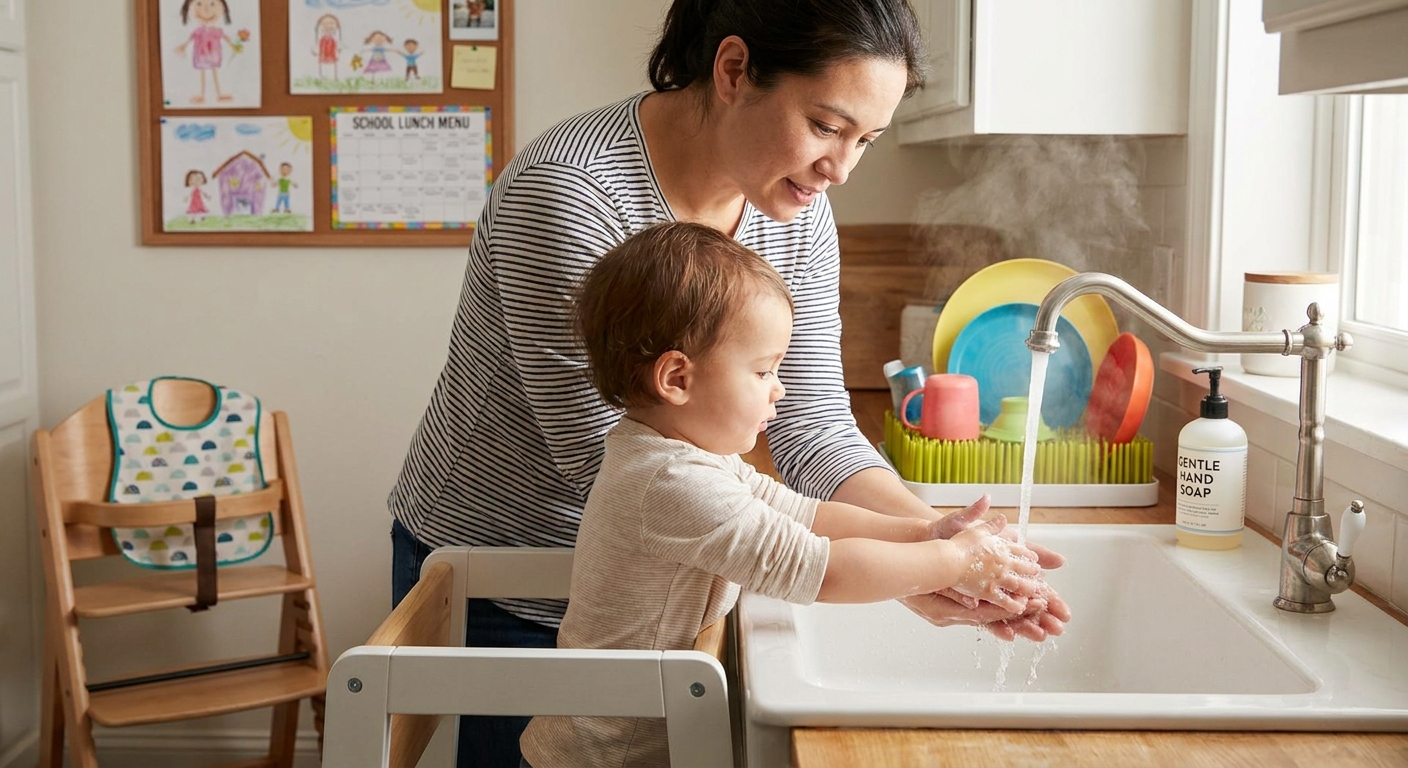
- Wash hands frequently, especially after wiping drool.
- Wipe down mouthed toys with hot soapy water or your usual household disinfectant, following the label.
- Avoid kissing on the mouth during an outbreak.
Important: If an adult in the home has an active cold sore, avoid kissing a baby or toddler and do not share drinks or utensils. This one simple change prevents a lot of misery.
Look-alikes
These conditions can look similar at 2 AM under bathroom lighting while your child screams. Here are the most helpful differences I used as a triage nurse.
Vs hand, foot, and mouth disease (HFMD)
- Cause: HFMD is usually enteroviruses (often coxsackievirus). Herpetic gingivostomatitis is HSV.
- Skin findings: HFMD often has a rash or blisters on hands, feet, and buttocks. HSV mouth infection typically does not cause the classic hand and foot rash.
- Mouth pattern: HFMD mouth sores can involve the tongue and inner cheeks and may include the back of the mouth too. HSV tends to cause many sores throughout the mouth plus very inflamed gums.
- Gums: Swollen, bleeding gums point more toward HSV.
Vs herpangina
- Cause: Usually enteroviruses.
- Sore location: Herpangina sores are classically on the soft palate, tonsils, and back of the throat.
- Gums: Gums are usually not diffusely swollen and bleeding the way they can be with HSV.
- Skin: Often no hand and foot rash (unlike HFMD).
Vs a typical lip cold sore
- Cold sores are usually a small cluster of blisters on the lip border, not a mouth full of ulcers.
- Kids may feel fine otherwise, or just mildly under the weather.
- Primary gingivostomatitis is often a bigger systemic illness with fever and widespread mouth pain.
Vs thrush
- Appearance: Thrush is typically white, creamy patches on the tongue and inner cheeks.
- Wipes off: It may partially wipe away and leave a red, irritated surface.
- Sores: Thrush is not usually multiple ulcer-like lesions.
- Fever: Thrush alone does not usually cause high fever.
If you are still not sure, you are not failing. Many kids need an in-person exam because treatment decisions depend on hydration status and how early the illness is.
Diagnosis and testing
Most of the time, clinicians diagnose herpetic gingivostomatitis based on the exam and the story, especially when the gums are diffusely inflamed and there are lots of ulcers.
Testing is not always necessary. Sometimes a clinician will swab a sore for PCR testing, especially if the case is atypical, severe, involves the eye, or your child is immunocompromised, because that can help guide treatment.
Why they refuse to drink
The mouth sores are painful, and swallowing can feel like rubbing a scraped knee with sandpaper. A toddler’s very logical solution is: nope, I will not swallow anything.
That is where the real risk comes in. The most important complication is dehydration, especially in younger toddlers and kids who already have trouble drinking when sick.
Hydration red flags
- Fewer wet diapers or urinating much less than usual
- No urine for about 8 to 12 hours in a toddler (younger babies can dehydrate faster)
- Dry mouth, no saliva, cracked lips
- No tears when crying
- Sunken eyes or a noticeably “drawn” look
- Very sleepy, hard to wake, or unusually limp
- Dizziness or weakness (older toddlers may say they feel “wobbly”)
- Fast breathing or fast heart rate when resting
Trust your instincts here. If your child is acting significantly off or you cannot get fluids in, it is worth being seen.
When to get care
I am very calm about most childhood viruses. This one is different because of the dehydration risk and because antiviral medicine may help in certain cases if started early.
Same-day care
Seek same-day care (pediatrician urgent visit or urgent care) if:
- Your toddler refuses to drink or can only take tiny sips and you cannot maintain hydration.
- Your child has signs of dehydration (especially very little urine).
- Fever is high or persistent and your child looks very unwell.
- Your child has severe mouth pain that is not improving with appropriate dosing of acetaminophen or ibuprofen (if age-appropriate).
- Your child is under 6 months and has mouth sores or fever.
- Your child has a weakened immune system or takes immune-suppressing medications.
Emergency care now
Go to emergency care now if:
- Your child is very hard to wake, unusually floppy, or not acting like themselves in a concerning way.
- Your child has no urine for about 8 to 12 hours plus poor intake, or you are seeing multiple dehydration red flags at once (younger babies may need evaluation sooner).
- Your child cannot keep fluids down due to persistent vomiting.
- You notice trouble breathing or bluish lips.
- Your child has stiff neck, severe headache, confusion, or you are worried about more than “just a virus.”
If you are on the fence, call your pediatrician’s nurse line. This is exactly what we are there for.
Treatment
Most kids with herpetic gingivostomatitis need supportive care: pain control and fluids. Some children may benefit from an antiviral medication (often acyclovir) if started early in the course, typically within about 72 to 96 hours of symptom onset, and if the clinician thinks it is appropriate for your child’s age and severity.
At-home comfort basics
- Pain control: Use acetaminophen or ibuprofen as directed by your child’s clinician and based on your child’s weight and age. Pain control is not a luxury here, it helps kids drink.
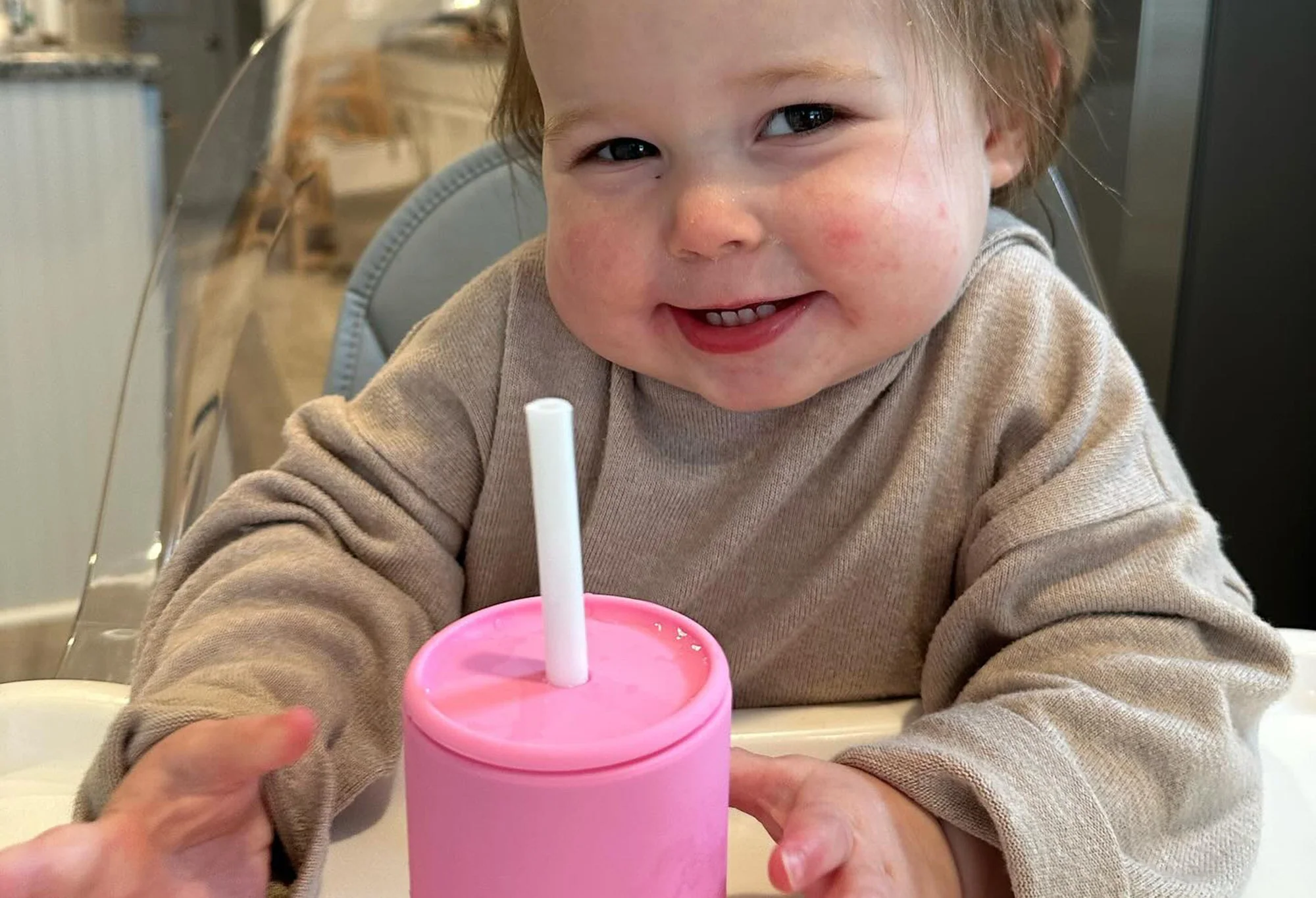
- Cold, soothing fluids: Cold water, diluted juice, oral rehydration solution, smoothies, or popsicles can feel better than room-temp drinks.
- Small, frequent sips: Think 1 to 2 teaspoons every few minutes for a reluctant toddler, building up slowly.
- Soft foods: Yogurt, applesauce, oatmeal cooled down, mashed potatoes, scrambled eggs, or soups that are not hot.
- Avoid irritants: Citrus, salty foods, spicy foods, and carbonated drinks can sting.
What not to use
- Aspirin: Do not give aspirin to children unless you have been specifically instructed by a clinician.
- Mouth-numbing products: Talk with your pediatrician before using any mouth-numbing gels or sprays (including products containing benzocaine or lidocaine) in toddlers. Some are not recommended for young children, and numbing the mouth can increase choking risk because it affects normal swallowing sensations.
- DIY “magic mouthwash” mixes: Skip homemade mixtures unless your clinician prescribes a specific plan for your child.
If your toddler will only accept “weird” fluids, take the win
During a bad mouth-sore week, I care much more about hydration than nutrition. If your child will only drink from a medicine syringe, a favorite character cup, or while watching one episode you normally would not allow, this is not the week for parenting purity. Keep them drinking. We can all get back to standards later.
Contagious and daycare
HSV is most contagious when there are active sores and lots of drool, but the virus can be present in saliva even when sores are not obvious.
For practical purposes, keep your child home if they:
- Have a fever
- Cannot participate comfortably
- Are drooling excessively because they cannot swallow
- Need one-on-one care to stay hydrated
Even once fever is gone, many toddlers still have tender mouths and will struggle with normal eating and drinking for several more days. Return policies vary, so if daycare is asking for a specific rule, your pediatrician can help clarify based on your child’s symptoms.
FAQ
Can my toddler get HSV from someone without a visible cold sore?
Yes. HSV can sometimes be shed in saliva even when a person has no obvious sore. That said, the risk is higher with an active cold sore.
Will antibiotics help?
No. This is a viral infection, so antibiotics do not treat it unless there is a separate bacterial infection diagnosed by a clinician.
Is this the same thing as canker sores?
No. Canker sores are not caused by HSV and usually occur as a few ulcers, not a widespread outbreak with swollen bleeding gums and fever.
Can I catch it from my child?
Yes, HSV can spread to caregivers through saliva contact, especially if you touch your child’s mouth and then touch your own mouth, nose, or eyes. Wash hands, avoid sharing utensils and cups, and be extra careful with contact lenses.
What about herpes on the finger?
HSV can infect a finger (called herpetic whitlow), especially with thumb-sucking and lots of hand-to-mouth contact. If you notice painful finger blisters or swelling during an outbreak, call your clinician.
What about herpes near the eye?
If you notice eye redness, swelling, light sensitivity, eye pain, or your child keeps rubbing one eye during an HSV outbreak, seek urgent medical care. HSV eye involvement needs prompt evaluation.
The bottom line
Herpetic gingivostomatitis is a tough illness: fever, swollen bleeding gums, lots of painful mouth ulcers, and a toddler who suddenly refuses to drink. The biggest job is protecting hydration and getting same-day care when your child cannot maintain fluids.
If you are staring at a cup your toddler will not touch and you feel that rising panic, you are not overreacting. This is one of those times where early help can prevent a long night and an IV later.
Sarah Mitchell
Sarah Mitchell is a Registered Pediatric Nurse and a mother of three who has spent over a decade helping families navigate the beautiful, chaotic early years of childhood. She combines evidence-based medical knowledge with real-world parenting experience to offer practical, compassionate advice. At Awesome Parent, Sarah's mission is to help exhausted parents find solutions, trust their instincts, and finally get some sleep.