Fever with one-bone pain, limping, or refusing to use a limb after a boil can be a warning sign of a serious infection like osteomyelitis. When to seek urgen...
Hot, Swollen Joint After a Skin Infection: When to Get Same-Day Care

Sarah Mitchell
Sarah Mitchell is a Registered Pediatric Nurse and a mother of three who has spent over a decade helping families navigate the beautiful, chaotic early years of childhood. She combines evidence-based medical knowledge with real-world parenting experience to offer practical, compassionate advice. At Awesome Parent, Sarah's mission is to help exhausted parents find solutions, trust their instincts, and finally get some sleep.
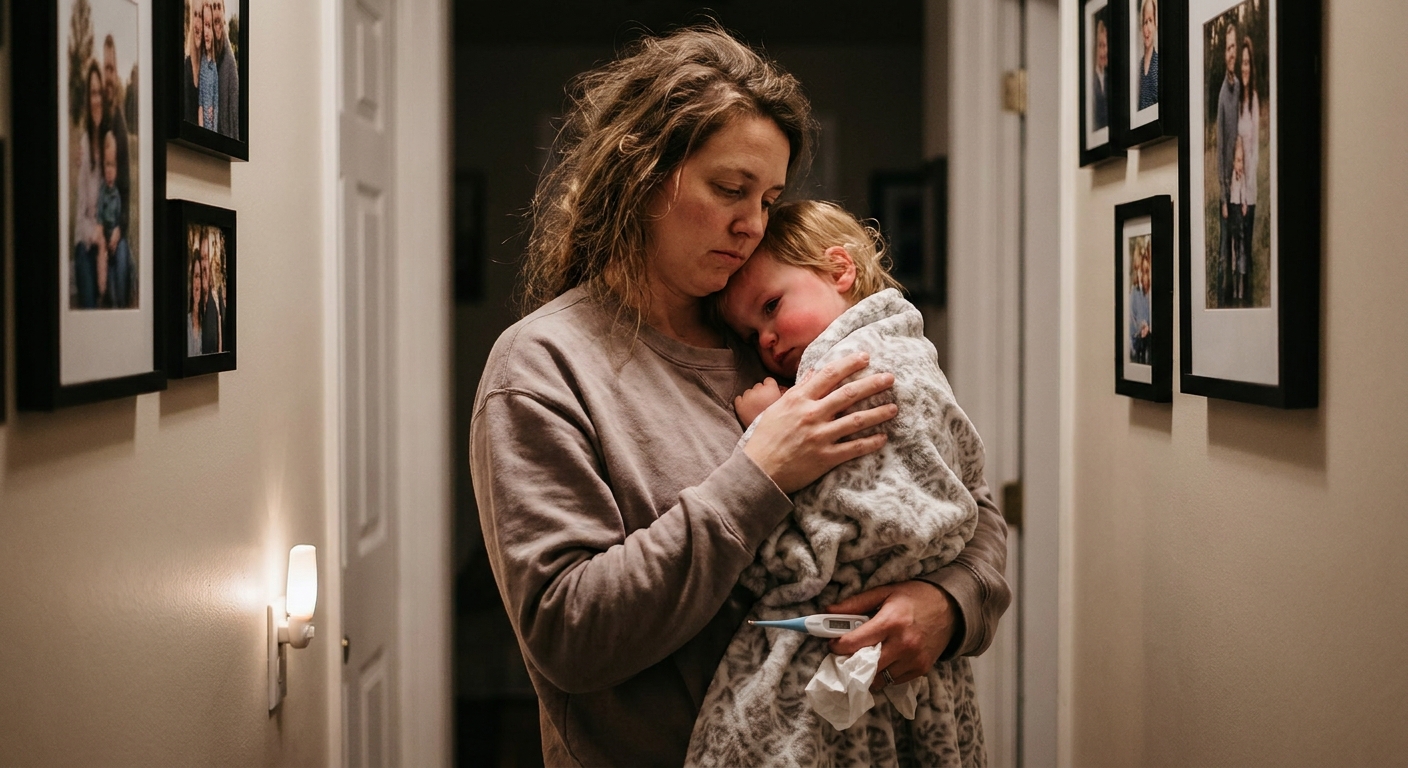
There are a few symptom combinations that make my triage nurse brain snap to attention, even at 3 AM. One of them is this: a child who recently had a boil or skin infection and now has a fever plus a hot, swollen joint they refuse to move. Parents often tell me, “But the skin spot looks better.” I hear you. And still, this is a same-day problem.
Skim takeaway: This combination needs same-day medical evaluation to rule out a joint or bone infection.
This article will walk you through what that pattern can mean, why it needs urgent medical evaluation, and what you can do right now while you arrange care.
Why this is urgent after a boil
A boil, abscess, or cellulitis is often thought of as a skin infection, but it can involve deeper tissue too. Either way, the bacteria that cause these infections (including staph, sometimes MRSA) can occasionally travel through the bloodstream and settle somewhere deeper, like a joint or a bone.
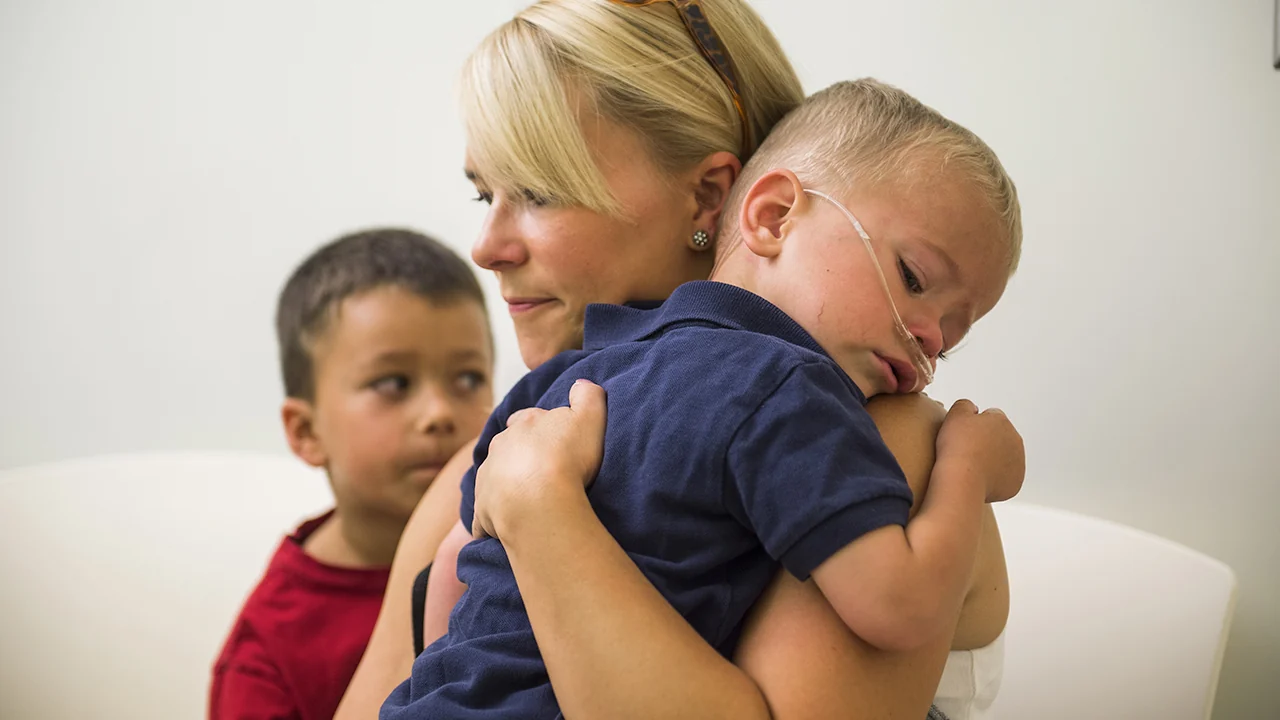
When bacteria get inside a joint space, the body responds with intense inflammation and fluid buildup. The joint becomes hot, swollen, and extremely painful. Kids often protect it by holding it still, refusing to walk, refusing to bear weight, or refusing to use an arm. Fever is common, but not always sky-high.
The reason clinicians take this so seriously is simple: a true joint infection can cause permanent joint damage if not treated promptly. The goal is to diagnose and treat early, often with antibiotics and sometimes with a procedure to drain infected fluid.
Signs that need same-day care
If your child had a recent boil or skin infection (even if it was small) and now has any of the following, seek same-day care (pediatrician urgently, urgent care that can evaluate kids, or the ER depending on severity and availability):
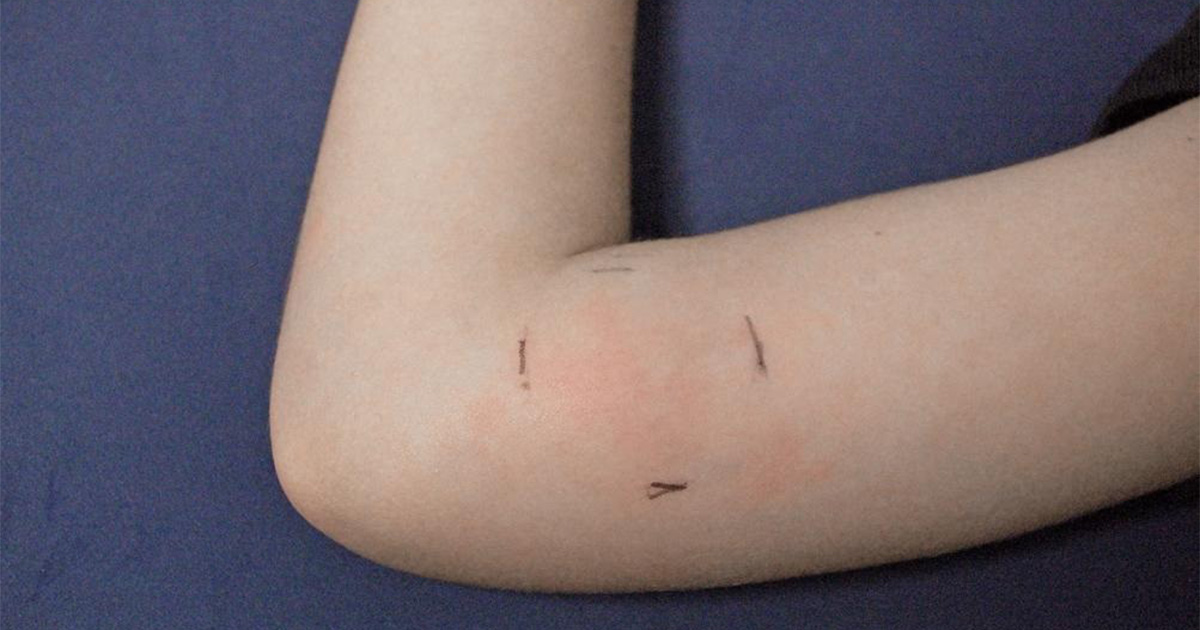
- Fever plus a single joint that is swollen, warm/hot, or visibly larger than the other side
- Refusal to move the joint or a limb, or holding it in one position
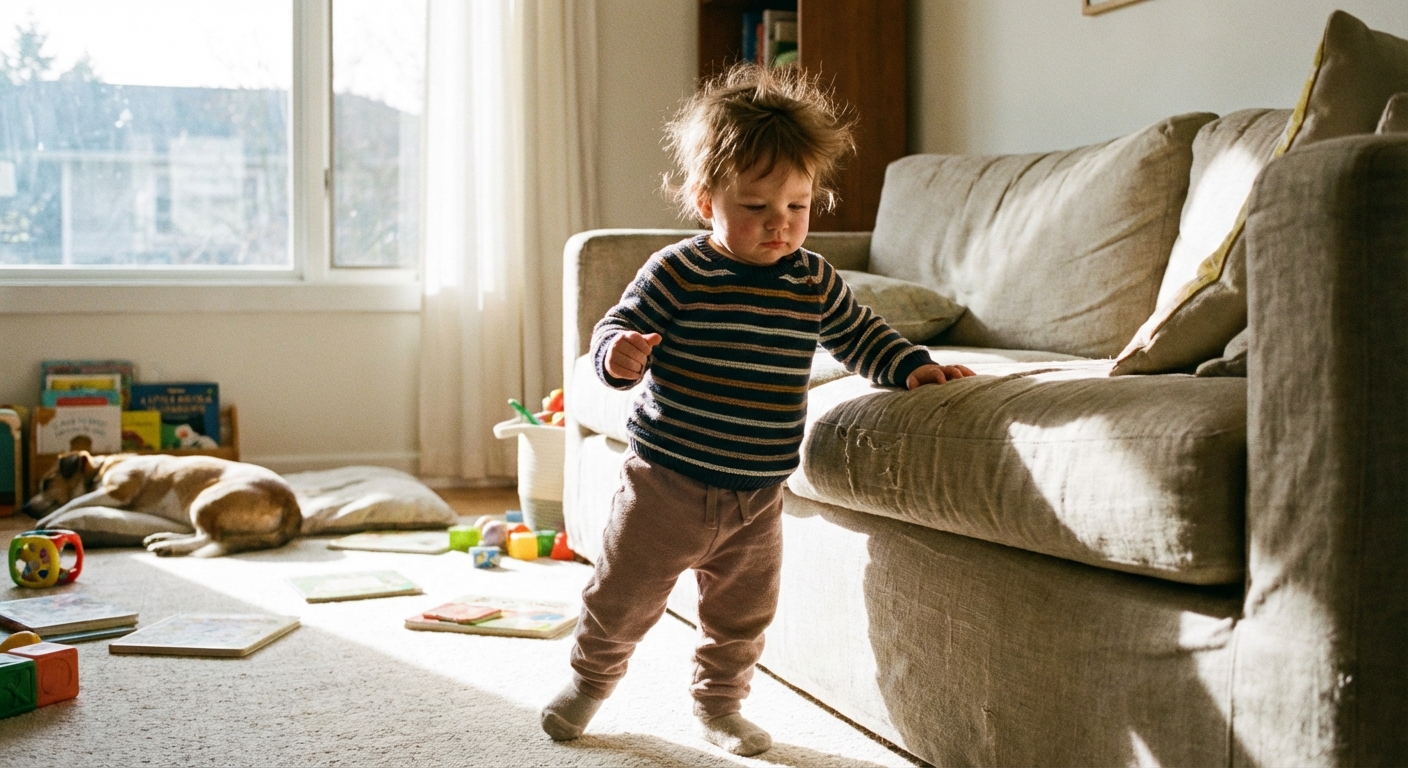
- Refusal to bear weight, sudden limp, or crawling instead of walking
- Severe pain with even gentle touch or small movements
- Redness over the joint (not always present)
- Child looks ill: unusual sleepiness, irritability, poor eating or drinking
- Fast worsening over hours
Very young children may not show “classic” symptoms. Sometimes it is just extreme fussiness, not using the limb, or crying with diaper changes. If your gut says this is not normal, get them checked today.
If your child looks very sick, is hard to wake, is struggling to breathe, has bluish lips, has a stiff neck with severe headache, or you are worried about dehydration (very dry mouth, no tears, minimal urine), go to the ER now.
What clinicians are worried about
With this specific story, clinicians are often trying to rule out a bacterial joint infection or a nearby bone infection. You may hear terms like:
- Septic arthritis: bacteria in the joint space
- Osteomyelitis: a bone infection (sometimes near a joint and sometimes hard to tell apart at home)
- Invasive staph infection: a staph infection that is no longer limited to the skin
These conditions are treatable, but they are time-sensitive. The sooner a child is evaluated, the sooner the team can decide what is going on and start the right treatment.
What to do right now
1) Keep your child comfortable and limit movement
Do not force the joint to move “just to see.” If it truly hurts, forcing motion can increase distress and does not provide useful information.
2) Use fever and pain medicine if appropriate
If your child can take them safely, acetaminophen can help with pain and fever. Ibuprofen may also help if your child is old enough (typically over 6 months) and well-hydrated. Use the dose on your child’s label based on weight, and avoid giving extra combination products that could double-dose acetaminophen (for example, some cold and flu medicines).
3) Do not squeeze or drain a boil at home
If the skin infection is still present, avoid “popping” or draining it yourself. That can worsen spread and makes it harder to treat safely.
4) Bring the helpful details
When you go in, it helps to share:
- When the skin infection started and where it was
- Whether there was drainage, and whether anyone else in the home has had boils
- Any antibiotics your child has taken recently (name and dates if you know them)
- When the joint symptoms started and how fast they worsened
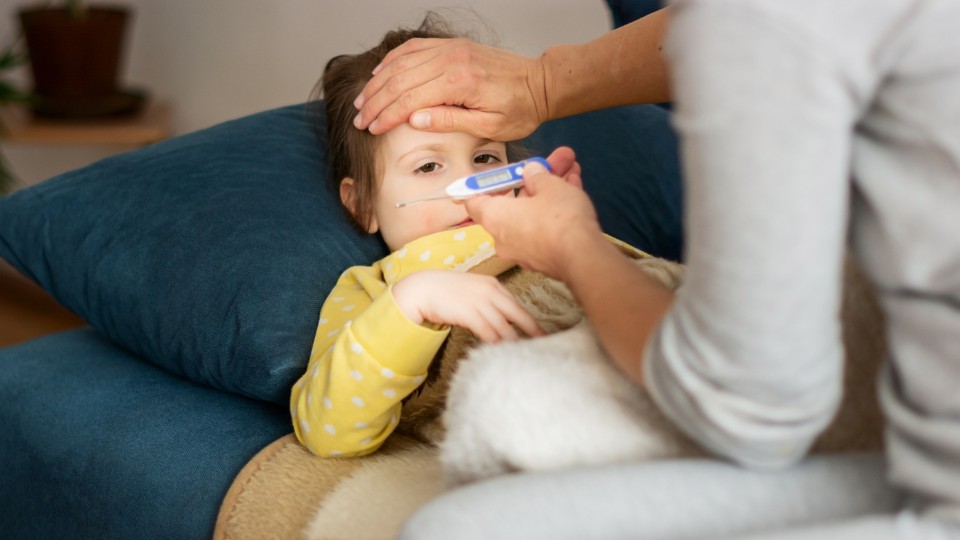
- Highest temperature at home and how you measured it
5) Avoid leftovers and do not delay
Please do not give leftover antibiotics and wait it out. Antibiotics need to be chosen carefully, and partial courses can muddy the waters without truly treating the problem.
What to expect at the visit
Depending on your child’s age, symptoms, and which joint is involved (hip concerns tend to get fast attention), the clinician may:
- Examine the joint and nearby skin carefully
- Check vital signs and hydration
- Order blood tests that look for inflammation and infection
- Order imaging (often an ultrasound for a hip, sometimes X-ray or MRI depending on the situation)
- Consult orthopedics if a joint infection is suspected
- Discuss starting antibiotics and, in some cases, draining fluid from the joint to test it and relieve pressure
I know that can sound scary. The goal is not to “do a lot.” The goal is to not miss the diagnosis that needs fast treatment.
How this differs from other causes
Parents often ask, “Could it just be growing pains?” or “Could it be that other thing kids get?” Here is a quick, practical way to separate them without getting lost in medical terminology.
After a skin infection: the red flag pattern
- Usually one joint
- Hot or swollen joint
- Child refuses to move it or refuses to bear weight
- Fever or child looks unwell
- Recent boil, abscess, or cellulitis
Bone pain after a boil
Bone infection (osteomyelitis) concerns tend to cause deep, localized pain that may be near a joint but is not always centered in the joint itself. Kids may have fever and feel unwell, but the joint may not look as obviously hot and swollen. Because the treatment window still matters, fever plus significant localized bone pain after a skin infection also deserves prompt evaluation.
Transient synovitis
This often shows up after a recent viral illness with a limp and hip discomfort. Many kids are otherwise fairly well and fever is absent or low. The hip may be sore, but the “hot, angry, will not let you touch it” picture is less typical. The key difference for families: fever with a very painful, hot, swollen joint is not a wait-and-see situation.
Juvenile idiopathic arthritis
Juvenile idiopathic arthritis (JIA) tends to be more chronic: weeks of symptoms, often with morning stiffness that improves during the day. It is not usually a sudden, acutely ill child right after a skin infection. One important caveat: if your child has persistent fevers, especially with a new rash or prolonged symptoms, that also deserves medical evaluation.
FAQ
The boil looks better. Could the joint still be related?
Yes. The skin can look improved while bacteria have already traveled. The history of a recent skin infection still matters.
Which joints are most concerning?
Any joint can be involved, but clinicians pay very close attention to the hip (kids may refuse to walk) and the knee. Shoulder, elbow, and ankle can also be affected.
My child has no fever but the joint is hot and they will not move it. Is it still urgent?
Yes. Some children do not mount a big fever early on. A hot, swollen joint with refusal to move deserves same-day evaluation even without fever.
Should I use ice or heat?
If it helps your child tolerate the car ride, a cool pack wrapped in cloth for short periods is reasonable. Avoid aggressive heat. Most importantly, do not let home measures delay evaluation.
When in doubt, go today
I am all for not panicking over every bump and bruise. But fever plus a hot, swollen joint a child will not move, especially after a boil or other skin infection, is one of those combinations where the safest plan is simple: same-day medical assessment.
If you are deciding between calling the pediatrician, going to urgent care, or heading to the ER, choose the option that can evaluate your child quickly and has access to pediatric assessment and imaging if needed. And if your gut says, “This kid is really not okay,” trust that instinct.

Sarah Mitchell
Sarah Mitchell is a Registered Pediatric Nurse and a mother of three who has spent over a decade helping families navigate the beautiful, chaotic early years of childhood. She combines evidence-based medical knowledge with real-world parenting experience to offer practical, compassionate advice. At Awesome Parent, Sarah's mission is to help exhausted parents find solutions, trust their instincts, and finally get some sleep.