A calm, practical guide for parents: spotting boils and abscesses, safe home comfort care, MRSA basics, signs of spreading infection, and what to expect if y...
Bone Pain and Fever After a Skin Boil: When to Get Same-Day Care

Sarah Mitchell
Sarah Mitchell is a Registered Pediatric Nurse and a mother of three who has spent over a decade helping families navigate the beautiful, chaotic early years of childhood. She combines evidence-based medical knowledge with real-world parenting experience to offer practical, compassionate advice. At Awesome Parent, Sarah's mission is to help exhausted parents find solutions, trust their instincts, and finally get some sleep.
When I worked triage in pediatrics, one of the hardest calls was a parent saying, “The boil looks better… but now my kid won’t walk and has a fever.” That combo makes every nurse’s antenna go up, because sometimes a skin infection is not “just skin.” Uncommonly, bacteria can travel through the bloodstream and settle in a bone or joint, and kids can get sick fast.
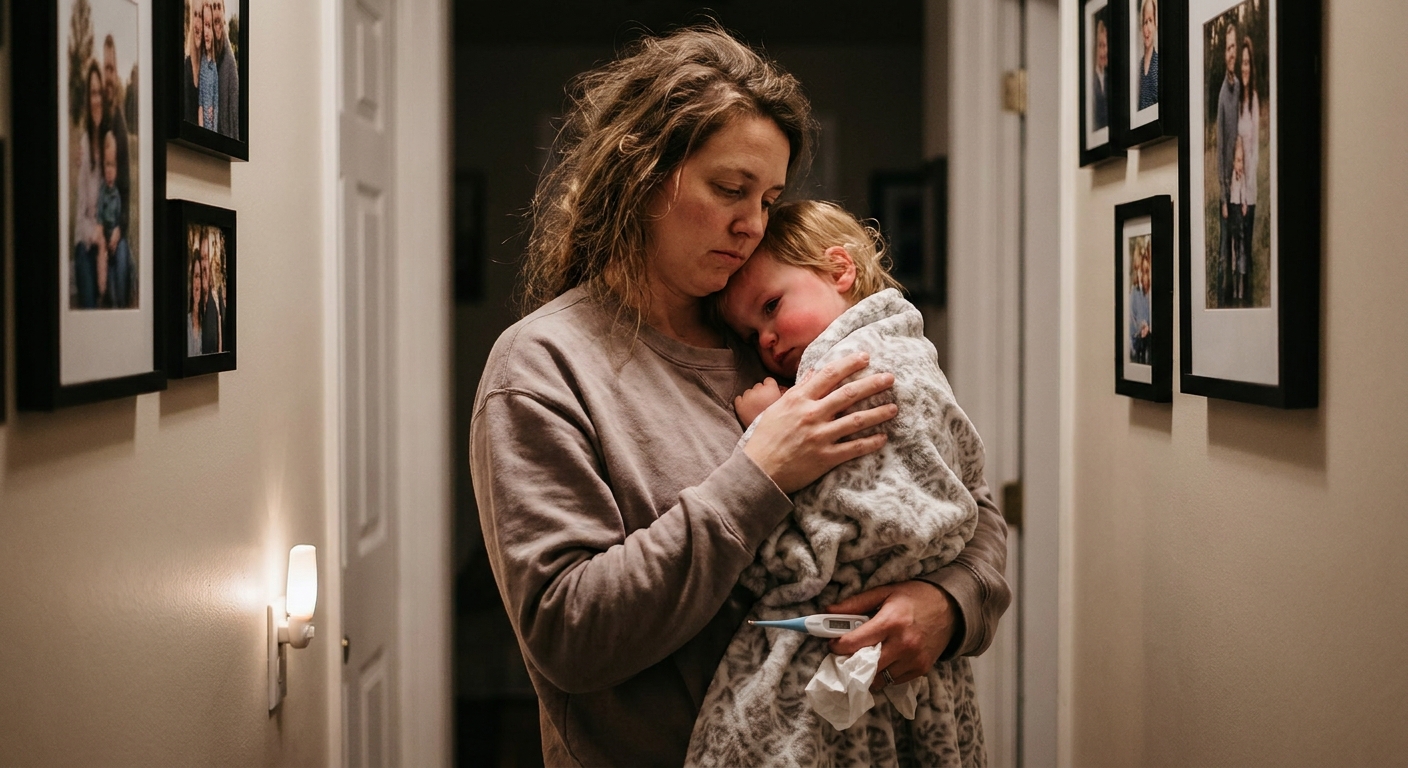
If your child has fever plus worsening pain in one specific bone, a new limp, or is refusing to use an arm or leg after a boil, abscess, or cellulitis, this is a same-day evaluation situation.
What I mean by same-day: call your pediatrician now for guidance and plan to be seen today. Depending on how sick your child looks and how well they can move or bear weight, that may mean urgent care or the ER.
Why this needs same-day care
A boil or skin infection can be caused by bacteria like Staphylococcus aureus (including MRSA). Most of the time, treatment stays focused on the skin. But sometimes bacteria can spread and lead to:
- Osteomyelitis (bone infection)
- Septic arthritis (infection in a joint)
- Bacteremia (bacteria in the blood)
Kids’ bones have a rich blood supply, especially in the metaphysis near growth plates. That makes them great at growing, but it can also make it easier for bacteria to lodge there. When that happens, waiting can raise the risk of damage to bone or joint cartilage and can mean a longer course of treatment, sometimes including IV antibiotics and procedures to drain infection.
Also important: osteomyelitis and septic arthritis can happen even without an obvious boil. A recent skin infection is a clue, not a requirement. The symptoms are what matter.
Red flags after a skin infection
Get your child seen today (pediatrician same day, urgent care that can evaluate kids, or the ER depending on severity) if any of these are happening after a recent or current skin infection:
- Fever, especially persistent fever or fever returning after seeming to improve
- Worsening deep pain in one spot (often described as throbbing or severe), not just tenderness around the skin lesion
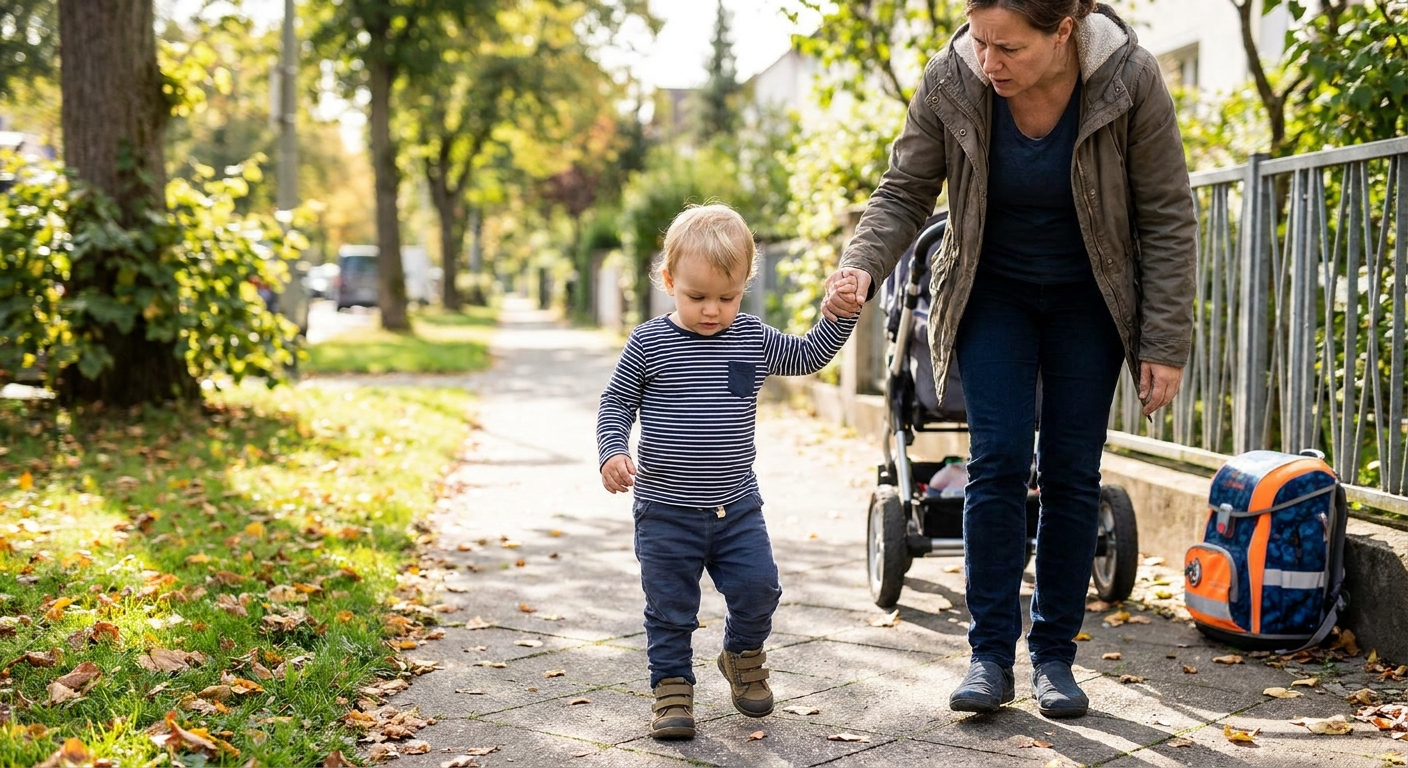
- Limping, new toe-walking with pain, or refusing to bear weight
- Refusing to use an arm or holding a limb very still
- Night pain that wakes them, or pain that is clearly out of proportion to what you see on the skin
- Swelling, warmth, or redness over a bone or near a joint
- Joint symptoms: pain with moving the joint, holding the joint bent, or a very limited range of motion
- Looks very ill: unusual sleepiness, confusion, poor color, fast breathing, signs of dehydration
Night pain and “out of proportion” pain can have several causes, including some that are not infections. Either way, they are symptoms that deserve prompt evaluation.
If your child is a baby, the clues can be subtle. Fussiness with diaper changes, crying when a leg is moved, or refusing to crawl or stand like usual can be the “limp” equivalent.
How infection pain can feel different
Parents often tell me, “Maybe it’s just from playing hard.” Totally fair thought. Here is what makes us more worried about infection:
- It is one-sided and specific (one shin, one thigh, one upper arm), not generalized aches
- It is getting worse over hours to days, not slowly improving
- It changes how they move, like refusing to walk or not using the limb
- There is fever or your child seems sick overall
Growing pains, by contrast, usually happen in both legs, often in the evening or night, and do not cause limping during the day. Growing pains also do not typically come with fever.
What to do right now
- Do not lance, squeeze, or pick at the boil at home. It can make pain and inflammation worse, increase scarring, and delay the right kind of drainage and testing if it is needed.
- Limit activity. If walking hurts, do not force it. Carry them or use a stroller.
- Use fever and pain medicine as directed. Acetaminophen or ibuprofen (if age-appropriate) can help while you head in. Avoid aspirin.
- Take a quick photo of the skin infection. Helpful if it changes by the time you are seen.
- Bring details. When did the boil start, any drainage, any antibiotics given, any known MRSA exposure, and when the limp or bone pain started.
Go to the ER now if your child cannot bear weight, has severe pain, has a very limited or painful joint movement, seems very ill, is hard to wake, has trouble breathing, has blue lips, shows signs of poor circulation, or if your baby is under 3 months with any fever.
Urgent care or ER?
I know families get stuck here. In general:
- ER is the safer choice for refusal to bear weight, a hot swollen joint, significant limitation of joint motion, severe pain, a child who looks toxic or unusually sleepy, dehydration, or any fever in a baby under 3 months.
- Urgent care or same-day pediatrics can be a good start for a child who is stable, drinking some fluids, not in severe distress, and can still walk (even if limping). If the clinic cannot do labs or imaging and your child is worsening, you may be redirected to the ER.
What the doctor may check
Because bone and joint infections can look like “just a limp” at first, clinicians typically combine history, exam, labs, and sometimes imaging. Depending on your child’s symptoms and age, you might see:
- Physical exam focusing on the exact tender spot, nearby joints, and range of motion
- Blood tests that look for inflammation and infection (common ones include CBC, CRP, ESR) and sometimes blood cultures
- Imaging: X-rays can rule out fracture but may be normal early in infection. Ultrasound can help find joint fluid. MRI is often the most helpful test when osteomyelitis is a serious concern.
A limp after a skin infection can still turn out to be something else, like an injury, transient synovitis, or a reactive arthritis. But fever plus focal bone pain or a very painful, limited joint is what moves bone or joint infection higher on the list.
If there is concern for a bone or joint infection, your child may need hospital evaluation for IV antibiotics and close monitoring. Sometimes drainage of an abscess or joint fluid is needed. That sounds scary, but early treatment is exactly what prevents bigger problems.
If your child is already on antibiotics
This surprises families: a child can be taking an antibiotic for a skin infection and still develop worsening fever and deep limb pain. Reasons include the bacteria being resistant to the antibiotic, the infection being deeper than expected, the dose not being adequate, or a complication that needs different treatment.
Do not stop a prescribed antibiotic without medical guidance, but do get seen today if symptoms are worsening or a new limp appears.
MRSA basics in one place
If you are here because you are still figuring out whether the skin spot is a boil, abscess, or cellulitis, start here:
If you are looking for guidance on when your child can go back to sports or daycare after a skin infection:
FAQ
Can a skin boil really cause a bone infection?
It can. It is not common, but it is possible when bacteria enter the bloodstream and seed a bone or joint. The risk is higher if the infection is large, worsening, recurrent, or if your child has a weakened immune system. Even healthy kids can be affected, which is why symptoms matter more than “risk level.”
How fast does osteomyelitis develop?
Sometimes over a few days. Parents often notice a skin infection first, then fever, then a limp or refusal to use a limb. In other cases the skin infection may look like it is improving, but deep pain and fever show up or worsen.
My child has a limp but no fever. Is it still urgent?
A new limp is always worth attention. If it is after a recent boil or skin infection, or your child refuses to bear weight, I would still call your pediatrician the same day for guidance. Fever makes it more concerning, but lack of fever does not fully rule out a deeper infection.
What if the boil is draining and the fever is gone, but the bone pain is getting worse?
Worsening focal bone pain or refusal to use a limb is a same-day evaluation even if the skin looks better. In triage, we treat the kid, not just the boil.
The bottom line
A skin boil plus fever and worsening pain in one bone, a new limp, or refusing to use a limb is not a wait-and-see situation. It might still turn out to be something less serious, but the stakes are high enough that your child deserves an exam today.
If your gut is telling you, “This is not my kid’s normal,” listen to it. You are not overreacting. You are being the exact kind of parent I used to hope would call before things spiraled.
Sarah Mitchell
Sarah Mitchell is a Registered Pediatric Nurse and a mother of three who has spent over a decade helping families navigate the beautiful, chaotic early years of childhood. She combines evidence-based medical knowledge with real-world parenting experience to offer practical, compassionate advice. At Awesome Parent, Sarah's mission is to help exhausted parents find solutions, trust their instincts, and finally get some sleep.