A parent-friendly guide to spotting strep throat, testing, antibiotics, comfort care, and when symptoms mean it is time for urgent help.
How Long Is Strep Throat Contagious After Antibiotics?

Sarah Mitchell
Sarah Mitchell is a Registered Pediatric Nurse and a mother of three who has spent over a decade helping families navigate the beautiful, chaotic early years of childhood. She combines evidence-based medical knowledge with real-world parenting experience to offer practical, compassionate advice. At Awesome Parent, Sarah's mission is to help exhausted parents find solutions, trust their instincts, and finally get some sleep.
If you are here, you are probably doing the same mental math every parent does at 11 PM: They started antibiotics today… so when can they go back to school, and when will the rest of us be safe?
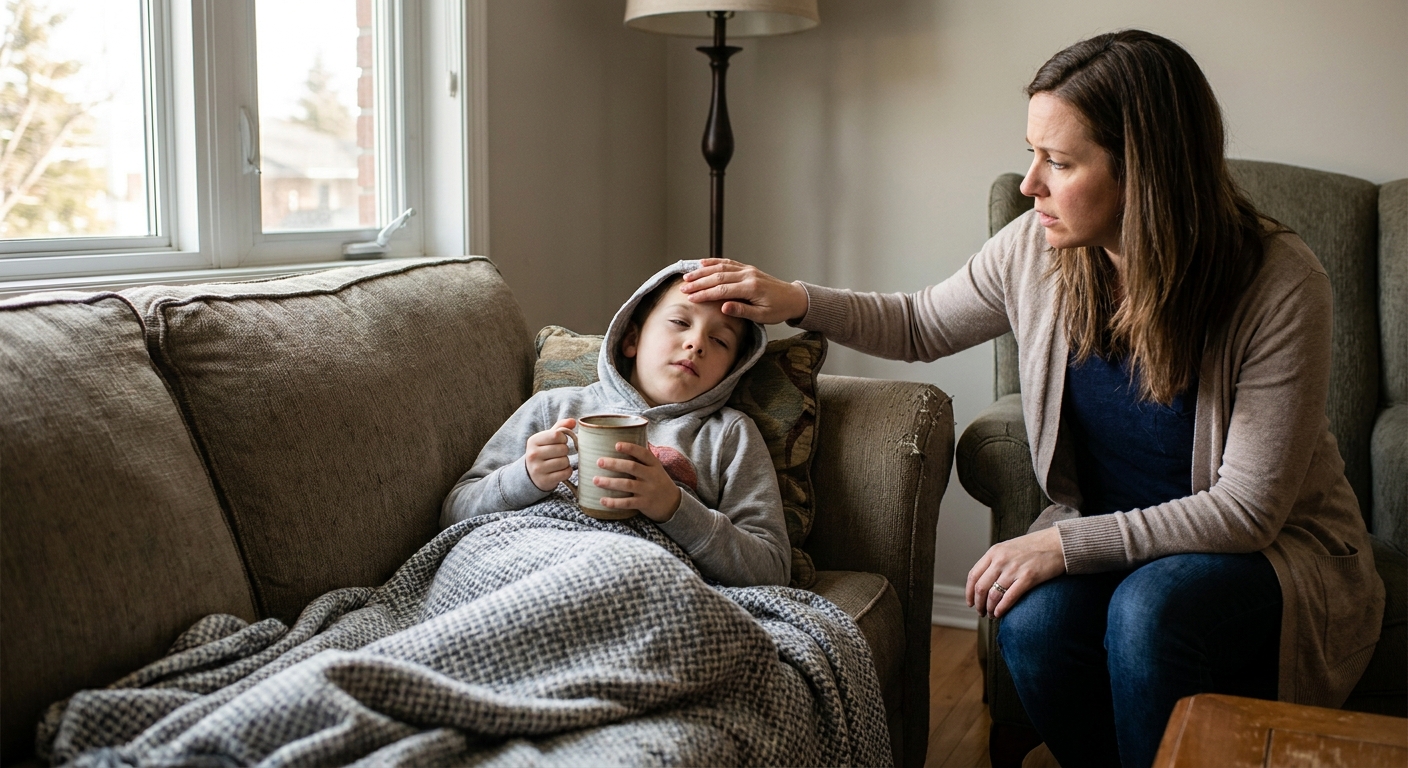
Let’s make it simple and realistic. Strep throat (caused by Group A Strep bacteria) is very contagious before treatment, but the good news is that with the right antibiotic, kids are typically no longer contagious within about 12 to 24 hours as long as they are taking it as prescribed, improving, and fever-free.
The quick answer
- Before antibiotics: Strep is contagious while your child has symptoms and can be contagious for up to 2 to 3 weeks if untreated.
- After starting antibiotics: Many kids are no longer contagious after about 12 hours of appropriate antibiotics. For practical purposes (and policies), most families use 12 to 24 hours.
- School and daycare: Many schools and daycares require at least 24 hours on antibiotics (even though the medical contagious window may be shorter), plus being fever-free (often 24 hours without fever medicine) and well enough to participate.
Important: Feeling better does not mean the infection is fully gone. Your child should finish the antibiotic course exactly as prescribed to prevent complications and recurrence.
Day-by-day contagiousness timeline
Quick legend: Day 0 = the day strep is diagnosed and/or the first antibiotic dose is started.
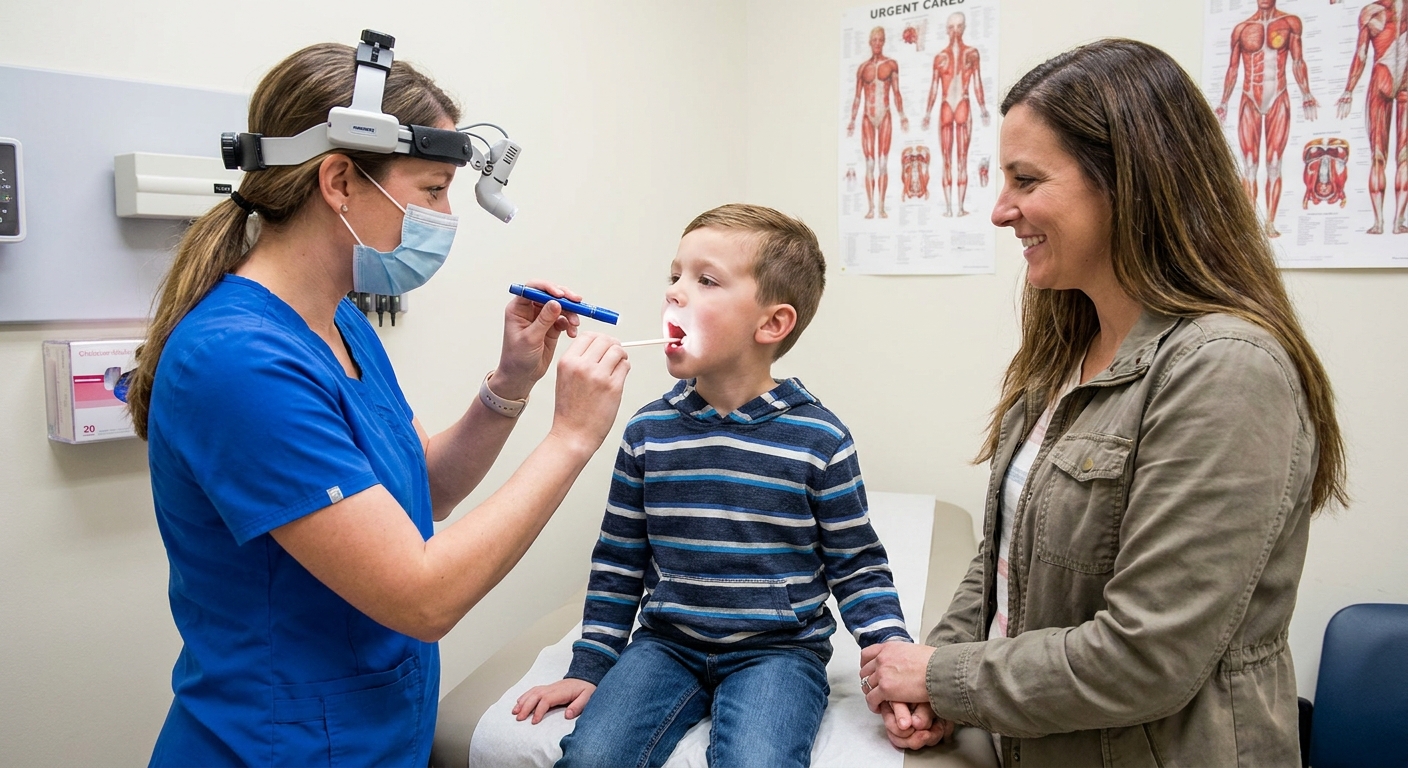
This timeline assumes your child has confirmed strep throat (usually by a rapid strep test and/or throat culture), and they are taking antibiotics as directed (commonly penicillin or amoxicillin, or an alternative if allergic).
Days -2 to 0: Before antibiotics (and before you even know it is strep)
- Contagiousness: High.
- Why: Strep spreads mainly through respiratory droplets (coughing, sneezing, close talking). It can also spread via saliva-contaminated items like cups or utensils, but close contact is usually the bigger driver.
- What you may notice: Sudden sore throat, pain with swallowing, fever, swollen neck glands, headache, belly pain, sometimes vomiting. Cough and runny nose are less typical for strep.
Day 0: Diagnosis day, before the first antibiotic dose
- Contagiousness: Still high.
- Best move tonight: Start the antibiotic as soon as you can (as prescribed), avoid close face-to-face contact, and do not share drinks or utensils.
Day 1: First 12 to 24 hours after starting antibiotics
- Contagiousness: Dropping fast. Medically, many children are no longer contagious after about 12 hours on an appropriate antibiotic if they are improving and fever-free. In real life, I still tell families to be cautious through the full 24 hours, because missed doses happen and school policies are usually strict.
- Symptoms: Fever often improves within a day. Throat pain can take longer.
- Keep home: Yes. Most schools and daycares require a full 24 hours of antibiotics before returning.
Day 2: 24 to 48 hours after starting antibiotics
- Contagiousness: For most kids, low to not contagious if they have been on antibiotics for at least 24 hours and are improving.
- Return to school or daycare: Usually OK if your child meets your school’s policy (commonly: 24 hours of antibiotics, fever-free without medication, and acting reasonably like themselves).
- Still take seriously: If your child is still very ill, has persistent high fever, or cannot swallow fluids, call your pediatrician.
Days 3 to 5
- Contagiousness: Typically not contagious if antibiotics are taken correctly.
- Symptoms: Energy tends to return. Throat pain should steadily improve. Some kids still have tender glands or mild throat irritation.
- If your child is not improving by 48 hours: Contact your clinic. They may need reassessment, confirmation of the diagnosis, or evaluation for complications.
Days 6 to 10 (and beyond)
- Contagiousness: Not contagious from that strep infection if treated and improving.
- Finish the antibiotics: This is the part that prevents strep from coming roaring back and reduces the risk of rare but serious complications.
A note on “still contagious after antibiotics”: Most kids are not contagious after 12 to 24 hours, but a small number can still carry bacteria if doses are missed, vomiting happens soon after dosing, or the antibiotic is not a good match. If your child is getting worse instead of better, do not assume it is just a slow recovery.
Return-to-school and daycare rules
Policies vary, but many schools and daycares in the US follow a version of the same checklist. (This is more about policy and practicality than pure medical necessity.)
- At least 24 hours on antibiotics for confirmed strep throat (even though kids are often no longer contagious after about 12 hours)
- Fever-free without fever-reducing medicine (often 24 hours, but policies vary)
- Well enough to participate (drinking okay, energy decent, not miserable)
If your child is in a setting with medically fragile kids (some daycares, therapy programs, NICU sibling visits), they may be stricter. When in doubt, ask the program directly.

How to protect siblings (and yourself)
In real life, you cannot fully quarantine a child in a house with siblings. You can, however, dramatically cut down the odds of sharing germs, especially during that first day.
What actually helps
- Hand washing for everyone, especially after wiping noses, before eating, and after bathroom trips.
- No sharing cups, water bottles, utensils, straws, toothbrushes, towels, pacifiers.
- Give the sick kid their own “comfort kit”: water bottle, tissues, a bowl for used tissues, and a trash bag nearby.
- Ventilation: crack windows if weather allows, and run a fan or HEPA filter if you have one.
- Wipe high-touch surfaces once daily during the worst days: doorknobs, light switches, tablet screens, remote controls.
What parents ask me all the time
Should I replace their toothbrush? You can, but it is not a must. Reinfection from a toothbrush appears to be very rare in studies. Many families still prefer to swap to a new toothbrush after 24 to 48 hours on antibiotics once the child is feeling better (and less likely to seed saliva all over it), but do not stress if you forget. The bigger deal is not sharing toothbrushes.
What about retainers, mouthguards, or water bottle straws? If your child uses an orthodontic retainer or a sports mouthguard, rinse and clean it well (per the product instructions), and do not share it. This is more about good hygiene than panic-mode sterilizing.
Should we all get tested? Not automatically. If siblings develop symptoms (fever, sore throat without cough, headache, belly pain, swollen glands), call your pediatrician about testing.
What if a sibling was exposed but feels fine? Watch for symptoms over the next several days. Incubation is often about 2 to 5 days.
Viral sore throat vs strep
One of the biggest pitfalls I see as a triage nurse and as a mom: a child starts antibiotics, feels better quickly, and the family assumes it must have been viral after all, so they stop the medication.
Here is the key difference:
- Strep throat is caused by bacteria and antibiotics treat it. Untreated strep can, rarely, lead to complications.
- Viral sore throats are far more common overall and do not improve because of antibiotics. They improve because the immune system does its job.
Clues that lean viral
- Cough
- Runny nose
- Hoarse voice
- Conjunctivitis (pink eye)
- Mouth ulcers
Clues that lean strep (especially in kids over age 3)
- Sudden sore throat
- Fever
- Painful swallowing
- Swollen, tender neck glands
- Headache, belly pain, nausea or vomiting
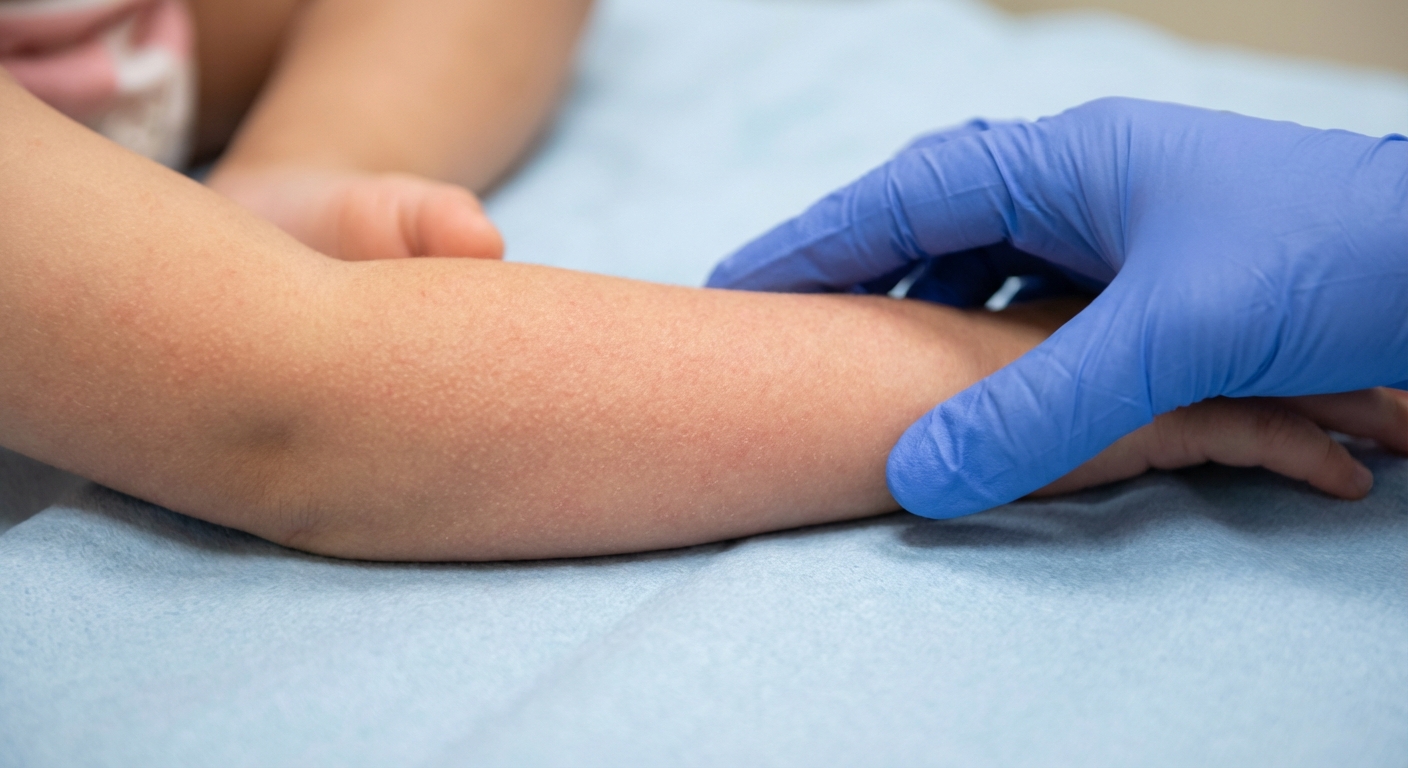
- Sometimes a sandpapery rash (scarlet fever)
But: Symptoms overlap, and kids are experts at being confusing. That is why testing matters. Also, a positive test can sometimes reflect a carrier state rather than the true cause of symptoms, so clinicians interpret results in context.
If your child tested positive for strep and your clinician prescribed antibiotics, finish the antibiotics even if they feel much better after a day or two.
Antibiotic course basics
Most commonly, strep is treated with a course like 10 days of penicillin or amoxicillin, but shorter or different regimens may be used depending on the medication and your child’s situation. Follow the exact instructions you were given, and call your clinic if you are not sure what counts as a missed dose.
One more nuance: kids under age 3 are less likely to get classic strep throat, and testing and treatment can look a little different in toddlers. If your child is under 3 and was tested or treated, it is worth following your pediatrician’s guidance closely for your specific case.
If symptoms return (or never improve)
This is the part that makes parents feel like they are losing their minds, and I get it. Strep can come back, and sometimes it was never fully knocked out.
Call your pediatrician if:
- Fever returns after it had gone away
- Throat pain is not improving by 48 hours on antibiotics
- Your child seems worse, not better
- They develop a new rash, trouble breathing, drooling, neck stiffness, or cannot swallow fluids
- They miss multiple doses, vomit doses, or refuse medication
Common reasons strep seems to “come back”
- Missed doses or stopping early (very common, no judgment)
- Re-exposure from a sibling or classmate
- Different diagnosis (viral sore throat plus a positive carrier state, or another infection)
- Complications like a peritonsillar abscess (rare, but needs urgent evaluation)
If your child completed antibiotics and symptoms return within days to weeks: they may need retesting and sometimes a different antibiotic. Do not restart leftover meds without medical guidance.
FAQs parents ask at 3 AM
Is strep contagious before symptoms start?
It can be. Many kids are most contagious once symptoms kick in, but exposure can happen before you realize what is going on.
Can my child be contagious if they feel fine?
Some children are strep carriers, meaning they can test positive without being sick. Carriers are less likely to spread infection than someone with active strep throat, and they usually do not need repeated antibiotics unless advised by a clinician (for example, during outbreaks or recurrent family infections).
What if my child had one antibiotic dose, can they go to school?
Usually no. Most school and daycare policies, and most pediatric guidance used in those settings, use the 24-hour rule.
Do we need to wash all bedding and stuffed animals?
Focus on what is realistic. Wash pillowcases and sheets if there is drool or obvious contamination, and prioritize toothbrushes, cups, utensils, and hand hygiene. You do not need to sanitize your entire home like it is a space station.
When to seek urgent care
Most strep cases improve quickly with treatment, but you should seek urgent evaluation if your child has:
- Trouble breathing
- Drooling or inability to swallow
- Severe one-sided throat pain or muffled “hot potato” voice
- Dehydration signs (very dry mouth, no urine for 8 to 10 hours, lethargy)
- Neck stiffness, severe headache, or they look very ill
Takeaway
- Strep is very contagious until treated.
- With appropriate antibiotics, kids are typically no longer contagious within 12 to 24 hours if they are improving and fever-free.
- Return to school or daycare is often allowed after 24 hours on antibiotics because that is what many programs require, plus being fever-free (per policy) and acting well enough to participate.
- Finish the full antibiotic course even if your child feels better quickly.
- If symptoms are not improving by 48 hours or they come back, call your pediatrician.
If you want, tell me your child’s age and what day they started antibiotics, and I can help you map out the safest return-to-school plan and how to protect siblings at home.
Sarah Mitchell
Sarah Mitchell is a Registered Pediatric Nurse and a mother of three who has spent over a decade helping families navigate the beautiful, chaotic early years of childhood. She combines evidence-based medical knowledge with real-world parenting experience to offer practical, compassionate advice. At Awesome Parent, Sarah's mission is to help exhausted parents find solutions, trust their instincts, and finally get some sleep.