How to tell athlete’s foot from eczema or dry skin after pools and locker rooms, what OTC antifungals are typically used, and when kids need prescription tre...
Jock Itch in School-Age Kids: Groin Fungus vs Yeast

Sarah Mitchell
Sarah Mitchell is a Registered Pediatric Nurse and a mother of three who has spent over a decade helping families navigate the beautiful, chaotic early years of childhood. She combines evidence-based medical knowledge with real-world parenting experience to offer practical, compassionate advice. At Awesome Parent, Sarah's mission is to help exhausted parents find solutions, trust their instincts, and finally get some sleep.
If your school-age kid comes home from practice doing the “subtle penguin waddle” and whispering that their groin is itchy, you are not alone. In the pediatric clinic, this was one of those problems families delayed mentioning because it feels awkward, until everyone is miserable. The good news is that most groin rashes in kids are very treatable once you pick the right lane: fungus (jock itch), yeast, irritation from sweat and friction, or sometimes a bacterial rash that needs a different plan.
Big takeaway: If you treat the wrong thing for weeks, rashes can spread, change shape, and get harder to interpret. A few specific clues can help you decide when an over-the-counter antifungal is reasonable and when it is time for an exam.
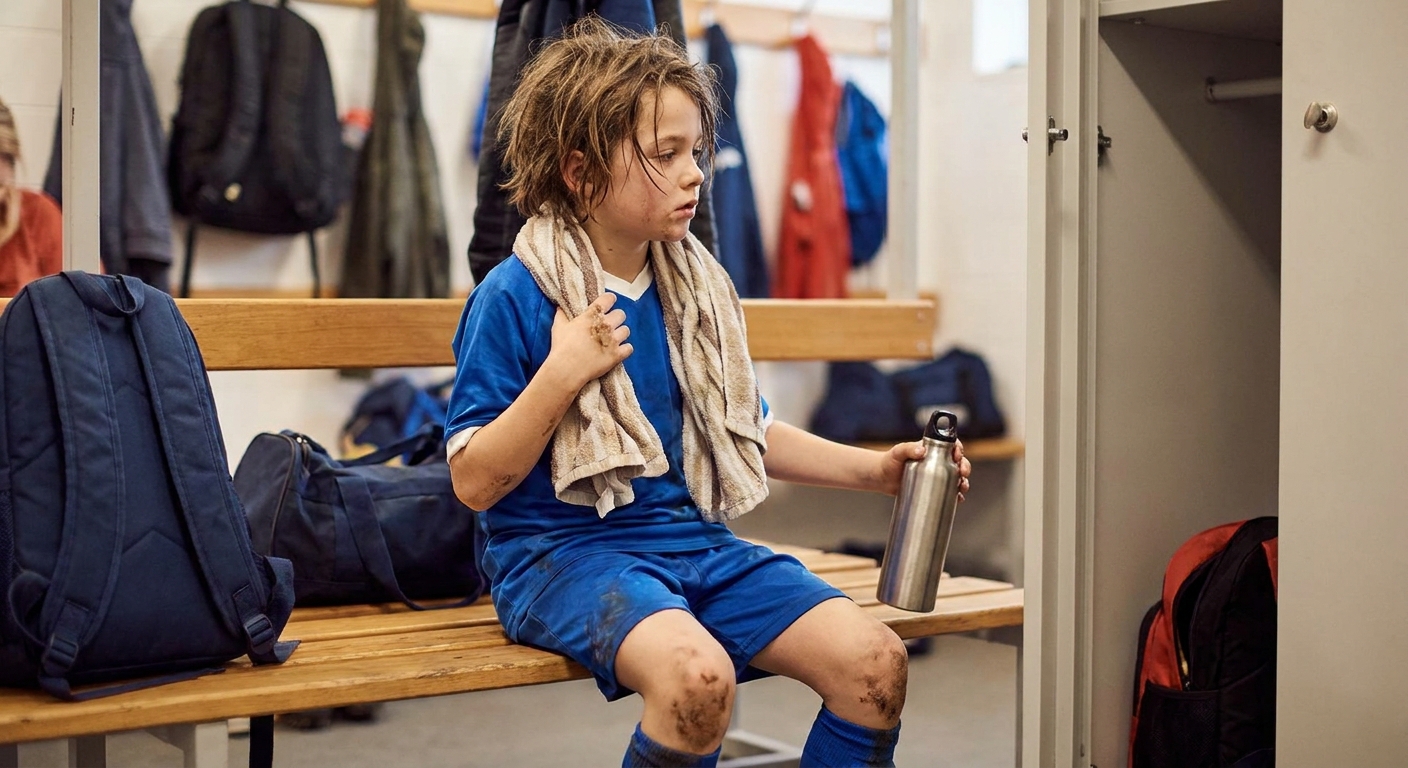
What parents mean by “jock itch”
Jock itch is usually tinea cruris, a superficial fungal infection caused by dermatophytes, the same family of fungi that can cause athlete’s foot and ringworm. These fungi love warm, damp areas like groin folds, especially after sweating in tight athletic gear.
In kids, it often shows up:
- After sports camps, swim lessons, or summer heat
- When underwear or athletic shorts stay damp for a while
- When towels, uniforms, or protective gear get shared
- When athlete’s foot is already present and spreads by scratching or clothing routines
Yes, school-age kids of any gender can get it. The term “jock itch” is just an old nickname.
How jock itch looks and feels
Parents commonly describe itching and burning in the crease where the thigh meets the pelvis. The rash tends to spread outward in a pattern rather than staying as one solid patch.
Common visual clues
- Location: Groin folds and upper inner thighs are common. In boys, the rash often affects the crease and upper inner thigh more than the scrotum itself.
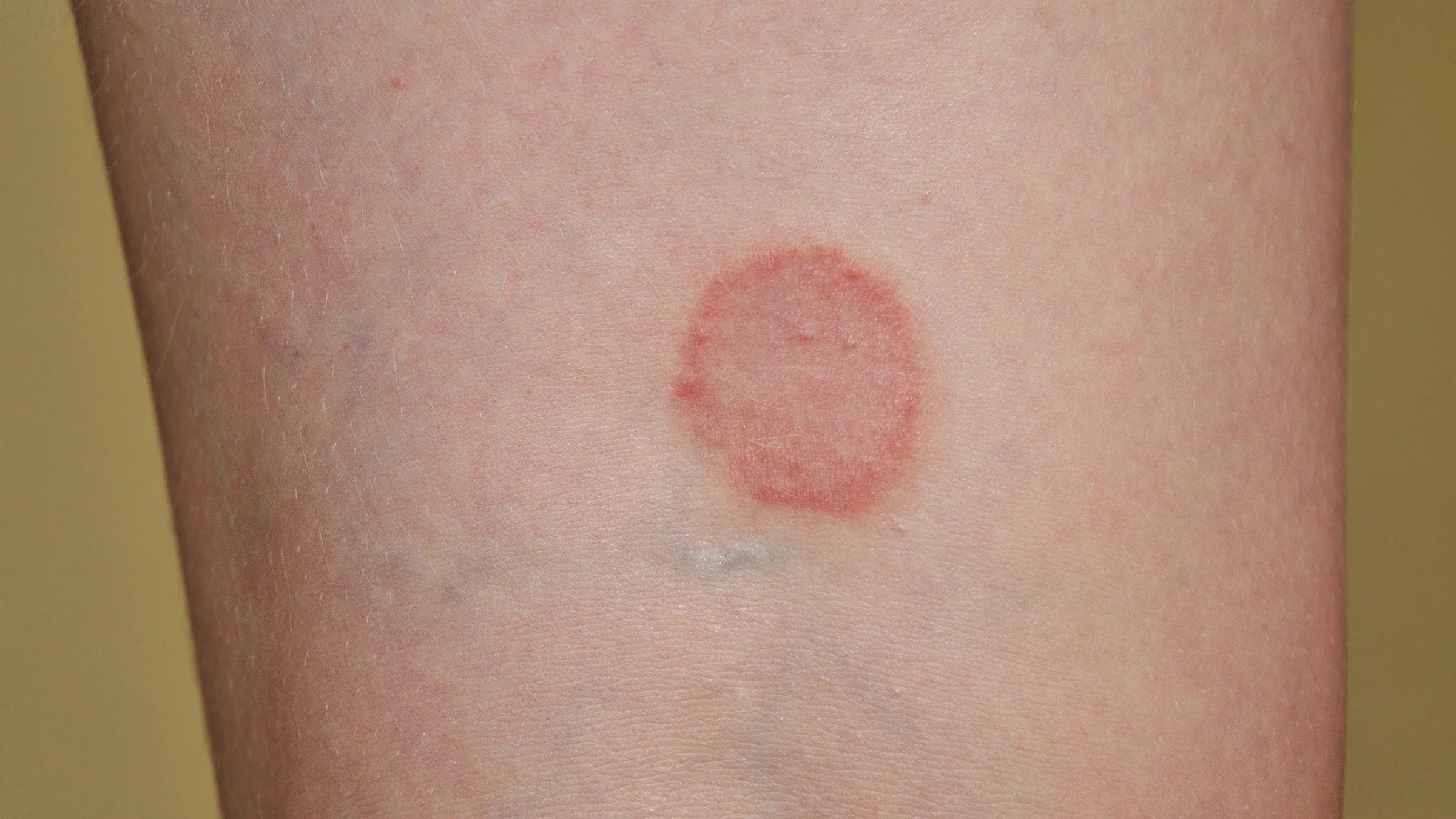
- Shape: Often has a raised, scaly edge with a clearer looking center as it expands.
- Border: The edge can look more red than the middle, sometimes with little bumps.
- Scaling: Mild flaking or dry scale at the rim is common.
Because kids scratch in their sleep, you can also see excoriations (scratch marks) that make things look angrier than the original rash.
Fungus vs yeast
Yeast and dermatophyte fungus both like moisture, both itch, and both can show up after sweaty activities. But the best treatments are not identical, and steroid creams can make either one worse if used alone.
More consistent with jock itch
- Scaly or flaky edge
- Ring-shaped or half-moon patches that slowly expand
- Often spares the scrotum in boys
- May happen alongside athlete’s foot
More consistent with yeast
- Beefy red rash that looks more “wet” or shiny
- Often involves skin folds and can include the scrotum or vulvar area
- Satellite spots: small red bumps or pimples just outside the main rash
- More common after antibiotics, with diabetes, or in kids with immune system issues
- Can also be more likely with significant skin-fold friction or higher body weight
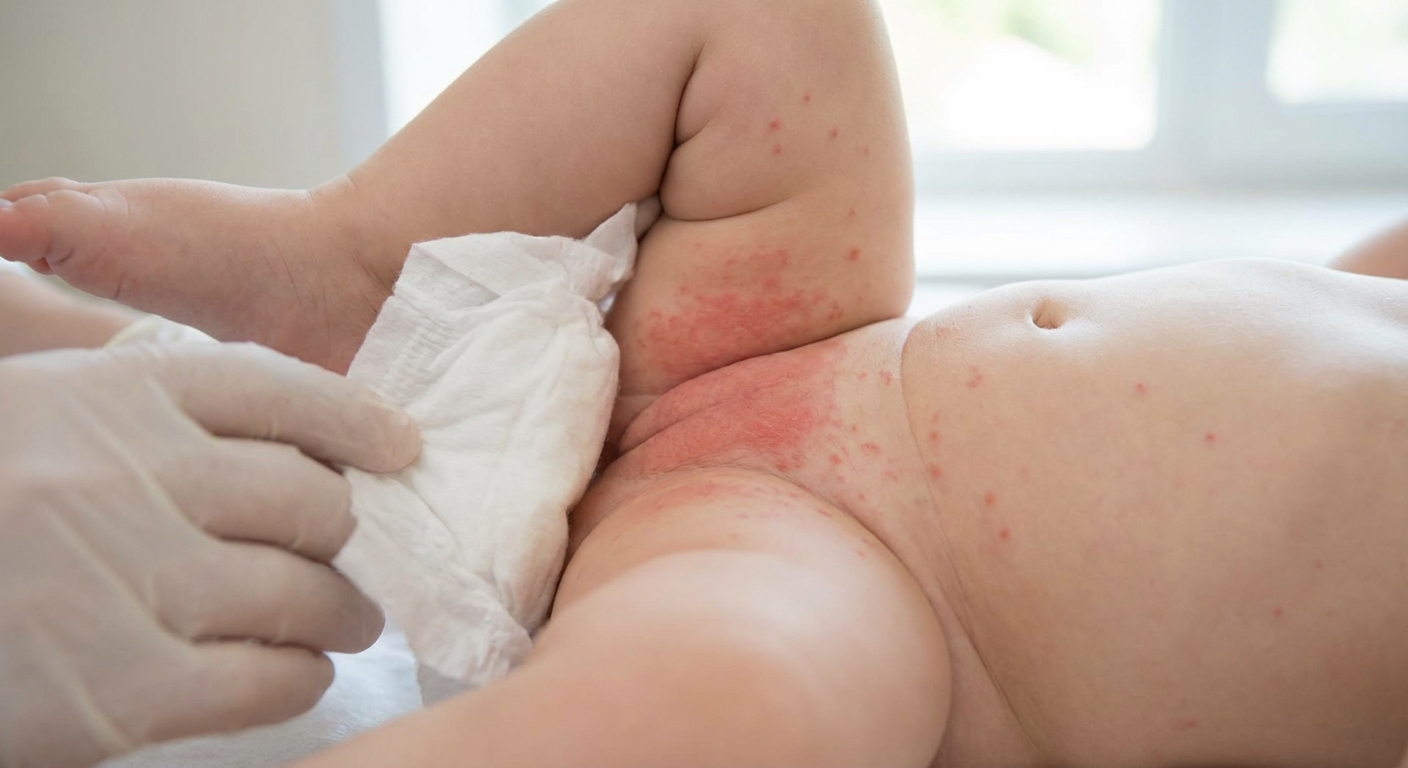
In babies, yeast is the classic diaper rash villain. In school-age kids, yeast in the groin can still happen, but if your child is otherwise healthy and the rash has a scaly expanding border, dermatophyte fungus rises to the top of the list.
Jock itch vs chafing
Ordinary chafing is extremely common in kids, especially with:
- New sports uniforms or tight compression shorts
- Long runs, hikes, or hot days at an amusement park
- Wet swimsuits worn too long
Clues it is chafing
- Rash is right where skin rubs and looks fairly symmetric
- More stinging than itching
- No scaly border and no gradual outward spread
- Improves quickly with keeping the area dry, barrier ointment, and a day or two off the friction trigger
Chafing can crack and look alarming, but it usually calms down fast when you reduce moisture and rubbing.
Athlete’s foot link
If your kid has itchy, peeling skin between the toes, and now an itchy groin rash has appeared, think about a simple spread pattern: fungus on the feet moves to the groin through hands, towels, or clothing routines.
A practical habit that can help: Many clinicians suggest socks first, underwear last. The idea is to cover the feet before underwear slides on, reducing the chance of transferring fungus from toes to fabric to groin. Just as important: wash hands after touching feet or the rash, and use a separate towel for the area.

OTC antifungal basics
If the rash looks and behaves like a straightforward fungal rash and your child is otherwise well, an OTC antifungal is a reasonable first step. In triage, we generally focused on two things: use the right product and give it enough time.
Age and label note: Follow the package directions, including age guidance. If your child is younger than the label supports, the rash covers a large area, or your child has other health conditions, check with your clinician or pharmacist before treating.
What to use
- Terbinafine 1% (often labeled for athlete’s foot or ringworm): tends to work well for dermatophyte fungus.
- Clotrimazole 1% or miconazole 2%: also reasonable options and widely available.
Choose a cream or gel that your child will tolerate. Sprays and powders can sting on irritated skin.
How to apply
- Wash hands first.
- Gently clean with water and mild soap, then pat dry. Do not scrub.
- Apply a thin layer to the rash and 1 to 2 inches beyond the edge.
- Most products are used once or twice daily. Follow the package directions.
- Finish the labeled course. Some clinicians recommend continuing a bit longer after the rash looks cleared (often about a week) to reduce relapse, but the label comes first.
What not to do
- Avoid using steroid cream alone (like hydrocortisone) on a suspected fungal rash. Steroids can temporarily reduce redness and itching while the fungus keeps growing, creating a more widespread, harder-to-treat rash (often called tinea incognito).
- Avoid fragranced wipes, deodorant sprays, or harsh cleansers in the area.
- Do not put antifungal or steroid creams on mucosal tissue (inside the vagina, on the tip of the penis, or into the urethra or anus). These products are meant for external skin. If the irritated area is primarily mucosal, get an exam.
- Do not share towels, underwear, athletic gear, or razors while it is healing.
If itching is making your child miserable at night, you can ask your clinician about safe itch control options. Do not add multiple creams at once unless advised, because it makes it harder to tell what is helping or harming.
When to get checked
I am very pro “try the simple thing first” when it is safe. But the groin is also a place where rashes can be misleading, and weeks of the wrong cream is a common reason kids end up in clinic frustrated.
Book a visit if any of these are true
- Your child has pain, not just itch, or the skin looks raw and rapidly worsening
- There is pus, honey-colored crusting, or rapidly spreading redness (possible bacterial infection)
- Fever, your child seems unwell, or the rash is spreading beyond the groin quickly
- The rash involves the scrotum or vulva with significant swelling or tenderness
- Blisters, open sores, or ulcers, especially if painful
- Severe nighttime itch plus other itchy household members (think scabies and get checked)
- Your child has diabetes, frequent infections, immune system concerns, or is on immune-suppressing medication
- The rash is not improving at all after 10 to 14 days of consistent OTC antifungal use
- The rash keeps returning, or other family members have persistent fungal rashes
In an exam, a clinician can often diagnose by appearance, and sometimes will do a quick skin scraping (KOH test) to look for fungal elements. That is a fast way to stop guessing. If it is extensive or not responding to OTC treatment, you may need a prescription-strength plan.
Other look-alikes
These are a few common reasons a groin rash does not follow the “classic” fungal script:
- Contact dermatitis: irritation from fragranced detergents, dryer sheets, wipes, “sports” body washes, or new underwear materials. Often looks more patchy or diffuse than ring-shaped, and can sting.
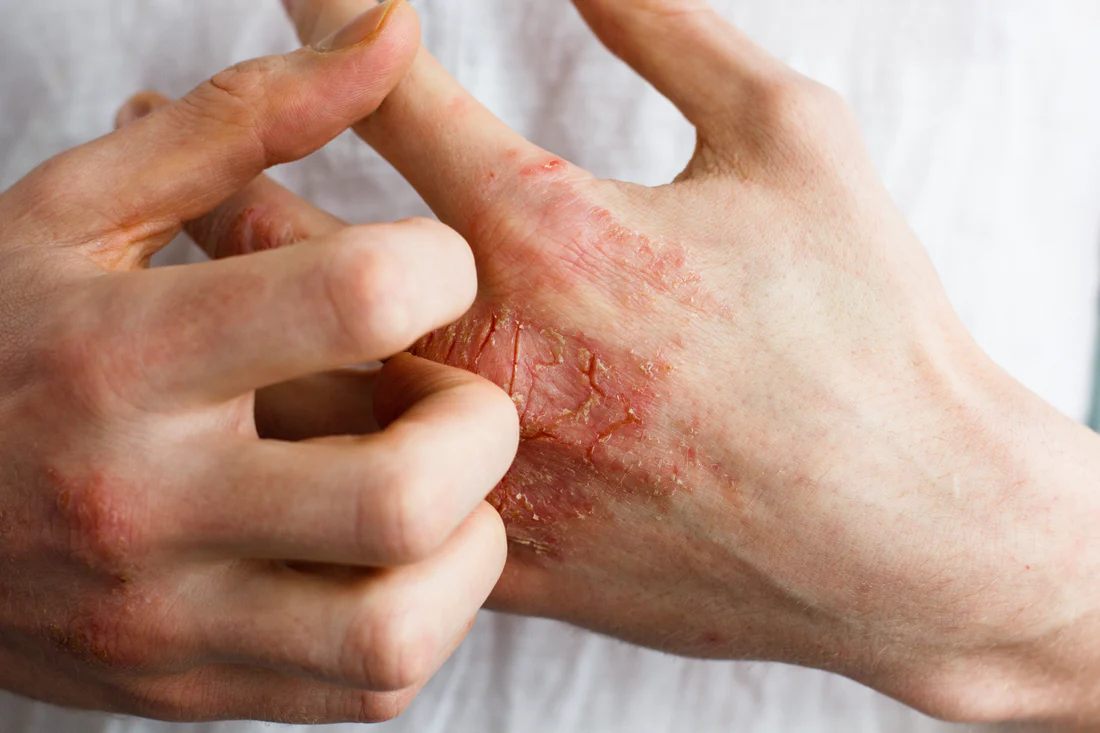
- Inverse psoriasis or eczema: smooth, red irritation in skin folds that keeps recurring. There may be a personal or family history of psoriasis, asthma, allergies, or eczema.
- Molluscum with irritation: small flesh-colored bumps, sometimes with surrounding redness and itch.
If your child has a rash that keeps cycling back, looks very symmetric, or does not have a scaly advancing edge, it is worth getting eyes on it rather than doing another round of antifungal.
Home care basics
Regardless of whether it is fungus, yeast, or friction, these basics support healing and prevent recurrence:
- Dry the folds: After showers and sports, pat dry carefully. A cool hair dryer on low can help for kids who hate towel rubbing.
- Change quickly: Get out of sweaty clothes as soon as possible.
- Choose breathable fabrics: Cotton underwear and looser shorts can reduce moisture buildup.
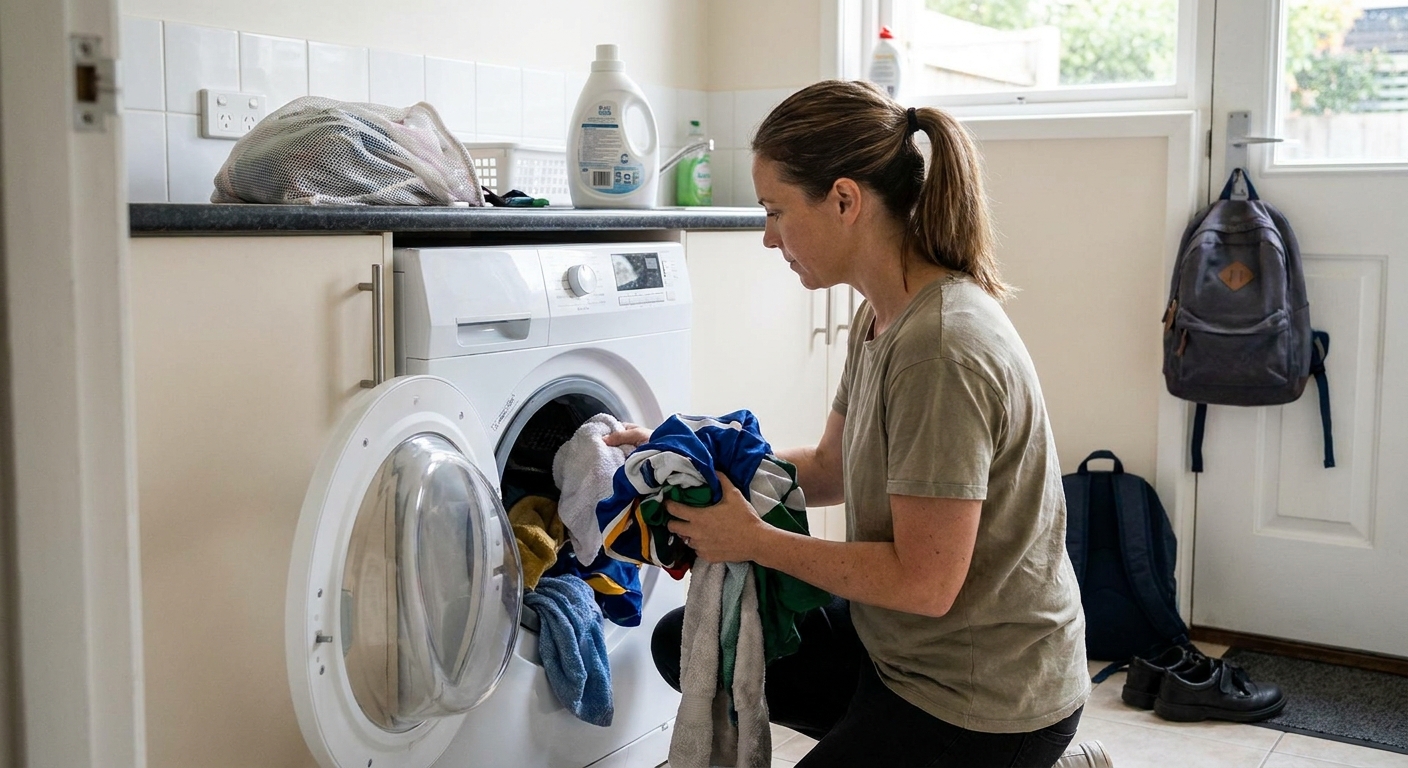
- Launder smart: Wash items on the warmest safe setting for the fabric, and dry them completely. Fully drying is often the most important part.
- Do not share towels: Even among siblings, even at camp.
- Treat the feet too: If athlete’s foot is present, treating only the groin often leads to ping-pong reinfection.
Quick comparison
- Jock itch (tinea cruris): itchy, scaly border, spreading edge, often linked with sweaty sports gear and sometimes athlete’s foot.
- Yeast (Candida): bright red, shiny rash in folds with small satellite bumps, more likely after antibiotics or in certain health conditions.
- Chafing: stings, looks rubbed, improves quickly when kept dry and protected from friction.
- Athlete’s foot: peeling, itchy skin between toes, can be the source of groin fungus through spread.
FAQ
Can kids get jock itch from a pool?
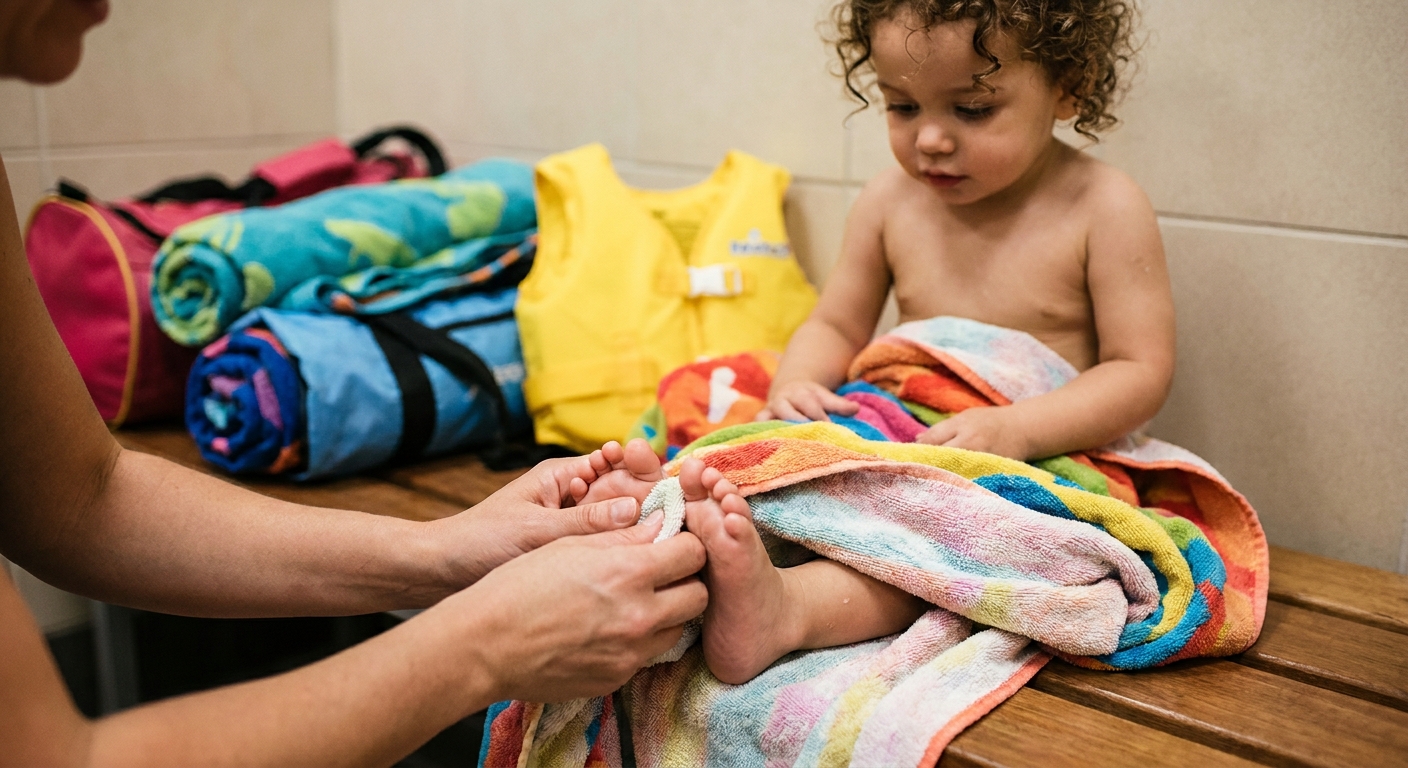
Pools do not “cause” it by themselves, but wet swimsuits and damp towels create a friendly environment for fungus. The practical prevention is changing into dry clothes and using a personal towel.
Is jock itch contagious?
It can spread through shared towels, clothing, and close skin contact, especially in households and locker rooms. Do not share towels or underwear, wash hands after applying cream, and consider a separate towel for the affected area.
Should I use diaper rash cream?
Barrier creams can help with chafing, but they do not treat fungal infections and can trap moisture. If the rash has an expanding scaly edge or looks fungal, use an antifungal or get checked.
What if I tried hydrocortisone and it got worse?
That is a common story with fungal rashes. Stop the steroid and schedule an exam, especially if the rash spread or changed shape. Your clinician can confirm what it is and recommend the right treatment.
A final parenting note
Kids often hide groin symptoms because they feel embarrassed, not because it is “not serious.” If you can keep the vibe calm and practical, like “skin gets irritated sometimes, we will fix it,” you will get better information and faster healing. And if you are not sure what you are looking at after a week or two, that is not a parenting failure. It is a sign you deserve a real exam instead of another round of guessing.
Sarah Mitchell
Sarah Mitchell is a Registered Pediatric Nurse and a mother of three who has spent over a decade helping families navigate the beautiful, chaotic early years of childhood. She combines evidence-based medical knowledge with real-world parenting experience to offer practical, compassionate advice. At Awesome Parent, Sarah's mission is to help exhausted parents find solutions, trust their instincts, and finally get some sleep.