Swimmer’s ear is different from a typical ear infection. Here’s how to recognize it, treat it safely, know when antibiotics help, and prevent it during swim ...
Ruptured Eardrum in Kids: Drainage, Hearing, and Water

Sarah Mitchell
Sarah Mitchell is a Registered Pediatric Nurse and a mother of three who has spent over a decade helping families navigate the beautiful, chaotic early years of childhood. She combines evidence-based medical knowledge with real-world parenting experience to offer practical, compassionate advice. At Awesome Parent, Sarah's mission is to help exhausted parents find solutions, trust their instincts, and finally get some sleep.
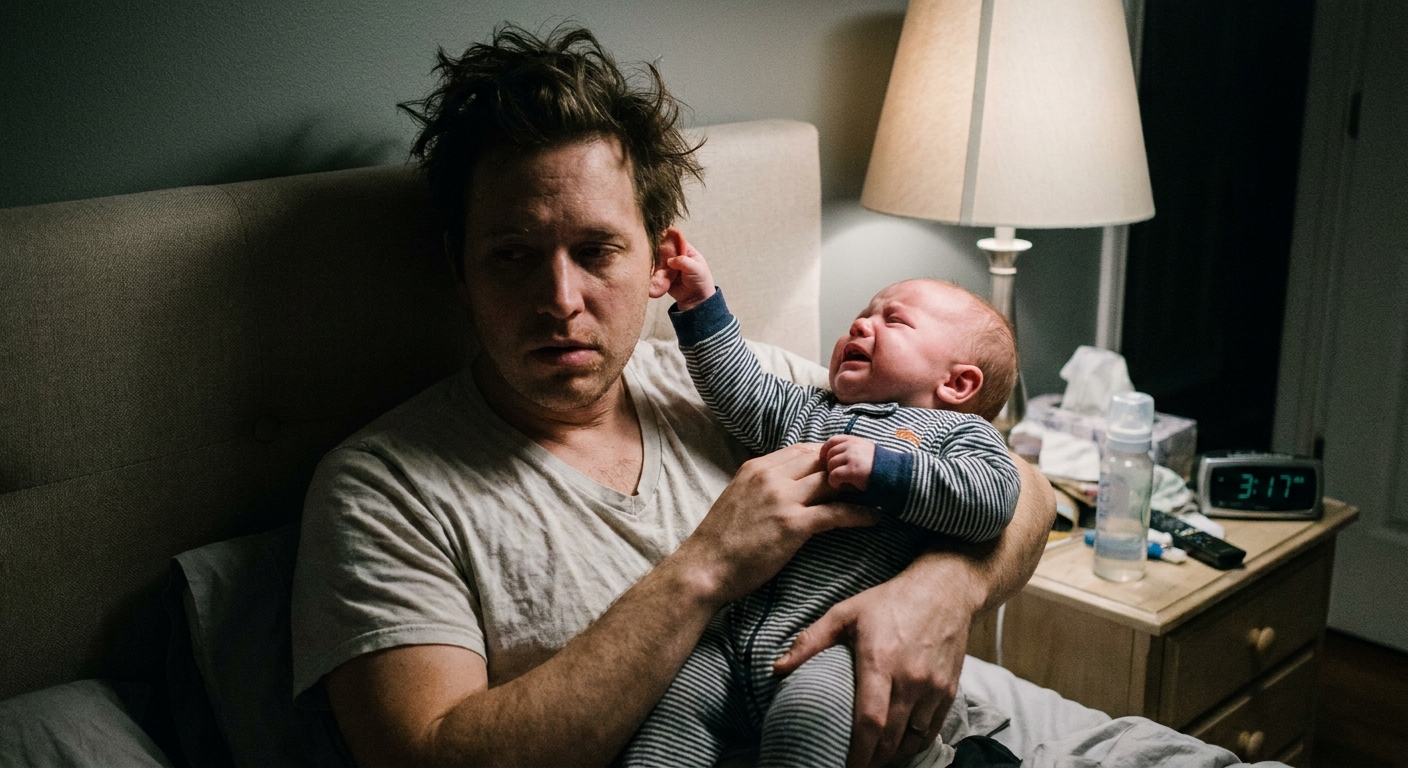
The first time I saw ear drainage in clinic, the parent was panicked and the kid looked oddly relieved. That combo actually makes sense. When pressure builds behind the eardrum during an ear infection, a small tear can open and fluid can finally escape. It looks alarming, but the pain often eases quickly because the pressure drops.
Still, drainage is a “pause and assess” moment. A ruptured eardrum (also called a perforated eardrum) usually heals well in kids, but you do want to protect the ear from water and make sure your child is getting the right treatment.
What it can look and feel like
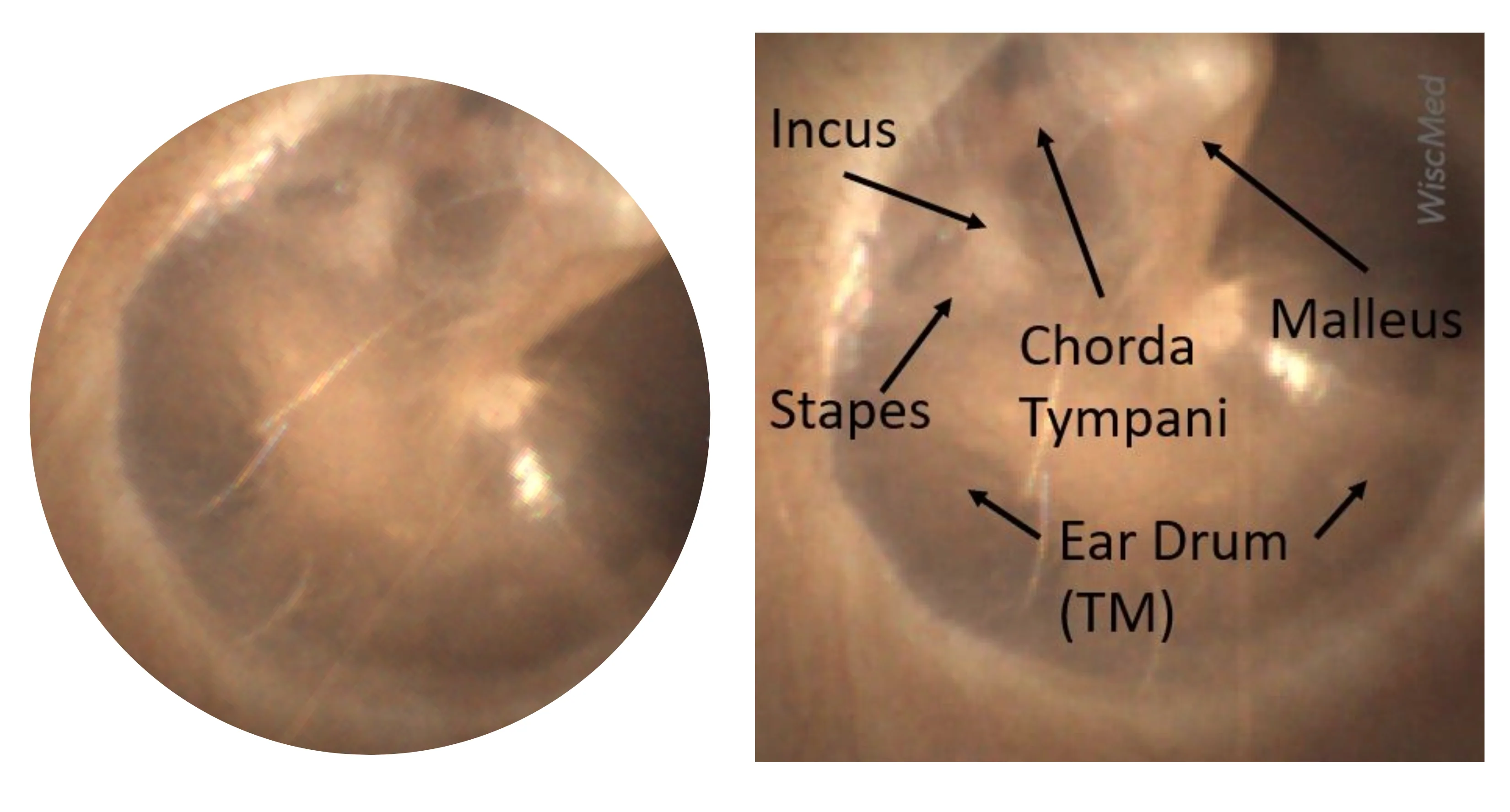
A ruptured eardrum is a small hole or tear in the thin tissue (the tympanic membrane) that separates the ear canal from the middle ear. In kids, it most commonly happens during an acute middle ear infection, but it can also happen from trauma (a slap to the ear, a foreign object, or a sudden pressure change).
Common signs parents notice
- Sudden drainage from the ear, often yellow, cloudy, or pus-like. It can be watery too. Sometimes it is blood-tinged.
- Ear pain that suddenly improves after drainage begins (pressure released).
- Muffled hearing in that ear.
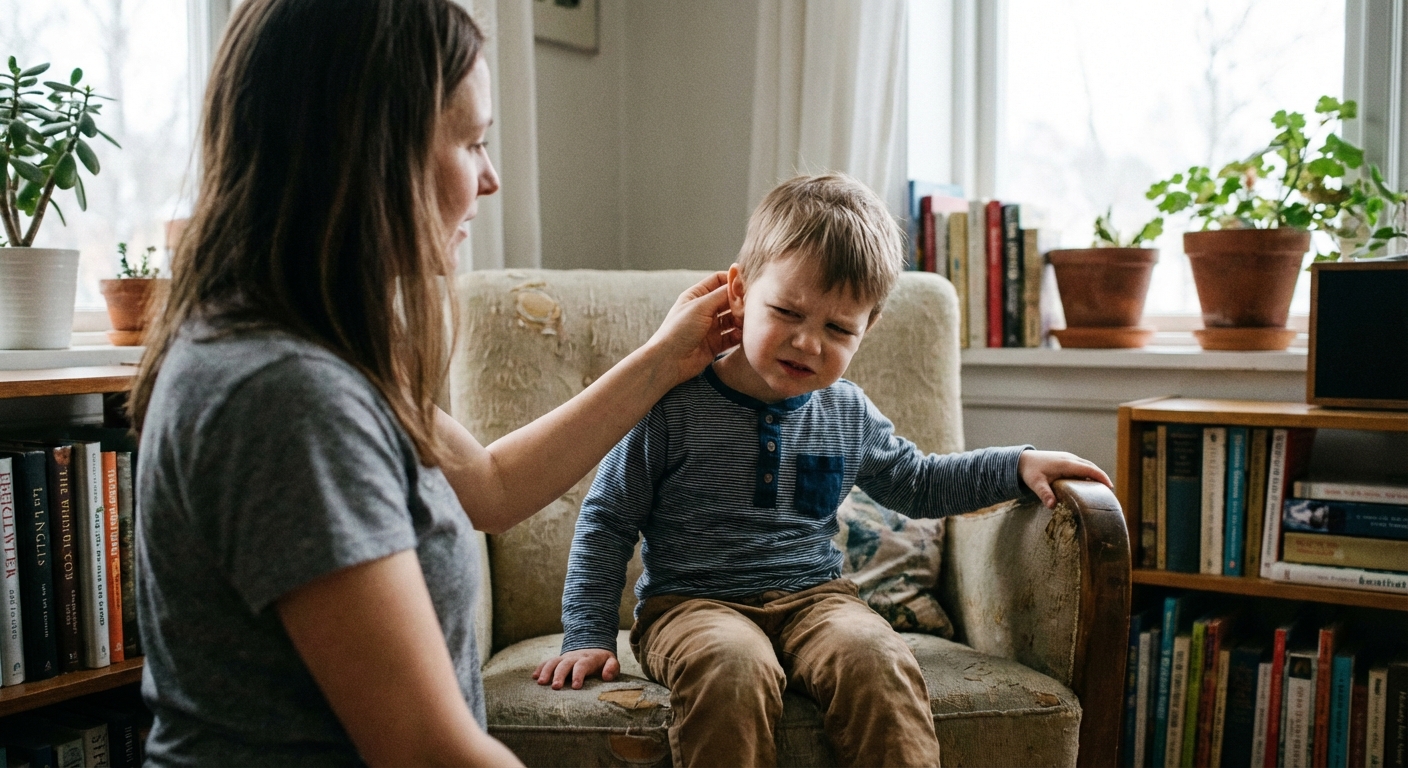
- Recent cold symptoms or classic ear infection signs before the drainage started (fever, ear tugging, irritability, trouble sleeping).
- Bad smell to the drainage sometimes. Odor can happen with infections in the middle ear or the ear canal, so it is not specific by itself.
Important: Drainage can also come from the outer ear canal (swimmer’s ear). The “pain suddenly got better when it started draining” story is more typical of a middle ear infection with rupture, but you cannot confirm the difference without looking in the ear.
Why pain can ease after drainage
During a middle ear infection, fluid and inflammation build up behind the eardrum. The eardrum bulges outward like a tiny, painful balloon. If a small rupture occurs, it is like letting air out of that balloon. The pressure drops, so many kids go from miserable to noticeably calmer in minutes or hours.
That relief is real, but it does not always mean the infection is gone. It often means the pressure is gone.
What healing usually involves
The good news: many small perforations in children heal on their own. Healing time varies. Small infection-related tears often heal within a few weeks, but some take longer, sometimes 6 to 8 weeks. Larger tears or those caused by trauma can take longer and sometimes need an ear, nose, and throat (ENT) specialist to follow closely.
What your child may need
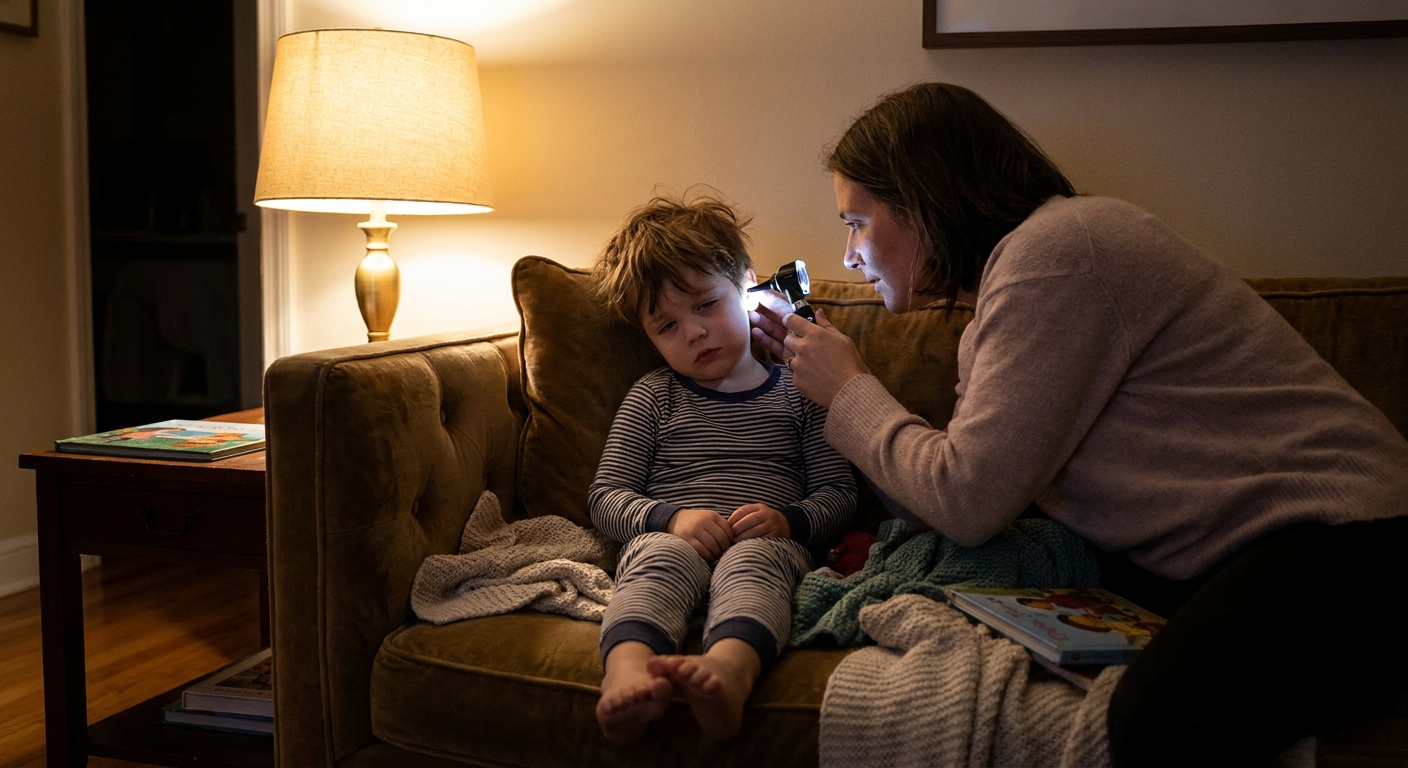
- A clinician to look in the ear to confirm a rupture and assess how big it is.
- Antibiotics in some cases. Depending on what the exam shows, your child might need oral antibiotics, antibiotic ear drops that are safe with a perforation (non-ototoxic drops, often a fluoroquinolone), or both.
- Pain control even if pain improved. Acetaminophen or ibuprofen can help with lingering inflammation and sleep.
- A hearing check later if hearing does not bounce back after the drainage and infection resolve.
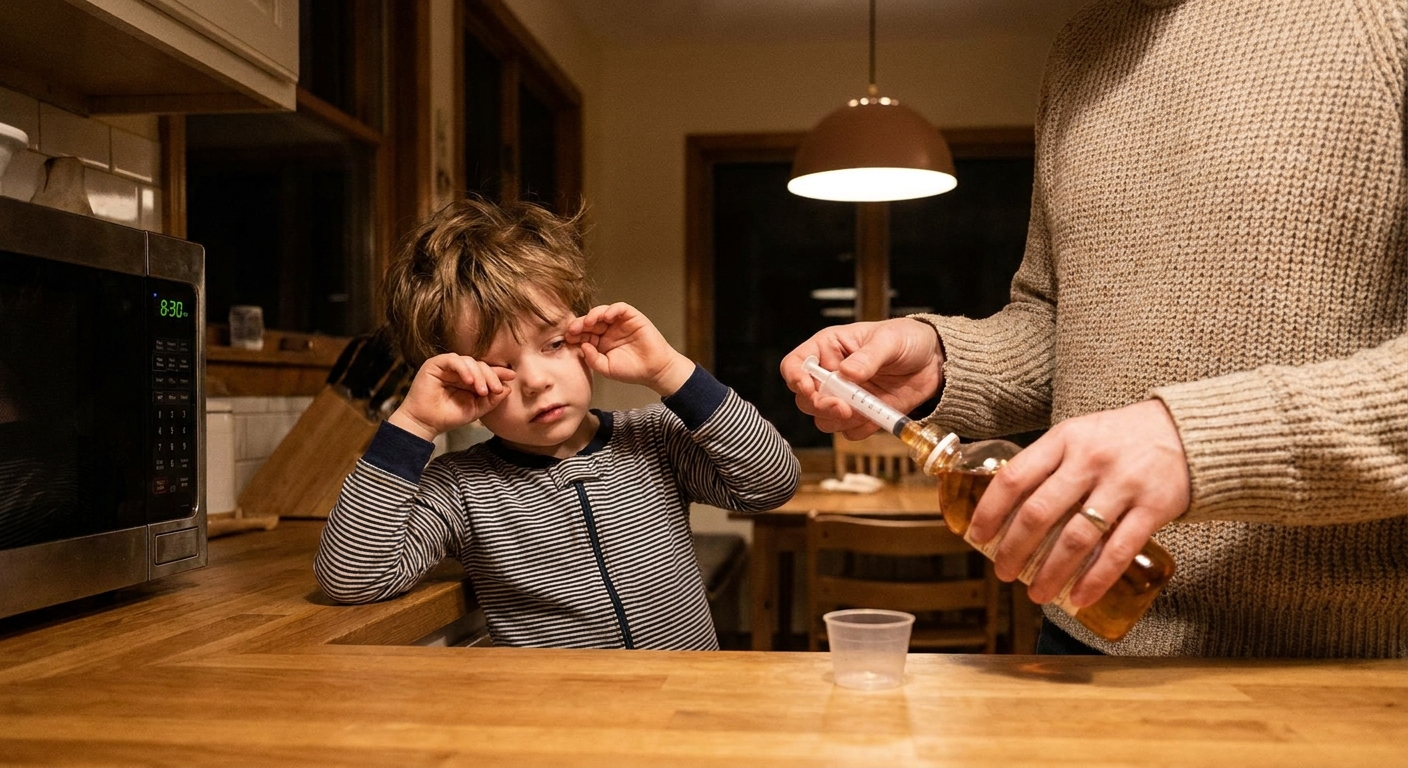
Do not put anything in the ear unless a clinician specifically recommends it. That includes leftover ear drops, hydrogen peroxide, or home remedies. Some common ear drops are not safe when there is a hole in the eardrum.
Water precautions
When there is a perforation, water can travel from the ear canal into the middle ear more easily. That increases irritation and can trigger infection. While your child is healing, think “keep it dry.”
Baths and showers
- Avoid water going into the ear canal. You can bathe and shower, but try to keep the affected ear out of the direct stream.
- Skip ear flushing or rinsing the ear canal.
- Consider a barrier for hair washing if your child cannot tolerate keeping the ear dry. A cotton ball lightly coated with petroleum jelly at the opening of the ear can help block splashes. Do not push it in deep.
Swimming and submerging the head
- Ask your clinician about swimming. Many recommend avoiding submerging the head until the eardrum is healed, especially if there is active drainage or pain. In some cases, surface swimming with protection may be allowed once symptoms are improving.
- Avoid lakes, rivers, pools, and hot tubs during healing if you are not sure what is allowed. Natural water and hot tubs tend to carry higher infection risk, but pools can still irritate and introduce germs.
- Be cautious with ear plugs. Inserting anything into the ear canal can irritate the area or push debris inward. If swimming protection is needed, ask about options that are clinician-approved for your child.
If your child has ear tubes, the water advice can be different. A ruptured eardrum is not the same situation as a tube, so follow the guidance you are given for this specific episode.

Rupture vs other problems
These situations can look similar from the outside, but they are not the same. Here is how to think about them at home, with the reminder that an ear exam is the best way to confirm what is happening.
1) Ruptured eardrum (perforation)
- Often starts with ear infection symptoms and then sudden drainage.
- Pain may improve quickly once drainage begins.
- Hearing may sound muffled temporarily.
- Needs water precautions until healed.
2) A new infection after the initial one seemed better
- Symptoms return or worsen after a period of improvement.
- Fever comes back or your child becomes newly miserable again.
- Drainage can happen again if there is still a perforation or if a new one forms.
If your child had an ear infection recently and now has a second wave of fever, pain, or new drainage, that is a good reason to call or be seen.
3) Fluid behind an intact eardrum
- No drainage because the eardrum is still intact.
- Muffled hearing or “fullness” can linger for weeks after a cold or ear infection.
- Usually not severe pain like acute infection, though kids can complain of popping or pressure.
- Often no fever and child may otherwise act fine.
Middle ear fluid can be frustrating and it can affect hearing temporarily, but it is not the same as a ruptured eardrum. If speech seems to regress, your child is turning the TV up, or daycare is noting they are not responding, it is worth an exam and a hearing check if it persists.
When drainage needs same-day care
In my triage-nurse brain, ear drainage is not automatically an emergency, but it is often a same-day or next-day evaluation, especially the first time it happens. You want someone to confirm the source of the drainage and choose safe treatment.
Seek urgent care or same-day evaluation if:
- Your child is under 6 months with possible ear infection symptoms or drainage. Younger babies can get sick quickly, so this is a “call now” situation.
- There is fever along with drainage, or fever that is high or persistent.
- Your child has significant ear pain, swelling, or redness around the ear.
- The ear is sticking out more than usual, or there is tenderness behind the ear.
- Drainage is thick and foul-smelling or there is a lot of blood.
- Your child seems very ill, unusually sleepy, hard to console, or is not drinking well.
Fever, dizziness, and other red flags
These are the symptom clusters I take most seriously when families call.
Fever
- Any fever in a baby under 3 months warrants urgent medical guidance.
- Fever with ear drainage often means infection is still active and needs treatment guidance.
- Fever that returns after your child seemed to improve can signal a new or ongoing infection.
Dizziness or balance problems
- Severe dizziness, trouble walking, or repeated vomiting is a same-day evaluation.
- New spinning sensation (vertigo) with ear symptoms should be assessed promptly.
Hearing changes
- Sudden major hearing loss (your child cannot hear you on that side at all) is urgent.
- Hearing that stays muffled after the pain and drainage resolve should be checked, especially if it lasts more than a few weeks.
- One-sided hearing issues that persist deserve follow-up, even if your child seems otherwise okay.
Other urgent symptoms
- New severe headache, stiff neck, confusion, or facial weakness along with ear symptoms needs urgent evaluation.
Most kids regain normal hearing as the infection clears and the eardrum heals. But ongoing changes are worth checking, both for healing and for school and speech development.
What you can do at home now
Keep the ear dry
- Pause swimming and avoid dunking the head until you have guidance.
- During baths, keep water out of the ear canal.
Manage discomfort safely
- Use acetaminophen or ibuprofen if your child can take them and you have dosing guidance from your pediatrician.
- A warm compress held gently against the outer ear can be soothing.
Handle drainage gently
- Wipe only what you see on the outside with a soft cloth.
- Expect some crusting on the outer ear or pillowcase. That can be normal while the ear is draining.
- A small amount of blood-tinged fluid can happen, especially early on. A lot of bleeding is not normal and should be checked urgently.
- Do not insert cotton swabs into the ear canal.
Track the timeline
- Note when drainage started, the color and amount, and whether pain improved.
- Write down any fever readings and what you gave for pain.

Will it close? Follow-up basics
Most small perforations from infection heal without intervention, but follow-up matters. Your clinician may want to recheck the ear in a few weeks to confirm:
- the perforation has closed
- there is no lingering infection
- fluid behind the eardrum has resolved
- hearing is back to baseline
If the perforation does not close by the expected window (often by 6 to 8 weeks), if there are repeated infections, or if hearing is not recovering, your child may be referred to an ENT for closer evaluation.
FAQ
Is ear drainage always a ruptured eardrum?
No. Drainage can come from the ear canal itself (like swimmer’s ear) or from a ruptured eardrum due to middle ear infection. A quick ear exam is the best way to tell.
Can my child go to school or daycare?
Usually yes if they feel okay, fever is gone per your school’s rules, and pain is controlled. The bigger issue is making sure they are evaluated and treated appropriately and that the ear stays dry during healing.
Should I use ear drops I already have at home?
Not unless your clinician told you they are safe for a perforated eardrum. Some drops can irritate the middle ear or be ototoxic if there is a hole.
How long should drainage last?
It varies. Many kids drain for a couple of days as the infection clears, especially once on the right treatment. If drainage is heavy, persists beyond a few days, returns after improving, or your child seems worse, call your pediatrician.
Can we fly with a suspected rupture or ear infection?
Pressure changes can make ear pain worse during an active infection. If your child is in significant pain, has fever, or has active drainage, ask your clinician before flying if you have the option.
Can a ruptured eardrum affect hearing long term?
Most children recover fully. Long-term issues are more likely if perforations do not close, infections keep recurring, or there is chronic fluid. If you notice ongoing hearing problems, follow up and ask about a hearing test.
Sarah Mitchell
Sarah Mitchell is a Registered Pediatric Nurse and a mother of three who has spent over a decade helping families navigate the beautiful, chaotic early years of childhood. She combines evidence-based medical knowledge with real-world parenting experience to offer practical, compassionate advice. At Awesome Parent, Sarah's mission is to help exhausted parents find solutions, trust their instincts, and finally get some sleep.