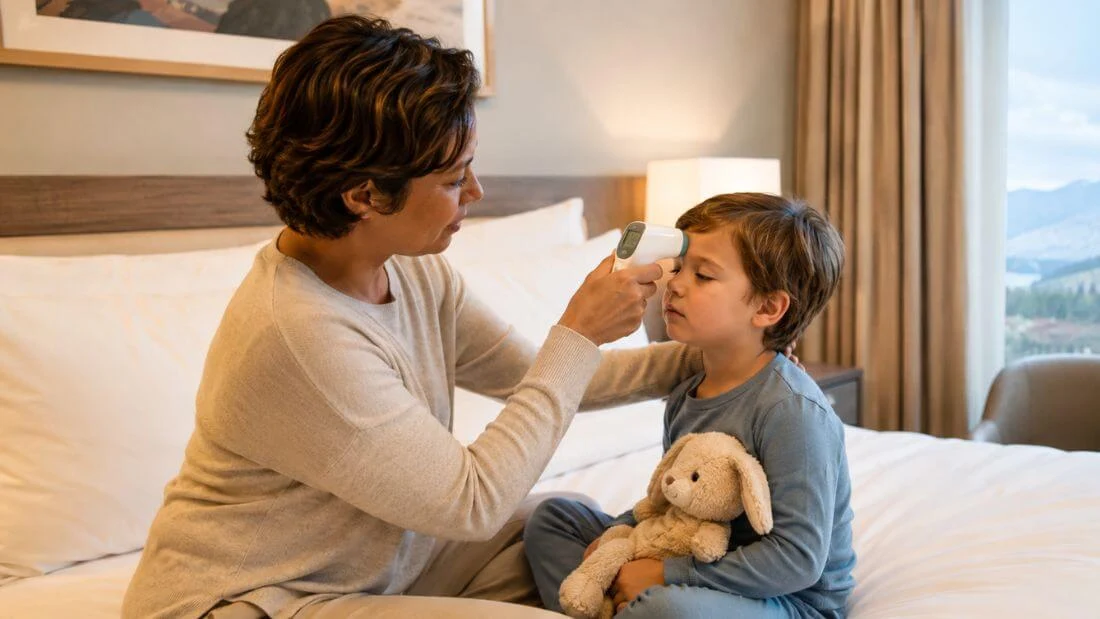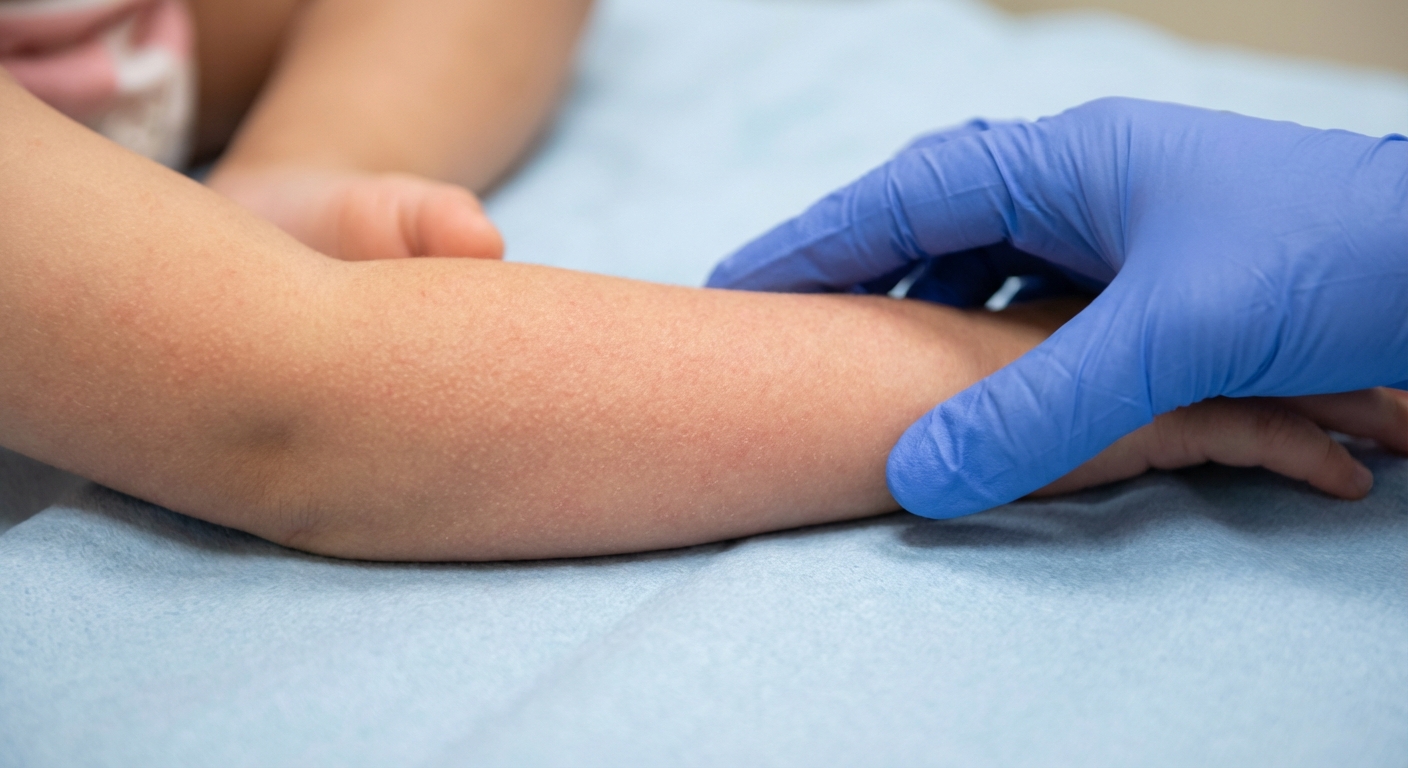
Worried about a rash and sore throat? Learn how scarlet fever relates to strep, what the rash can look and feel like, how long kids are contagious, and when ...
Scarlet Fever vs Fifth Disease Rash

Sarah Mitchell
Sarah Mitchell is a Registered Pediatric Nurse and a mother of three who has spent over a decade helping families navigate the beautiful, chaotic early years of childhood. She combines evidence-based medical knowledge with real-world parenting experience to offer practical, compassionate advice. At Awesome Parent, Sarah's mission is to help exhausted parents find solutions, trust their instincts, and finally get some sleep.
At 3 AM, every rash looks the same. I have talked to plenty of parents on the phone who start with, “It’s red and bumpy… and now I’m spiraling.” Take a breath. Two of the most commonly confused kid rashes are scarlet fever (a strep infection with a sandpapery rash) and fifth disease (a common viral illness known for “slapped cheeks”). They can both show up with fever and a rash, but the pattern and the timing tend to give them away.
This page is a comparison so you can decide what to do next. For full step-by-step home care and what to expect day by day, see each illness’s deeper guide on its own page on Awesome Parent.
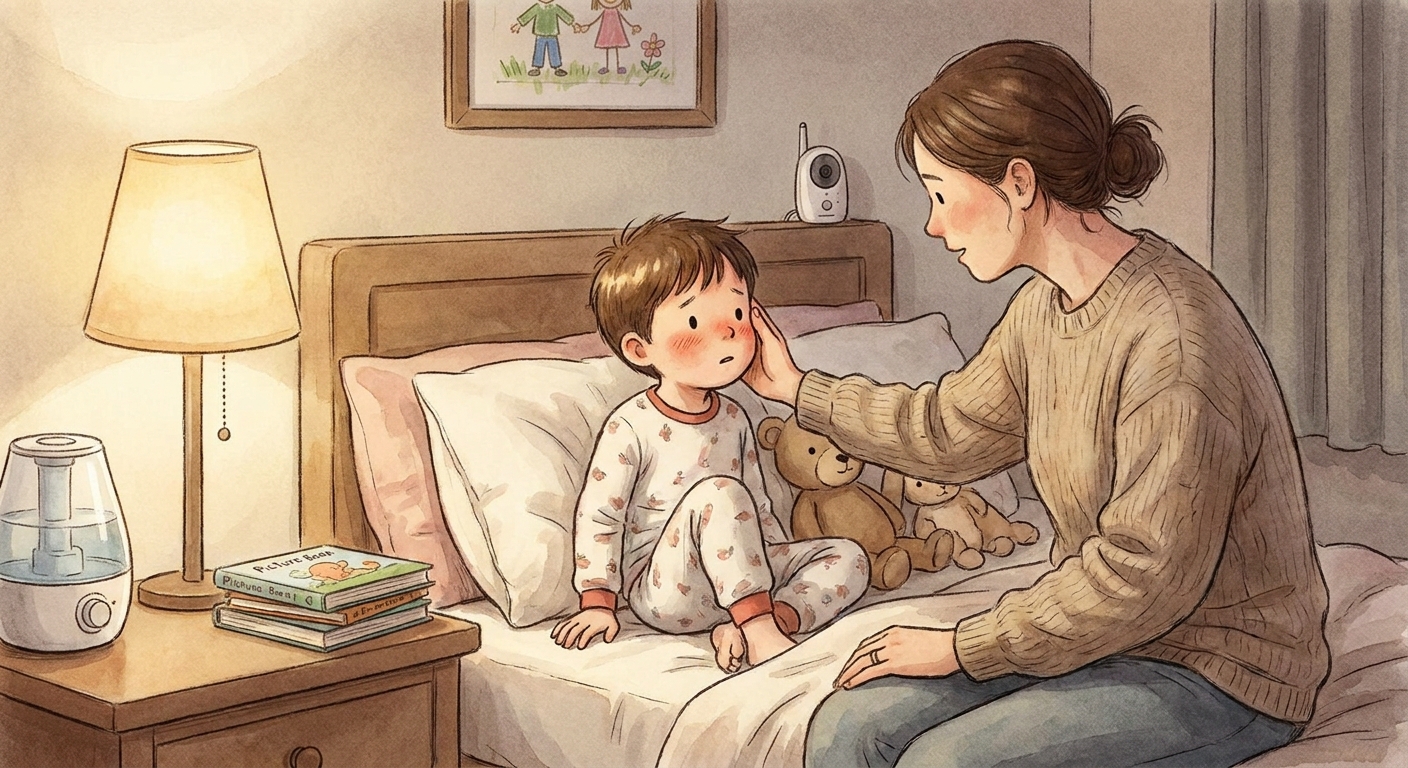
Quick check: sandpaper rash or slapped cheeks?
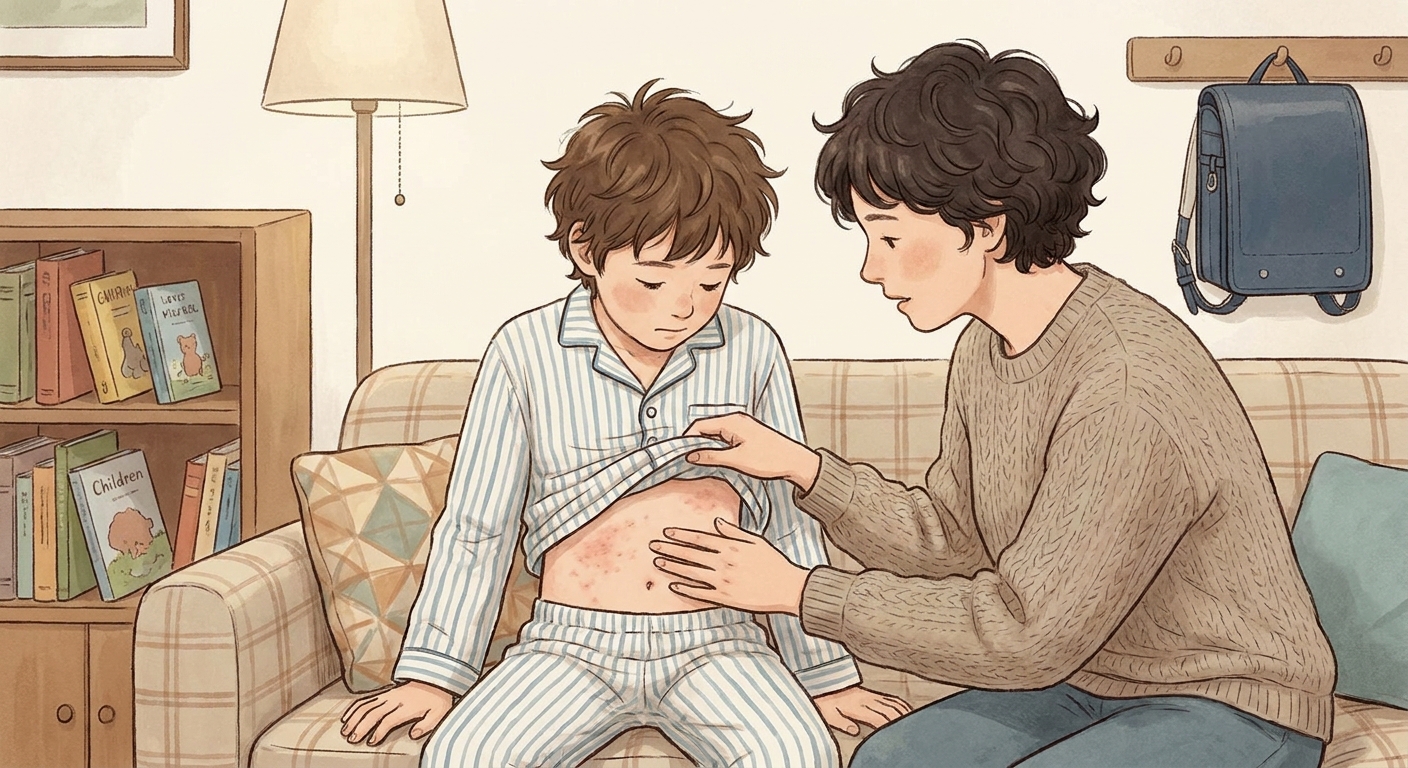
- Scarlet fever: most often starts with sore throat and fever, then a fine, rough “sandpaper” rash spreads on the chest, belly, and skin folds. Think: strep plus rash. (Less commonly, scarlet fever can follow a strep skin infection.)
- Fifth disease: often starts like a mild cold, then bright red cheeks show up (the “slapped” look), followed by a lacy rash on the arms, legs, or trunk. Think: cheeks first, then lace.
Side by side
| What you notice | Scarlet fever | Fifth disease |
|---|---|---|
| Cause | Group A strep bacteria (often strep throat with a toxin-related rash) | Parvovirus B19 (a virus) |
| How the rash feels | Very fine bumps that feel rough, like sandpaper | Often flat or slightly raised; later can look lacy and can come and go |
| Where it starts | Often starts on neck/upper chest, then spreads; common in armpits, groin, elbow creases | Often starts with cheeks turning bright red; then rash appears on arms/legs/trunk |
| Cheeks | Can be flushed, but usually not the main event | Classic “slapped cheek” look |
| Fever timing | Early and often higher; rash appears after illness starts | Fever may be mild and often happens before the cheek rash, or not at all |
| Sore throat | Common; throat pain can be significant | Usually mild or absent (more of a cold-like start) |
| Other clues | May see strawberry tongue and tender neck glands; rash may be more intense in skin folds | May have mild runny nose, headache, low energy; older kids can have achy joints |
| Contagiousness | Most contagious early in illness; typically considered not contagious after about 24 hours of appropriate antibiotics and fever is improving | Most contagious before the rash appears; once the classic rash is present, kids are often much less contagious, though policies vary |
| When to test for strep | Yes: sore throat plus sandpapery rash is a big strep clue | Usually no unless symptoms strongly suggest strep (throat pain, fever, no cough) or there is known exposure |
| Typical treatment | Antibiotics if strep confirmed or strongly suspected by a clinician | Supportive care (rest, fluids, comfort measures) |
Rash pattern
Scarlet fever: the sandpaper sweater
Parents often describe scarlet fever as “a sunburn with tiny bumps” or “a rough rash that I can feel more than I can see.” It tends to spread across the trunk and can be especially noticeable in creases like the armpits and groin. Kids may also look generally unwell, because scarlet fever usually rides along with strep throat.
Fifth disease: cheeks, then lace
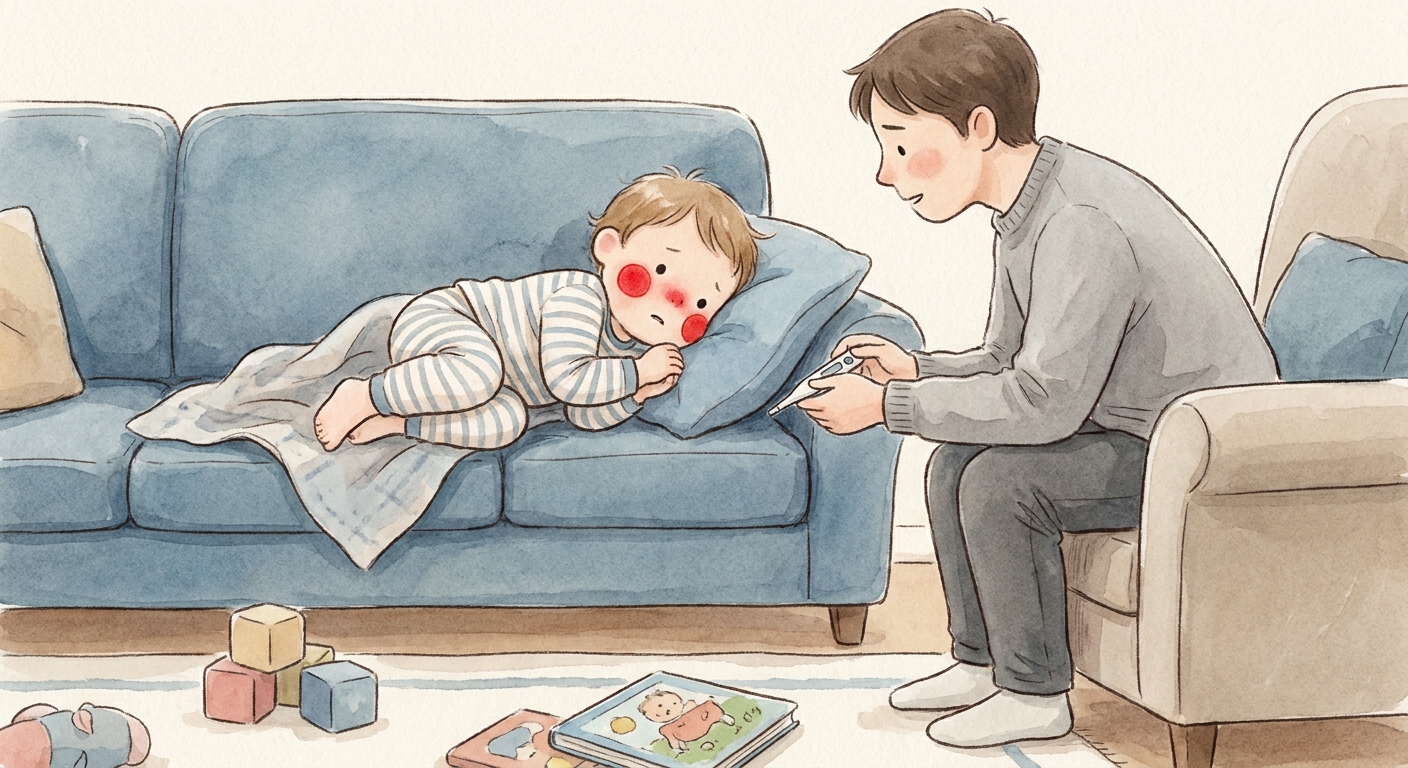
With fifth disease, cheeks can look dramatically red, like your child got surprised with a too-enthusiastic pinch from a well-meaning relative. After that, many kids get a lighter rash on the body that can look lacy or “net-like.” This rash can fade and reappear, especially after a warm bath, exercise, or being out in the sun.
Fever and sore throat clues
Sore throat plus rough rash
That combination is a strong reason to call for a strep test the same day, especially if there is also fever, headache, belly pain, or swollen neck glands. Scarlet fever is strep-related illness with a characteristic rash, and treating strep matters.
Mild cold, then cheeks turn red
That story fits fifth disease more often. The fever, if it happens, is typically earlier and mild. By the time the rash shows up, many kids actually feel okay and are acting more like themselves.
How long it lasts
Scarlet fever
With treatment, kids often start to feel better within a couple of days, but the rash can linger. As the rash fades, some children get peeling skin, especially on the fingertips, toes, or groin area.
Fifth disease
The “slapped cheek” phase is usually short, but the lacy rash can come and go for days to weeks, especially with heat or sun. This can look alarming and still be a normal fifth disease pattern.
Contagiousness and school
Scarlet fever
- Kids with strep are generally considered contagious until they have had about 24 hours of antibiotics, their fever is improving, and they are well enough to participate.
- If scarlet fever is on the table, keep them home and call your clinician for testing and treatment guidance.
Fifth disease
- Tricky detail: kids are often most contagious before the rash appears.
- Once the classic rash is present, children are usually much less contagious, but some viral shedding can still happen and daycare and school policies vary. If your child has fever or feels unwell, keep them home.
Who needs a strep test?
In triage, here is the plain-language rule I use:
- Get a strep test today if your child has sore throat plus a sandpapery rash, or sore throat plus fever and no obvious cold symptoms.
- Ask about testing even without a big sore throat if there is known strep exposure and your child has fever, looks ill, or has a new scarlatiniform (sandpapery) rash.
- Testing is less likely to help if the main feature is slapped cheeks and a lacy rash, with minimal throat pain.
Important: kids can have more than one thing at once. If the rash story looks like fifth disease but your child also has significant throat pain, high fever, or known strep exposure, it is still reasonable to ask your pediatrician about testing.
Why treatment matters
Most parents are not asking about antibiotics because they love giving medicine. They are asking because they want to keep their kid safe.
- With scarlet fever, antibiotics treat the strep infection, shorten how long your child is contagious, and reduce the risk of complications like rheumatic fever. Your clinician may also be thinking about rare kidney-related complications after strep.
- With fifth disease, antibiotics do not help because it is a virus. Care is mostly about comfort while it runs its course.
When to call urgently
Call for urgent medical advice or be seen the same day if your child has:
- Trouble breathing, drooling, or trouble swallowing
- Signs of dehydration (very dry mouth, no tears, peeing much less)
- Fever in a baby under 3 months, or fever that is high or not improving as expected
- A rash with purple spots or bruising that does not blanch when pressed
- Severe headache, stiff neck, extreme sleepiness, or your child looks very ill
- Rash plus swollen lips or tongue, hives, or facial swelling (could be an allergic reaction)
If you are pregnant or immunocompromised and your child may have fifth disease, contact your healthcare provider (OB, midwife, or primary care) for personalized guidance, even if your child seems fine. Parvovirus B19 is usually mild for kids, but it can be more complicated for certain adults and during pregnancy.
Comfort care
Whether this ends up being scarlet fever or fifth disease, a few basics help most kids feel better while you wait for an appointment or results:
- Fluids first. Sips count. Popsicles count. Broth counts.
- Fever comfort meds when needed. Use acetaminophen or ibuprofen if appropriate for your child’s age and health history. Avoid aspirin in kids.
- Itch help. A lukewarm bath, fragrance-free moisturizer, and loose cotton pajamas can reduce scratching.
- Throat soothing. Warm fluids, honey for children over 1 year, and soft foods can help if the throat is sore.
FAQ
Can scarlet fever start on the face?
It can, but the more typical pattern is starting on the neck and upper chest, then spreading. A very rough feel to the skin plus a sore throat is the bigger clue than exact starting location.
Does fifth disease always have slapped cheeks?
No. Many kids get the cheek redness, but not all. Some mainly show the lacy body rash, and some have such a mild case you barely notice anything except a day or two of “off” energy.
Can my child go to school with fifth disease?
If your child feels well and has no fever, many schools allow attendance once the rash appears, since contagiousness is usually earlier. Always follow your school’s policy and your pediatrician’s advice for your specific situation.
When can my child go back after scarlet fever?
Many schools and daycares follow the strep throat rule: return after about 24 hours of antibiotics, once fever is improving and your child is well enough to participate. When in doubt, ask your pediatrician and follow your school’s policy.
Will scarlet fever go away on its own?
Strep infections can sometimes improve, but antibiotics are commonly recommended when strep is confirmed because treatment reduces contagiousness and helps prevent complications. If scarlet fever is suspected, it is worth getting evaluated promptly.
Sarah Mitchell
Sarah Mitchell is a Registered Pediatric Nurse and a mother of three who has spent over a decade helping families navigate the beautiful, chaotic early years of childhood. She combines evidence-based medical knowledge with real-world parenting experience to offer practical, compassionate advice. At Awesome Parent, Sarah's mission is to help exhausted parents find solutions, trust their instincts, and finally get some sleep.