A parent-friendly guide to Kawasaki disease symptoms like 5+ days of fever, red eyes, rash, swollen hands and feet, and strawberry tongue, plus incomplete Ka...
Scarlet Fever vs Kawasaki Disease

Sarah Mitchell
Sarah Mitchell is a Registered Pediatric Nurse and a mother of three who has spent over a decade helping families navigate the beautiful, chaotic early years of childhood. She combines evidence-based medical knowledge with real-world parenting experience to offer practical, compassionate advice. At Awesome Parent, Sarah's mission is to help exhausted parents find solutions, trust their instincts, and finally get some sleep.
When a kid has a fever, a bright red tongue, and a rash, it is completely understandable to think, “Is this strep? Or something scarier?” In triage, one of the trickiest look-alike pairs is scarlet fever (a strep-related illness) and Kawasaki disease (an inflammatory condition that needs prompt evaluation).
They can overlap in early symptoms, but the overall pattern is different. Scarlet fever tends to line up with sore throat and a sandpaper rash and improves once the strep infection is treated. Kawasaki disease tends to be persistent fever plus red eyes, swollen hands or feet, and a child who often looks and acts unusually miserable.

Quick takeaway
If you only read one section, read this: Kawasaki disease is a diagnosis doctors do not want to miss because it can involve the coronary arteries. A positive or negative strep test does not “rule out” Kawasaki. Kids can have strep and still meet criteria for Kawasaki, or a strep test might be done because the symptoms overlap.
- Scarlet fever: usually fever + sore throat + sandpapery rash, often with strep exposure. Tends to start improving after appropriate antibiotic treatment is started.
- Kawasaki disease: typically fever for 5 days or more plus a combination of red eyes, mouth changes, swollen hands or feet, rash, and a swollen lymph node in the neck. If Kawasaki is suspected, same-day medical evaluation is recommended.
One more important point: fever and rash can have other causes too, including adenovirus, measles (especially if not fully vaccinated or after travel), toxic shock, and MIS-C (a post-COVID inflammatory condition). You do not need to sort all of that out at home. You just need to recognize when the pattern is not a routine viral illness.
Scarlet fever signs
Scarlet fever is caused by toxins from group A strep. It usually shows up alongside strep throat, although it can also follow strep skin infections.
Common clues
- Sore throat, pain with swallowing, headache, belly pain, or vomiting (especially in younger kids).
- Fever that often starts fairly suddenly.
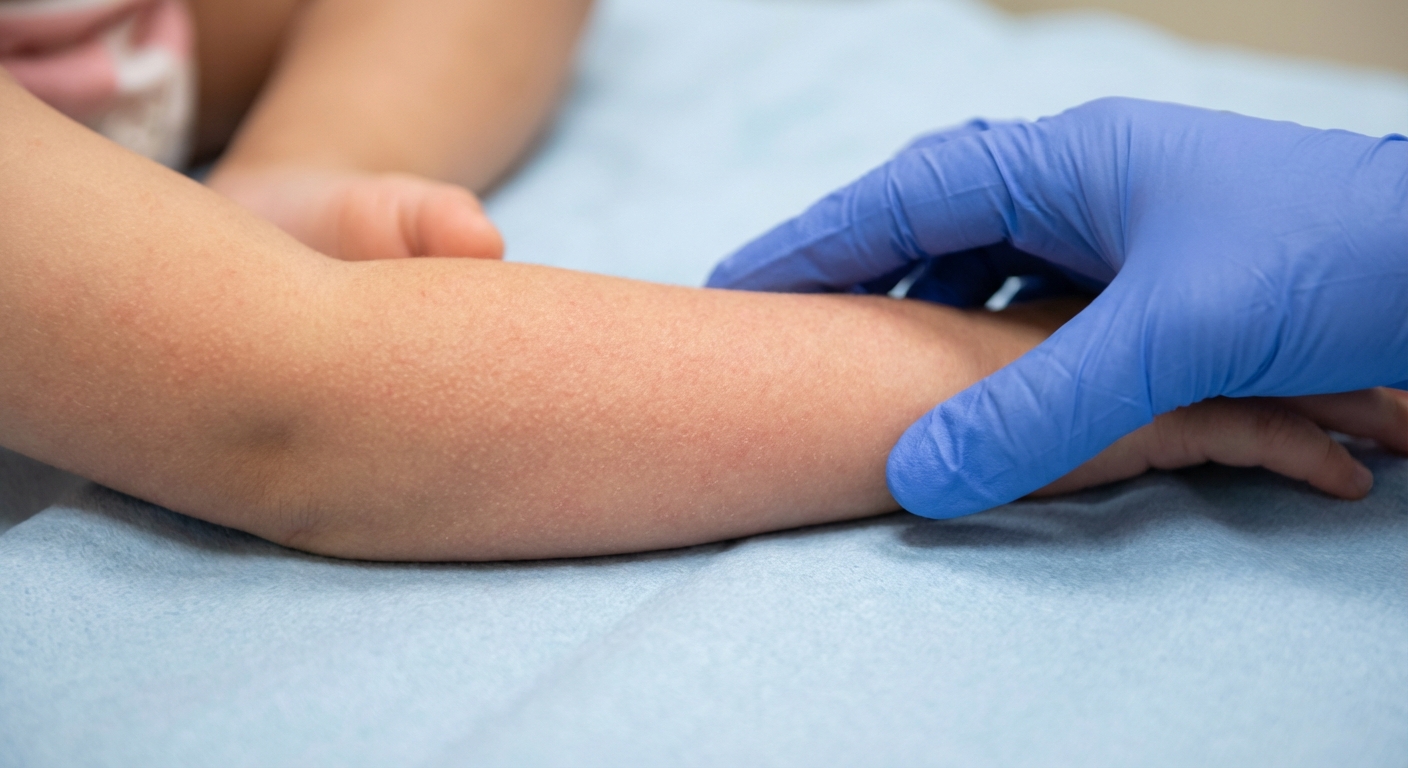
- Rash that feels like sandpaper to the touch. It often starts on the chest or trunk and spreads.
- Brighter red in skin folds like the armpits, groin, or elbow creases.
- “Strawberry tongue” or a tongue that looks very red as the coating comes off.
- Pastia lines sometimes appear as deeper red lines in creases.
One classic detail parents notice: the rash is not always dramatically itchy, but it can feel rough, almost like very fine grit.
After antibiotics
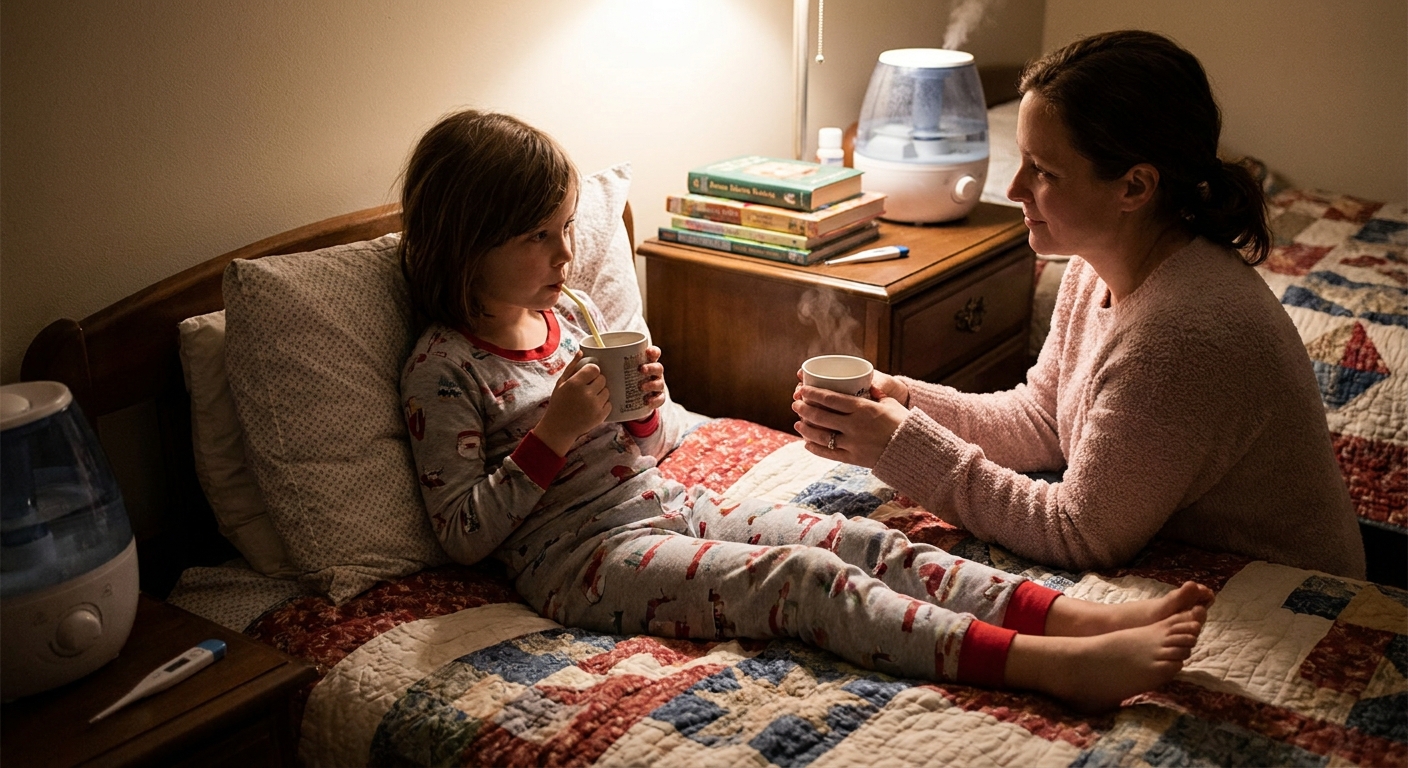
With scarlet fever, kids often start to look and feel better within 24 to 48 hours after starting the right antibiotic for strep. Some take longer. The rash can linger and, as your child improves, you may see peeling skin, especially on the fingers, toes, or groin area.
Also worth knowing: rapid strep tests can be falsely negative. Depending on your clinic, your child may need a confirmatory throat culture or PCR if the story and exam still sound like strep.
Kawasaki disease signs
Kawasaki disease is an inflammatory condition that mainly affects young children, often under age 5, but older kids can get it too. It is not “just a rash.” The reason it gets urgent attention is the risk of inflammation involving blood vessels, including the arteries that supply the heart.
The biggest clue
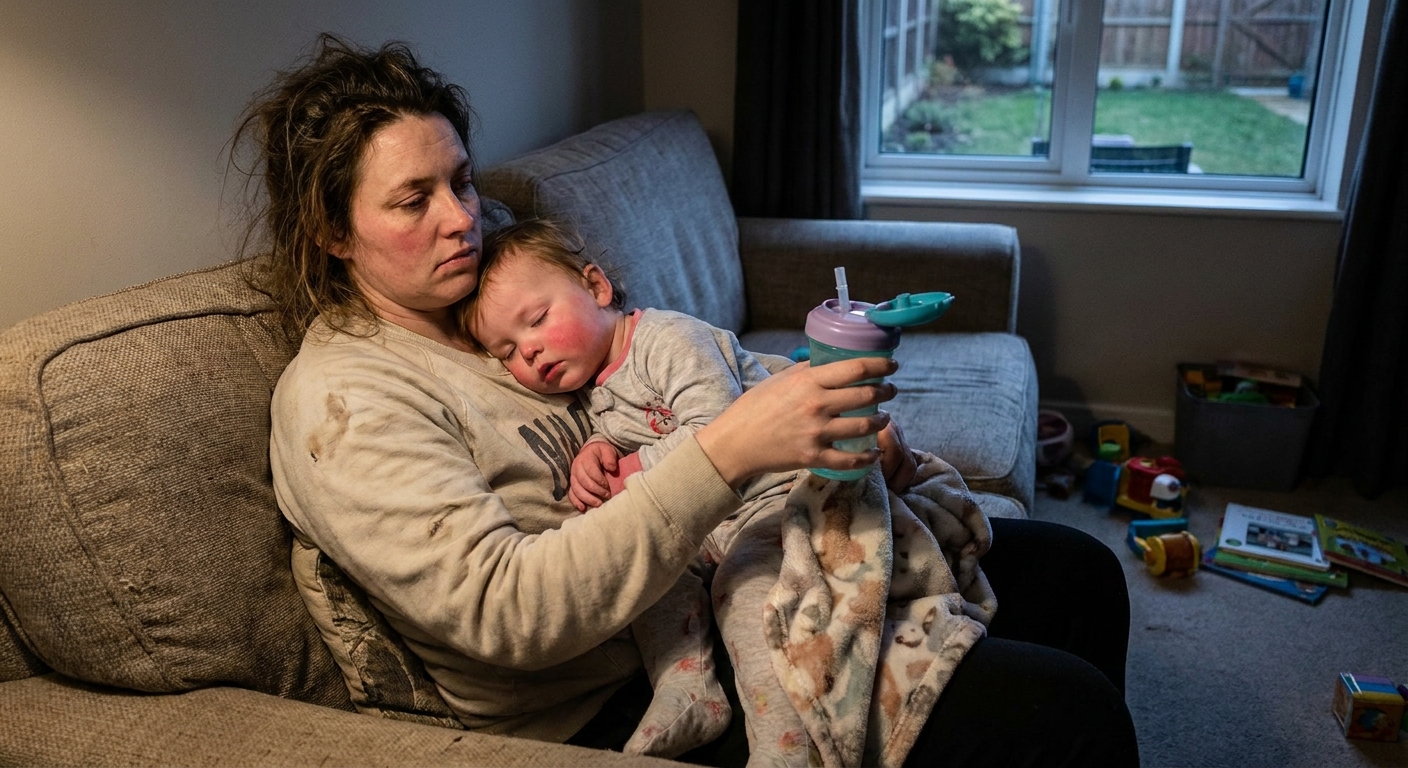
The hallmark is persistent fever, classically 5 days or more, often high, and not improving as expected. Parents often tell me, “We cannot get ahead of it,” and, “My child is more irritable than I have ever seen.”
Common features parents can spot
Kawasaki is diagnosed based on a cluster of findings. Your child may have some or all of these:
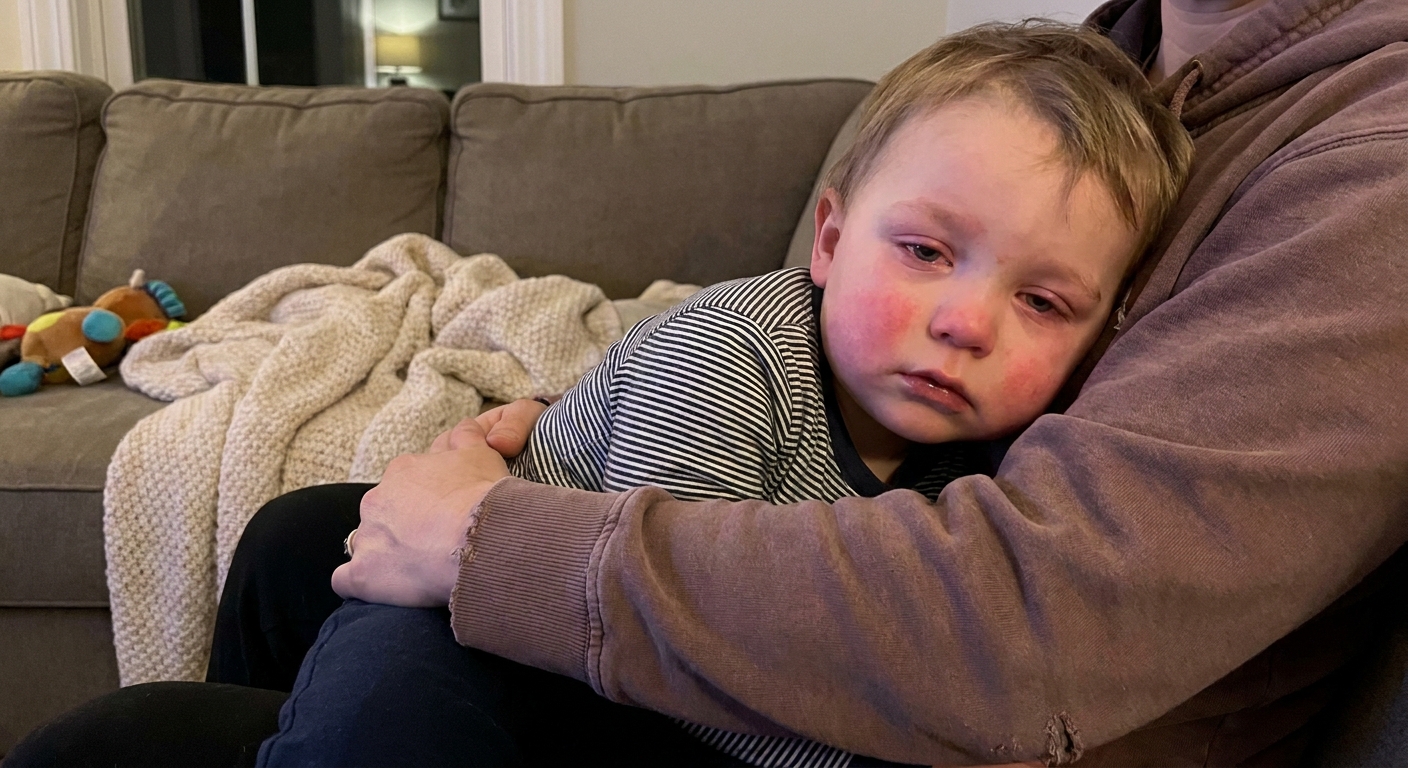
- Red eyes (bloodshot) without thick or purulent drainage.
- Mouth and lip changes: red, cracked lips; very red mouth or tongue.
- Swollen hands and feet, sometimes with redness of the palms or soles.
- Rash that can vary in appearance. It is not always sandpapery.
- A swollen lymph node in the neck (often one-sided).
Another important timing clue: in Kawasaki disease, peeling of the fingers and toes can happen later, often after the first week or two, sometimes when the fever has improved.
Incomplete Kawasaki
One reason Kawasaki gets missed is something called incomplete Kawasaki disease. This means a child has the persistent fever and only some of the classic features, but the inflammation is still real, and the heart risks still matter. This is why clinicians may do bloodwork, urine testing, and an echocardiogram even when the rash or mouth findings are not textbook.
Side-by-side clues
Here is how I think about it at the bedside and as a mom.
Age
- Scarlet fever: more common in school-age kids, but younger children can get it too.
- Kawasaki disease: more common under age 5, but it can occur in older kids.
Fever pattern
- Scarlet fever: fever is common, often with a clear sore throat picture. It usually improves once strep is treated.
- Kawasaki disease: fever persists, classically 5 days or more, and the child often looks unusually uncomfortable or irritable.
Rash
- Scarlet fever: classically sandpaper texture, often starting on the trunk, with deeper color in creases.
- Kawasaki disease: rash can be variable in look and feel. The overall cluster of other signs matters more than the rash “type.”
Eyes
- Scarlet fever: eyes are not usually a major feature.
- Kawasaki disease: red eyes are common, usually without thick discharge.
Hands and feet
- Scarlet fever: swelling of hands and feet is not typical early.
- Kawasaki disease: swollen or red hands and feet are a major clue.
Throat and strep tests
- Scarlet fever: strep testing is often positive (rapid test, PCR, and sometimes throat culture depending on your clinic).
- Kawasaki disease: a strep test might be done because symptoms overlap, but a positive or negative strep result does not explain away the Kawasaki pattern.
Why Kawasaki is urgent
In clinic, I have seen families reassured by “We are waiting on the strep test,” while their child continues to stack up Kawasaki features. This is not anyone being careless. It is that early Kawasaki can look like a lot of common infections.
But here is the bottom line: Kawasaki disease is time-sensitive. Clinicians need to evaluate for it promptly because early recognition and treatment can reduce the risk of heart complications.
If your child has persistent fever that is approaching the 5-day mark (or has already passed it) plus red eyes and swelling of hands or feet, or your child is inconsolably irritable in a way that feels out of proportion, that deserves same-day medical assessment. Even if they also have a sore throat. Even if a rapid strep test was done. Even if someone mentioned scarlet fever.
If Kawasaki is diagnosed, treatment is typically hospital-based and often includes IVIG and sometimes aspirin under specialist guidance, along with heart monitoring. I am intentionally not sharing medication doses here because dosing depends on your child’s weight and clinical situation.
When to seek care
If you are deciding between calling in the morning and going now, use this list.
Get same-day care if:
- Fever has lasted more than a few days, especially if your child is not trending better.
- Your child has red eyes plus fever, especially without typical thick or purulent discharge.
- You notice swollen or red hands or feet.
- Lips are cracked and very red, or the mouth looks unusually inflamed.
- Your child is extremely irritable or hard to console in a way that is not their normal sick behavior.
- The rash is spreading quickly or your child looks generally unwell.
Seek emergency care now if:
- Your child is working hard to breathe, unusually sleepy, hard to wake, or you are worried they are getting worse quickly.
- There are signs of dehydration (very dry mouth, no tears when crying, significantly fewer wet diapers or trips to the bathroom).
- Your child has a purple or bruise-like rash that does not fade when you press on it.
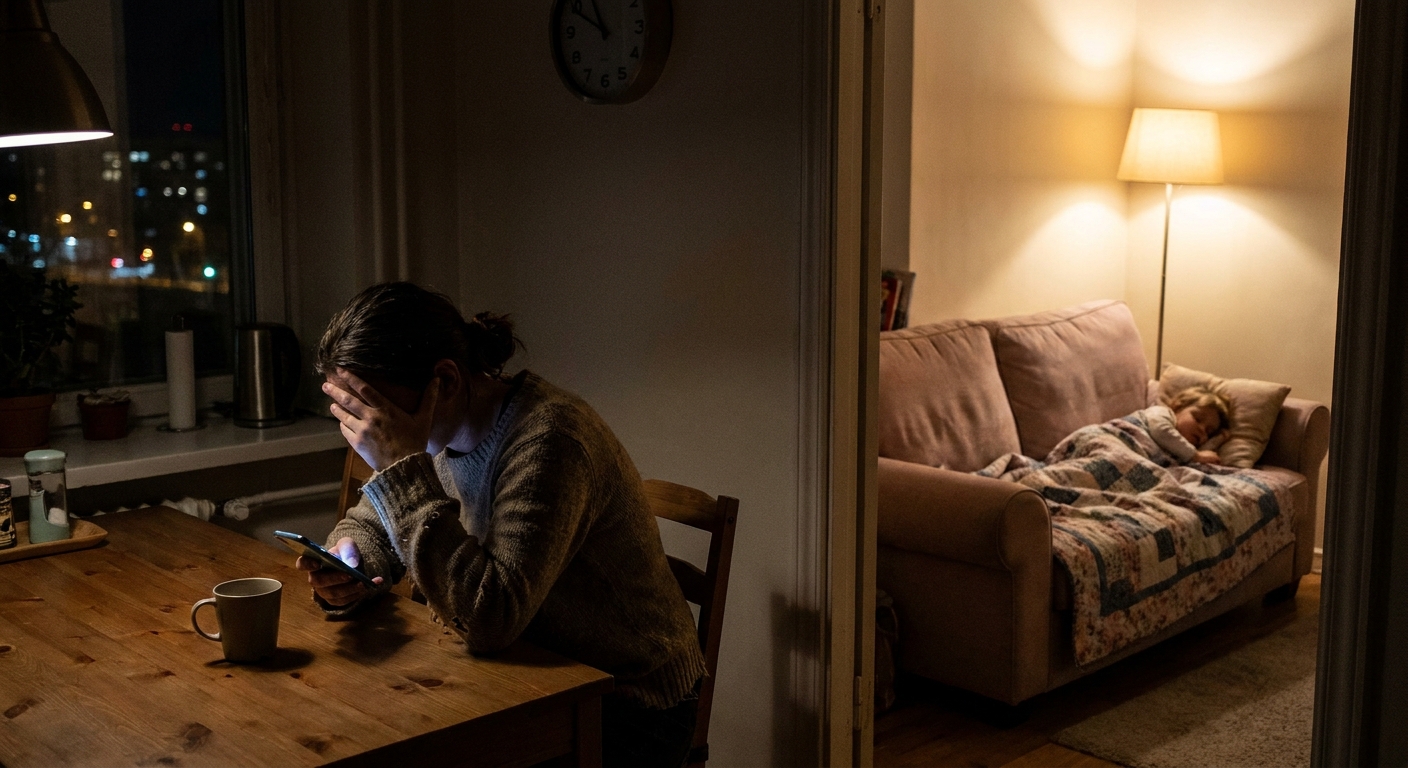
Trust your gut. Parents are often right when they say, “This illness feels different.”
What clinicians may do
Because these conditions can overlap, clinicians often take a broad approach. Depending on your child’s age, symptoms, and exam, they may:
- Do a strep test (rapid and sometimes confirmatory testing, since rapid tests can miss some cases).
- Check for other infections that can mimic these symptoms.
- Order blood and urine tests if Kawasaki disease is a concern.
- Arrange a heart ultrasound (echocardiogram) and cardiology follow-up when indicated.
If scarlet fever is diagnosed, treatment targets the strep infection. If Kawasaki disease is suspected, the evaluation and treatment plan is time-sensitive and typically involves hospital-based care.
FAQ
Can scarlet fever and Kawasaki disease both cause a strawberry tongue?
Yes. That is part of why parents get stuck. A strawberry tongue can show up with scarlet fever and can also be seen in Kawasaki disease. The deciding factor is usually the whole-body pattern, especially persistent fever (often 5 days or more) plus red eyes and swollen hands or feet.
If the rapid strep test is positive, does that rule out Kawasaki?
No. A positive strep test can explain scarlet fever symptoms, but it does not automatically rule out Kawasaki disease. If your child’s symptoms match the Kawasaki pattern, they still need prompt evaluation.
My child’s fever went away after antibiotics started. Does that make Kawasaki unlikely?
Improvement after starting appropriate antibiotics makes a strep-related illness more likely, but it is still important to follow up if other Kawasaki-type signs persist or new ones appear, especially hand and foot swelling or ongoing significant irritability.
Is peeling skin always scarlet fever?
No. Peeling can happen after scarlet fever, and it can also happen later in Kawasaki disease. Timing and accompanying signs matter, so let your clinician know if you see peeling, especially after several days of fever.
A calm next step
If your child has the classic scarlet fever picture and starts improving quickly with the right treatment, you can usually breathe a little easier. But if the fever is stretching on and not improving as expected and you are seeing red eyes, swollen hands or feet, and a very irritable child, please do not wait it out or assume it is “just strep.” That is the moment to get your child seen urgently.
You do not have to diagnose this at home. Your job is to notice the pattern and advocate for an evaluation when something feels off. That is excellent parenting, not overreacting.
Sarah Mitchell
Sarah Mitchell is a Registered Pediatric Nurse and a mother of three who has spent over a decade helping families navigate the beautiful, chaotic early years of childhood. She combines evidence-based medical knowledge with real-world parenting experience to offer practical, compassionate advice. At Awesome Parent, Sarah's mission is to help exhausted parents find solutions, trust their instincts, and finally get some sleep.