A calm, parent-friendly guide to childhood OCD: what obsessions and compulsions look like in real life, how it impacts school, body symptoms, and when ERP th...
Skin Picking in School-Age Kids

Sarah Mitchell
Sarah Mitchell is a Registered Pediatric Nurse and a mother of three who has spent over a decade helping families navigate the beautiful, chaotic early years of childhood. She combines evidence-based medical knowledge with real-world parenting experience to offer practical, compassionate advice. At Awesome Parent, Sarah's mission is to help exhausted parents find solutions, trust their instincts, and finally get some sleep.
I’ve had so many parents bring their school-age child into clinic for what looks, at first glance, like “just scabs.” But the story is usually the same: the scabs never get a chance to heal, cuticles look chewed up, and your child insists they “can’t help it.” If that sounds familiar, take a breath. You are not failing, and your child is not being gross, lazy, or defiant.
Repeated skin picking in kids is not uncommon, and it sits on a spectrum. For some kids it’s a simple habit they outgrow. For others it is a body-focused repetitive behavior (BFRB) that gets fueled by stress, anxiety, perfectionism, sensory discomfort, or OCD-like “just right” urges. The good news is there are practical, shame-free ways to help.
What counts as skin picking?
Skin picking can look like:
- Picking scabs from minor scrapes or bug bites
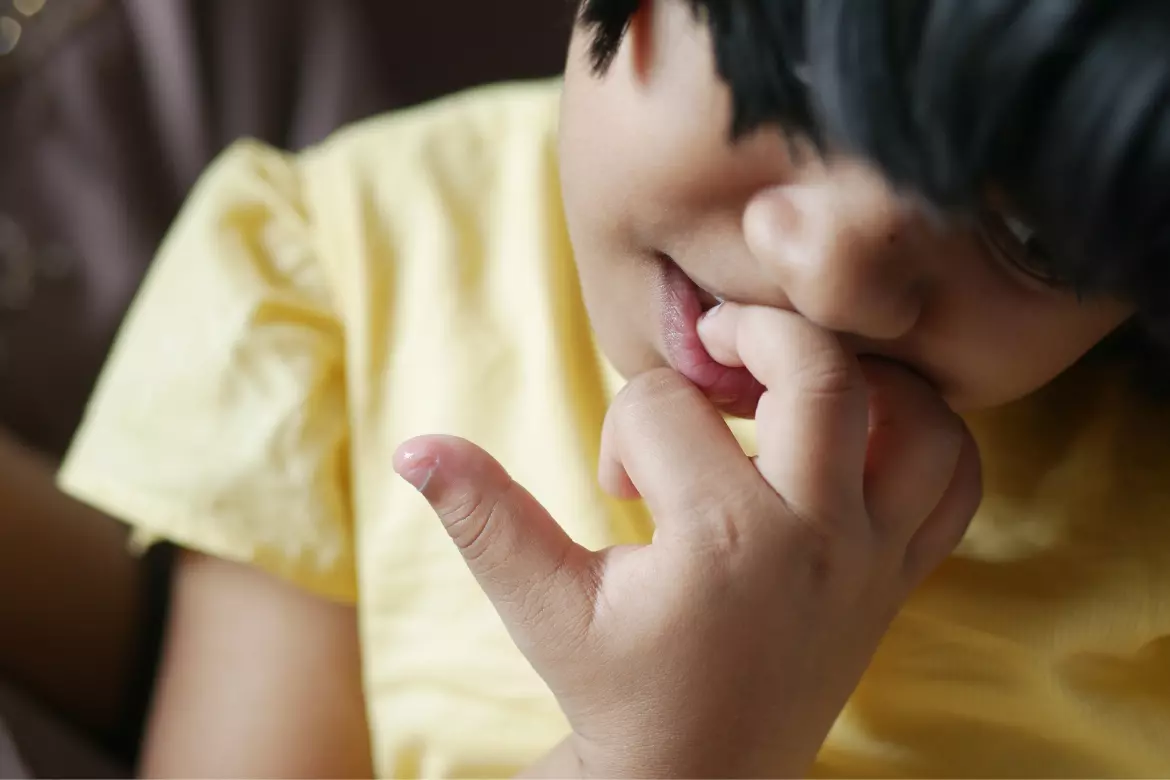
- Cuticle picking around fingernails or toenails
- Picking at acne or bumps
- Scratching or rubbing the same spot until it breaks down
- “Searching” behavior, like scanning the skin for any roughness to fix
Many kids pick absentmindedly while reading, watching TV, doing homework, or riding in the car. Others pick in a more intense, focused way and feel stuck in the loop.
One quick note, because it’s a common point of confusion: kids can also scratch because they are truly itchy (eczema, hives, bug bites). That is different from habit picking, even if it ends with the same scabs. If itch is driving this, treating the skin and the itch comes first.
Why kids pick: common drivers
In pediatrics we try to avoid assuming a single cause. Skin picking is usually a “multiple small things” situation. Common drivers include:
It starts as normal healing curiosity
Scabs itch as they heal, and kids are natural investigators. A little picking here and there is incredibly normal.
It’s sensory
Some kids are extra tuned in to skin sensations: dryness, hangnails, a tiny bump, the uneven feeling of a scab edge. Picking becomes an attempt to make the sensation stop or make the skin feel “just right.”
It’s a stress or anxiety outlet
Skin picking can function like a pressure valve. Your child may not be able to name what feels stressful, but the repetitive action can feel calming in the moment.
It can overlap with OCD
Skin picking is not automatically OCD, but it can be related. Some kids pick to relieve a strong internal urge, to neutralize a “not right” feeling, or because they feel compelled to make the skin perfect or symmetrical. Sometimes there is a fear attached (“Something bad will happen if I don’t”), and sometimes it is more of a “just right” pressure with no clear fear at all. If your child also has intrusive worries and rituals, it is worth discussing OCD with a clinician.
It can be a body-focused repetitive behavior (BFRB)
BFRBs are repetitive grooming-type behaviors that can be hard to stop, even when the child wants to. Skin picking is one example. Hair pulling and nail biting are others.
You might also hear clinicians use the term excoriation disorder (skin-picking disorder) when the picking is recurrent, causes skin lesions, leads to significant distress or impairment, and the child has tried and struggled to stop. It is not just about “how bad it looks.” It’s about impact and loss of control.
Sometimes it’s about the skin itself
Underlying skin issues can trigger picking: eczema, dry skin, insect bites, acne, or infections that itch. If the itch is real and constant, willpower is not going to win.
Is it anxiety, OCD, or a habit?
Here are a few clues that help you decide what you’re dealing with. This is not a diagnosis, just a practical way to think it through.
More likely a simple habit
- Picking is mild and doesn’t cause bleeding or scarring
- Your child can stop when reminded without distress
- It happens in a narrow situation (like only during TV)
- It fades when the scab is gone
More likely anxiety-driven or a BFRB
- Picking increases during school stress, transitions, or social pressure
- Your child says it helps them feel calmer, focused, or “better”
- They feel embarrassed afterward or hide hands or skin
- They struggle to stop even with motivation
More likely OCD-related
- Your child describes a strong “have to” feeling, whether or not they can explain why
- Picking is tied to perfectionism, symmetry, contamination fears, or “just right” sensations
- They have other compulsions or repetitive rituals (checking, repeating, reassurance seeking, excessive washing)
If you are unsure, you’re in good company. In real life, there can be overlap.
What not to do
When you see bleeding cuticles for the tenth time, it is very human to blurt: “Stop doing that!” Unfortunately, shame tends to make picking worse.
- Skip punishments. They add stress and secrecy.
- Avoid calling it “gross” or asking “What is wrong with you?”
- Don’t turn their body into a daily inspection. A quick check for infection is fine, but constant scrutiny can increase anxiety and picking.
- Try not to use public call-outs. Correcting them in front of siblings or friends often backfires.
Think of this as a skill gap, not a character flaw.
What to try at home
At-home strategies work best when they focus on three goals: reduce triggers, protect healing skin, and teach your child a replacement action. You are building a system, not “fixing” your child.
1) Name it gently, then get curious
Pick a calm moment (not while they’re mid-pick) and say something like:
“I’ve noticed your fingers have been getting sore. A lot of kids pick when they’re bored or worried. Do you notice it happening more at certain times?”
Some kids can tell you exactly when it happens. Others honestly do not notice. Both are normal.
2) Treat the skin like a medical issue too
If the skin is irritated, itchy, or rough, your child’s brain will keep getting “alerts” to touch it.
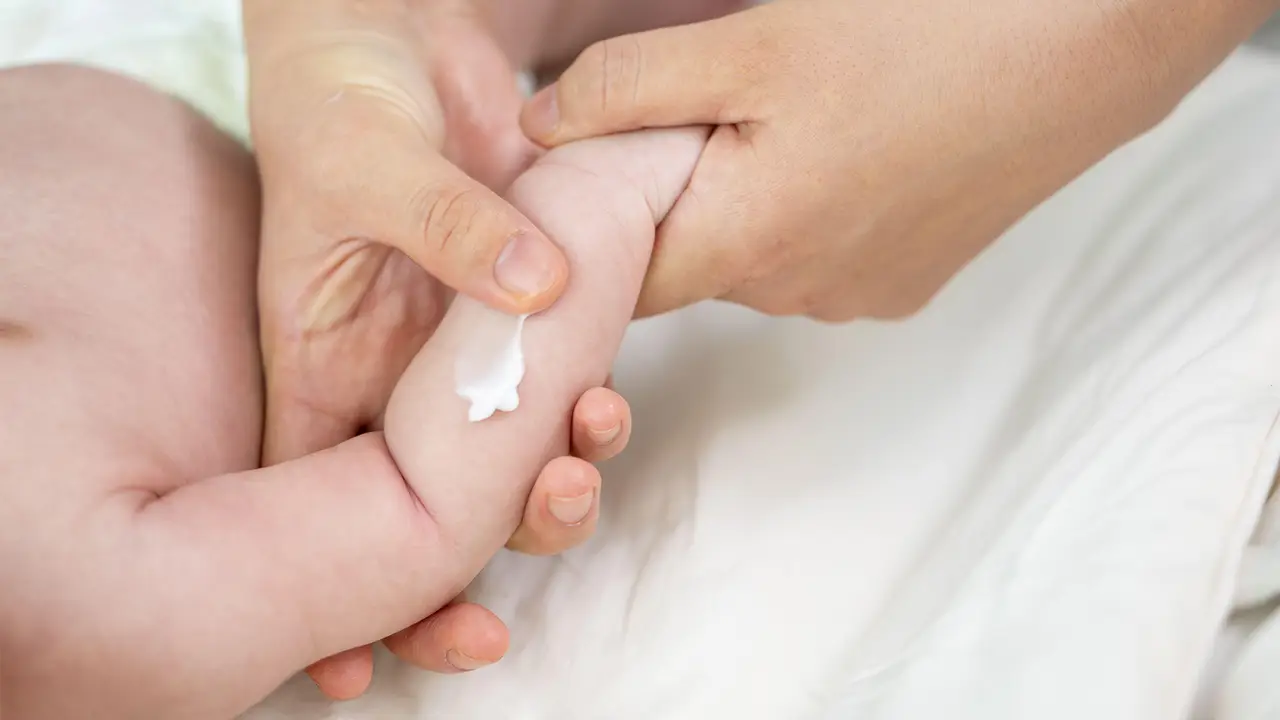
- Moisturize cuticles twice daily with a thick, fragrance-free ointment or cream.
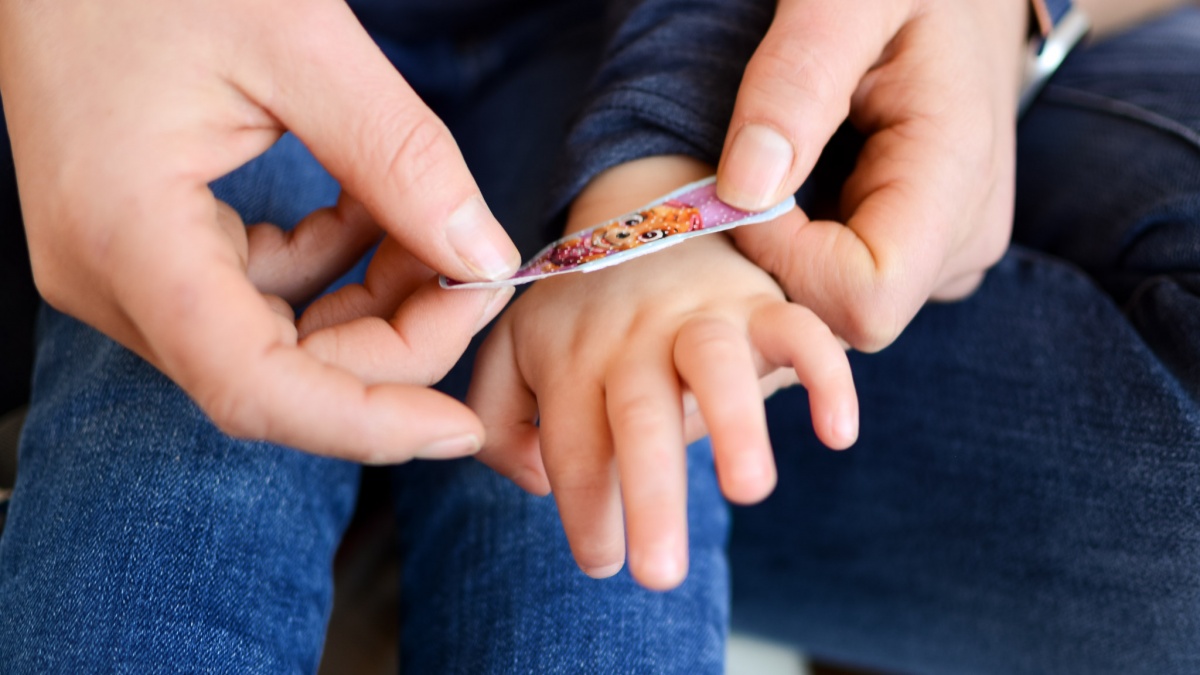
- Cover healing scabs with a bandage when practical, especially at school or during homework.
- Trim hangnails with clean clippers rather than pulling them.
- Gentle wound care: wash with mild soap and water, pat dry, and protect. Skip harsh antiseptics unless your pediatrician recommends them.
- Address itch from eczema or bites with your pediatrician’s guidance.
3) Build hands-busy routines for high-risk times
Most kids have predictable picking windows. Common ones are: homework, screens, car rides, and bedtime.
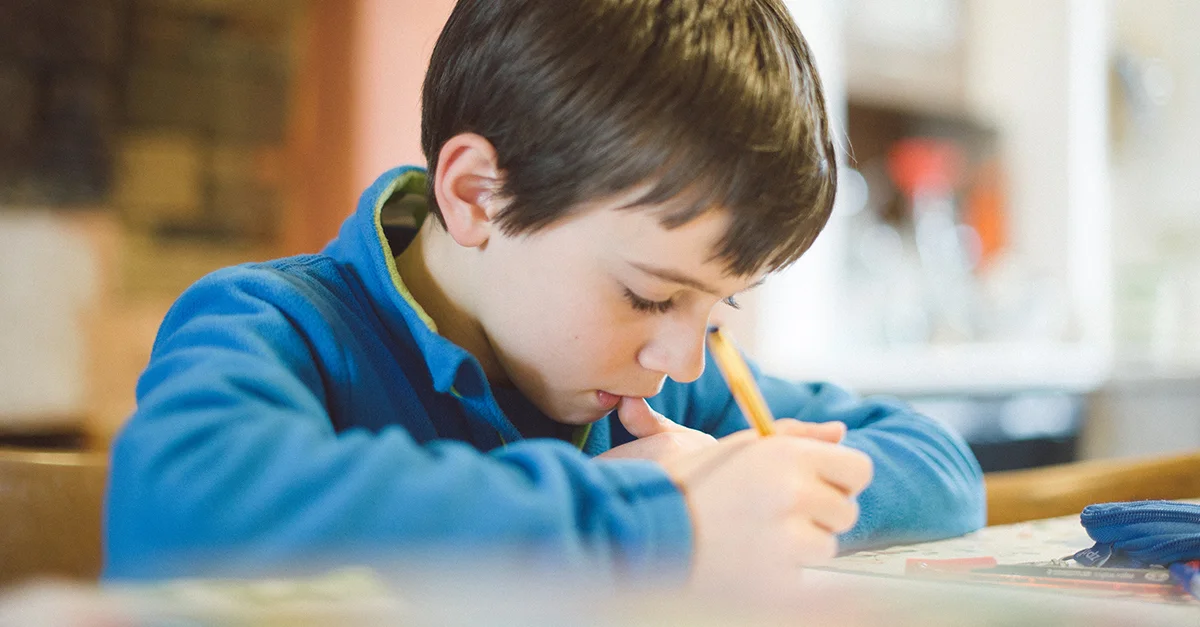
- Homework: give a fidget, a smooth worry stone, or putty to use with the non-writing hand.
- Screens: a “something for your hands” basket near the couch (LEGO pieces, stress ball, textured fabric square).
- Car rides: hand-held sensory items, audiobooks, or snacks that keep hands occupied for part of the trip.
- Bedtime: lotion, bandages if needed, then a calming activity that keeps hands under a blanket or holding a stuffed animal.
The key is to set the environment up ahead of time, not to rely on your child to make a perfect choice mid-urge.
4) Try a simple, non-punitive cue
If your child wants help noticing, agree on a private cue, like a light tap on the table or a code word (“reset”). Avoid a sharp tone or repeated nagging. One cue, then offer the replacement item.
5) Offer a replacement action, not just stop
Skin picking often meets a need: soothing, focusing, or fixing a sensation. Replacement ideas:
- Rub lotion into the spot instead of picking
- Press fingertips together firmly for 10 seconds
- Squeeze a stress ball
- Hold an ice cube in a paper towel briefly to ride out the urge
- Pick at something harmless like a strip of textured tape on a notebook
Let your child help choose. Buy-in matters more than the “perfect” tool.
6) Reduce visual triggers where you can
For some kids, seeing a scab edge or cuticle tear is the trigger.
- Keep nails trimmed
- Use bandages or finger covers for a short period to allow healing
- Consider long sleeves for kids who pick arms, if they tolerate it comfortably
This is not about hiding their body. It’s about giving the skin time to heal so the trigger is not constantly calling attention to itself.
7) Praise effort, not outcomes
Instead of “Your fingers look better,” try:
- “I saw you reach for your fidget. That was a great reset.”
- “You noticed it and stopped. That’s a hard skill.”
Progress is usually two steps forward, one step back.
Help at school (without embarrassment)
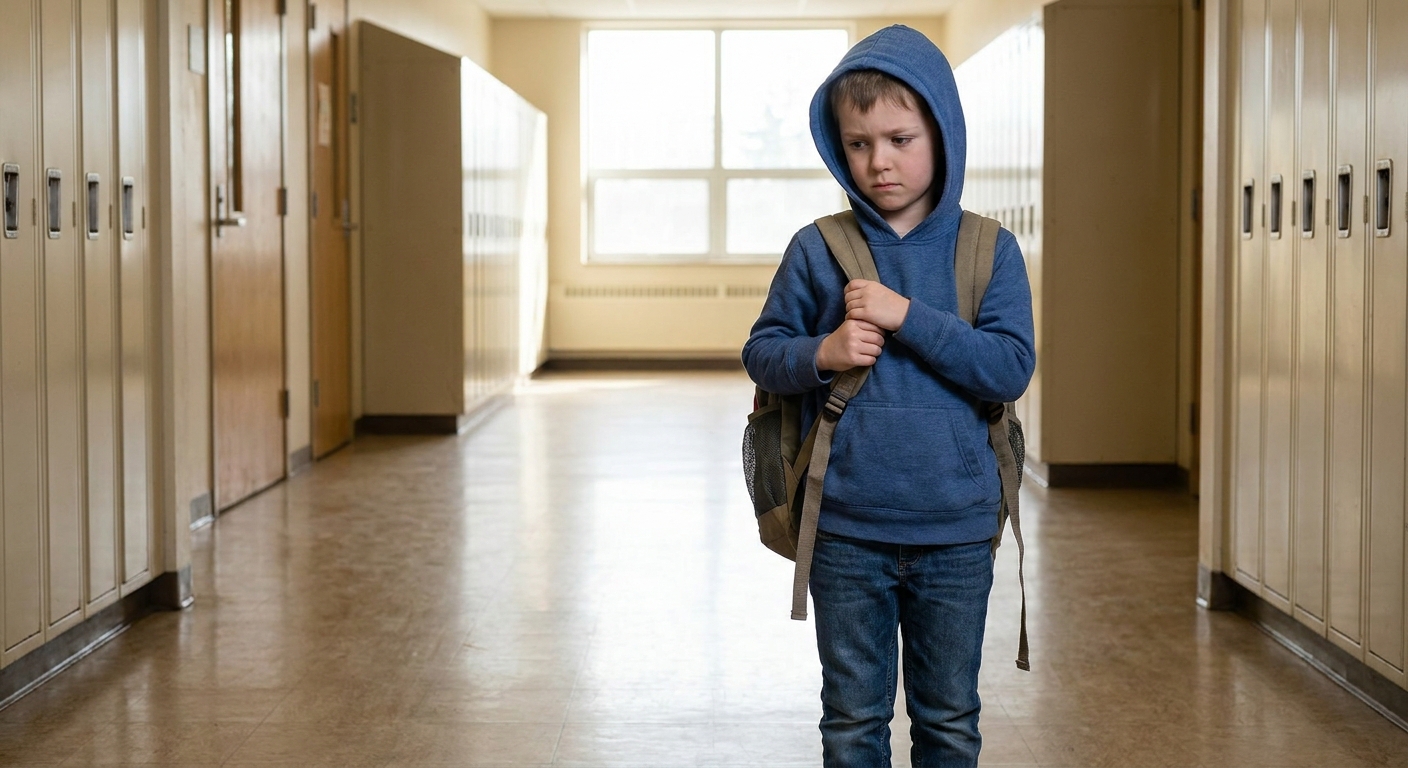
School can be a major picking environment because it mixes stress, boredom, and long stretches of sitting still.
- Ask your child what would help. Many kids are open to keeping a small fidget in their desk or pocket.
- Loop in the teacher quietly if your child agrees. A private cue can be part of the plan.
- Consider the nurse’s office for bandage changes if wounds are open.
If your child is embarrassed, keep the plan low-key. The goal is support, not spotlight.
When it becomes a medical problem
Even when the root is behavioral, the skin deserves real medical attention. Call your pediatrician if you notice:
- Increasing redness, warmth, swelling, or pain
- Pus, honey-colored crusting, or red streaks
- Fever or your child seems unwell
- A sore that is not healing
- Picking in areas that could be dangerous (inside nose, ears, around eyes)
Urgent care now (or same-day call) if redness is spreading quickly, pain is severe, there are red streaks moving up a limb, or your child has fever with worsening skin.
Also check in if your child has significant eczema, acne, or itching. Treating the underlying skin issue can reduce urges significantly for some kids.
When to bring in a therapist or clinician
I’m a big fan of early support. You do not have to wait until it’s “severe enough” to deserve help.
Consider professional support if any of these are true:
- Picking causes frequent bleeding, infections, scarring, or noticeable patches of broken skin
- Your child is distressed, ashamed, or avoiding activities (sports, sleepovers, short sleeves)
- You’re seeing signs of anxiety, panic, depression, or OCD symptoms alongside picking
- Your child can’t stop even when they desperately want to
- Home strategies have not helped after a few weeks of consistent effort
Who to start with:
- Your pediatrician for a skin exam, itch management, and screening for anxiety or OCD
- A child therapist with experience in anxiety and body-focused repetitive behaviors
- A child psychiatrist if symptoms are significantly impairing, if there is significant OCD or anxiety, or if medication may be part of care
If you are looking for what to ask for, evidence-based therapy for BFRBs often includes Habit Reversal Training (HRT) or ComB (Comprehensive Behavioral). If OCD is a big part of the picture, ERP (Exposure and Response Prevention) is a gold-standard approach. You do not need to run these therapies at home on your own. A trained clinician can guide the plan, and you can still make meaningful progress with supportive steps at home.
How to talk to your child
Your tone matters as much as your words. Aim for “teammates against the problem.” A few scripts that tend to land well with school-age kids:
- Neutral: “I notice your fingers are getting sore again. Want to make a plan together?”
- Body-based: “Sometimes our bodies do a habit when our brain is busy. It doesn’t mean you’re in trouble.”
- Empowering: “This is a skill we can practice, like riding a bike. It takes time.”
- Practical: “Let’s help your skin heal, then it won’t feel so tempting to pick.”
If your child shuts down, keep it short and kind. You can circle back later.
Quick FAQ
Will my child grow out of skin picking?
Some kids do, especially when the trigger is temporary (like a single scab or a stressful season). If it has become a repeated coping strategy or a BFRB pattern, it often needs active support to improve, and that support can work very well.
Are bandages enabling?
No. Protecting damaged skin is basic wound care. Bandages can also reduce triggers while you build new habits. The goal is healing plus skills.
Should I make my child wear gloves?
Gloves can help in specific situations for some kids, but many kids find them uncomfortable or socially stressful. If you try them, keep it short-term and collaborative, like during homework at home.
Is this a sign of trauma?
Not necessarily. Skin picking is most often linked to habit, sensory needs, stress, anxiety, or OCD-like urges. If you have concerns about trauma, a trusted clinician or therapist can help you assess the bigger picture.
Could it be ADHD?
Kids with ADHD may pick more due to restlessness, boredom, or difficulty noticing what their hands are doing. If you see attention challenges and impulsivity in multiple settings, it’s worth discussing with your pediatrician.
A final word from a very tired mom and a pediatric nurse
If you’re dealing with constant picking, you are probably doing a lot of invisible work: buying bandages, reminding gently, washing sheets with little blood spots, worrying about scars, and trying not to say the thing you want to say when you see them picking again.
Your child isn’t trying to make your life harder. Their nervous system has found a loop that works in the short term. With calm support, better skin care, and the right tools (and sometimes professional help), that loop can change.
Sarah Mitchell
Sarah Mitchell is a Registered Pediatric Nurse and a mother of three who has spent over a decade helping families navigate the beautiful, chaotic early years of childhood. She combines evidence-based medical knowledge with real-world parenting experience to offer practical, compassionate advice. At Awesome Parent, Sarah's mission is to help exhausted parents find solutions, trust their instincts, and finally get some sleep.