
A calm, practical guide for parents: peanut reaction timelines, hidden ingredients, daycare and birthday strategies, epinephrine basics, and when to get alle...
Tree Nut Allergy in Toddlers

Sarah Mitchell
Sarah Mitchell is a Registered Pediatric Nurse and a mother of three who has spent over a decade helping families navigate the beautiful, chaotic early years of childhood. She combines evidence-based medical knowledge with real-world parenting experience to offer practical, compassionate advice. At Awesome Parent, Sarah's mission is to help exhausted parents find solutions, trust their instincts, and finally get some sleep.
If you are reading this at an odd hour with a half-eaten toddler snack in your hand, I see you. Tree nut allergy can feel especially scary because nuts show up in places you would never expect, and because toddlers are, by design, tiny chaos agents.
The good news: with a clear plan, good label habits, and a confident daycare script, most families get into a groove fast. This page will help you spot common symptoms, find hidden sources of tree nuts, and keep snacks safer at daycare and birthday parties. We will also cover epinephrine basics and how tree nut allergy guidance differs from peanut introduction advice and from cow’s milk protein allergy (CMPA).

What counts as a tree nut?
Tree nuts are nuts that come from trees (as opposed to peanuts, which are legumes). The most common ones you will see on labels and in allergy plans include:
- Almond
- Brazil nut
- Cashew
- Hazelnut (filbert)
- Macadamia nut
- Pecan
- Pine nut
- Pistachio
- Walnut
Two quick clarifiers that trip families up:
- Peanuts are not tree nuts. Peanuts are legumes. Some kids are allergic to both, but they are different allergies.
- Seeds are different. Sesame, sunflower, and pumpkin seeds are not tree nuts, although cross-contact can happen in shared facilities.
Your child’s allergist may recommend avoiding all tree nuts or only specific ones, depending on testing, history, age, and family comfort. Do not feel pressured to DIY this decision, because unnecessary avoidance can make life and nutrition harder than it needs to be.
Tree nut allergy symptoms in toddlers
Reactions can look different from child to child, and they can range from mild to life-threatening. Symptoms often start within minutes to 2 hours after eating the food. Skin contact can cause local hives or irritation in some kids (especially with eczema), but severe whole-body reactions from intact-skin contact alone are uncommon.
Common symptoms
- Skin: hives, itching, flushing, swelling of lips or eyelids, worsening eczema
- Mouth/throat: itchy tongue, throat discomfort, drooling, hoarse voice
- Stomach: vomiting, belly pain, diarrhea
- Breathing: coughing, wheezing, shortness of breath, repetitive throat clearing
- Behavior: sudden sleepiness, irritability, seeming “off” after a bite or two
Signs of anaphylaxis (use epinephrine and call emergency services)
Anaphylaxis often involves more than one body system (for example, hives plus vomiting, or hives plus cough). It can also show up as major breathing or circulation symptoms even without hives.
- Trouble breathing, wheeze, persistent cough, or repetitive throat clearing
- Swelling of tongue or throat, trouble swallowing, voice changes
- Repeated vomiting or severe belly pain, especially with hives, swelling, cough, or your child seeming suddenly very tired or “out of it”
- Gray or bluish lips, sudden limpness, fainting, very pale skin
- “Something is very wrong” feeling in an older child who can tell you
If you are debating whether it is “bad enough,” that is often your cue to treat. Epinephrine is the first-line treatment for anaphylaxis. Delaying it is riskier than giving it when it turns out you did not need it.
Hidden sources of tree nuts
In real life, reactions often come from everyday foods that do not look “nutty.” Here are common hiding spots.
Baked goods and sweet snacks
- Cookies, brownies, donuts, muffins, granola bars
- “Protein” bites and energy bars
- Ice cream, frozen desserts, toppings, waffle cones
- Chocolate assortments and holiday candy
- Marzipan, almond paste, frangipane
- Praline, gianduja, and Nutella-style spreads (often hazelnut)
Savory foods and sauces
- Pesto (often contains pine nuts or cashews)
- Salad dressings and “creamy” sauces that use cashew base
- Vegan cheese, vegan sour cream, and plant-based sauces (frequently cashew)
- Some Asian-style sauces, satay, and noodle dishes (cashew, almond, or mixed nuts)
Breakfast and pantry staples
- Granola, muesli, cereal mixes
- Nut butters and mixed butter blends (almond butter, cashew butter)
- Flours and baking mixes (almond flour is increasingly common)
Label terms that can surprise you
In the US, tree nuts are a major allergen and must be declared clearly, including the specific nut (for example, “almond” or “walnut”) either in the ingredient list or in a “Contains:” statement. Still, tree nuts can be present in products with vague marketing like “natural,” “plant-based,” or “high protein.” Always read the full label every time, even on a brand you buy regularly.
A coconut note: Coconut is botanically a fruit, and many people with tree nut allergy tolerate it. But coconut has also shown up under “tree nut” allergen labeling in the US, which causes real confusion. If coconut is a question in your house, put it on your list to discuss with your allergist.
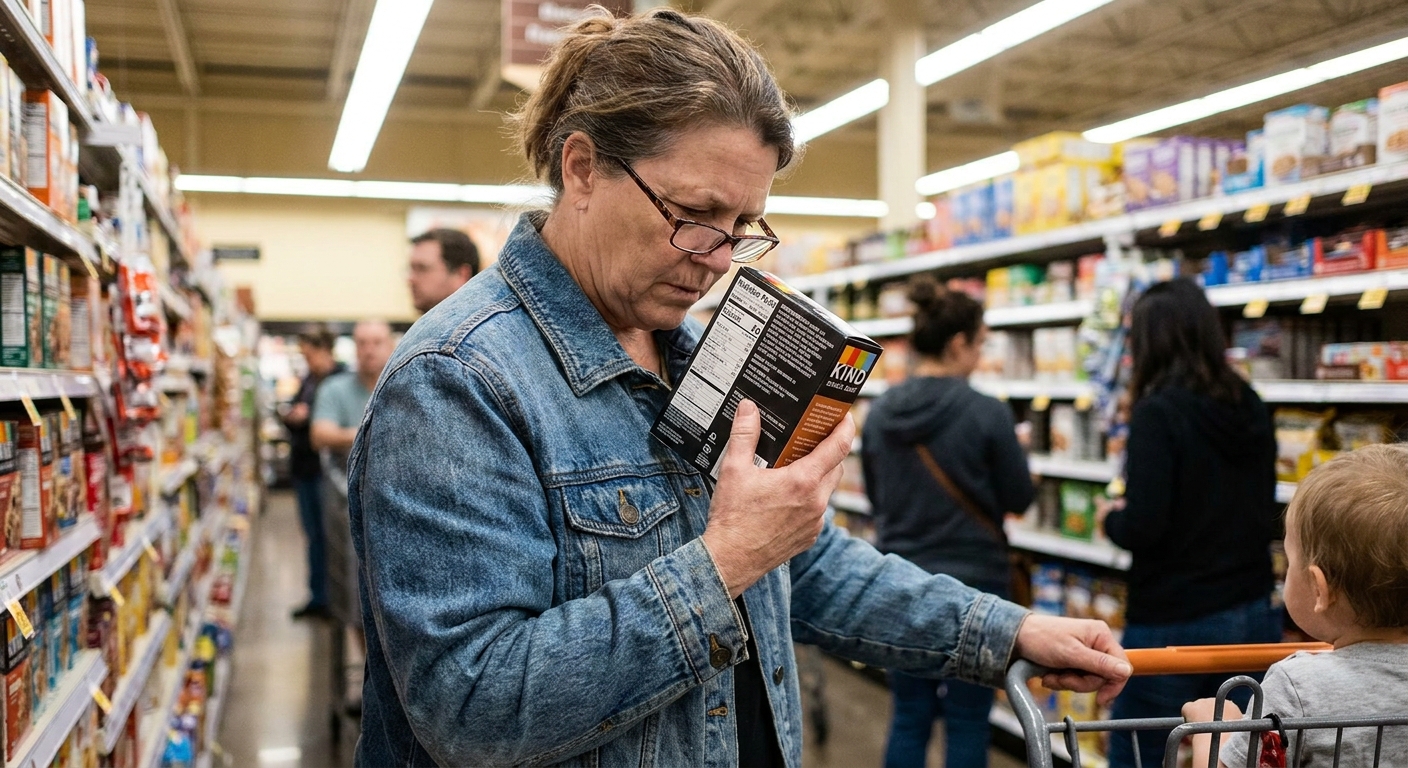
Label-reading that works
Here is the label routine I teach families because it is fast enough to do with a toddler trying to lick the shopping cart handle.
Step 1: Check the “Contains” statement
Look for: Contains: Tree nuts (almond) or similar. If it is there, put it back.
Step 2: Scan the ingredient list for specific nut names
Common ones: almond, cashew, walnut, pecan, pistachio, hazelnut, macadamia, Brazil nut, pine nut. Also watch for nut butters and almond flour.
Step 3: Decide how your family handles advisory statements
Phrases like:
- “May contain tree nuts”
- “Processed in a facility that also processes tree nuts”
- “Made on shared equipment with tree nuts”
These are voluntary warnings. They do not tell you how much risk is present, but they do tell you that cross-contact is possible. Your allergist can help you decide your risk tolerance, especially if your child has had severe reactions.
Step 4: Re-check every time
Manufacturers change recipes. Do not rely on memory, even when you are tired.
Quick note on bakeries and restaurants
Packaged foods are not your only risk zone. Fresh bakery items, ice cream shops, and restaurant foods may not have full labeling, and cross-contact is common (shared mixers, shared scoops, shared dessert cases). When in doubt, ask direct questions, keep meals simple, and skip “mystery dessert” unless you have clear ingredient info.
Quick note on non-food items
Some lotions, hair products, and bath products contain nut oils (like almond oil). Many kids with food allergy do fine with skin products, but this is individual. If your toddler has eczema, very sensitive skin, or a history of contact reactions, ask your allergist what they recommend for your child and consider choosing nut-free products to keep life simpler.
Daycare snack safety
As a nurse and as a mom, I can tell you this: clear, calm communication is your superpower. Most childcare providers want to do the right thing. They just need a plan they can follow on a busy day.
What to give daycare in writing
- An Allergy Action Plan from your allergist, signed and dated
- Medication authorization forms required by your state or center
- Photo of your child and a short list of confirmed allergens
- Symptoms your child has had before (for example: hives plus vomiting)
What to send in the classroom
- Two epinephrine auto-injectors if prescribed (many plans recommend having a second dose available)
- Antihistamine if your clinician recommends it for mild symptoms, but it should never replace epinephrine for anaphylaxis
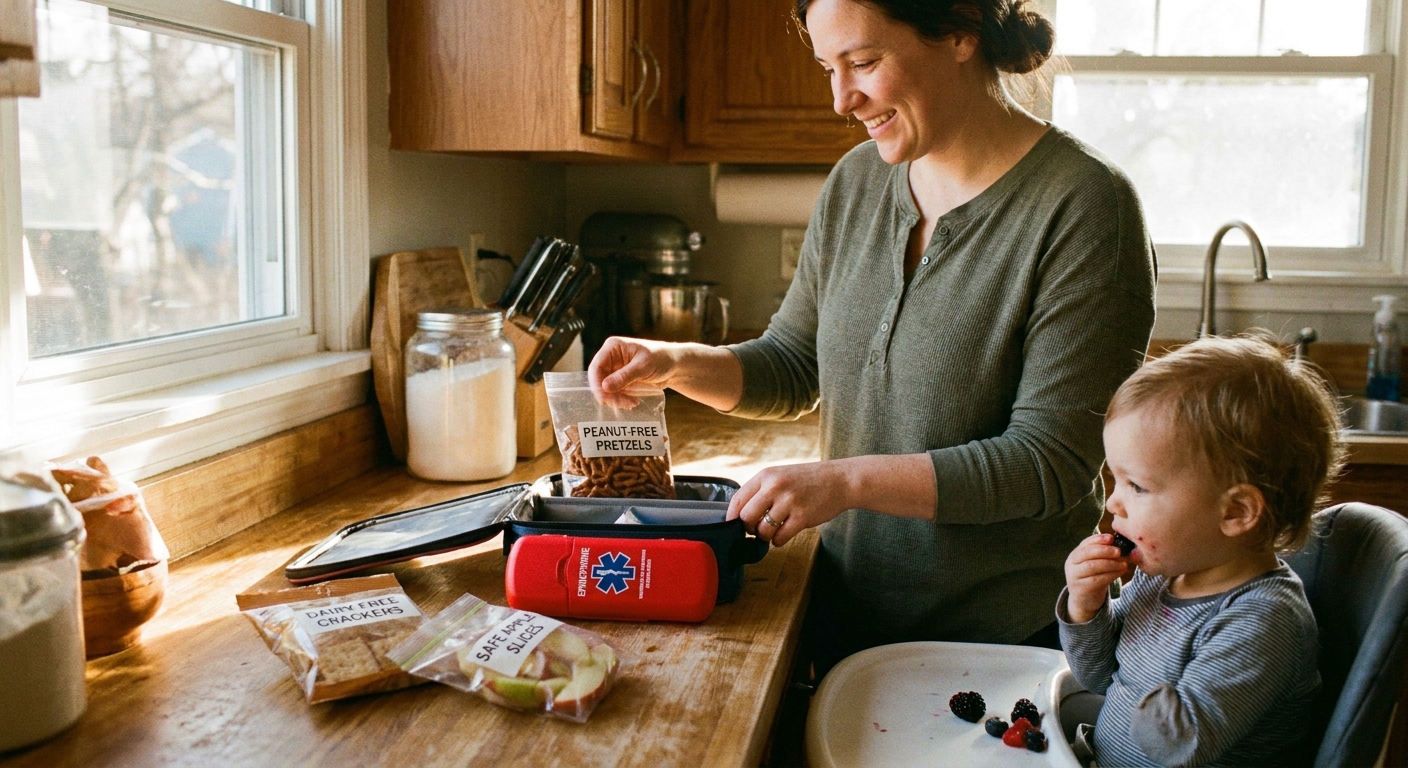
- Safe snacks in a clearly labeled bin your child can access with staff help
Questions to ask at drop-off meeting
- How are snacks and lunches stored to prevent mix-ups?
- Do staff wash hands after eating and before helping kids with food?
- How are tables cleaned after meals?
- How do you prevent food sharing?
- Who is trained to give epinephrine, and where is it stored?
- What is the plan for field trips and special events?
A script you can use
“Tree nuts are a diagnosed allergy for my child. If you ever see breathing symptoms, throat swelling, or hives with vomiting, please give the epinephrine right away and call emergency services. I would rather you treat quickly than wait.”

Birthday parties
Parties are where many families feel the most anxious, because you cannot control every ingredient on the table. Your goal is not perfection. Your goal is a plan that lets your toddler participate safely.
Strategies that work
- Eat before you go. A full toddler is less tempted by mystery cupcakes.
- Bring a safe “swap” treat. A frozen safe cupcake or cookie in a small container can save the day.
- Volunteer a safe dish. Fruit platter, applesauce pouches, yogurt (if safe for your child), cheese cubes, or soft crackers are usually easy wins.
- Choose a “food point person.” One adult watches what your toddler eats and keeps them from wandering with snacks.
- Practice a simple phrase. For older toddlers: “I only eat food from Mom or Dad.”
When someone says, “But it’s just a little”
My calm response is: “Even small amounts can cause a serious reaction for my child. We have to be strict.” You do not owe anyone a longer explanation.
Epinephrine basics
Epinephrine is the first-line treatment for anaphylaxis. It works best when given early. If your child has been prescribed an auto-injector, ask your allergist or pharmacist to show you how to use it, then practice with a trainer device until it feels boring.
Key points to remember
- Use it for severe symptoms (breathing trouble, throat swelling, signs of poor circulation like limpness or very pale/blue color, or multiple systems involved).
- Inject into the outer thigh as directed for your device. It can be given through clothing.
- Call emergency services after use. Your child still needs medical evaluation and monitoring.
- A second dose may be needed if symptoms do not improve or return, per your action plan and clinician guidance.
While you wait for help
- Stay with your child and follow your action plan.
- If your child is dizzy, faint, or very weak, have them lie flat if possible. If they are vomiting or struggling to breathe, position them on their side or in a way that helps breathing.
- Do not have them stand or walk around.
Storage reminders
- Keep it with your child, not in a car glove box where temperatures swing.
- Check expiration dates and request refills early.
- Have backups for daycare, diaper bag, and travel if possible.
The goal is not to live in fear. The goal is to be prepared enough that you can go back to living your life.
Tree nut vs peanut guidance
This is a common point of confusion, especially if you have read our general allergen introduction content.
Peanut early introduction is prevention-focused for some babies
Current guidance in many countries supports introducing peanut-containing foods in infancy for many babies, especially those at higher risk (like severe eczema or egg allergy), often with clinician input. That advice is about reducing the risk of developing peanut allergy in the first place.
Tree nut allergy management is different
If your toddler has already reacted to a tree nut, or testing suggests a true allergy, the plan typically shifts from “introduce” to strict avoidance of the problem nut(s), plus an action plan and emergency medication if prescribed.
Also, being allergic to one tree nut does not automatically mean your child is allergic to all tree nuts, but some nuts are more closely related (for example, cashew and pistachio, walnut and pecan). This is exactly where your allergist’s guidance matters.
Tree nut allergy vs CMPA
CMPA is a different category of problem than tree nut allergy.
CMPA can be delayed in infants
Many babies with CMPA have delayed symptoms like reflux, blood in stool, or eczema flares, and management often involves changing formula or eliminating dairy from a breastfeeding parent’s diet, under medical guidance.
CMPA can be IgE too
Some children have IgE-mediated milk allergy, which can cause faster, more classic allergy symptoms. This is one reason it is important to get the right diagnosis and a plan that matches your child’s pattern.
Tree nut allergy is often IgE-mediated
Tree nut reactions often happen quickly and can include hives, swelling, vomiting, and breathing symptoms. Epinephrine may be prescribed.
If you are dealing with both (yes, it happens), it is worth sitting down with your pediatrician or allergist to make one simple, unified food plan that everyone can follow.
When to see an allergist
If your toddler has had any suspected reaction to a tree nut, talk with your pediatrician and ask about referral to an allergist. Avoid the suspected nut until you have a plan.
Common next steps
- Detailed history: what was eaten, how much, timing, and symptoms
- Skin prick testing and/or blood testing to support the diagnosis
- Oral food challenge in a medical setting when appropriate to clarify uncertainty
Testing helps, but it is not perfect. Some children test positive but tolerate the food, and some test negative but have a convincing reaction history. That is why the history and your allergist’s interpretation matter so much.
Quick checklist
- Know your child’s trigger nut(s) and keep a written action plan.
- Read every label every time, including baked goods and “plant-based” items.
- Decide with your allergist how you handle “may contain” statements.
- Send two epinephrine auto-injectors to daycare if prescribed and confirm staff training.
- Bring a safe treat to parties and assign one adult to supervise food.
- When in doubt with severe symptoms, use epinephrine and call emergency services.
Common 3 AM questions
Can my toddler react from touching tree nuts?
Some kids get local hives or irritation from skin contact, especially if they touch their eyes or mouth afterward. Severe reactions are more commonly from eating, but daycare hand-washing and clean surfaces still matter a lot.
Do we need to avoid all nuts?
Some allergists recommend avoiding all tree nuts at first due to cross-contact and confusion risk in young kids. Others recommend evaluating individual nuts. Follow your allergist’s guidance for your specific child.
Should I ban nuts for the whole classroom?
Policies vary, and bans do not eliminate risk because cross-contact still happens. What helps most is a strong action plan, trained staff, hand-washing, surface cleaning, and no food sharing.
One last nurse-mom note: You are allowed to be worried and still be capable. With the right systems, tree nut allergy becomes a manageable part of your routine, not the headline of your family’s life.
Sarah Mitchell
Sarah Mitchell is a Registered Pediatric Nurse and a mother of three who has spent over a decade helping families navigate the beautiful, chaotic early years of childhood. She combines evidence-based medical knowledge with real-world parenting experience to offer practical, compassionate advice. At Awesome Parent, Sarah's mission is to help exhausted parents find solutions, trust their instincts, and finally get some sleep.