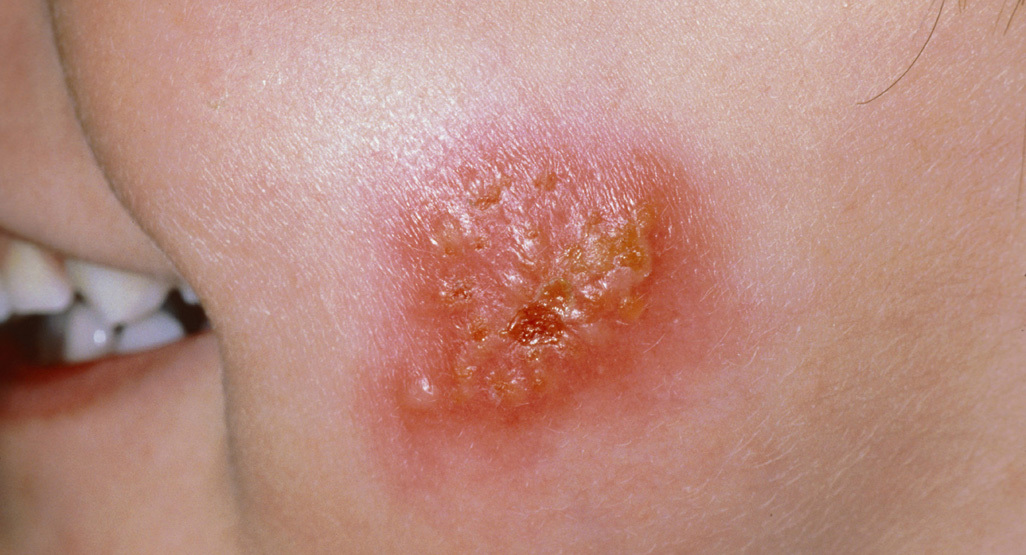
How to tell MRSA boils and spreading cellulitis from pimples or impetigo, plus safe home care, what incision and drainage is like, and when to head to urgent...
When Can a Child With MRSA Return to Sports or Daycare?

Sarah Mitchell
Sarah Mitchell is a Registered Pediatric Nurse and a mother of three who has spent over a decade helping families navigate the beautiful, chaotic early years of childhood. She combines evidence-based medical knowledge with real-world parenting experience to offer practical, compassionate advice. At Awesome Parent, Sarah's mission is to help exhausted parents find solutions, trust their instincts, and finally get some sleep.
When a kid has a recognized MRSA skin infection, parents usually have two competing urges: get them back to normal life as soon as possible, and keep everyone else safe. As a pediatric nurse and a mom, I get it. Coaches, daycare directors, and even well-meaning relatives will sometimes give advice that’s either way too strict or not strict enough.
The good news is that most children can return to daycare, school, and many sports once a few very specific boxes are checked. The goal is simple: no leaking drainage, no exposed wound, and no signs the infection is getting worse.

What makes MRSA contagious day to day?
With MRSA skin infections, the most contagious material is the drainage from the wound. MRSA spreads mainly through:
- Direct skin-to-skin contact with an infected area or drainage
- Shared items that touch skin, like towels, sports gear, razors, uniforms, or bedding
- Hands that touched the wound or bandage and then touched someone else or a shared surface
So return decisions are usually based on whether drainage can be fully contained and whether your child can reliably keep the area covered and leave it alone.
When can a child return to daycare or school?
In most cases, a child with a recognized MRSA skin infection can return to daycare or school when all of the following are true:
- The wound can be completely covered with a clean, dry bandage that stays on
- Any drainage is contained under the bandage, meaning no leakage through clothing or onto surfaces
- Your child feels well enough to participate in normal activities
- No new fever and no signs the infection is spreading (more on those below)
Many clinicians also consider whether the child is developmentally able to keep hands off the bandage. A toddler who constantly peels dressings off is a very different situation than a school-age kid who can follow rules.
One more real-world note: local daycare and school policies vary, and some are stricter than the medical minimum. That does not automatically mean they are wrong. It just means you may need to match both safety and policy.

What if the daycare says “no MRSA allowed”?
Some programs have strict policies because they are trying to prevent outbreaks. If the wound is coverable and contained and your child is otherwise well, it’s reasonable to ask the program what specific criteria they require. If needed, your child’s clinician can provide a return note that focuses on drainage control and covering rather than the scary-sounding label.
When can a child return to sports?
Sports return-to-play decisions tend to be stricter than daycare because sweat, shared equipment, and close contact create a perfect storm for spread.
Lower-contact sports (often sooner)
For activities like running, track, skills practice with distance, or non-contact drills, kids can often return when:
- The wound is securely covered with a clean, dry dressing
- There is no leakage onto clothing or gear
- The child can keep the covering on for the entire session
- They can do the activity without pain that causes them to limp, guard, or compensate
For swimming, see the FAQ below. It can be a special case.
Close-contact sports (often later)
For wrestling, rugby, martial arts, football line play, and other sports where there is frequent skin contact or where bandages are likely to be rubbed off, clinicians usually recommend waiting until:
- The lesion is dry or can be fully contained without leaking
- The area can be covered and stay covered despite friction and sweating
- Any pain and swelling are improving, and the child can participate safely
In real life, “can be covered” means more than sticking on a Band-Aid. It means the dressing stays in place through warm-ups, sweat, and contact, and it does not leak.

What about the “48 hours on antibiotics” rule?
You may hear that kids can return after 24 to 48 hours of antibiotics. Some schools and teams do have policies like that. Clinically, with MRSA skin infections, the bigger issue is still drainage control and a wound that can stay covered.
Antibiotics can help, but a draining wound that cannot be contained is still a spread risk even if doses have started. On the flip side, even with perfect covering, a league may require 24 to 48 hours of effective antibiotics, so it is worth checking the policy.
After an abscess is drained
A lot of kids with MRSA have an abscess that needs incision and drainage. If your child had a procedure or has packing in place, return timing can change. Many clinicians will say no sports until the wound is clearly improving and drainage is easily contained for the entire practice, not just the drive there.
How to cover a wound so it stays covered
This is the make-or-break piece for daycare and sports clearance.
A practical stay-on approach
- Use a non-stick pad as the first layer if the wound is tender, then secure it with medical tape or a wrap.
- Choose a bigger dressing than you think you need. More surface area often sticks better and protects clothing.
- Add a clothing barrier when possible, like a long-sleeve shirt or leggings, especially for younger kids who pick at bandages.
- Send backup supplies to school or daycare if they will change dressings.
If drainage is soaking through, that is usually a sign your child is not ready for group settings or contact sports yet, or that the wound needs reassessment.
When your child should stay out (or go back in)
Once MRSA is recognized, what we watch for is not “Is it MRSA?” It’s “Is this infection spreading or becoming more serious?” These are the changes that usually mean your child should stay home from daycare or sports and be checked:
- New fever or fever returning after it had resolved
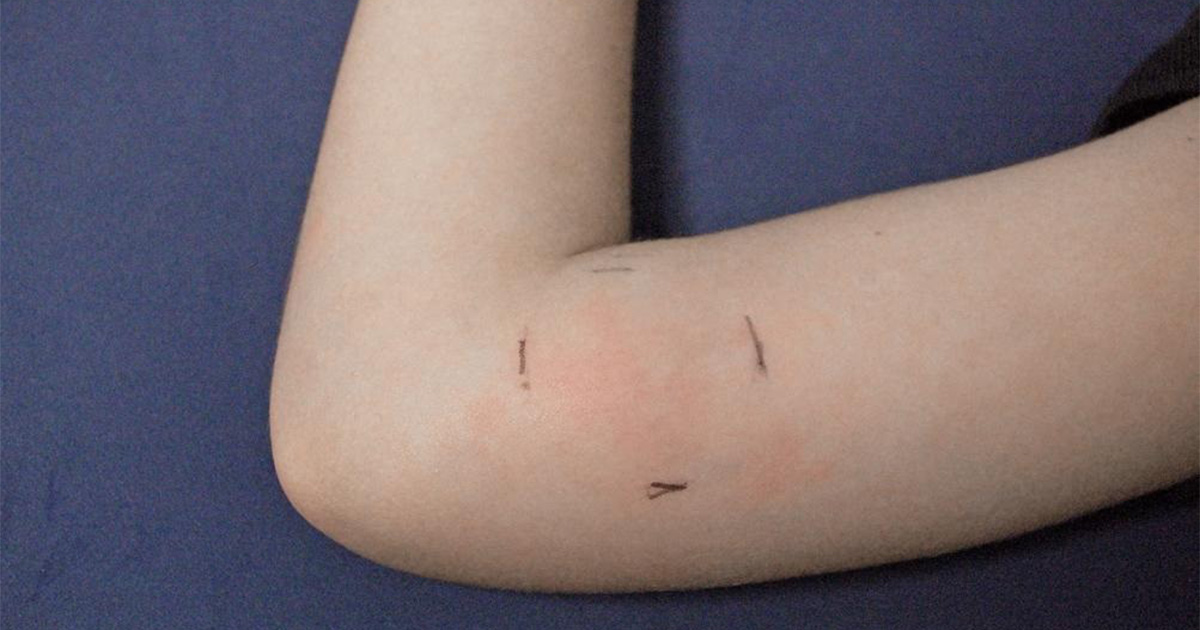
- Redness that is spreading outward beyond the original area
- Warmth, swelling, or pain that is worsening instead of improving
- Red streaking moving away from the wound
- New drainage increase or drainage that soaks through the bandage
- Your child looks sicker, is unusually sleepy, or cannot keep fluids down
If your child has fast-spreading redness, significant lethargy, severe pain, or you are worried they look very ill, seek urgent evaluation. Trust your gut here.
How clinicians think about clearance
In clinic, return decisions are usually based on a few practical questions:
- Is there active drainage? If yes, can it be fully contained?
- Can the wound be covered securely? Not just for five minutes, but for the full school day or full practice.
- Is the infection improving on the current plan? Decreasing redness, less tenderness, less drainage.
- What is the setting? Diapering rooms and wrestling mats are different risk categories.
- Can the child follow hygiene rules? Handwashing, leaving the bandage alone, not sharing towels.
If you need a simple sentence to remember, it’s this: covered, contained, and clearly getting better.
Reducing spread when your child returns
Once your child is back in group settings, these steps make a real difference:
- Hand hygiene before and after dressing changes, and when arriving home from daycare or practice.
- Do not share personal items like towels, washcloths, uniforms, helmets, pads, or water bottles.
- Shower after sports as soon as possible, then put on clean clothes.
- Wash uniforms and towels with detergent and dry thoroughly.
- Keep nails short to reduce skin damage from scratching and to make handwashing more effective.
Protecting the household
If one kid has MRSA, the household worry level shoots up fast. The basics are not fancy, but they matter:
- Assign separate towels and washcloths and wash them regularly.
- Keep the wound covered at home, too, especially during rough play and cuddles.
- Clean high-touch surfaces regularly, like bathroom sinks, faucet handles, and doorknobs.
- Launder bedding and clothes normally with detergent and dry thoroughly, especially if they are soiled with drainage.
- Caregivers wash hands after helping with any bandage or ointment.
Decolonization questions
Parents ask about decolonization a lot, especially after a second infection. Sometimes clinicians prescribe things like nasal mupirocin and antiseptic washes for a set period.
My nurse-mom advice: do not start decolonization on your own. It is not right for every child or every situation, and using these products incorrectly can irritate skin or contribute to resistance. If your child is getting recurrent infections, ask your pediatrician whether a decolonization plan makes sense for your child, and whether household members should be included.
FAQ
Does my child need a negative culture before returning?
Usually, no. Most return decisions are based on symptoms and whether drainage can be fully covered and contained, not on repeat cultures.
Can my child go to daycare if the wound is small?
Size matters less than drainage. A small wound that is dry and securely covered is often okay. A small wound that is actively leaking is not.
What if the bandage comes off at school?
If your child cannot reliably keep the wound covered, they are more likely to be kept out until the area is dry or until you can find a dressing setup that truly stays on. Send spare supplies and talk with staff about who will handle it, since dressing changes require good hand hygiene.
Can my child swim?
If there is an open or draining wound, swimming is often discouraged. The main issue is that it is hard to keep a watertight, stay-on dressing during swimming, and any exposed drainage is a risk for others and for your child’s healing.
If the area is fully healed, or your clinician says it can be securely sealed and kept covered the entire time, swimming may be reasonable. Also, many pools and swim programs have their own rules about open wounds, even small ones.
A final word from a tired-mom nurse
MRSA sounds scary, and it can be. But once it’s recognized and treated, most kids do not need to be isolated at home for weeks. They need a wound that’s not leaking, well-covered, and a body that’s not throwing new red flags like fever or spreading redness. If you’re stuck in the gray zone, your pediatrician can help you decide what’s safe for your child and fair to everyone else.
Sarah Mitchell
Sarah Mitchell is a Registered Pediatric Nurse and a mother of three who has spent over a decade helping families navigate the beautiful, chaotic early years of childhood. She combines evidence-based medical knowledge with real-world parenting experience to offer practical, compassionate advice. At Awesome Parent, Sarah's mission is to help exhausted parents find solutions, trust their instincts, and finally get some sleep.