A calm, parent-friendly guide to newborn jaundice: what causes it, how to check for yellowing, what’s normal vs concerning, and when to seek urgent care.
ABO Blood-Type Jaundice in Newborns

Sarah Mitchell
Sarah Mitchell is a Registered Pediatric Nurse and a mother of three who has spent over a decade helping families navigate the beautiful, chaotic early years of childhood. She combines evidence-based medical knowledge with real-world parenting experience to offer practical, compassionate advice. At Awesome Parent, Sarah's mission is to help exhausted parents find solutions, trust their instincts, and finally get some sleep.
There is a certain kind of newborn yellowing that can make even the chillest parents sit bolt upright at 2 AM. In clinic, I used to hear the same worried sentence on repeat: “They told me it might be a blood type thing. Is my baby going to be okay?”
Most of the time, the answer is yes. But ABO blood-type jaundice is worth understanding because it can behave differently than the more common “normal newborn jaundice.” The big difference is speed: bilirubin can rise faster, so clinicians keep a closer eye on it.

What is ABO blood-type jaundice?
ABO blood-type jaundice is jaundice caused by an ABO incompatibility between the birthing parent and the baby. The most classic setup is:
- Birthing parent is type O
- Baby is type A or type B (sometimes AB)
In this mismatch, the birthing parent may have IgG anti-A and anti-B antibodies (type O parents are more likely to have these IgG antibodies). IgG antibodies can cross the placenta during pregnancy and attach to the baby’s red blood cells. When those red blood cells break down, the baby produces more bilirubin than usual. That extra bilirubin is what leads to jaundice.
This can be a mild form of hemolytic disease of the newborn, which is a medical way of saying, “red blood cells are breaking down faster than expected.”
How is this different from typical jaundice?
Many newborns develop physiologic jaundice, a normal transitional jaundice that peaks around days 3 to 5 of life as a baby’s liver ramps up its bilirubin-processing skills.
With ABO blood-type jaundice, clinicians watch for a few specific patterns:
- Earlier jaundice (sometimes noticeable in the first 24 hours)
- Faster bilirubin rise than expected
- Higher peak bilirubin levels in some babies
- More need for monitoring, and sometimes treatment
Not every ABO mismatch causes a problem. Plenty of type O birthing parents have type A or B babies who never need anything beyond routine checks. The reason clinicians stay alert is that when it does cause hemolysis, it can move quickly.
Why clinicians mention a Coombs test
If your care team mentions a “Coombs” test, they are usually referring to the direct antiglobulin test (DAT), sometimes called the direct Coombs.
In plain English, this test looks for evidence that antibodies are stuck to the baby’s red blood cells. A positive DAT supports the idea that jaundice is being driven by immune-related red blood cell breakdown, such as ABO incompatibility.
Important nuance that parents rarely hear
- A positive DAT can mean a baby is at higher risk for significant jaundice and may need closer follow-up.
- A negative DAT does not automatically rule out ABO-related jaundice. Babies can still have increased breakdown and rising bilirubin even with a negative test.
That is why your clinician cares about the whole picture: timing, bilirubin trend, baby’s gestational age, feeding, weight loss, diaper counts, and exam findings.
How it is monitored
Monitoring usually includes:
- Bilirubin measurements, either a skin reading (transcutaneous) or a blood test (total serum bilirubin)
- Repeat checks to see how quickly the number is rising (sometimes this means a recheck tomorrow, or even later the same day)
- Assessment of risk factors like prematurity, bruising, a prior sibling who needed phototherapy, or poor feeding
- Possibly a blood count (to look for anemia) if hemolysis is suspected or the jaundice is significant
You might hear the team talk about the “rate of rise.” That is because a fast climb can matter as much as the absolute number, especially early on.
One practical detail: transcutaneous checks are great for screening, but when a level is high or close to a treatment line, clinicians typically confirm with a total serum bilirubin before making treatment decisions.
Also, early discharge changes the timeline. If your baby goes home quickly and there is concern for ABO jaundice, outpatient follow-up within the next 24 to 48 hours is often a key part of the plan.
What you can do at home
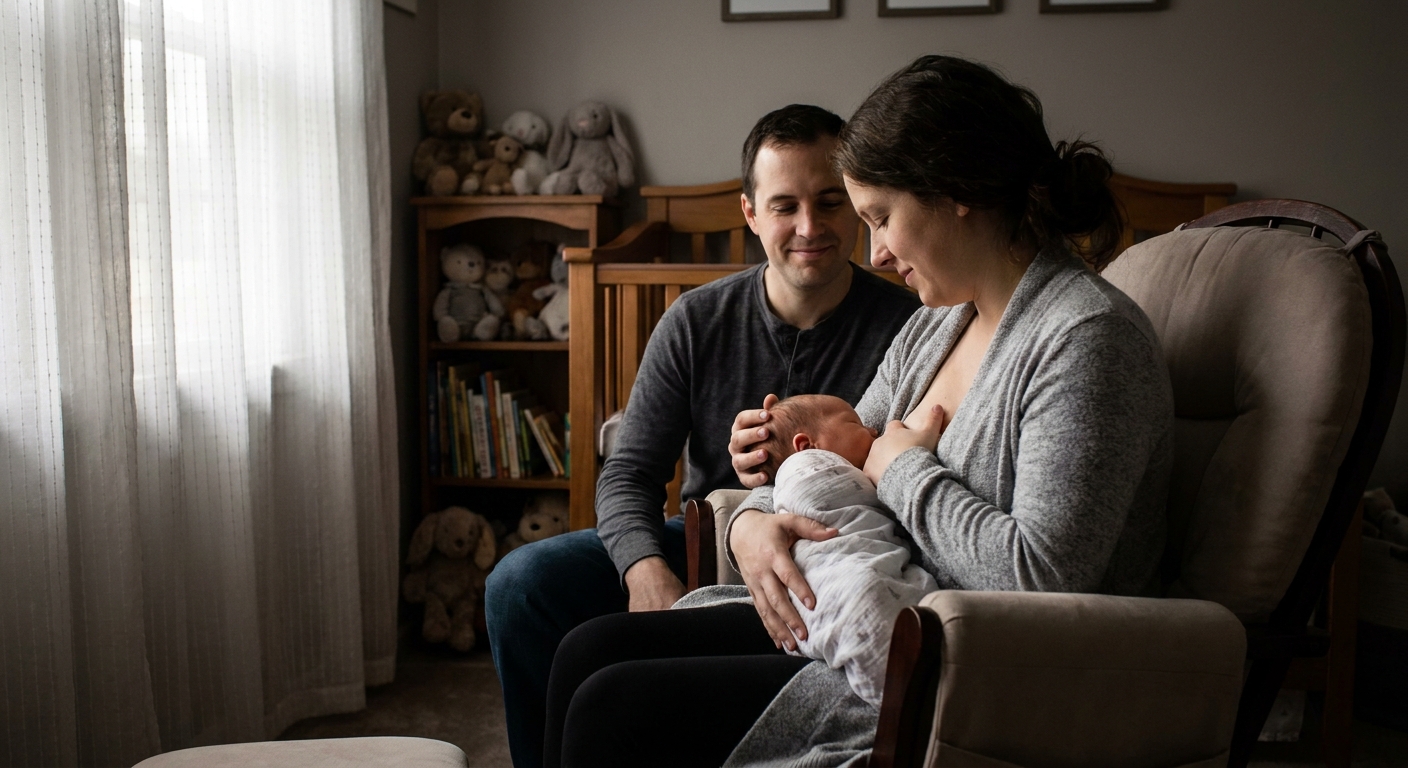
When bilirubin is rising, the most helpful thing most families can do at home is also the least glamorous: support effective feeding. Bilirubin is processed by the liver and leaves the body mainly through poop. Good intake increases stooling and helps reduce reabsorption of bilirubin back into the bloodstream.
If you are breastfeeding
- Feed early and often: aim for 8 to 12 feeds per 24 hours in the early days.
- Watch the baby, not the clock: active sucking and swallowing matter more than how long your baby is latched.
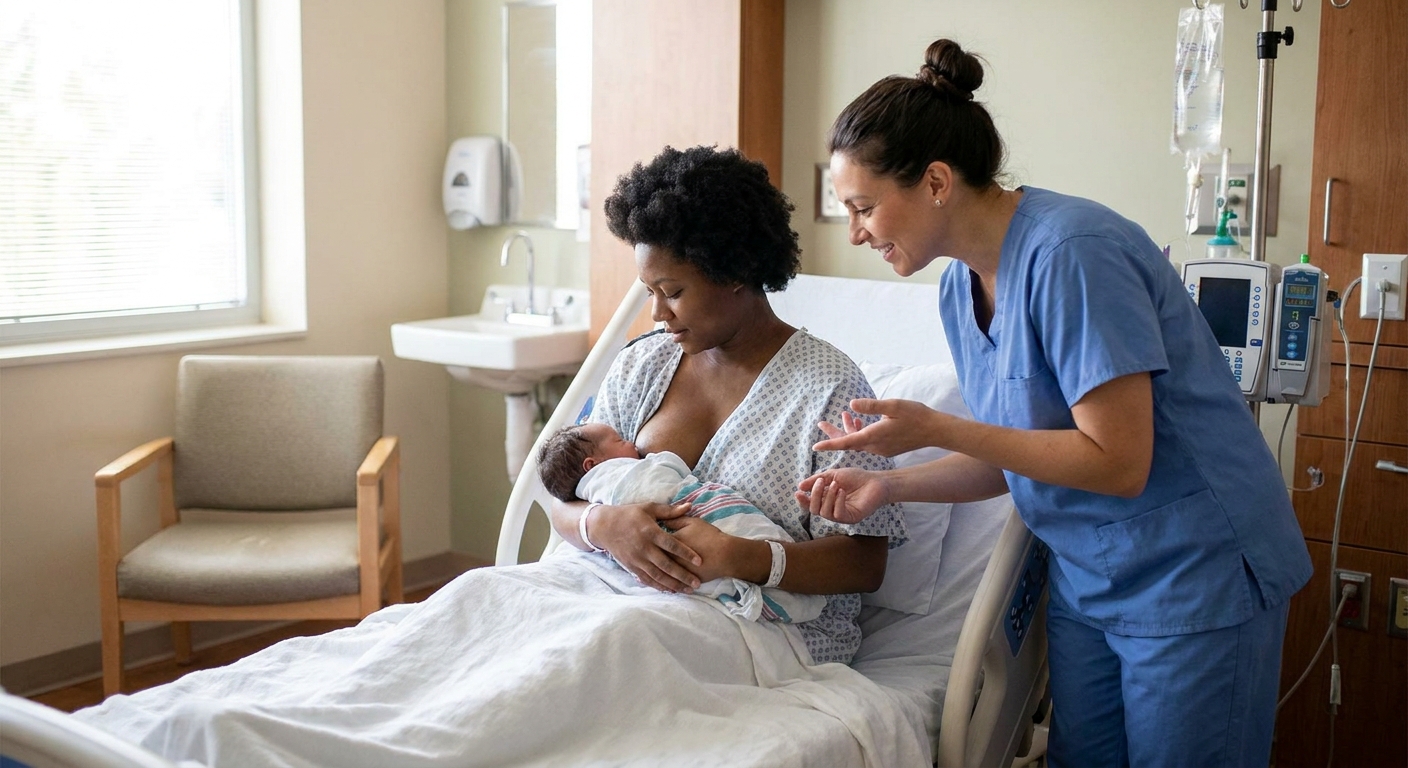
- Ask for a latch check: pain, clicking, or sleepy feeds can be clues that milk transfer is not ideal yet.
- Consider hand expression or pumping if your baby is very sleepy or not feeding effectively, and discuss how to use that milk with your nurse, pediatrician, or lactation consultant.
If you are formula feeding or combo feeding
- Offer feeds on a consistent schedule in the first days if baby is sleepy, usually every 2 to 3 hours, or as directed by your clinician.
- Ask about volume goals for your specific baby, since needs vary by age in hours, weight, and medical factors.
- Track diapers: increasing wet diapers and regular stools are reassuring signs that intake is improving.
If you are hearing mixed messages about supplementation, you are not alone. In triage, I often reminded parents that this is not a morality contest. The goal is a well-fed baby and a safe bilirubin trend, and there are many ways to get there.
When to seek urgent care
Call your baby’s clinician urgently or seek same-day care if you notice:
- Jaundice in the first 24 hours (yellowing that early always deserves a call)
- Yellowing that is spreading from face to chest, belly, arms, or legs, or looks deeper or more intense
- Very sleepy baby who is hard to wake for feeds, or repeatedly falls asleep immediately at the breast or bottle
- Poor feeding (weak suck, refusing feeds, or markedly fewer feeds)
- Fewer wet diapers than expected for age, or very scant stooling
- High-pitched cry, unusual limpness, or arching
- Any time you feel something is off
Trust that gut feeling. Parents are often right, even when they cannot explain why.
Severe bilirubin levels are uncommon, but the reason teams take a fast rise seriously is to prevent rare but serious complications such as acute bilirubin encephalopathy and kernicterus.
What about sunlight?
This comes up a lot. While bright light can affect bilirubin in a lab setting, home sunlight is not a reliable or safe treatment plan for significant jaundice. Newborn skin burns easily, and indirect window light is inconsistent.
If jaundice might be ABO-related, you want medical monitoring and a plan based on your baby’s specific risk factors, age in hours, and bilirubin trend.
Phototherapy
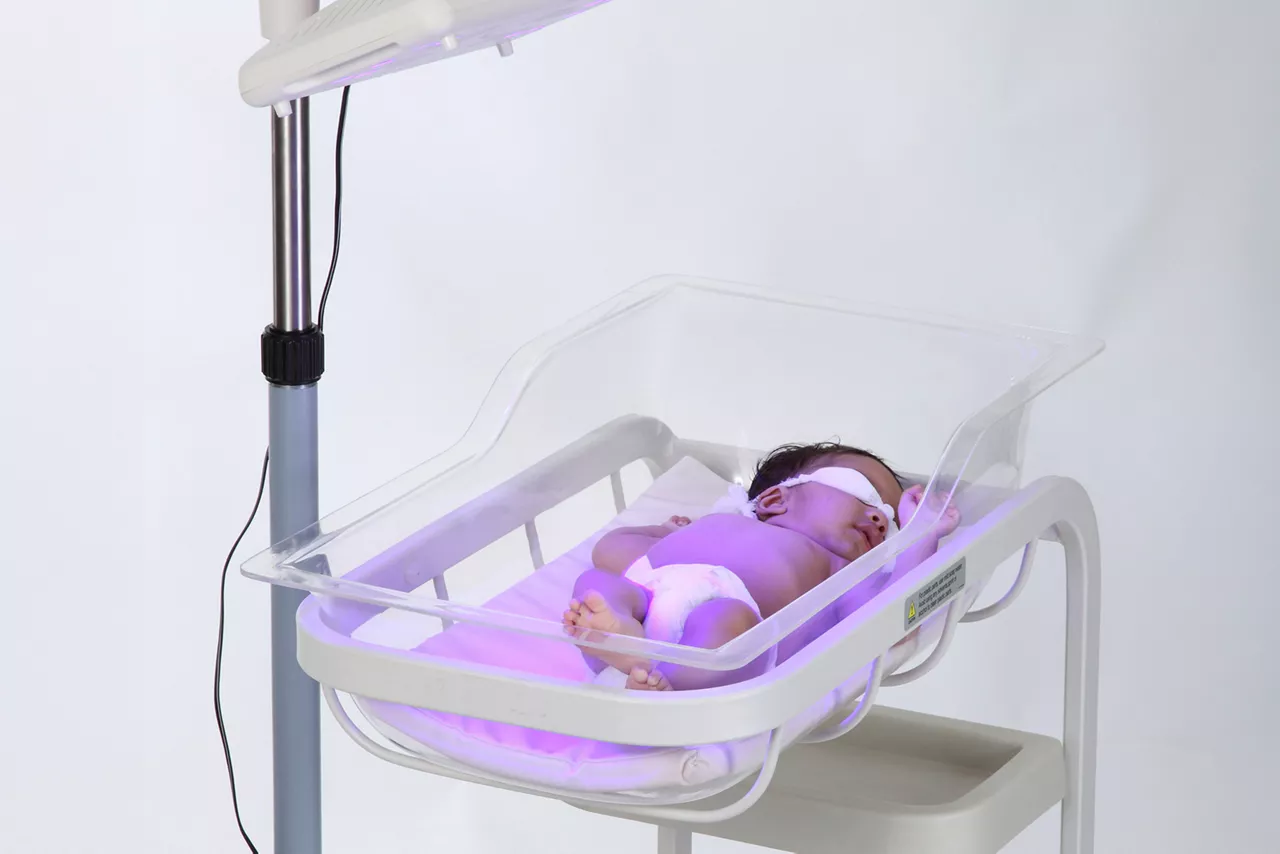
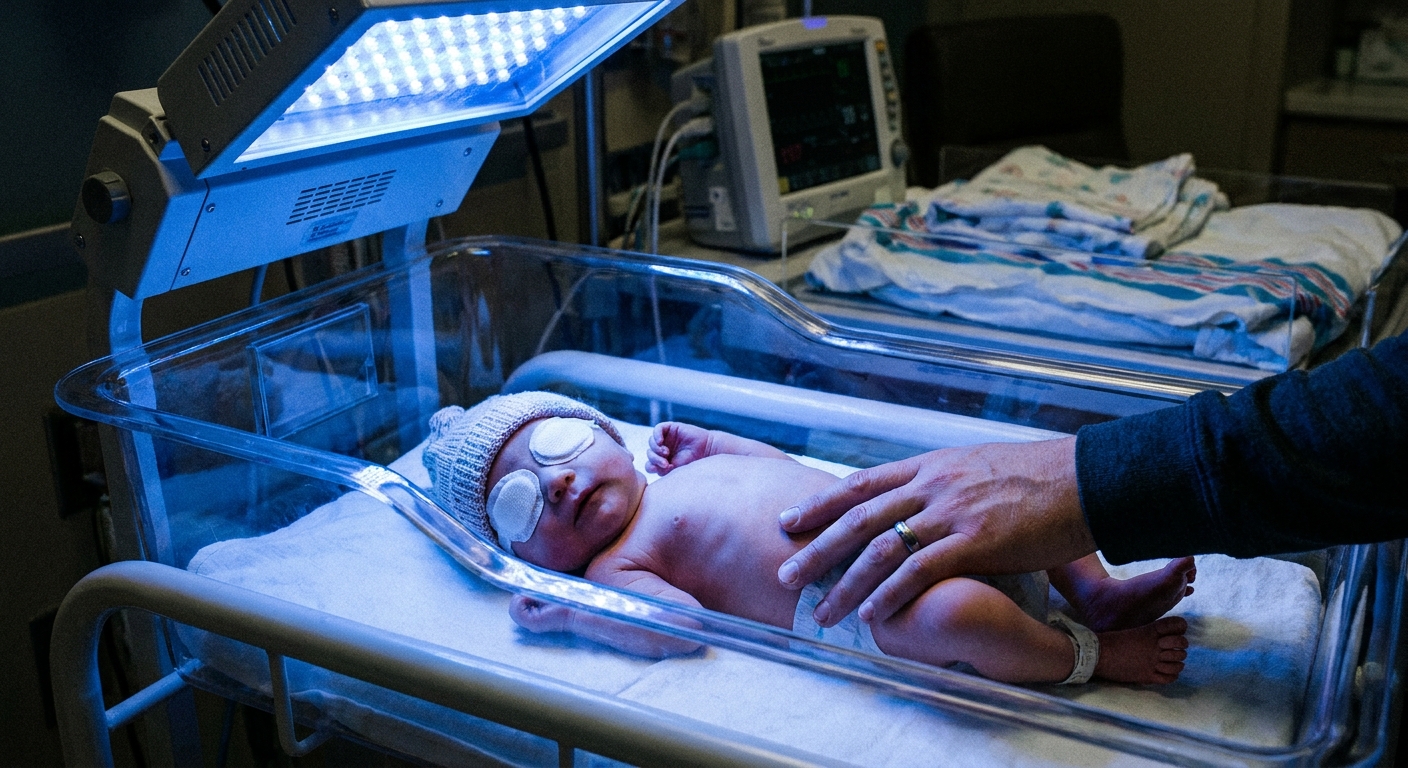
Phototherapy is the blue light treatment that helps change bilirubin into a form the body can get rid of more easily. Whether a baby needs phototherapy is a clinician-guided decision using established pediatric guidelines and your baby’s individual situation.
Because ABO blood-type jaundice can rise quickly, clinicians may recommend:
- Earlier bilirubin checks
- Repeat bilirubin tests sooner
- Phototherapy if bilirubin reaches treatment range or is rising rapidly
Phototherapy is often done in the hospital, but in some situations a team may arrange home phototherapy with close supervision and follow-up. Either way, it is not a DIY project.
If phototherapy is recommended, it does not mean you did anything wrong. It means the team is taking bilirubin seriously and treating it promptly to reduce risk.
Will it happen again?
Possibly. ABO mismatch can recur if a type O birthing parent has future babies who are type A or B. But the severity can vary a lot from one baby to the next.
What I tell parents is this: if you had a baby who needed close monitoring or phototherapy, mention it early in the next pregnancy and again at delivery. It helps your newborn team plan for earlier checks and smoother follow-up.
Common questions
Does ABO incompatibility mean my baby has the wrong blood type?
No. Your baby’s blood type is just their blood type. “Incompatibility” here only means the combo can trigger antibodies that increase red blood cell breakdown.
Is ABO jaundice the same as Rh disease?
No. Rh incompatibility (like an Rh-negative birthing parent and an Rh-positive baby) is a different immune mismatch. It can be more severe if not prevented, which is why Rh-negative pregnant people are offered Rh immunoglobulin during pregnancy and after delivery when indicated.
Can I keep breastfeeding if this is ABO jaundice?
In most cases, yes. Breastfeeding is often encouraged, with extra support to make sure baby is transferring milk well and getting enough volume. Sometimes supplementation is used temporarily if intake is low or bilirubin is rising quickly. Your baby’s clinician and a lactation consultant can help you tailor a plan.
How long does ABO jaundice last?
Many babies improve over the first week as bilirubin peaks and then drops, especially once feeding is well established. ABO-related hemolysis often shows up earlier than other patterns of newborn jaundice, so clinicians pay close attention in those first days.
If your baby had significant hemolysis, your clinician may want follow-up to watch for anemia later on, but that is individualized.
The takeaway
ABO blood-type jaundice is common enough that pediatric teams think about it quickly, especially when a type O birthing parent has a type A or B baby. The reason it gets extra attention is simple: bilirubin can rise faster than typical newborn jaundice.
The most helpful things you can do are to support strong, frequent feeding, keep follow-up appointments, and call if your baby is getting sleepier, yellower, or harder to feed. And if phototherapy is recommended, know that it is a clinician-guided decision meant to keep your baby safe.
Sarah Mitchell
Sarah Mitchell is a Registered Pediatric Nurse and a mother of three who has spent over a decade helping families navigate the beautiful, chaotic early years of childhood. She combines evidence-based medical knowledge with real-world parenting experience to offer practical, compassionate advice. At Awesome Parent, Sarah's mission is to help exhausted parents find solutions, trust their instincts, and finally get some sleep.