A calm, day-by-day guide to circumcision aftercare: cleaning, diapering, normal healing, bathing, pain expectations, and exactly when to call the doctor or g...
Balanitis in Boys: When the Tip Looks Red, Swollen, or Painful

Sarah Mitchell
Sarah Mitchell is a Registered Pediatric Nurse and a mother of three who has spent over a decade helping families navigate the beautiful, chaotic early years of childhood. She combines evidence-based medical knowledge with real-world parenting experience to offer practical, compassionate advice. At Awesome Parent, Sarah's mission is to help exhausted parents find solutions, trust their instincts, and finally get some sleep.
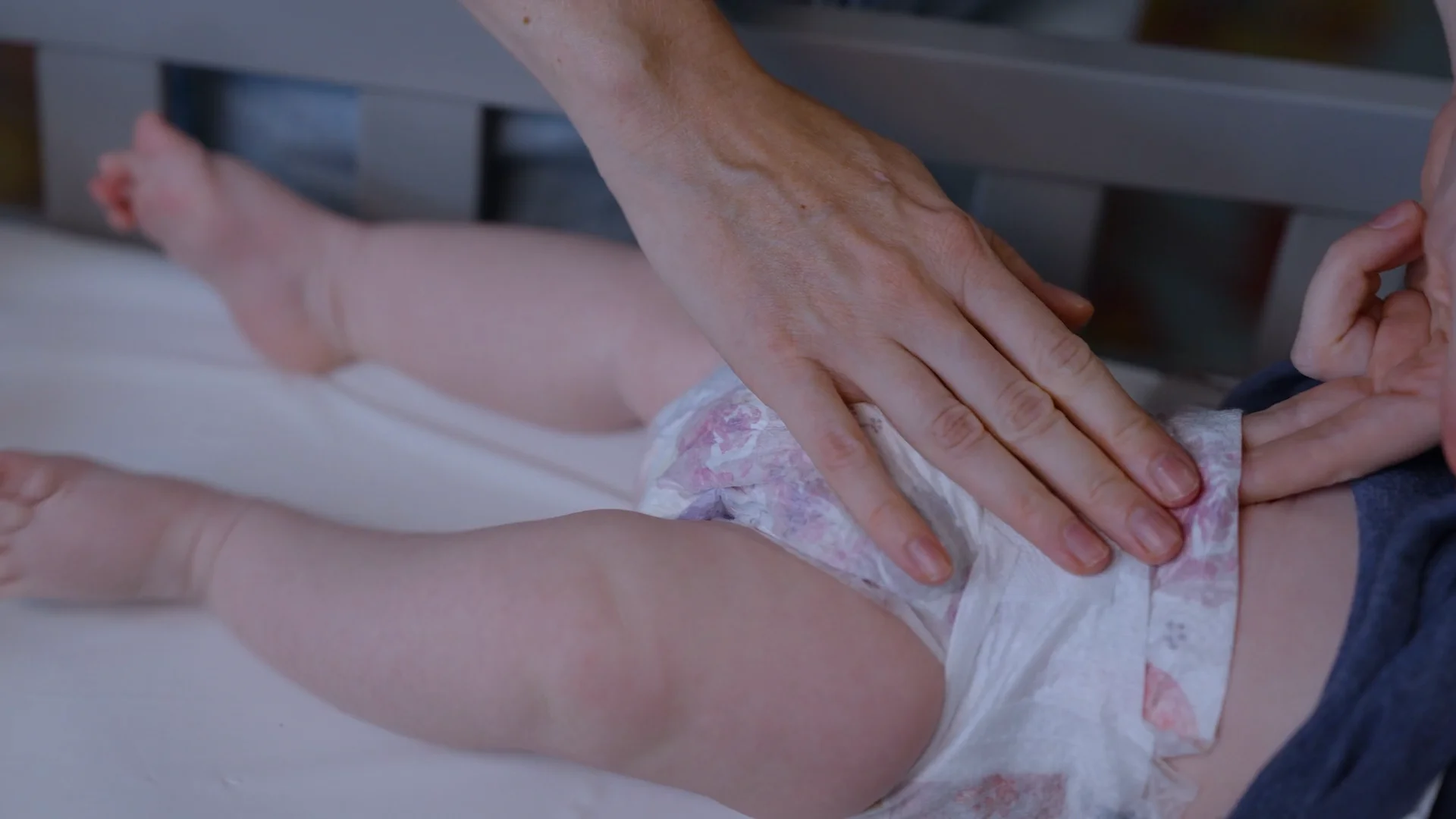
I have taken more calls than I can count from panicked parents who open a diaper, see a red and angry-looking penis tip, and immediately assume something has gone terribly wrong. Sometimes it is just normal healing or mild irritation. But sometimes it is balanitis, which is inflammation of the glans, the head of the penis, and it can be uncomfortable enough that a baby screams during diaper changes or an older boy refuses to pee.
Let’s walk through what balanitis looks like, what it is not, and exactly when you should get same-day care.
What balanitis is
Balanitis means inflammation of the glans. In real life, that inflammation is usually triggered by one of these:
- Irritation from urine, stool, soap, bubble bath, wipes, friction, or a diaper rash that creeps forward.
- Yeast (candida), especially in babies with a recent diaper rash or after antibiotics.
- Bacterial infection, which can happen when germs get trapped under the foreskin or in irritated skin folds.
- Skin conditions like eczema or psoriasis, which can show up in the diaper area too.
One quick way I explain it on the phone is this: irritation (contact dermatitis) is the skin reacting to something that is rubbing or sitting on it, and infection is when germs overgrow and the body mounts an inflammatory response. They can also overlap, because irritated skin breaks down more easily.
Balanitis can happen in infants, toddlers, school-age boys, and teens. It can happen in circumcised and uncircumcised boys. Uncircumcised boys tend to get it more often because moisture and irritants can get trapped under the foreskin.
What it looks and feels like
Parents usually notice one or more of the following:
- Redness at the tip or around the rim of the glans
- Swelling of the glans or foreskin
- Pain or tenderness, especially with wiping, baths, or diaper changes
- Itching or frequent grabbing at the penis in older boys
- Discharge that may look white, yellow, or crusty
- Odor that is stronger than usual
- Burning with urination or reluctance to pee
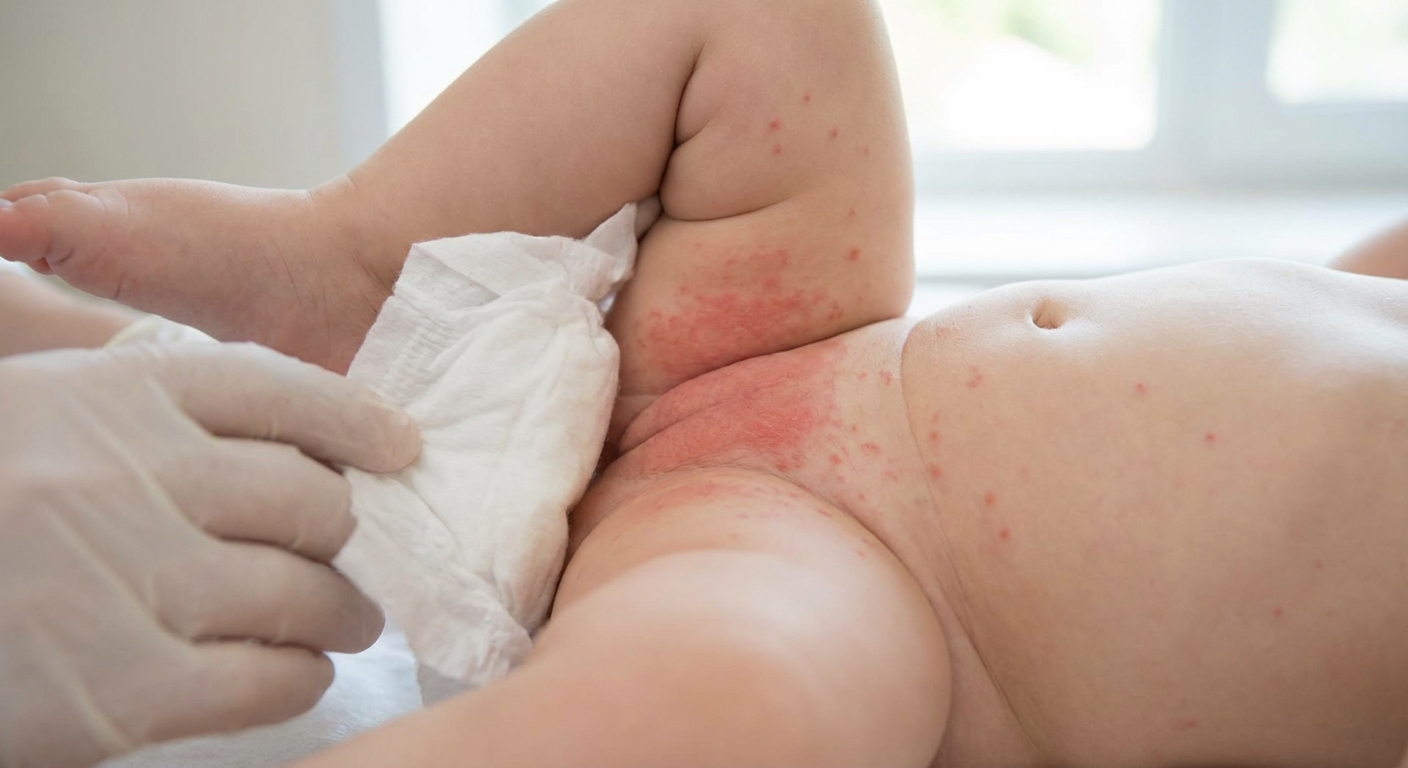
Sometimes you will also see small red spots, shiny skin, or areas that look raw. If the foreskin is involved, it may look puffy and tight.
Also keep in mind that not every red penis tip is balanitis. Redness and swelling can also come from diaper dermatitis, contact dermatitis, eczema, an insect bite, or a skin injury from friction. Rarely, blister-like sores can be caused by a viral infection and should be evaluated.
Circumcision healing vs balanitis
This is a big one because the first week after circumcision can look alarming even when everything is going perfectly.
Normal healing in week 1
- Redness and a raw, shiny look on the glans
- Mild swelling
- Yellowish film or crust on the head of the penis (this is part of healing, not pus)
- Small spots of blood on the diaper the first day
- Tenderness, especially during diaper changes
With normal healing, things should generally look a little better every day. The baby should still be able to pee normally, and the area should not develop worsening swelling, spreading redness, or foul-smelling drainage.
When it is not normal healing
Call your child’s clinician if you see:
- Redness that spreads onto the shaft, groin, or lower belly
- Swelling that is increasing rather than improving
- Thick discharge that looks like pus, especially with a bad smell
- New pain that is escalating after things had been improving
- Fever in a baby, or a sick-acting child at any age
Balanitis can occur in a circumcised baby too, just less commonly, especially if the skin is irritated or there is a yeast diaper rash. The timeline matters. If it is day 2 to 4 after circumcision and things look like they are steadily calming down, that is usually healing. If it is worsening or appears after the first week, think irritation or infection and get it checked.
Tight foreskin is not balanitis
If your son is uncircumcised, it is completely normal for the foreskin to be tight and not retractable in infancy and early childhood. Many boys cannot fully retract the foreskin until later childhood, and that is normal development.
A tight foreskin alone usually does not cause:
- bright red, inflamed glans
- discharge
- foul odor
- significant pain
- fever
What does cause balanitis in uncircumcised boys is usually irritation or germs getting trapped under the foreskin, especially if the skin is inflamed or if the foreskin has been forcibly pulled back. Please do not force retraction. It can tear delicate tissue and make infection more likely.
What it is not
These are common “this looks scary but can be normal” situations I talk parents through:
- Smegma in uncircumcised boys, which can look like small white material under the foreskin. By itself, it is often normal. It becomes more concerning when it is paired with redness, swelling, pain, or foul odor.
- Temporary redness after wiping or after a bath with soap or bubble bath. This should settle when the trigger is removed.
- Physiologic phimosis (a foreskin that does not retract yet). This is developmental, not an infection, as long as your child is peeing comfortably and there is no significant swelling, spreading redness, or discharge.
When to get same-day care
If you remember nothing else, remember this: problems with peeing plus genital swelling deserve prompt attention.
Same-day evaluation is needed if your child has:
- Fever with penile redness or swelling
- Trouble urinating, painful urination that prevents peeing, or a weak trickle
- No urine output for about 8 to 12 hours when that is unusual for your child, especially if they are drinking (go sooner for young infants or if you suspect urinary retention)
- Rapidly worsening swelling of the foreskin or penis
- Spreading redness onto the shaft, pubic area, or belly
- Severe pain or a child who is inconsolable
- Foreskin stuck pulled back behind the head of the penis with swelling (this can be an emergency because it can restrict blood flow)
- Penis color changes that look blue, purple, gray, or black
- Significant injury or trauma to the penis or groin
- Signs of dehydration because your child refuses to drink due to discomfort
For newborns and young infants
If your baby is under 3 months and has a temperature of 100.4°F (38°C) or higher, that is an urgent situation regardless of the cause. Seek care the same day, and for very young infants, follow your clinician’s guidance about going straight to urgent care or the emergency department.
What to do at home
Some mild cases are irritation-based and improve quickly with gentle care. Even if you plan to call the pediatrician, these steps are safe and often help your child feel better.
1) Clean, but keep it simple
- Use warm water to rinse the area.
- Avoid bubble baths, heavily scented soaps, and harsh wipes for now.
- Pat dry. Do not scrub.
2) Soothing baths
A short warm bath can reduce discomfort. If your child is uncircumcised, do not retract the foreskin. Let water run over the area gently.
3) Protect irritated skin
If your baby is in diapers and there is irritation, a thin layer of a bland barrier ointment can protect the skin from urine. Choose simple, fragrance-free products.
4) Pain relief
If your child seems uncomfortable, ask your pediatrician about appropriate dosing of acetaminophen or ibuprofen based on age and weight. Do not give ibuprofen to babies under 6 months unless your clinician specifically instructs you to.
5) Skip these common fixes
- No forced foreskin retraction.
- No hydrogen peroxide, alcohol, or strong antiseptics on the glans. They can worsen irritation.
- No powders (including talc or cornstarch) on broken or irritated skin.
- No leftover creams (antibiotic, antifungal, or steroid) unless your clinician advised them for this episode. Genital skin absorbs medication easily, and the wrong cream can make the problem worse.

How clinicians treat it
Treatment depends on what is driving the inflammation. Your clinician may recommend:
- Improved hygiene and avoiding irritants if it looks like simple irritation
- Topical antifungal cream if yeast is suspected, especially with a diaper rash history
- Topical or oral antibiotics if bacterial infection is suspected
- A urine test if your child has fever, burning with urination, or other signs that point toward a urinary tract infection
In recurrent or severe cases, clinicians sometimes evaluate for underlying skin conditions, diabetes in older kids with repeated yeast issues, or problems with foreskin scarring.
For sexually active teens, clinicians may also consider STIs as part of the evaluation, especially if there are sores, urethral discharge, or significant burning with urination.
Prevention
The goal is to reduce irritation and trapped moisture, not to sterilize your child.
Babies in diapers
- Change diapers frequently.
- Use fragrance-free wipes or warm water if the skin is sensitive.
- Give a little diaper-free time when you can.
Uncircumcised boys
- Wash the outside with warm water.
- Do not retract the foreskin before it loosens on its own.
- When your child is older and the foreskin retracts easily, teach him to gently retract, rinse with water, and pull the foreskin back into place.
Circumcised boys
- Rinse off soap well in the bath or shower.
- Avoid bubble bath and fragranced products if your child has had irritation before.
FAQ
Is balanitis contagious?
Most of the time, no. It is usually irritation, yeast overgrowth, or bacteria from the child’s own skin. Good handwashing is always a good idea, but you do not need to treat it like a contagious illness.
What does discharge mean here?
Discharge can be anything from a small amount of whitish material to thicker yellow drainage. In uncircumcised boys, you might see whitish material called smegma, which can be normal. What is more concerning is new drainage plus redness, swelling, pain, or foul smell.
Can balanitis cause trouble peeing?
Yes. Swelling at the tip or swelling of the foreskin can make urination painful or difficult. Trouble peeing is one of the biggest reasons I recommend same-day evaluation.
How fast should it improve?
Mild irritation can look better within 24 to 48 hours once triggers are removed. With treatment, you will often see some improvement within about 24 to 72 hours, but it is not guaranteed. If things are worsening, your child cannot pee comfortably, or there is no improvement in that window, call back or get re-evaluated.
A quick nurse-to-parent pep talk
If you are staring at redness and swelling at 3 AM, you are not overreacting by paying attention. Genital skin gets irritated easily, and it can look dramatic fast. The two questions that matter most are: Is my child peeing normally? and Does my child seem sick or have a fever? If either answer worries you, same-day care is the right call. If not, gentle care and a call to your pediatrician for guidance is a solid plan.
Sarah Mitchell
Sarah Mitchell is a Registered Pediatric Nurse and a mother of three who has spent over a decade helping families navigate the beautiful, chaotic early years of childhood. She combines evidence-based medical knowledge with real-world parenting experience to offer practical, compassionate advice. At Awesome Parent, Sarah's mission is to help exhausted parents find solutions, trust their instincts, and finally get some sleep.