A calm, parent-friendly guide to hypospadias: what it looks like at birth, why doctors often delay circumcision, what the urology visit involves, and questio...
Meatal Stenosis After Circumcision: Narrow or Spraying Urine Stream

Sarah Mitchell
Sarah Mitchell is a Registered Pediatric Nurse and a mother of three who has spent over a decade helping families navigate the beautiful, chaotic early years of childhood. She combines evidence-based medical knowledge with real-world parenting experience to offer practical, compassionate advice. At Awesome Parent, Sarah's mission is to help exhausted parents find solutions, trust their instincts, and finally get some sleep.
The first time a parent tells me, “His pee suddenly started spraying everywhere,” I can almost hear the mix of worry and exhaustion through the phone. I get it. A weird urine stream feels like one of those problems you cannot ignore, but you also do not want to overreact to.
If your son was circumcised and you are noticing a narrow, deflected, or spraying urine stream months or even years later, one possible cause is meatal stenosis, which is a narrowing of the urethral opening at the tip of the penis. It is treatable, but it deserves a real exam because it can sometimes lead to discomfort and trouble emptying the bladder.

What meatal stenosis is
The meatus is the tiny opening where urine exits the body. Meatal stenosis means that opening has become smaller than it should be.
When the opening narrows, the bladder still squeezes normally, but the urine has to pass through a tighter “pinpoint” exit. That change can make the stream:
- Narrow or unusually thin
- Forceful-looking or high-velocity
- Deflected, often upward even when your child is trying to aim down
- Spraying or splitting into two streams
- Hard to aim, leading to constant messes at the toilet
Meatal stenosis is most often discussed in boys who were circumcised because the head of the penis is more exposed afterward. In some children, chronic irritation at the opening can lead to scarring and gradual narrowing over time.
Why it can show up later
This is what surprises many families: meatal stenosis is not always an early healing issue. It can be noticed weeks, months, or years after circumcision, sometimes after everything seemed completely normal.
Reasons it may develop or be recognized later include:
- Ongoing irritation of the tip of the penis from rubbing against diapers or underwear
- Skin inflammation at the opening (sometimes after episodes of redness or a rash)
- Scar tissue gradually tightening the rim of the opening
Sometimes parents recall periods of recurring redness at the tip. Sometimes there was nothing obvious and the only clue is the changing stream.
Normal healing vs later narrowing
In the days after a circumcision, a few urinary quirks can be normal. This is a very different situation from a new stream problem that starts later.
What can be normal right after circumcision
- A brief hesitation before urinating because baby is uncomfortable
- Mild swelling around the head of the penis that temporarily changes how the stream looks
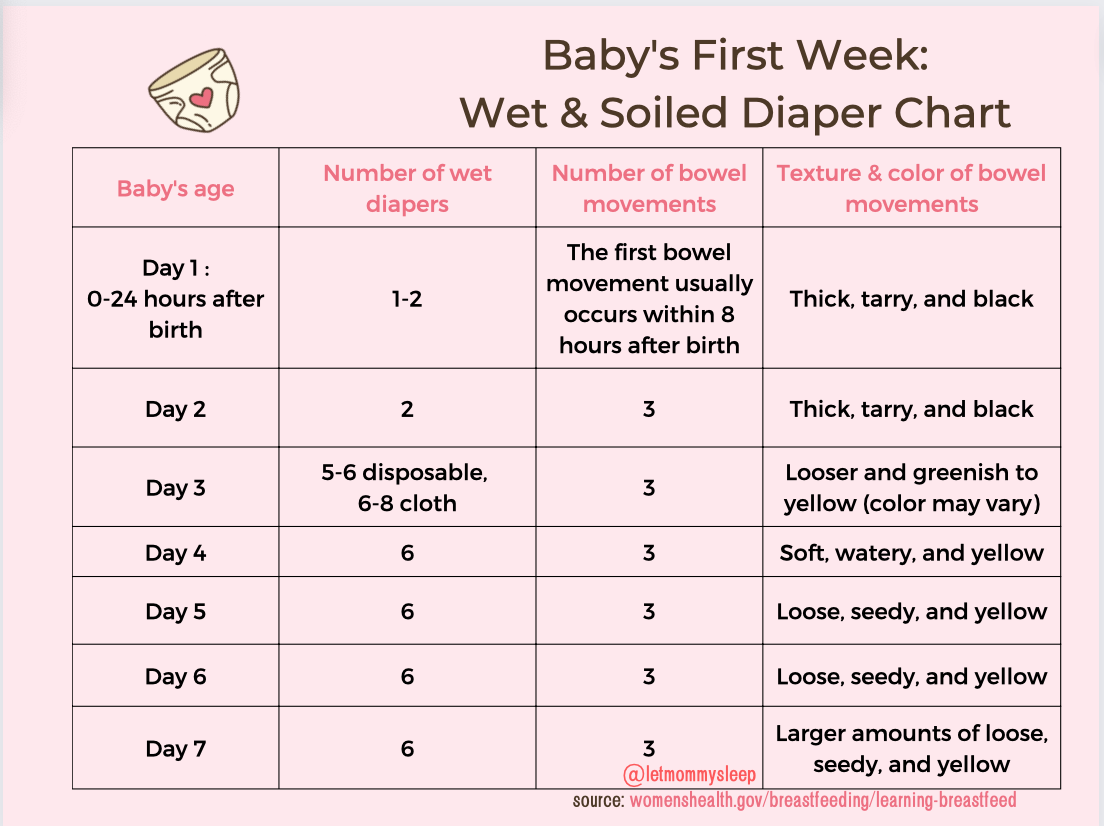
- Fewer wet diapers or smaller urine volumes in the first days if intake is low (especially while feeding is being established)
Those issues should steadily improve as healing progresses, not appear out of nowhere months later.
What feels more like meatal stenosis
- The urine stream was normal for a long time and then becomes consistently narrow, upward, or spraying
- Your child starts having trouble aiming even when trying hard
- There is straining, longer bathroom trips, or a sense they cannot fully empty
- They complain of burning or discomfort at the tip
- You notice a stop-start pattern, like they have to “push” to keep the stream going
Symptoms that should prompt an exam
If you are seeing a persistent change in the stream, it is reasonable to schedule a visit with your pediatrician. They can look at the opening and decide whether you need a pediatric urology referral.
I recommend a prompt exam (within days to a couple of weeks, sooner if your child is uncomfortable) if you notice:
- Consistent spraying or a thin stream that is new
- Upward deflection that makes aiming difficult even with help
- Pain or burning with urination
- Straining or grunting to start or keep the stream going
- Prolonged bathroom trips, like standing there for a long time to finish
- Dribbling after they seem done
- Frequent “I have to go” with small amounts coming out
- Blood at the tip or spotting in underwear
Parents often ask if they should try to “look at it” themselves. You can absolutely take a quick look during a bath or diaper change, but avoid trying to stretch anything open. This is one of those situations where a clinician’s eyes and experience matter.
Go now: urgent signs
Most cases are not emergencies, but urinary retention is an emergency in kids. Seek urgent care or emergency evaluation if your child has any of the following:
- Cannot pee at all despite clear urge, swelling, or discomfort
- Severe lower belly pain or a firm, distended lower abdomen
- Vomiting, lethargy, or looks very ill along with urinary symptoms
- Fever with urinary pain, especially if combined with back or side pain
- Significant blood in urine (not just a tiny spot)
If you are unsure whether it is “bad enough,” it is okay to call your pediatrician’s nurse line. This is exactly what triage nurses are for.
What the doctor may do
Most of the time, the evaluation is straightforward and not overly invasive.
Expect some combination of:
- History: when the stream changed, any pain, UTIs, constipation, or holding behaviors
- Physical exam: looking at the meatus and surrounding skin for narrowing, redness, or irritation
- What they are looking for: a very small “pinpoint” opening, irritation at the rim, or sometimes a thin bit of tissue that changes the shape of the opening (a small web)
- Urine test: if there is burning, fever, foul smell, new accidents, or concern for infection
- Referral to pediatric urology if the opening appears narrowed or symptoms are significant
Urine testing matters because a UTI or inflammation can cause stinging and urinary frequency, and it can also coexist with stream issues. In other words, a weird stream does not automatically rule infection in or out. Your clinician will sort through the possibilities with you.
In some cases, a clinician may ask you to describe the stream in detail. If you can share practical information like “it sprays upward every time” or “it takes him about 45 seconds to finish,” that is helpful. You do not need to bring photos or videos unless your clinician specifically requests it and you are comfortable doing so.
Treatment options
Treatment depends on how narrowed the opening is and how much it is affecting urination.
Common approaches include:
- Managing irritation: if the area is inflamed, your clinician may recommend strategies to calm the skin so it is not repeatedly irritated. This is individualized, so follow your clinician’s plan.
- Meatotomy or meatoplasty: if true stenosis is present, pediatric urology often treats it with a small procedure that widens the opening. It is typically quick and has a strong track record of improving the stream.
Parents often worry that any procedure near that area is going to be traumatic. In pediatric urology, this is a very common issue and they are excellent at keeping kids comfortable. Depending on a child’s age and ability to cooperate, it may be done in a clinic setting with local numbing medicine or in an operating room with anesthesia. Your urologist will talk you through what makes the most sense for your child.
UTIs and kidney worries
Most children with meatal stenosis do not develop serious complications, especially when it is recognized and treated.
Meatal stenosis is most classically about stream problems and tip discomfort, not sudden complete blockage. Still, if a child is not emptying well, it can contribute to issues like:
- Irritation and discomfort
- Bladder symptoms like frequency or urgency
- UTIs in some children, especially if urine sits in the bladder longer than it should
This is why a persistent stream change is worth checking rather than just working around it forever with extra paper towels and patience.
Other causes of spraying
Not every spray equals meatal stenosis. A pediatrician will also consider:
- Temporary irritation at the tip of the penis from rash or friction
- Adhesions or skin changes that alter how urine leaves the tip
- Meatal web (a thin tissue that can partially change the opening)
- Constipation and holding behaviors that affect bladder emptying patterns
- Less common urethral issues, especially if there have been prior urinary tract concerns
This is another reason an in-person exam matters. The fix depends on the cause.

Tips while you wait
You do not have to just “live with the chaos” until you are seen. A few low-stakes strategies can make bathroom time less stressful:
- For potty-trained kids who stand to pee: have them sit temporarily. Sitting is not a step backward, it is a cleanup-saving tool.
- Encourage relaxed voiding: rushing and clenching can worsen spraying and incomplete emptying.
- Track patterns: note any pain, frequency, long voiding time, stop-start stream, or new accidents. Bring that information to the visit.
- Hydration matters: concentrated urine can sting more, even without infection.
Avoid trying home stretching or instruments. If the opening is narrowed, irritating the tissue can make things worse.
FAQ
Is spraying urine always abnormal?
An occasional odd angle can happen if the opening is briefly sticky, there is temporary irritation, or you have a wiggly toddler who is aiming like a garden hose. What is more concerning is consistent spraying or a stream that is reliably thin and forceful-looking every time.
Can meatal stenosis be painful?
It can be. Some kids report burning, stinging, or discomfort at the tip. Others do not describe pain but take longer to pee or seem to strain.
Does it show up only in toddlers?
No. It can appear at many ages, including preschool and school-age years. Potty training is just a common time to notice it because you can finally see the stream clearly.
Will it go away on its own?
True narrowing from scar tissue typically does not resolve without treatment. If the issue is irritation-related, symptoms may improve as the skin heals, which is why an exam is helpful to sort out what you are dealing with.
Should I be worried if my child’s stream points upward?
If it has always pointed upward a bit, that can be normal anatomy and posture. If it is a new change or becoming more extreme and harder to aim, it is worth an evaluation.
The bottom line
A new narrow, deflected, or spraying urine stream months or years after circumcision is not something you have to shrug off. It is often fixable, and getting it checked can prevent discomfort and bathroom battles.
If your gut says, “This has changed,” you are probably right. Make the appointment, bring your observations, and let your pediatrician take a look. You deserve answers, and your kid deserves a pee stream that does not require a mop.
Sarah Mitchell
Sarah Mitchell is a Registered Pediatric Nurse and a mother of three who has spent over a decade helping families navigate the beautiful, chaotic early years of childhood. She combines evidence-based medical knowledge with real-world parenting experience to offer practical, compassionate advice. At Awesome Parent, Sarah's mission is to help exhausted parents find solutions, trust their instincts, and finally get some sleep.