A parent-friendly guide to spotting scabies in kids, stopping the spread, using prescription treatments like permethrin, cleaning bedding and clothes, and kn...
Body Lice in Kids: How It Differs From Head Lice

Sarah Mitchell
Sarah Mitchell is a Registered Pediatric Nurse and a mother of three who has spent over a decade helping families navigate the beautiful, chaotic early years of childhood. She combines evidence-based medical knowledge with real-world parenting experience to offer practical, compassionate advice. At Awesome Parent, Sarah's mission is to help exhausted parents find solutions, trust their instincts, and finally get some sleep.
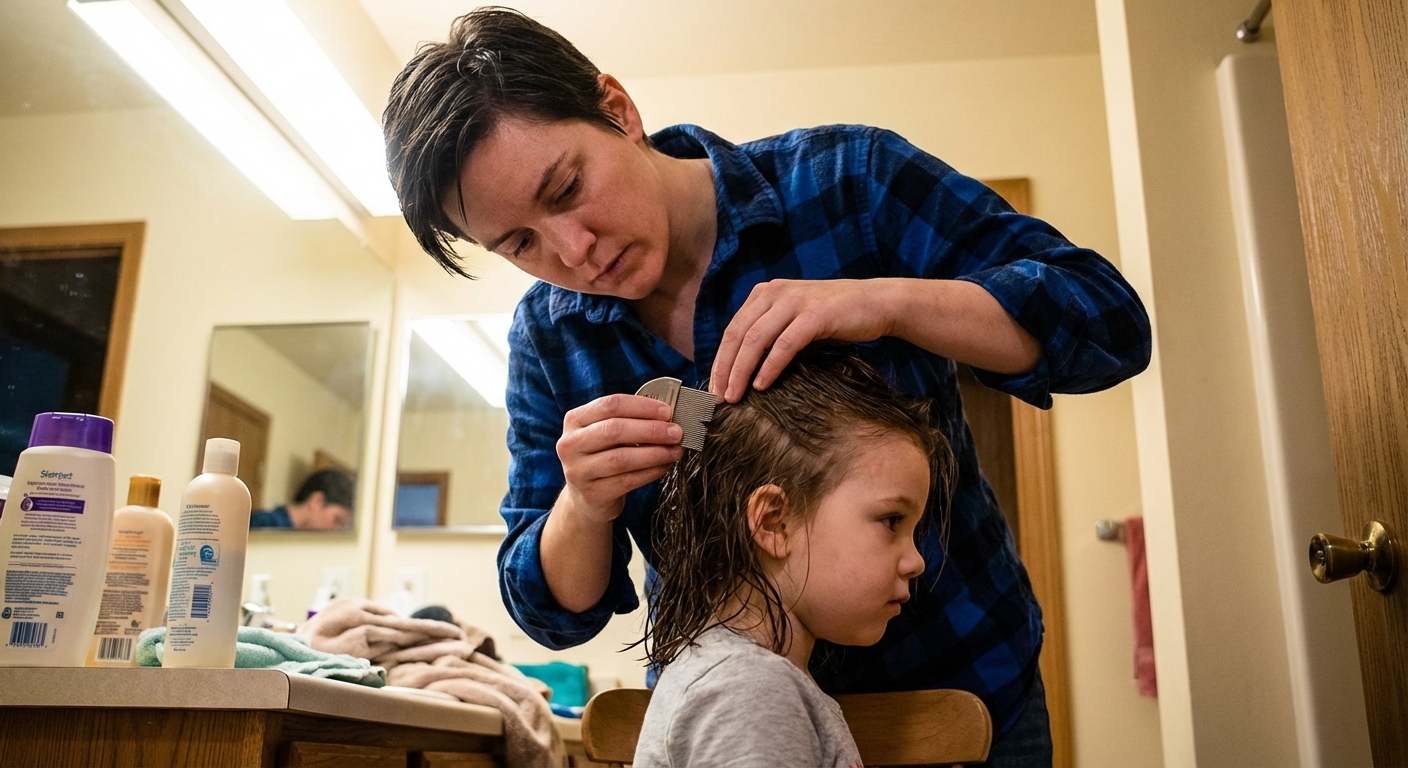
If you have ever dealt with head lice, you already know the emotional spiral: the itching, the flashlight inspections, the frantic late-night Googling. Here is the reassuring part up front: body lice are not the same as head lice, and in kids they are much less common. When they do show up, the solution is usually more about laundering and access to clean clothing than about heavy-duty chemical treatments.
As a pediatric nurse and a mom, I want you to walk away knowing three things: how to tell body lice from the usual suspects, what to do at home safely, and when you should have a clinician lay eyes on the rash so you are not treating the wrong thing.
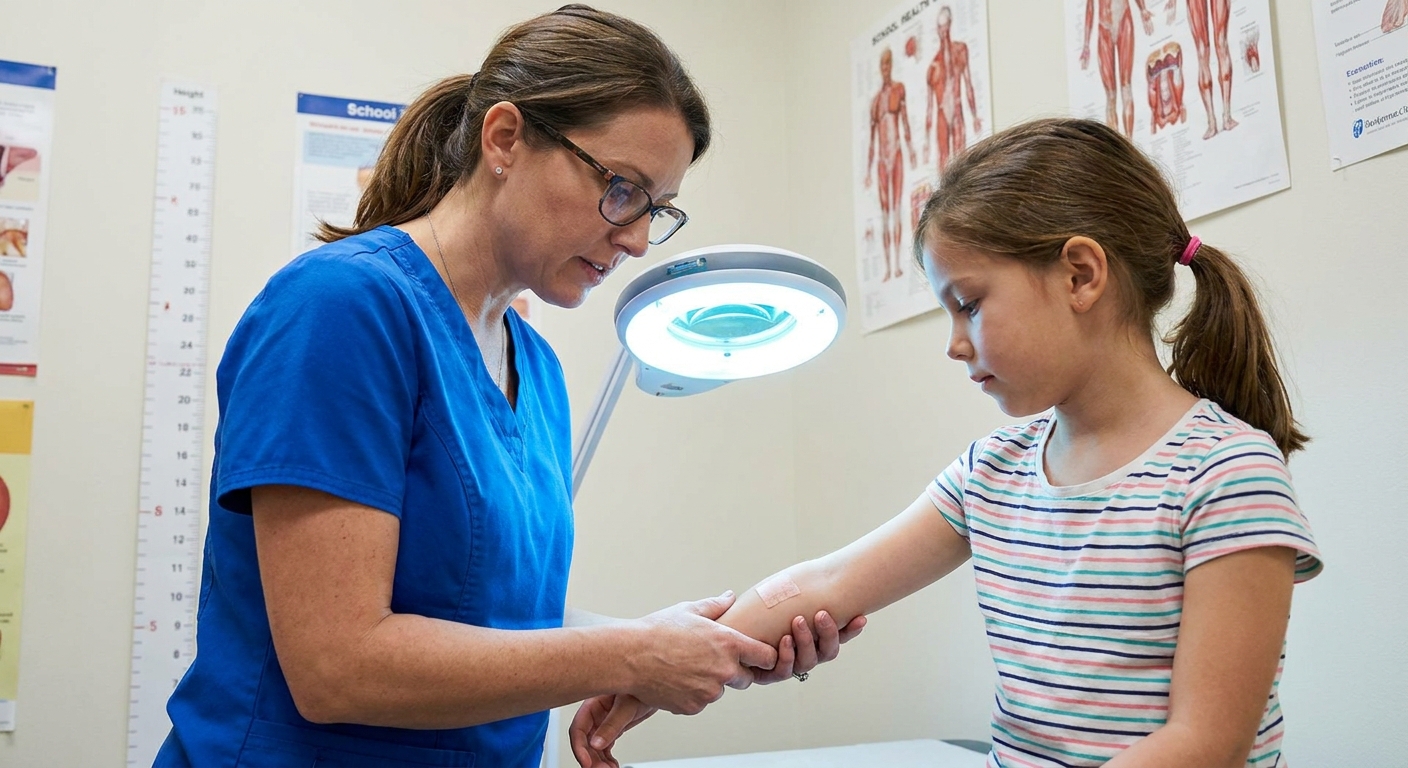
Body lice vs head lice vs scabies
These three get mixed up constantly because they can all cause itching. The key differences are where they live and where the itching and bumps show up.
- Body lice live mostly in clothing seams and sometimes bedding. They crawl onto skin to feed. Bites often cluster on the torso, especially under clothing pressure points like the waistband.
- Head lice live on the scalp and lay eggs (nits) on hair shafts near the scalp. Itching is mostly on the head and neck, especially behind the ears and at the nape.
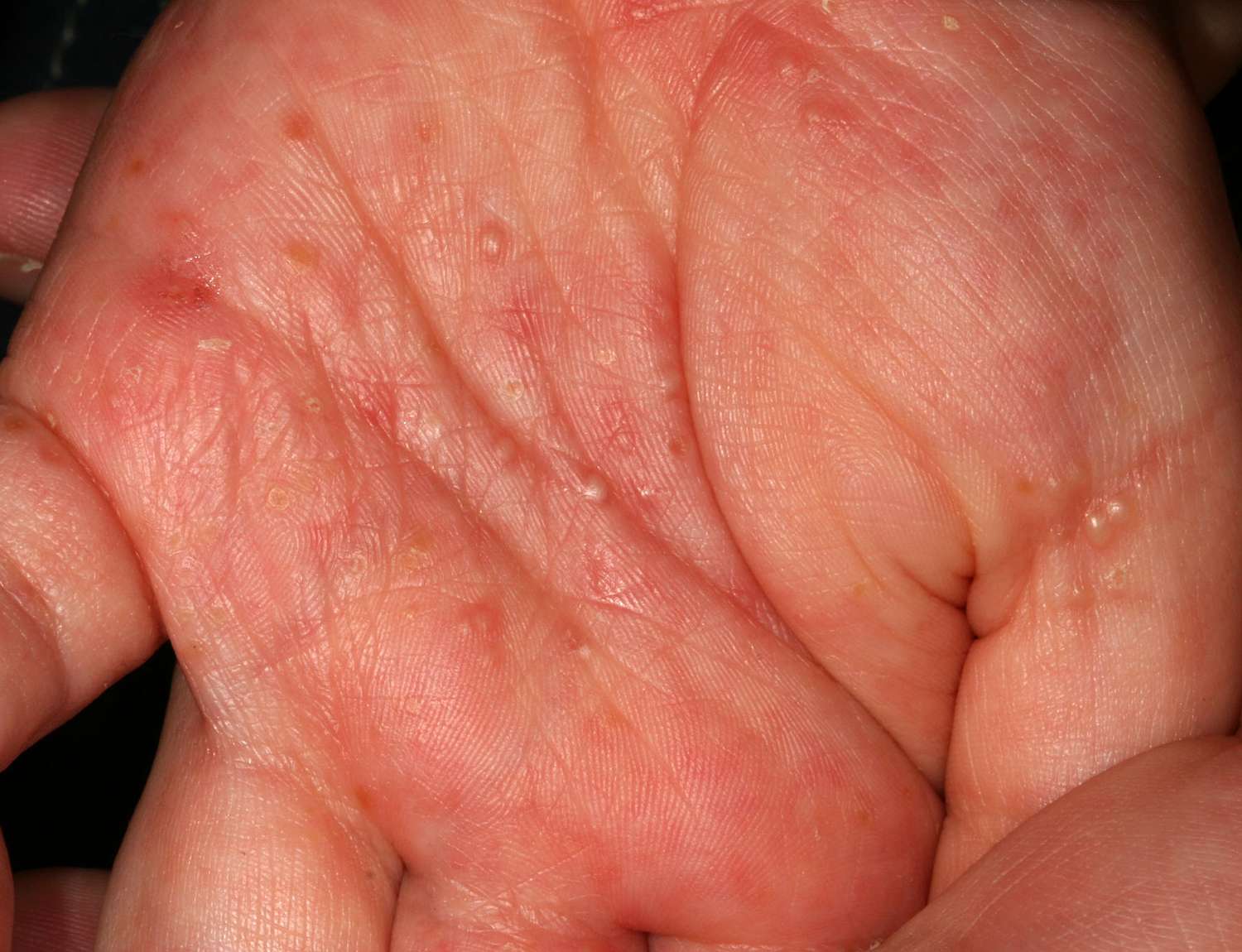
- Scabies is caused by a mite that burrows into the skin. It is typically very itchy at night and often shows up on the hands and wrists, between fingers, elbows, armpits, around the waist, and in young kids sometimes the feet and trunk.
If your child has an itchy rash but you are not seeing lice or nits in hair, it is worth considering body lice, scabies, eczema, contact dermatitis, or even bed bugs. The treatment is different for each, so confirmation matters.
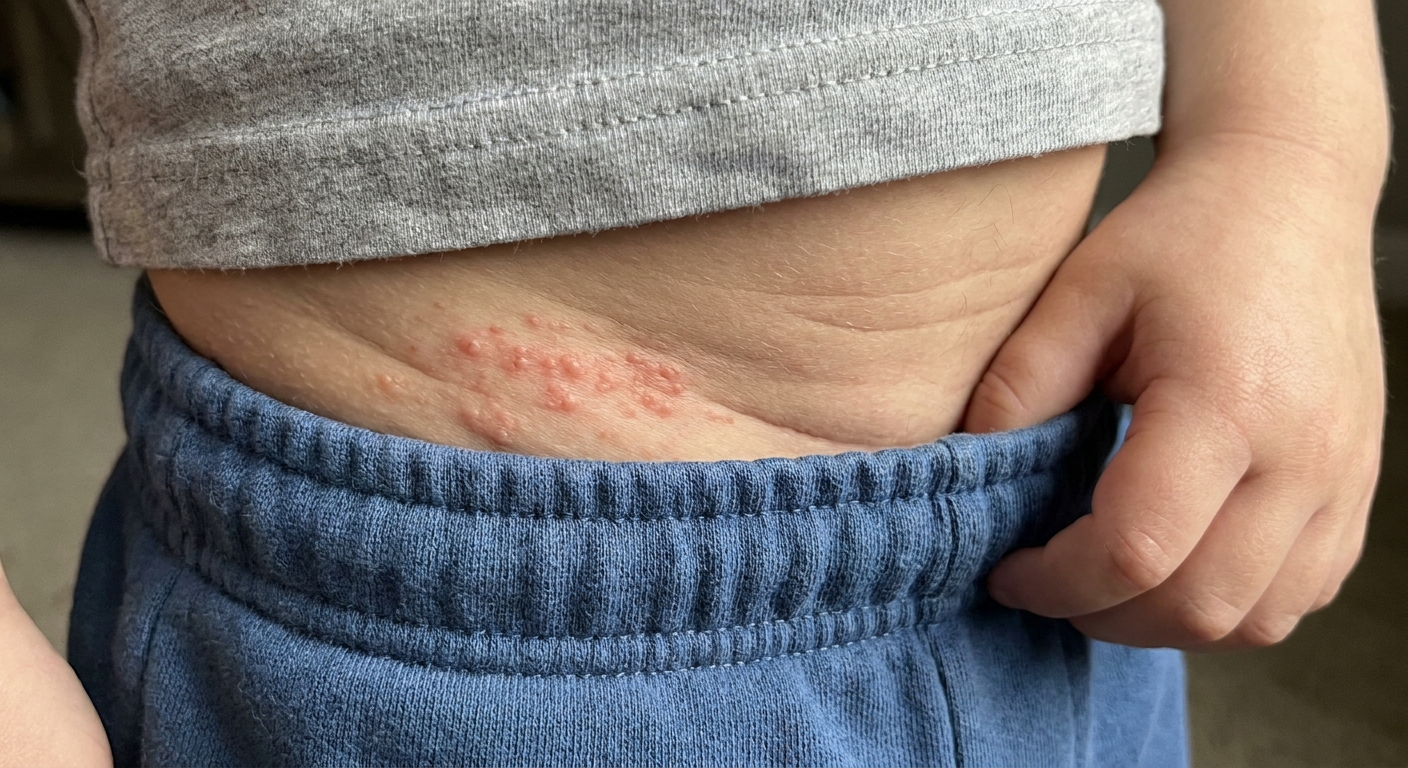
What bites look like
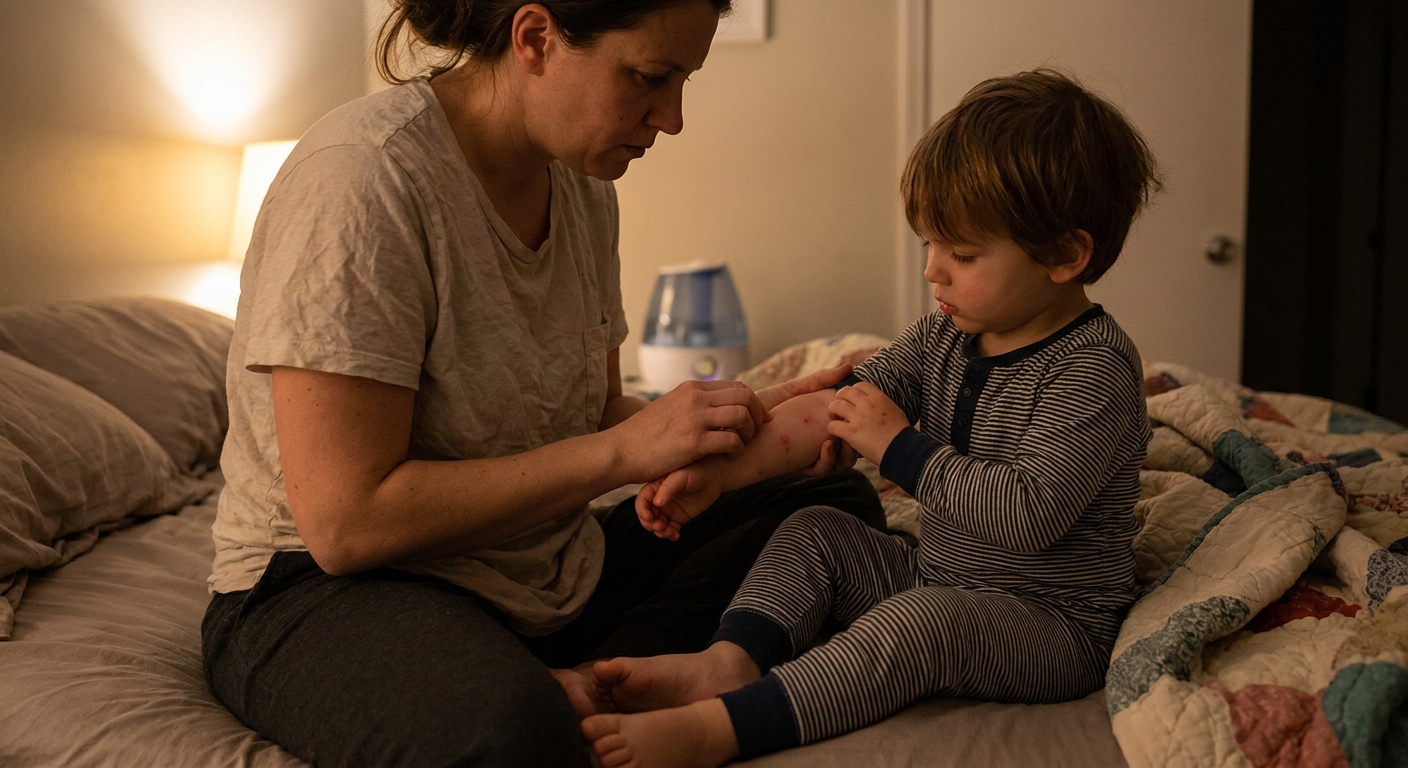
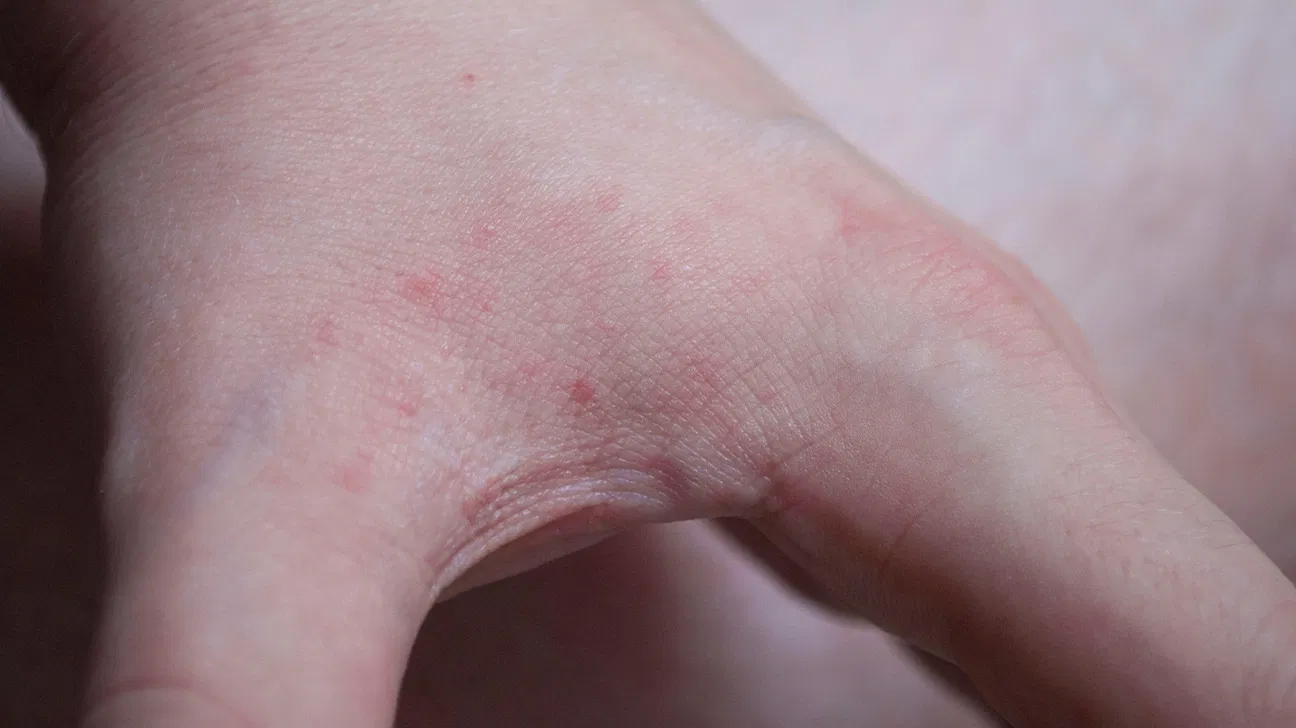
Body lice bites are usually small red bumps. Some kids get larger welts, especially if they are sensitive to bites. Scratching can cause scabs or secondary skin infection.
Common bite locations
- Waistband line (classic)
- Upper thighs where pants fit snugly
- Armpits and along the sides of the torso
- Back and shoulders where shirts press or seams rub
- Neck where collars touch
A clue that points toward body lice is a pattern that matches where clothing is tight or rubs. Unlike head lice, body lice are not primarily a scalp problem.
Where body lice live
This is the part that surprises most parents: body lice do not usually set up camp on skin the way head lice do.
Body lice typically live in:
- Seams of shirts, pants, underwear, pajamas
- Jacket cuffs and collars
- Blankets and bedding
- Shared fabrics, especially clothing and bedding
They crawl onto the skin to feed and then return to the fabric. That is why the most effective “treatment” is often hot washing and hot drying of clothing and bedding, plus changing into clean clothes.
How body lice spread
Body lice spread through prolonged close contact with infested clothing and bedding. They are strongly associated with situations where people do not have consistent access to clean clothes, hot water, or laundry facilities.
Common exposure scenarios
- Households under stress where laundry is delayed and multiple people share bedding or clothing
- Overcrowded living situations
- Shelters or temporary housing where bedding is shared or laundering is limited
- Disaster or displacement situations
In typical school settings, body lice are less common than head lice. Kids usually do not share clothing and bedding for long periods at school, which is what body lice need. That said, schools and daycares can be where a parent first notices the rash or itching.
If your family has had time in a shelter or transitional housing, I want to say this clearly: this is not a parenting failure. Body lice are an access and exposure issue. The goal is to treat the environment and help everyone get comfortable again.
How to check at home
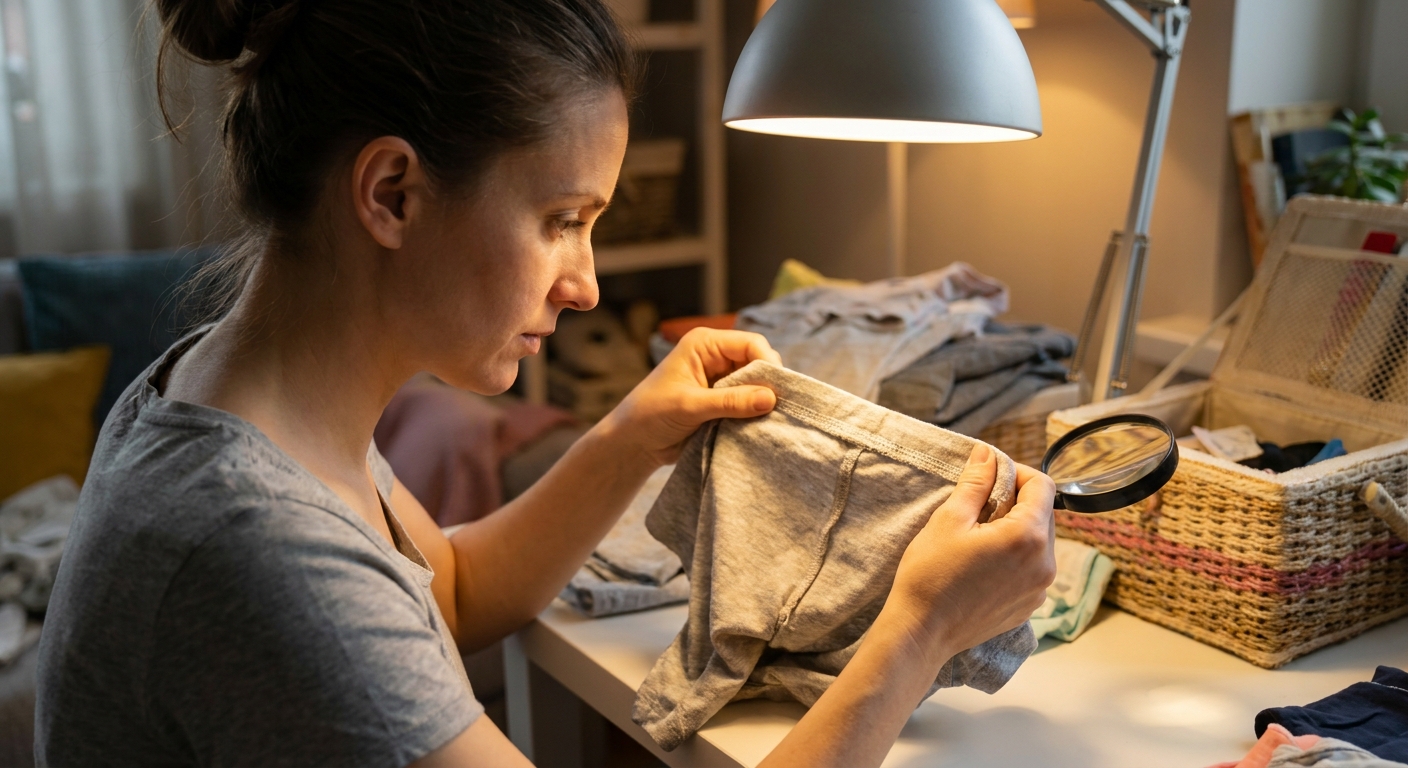
You may or may not see actual lice on the skin. A better place to look is the clothing.
What to look for
- Lice: tiny, tan to grayish insects about the size of a sesame seed that can move.
- Nits (eggs): tiny whitish or yellowish specks stuck to fabric fibers (for body lice) or hair shafts close to the scalp (for head lice).
What to do
- Check the seams of your child’s worn clothing, especially around the waist, underarms, and collar.
- Look for tiny moving insects or small whitish eggs attached to fabric fibers.
- Inspect bedding seams and folds if itching is worse after sleep.
- Also do a quick scalp check for head lice, because it is possible to have both (uncommon, but possible).
If you are not sure what you are seeing, that is normal. Many rashes look alike, and even clinicians sometimes need a careful exam to confirm.
Laundry steps that work
If body lice are suspected, laundering is your powerhouse move. You do not need fancy sprays for your whole house.
Step by step
- Bag up worn clothing, pajamas, towels, and bedding from the last 2 to 3 days.
- Wash in hot water when fabric allows. Many public health sources cite around 130°F, but home washers vary, so use the hottest safe setting for the fabric and follow care labels.
- Dry on high heat using a full high-heat dryer cycle when the fabric allows. Heat is what reliably kills lice and eggs.
- Clean clothes only: have your child change into freshly washed and dried clothing, including socks and underwear.
- Non-washables (stuffed animals, delicate items): seal in a plastic bag. Many lice die within days off the body, but if you want an extra-conservative buffer, you can bag items for up to 2 weeks.
- Vacuum mattresses and upholstered furniture if you want to, but focus your energy on clothing and bedding, where body lice actually live.
If multiple family members are itchy, do the laundry steps for everyone’s clothing and bedding. Otherwise you can end up passing the problem back and forth through shared linens.
If you are wondering about combs, brushes, and hair tools: those matter for head lice, but they are not the main issue for body lice since body lice live in clothing and bedding.
OTC treatments
This is where parents can spend a lot of money without much payoff.
What usually helps most
- Laundering and clean clothing is the main treatment for body lice.
- Itch relief: cool compresses, fragrance-free moisturizer, and for kids who can take it safely, an age-appropriate oral antihistamine at bedtime can help with sleep. Ask your pediatrician for dosing if you are unsure, and do not use antihistamines in infants without clinician guidance.
- Topical steroid cream (like 1% hydrocortisone) can calm bite inflammation for short periods, unless your clinician has told you to avoid it for your child’s condition.
What to be cautious about
- Head lice shampoos (permethrin and similar products) are designed for scalp lice. They are not usually the first step for body lice because the source is clothing and bedding, not hair.
- Scabies treatments (like permethrin cream used neck-down) should not be used unless scabies is suspected or diagnosed. Treating the wrong condition can prolong the itching and irritate skin.
- Foggers and strong home pesticides are not recommended for this situation and can expose kids to unnecessary chemicals.
In some confirmed cases, clinicians may recommend treating the person as well as the environment (for example, a prescription or topical pediculicide), especially if laundering access is limited or reinfestation keeps happening. Your clinician can guide that decision.
If you suspect body lice and you do the laundry steps correctly, itching should start to improve over several days. Bite marks can take 1 to 2 weeks to fully settle, especially if your child has been scratching.
How long until better
Once your child is in clean clothes and you have addressed clothing and bedding, the reinfestation risk drops fast.
- Contagiousness: body lice spread mainly through infested clothing and bedding. After those items are washed and dried and clean clothes are worn, most families are no longer passing lice around.
- Itching: can linger even after lice are gone, because bites can stay inflamed for days.
When to see a clinician
I love a solid at-home plan, but there are times when you should get a professional set of eyes on this. Not because you are overreacting, but because different causes need different treatments.
Make an appointment if:
- You are not sure whether it is body lice, scabies, bed bugs, or eczema.
- Itching is severe at night or there are bumps in the finger webs, wrists, or groin, which can suggest scabies.
- You see signs of skin infection: increasing redness, warmth, swelling, pus, crusting, or your child has fever.
- The rash is spreading quickly or your child seems very uncomfortable.
- Your child is under 2 months old or has significant medical issues that make skin problems higher risk.
- Your child has fever, severe headache, body aches, or seems sick. This is rare, but body lice can spread certain infections in higher-risk settings, and systemic symptoms should be checked promptly.
A clinician may examine skin and clothing, use a dermatoscope, or consider a skin scraping if scabies is suspected. Sometimes the best value of the visit is simply not treating the wrong thing for another week.
School notes
Policies vary by district, and body lice is less common in schools than head lice. In general, the priority is that your child has clean clothing and the home laundering plan is underway.
- If your child feels well and can participate, many kids can return to school once they are in clean clothes and bedding has been addressed.
- If the school requests confirmation, a clinician note can help clarify whether this is lice, scabies, or something else.
- If scabies is diagnosed, schools may request treatment for close contacts. Follow your clinician’s guidance.
Some school policies written for head lice (like no-nit rules) do not neatly apply to body lice, because the issue is clothing and bedding. If you are getting mixed messages, the school nurse or your pediatric clinic can help you sort out the plan.
If you need help accessing laundry or clean clothing, tell your pediatric clinic or school nurse. Many communities have resources, and you deserve support, not judgment.
Body lice vs bed bugs
Bed bugs are another common “mystery bite” culprit. A few differences:
- Bed bug bites often appear on exposed areas like arms, legs, neck, and face after sleeping, and you may see signs in the bed like tiny dark spots.
- Body lice bites more often match clothing contact areas like waistbands and underarms, and the lice live in clothing seams.
Both can cause clusters of itchy bumps, so if your home plan is not helping, a clinician can help narrow it down.
The bottom line
Body lice are different from head lice. They live in clothing and bedding, and the bites often cluster around the torso and waistband. The most effective first step is hot washing and high-heat drying, plus changing into clean clothes and addressing shared linens. Skip harsh home pesticides, use OTC itch relief carefully, and get a clinician to confirm the diagnosis if you are unsure, symptoms are severe, there are signs of infection, or your child has fever or seems unwell.
If you are reading this at 3 AM with a scratching kid next to you, I see you. Start with clean clothes, start the laundry, and know that you are already doing the right things.
Sarah Mitchell
Sarah Mitchell is a Registered Pediatric Nurse and a mother of three who has spent over a decade helping families navigate the beautiful, chaotic early years of childhood. She combines evidence-based medical knowledge with real-world parenting experience to offer practical, compassionate advice. At Awesome Parent, Sarah's mission is to help exhausted parents find solutions, trust their instincts, and finally get some sleep.