A parent-friendly guide to spotting scabies in kids, stopping the spread, using prescription treatments like permethrin, cleaning bedding and clothes, and kn...
How Long Is Scabies Contagious After Treatment?

Sarah Mitchell
Sarah Mitchell is a Registered Pediatric Nurse and a mother of three who has spent over a decade helping families navigate the beautiful, chaotic early years of childhood. She combines evidence-based medical knowledge with real-world parenting experience to offer practical, compassionate advice. At Awesome Parent, Sarah's mission is to help exhausted parents find solutions, trust their instincts, and finally get some sleep.
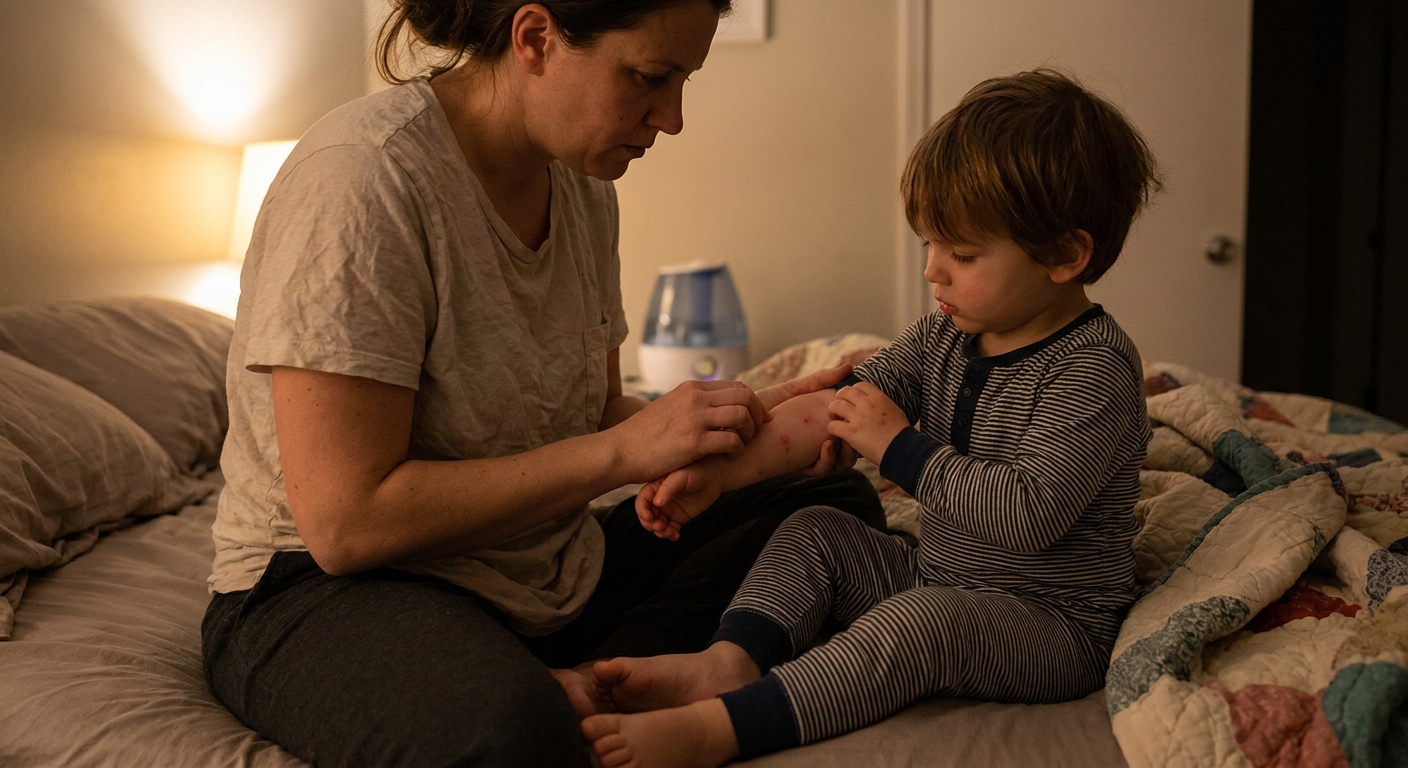
If your child was just treated for scabies, you probably have two urgent questions: When can they go back to school, and how do we stop this from ripping through the whole house?
Deep breath. In most cases, scabies transmission drops quickly once treatment is started and done correctly. What’s confusing is that itching can hang around long after the mites are gone, which makes parents feel like treatment “didn’t work” when it actually did.
Quick answer: when is scabies no longer contagious?
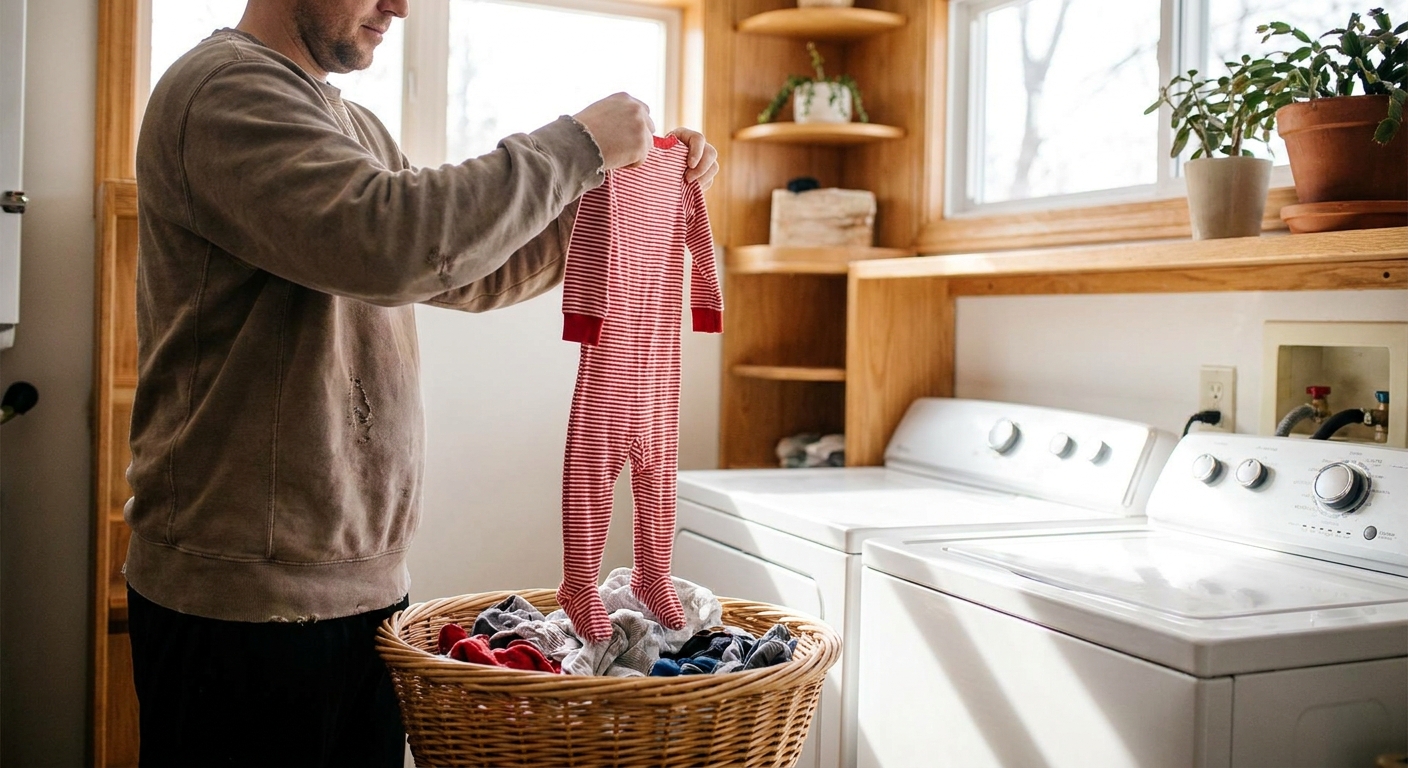
Most schools and daycares allow return after effective treatment has started, often after the first overnight treatment is completed. Many families are told that contagiousness drops substantially within about 8 to 24 hours after a full, properly applied first treatment, but exact timing can vary by local policy, the medication used, and the type of scabies.
That is why many schools and daycares allow return the next day after treatment, or sometimes after overnight treatment, depending on local rules.
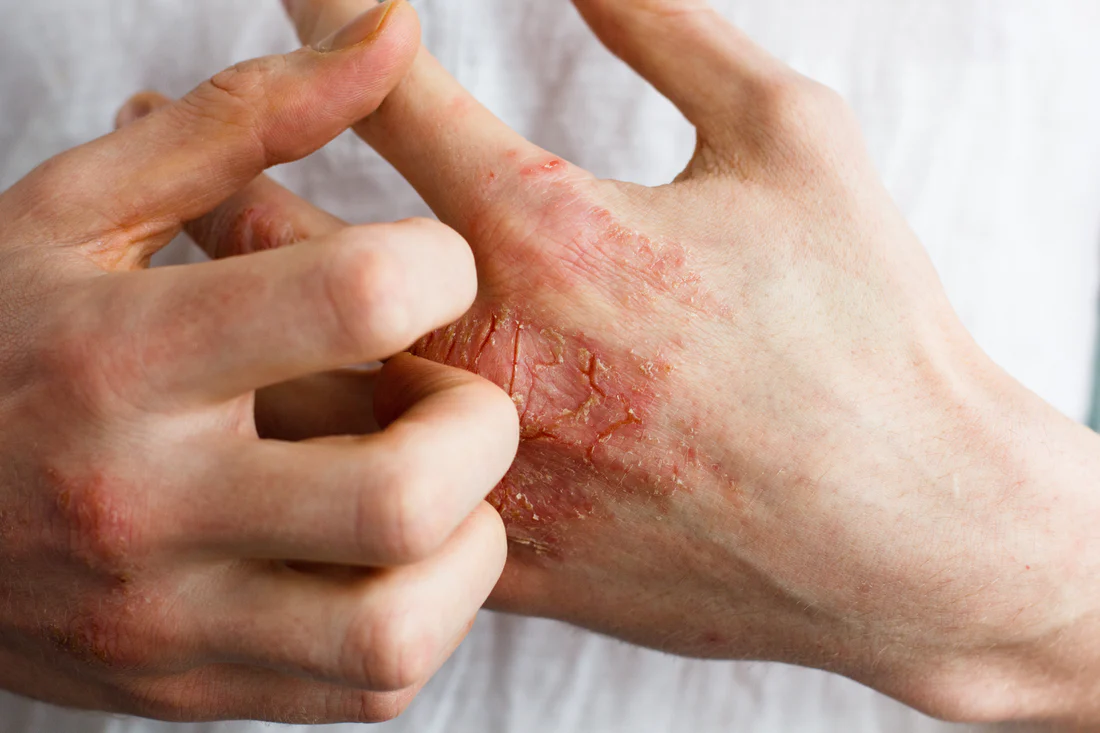
Important nuance: A child can still have itching and bumps for weeks after successful treatment. That lingering itch does not automatically mean they are still contagious.
School and daycare: what policies usually mean
Most school and childcare rules follow the same public health logic: scabies spreads mainly through prolonged, close skin-to-skin contact. Once treatment is started, the risk usually drops fast.
Typical return timing
- Permethrin applied correctly at night: Many kids can return to school or daycare the next morning, after the overnight application is completed.
- Permethrin applied in the morning: Some programs prefer the child return the following day after that first treatment window has passed.
Bottom line: follow your school, daycare, or local health department policy if it is more specific than general guidance.
Should siblings stay home?
If siblings share close contact (most do), clinicians commonly recommend treating all household members at the same time, even if they are not itching yet. If everyone is treated together, siblings usually do not need to miss school, unless your program has stricter rules.
Do we need a doctor’s note?
Some daycares ask for one, many do not. If your center is nervous, it can help to say: “Treatment was started on (date/time), and our clinician advised return after treatment.”
If you want the simplest, least stressful approach: treat everyone the same night, wash the bedding, and send your child back the next day unless your program says otherwise.
Close contact: who should be treated?
When clinicians say “treat close contacts,” they usually mean people with the kind of contact scabies likes best:
- Sleeping in the same bed
- Regular cuddling or prolonged skin-to-skin contact
- Caregiving contact (bathing, dressing, holding for long periods)
Because symptoms can take weeks to show up, treating close household contacts at the same time helps prevent the “ping-pong” reinfestation cycle.
Why itching can linger after treatment
This part is the trap that keeps parents up at 2 a.m. with a flashlight and an internet spiral.
Even after scabies mites are killed, the skin can stay irritated because:
- Your child’s immune system is still reacting to mite proteins and debris left in the skin.
- The skin barrier is inflamed from scratching and the rash itself.
- Dry skin or eczema can flare from treatment and stress.
How long can the itch last? Often 2 to 4 weeks, and not uncommonly up to 4 to 6 weeks, especially if your child has eczema or sensitive skin.
Signs the itch is “post-scabies”
- Itching slowly improves week to week
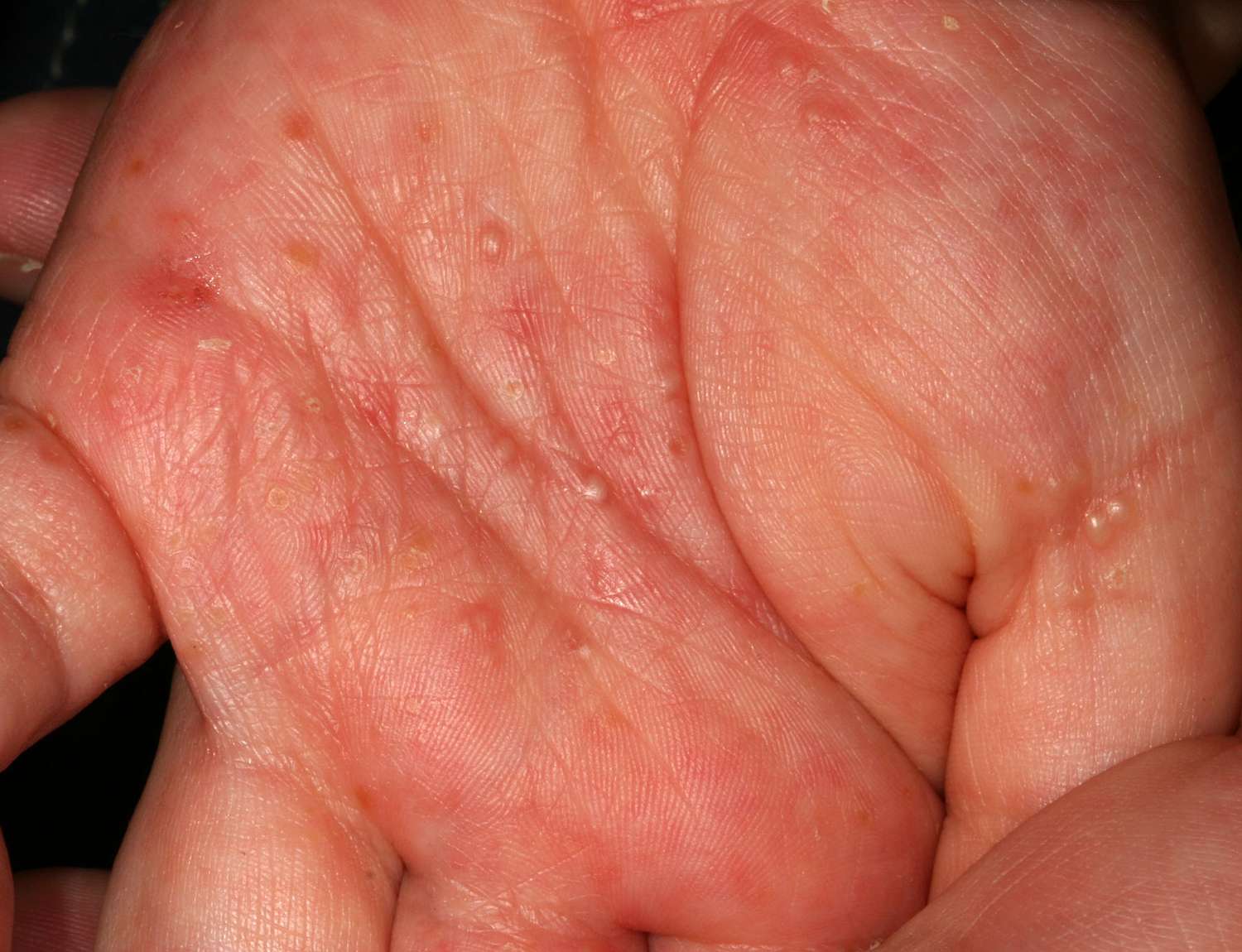
- No new burrows or fresh clusters of bumps
- Other family members are improving too
When lingering itch is a red flag
- Itching is not improving at all after 1 to 2 weeks
- You see new bumps continuing to appear after the first week
- Someone in the house was not treated, or treatments were not done at the same time
- Your child keeps getting re-exposed (sleepovers, shared bedding, close contact)
If you’re unsure, check in with your pediatrician. A quick follow-up can prevent the dreaded reinfestation loop.
Laundry and stuffed animals: what to do
The goal is to prevent immediate re-exposure from items that had close contact with skin.
In classic scabies, mites do not live long away from human skin. They typically survive about 24 to 72 hours off the body.
What to wash
On the day you start treatment, focus on items used in the last 3 days (a common guideline):
- Sheets and pillowcases
- Blankets
- Pajamas and recently worn clothes
- Towels and washcloths
- Frequently used stuffed animals that touch the face or body
How to wash
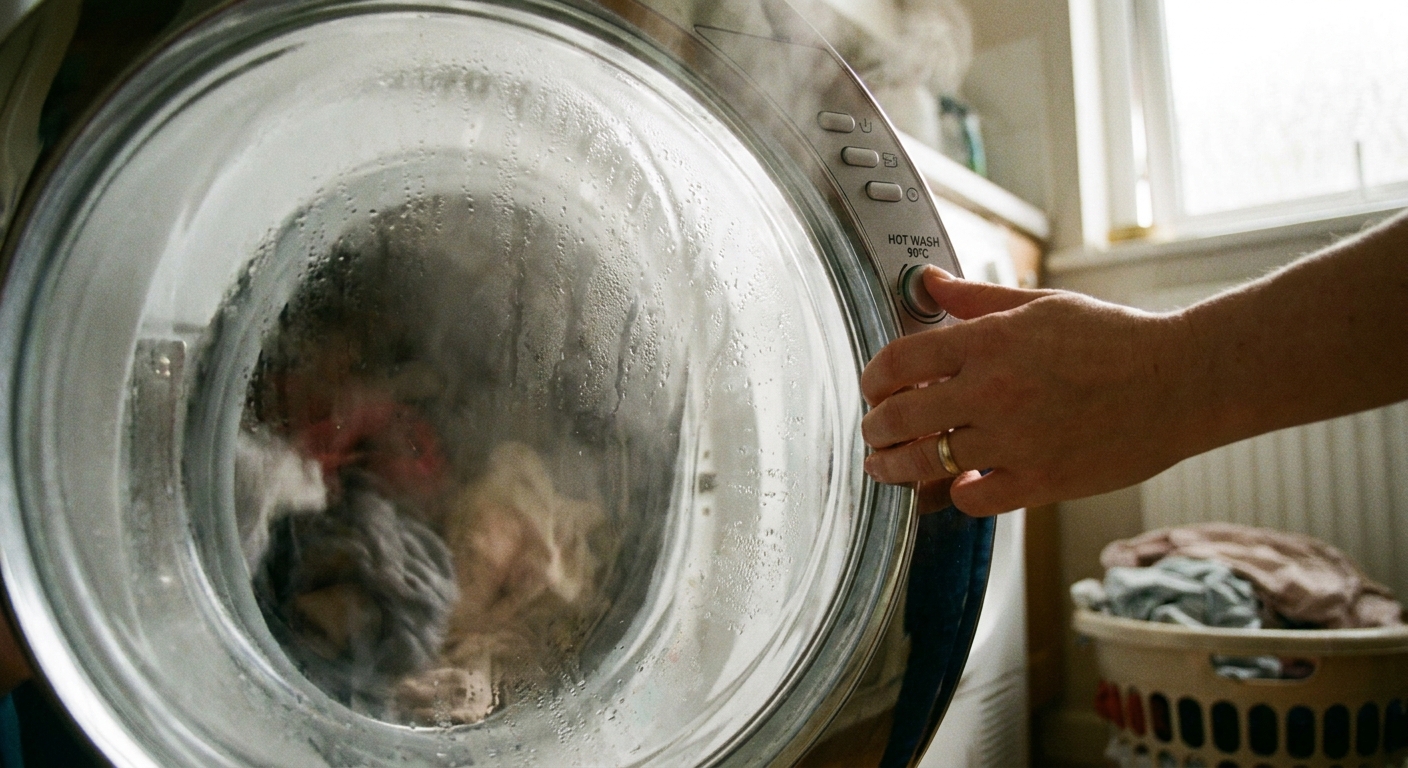
- Hot wash and hot dryer if the fabric allows (heat helps).
- If an item cannot be washed, seal it in a plastic bag for at least 72 hours.
Do we need to disinfect the whole house?
No. You do not need to fumigate, fog, or deep-clean every surface. Scabies is primarily spread by close contact, not by briefly touching a couch arm.
If it helps you sleep, a normal vacuum of carpets and upholstered furniture is fine, especially where your child naps. But laundry plus simultaneous treatment are what really move the needle.
Permethrin: details that matter
Most treatment failures are not because permethrin “doesn’t work.” They are because it wasn’t applied in a way that reaches the mites.
Quick checklist for applying permethrin
- Apply as directed, often from the neck down. For infants and some young children, the scalp and hairline may also need treatment if your clinician instructs it.
- Cover easy-to-miss spots: between fingers and toes, wrists, armpits, belly button, groin, buttocks, and soles of the feet.
- Apply under fingernails and keep nails short (mites can hide there after scratching).
- If hands are washed during the treatment window, reapply to the hands.
- Leave it on for the prescribed time, typically 8 to 14 hours, then wash off. Follow the prescription label and your clinician’s instructions.
Common mistakes
- Not covering the whole body as directed.
- Rinsing too soon.
- Only treating the child and not close household contacts.
If any of those happened, your child may still be contagious because the infestation may not be fully treated.
Do we need a second treatment?
Many clinicians recommend two treatments of permethrin, usually about 7 days apart (sometimes 7 to 14 days, depending on the situation). The reason is practical: the first treatment kills mites, but eggs can sometimes survive, and the second treatment helps catch newly hatched mites before they mature and spread.
Second treatment matters most when
- Symptoms started weeks ago and infestation may be more established
- There are multiple household cases
- You cannot confidently treat all close contacts at the same time
- Your clinician specifically instructed a repeat dose
What if itching is still there after the second treatment?
That can still be normal. What matters more is whether there are new lesions and whether symptoms are trending better. If things are worsening, call your pediatrician. Sometimes another diagnosis is involved (eczema is a frequent uninvited guest), or a different medication plan is needed.
What if permethrin is not the plan?
Not everyone is treated the same way. In some cases, clinicians may use other options such as oral ivermectin (often with age or weight limits) or sulfur-based ointments for certain infants. The return-to-school timeline and household plan can still be similar, but follow your clinician’s instructions closely.
Classic vs crusted scabies
Most kids have classic scabies. A rarer form called crusted scabies can be much more contagious and may require a different medication plan plus more intensive environmental steps. It is more likely in people who are immunocompromised and may involve thick crusting, widespread rash, or heavy scaling. If that description fits, contact a clinician promptly and do not rely on standard home guidance alone.
Exposure at daycare, school, and sleepovers
Scabies usually needs prolonged close contact to spread. Quick hugs, sitting near someone, or sharing classroom supplies is less likely to transmit it.
Who should be notified?
In many settings, the school nurse or daycare director will notify families if there is a pattern of cases. If your child has scabies, it’s reasonable to let the classroom or daycare know so they can watch for symptoms and remind families about treatment timelines.
Sports and close-contact activities
For close-contact activities, many clinicians advise pausing until after treatment has started and your child is past that first overnight window. If the activity involves lots of skin-to-skin contact (wrestling is the big one), ask your clinician or league about the most cautious return plan.
Comfort care while the itch fades
You can treat scabies perfectly and still have a kid who scratches like they’re trying to dig to the center of the earth. Helpful options to ask your pediatrician about:
- Oral antihistamine at bedtime for itch and sleep (age-dependent)
- Topical steroid for inflammation (short-term, as directed)
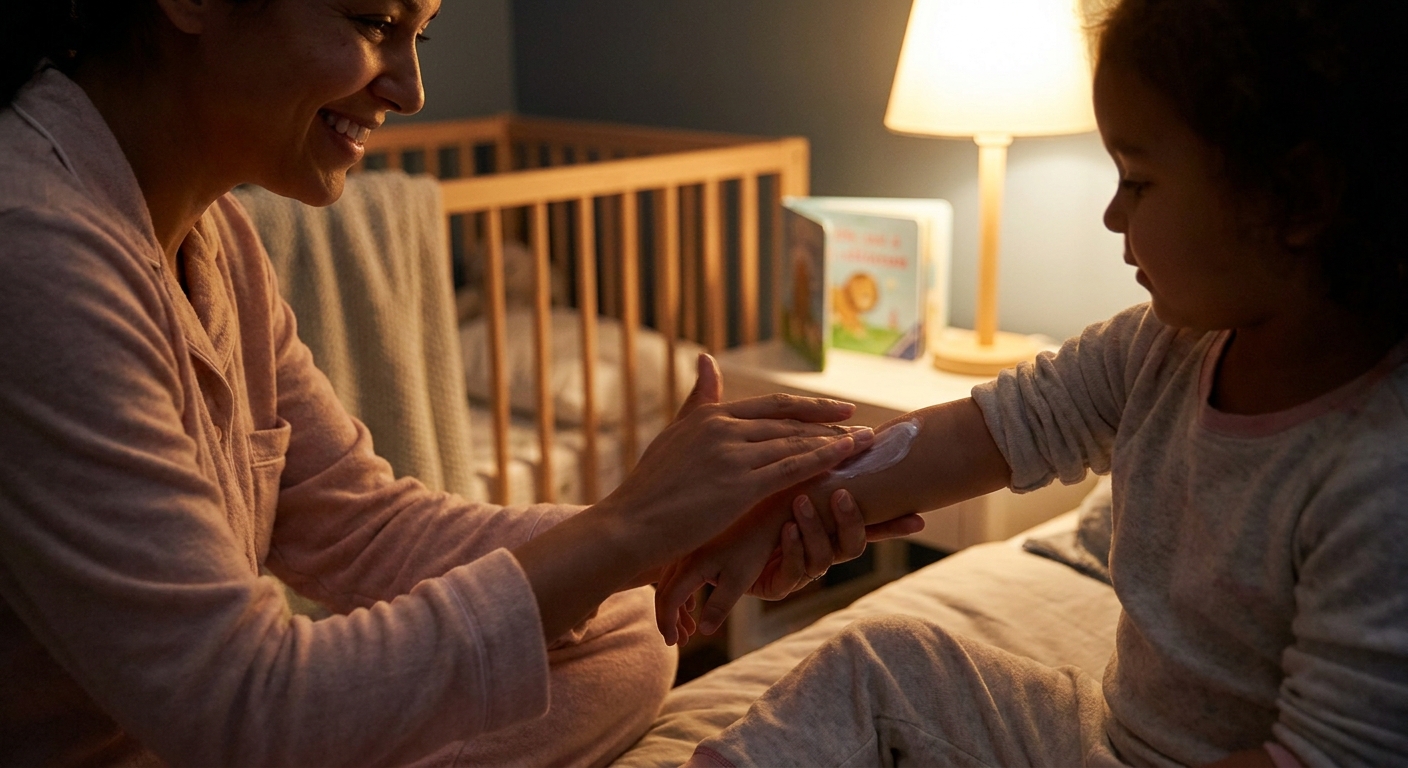
- Moisturizer twice daily to help repair the skin barrier
- Keep nails short and consider cotton gloves or socks on hands for little ones at night
If there are signs of skin infection from scratching (increasing redness, warmth, pain, pus, honey-colored crusts, fever), call your clinician.
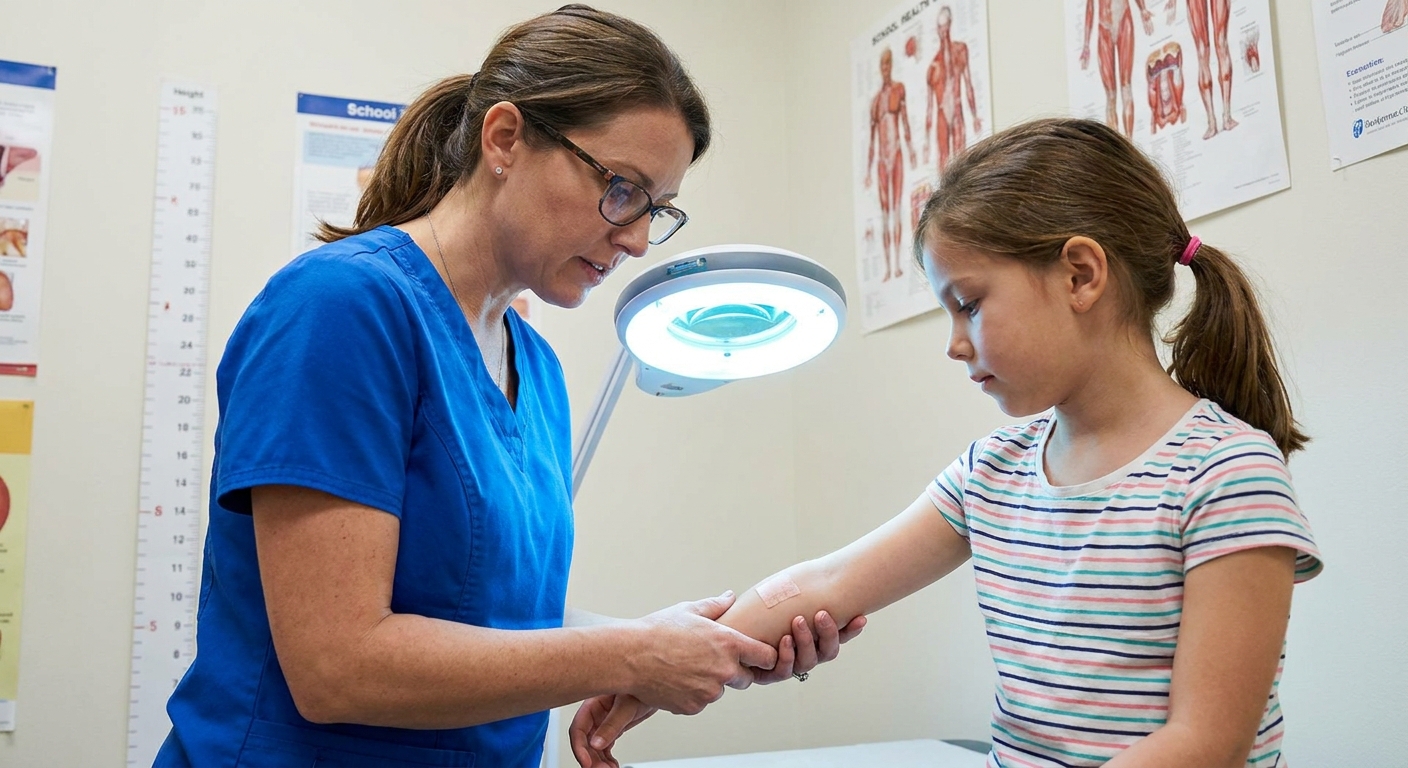
When to call the pediatrician
- Your child is under 2 months old and scabies is suspected or diagnosed
- Symptoms are not improving after correct treatment and household treatment
- New bumps keep appearing after the first week
- Anyone in the home is immunocompromised
- You’re seeing signs of skin infection
- Your daycare or school requires specific clearance
- You are worried about crusted scabies
Bottom line for exhausted parents
Most kids can go back to school or daycare after effective treatment has started, often the next day after an overnight first application. The itch can persist for weeks, which is maddening but common. Treat close contacts at the same time, do the key laundry for items used in the last three days, and follow your clinician’s plan for repeat treatment if recommended. That combination is what gets kids back to school quickly and helps keep scabies from doing an encore performance.
To finalize timing, follow your program’s policy and check with your pediatrician or school nurse if you need a clear, situation-specific return plan.
Sarah Mitchell
Sarah Mitchell is a Registered Pediatric Nurse and a mother of three who has spent over a decade helping families navigate the beautiful, chaotic early years of childhood. She combines evidence-based medical knowledge with real-world parenting experience to offer practical, compassionate advice. At Awesome Parent, Sarah's mission is to help exhausted parents find solutions, trust their instincts, and finally get some sleep.