A calm, step-by-step guide to checking for lice, choosing effective treatments, cleaning your home, and preventing re-infestation. Plus the myths that keep p...
How Long Is Head Lice Contagious After Treatment?

Sarah Mitchell
Sarah Mitchell is a Registered Pediatric Nurse and a mother of three who has spent over a decade helping families navigate the beautiful, chaotic early years of childhood. She combines evidence-based medical knowledge with real-world parenting experience to offer practical, compassionate advice. At Awesome Parent, Sarah's mission is to help exhausted parents find solutions, trust their instincts, and finally get some sleep.
If you are reading this with a flashlight and a fine-tooth comb at an hour that should be illegal, I see you. Head lice are gross, stressful, and somehow always show up the week you have zero bandwidth. The good news is this: lice are very manageable, and the “contagious” window usually gets much shorter once effective treatment starts.
This article will walk you through what contagious means with lice, the common 24-hour return-to-school rule, the difference between nits and live bugs, and how to tell daycare without launching a full-house hazmat situation.
When are head lice contagious?
Head lice are contagious as long as there are live lice on the head. Transmission risk is highest with direct head-to-head contact because they crawl. They do not jump or fly.
Before treatment
Before treatment, a child is contagious if live lice are present. Many kids have lice for days before anyone notices, especially if the first sign is itching. (And not every child itches right away.)
After treatment
After an effective first treatment, the child is typically much less likely to spread lice right away. Most public health guidance supports return once treatment has started, and many schools and daycares allow return the next day (or sometimes the same day) depending on local policy.
Here is the key detail: the child is no longer meaningfully contagious once live lice are killed. Nits alone are not the same thing as an active infestation.
One important asterisk: if any viable eggs remain, they can hatch in the next several days, and your child can become contagious again. That is why follow-up combing and the right retreatment timing matter so much.
The real “24-hour rule” after treatment
You may hear: “Lice aren’t contagious 24 hours after treatment.” What people are usually trying to say is:
- If you use a lice treatment that works and you comb well, the risk of spreading lice drops dramatically, and many programs allow return within 24 hours.
- However, there is no magic timer that guarantees success if the product did not kill the lice.
In practical terms, I tell families this:
- Your child can usually go back to school or daycare once treatment has started and you do not see live crawling lice.
- If you are still finding live, active lice the next morning, treat that as a sign the treatment did not work well enough, not as a reason to wait out a clock.
Live lice vs. nits
This is where a lot of “we treated, but the school sent us home” frustration comes from.
Live lice
Live lice are tiny, fast-moving insects on the scalp and hair. If you see one crawling, that is an active infestation. Live lice mean your child can still spread lice through close head contact.
Nits (eggs)
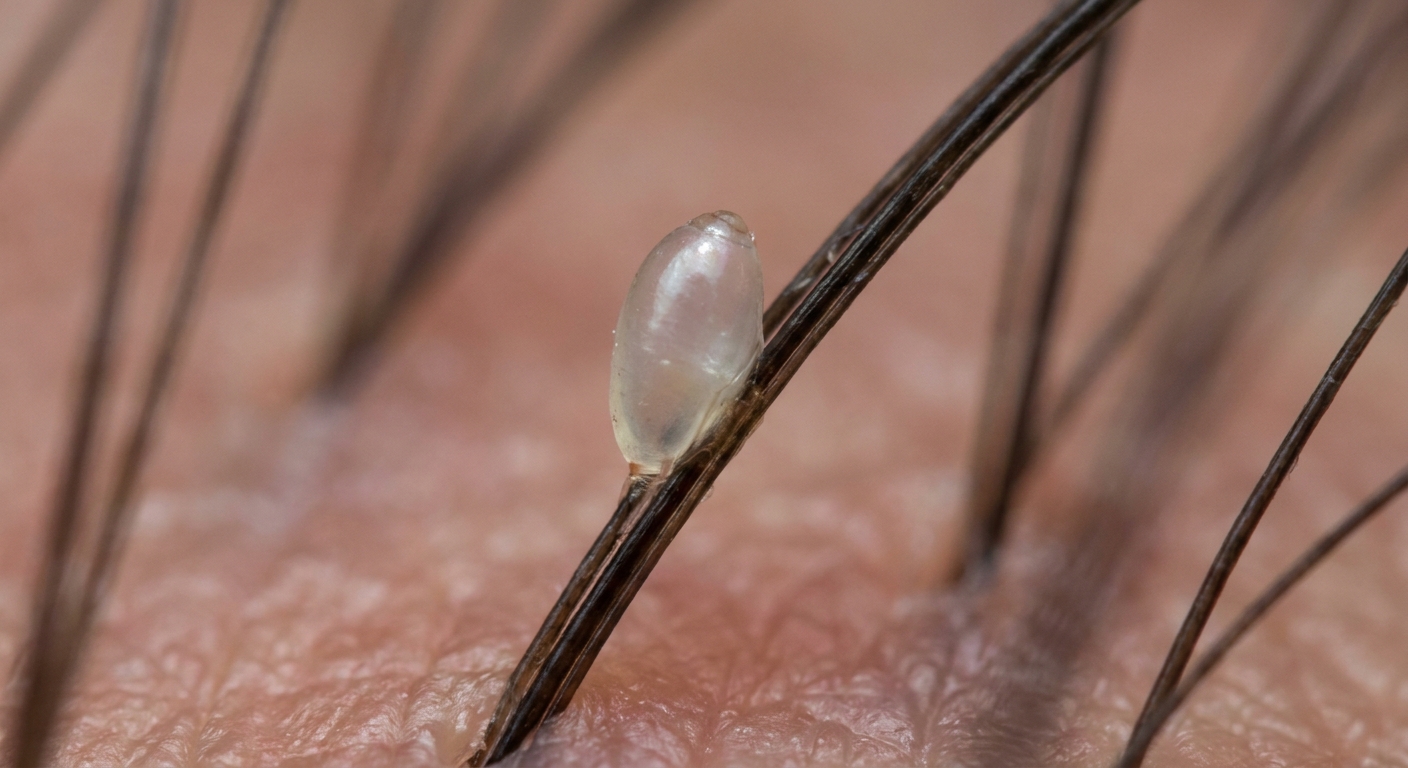
Nits are lice eggs glued to the hair shaft. They are often yellowish, tan, or white and can look like dandruff, but dandruff slides off. Nits do not slide off easily.
Important: nits are not the same as live lice. They are not flying around the classroom infecting everyone. Also, many nits you see after treatment are empty shells (already hatched) or nonviable.
That said, some nits can still hatch if the treatment did not kill eggs. That is why follow-up combing and the right retreatment timing matters.
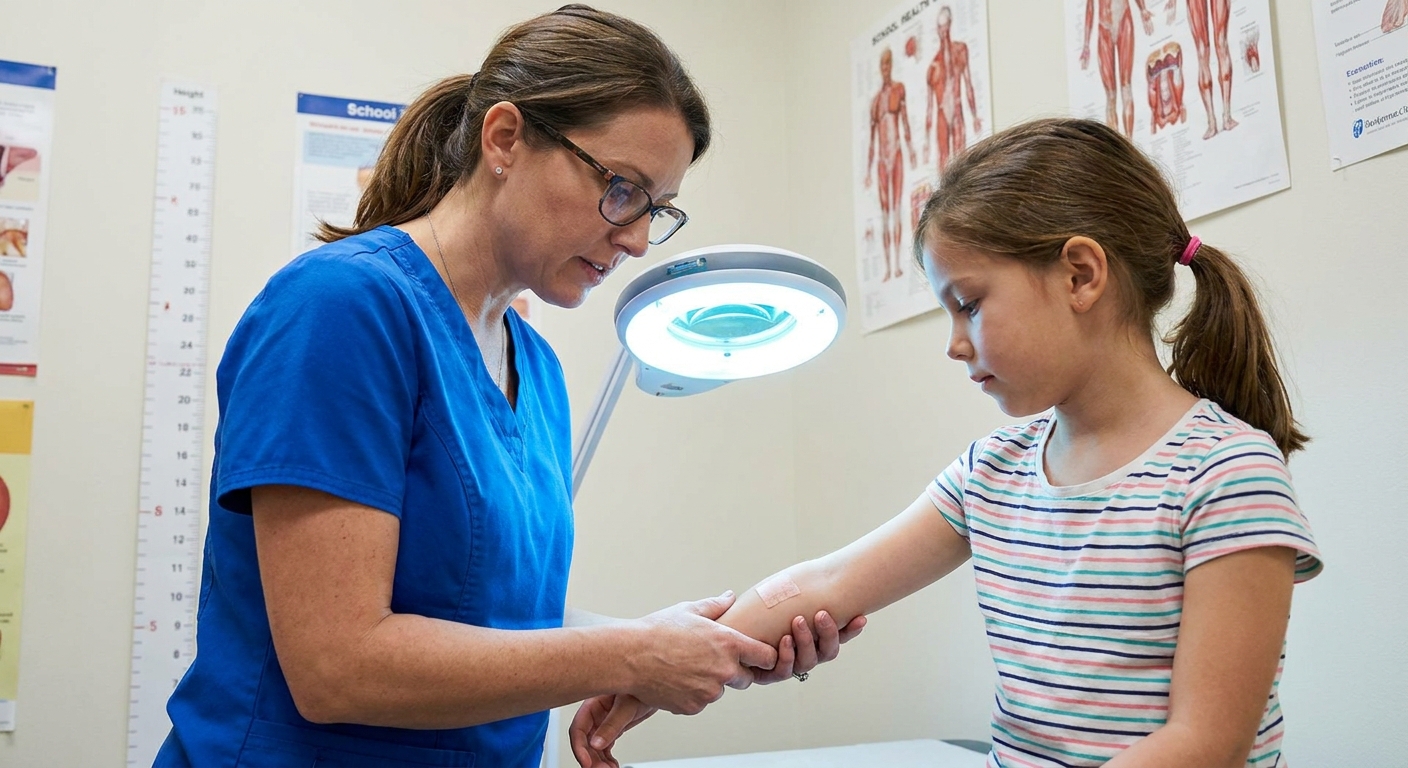
When can kids return to school or daycare?
Most public health guidance supports returning to school after starting effective treatment. Many districts no longer follow “no-nit” policies because they keep kids home for days even when there is little to no risk of spread.
A practical return checklist
- Do the first treatment as directed.
- Comb through the hair carefully to remove lice and as many nits as possible.
- Recheck the scalp and hair in good light.
- If you do not see live lice crawling, your child can usually return (as long as it matches your program’s policy).
Always follow your school or daycare’s policy, even if it feels outdated. If they have a no-nit rule, you may need to remove every visible nit for return, even though it is not medically necessary.
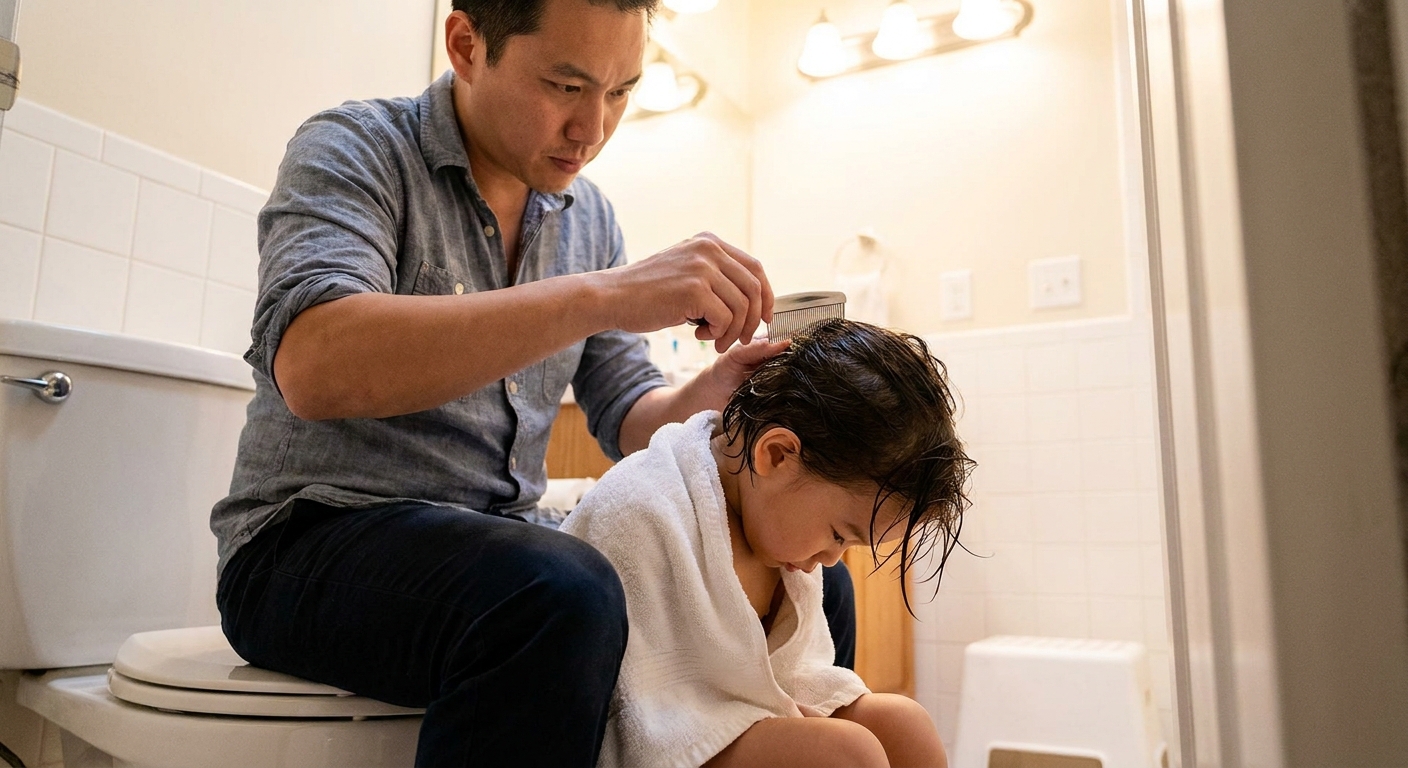
How to check hair correctly
This is the fastest way to get a real answer, especially if your kid has thick hair.
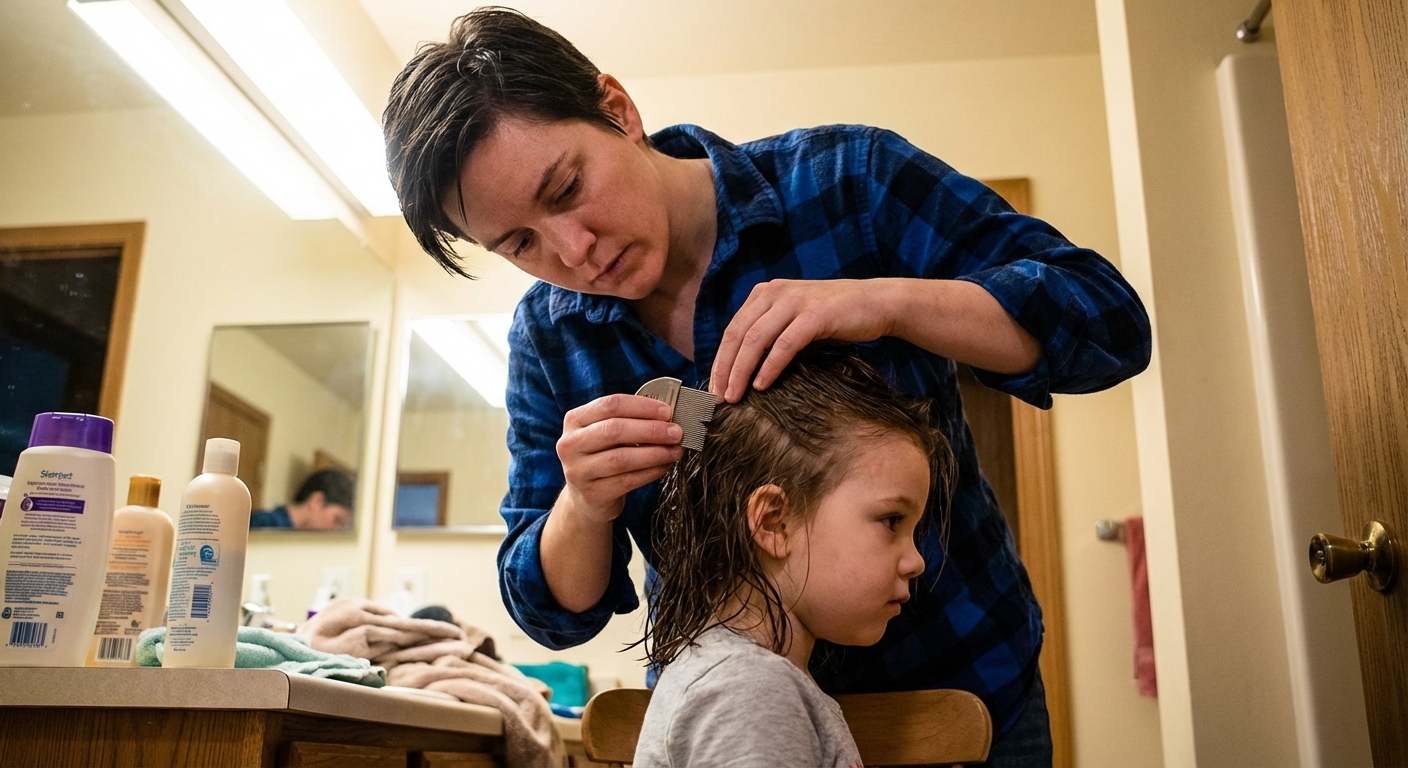
- Start with wet hair. Add conditioner to slow lice down and make combing easier.
- Use a metal fine-tooth lice comb if you have one.
- Work in small sections from scalp to ends, wiping the comb on a white paper towel between passes.
- Check the “hot spots”: behind the ears, the nape of the neck, and the crown.
- If you are unsure, take a clear photo of what you find and ask your pediatrician or school nurse to help confirm.
How to tell daycare or school
Lice happen to clean kids and messy kids, to short hair and long hair, to every income level. It is not a hygiene issue. It is a tiny-bug issue.
When you message daycare or the teacher, keep it simple and calm:
- Let them know your child was diagnosed.
- State the treatment you used and when you treated.
- Confirm you checked for live lice afterward.
- Ask about their return policy.
Example message you can copy:
“Hi, we found head lice tonight and treated immediately. I combed thoroughly and did not see any live lice afterward. Please let me know your return-to-class policy and if you want us to take any additional steps.”
Who else should you tell?
In addition to daycare or school, consider notifying close-contact families from the last couple of days (sleepovers, cousins, carpool, best friend). Keep it low-drama. The goal is quick checks, not panic. In general, people should be checked and treated only if live lice are found, unless your clinician or local policy says otherwise.
Do I need to deep clean my whole house?
No. You do not need to bleach your baseboards at midnight. Lice survive best on the human scalp. Off the head, they usually do not last long.
What is worth doing
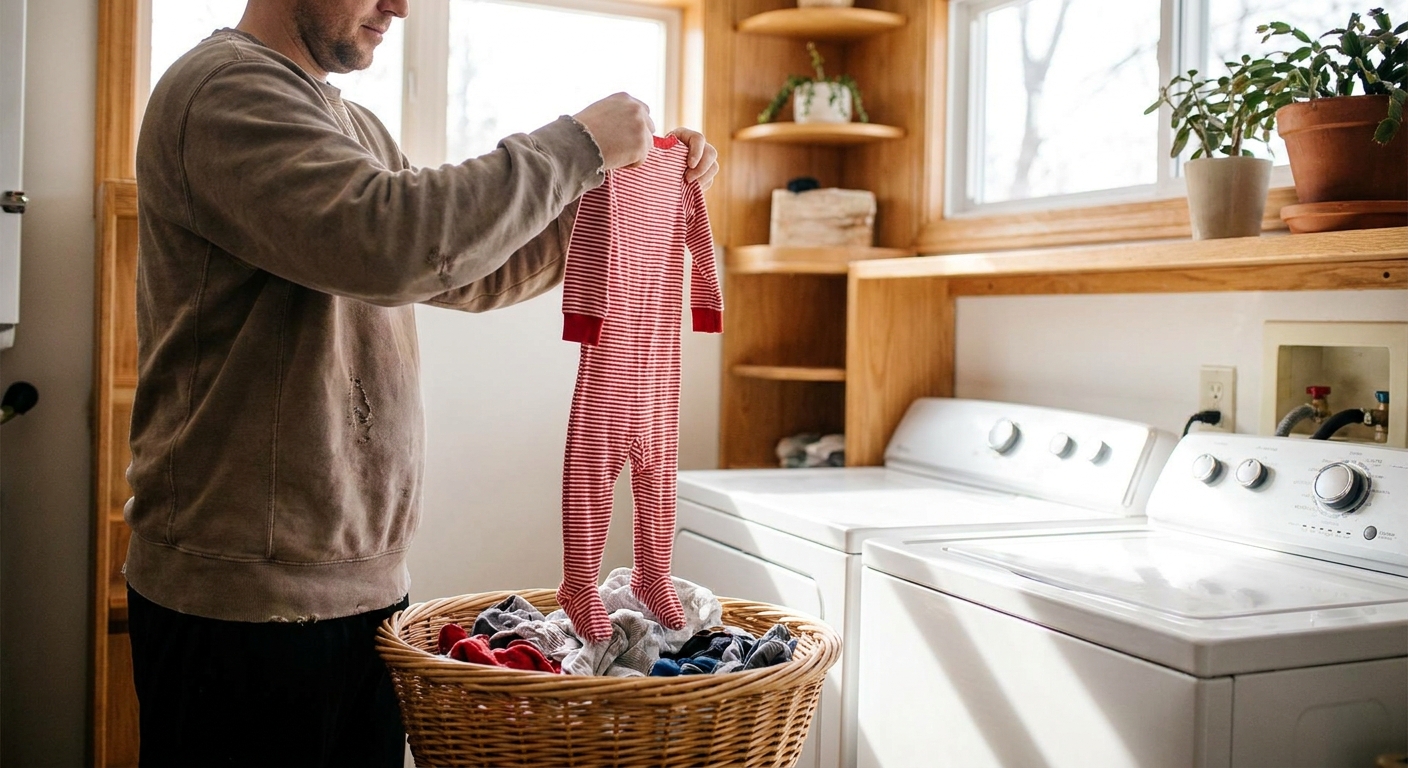
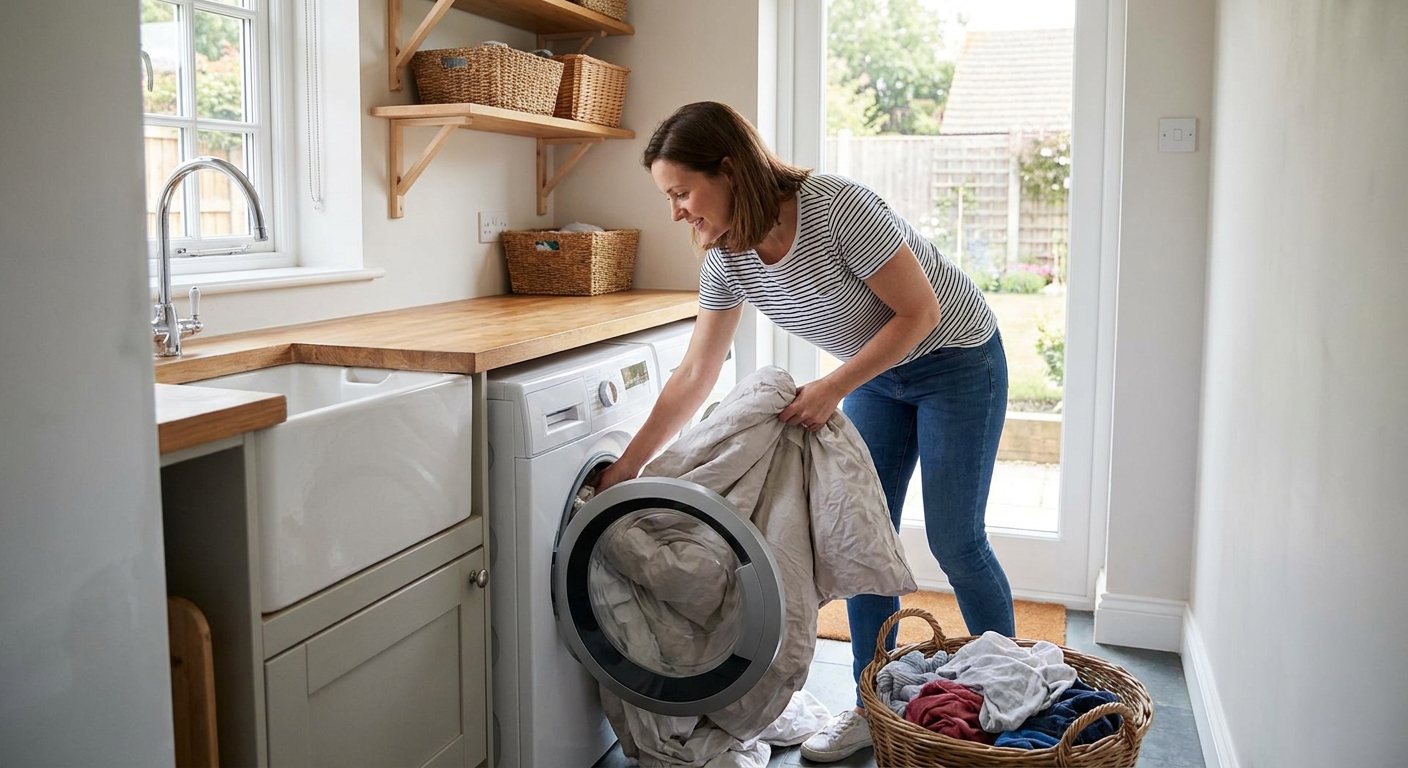
- Wash pillowcases, sheets, hats, and recently worn clothing in hot water and dry on high heat, if the fabric allows.
- Bag non-washable items (stuffed animals, special sweaters) for 48 hours to several days. If you prefer an extra-cautious approach, you can bag for longer (up to 2 weeks), but most people do not need to go that far.
- Soak combs and brushes in hot water (about 130°F or 54°C) for 5 to 10 minutes, then scrub clean. Note: hot tap water does not always reach that temperature, so use the hottest water you can safely access.
- Vacuum couches, car seats, and the child’s usual head-rest spots.
What you can skip
- Spraying your house or furniture with insecticides.
- Foggers or “lice bombs.”
- Obsessive washing of every item your child has ever touched.
If you focus your energy on the scalp and close contacts, you will get better results than you will from marathon laundry.
Retreatment timing
Many lice treatments do not reliably kill every egg. That is why lots of plans include a second treatment to catch newly hatched lice before they can lay more eggs.
Typical timing
- Many over-the-counter treatments recommend a repeat treatment around day 7 to day 10.
- Some prescription options have different schedules, and some may not require retreatment.
Do not guess. Read your product label exactly, or follow your pediatrician’s instructions.
Combing matters more than you want it to
Even when a product is effective, thorough wet-combing every 2 to 3 days for 2 weeks can dramatically reduce reinfestation and the “Are we done yet?” spiral.
What if OTC lice products fail?
OTC treatments can fail for a few common reasons: lice resistance in your community, not using enough product, rinsing too soon, skipping the second treatment, or reinfection from an untreated close contact.
Signs the treatment is not working
- You still see multiple live, active crawling lice the next day after treatment, especially if you used the product exactly as directed.
- You see live lice again within a couple of days and you are sure you used the product correctly.
(Seeing one sluggish bug right after treatment can be confusing. Some are dying, some are missed. What matters is whether live, active lice persist or keep showing up.)
What to do next
- Do not keep repeating the same OTC product every day. More is not better and can irritate the scalp.
- Call your pediatrician and ask about prescription options. Common prescription treatments may include ivermectin lotion, spinosad, malathion, or permethrin alternatives depending on age and local resistance patterns.
- Ask whether your child’s close contacts should be checked or treated. Usually, household members should be checked and treated only if live lice are found, but policies vary.
If your child is under 2 months old, or if there are open sores or skin infections from scratching, loop your clinician in early so you can choose the safest approach.
Quick FAQ
Is my child contagious if we only see nits?
Usually, no. Contagiousness is tied to live lice. Some schools still exclude for nits, but medically, nits alone do not equal active spread risk.
Can lice spread on helmets, hats, or headphones?
It is less common than head-to-head contact, but it can happen. Avoid sharing items that touch hair during an outbreak.
How long should we keep checking?
Plan to check and comb for 2 weeks. If you go 10 to 14 days with no live lice found, you are usually in the clear.
When to call the pediatrician
Call if:
- You have treated correctly and still see live lice.
- Your child has significant scalp irritation, swelling, or signs of infection (oozing, crusting, worsening redness).
- Your child is very young, has a chronic skin condition, or you are unsure which treatment is age-appropriate.
You are not failing. Lice are persistent little freeloaders, and sometimes you need a stronger, more targeted plan.
Bottom line
Head lice are contagious until live lice are killed. After the first effective treatment and a careful comb-out, most kids can return to school or daycare once treatment has started, based on local policy, often within 24 hours. Nits are frustrating, but they are not the same as live bugs. Follow-up combing and correct retreatment timing are what prevent newly hatched lice from restarting the cycle. Focus on scalp checks, smart timing, and calm communication with daycare. Save your energy. You deserve that sleep.
Sarah Mitchell
Sarah Mitchell is a Registered Pediatric Nurse and a mother of three who has spent over a decade helping families navigate the beautiful, chaotic early years of childhood. She combines evidence-based medical knowledge with real-world parenting experience to offer practical, compassionate advice. At Awesome Parent, Sarah's mission is to help exhausted parents find solutions, trust their instincts, and finally get some sleep.