A calm, practical guide for parents: spotting boils and abscesses, safe home comfort care, MRSA basics, signs of spreading infection, and what to expect if y...
Boils That Keep Coming Back: MRSA Carriage and Decolonization

Sarah Mitchell
Sarah Mitchell is a Registered Pediatric Nurse and a mother of three who has spent over a decade helping families navigate the beautiful, chaotic early years of childhood. She combines evidence-based medical knowledge with real-world parenting experience to offer practical, compassionate advice. At Awesome Parent, Sarah's mission is to help exhausted parents find solutions, trust their instincts, and finally get some sleep.
If you have ever dealt with a boil on your child, you already know how unfair it feels. You treat it, it finally heals, you wash every sheet in the house… and then another one pops up. Sometimes in the same spot. Sometimes in a sibling. Sometimes in you. As a pediatric triage nurse, I saw this pattern constantly, and as a mom, I can tell you it is emotionally exhausting in a way that is hard to explain to anyone who has not lived it.
When boils keep coming back, the question is usually not “Did we drain that last one correctly?” It is “Why do we keep getting new ones?” That is where staph carriage and sometimes MRSA decolonization come into the conversation.
First, what is a boil?
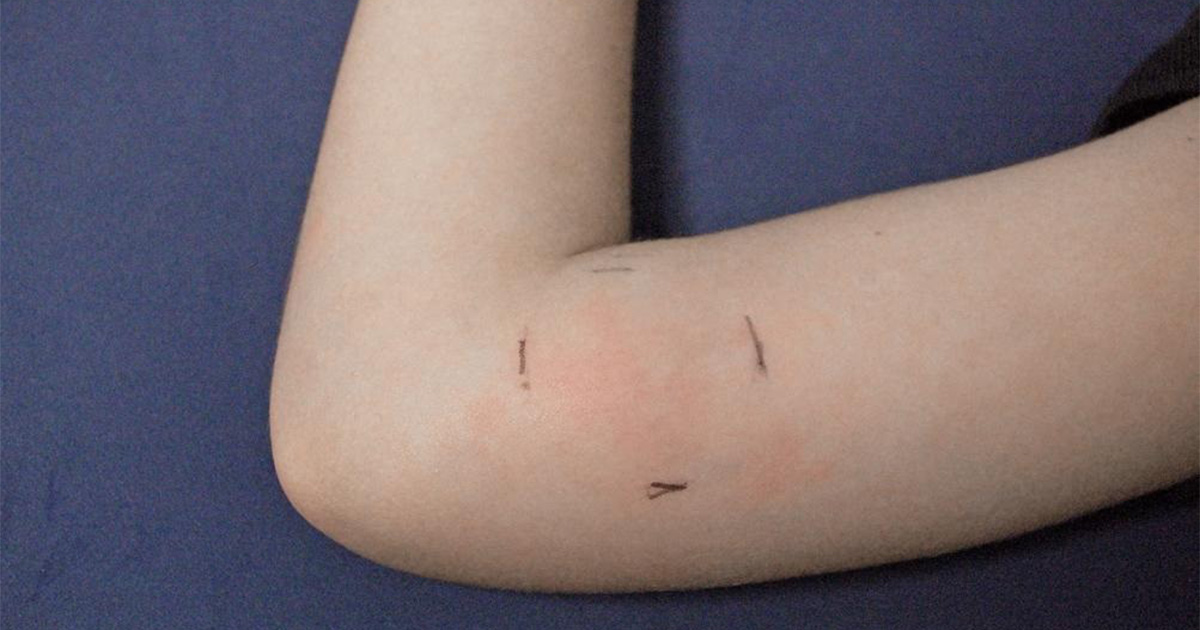
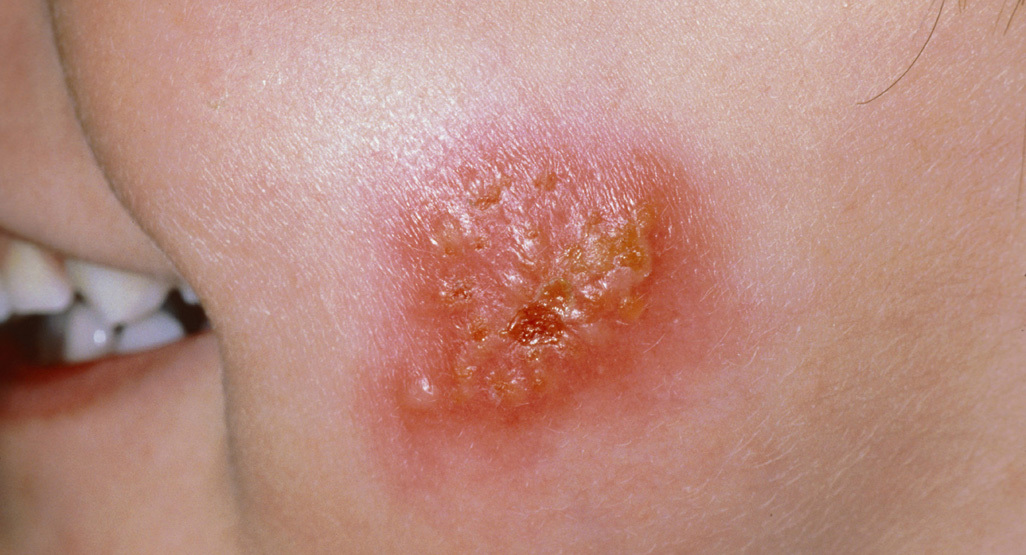
Many boils in kids are a type of skin infection caused by Staphylococcus aureus (often shortened to “staph”). A boil usually starts as a tender red bump that gets bigger, more painful, and may develop a center that looks like pus.
That said, not every “boil” is staph. Depending on age and location, similar-looking bumps can also be caused by other bacteria, inflamed cysts, infected insect bites, or (in teens) conditions like hidradenitis suppurativa, which tends to affect areas like the armpits and groin.
Clinicians may use words like:
- Abscess: a pocket of pus under the skin.
- Furuncle: a boil involving a hair follicle.
- Carbuncle: a cluster of connected boils.
- Cellulitis: infection of the skin and tissues around it, often spreading redness and warmth.
MRSA is one kind of staph that is resistant to some common antibiotics, especially beta-lactam antibiotics like methicillin or oxacillin. It can cause boils and abscesses that look like “regular” staph infections.
Why draining does not answer the real question
When a child has a single abscess, treatment often focuses on the immediate problem: relieving pain, draining pus if needed, and choosing an antibiotic when indicated. That approach can absolutely help the current infection heal.
It is also worth knowing that for some simple abscesses, incision and drainage may be the main treatment, and antibiotics are not always needed. Your child’s clinician decides this based on things like size, location, surrounding cellulitis, fever, age, and overall risk.
But recurrent boils are often driven by bigger factors, including:
- Staph living on the skin or in the nose of the child or a family member.
- Re-exposure within the household through close contact, shared towels, and shared “high-touch” items.
- Skin irritation or tiny breaks from eczema, scratching, shaving, sports friction, skin picking, or insect bites.
- A persistent “reservoir” of bacteria on the body or in the home, even after the visible boil is gone.
So yes, draining can be necessary and often works for that one spot. But it does not prevent the next boil if staph is still being carried or shared around the home.
What “staph carriage” means
Carriage means the bacteria are living on or in the body without necessarily causing an active infection at that moment. Staph commonly hangs out in places like:
- Inside the nostrils
- On the skin, especially in skin folds
- In the groin area
- Under the nails
Kids can be colonized with staph (including MRSA) and feel totally fine. The trouble is that once there is a small cut, scrape, bug bite, eczema flare, or friction, those bacteria can slip in and start a new infection.
And here is the part that surprises many families: the “carrier” might not be the child who keeps getting boils. Sometimes a parent or sibling is quietly carrying the bacteria and passing it back through normal daily contact.
When clinicians think MRSA or household spread
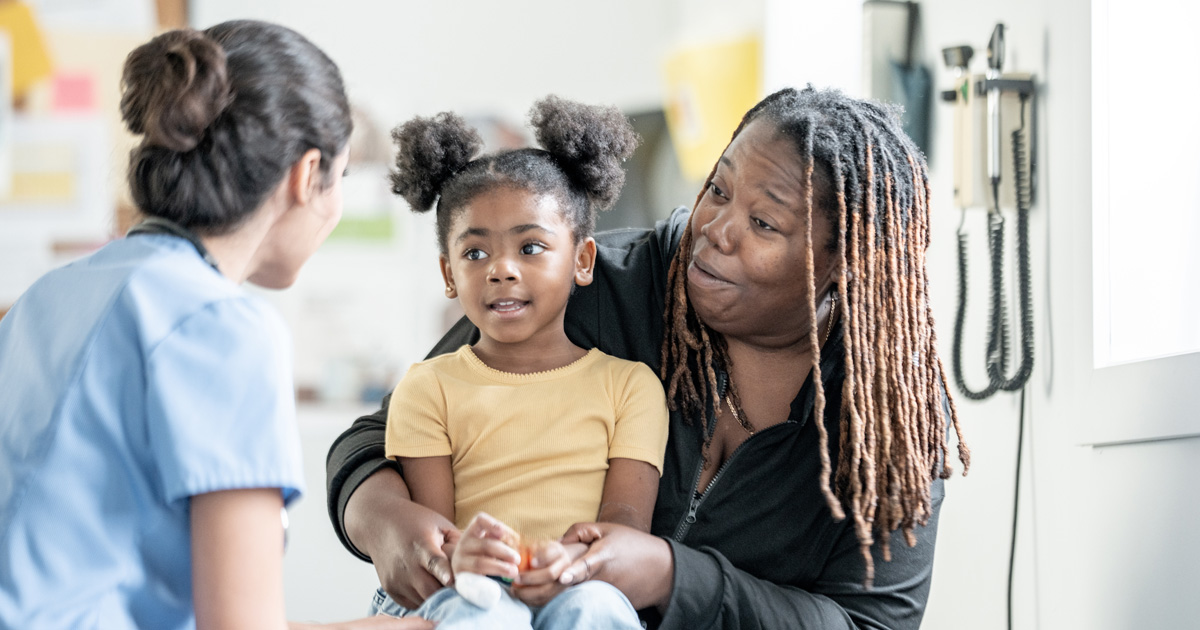
In clinic, the “recurrent boils” conversation often starts when any of these are true:
- Your child has had two or more boils or abscesses within months.
- More than one household member is getting boils.
- Boils keep appearing despite good wound care and finishing antibiotics as prescribed.
- There is a history of MRSA in the child, family, daycare, team sports, or close contacts.
At that point, clinicians may talk about culture results (if pus was sent to the lab), risk factors, and whether the household should consider a more structured plan. Cultures are most useful when there is drainage or pus to collect. Not every red bump can be meaningfully cultured.
You may also hear questions about underlying risk factors like eczema control, contact sports, and in older kids and teens, diabetes or recurring “boils” in armpits and groin that raise the possibility of hidradenitis suppurativa.
What “decolonization” means
Decolonization is a targeted effort to reduce or clear staph bacteria from the places it likes to live, with the goal of lowering the chance of new infections.
It is not something you should start on your own. It is typically recommended when infections are recurrent or spreading through a household, and it should be guided by your child’s clinician.
Decolonization plans vary by clinician and region, and the results can be mixed. Some families see a big improvement and some still deal with recurrences. The goal is to tilt the odds in your favor, not to promise a forever guarantee.
Plans often include combinations of:
- Prescription nasal ointment for a set number of days, because the nose is a common “home base” for staph.
- Antiseptic skin cleanser used in a specific way for a limited time.
- Sometimes dilute bleach baths in certain pediatric practices, with very specific instructions from your clinician.
- Household and hygiene steps to reduce reinfection from shared surfaces and shared personal items.
Sometimes clinicians recommend treating more than one household member at the same time. That is not punitive or dramatic. It is simply acknowledging that families share germs extremely efficiently, especially families with little kids who climb on everyone like tiny affectionate jungle cats.
Even with a strong plan, decolonization is not a guaranteed forever fix. Some people become recolonized over time. But it can significantly reduce the “boil, heal, repeat” cycle for many families.
Hygiene that supports the plan
If decolonization is the “medical reset,” daily habits are what help you keep the reset from snapping right back. When we talked to families about recurrent boils, the tone was never “You are not clean enough.” Most of the families I met were already cleaning like their life depended on it. The goal is to focus on the right actions, not endless scrubbing.
Personal hygiene basics
- Hand hygiene: Wash hands with soap and water, especially after touching a wound or changing a bandage. Hand sanitizer is helpful when you are out, but soap and water are great at home.
- Daily bathing: Your clinician may recommend a specific cleanser or routine, but even consistent basic bathing helps reduce skin bacteria load.
- Keep nails short: Tiny kids scratch without realizing it, and bacteria love hiding under nails.
- Cover draining or open areas: Use clean bandages as directed so pus does not spread bacteria to towels, bedding, and little hands.
Stop sharing the sneaky stuff
In nearly every recurrent-boil household, we found a shared item that no one thought about as “shared.” Common culprits:
- Towels and washcloths
- Razors
- Bar soap sitting in a shared dish
- Makeup and brushes for teens
- Sports gear that touches skin (pads, compression sleeves)
Laundry and surfaces
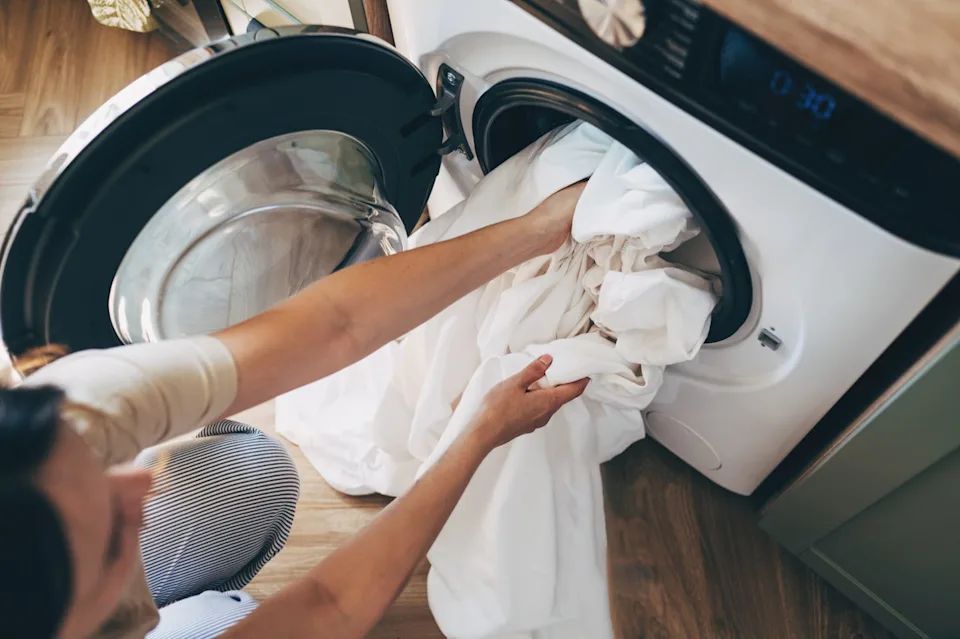
- Wash towels and bedding regularly, especially if they contact an infected area.
- Use the warmest water appropriate for the fabric and dry items thoroughly.
- Wipe down high-touch surfaces (bathroom fixtures, light switches, device cases) with your usual household disinfectant.
Sports, daycare, and school
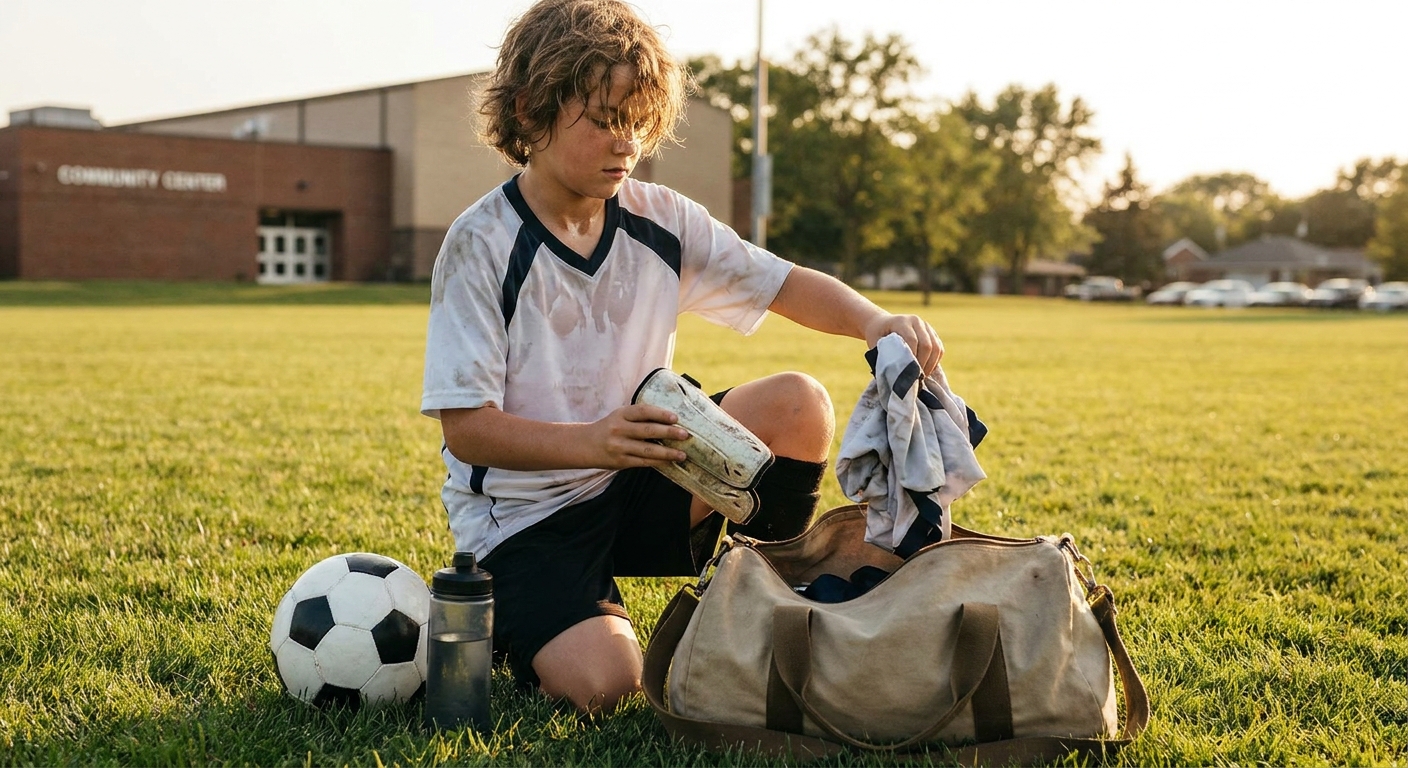
- Send kids with their own clearly designated towel and water bottle.
- Shower after close-contact sports when possible.
- Do not share protective gear, and clean gear according to manufacturer instructions.
What not to do at home
- Do not squeeze, pop, or lance a boil. I know it is tempting. It can push infection deeper, worsen pain, and spread bacteria.
- Do not share antibiotics between family members or use leftover prescriptions.
- Do not use harsh DIY “disinfecting” skin soaks unless your clinician specifically tells you to. Skin irritation creates tiny breaks that can actually make infections more likely.
While you are waiting to be seen, a warm compress on top of intact skin can help with comfort. If the area is open or draining, follow your clinician’s guidance and keep it clean and covered.
When to get same-day care
Most boils are uncomfortable and annoying, but some situations need prompt evaluation. Call your pediatrician for guidance or seek same-day care if your child has:
- Fever along with a boil or skin infection
- Rapidly spreading redness or warmth around the area
- Red streaking moving away from the infection
- Severe pain that seems out of proportion, or pain that is quickly worsening
- Swelling on the face, especially near the eye, or a boil inside the nose
- Signs of being unwell: unusual sleepiness, poor feeding, dehydration, or fast breathing
- Infection near the genitals or in an infant, where complications can develop faster
If your child has immune system problems, is on immune-suppressing medicines, or is very young, the threshold for same-day evaluation is even lower. Trust your gut. If your child looks sick, you are not overreacting by getting them seen.
Questions to ask the clinician
If you are stuck in the cycle of repeat boils, walking into an appointment with a short list can help. Consider asking:
- Should we culture any future drainage to confirm whether this is MRSA or another bacterium?
- Do you think my child is colonized with staph?
- Should we consider a household decolonization plan?
- Do any underlying skin issues (like eczema) need better control to prevent breaks in the skin?
- Are there any other risk factors we should think about at my child’s age, like contact sports, skin picking, or diabetes screening in an older child or teen?
- What are your clear instructions for wound care at home and when to come back?
A calm reality check
Recurrent boils can make parents feel like they are failing at basic hygiene. You are not. Staph is common, kids are sticky, and households are full of close contact. The goal is not to create a sterile bubble. The goal is to break the repeat-infection loop with sensible hygiene, good wound care, and, when appropriate, clinician-guided decolonization.
And if you are reading this at a weird hour, googling “why does my kid keep getting boils” while everyone else sleeps, I want you to hear one thing clearly: you are doing your job. This is hard, and it is solvable. Get your pediatrician involved, and do not be afraid to ask directly about carriage and household strategies.
Quick FAQ
Is MRSA the only cause of recurrent boils?
No. MSSA (non-resistant staph) can also cause recurrent abscesses. Other bacteria and other skin conditions can mimic boils too. That is one reason cultures and clinician evaluation matter.
Should the whole family be treated?
Sometimes. If multiple people are getting boils, clinicians may recommend a coordinated household approach so you are not passing the bacteria back and forth.
Will antibiotics prevent future boils?
Antibiotics can help treat an active infection when needed, but they do not automatically stop recurrence. That is why carriage and hygiene measures come up when boils repeat.
Sarah Mitchell
Sarah Mitchell is a Registered Pediatric Nurse and a mother of three who has spent over a decade helping families navigate the beautiful, chaotic early years of childhood. She combines evidence-based medical knowledge with real-world parenting experience to offer practical, compassionate advice. At Awesome Parent, Sarah's mission is to help exhausted parents find solutions, trust their instincts, and finally get some sleep.