Honey-crusted sores, quick spread, and lots of parent worry. Here’s how to recognize impetigo, treat it safely, prevent reinfection, and know when it’s okay ...
Infected Eczema vs Impetigo in Kids

Sarah Mitchell
Sarah Mitchell is a Registered Pediatric Nurse and a mother of three who has spent over a decade helping families navigate the beautiful, chaotic early years of childhood. She combines evidence-based medical knowledge with real-world parenting experience to offer practical, compassionate advice. At Awesome Parent, Sarah's mission is to help exhausted parents find solutions, trust their instincts, and finally get some sleep.
If your child has eczema, you get used to seeing red, rough patches. But the moment it turns weepy or develops that sticky honey-colored crust, your brain jumps straight to: “Is this infected?” Totally fair. As a pediatric nurse and a mom of three, I can tell you this is one of the most common reasons parents call a clinic after bedtime.
The tricky part is that infected eczema and impetigo can look very similar, and sometimes they happen together. The good news: you do not have to diagnose this perfectly at home to take smart, safe next steps.
Quick snapshot: what is the difference?
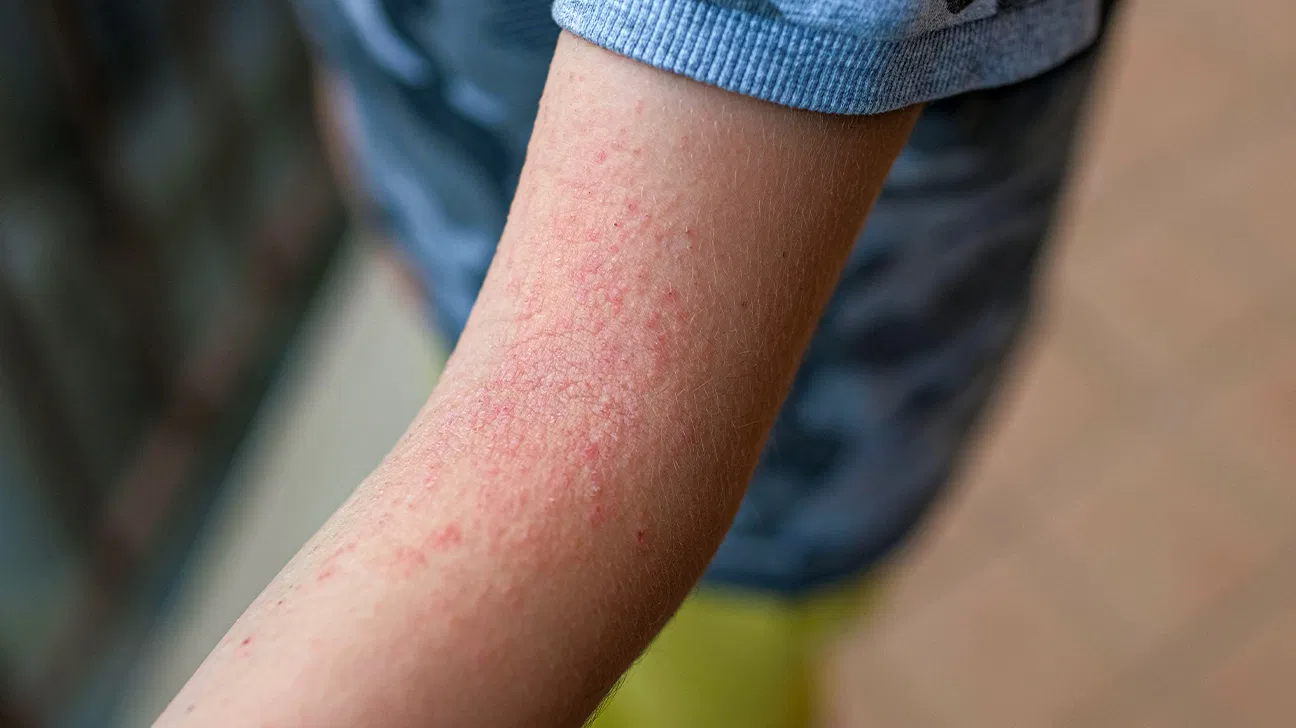
Impetigo is a contagious bacterial skin infection. It often starts on skin that was not an active eczema patch, but it can also show up where skin is irritated or broken (think: runny-nose wiping, insect bites, scrapes, or eczema).
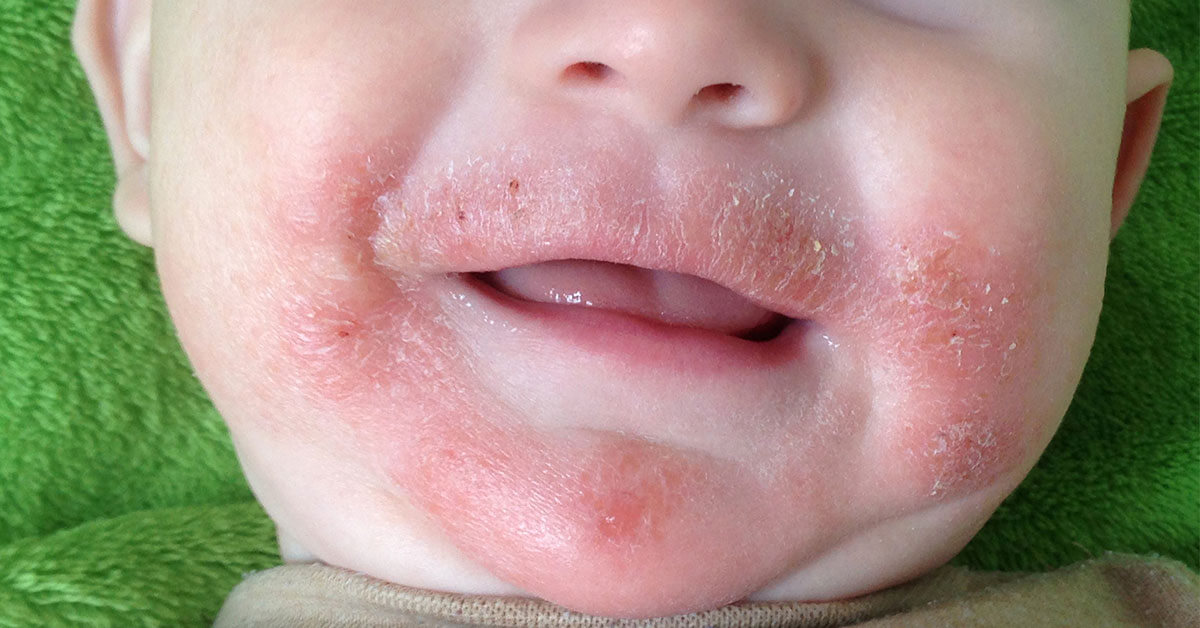
Infected eczema happens when bacteria get into skin that is already irritated and broken from eczema. It often shows up right on top of your child’s usual eczema spots.
- Impetigo: lesions start on non-eczema skin, then spread.
- Infected eczema: eczema first, infection on top of it.
Both are commonly linked to everyday bacteria like Staph and Strep. Kids with eczema are more prone because the skin barrier is leaky and scratching helps germs get in.
What impetigo usually looks like
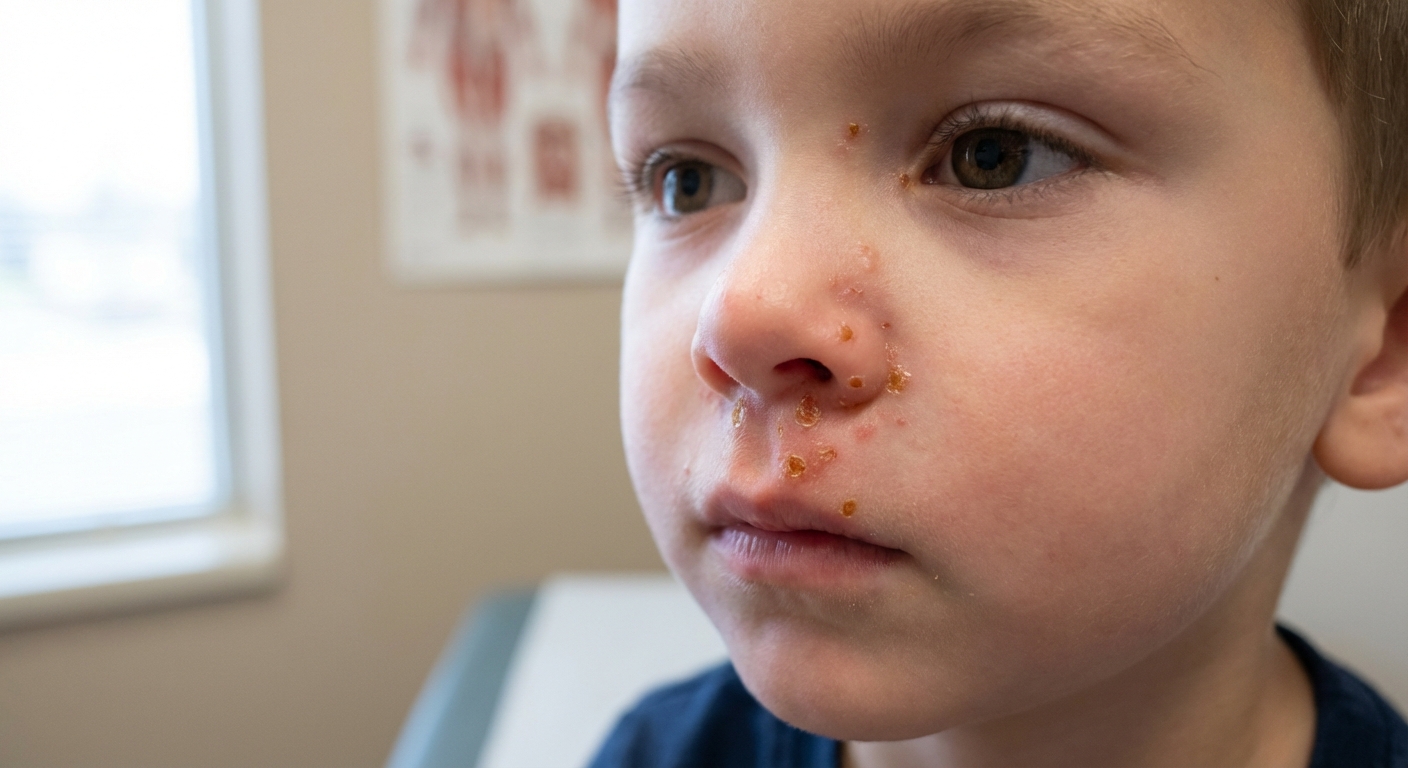
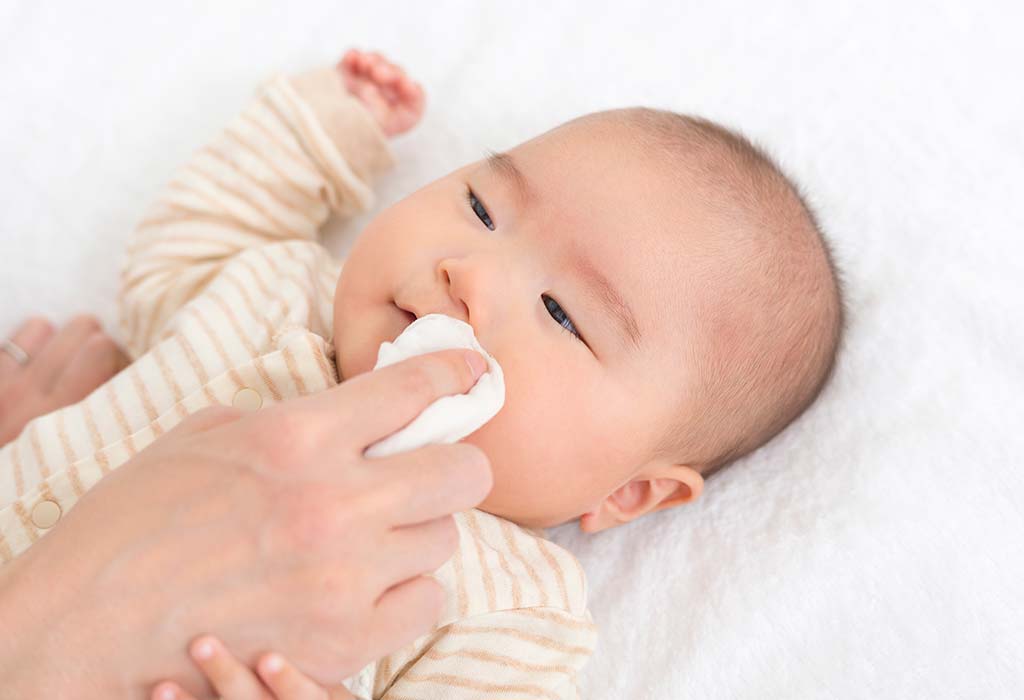
Classic impetigo often starts as small red spots or blisters that pop, then leave moist sores with a golden or honey-colored crust. Parents often describe it as “sticky” or “glued on.”
Common clues for impetigo
- Often starts on skin that was not an active eczema patch (but can start where skin is irritated or scratched).
- Often around the nose and mouth, sometimes after a cold with lots of wiping.
- Spreads outward, and new spots may appear each day.
- May be itchy more than painful.
- Close contacts get it (siblings, classmates).
There is also a type called bullous impetigo that causes larger fluid-filled blisters, more common in babies and toddlers.
What infected eczema usually looks like
Eczema is already inflamed, so when it gets infected, it tends to look like a flare that suddenly takes a turn. You might see increased oozing, yellow crusting, and more redness than usual.
Common clues for infected eczema
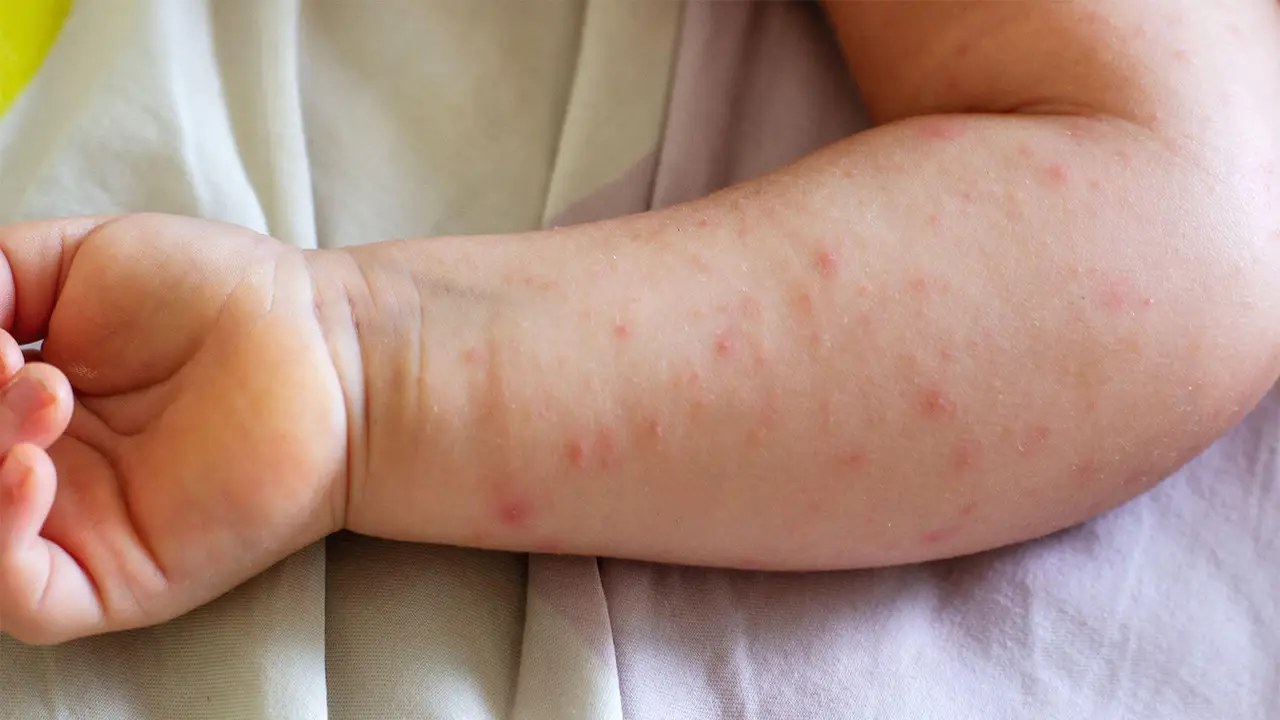
- Happens on your child’s typical eczema zones (behind knees, inside elbows, wrists, ankles, cheeks).
- Looks like a sudden escalation of a known flare: more wet, more angry, more crust.
- More tender than usual, especially if the skin is cracked or raw.
- May have a “wet” shine or sticky seepage on the patch.
A helpful mental picture: impetigo often looks like a few separate “new” sores, while infected eczema often looks like a broader area of eczema that has become oozy and crusted.
One more thing: not every crusty flare is bacterial. Ringworm, scabies, and irritant or allergic contact rashes can sometimes mimic eczema flares. If it is not responding the way your child’s eczema usually does, it is worth getting checked.
Can kids have both at the same time?
Yes. Kids with eczema are more likely to get bacterial skin infections because their skin barrier is already compromised and scratching introduces germs.
So sometimes what starts as infected eczema can also become a spreading impetigo situation, especially if your child is scratching and then touching other areas.
When to get same-day medical care
Most mild cases are treatable, but certain symptoms raise the urgency. I tell parents to trust their gut here, especially if your child looks or acts unwell.
Same-day care is a good idea if your child has:
- Fever along with the rash.
- Rapidly worsening pain (pain that is new, intense, or escalating quickly).
- Fast-spreading redness, warmth, or swelling around the area.
- Red streaks moving away from the rash.
- Pus or a strong foul odor.
- A painful, firm lump or “boil” (possible abscess).
- Swollen, tender lymph nodes (like in the neck or groin) with skin infection.
- Rash near the eye or eyelid.
- A baby under 3 months with any concerning skin infection signs.
- Immune system concerns (immunosuppressant meds, complex medical conditions).
If your child seems very sick, is lethargic, has trouble breathing, or you are worried for any reason you cannot shake, treat that as urgent.
What you can do at home right now
While you are arranging care or watching closely, these steps are usually safe and genuinely helpful.
1) Clean gently
- Use lukewarm water and a mild, fragrance-free cleanser.
- Pat dry. Do not scrub crusts hard. Scrubbing can cause more skin breaks.
2) Protect the skin barrier
- Apply a thick, fragrance-free ointment or cream (think petrolatum-based or ceramide-based) to surrounding eczema-prone skin.
- Avoid fragranced products and essential oils on broken skin.
3) Reduce spread
- Keep fingernails short and clean.
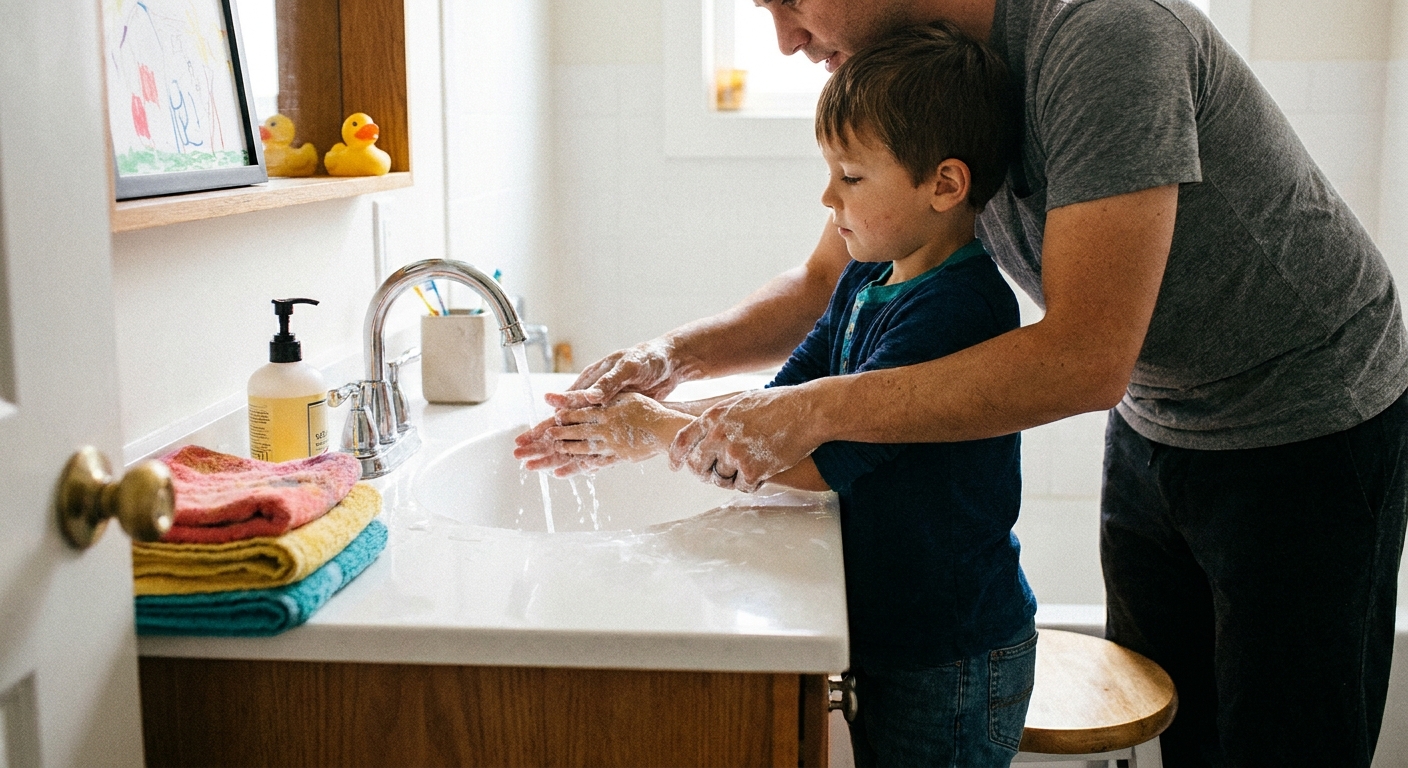
- Use separate towels and washcloths for the child with the rash.
- Wash hands before and after touching the affected area.
- Consider covering oozing spots with a nonstick dressing if your child will tolerate it, especially at night.
- Avoid contact sports and close skin-to-skin play until your clinician says it is fine, especially if lesions cannot be covered.
4) Avoid these common “oops” moves
- No picking crusts off.
- Avoid shared towels, clothing, bedding, or baths while spots are actively oozing or crusted.
- Avoid over-the-counter antibiotic ointments (especially ones with neomycin or bacitracin) unless your clinician recommends them. Some kids develop contact allergy, and that can make eczema worse.
If your child already has an eczema plan from your pediatrician or dermatologist, keep following it unless you were told to stop when infection is suspected.
How clinicians decide on treatment
Because infected eczema and impetigo are often caused by similar bacteria, the treatment approach can overlap. What changes is the extent, location, and severity.
Possible treatments include:
- Prescription topical antibiotic medicine for small, localized areas (common for mild impetigo).
- Oral antibiotics if there are many lesions, rapid spread, facial involvement, fever, or concern for deeper infection.
- Eczema control at the same time, because calming inflammation helps the skin heal and reduces scratching.
Your child’s clinician may also ask about daycare exposure, recent outbreaks, and whether anyone else at home has similar sores.
If the rash is recurrent, not improving as expected, or there is concern for resistant bacteria like MRSA, clinicians sometimes swab the skin for a culture to help pick the right medicine.
Eczema herpeticum
There is another condition parents of kids with eczema should know exists: eczema herpeticum, which is a herpes infection on eczema skin. It can look like clusters of painful blisters or punched-out sores and can come with fever and a sick, uncomfortable child.
We cover the warning signs and why this needs urgent care in our guide on Eczema Herpeticum in Children.
Keeping it from coming back
If this is impetigo or might be
- Wash bedding, towels, and clothing that touch the rash in hot water when possible.
- Do not share hats, headphones, or sports gear that touches the face.
- For older kids, do not share lip balm, makeup, or face products during an outbreak.
- Ask your child’s clinician when it is safe to return to daycare or school (this depends on treatment and local policy).
If this is infected eczema
- Focus on eczema maintenance: regular moisturizing, gentle bathing routines, and using prescribed anti-inflammatory creams as directed.
- Address itch triggers like heat, sweat, and fragranced products.
- Consider night strategies to reduce scratching, like cotton pajamas and keeping the room cool.
If you want help with everyday eczema care, our baby eczema guidance can walk you through moisturizing routines, bathing, and flare control in a practical way.
FAQ
Does honey-colored crust always mean impetigo?
No. Honey-colored crust can happen with impetigo and with infected eczema. The context matters: new spots on skin that was not an active eczema patch leans toward impetigo; worsening of a known eczema patch leans toward infected eczema.
Can my child go to school or daycare?
If the rash might be impetigo, many schools ask kids to stay home until treatment has started. A common benchmark is returning after 24 hours on effective antibiotics, as long as your child feels well enough and lesions can be covered when possible. Always follow your school or daycare policy and your clinician’s advice.
Should I use my child’s eczema steroid cream if I think it is infected?
This is a great question for your pediatrician because it depends on what is going on and where the rash is. In real life, clinicians often treat both the infection and the eczema inflammation, but you should get individualized advice if the area is very weepy, rapidly worsening, or painful.
What if it is getting worse quickly?
Worsening fast, new fever, or rapidly increasing pain are same-day reasons to be seen. Do not wait it out.
The bottom line
If your child has eczema and suddenly develops oozing and honey-colored crust, it could be infected eczema, impetigo, or both. Look at where it started, how fast it is spreading, and how your child feels overall.
And please take this seriously: fever or rapidly worsening pain are not “watch and wait” symptoms. Those are same-day care symptoms.
Sarah Mitchell
Sarah Mitchell is a Registered Pediatric Nurse and a mother of three who has spent over a decade helping families navigate the beautiful, chaotic early years of childhood. She combines evidence-based medical knowledge with real-world parenting experience to offer practical, compassionate advice. At Awesome Parent, Sarah's mission is to help exhausted parents find solutions, trust their instincts, and finally get some sleep.