A calm, day-by-day guide to circumcision aftercare: cleaning, diapering, normal healing, bathing, pain expectations, and exactly when to call the doctor or g...
Buried Penis in Babies: When the Penis Looks Hidden

Sarah Mitchell
Sarah Mitchell is a Registered Pediatric Nurse and a mother of three who has spent over a decade helping families navigate the beautiful, chaotic early years of childhood. She combines evidence-based medical knowledge with real-world parenting experience to offer practical, compassionate advice. At Awesome Parent, Sarah's mission is to help exhausted parents find solutions, trust their instincts, and finally get some sleep.
I still remember the first time a parent brought their newborn into my pediatric triage room and whispered, panicked, “I think his penis disappeared.” They were not being dramatic. In certain babies, especially those with a round little belly and a generous pubic fat pad, the penis can look tucked in or nearly invisible for stretches of time.
If you are seeing a “hidden” penis in your baby, take a breath. Most of the time, this is a common anatomy variation and not an emergency. But there are a few urinary and skin concerns worth watching for, especially after circumcision.

What “buried” or “hidden” penis means
A buried penis (also called a concealed or hidden penis) is when the penis is a typical size, but it looks smaller or “tucked in” because it is sitting deeper in the surrounding skin and fat pad. In babies, this usually happens for one of these reasons:
- Prominent pubic fat pad: The penis can sink into the soft tissue above it, especially when baby is chubby, cold, or flexing.
- Loose or slightly different skin attachments: Skin at the base can create a “webbed” look where the shaft seems partially covered.
- After circumcision: Swelling, remaining inner foreskin, or mild adhesions can make the penis look more hidden, even when healing is going fine.
Important reassurance: in the vast majority of infants, the penis is not truly “missing” or shrinking. It is a visibility issue, not a growth issue.
One quick distinction that can lower anxiety: a buried penis is different from a micropenis (a true size issue). Micropenis is diagnosed by a clinician using a stretched length measurement and overall exam. If you are worried the penis is truly very small (or there are other genital differences), it is worth bringing up at a visit so your pediatrician can check.
Buried penis vs circumcision healing
Right after circumcision, it is very normal for things to look puffy, red, and honestly a little alarming. Parents often expect “clean and healed” within a day or two, but newborn skin takes time.
Typical circumcision healing can include
- Swelling for several days
- Redness and tenderness
- A yellow film or crust on the head (this is usually healing tissue, not pus)
- The penis looking shorter because swelling plus the fat pad makes it retract visually
Clues it may be more than routine healing
Consider reaching out to your pediatrician if you notice:
- Skin seems stuck to the head or shaft, or you are being told to “pull it back” and it is unclear what is safe. Adhesions are common and often need specific guidance rather than repeated pulling at home.
- The opening where urine comes out is hard to see and baby seems to struggle to pee
- The penis looks trapped under a tight ring of skin (this can happen after circumcision and is sometimes called a trapped penis)
- Worsening redness spreading onto the pubic area, increasing swelling, or foul odor
If your baby was circumcised recently and you are unsure what you are seeing, a quick photo in good lighting can be very helpful for your clinician. Use your clinic’s patient portal or follow their instructions, and avoid sending sensitive photos through unsecured messaging.

What you might notice at diaper changes
Parents usually spot a buried penis in one of these ways:
- The penis looks very small or the tip is hard to see.
- The skin looks bunched around the area, especially when baby’s legs are drawn up.
- Urine seems to go everywhere even when the diaper is on correctly.
- Redness or irritation develops where skin folds stay moist.
One helpful thing to know: temperature and positioning matter. In a warm bath, a warm room, or with relaxed legs, the penis often becomes more visible. With a cold wipe or a startled baby, it may look more tucked in.
Urine stream concerns to check
“How he pees” is usually the best clue for whether this is simply a visibility issue or something that needs medical attention.
Usually normal
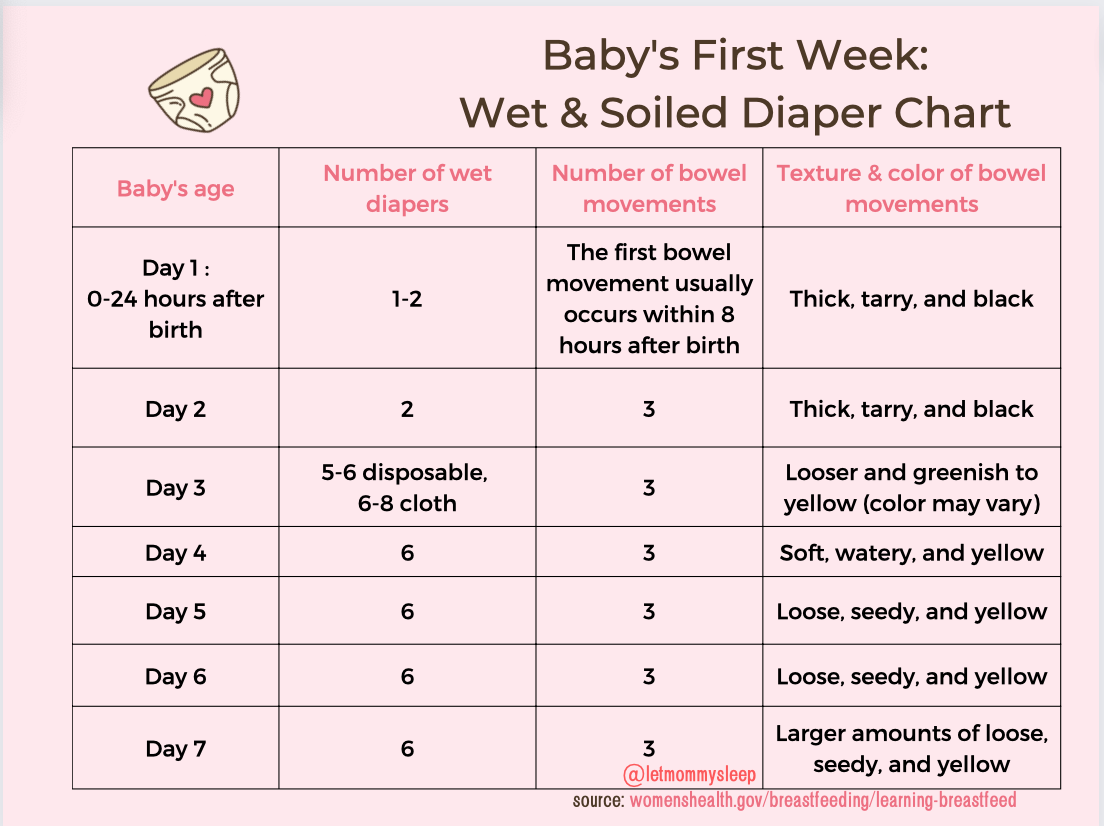
- Baby has normal wet diapers (in general, several per day, with the exact number varying by age and feeding)
- No obvious discomfort with peeing
- Stream seems strong when you happen to see it, even if direction is unpredictable
Call your pediatrician promptly if you notice
- Fewer wet diapers than usual or diapers that stay mostly dry
- Straining, crying, or obvious pain with urination
- Dribbling instead of a stream
- A ballooning look of skin near the tip during peeing (this is more typical in uncircumcised babies with a tight foreskin, but it can also happen if there is a skin hood or adhesion acting like a flap)
- Persistent spraying or a very narrow stream that does not improve as healing settles
Spraying can happen simply because the penis is angled downward into the fat pad, or because the diaper is tight in a way that changes the direction.
You may also hear about meatal stenosis (narrowing of the urine opening) after circumcision. When it happens, it is more often noticed later in toddler or preschool years, not in the first days after a newborn circumcision. A very narrow stream, upward deflection, prolonged peeing, or straining are the kinds of symptoms clinicians look for.
If you are ever worried about urinary retention, get help quickly. As a practical rule, if a newborn goes 8 to 12 hours without a wet diaper (or you see a firm, distended belly or significant distress), that warrants urgent evaluation. Your pediatrician may give you a different threshold for your baby’s age and feeding pattern.
Skin, infection, and irritation
When skin folds stay damp, irritation happens fast. With a buried penis, urine can collect in the folds around the shaft or under a skin “hood,” which can lead to redness and rash.
Common, fixable irritation signs
- Redness in the crease where the penis meets the pubic area
- Mild odor that improves with bathing and drying
- Diaper rash that is worse in skin folds
Signs that deserve a medical call
- Increasing redness that spreads or looks shiny and swollen
- Drainage (yellow-green pus) or a strong foul smell that does not improve with gentle cleaning
- Fever in a young infant (for babies under 3 months, fever is always an urgent call)
- Baby seems very uncomfortable when the area is touched or during diaper changes
Also watch for recurrent yeast rash in the folds, which can look beefy red with small “satellite” dots nearby. That often needs specific treatment your pediatrician can recommend.

What you can do at home
Your job is not to “pull it out” aggressively. Your job is to keep the area clean, dry, and comfortable, and make sure baby is peeing well.
Diaper change tips
- Clean gently with warm water or fragrance-free wipes. Pat dry in the folds.
- Use a barrier ointment (like plain petroleum jelly or a zinc oxide cream) on irritated skin.
- Point the penis downward before closing the diaper. This helps direct urine into the diaper.
- Avoid forceful retraction of skin. If skin seems stuck or the tip is hard to find, that is a doctor check, not a parent fix.
Baths can help
A simple warm bath can relax the tissue, rinse away trapped urine, and make everything easier to see. If your baby has been circumcised recently, follow your clinician’s instructions about when full baths are allowed.
When it needs treatment
Most infants with a buried penis improve as they grow, become more mobile, and their body proportions change. Some situations do need closer follow-up, and occasionally a pediatric urology referral.
Your pediatrician may consider referral if:
- Urination problems keep happening (straining, retention, recurrent infections)
- Skin issues are frequent despite good diaper care
- The penis appears trapped by a tight ring of skin after circumcision
- There are significant adhesions, scarring, or concerns about penoscrotal webbing
When treatment is needed, it is highly individualized. Sometimes it is careful monitoring. Sometimes it is a topical medication for inflammation or adhesions. In a smaller number of cases, a surgical correction is discussed later on, especially if function is affected.
Urgent red flags
Please seek urgent care or contact your child’s clinician right away if you notice:
- No urine output for an extended period (a common practical threshold in a newborn is 8 to 12 hours, or sooner if your clinician advises), especially with a firm belly or signs of distress
- Blue, purple, or very pale color of the penis, or the tip looks cold and poorly perfused
- Severe swelling that is rapidly worsening
- Fever in a baby under 3 months
- Signs of dehydration (very dry mouth, no tears when crying, unusually sleepy, significantly fewer wet diapers)
Frequently asked questions
Can a baby’s penis really retract inside the body?
Not in the way it sounds. The penis is still there, but it can sit deeper in the surrounding soft tissue. It is more like it is nestled than retracted.
Is a buried penis caused by something I did?
No. This is usually anatomy and baby body composition. It is not caused by diapering, baths, or normal handling.
Will it affect future growth or fertility?
In most cases, no. A buried penis is usually a visibility and skin care issue in infancy, not a growth issue. Your pediatrician can track development at well visits.
If my baby is circumcised, does a buried appearance mean the circumcision was done wrong?
Not necessarily. Some babies are simply more prone to a concealed look because of the fat pad and skin. That said, if the penis seems trapped, the opening is hard to see, or peeing is difficult, it is worth being examined.
The bottom line
A penis that looks hidden in a baby is often a normal variation, especially with a bigger pubic fat pad or during the swelling phase after circumcision. The most important things to monitor are easy urination, normal wet diapers, and healthy skin.
If your gut says “this doesn’t look right” or your baby is having trouble peeing, you are never overreacting by calling your pediatrician. In pediatrics, we would much rather reassure you early than fix a problem late.
Sarah Mitchell
Sarah Mitchell is a Registered Pediatric Nurse and a mother of three who has spent over a decade helping families navigate the beautiful, chaotic early years of childhood. She combines evidence-based medical knowledge with real-world parenting experience to offer practical, compassionate advice. At Awesome Parent, Sarah's mission is to help exhausted parents find solutions, trust their instincts, and finally get some sleep.