A calm, practical guide to chickenpox: rash stages, typical timeline, fever and itch relief, when kids can return to school, and when to call the doctor. Inc...
Chickenpox During Pregnancy: Exposure Timing and Newborn Risk

Sarah Mitchell
Sarah Mitchell is a Registered Pediatric Nurse and a mother of three who has spent over a decade helping families navigate the beautiful, chaotic early years of childhood. She combines evidence-based medical knowledge with real-world parenting experience to offer practical, compassionate advice. At Awesome Parent, Sarah's mission is to help exhausted parents find solutions, trust their instincts, and finally get some sleep.
If you are pregnant and you just found out someone around you has chickenpox, your brain tends to do this fun thing where it leaps straight to worst-case scenarios at 2 AM. I have taken those calls as a pediatric triage nurse, and I have made those calls as a mom. So let’s slow this down and get you a clear plan.
Chickenpox is caused by the varicella-zoster virus (VZV). In pregnancy, what matters most is: whether you are immune, how close the contact was, and where you are in pregnancy. The good news is that most adults are immune, either from childhood infection or vaccination.
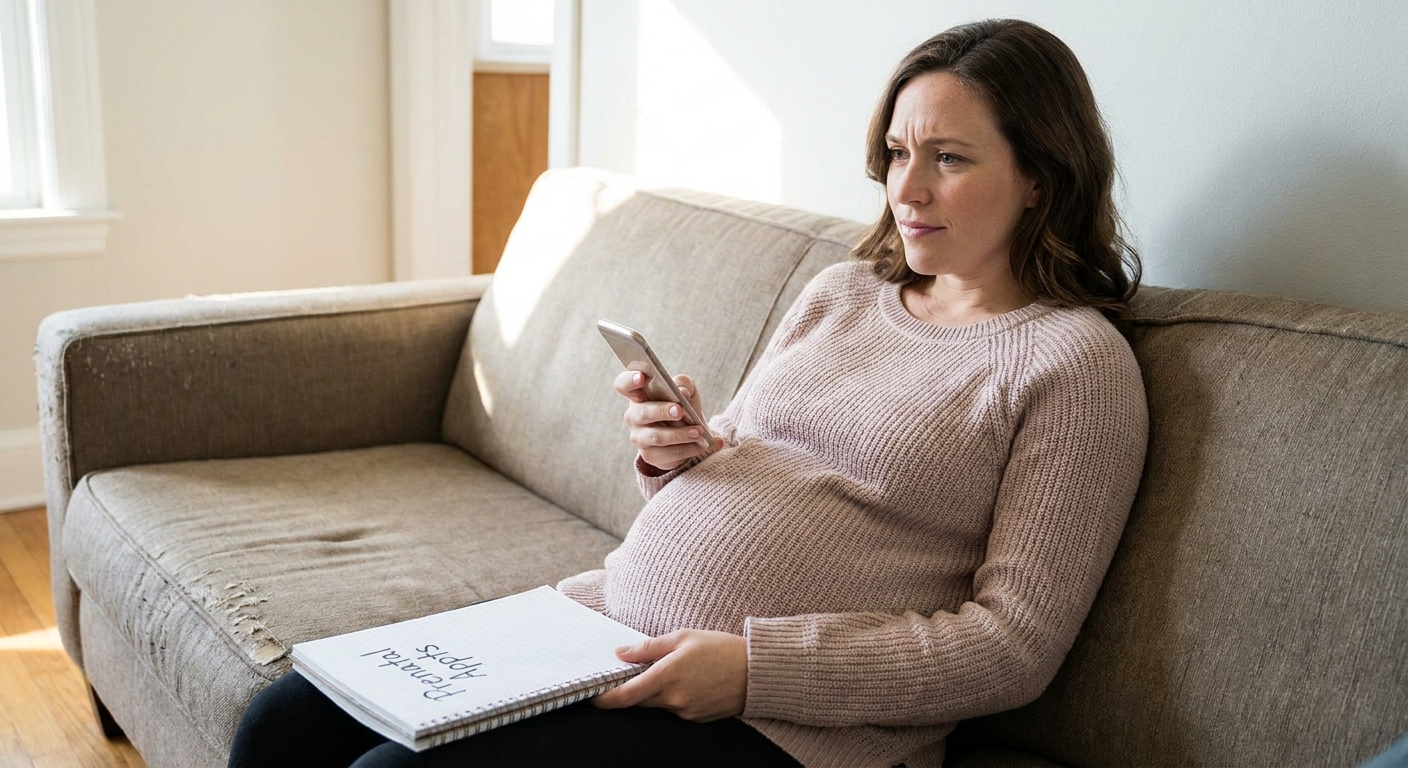
What counts as an exposure?
Clinicians use “significant exposure” to mean contact that could realistically transmit the virus. In plain language, they are looking for close, shared-air contact, not just being in the same building.
One tricky point: the exact cutoff for “close enough” can vary by guideline and setting. Some references use a time threshold for face-to-face indoor contact (for example, several minutes). If your situation feels borderline, it is still worth a call, especially in pregnancy.
Examples that usually count
- Living in the same household as someone with chickenpox or shingles.
- Face-to-face indoor contact, especially for a sustained period (for example, caring for a sick child, sitting close together, or sharing a small room).
- Direct contact with fluid from chickenpox blisters (less common, but it happens during caregiving).
Examples that often do not count (but still call if you are unsure)
- Brief passing contact in a hallway.
- Being in the same large space with minimal interaction.
- Seeing someone before they were contagious (timing below).
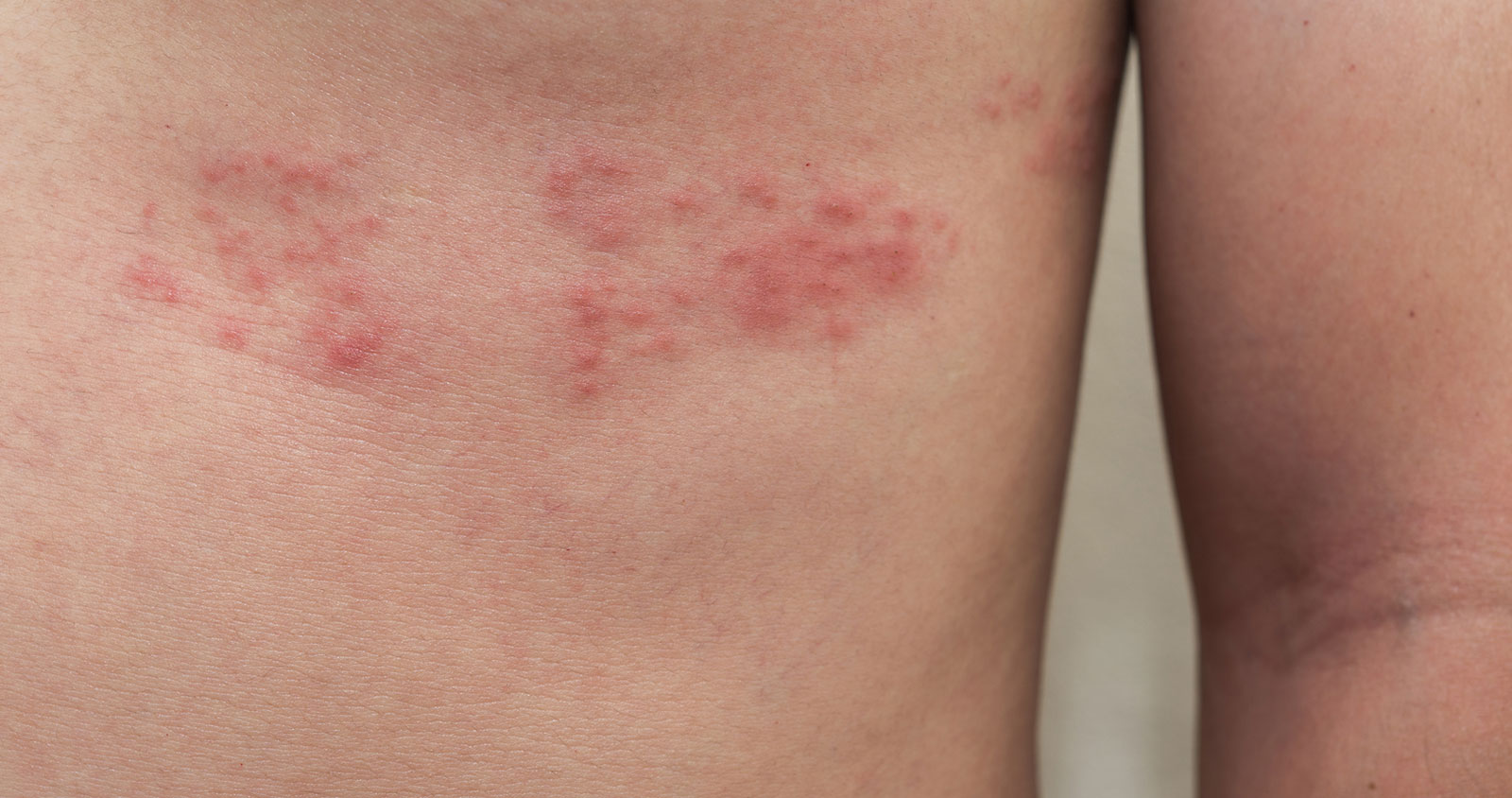
Important nuance: shingles can expose a non-immune person to chickenpox. It is the same virus. Shingles is usually less contagious than chickenpox, but household contact and direct contact with rash can still matter, especially if the rash is uncovered.
The first question: Are you immune?
When a pregnant patient calls about exposure, the first questions are typically about immunity, because immunity dramatically lowers the chance of infection.
Ways you may already be considered immune
- Documented chickenpox vaccination (usually two doses).
- Lab evidence of immunity (a prior blood test showing VZV IgG antibodies).
- A reliable history of chickenpox in the past. Many clinicians accept this, but in pregnancy they may still confirm with a blood test if the exposure is significant.
If you are unsure, do not guess. Your OB, midwife, or primary care clinician can order a VZV IgG blood test to check immunity.
Quick reality check from triage: a lot of adults confidently say “I think I had it?” and then the bloodwork shows they are immune. And sometimes it shows they are not. The blood test is a stress-saver.
Timing basics
Chickenpox spreads through airborne droplets in shared air and through direct contact with blister fluid. People are usually contagious from about 1 to 2 days before the rash starts until all lesions have crusted over, which is often around 5 to 7 days after the rash appears.
You do not need to memorize every detail, but you do need this takeaway: you can be exposed before anyone realizes it is chickenpox.
How long to watch for symptoms
After a true exposure, chickenpox symptoms typically show up in about 10 to 21 days. If someone receives varicella-zoster immune globulin (VariZIG), the incubation period can be longer, so your clinician may have you monitor beyond 21 days.
Symptoms to watch for
- Fever, body aches, fatigue, headache.
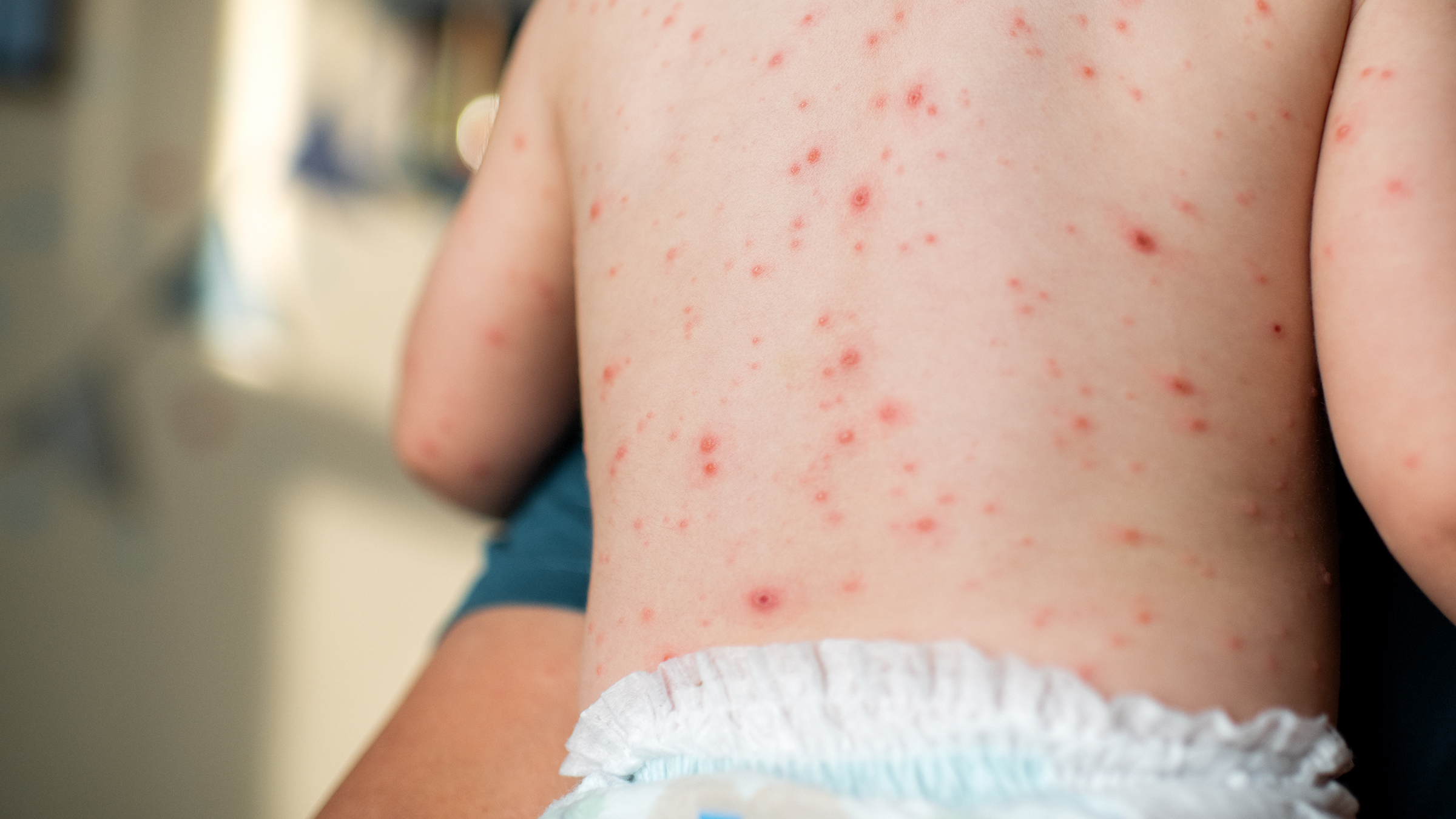
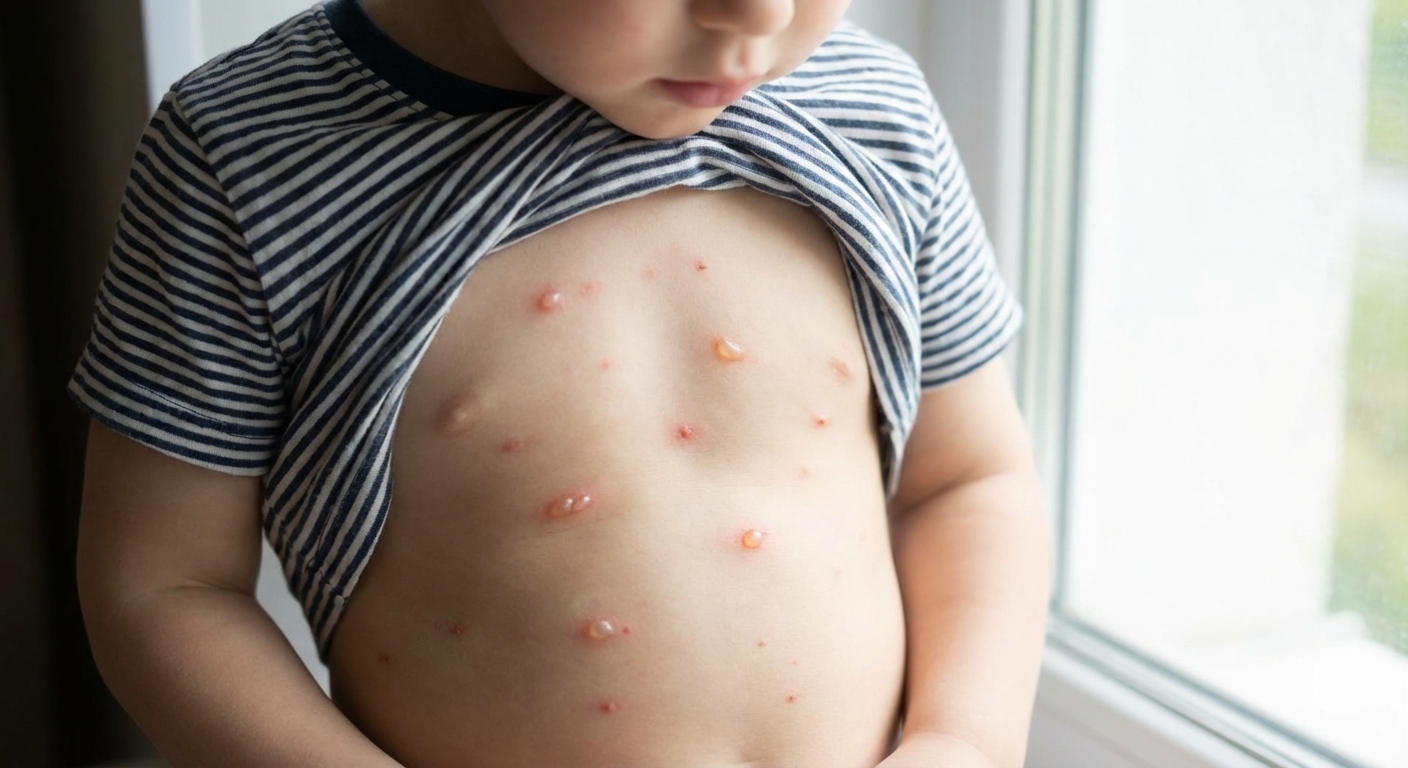
- An itchy, blister-like rash that often starts on the trunk and spreads, with spots in different stages.
- Cough or shortness of breath (this matters more in pregnancy).
Risks by trimester
The word “risk” in pregnancy can feel vague and terrifying. Here is the clinician-style breakdown, translated into parent language.
First trimester (weeks 0 to 13)
The main concerns with maternal chickenpox early in pregnancy are:
- More severe illness in the pregnant person compared with kids.
- A small risk of fetal effects if a true infection occurs. The classic entity your OB is thinking about is congenital varicella syndrome, which is rare overall and most associated with primary infection earlier in pregnancy (especially before about 20 weeks).
If you are non-immune and you had significant exposure, this is typically a same-day call to your OB or midwife to discuss testing and time-sensitive preventive options.
Second trimester (weeks 14 to 27)
Many of the same principles apply. If infection occurs before about 20 weeks, congenital varicella syndrome is still the reason your care team pays close attention, even though it remains uncommon. Your team is focused on:
- Confirming whether you are immune.
- Reducing the chance you develop chickenpox if you are non-immune.
- Monitoring pregnancy appropriately if infection is confirmed.
Third trimester (weeks 28 to delivery)
By late pregnancy, there are two key issues:
- Pregnant people can get sicker from chickenpox than children do, and complications like varicella pneumonia are a concern.
- Timing around delivery matters for the newborn (details below).
Even in the third trimester, immunity is still the big divider between “monitor calmly” and “act quickly.”
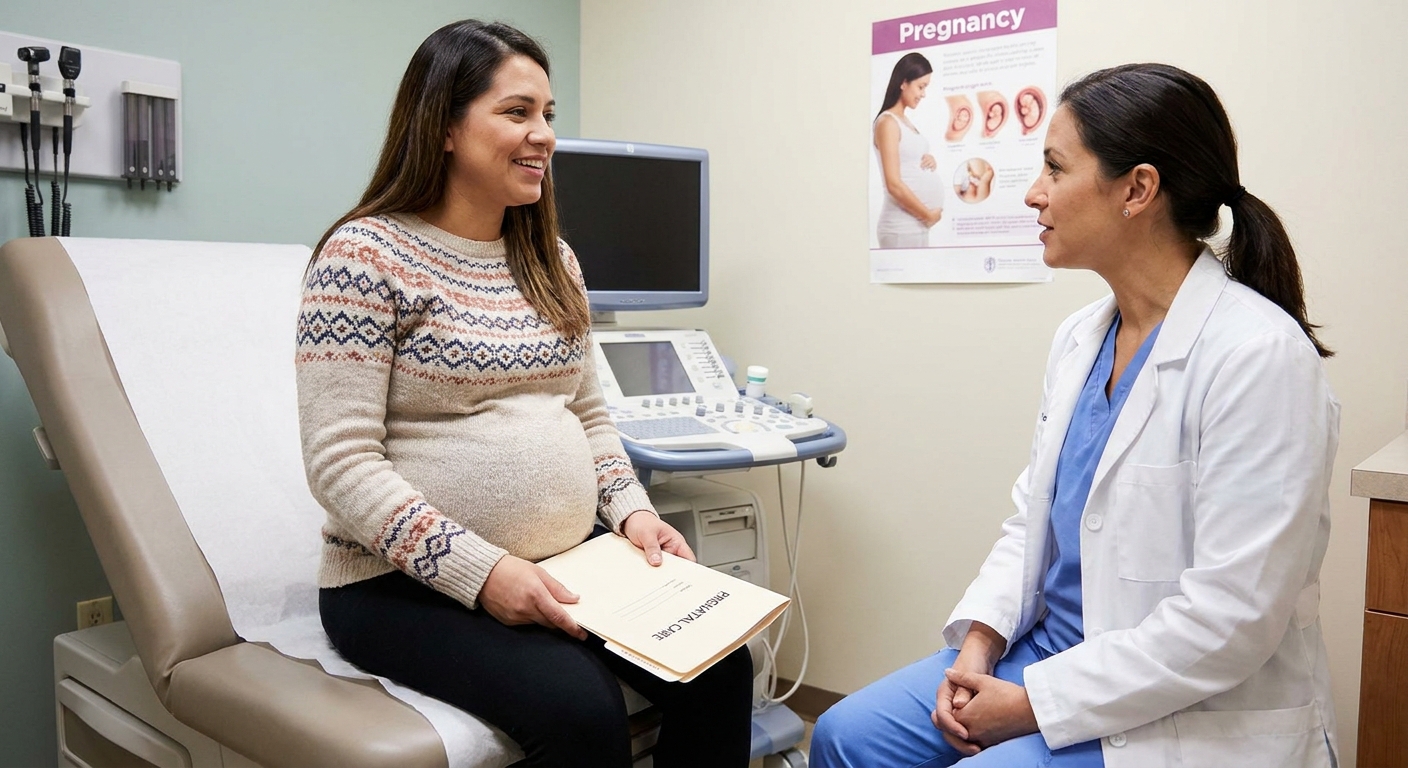
When to call the same day
Call your OB, midwife, or on-call nurse the same day if any of the following apply:
- You had significant exposure and you do not know whether you are immune.
- You know you are not immune (no prior chickenpox, no vaccine, or prior testing showed negative immunity).
- You are exposed and you are immunocompromised for any reason (certain medications, immune conditions, transplant history).
- You are near your due date and you were exposed, even if you are not sure it “counts.”
Seek urgent care or emergency evaluation (do not just wait it out at home) if you develop:
- Shortness of breath, chest pain, or worsening cough.
- High fever or you feel significantly unwell.
- Confusion, severe headache, or dehydration.
- A new blister-like rash and you are pregnant, especially with breathing symptoms.
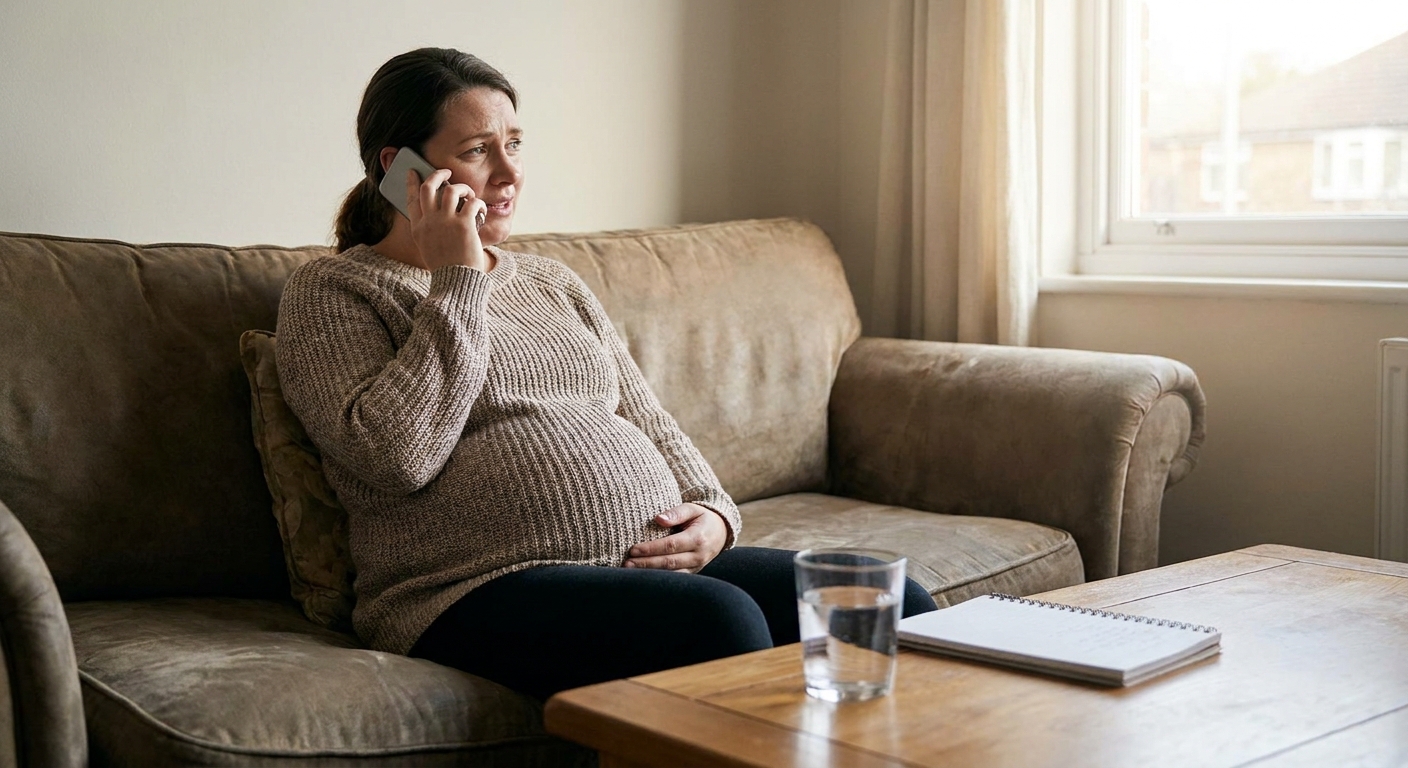
If you suspect chickenpox, call before you walk into any clinic. They may bring you in through a separate entrance or room you right away to protect newborns and other pregnant patients in the waiting area.
What your clinician may do
Your exact plan depends on your immunity status, how close the exposure was, and how long it has been. These are the usual medical steps your care team considers.
1) Confirm immunity with a blood test
If your immunity is unknown, a VZV IgG test can often clarify the situation quickly. (In real-world triage, IgG is the test used to determine immunity. IgM is not as helpful for this question.) If you are immune, you typically just monitor for symptoms and move on with your life.
2) Post-exposure protection if you are not immune
If you are not immune and the exposure is significant, your clinician may discuss varicella-zoster immune globulin (often called VariZIG). This is an injection of antibodies intended to reduce the chance of severe disease.
It is time-sensitive. It is typically recommended as soon as possible after exposure, and many guidelines allow it to be given up to 10 days after exposure for eligible high-risk patients. This is why the “same-day call” matters.
3) Antiviral treatment if infection develops
If you actually develop chickenpox during pregnancy, clinicians may recommend antiviral medication such as acyclovir or valacyclovir, particularly for adults and especially later in pregnancy or with more severe illness. Timing matters here too, so do not tough it out quietly at home.
4) Follow-up in pregnancy
If infection is confirmed, your OB may recommend additional monitoring and may refer you to maternal-fetal medicine depending on gestational age and individual risk factors.
One important note: The chickenpox vaccine is a live vaccine and is typically not given during pregnancy. If you are found to be non-immune, many people are vaccinated after delivery so future pregnancies are protected. (For non-pregnant household contacts, clinicians sometimes recommend vaccination after exposure, but that is a different situation.)
Chickenpox near delivery
This is the part that understandably scares parents most, so I am going to be very specific and very practical.
Newborn risk is highest when a birthing parent develops chickenpox right around the time of delivery. A commonly cited highest-risk window is when the parent’s rash starts about 5 days before delivery through 2 days after delivery, because baby may be exposed before they receive enough protective antibodies through the placenta.
What hospitals and pediatric teams often do
Plans vary by hospital and the exact timing of illness, but newborn precautions commonly include:
- Pediatric evaluation at birth with clear guidance on what symptoms to watch for.
- Isolation precautions in the hospital to reduce spread to other babies and postpartum families.
- Consideration of immune globulin for the newborn if exposure timing puts baby at higher risk.
- Close follow-up after discharge and, in some situations, observation in the hospital.
Breastfeeding guidance depends on whether the parent has active lesions and where they are located. In many cases, breast milk is still encouraged because it can provide immune support, but direct contact with lesions must be avoided. If lesions are on the breast or areola, clinicians typically recommend not nursing directly from that breast until lesions crust, and using expressed milk only if it can be collected without contact with lesions. Your OB, pediatrician, and lactation consultant can help you make a safe plan.
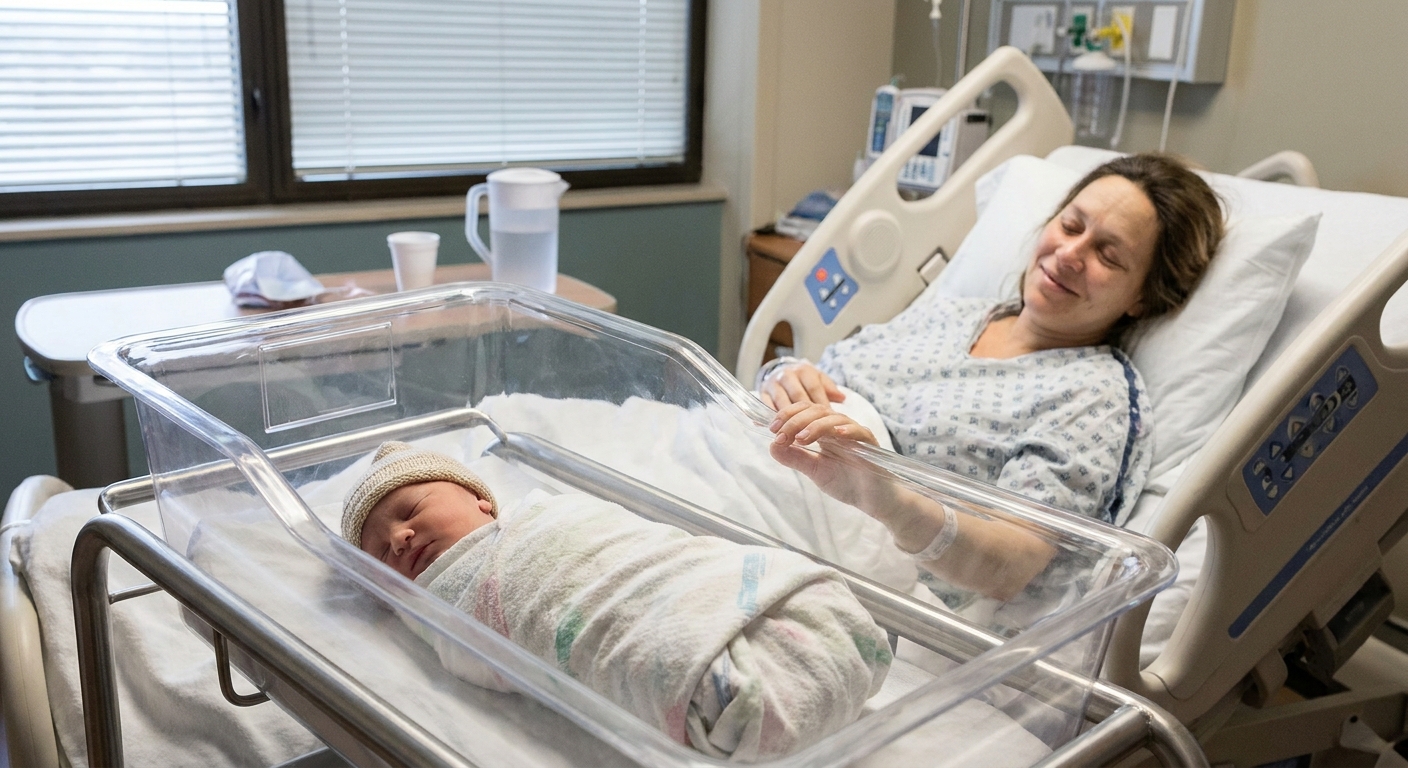
If your older child has chickenpox
This is a common household scenario. Here is the calm approach I would use in my own home.
- Call your OB to confirm immunity if you are not 100 percent sure.
- If you are immune, your risk of getting chickenpox again is very low, and you typically focus on routine caregiving and hygiene.
- If you are not immune, ask your clinician the same day about post-exposure options and whether another caregiver can take over the closest contact temporarily.
- Try practical steps like good handwashing, keeping your child’s rash covered with clothing when possible, and avoiding sharing cups and utensils.
And yes, you can love your kid and still hate this moment. Both can be true.
What to track before you call
If you are calling about exposure, having these details ready makes the conversation faster and more accurate:
- Date(s) of exposure and how long you were together.
- Type of contact (household, childcare, face-to-face indoors, brief pass-by).
- Whether the person had chickenpox or shingles and when their rash started (if known).
- Your best guess about your immunity: prior chickenpox, vaccine doses, or prior lab result.
- Your gestational age and expected due date.
FAQ
I am vaccinated. Do I still need to worry?
If you have had two varicella vaccine doses, you are very likely protected. Breakthrough cases can happen, but they are usually milder. It is still reasonable to call if the exposure was significant, especially late in pregnancy, but most vaccinated patients are managed with reassurance and symptom watch.
I had chickenpox as a kid. Can I get it again while pregnant?
True second infections are uncommon. If your history is clear, many clinicians will consider you immune, though they may confirm with a blood test if the exposure is high-risk or if the history is uncertain.
What if I cannot reach my OB office?
If you are non-immune (or unsure) and the exposure was significant, call the on-call line if available. If you cannot reach anyone and you are close to delivery, immunocompromised, or developing symptoms like fever and a blister-like rash, seek urgent medical evaluation. Call ahead so the facility can plan infection-control precautions.
Can my newborn catch chickenpox from visitors?
Newborns are more vulnerable to severe illness, so it is reasonable to be strict about sick visitors. Anyone with chickenpox, shingles rash, or a suspicious blister-like rash should stay away from newborns. If there was a close exposure, call your pediatrician promptly for guidance.
The bottom line
In pregnancy, chickenpox is not something to brush off, but it is also not a reason to spiral. Most pregnant people are immune. The safest next step after exposure is usually straightforward: call the same day if you are unsure about immunity or you know you are not immune, and let your care team decide whether you need testing, immune globulin, or monitoring.
If infection occurs near delivery, your pediatric team can put a plan in place to protect your newborn. You do not have to figure out the timing math alone.
Sarah Mitchell
Sarah Mitchell is a Registered Pediatric Nurse and a mother of three who has spent over a decade helping families navigate the beautiful, chaotic early years of childhood. She combines evidence-based medical knowledge with real-world parenting experience to offer practical, compassionate advice. At Awesome Parent, Sarah's mission is to help exhausted parents find solutions, trust their instincts, and finally get some sleep.