A calm, practical overview for parents on measles symptoms, rash progression, contagious timeline, isolation basics, vaccine protection, and what to do after...
Measles During Pregnancy: Exposure Risks and Next Steps

Sarah Mitchell
Sarah Mitchell is a Registered Pediatric Nurse and a mother of three who has spent over a decade helping families navigate the beautiful, chaotic early years of childhood. She combines evidence-based medical knowledge with real-world parenting experience to offer practical, compassionate advice. At Awesome Parent, Sarah's mission is to help exhausted parents find solutions, trust their instincts, and finally get some sleep.
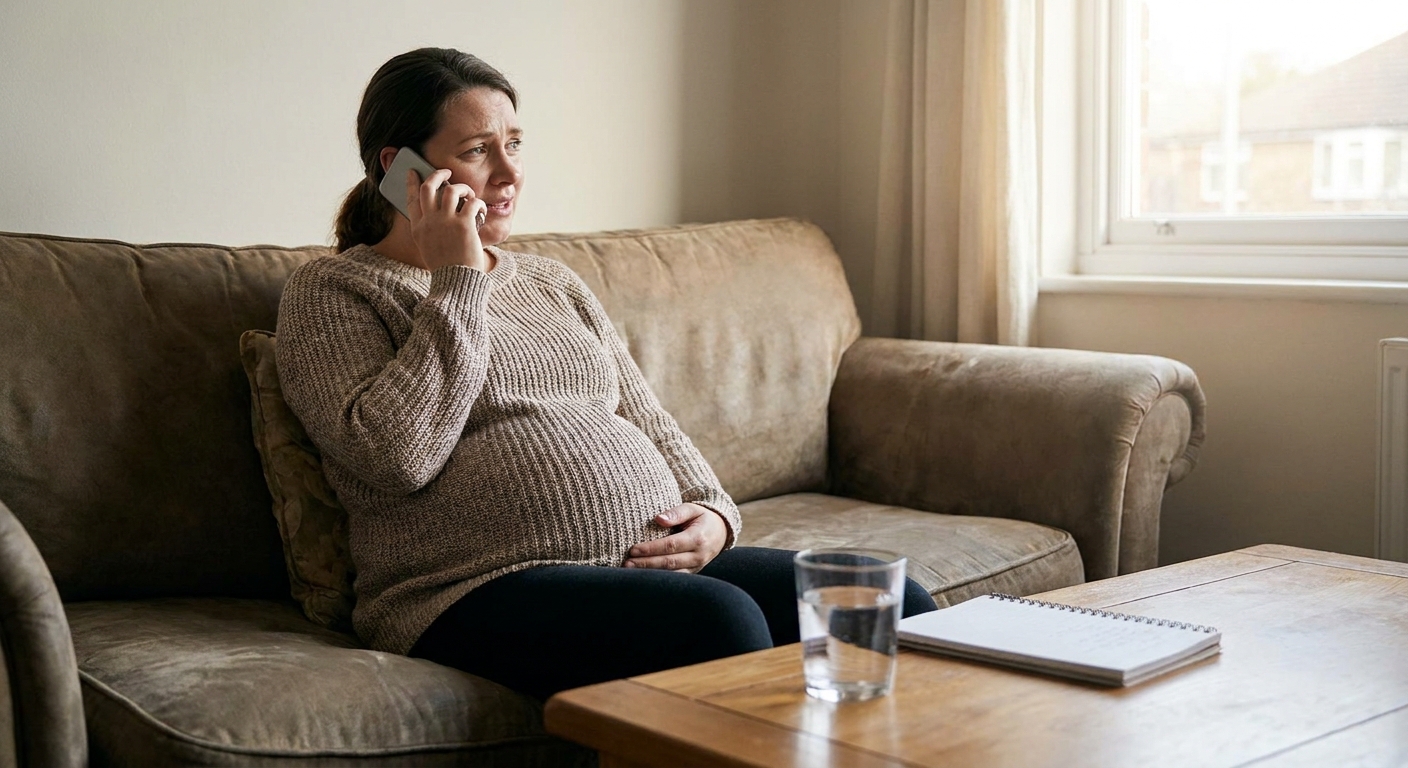
If you are pregnant and you find out you were around someone with measles, it can feel like your whole nervous system hits the panic button. I have taken plenty of these calls as a pediatric triage nurse, and I have also been the pregnant parent staring at my phone at midnight thinking, “Okay, now what?”
The good news is that there is a clear next step: figure out whether you are immune, and if you are not (or you are not sure), talk with your obstetric team right away because there may be time-sensitive options to lower your risk of getting sick.
Why measles exposure is different in pregnancy
Measles is one of the most contagious viruses we deal with. It spreads through the air when an infected person breathes, coughs, or sneezes, and it can remain in the air for up to 2 hours after the person leaves a room.
In pregnancy, we worry about two things:
- Your health. Measles can be more severe in adults than in kids and can lead to complications like pneumonia.
- Pregnancy complications. Infection during pregnancy has been associated with higher risk of problems such as hospitalization, pregnancy loss, preterm birth, and low birth weight. The exact risk depends on many factors, including how sick you get and how far along you are.
There is no medication that “cures” measles once an infection is established, which is why prevention and rapid post-exposure planning matter so much.
What counts as an exposure?
Clinicians usually define a meaningful exposure as being in the same airspace as a person with measles during their contagious period.
Common exposure scenarios include:
- Being in the same room, classroom, waiting room, or childcare setting with someone later confirmed to have measles
- Being in a medical office or emergency department shortly after a contagious measles patient was there
- Living in the same household as someone with measles
In general, shared indoor air is higher risk than brief outdoor pass-bys, but do not try to self-triage based on vibes. If you are not sure whether it “counts,” call anyway. Your OB office can help determine risk based on the timing and setting.
Timeline: why it matters
A lot of parents remember measles as “a rash illness,” but the rash is not the first thing that shows up. Understanding the timeline helps you and your clinician watch for the right symptoms at the right time.
Incubation period
After exposure, early symptoms often start around 10 to 12 days later (range can be about 7 to 21 days). The rash commonly appears around 14 days after exposure.
Early symptoms (before the rash)
Measles typically starts like a miserable cold or flu:
- Fever
- Cough
- Runny nose
- Red, irritated eyes (conjunctivitis)
- Feeling wiped out
There can also be tiny white spots inside the mouth (called Koplik spots), but most people do not notice them at home.
Rash phase
The rash usually begins 3 to 5 days after the early symptoms start. It often starts on the face or hairline and spreads downward to the trunk and limbs.
Contagious window
Measles is typically contagious from about 4 days before the rash starts through 4 days after rash onset. That is why “I did not see a rash” is not reassuring if you were around someone who was in the early symptomatic phase.
Pregnancy note: This is also why you should not just “keep an eye on it at home” without calling. Early symptoms can look like lots of everyday viruses, but measles needs a different plan for testing and infection control.
What your clinician will ask
When you call your OB office, midwife, or on-call nurse line, the first goal is to determine whether you are likely immune.
Expect questions like:
- Have you ever had measles? A documented history can suggest immunity, but many adults are not sure.
- Have you had the MMR vaccine in the past? Many people received it in childhood. Some have documentation, some do not.
- Do you have lab proof of immunity? Many prenatal panels include rubella immunity testing, but rubella immunity is not the same as measles immunity. Measles immunity is a different blood test. Your clinician may order a measles IgG antibody test if your status is unclear.
- When and where did the exposure happen? Date, duration, indoor vs outdoor, close contact, and whether the infected person was in their contagious period.
- Do you have any symptoms right now? Especially fever, cough, red eyes, or a new rash.
Try not to stress if you cannot find your childhood vaccine record at 9 pm. Call with what you know. Your team can guide the next best step.
If the exposure happened at work (especially in healthcare, childcare, or a school), ask about employee health or occupational health. They can sometimes help locate vaccine records, arrange testing, and coordinate post-exposure steps quickly.
What to do right now
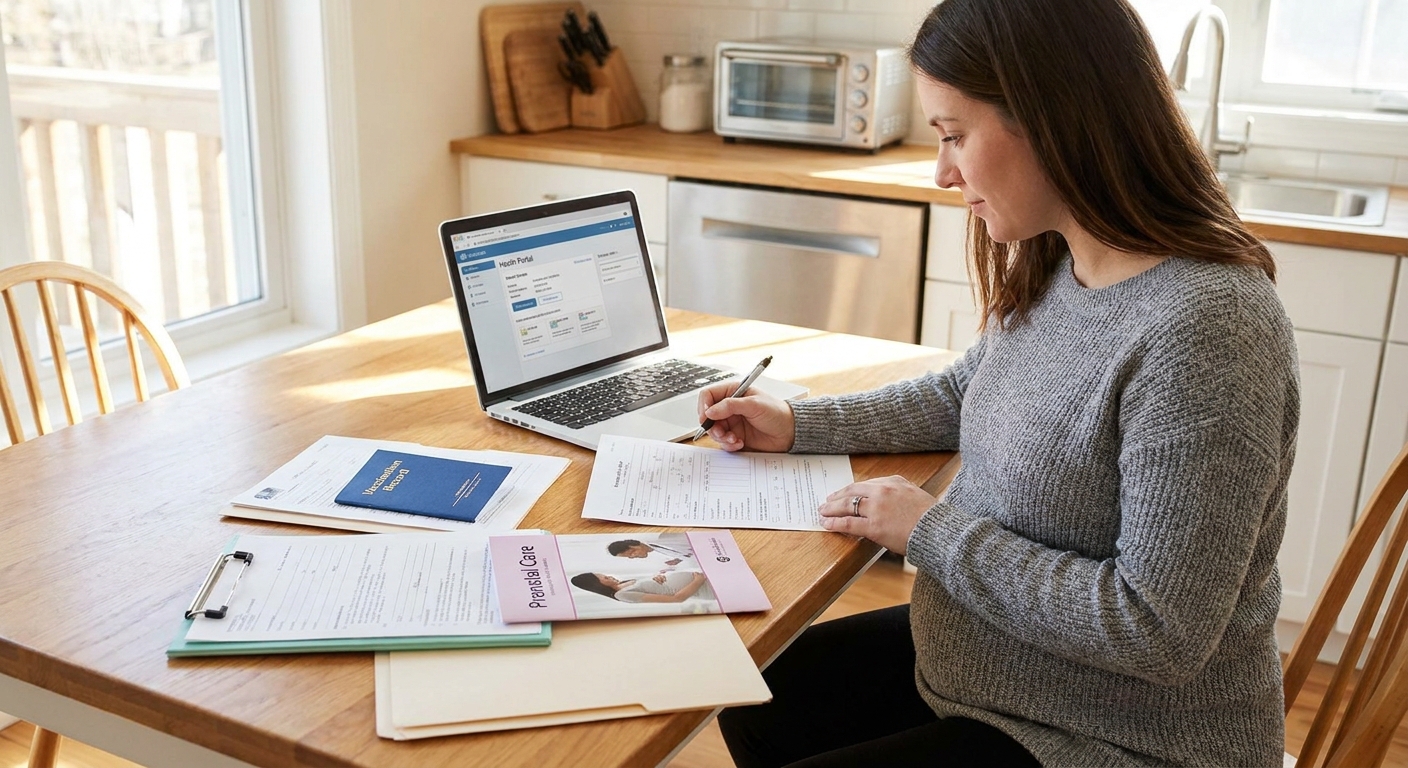
Here is the practical checklist I would want you to have at 3 am.
- Call your OB or midwife the same day. If it is after hours, use the on-call number.
- Do not walk into a waiting room without calling first. If you need evaluation, the clinic or hospital may arrange a safe entrance and rooming plan to protect other pregnant patients and newborns.
- Write down details. Date and time of exposure, location, how long you were there, and whether it was indoors.
- Look for documentation. If it is easy to access, check your vaccine record, old pediatric records, employee health documentation, or prior lab results.
- Monitor for symptoms for 21 days. Your clinician may give you a specific monitoring plan based on your situation.
Time-sensitive options
If you are not immune and the exposure was recent, your clinician may discuss post-exposure prevention.
In pregnancy, the live MMR vaccine is generally not given. For susceptible pregnant people, the usual approach is immune globulin, a blood product that may reduce the chance of severe disease (and may prevent illness in some cases) when given within a limited window. It is most effective when given as soon as possible and is generally used within about 6 days (144 hours) after exposure. It is not a guarantee, which is another reason symptom monitoring still matters.
This is exactly why calling quickly matters. Your care team will weigh your individual situation, timing, and local protocols.
Symptoms to report today
If you have had a known or suspected exposure, call your OB team the same day if you develop any of the following:
- Fever, especially 100.4°F (38°C) or higher (or whatever threshold your OB practice uses)
- Cough that is new or worsening
- Runny nose with significant fatigue and fever
- Red, watery, light-sensitive eyes
- Any new rash, especially if it starts on the face or hairline
- Shortness of breath, chest pain, or trouble breathing
- Signs of dehydration like very dark urine, dizziness, or inability to keep fluids down
If you have breathing difficulty, confusion, severe weakness, or you feel seriously unwell, seek emergency care. Call ahead so the facility can prepare appropriate infection precautions.
Testing and evaluation
Your clinician will decide whether testing is appropriate based on your symptoms, immunity status, and exposure details. If you are symptomatic, testing may include:
- A swab test (often a PCR or similar molecular test) from the nose, throat, or sometimes urine to look for the virus
- Bloodwork, which can include measles serology (such as IgM and IgG) depending on timing
- Additional evaluation if there are signs of complications, such as pneumonia
Because measles spreads so easily through the air, clinics and hospitals often take extra steps to isolate patients with possible measles. If your office asks you to wait in the car, use a separate entrance, or come at a specific time, that is not them being dramatic. It is good infection control.
Protecting your household
If you were exposed and are waiting to see whether you develop symptoms, ask your clinician what precautions make sense for your home, especially if you have:
- Newborns or young infants
- Household members with weakened immune systems
- Unvaccinated or under-vaccinated children
If someone in your home is unvaccinated or not fully vaccinated, they should contact their clinician or local health department promptly. There may be time-sensitive options for them too, depending on age and health status.
In general, be extra mindful about shared air and close contact if you develop symptoms. If you are well, you usually do not need to isolate from your family preemptively unless your clinician advises it based on your immunity status and risk.

Common questions
Can measles harm the baby directly?
The bigger concern is that measles can make the pregnant parent quite ill, and severe illness in pregnancy can increase the risk of pregnancy complications. Your OB team will monitor you closely if infection is suspected or confirmed.
If I had the vaccine as a kid, do I need to worry?
Most people who are fully immunized are protected. The key is confirming whether you are immune if there was a true exposure, especially if you cannot locate records or you are unsure of your vaccine history.
Should I get an antibody test right away?
Your clinician may order a measles IgG test if your immunity is unknown. Whether to test immediately or proceed with post-exposure management depends on timing, risk level, and local guidance.
What if I feel fine today?
That is reassuring, but it does not rule out measles yet because symptoms usually start days after exposure. The point of calling early is to confirm immunity and discuss time-sensitive prevention options if you are not immune.
After delivery
If you find out you are not immune to measles during pregnancy, ask your OB team about a plan for postpartum vaccination. The MMR vaccine is typically recommended after delivery for people who are not immune. Because it is a live vaccine, you are usually advised to avoid becoming pregnant again for a short period afterward. Your OB team will tell you what guidance they follow.
Final takeaway
If you are pregnant and you had a measles exposure, do two things: call your OB team the same day and do not show up unannounced to a clinic or hospital. Your care team will focus on confirming immunity and, if needed, offering time-sensitive protection and a monitoring plan.
You do not have to solve this alone at midnight. This is exactly the kind of situation your obstetric team is trained to handle, and they would much rather hear from you early than late.
Sarah Mitchell
Sarah Mitchell is a Registered Pediatric Nurse and a mother of three who has spent over a decade helping families navigate the beautiful, chaotic early years of childhood. She combines evidence-based medical knowledge with real-world parenting experience to offer practical, compassionate advice. At Awesome Parent, Sarah's mission is to help exhausted parents find solutions, trust their instincts, and finally get some sleep.